
Last updated on November 19th, 2025 at 04:30 pm
Europeans and Americans often have differing perceptions of what constitutes “healthy” food. While many foods marketed as healthy in the U.S. are staples in American diets, they’re often avoided, less common, or even rejected in Europe due to differing cultural tastes, stricter food regulations, or skepticism about overly processed products.
By understanding these differences, you can appreciate the European approach to food and perhaps even incorporate some of their habits into your own routine!
Here’s a list of 13 “healthy” American foods and why Europeans tend to avoid them.
Read here how to pack for Europe and Best eSIM for Europe
BOOK YOUR TRAVEL INSURANCE
Two of our favorite travel insurance: Heymondo Vs Safetwing cheapest travel Insurance. You can get for $135 USD your Heymondo Travel Insurance with Heymondo discount code valid for 90 days. Read our full comparison of Genki vs Safetywing Travel Insurance Review and the comparison Heymondo vs Genki
Takeaways for Travelers
When in Europe: Embrace the focus on natural, unprocessed, and local foods.
For Health-Conscious Eating: Look for simple, whole-food alternatives to packaged “healthy” snacks.
Enjoy the Variety: Explore traditional European foods, which often strike a balance between indulgence and nutrition.
Key Reasons Behind the Differences
Emphasis on Freshness: Europeans prioritize fresh, whole foods over processed alternatives.
Skepticism of Marketing: Many Europeans are wary of “health” claims on packaged products, preferring simplicity and authenticity.
Food Regulations: European food standards often prohibit certain additives, artificial sweeteners, or overly processed ingredients found in U.S. products.
Cultural Preferences: Traditional foods and cooking methods remain central to European diets, reducing the reliance on convenience products.
One of the biggest disagreements is whether American “healthy” products are genuinely better or simply marketed more aggressively. Critics argue that many of these foods rely on additives, artificial sweeteners, and processed ingredients that Europeans try to avoid. Supporters counter that innovation helps people meet dietary goals and that fortified foods fill nutritional gaps modern diets create.
Another controversial point is cultural identity. Europeans often view mealtimes as social experiences built around tradition, while Americans frequently approach food with a functional mindset—fuel, convenience, or dietary management. Some say this makes Americans more flexible; others argue it disconnects people from natural eating patterns. This perspective clash is a major reason they judge each other’s food choices so differently.
A final debate revolves around regulation. Europe restricts certain additives, dyes, and preservatives that are common in American “healthy” foods. Some see this as proof that the U.S. approves ingredients Europeans consider questionable. Others argue Europe is overly cautious and that American standards reflect scientific freedom. In reality, the controversy exposes how differently cultures define safety, health, and trust in the food system.
Why Europeans Never Eat These 13 ‘Healthy’ American Foods
1. Protein Bars
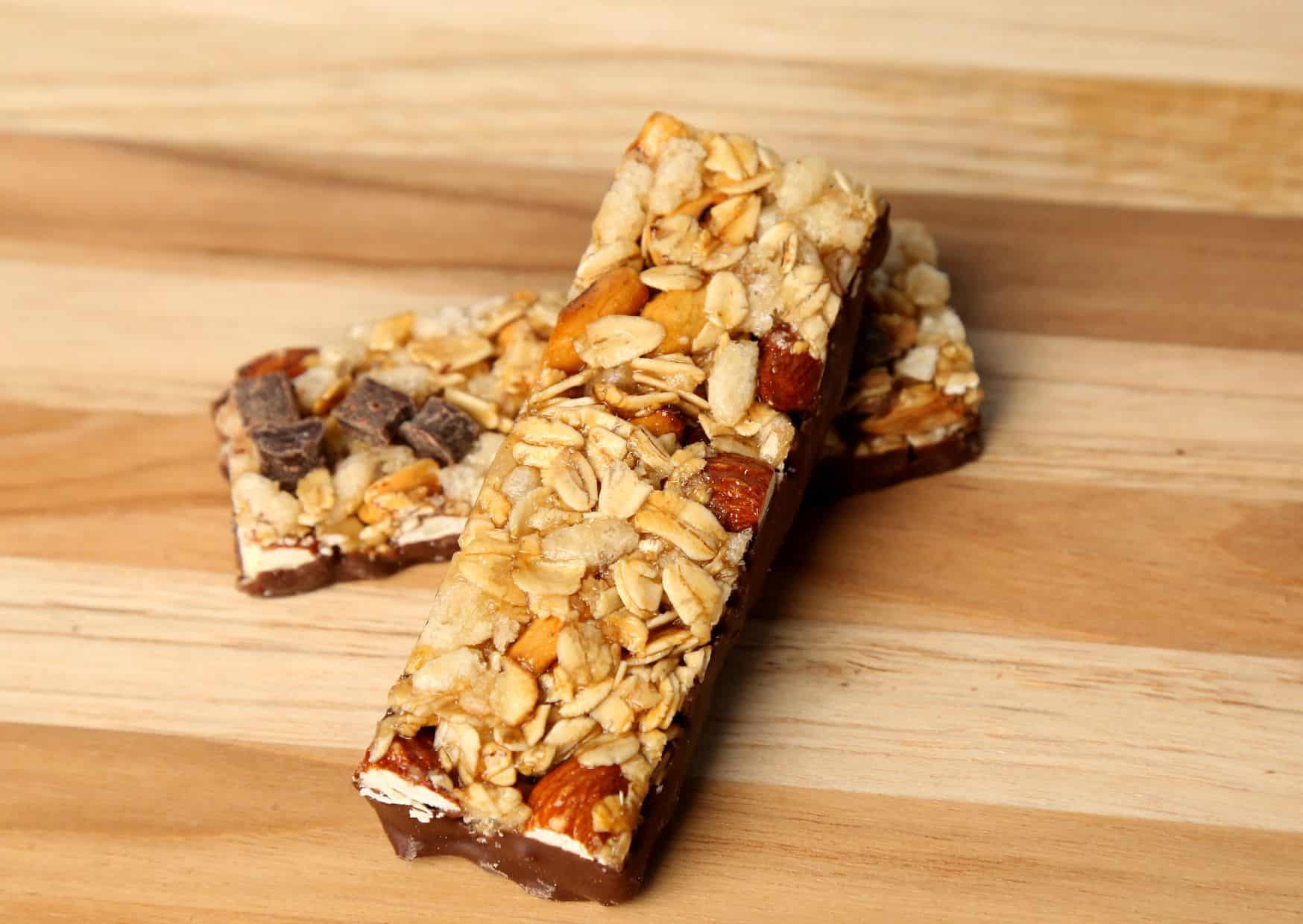
Why Europeans Avoid Them:
Protein bars are often viewed as overly processed, sugary, and far from natural. Europeans prefer getting protein from whole foods like eggs, nuts, or dairy products.
Alternative:
Fresh yogurt with nuts or seeds, or a slice of whole-grain bread with cheese.
2. Fat-Free Salad Dressings
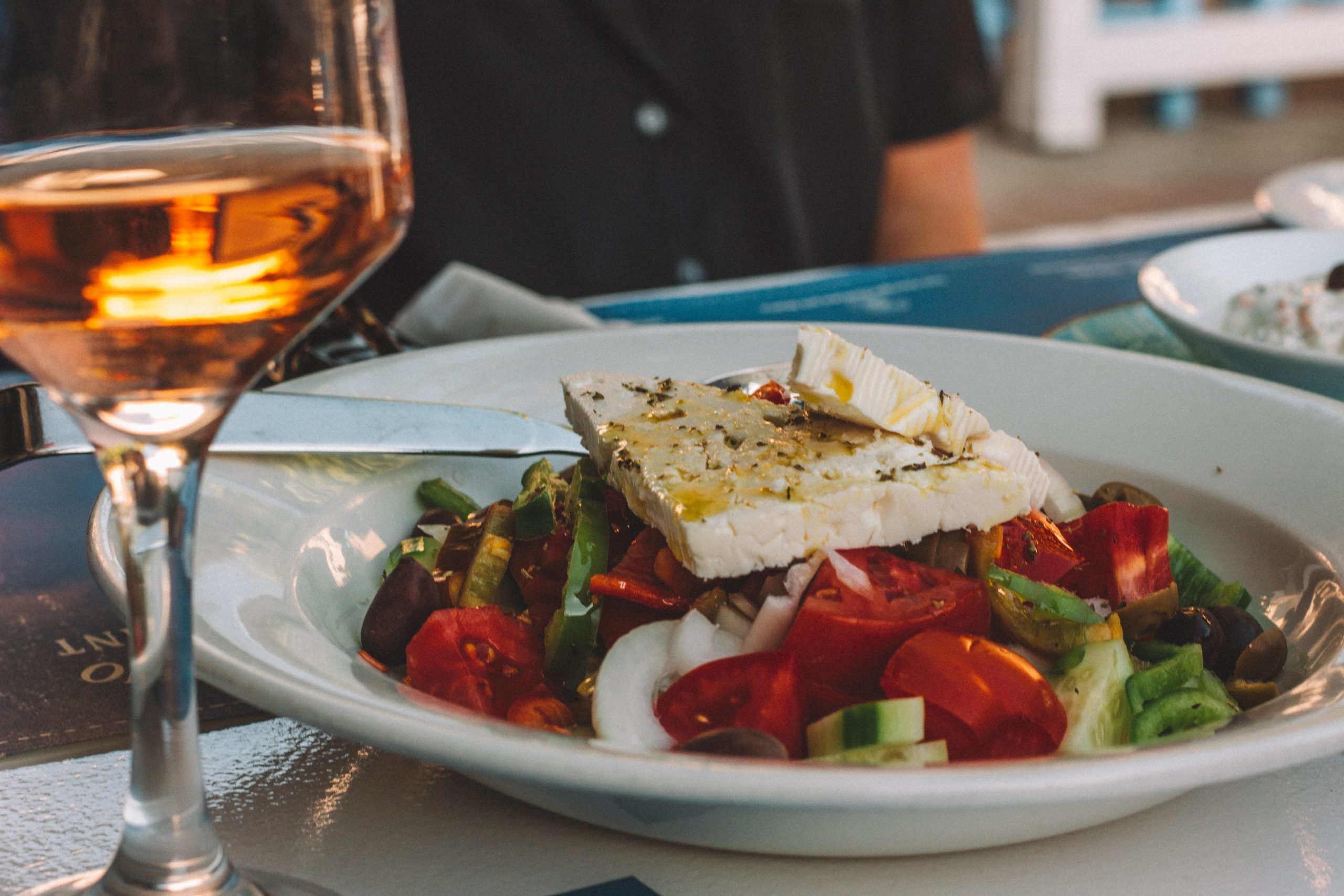
Why Europeans Avoid Them:
These dressings often replace fat with sugar or artificial thickeners, which are less appealing in cultures valuing natural ingredients.
Alternative:
Olive oil and vinegar are staples in European salads, emphasizing simplicity and real flavors.
3. Diet Sodas
Why Europeans Avoid Them:
Artificial sweeteners like aspartame or sucralose are often viewed with suspicion. Many Europeans prefer water, sparkling water, or small amounts of natural fruit juice.
Alternative:
Sparkling water with a splash of lemon or orange juice.
4. Pre-Packaged Green Juices
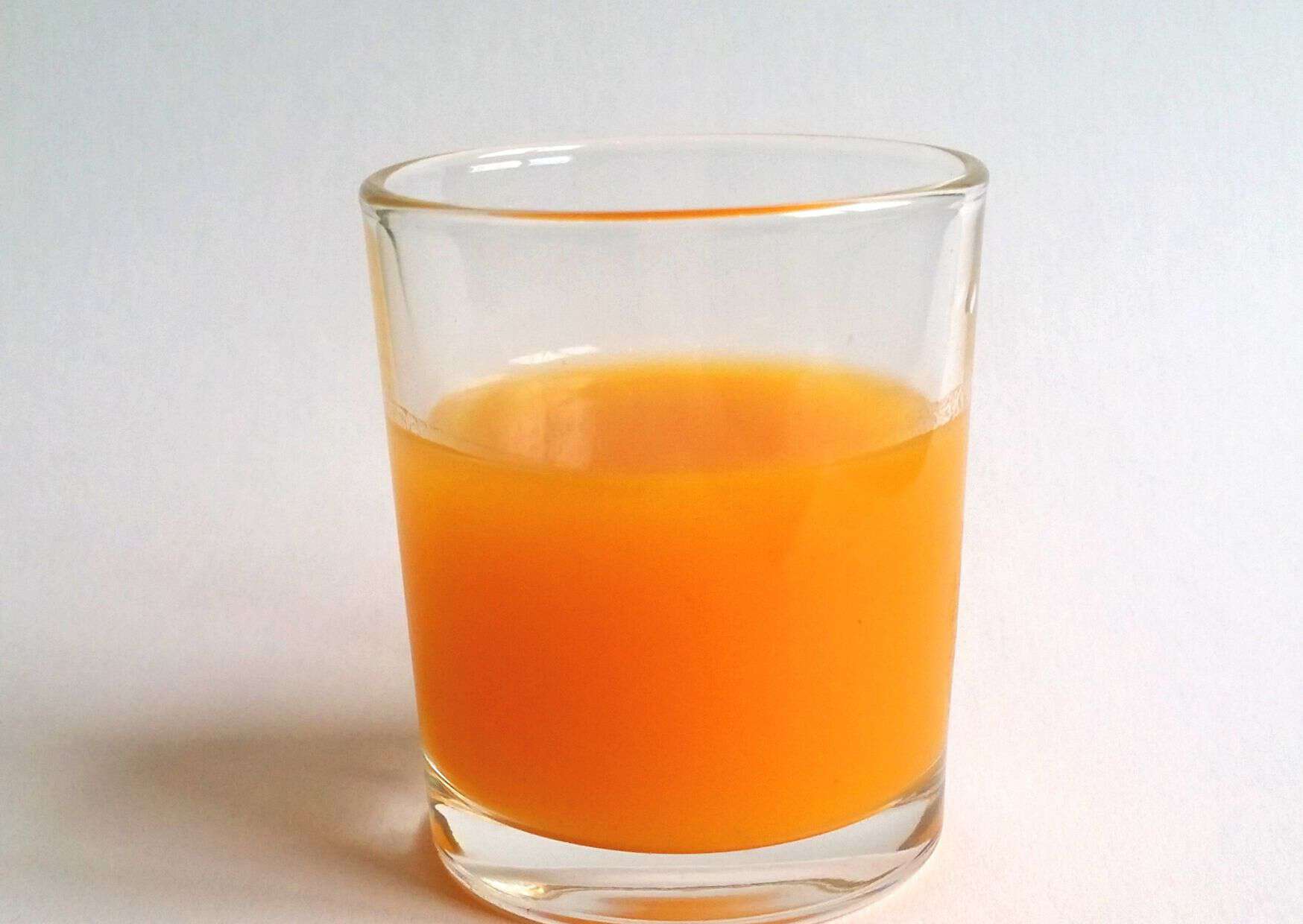
Why Europeans Avoid Them:
Pre-packaged juices are often seen as high in sugar and lacking in freshness. Europeans favor whole fruits or freshly squeezed juice.
Alternative:
Freshly squeezed orange juice or a smoothie made at home.
5. Gluten-Free Products (Without Medical Need)
Why Europeans Avoid Them:
Unless medically necessary (e.g., for celiac disease), gluten-free products are often seen as a marketing trend rather than a health necessity.
Alternative:
Europeans focus on traditional, naturally gluten-free foods like polenta, rice, or potatoes.
6. Low-Fat Yogurt
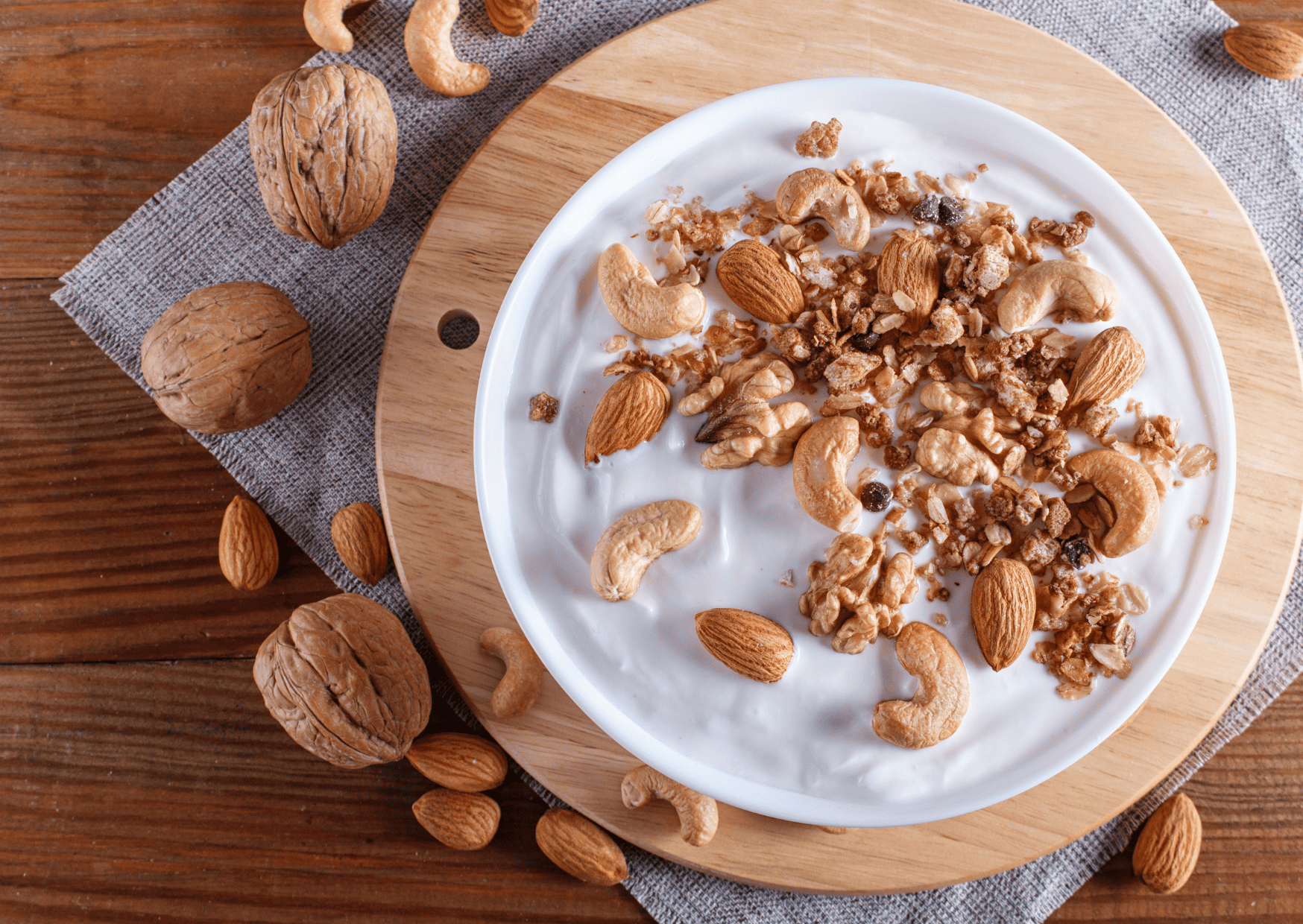
Why Europeans Avoid Them:
Low-fat yogurt is often filled with sugar or artificial sweeteners to make up for the lack of fat. Europeans prefer full-fat yogurt for its natural taste and nutritional value.
Alternative:
Full-fat Greek yogurt with honey or fresh fruit.
7. Instant Oatmeal
Why Europeans Avoid Them:
Instant oatmeal packets are often flavored with sugar or artificial ingredients. Europeans prefer whole oats that are minimally processed.
Alternative:
Steel-cut oats cooked from scratch with fresh toppings like nuts and berries.
8. Veggie Chips
Why Europeans Avoid Them:
Marketed as healthier alternatives to potato chips, veggie chips are often just as high in salt and fat. Europeans are skeptical of heavily processed snacks labeled as “healthy.”
Alternative:
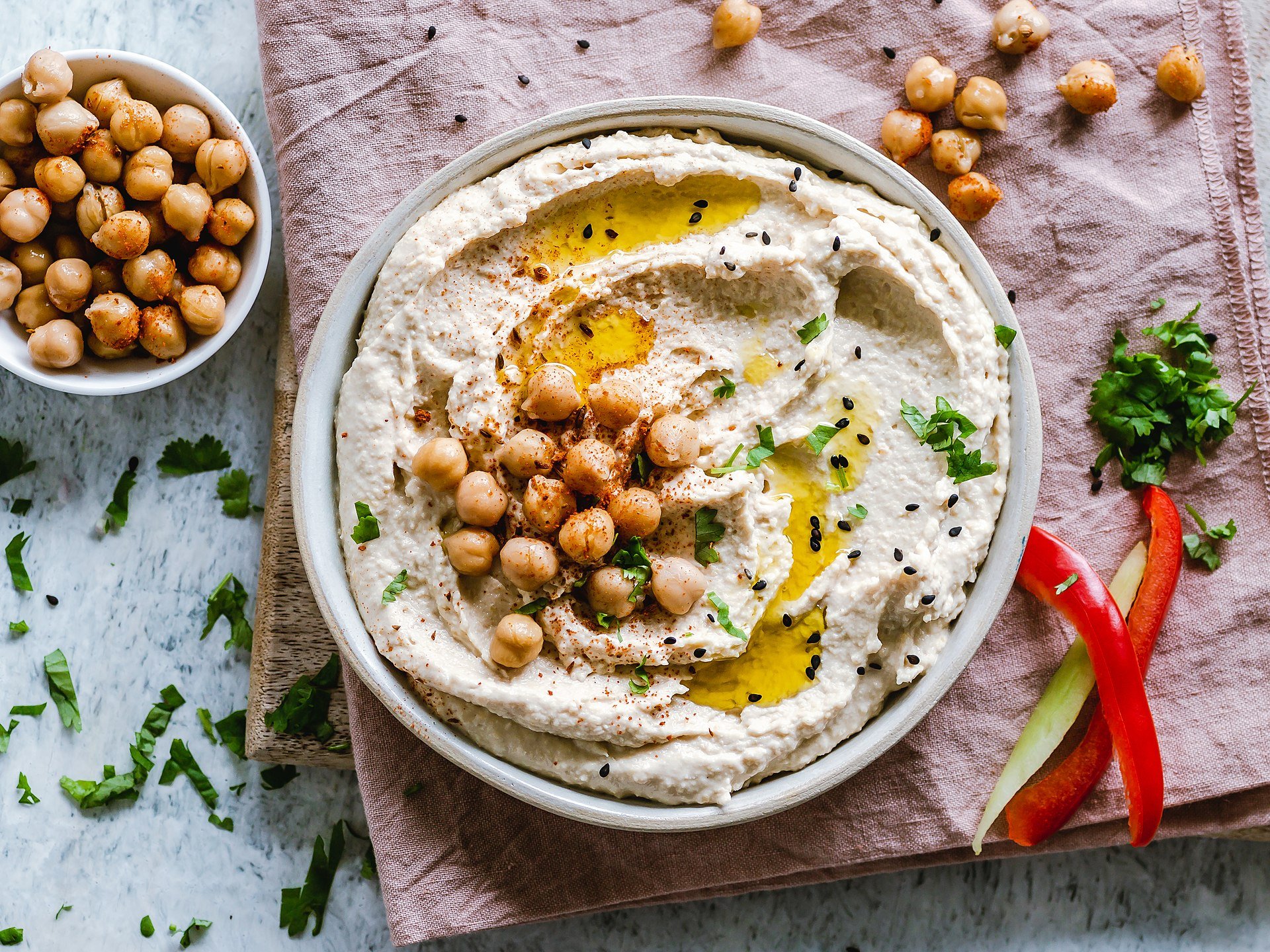
Fresh vegetable sticks with hummus or lightly seasoned roasted veggies.
9. Peanut Butter
Why Europeans Avoid Them:
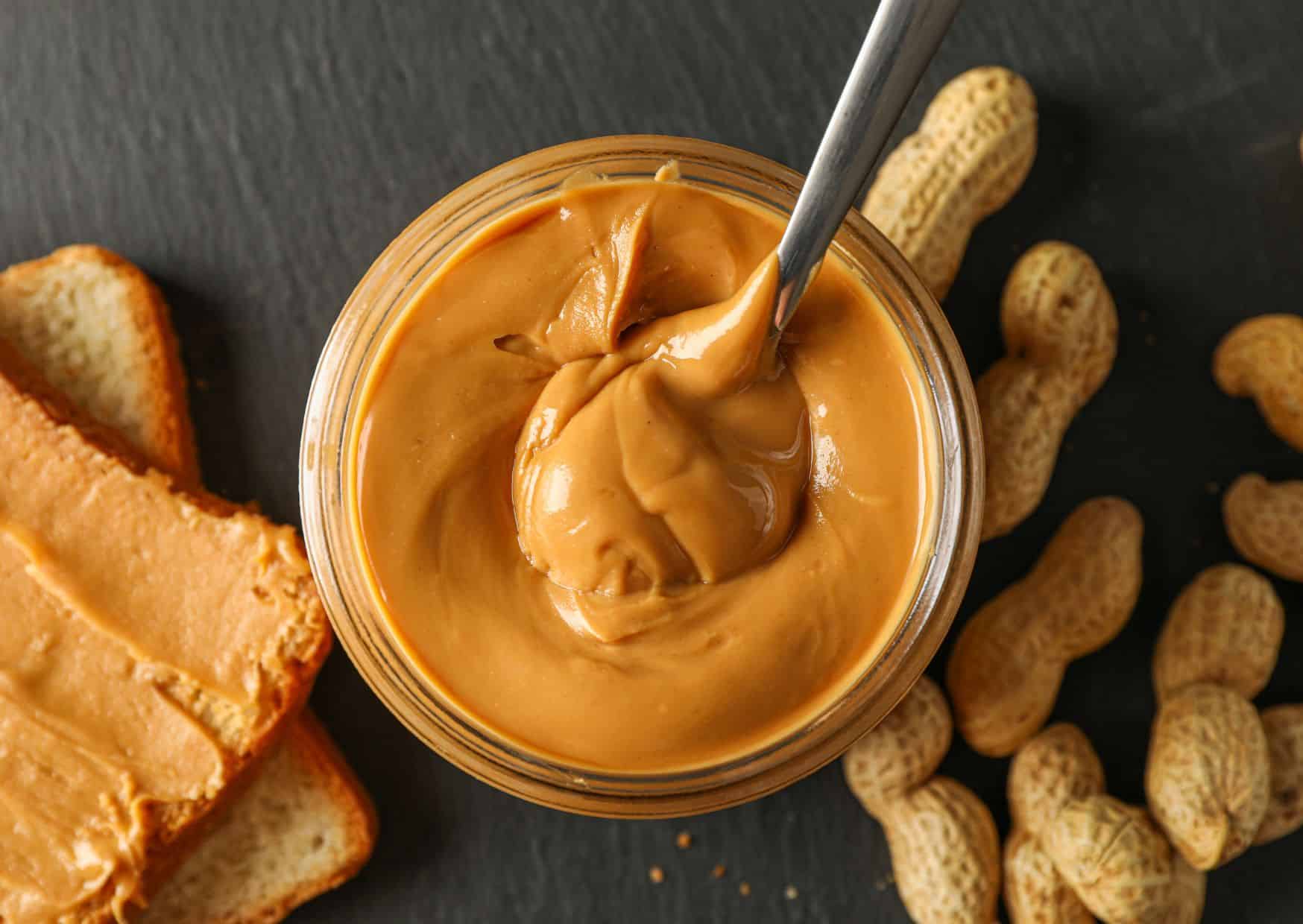
While growing in popularity, peanut butter is still considered overly heavy, calorie-dense, and less versatile compared to local spreads like Nutella or jam.
Alternative:
Europeans often use hazelnut spreads, fruit preserves, or cheese as toppings.
10. Egg White-Only Products
Why Europeans Avoid Them:
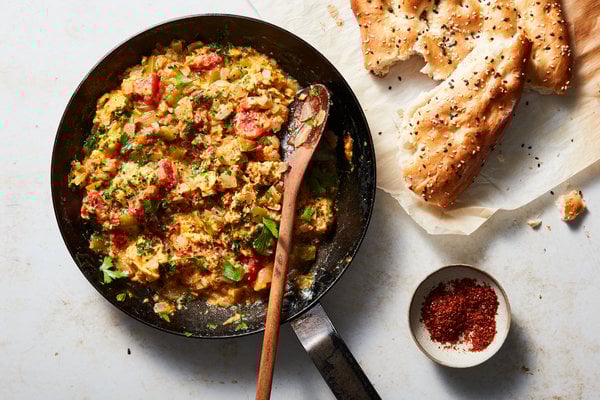
Discarding the yolk, which contains valuable nutrients, is seen as wasteful. Whole eggs are celebrated for their flavor and balanced nutrition.
Alternative:
Whole eggs prepared in simple ways, such as boiled or scrambled.
11. Sugar-Free Snacks
Why Europeans Avoid Them:
Europeans tend to avoid artificially sweetened snacks, viewing them as overly processed and preferring smaller portions of naturally sweet foods.
Alternative:
Dark chocolate, fresh fruits, or pastries made with natural ingredients.
12. Plant-Based Milk Alternatives (Without Need)
Why Europeans Avoid Them:
Plant-based milks like almond or soy milk are less common unless there’s a dietary restriction.
They’re often viewed as less nutritious and overly processed compared to dairy milk.
Alternative:
Whole or fresh raw milk, which is widely consumed in many parts of Europe.
13. Packaged Smoothie Bowls
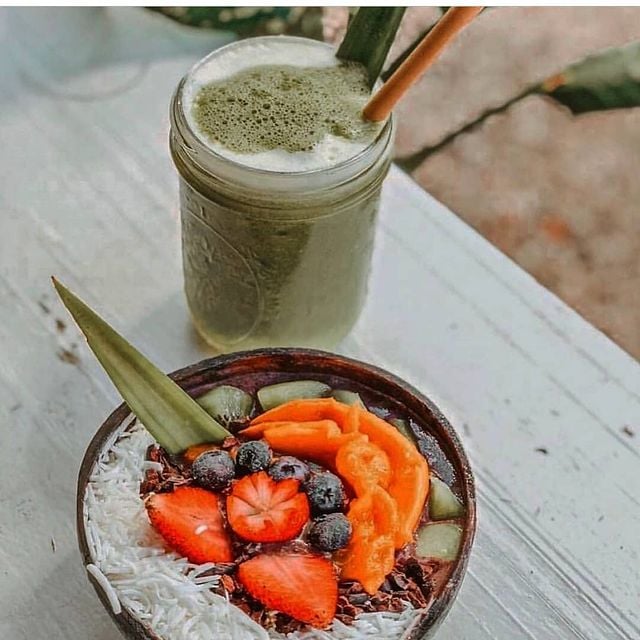
Why Europeans Avoid Them:
These are often seen as overpriced and laden with sugar, preservatives, or artificial flavors. Europeans prefer making smoothies at home using fresh, seasonal ingredients.
Alternative:
Homemade smoothie bowls with yogurt, fresh fruits, and nuts.
Final Thoughts
The divide between what Americans label as “healthy” and what Europeans actually eat reveals how differently the two cultures approach food. In the U.S., packaged snacks, fortified drinks, and low-calorie substitutes often get marketed as nutritious options. But in much of Europe, health is tied to whole ingredients, minimal processing, and meals that come from kitchens—not factories. That contrast makes many American “health foods” look questionable overseas.
Europeans generally prioritize balance over buzzwords. Instead of obsessing over protein grams or low-fat labels, they focus on freshness, portion control, and foods their grandparents would recognize. That mindset naturally creates skepticism toward products that are ultra-processed but advertised as “clean,” “light,” or “supercharged.” To them, health comes from real food, not marketing campaigns.
Understanding this difference doesn’t mean one system is perfect and the other is wrong. But it does highlight that the definition of “healthy” is cultural, not universal. When you see which American foods Europeans avoid, it becomes clearer why their approach to eating feels more grounded—and why many of their traditional diets consistently rank as some of the healthiest in the world.

About the Author: Ruben, co-founder of Gamintraveler.com since 2014, is a seasoned traveler from Spain who has explored over 100 countries since 2009. Known for his extensive travel adventures across South America, Europe, the US, Australia, New Zealand, Asia, and Africa, Ruben combines his passion for adventurous yet sustainable living with his love for cycling, highlighted by his remarkable 5-month bicycle journey from Spain to Norway. He currently resides in Spain, where he continues sharing his travel experiences with his partner, Rachel, and their son, Han.