
(And Why You Might Want One Too)
The Culture Shock That Lives in the Kitchen
Ask any American who’s lived in Europe for a while, and they’ll likely mention the fridge. Or rather, the tiny little box that passes for a fridge in most European homes. To many U.S. visitors, it looks like a glorified dorm fridge. There’s barely room for a gallon of milk, let alone enough groceries to “stock up” for the week.
The initial reaction is usually the same: “How do they survive with this?” But after a few weeks—or a few grocery runs—many visitors start to understand the method behind the mini madness. And soon enough, some even find themselves wondering: Is this actually… better?
Here’s why Europeans’ small refrigerators aren’t just tolerable—they’re kind of brilliant.
Looking for More Cultural Nuance?
The Real Reason Europeans Don’t Small Talk With Strangers
9 ‘Rude’ Behaviors in Europe That Actually Show Respect
Why Europeans Don’t Make Friends at Work (And Are Happier for It)
1. Smaller Fridge, Fresher Food
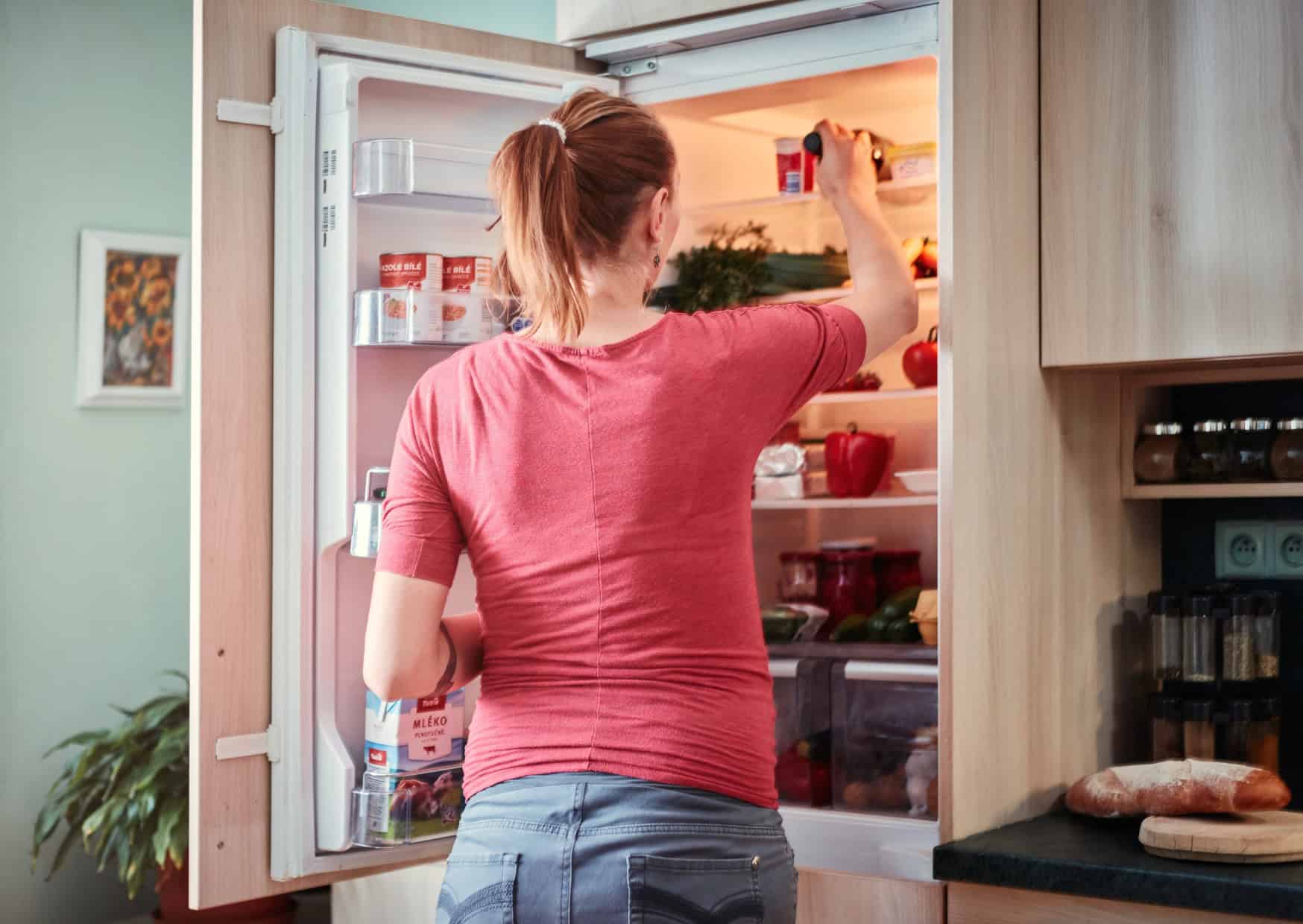
Let’s start with the biggest perk: smaller fridges encourage fresher, more frequent meals. In many parts of Europe, it’s totally normal to:
- Pop by the bakery in the morning for fresh bread
- Grab vegetables and meat from a local market every couple of days
- Pick up milk or cheese on your way home from work
This routine means food is bought close to when it’s consumed, reducing waste and increasing quality.
The American Contrast:
In the U.S., with sprawling suburbs and drive-everywhere habits, people often shop once a week (or every two). Food gets frozen, forgotten, or stuffed behind condiment jars for weeks. That giant Costco haul might seem efficient—but how much of it actually ends up spoiled?
The brilliance of the small fridge: It nudges you into a habit of eating what you actually have, when it’s still fresh—and not letting groceries rot in the back.
2. Less Energy Waste (and a Lower Bill)
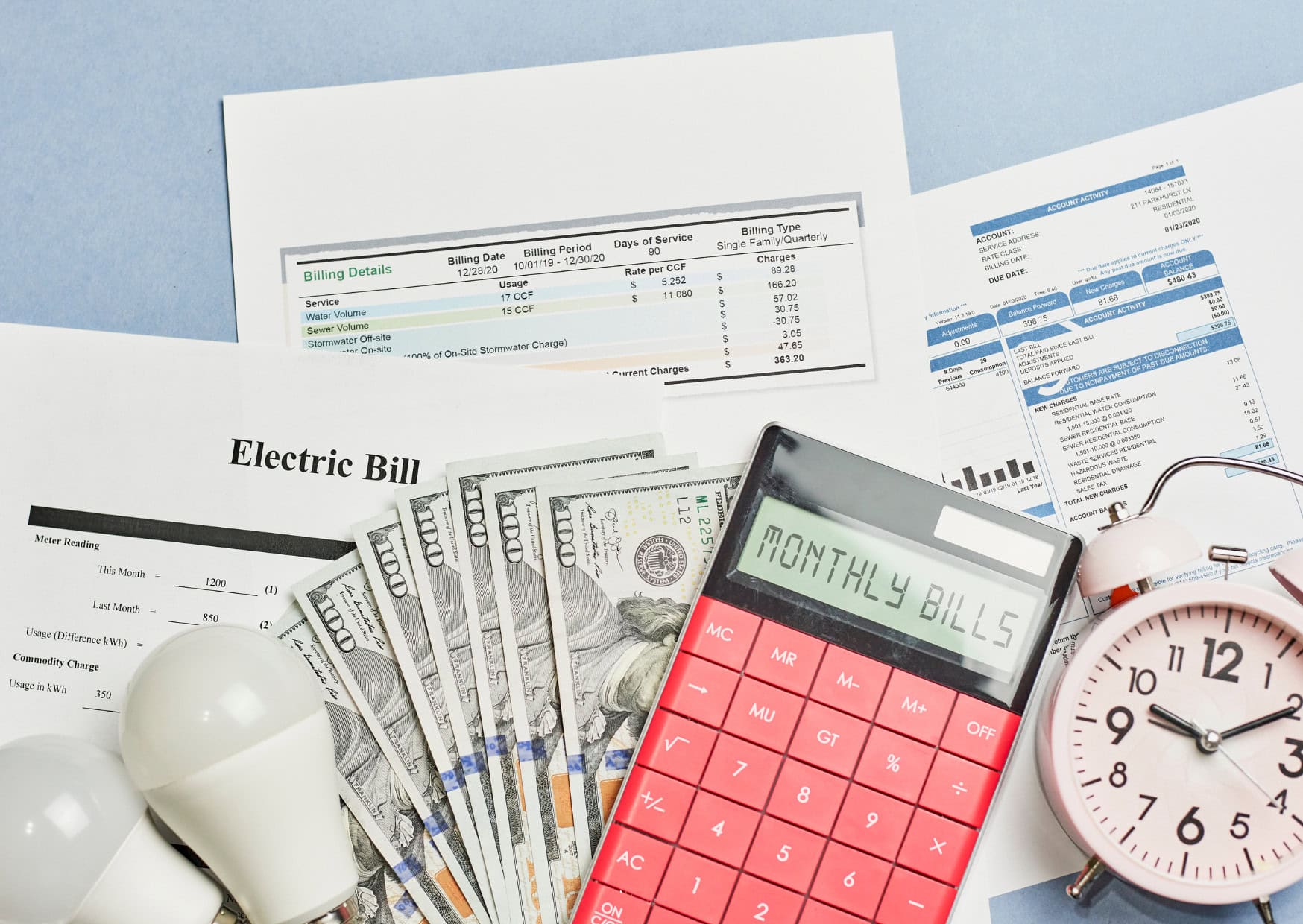
Here’s the unsexy but important truth: big fridges burn more energy. Those double-door behemoths you see in American kitchens? They might look luxurious, but they’re also energy guzzlers.
Smaller European fridges use less electricity, especially when combined with:
- Energy-efficient European appliances (which are often held to stricter EU standards)
- Smaller kitchens and less need to overcool excess space
- Thoughtful grocery habits that keep fridges lightly stocked
Bonus: No second “garage fridge”
In the U.S., it’s surprisingly common to have a second fridge (or freezer) in the garage. In Europe? That’s a head-scratcher. One small fridge is enough—if you only buy what you need.
3. Encourages Local, Seasonal Eating
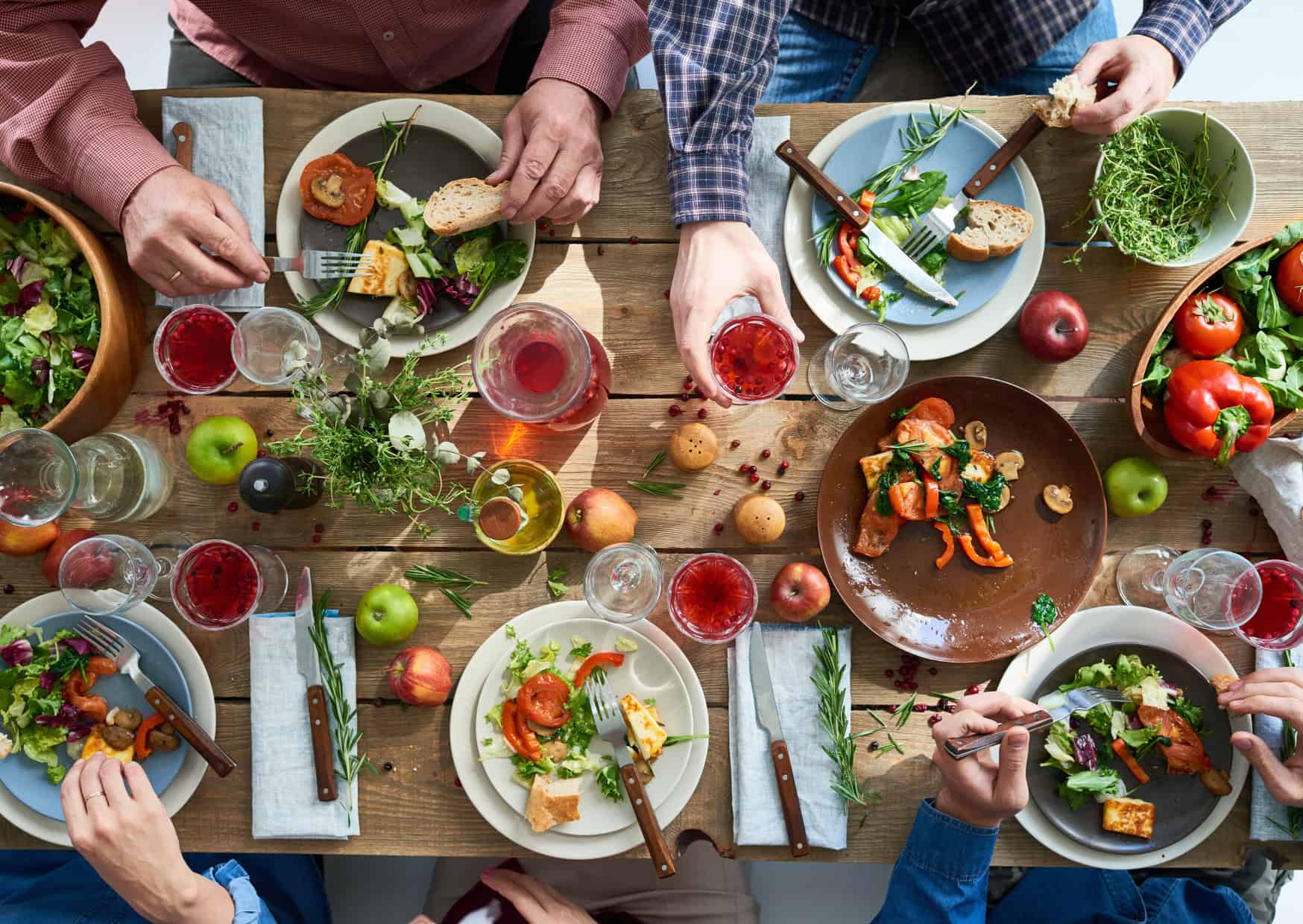
Smaller refrigerators aren’t great at hoarding out-of-season strawberries or stashing frozen burritos for three months. And that’s kind of the point.
European kitchens, by necessity, lean into:
- Buying in season
- Cooking with what’s available locally
- Adapting meals based on daily finds, not preset meal plans locked in weeks ago
This keeps ingredients flavorful and meals varied. It’s why market culture is still strong in many European cities—because people cook what’s fresh and nearby, not what’s been frozen since March.
4. Fewer Processed Foods, Less Bulk Packaging
Want to guess what takes up most space in an American fridge?
- Sauces used once and forgotten
- Packaged pre-cooked meals
- Supersized containers of everything from ketchup to hummus
- Drinks, drinks, drinks (juice, milk, soda, water bottles…)
In Europe, you’ll find more basic ingredients—things you actually cook with—and fewer items designed for reheating or replacing a home-cooked meal. Fridge space is too precious to waste on unnecessary extras.
It’s not about having less—it’s about having the right things.
A modestly sized fridge forces you to edit your purchases and prioritize real food over food clutter.
5. Cooking Becomes Simpler (and More Mindful)
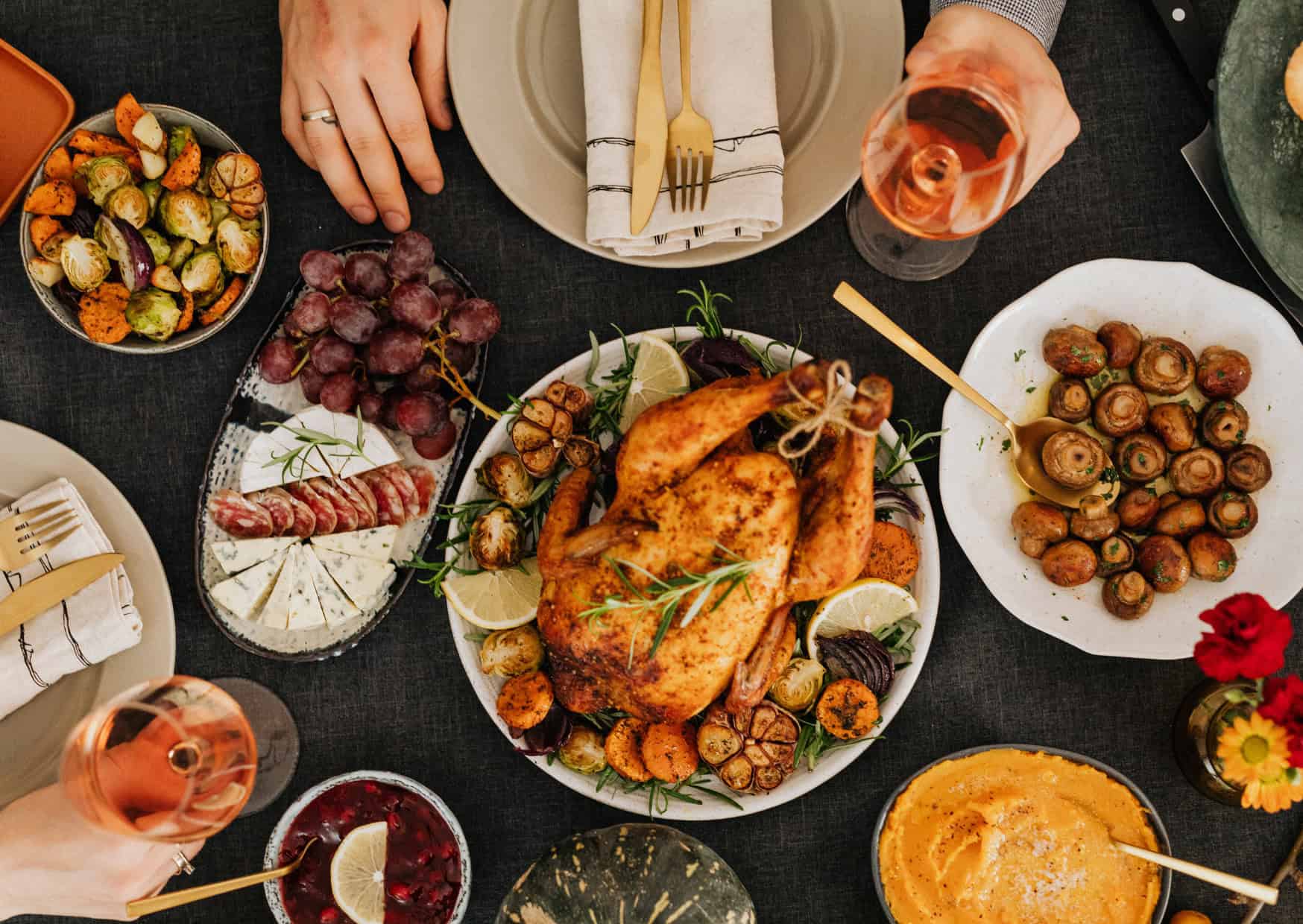
The rhythm of a small fridge invites you into a different kitchen mindset.
You don’t cook from a massive inventory—you cook from what’s in front of you.
Instead of asking:
“What do I want to eat this week?”
You ask: “What can I make with these five things today?”
That shift sparks creativity and a sense of daily presence in the kitchen, rather than seeing meals as tasks to “check off” with premade solutions.
And strangely, it makes the act of preparing food feel… lighter. Like it’s not such a production, because there’s not so much pressure to use everything you bought last Sunday in bulk.
6. Built-in Portion Control
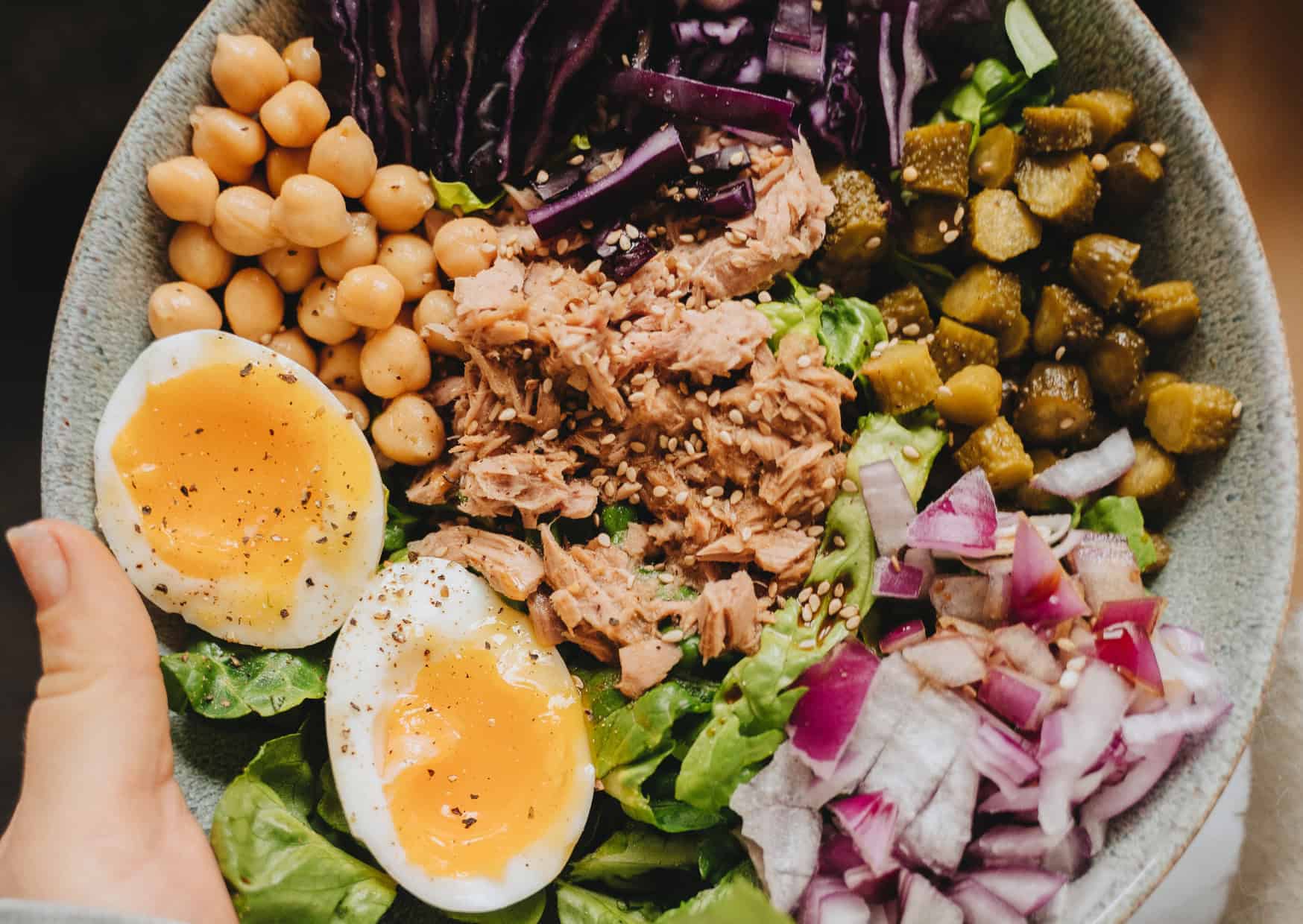
Smaller fridges = less food storage = less mindless snacking.
When there’s not a Costco-sized tub of leftovers and half a cheesecake sitting around, you naturally gravitate toward simpler, portion-conscious eating. You’re also less likely to let “food anxiety” lead to overbuying or overpreparing.
This helps maintain healthier eating patterns—without needing a single lecture from a health influencer.
In short? Small fridge, small temptations, smaller grocery bills. Big win.
7. Better Kitchen Design (and Less Appliance Obsession)
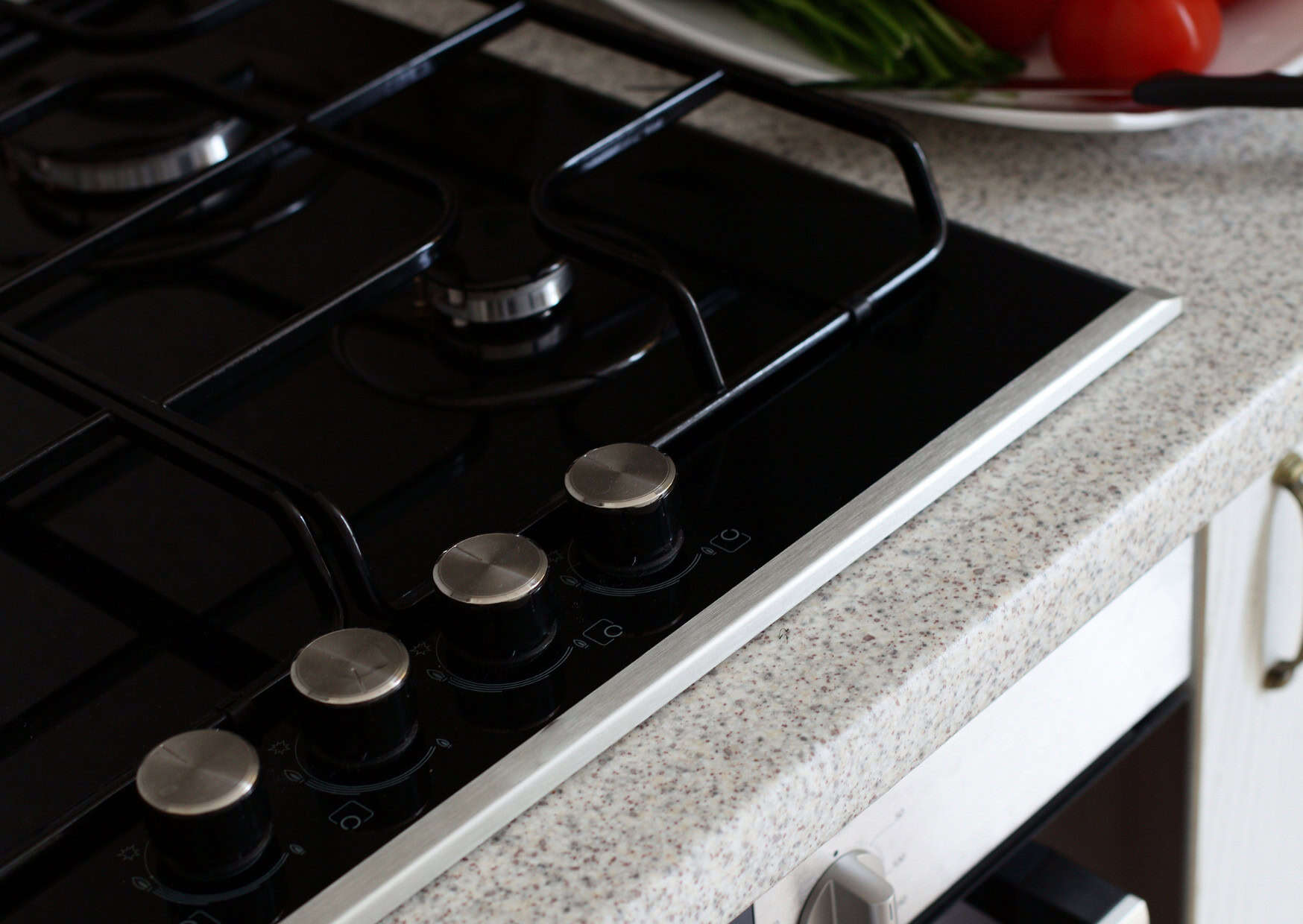
European kitchens are often compact but highly efficient. A small fridge is designed to blend in—tucked under a counter or hidden behind a cabinet door.
It’s not a trophy. It’s not meant to be a stainless-steel monolith with LED screens and water dispensers that play music. It’s just… a fridge. One part of a balanced kitchen ecosystem.
This leaves more room for things like:
- Extra prep space
- Open shelving
- A place to sit and have your morning coffee
- Or even—imagine this—a second person in the kitchen without bumping elbows
Form follows function, and in a European kitchen, a smaller fridge is part of a bigger design win.
8. Less Food Waste = Smaller Environmental Footprint
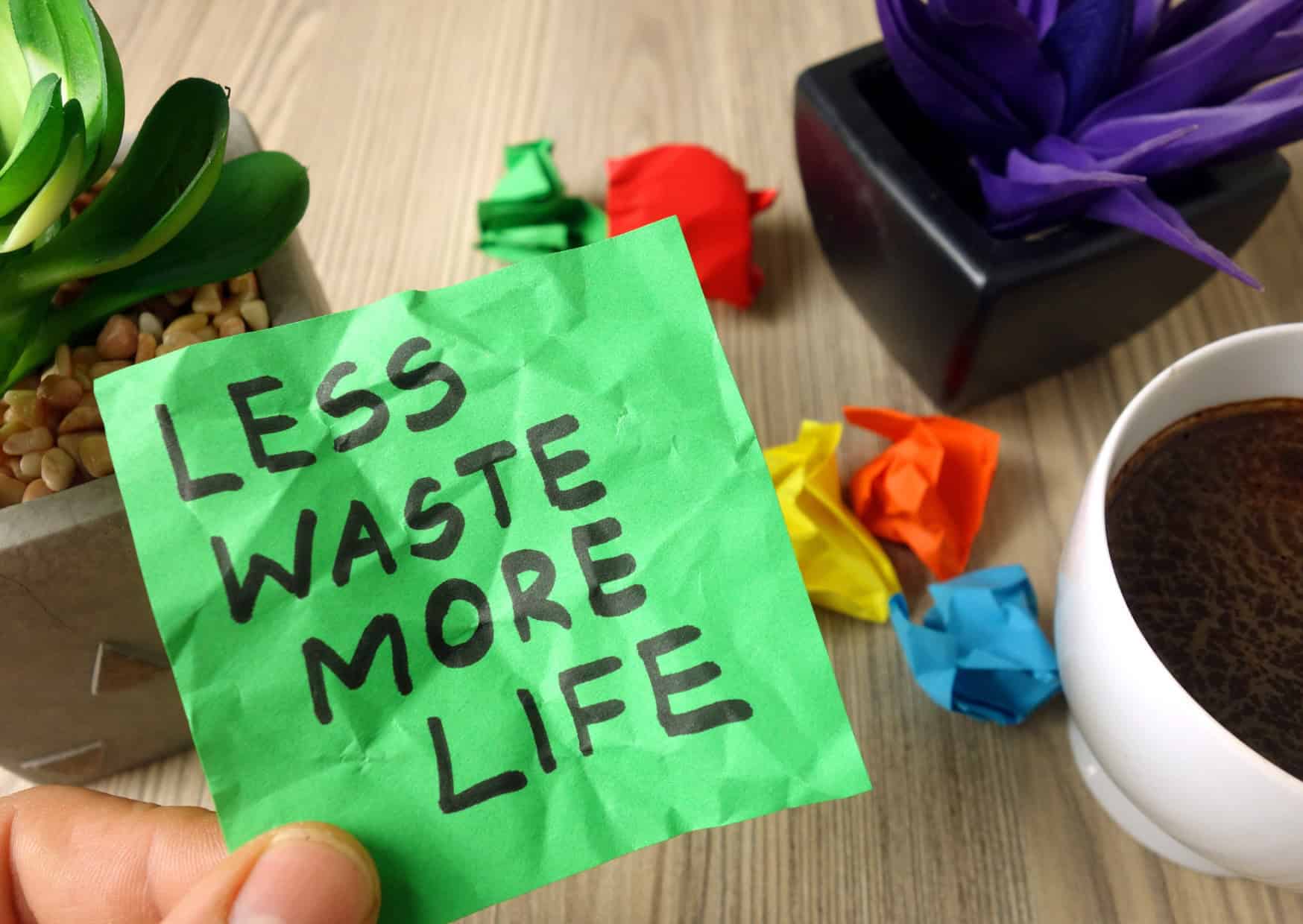
In Europe, food waste is a bigger deal culturally and politically. Many countries enforce strict composting and waste separation policies—and people tend to be more conscious of how much they throw out.
A smaller fridge naturally aligns with that mindset. You simply can’t forget about a cucumber for two weeks when there’s nowhere for it to hide. Every item is visible. Every item is used—or it’s obviously going bad.
Waste less. Save more. Eat better. The small fridge practically forces this virtuous cycle without requiring you to change your lifestyle overnight.
9. You Still Have a Freezer (Just a Smarter One)
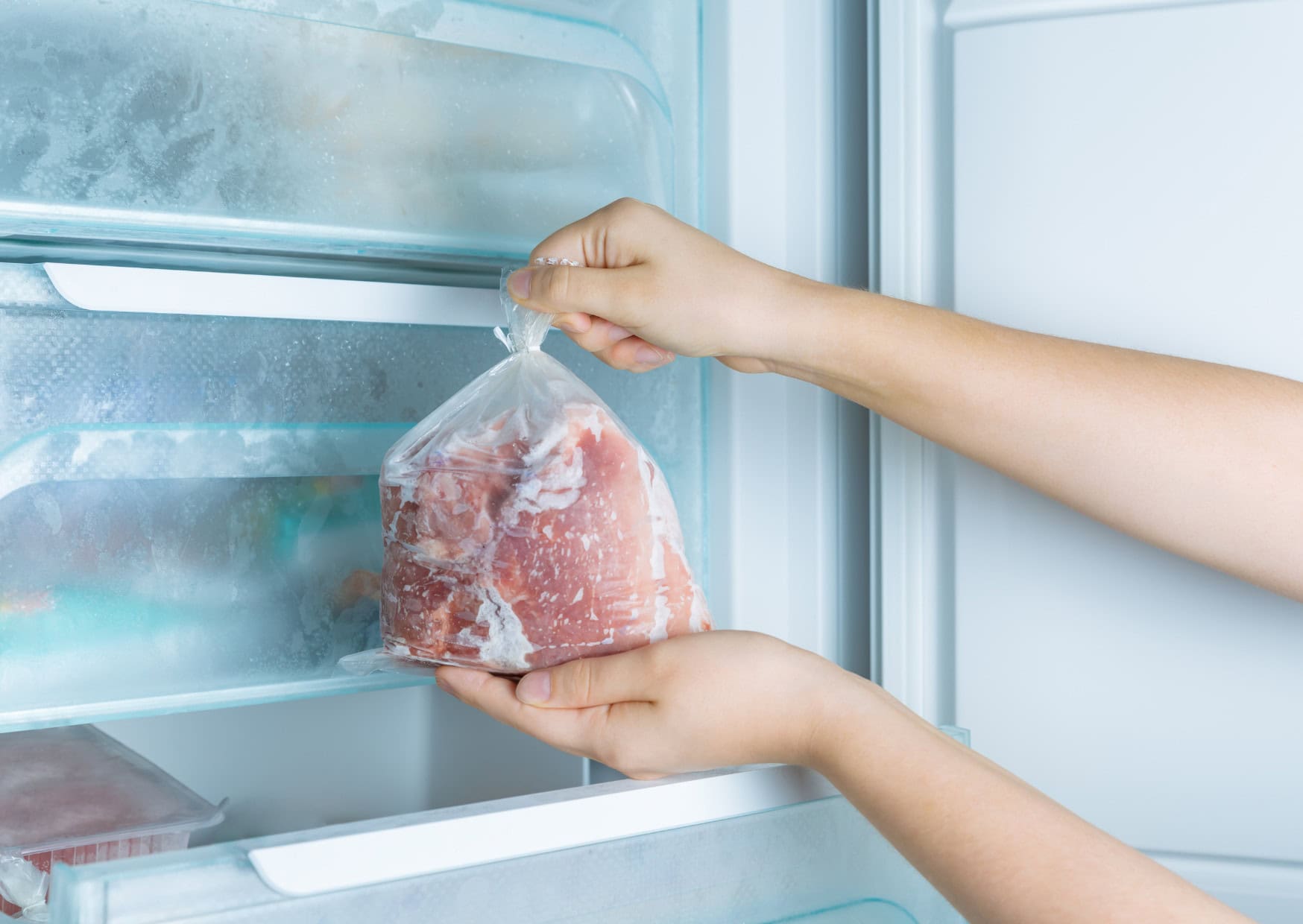
Let’s bust one myth: not all small European fridges are freezer-free. Many have a freezer compartment, often about the size of a microwave drawer.
The trick? Europeans use freezers for essentials—not as an archive of impulse bulk purchases. Think:
- One loaf of backup bread
- A bag of peas or berries
- A small tub of homemade soup
- Maybe some frozen fish or pasta sauce
That’s it. Enough to get through a rainy day, not a zombie apocalypse. And that simplicity is freeing.
Final Thoughts: Is Bigger Always Better?
When Americans marvel (or complain) about Europe’s tiny fridges, they’re really reacting to a deeper shift: a kitchen culture that values freshness over stockpiling, efficiency over excess, and presence over planning.
Sure, a smaller fridge means more frequent shopping and fewer impulse buys. But it also means:
- Less waste
- Lower bills
- Smarter eating
- A tidier kitchen
- And honestly? A more connected relationship to your food
So the next time you see a petite European refrigerator, don’t laugh. Admire it. It’s doing exactly what it was designed to do: supporting a way of living that’s more intentional, less overwhelming, and surprisingly satisfying.
Pro Tip: You don’t need to move to Europe to embrace the small fridge mindset. Try a minimalist fridge challenge: only buy enough food for the next 3–4 days, and use it all before restocking. You might discover more creativity, less stress—and even enjoy cooking more.
Bon appétit… from the tiny fridge life.

About the Author: Ruben, co-founder of Gamintraveler.com since 2014, is a seasoned traveler from Spain who has explored over 100 countries since 2009. Known for his extensive travel adventures across South America, Europe, the US, Australia, New Zealand, Asia, and Africa, Ruben combines his passion for adventurous yet sustainable living with his love for cycling, highlighted by his remarkable 5-month bicycle journey from Spain to Norway. He currently resides in Spain, where he continues sharing his travel experiences with his partner, Rachel, and their son, Han.