
Living in Europe, we sometimes forget how good we have it. That is, until our American friends visit and their jaws drop when we explain our “normal” benefits. No, we’re not trying to brag (okay, maybe a little), but in 2025, these differences are more striking than ever.
From casual conversations with our visiting friends to viral TikTok reactions, we’ve realized that what’s completely normal for us seems like an impossible dream across the Atlantic. Let’s talk about those “basic” European rights that make Americans do a double-take.
And no, this isn’t about making anyone feel bad about their system – it’s about understanding different approaches to society. While Americans debate over basic services, we’re quietly enjoying these benefits as normal parts of daily life. Some might call it socialism; we just call it Tuesday.
Other Reads:
– 11 Culture Shocks for Americans in Japan
– Why Europeans Travel More Than Americans
– 16 Things Europeans Stubbornly Refuse to Change (That Make Us Question Everything)
– 17 American Habits That Make Europeans Cringe (And What To Do Instead)
– Heymondo – The Best Travel Insurance for Long or Short Stays in Europe

1. University Education That Doesn’t Lead to Decades of Debt

When we tell our American friends about our university costs, they think we’re joking. We’re not.
What We Actually Get:
- Germany: Completely free education (yes, even for foreigners)
- France: €170-380 per year
- Spain: Usually under €1,000 per year with most students getting grants (becas)
- Sweden: Free tuition plus living stipend (yes, they pay you to study)
- Denmark: Not only free but monthly support of €800
- Netherlands: €2,200 per year maximum
The Reality Check: While American students graduate with mortgage-sized debt, our biggest university expense is usually coffee and morning croissants. Most of us get grants, and many pay nothing at all. Even our “expensive” private universities rarely exceed €10,000 per year.
Extra Perks We Take for Granted:
- Erasmus+ program funding for study abroad
- Student housing subsidies
- Transport passes (often free)
- Cultural activity discounts
- Free language courses
- EU-wide study opportunities
2. Healthcare That Never Sends You a Bill

Every time we explain our healthcare system to American friends, it feels like we’re describing a utopian fantasy. Emergency room visit? Covered. Cancer treatment? Covered. Having a baby? Not only covered but you get support before and after.
What We Actually Get:
- Universal healthcare coverage
- No copays for essential services
- Prescription medications (usually €5-10 max)
- Preventive care and screenings
- Mental health support
- Dental care for kids (and adults in many countries)
- Home healthcare when needed
The Reality Check: While our American friends avoid ambulances because they cost thousands, we call them when we need them. Simple as that. Our biggest “complaint” might be waiting a bit longer for non-urgent procedures, but we’ll take that over bankruptcy any day.
Country-Specific Perks:
- France: Carte Vitale covers 70% of regular care, 100% for serious conditions
- Spain: Full coverage including specialists and mental health
- Germany: Sick leave pays 100% of salary for up to 6 weeks
- Denmark: Even home care visits for new parents
- Italy: Free choice of family doctor and pediatrician
- Netherlands: Basic insurance required but heavily subsidized
The Little Things That Add Up:
- Regular check-ups without bills
- Emergency care without questions
- Maternity care including midwife visits
- Rehabilitation services
- Medical transport when needed
- Cross-EU coverage with European Health Insurance Card
3. Family Benefits That Make American Parents Gasp

The look on our American friends’ faces when we explain our parental benefits is priceless. “You get paid to have kids?” Well, sort of.
What Parents Actually Get:
- Paid Maternity Leave:
- Germany: 14 months at 65% salary
- Sweden: 480 days at 80% salary
- Spain: 16 weeks at 100% salary
- France: 16 weeks first child, 26 weeks third child
- Denmark: 52 weeks split between parents
Monthly Child Support:
- Germany: €250 per child
- France: €142+ (increases with more children)
- Sweden: €123 per child plus supplements
- Denmark: Up to €152 quarterly
- Netherlands: €223+ depending on age
Extra Family Perks:
- Free or low-cost childcare (€50-300/month)
- Additional tax benefits
- School supply stipends
- Free healthcare for kids
- Subsidized family vacations in some countries
- Extra pension credits for parents
The Reality Check: While American parents rush back to work weeks after giving birth, we’re home bonding with our babies for months – at full or nearly full pay. Our biggest stress is deciding how to split parental leave between partners, not how to afford having a child at all.
The Little Things That Add Up:
- No medical bills for pregnancy or birth
- Government support for fertility treatments
- Family-friendly work policies
- Protected return-to-work rights
- Flexible working hours for parents
- School meal subsidies
4. Public Transport That Actually Makes Sense
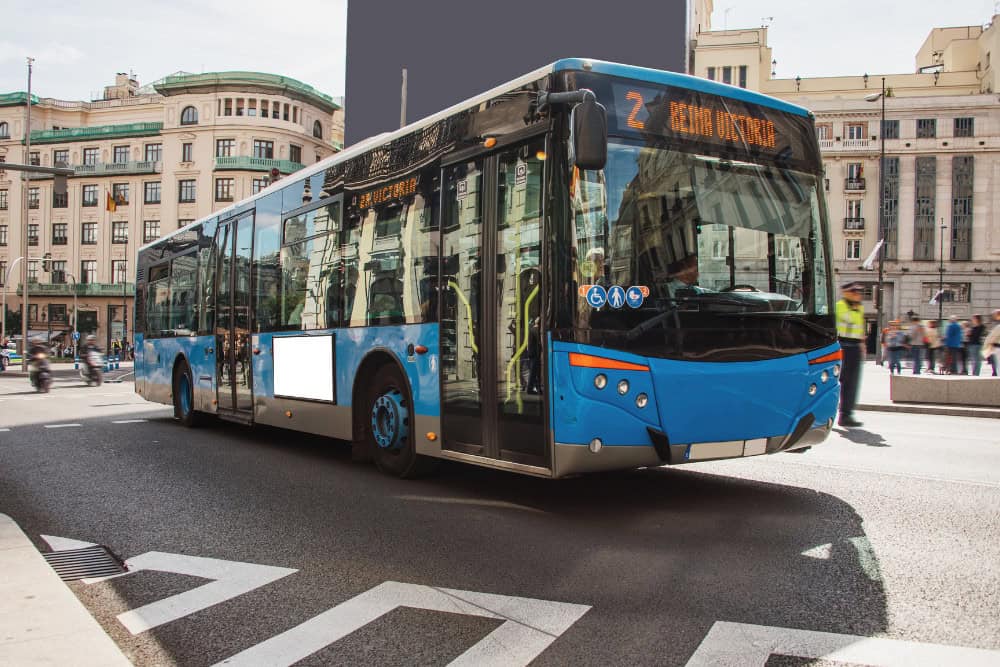
Every time our American friends visit, they’re baffled by how we get around. “You mean you don’t need a car?” Welcome to functional public transport.
What We Actually Get:
- City Transportation:
- Vienna: €365 annual pass (€1 per day)
- Luxembourg: Completely free nationwide
- Paris: €84 monthly for unlimited travel
- Berlin: €49 monthly for all public transport
- Spain: Free or heavily discounted regional trains
Student & Youth Benefits:
- Free transport until age 25 in many cities
- 50-70% discounts on national trains
- Weekend travel passes for under €10
- Free bike-sharing systems
- School transport included
- Youth travel cards valid EU-wide
Senior Citizen Perks:
- Free transport after 65 in most cities
- Discounted cross-country travel
- Special assistance services
- Door-to-door services where needed
- Off-peak free travel options
The Reality Check: While Americans spend thousands on car payments, insurance, and gas, we’re reading books on our morning commute or enjoying a coffee on the train. Our biggest “transport stress” is deciding whether to take the tram or metro to work.
The Hidden Benefits:
- No parking nightmares
- Zero car maintenance costs
- Reduced environmental impact
- Social interaction opportunities
- Working/reading while commuting
- Last train home after nights out
5. Cultural Benefits That Make Art Accessible

Our American friends think we’re joking when we explain our cultural perks. Free museums? State-funded theaters? Youth culture passes? Yes, culture isn’t a luxury here – it’s a right.
What We Actually Get:
- Museum Access:
- Paris: Free first Sunday monthly all museums
- Rome: Free state museums first Sunday
- Madrid: Prado free last 2 hours daily
- Berlin: Free museum Thursdays
- Barcelona: Free museum Sundays after 3 PM
Youth Culture Cards:
- France: €300 culture pass at age 18
- Italy: €500 bonus cultura for 18-year-olds
- Spain: €400 youth cultural voucher
- Austria: €60 monthly culture pass under 26
- Germany: Free museum access under 18
Theater & Performance:
- State-subsidized tickets (often €10-30)
- Student rush tickets from €5
- Free outdoor summer festivals
- Subsidized opera seats
- Youth theater programs
The Reality Check: While Americans pay $25+ for basic museum entry, we’re popping into the Louvre for free or catching world-class opera for the price of a pizza. Our biggest cultural dilemma is choosing which free festival to attend this weekend.
Extra Cultural Perks:
- Library networks with free digital resources
- Community art spaces
- Public broadcasting without ads
- Free city concerts
- Cultural exchange programs
- Subsidized art classes
6. Workplace Benefits That Make Americans Question Everything

When our American friends hear about our work benefits, they often need to sit down. “You get HOW many vacation days?” Yes, and that’s just the beginning.
What We Actually Get:
Vacation Time:
- Minimum 20 paid days by EU law
- Additional public holidays (10-14 days)
- France: 30 days paid vacation
- Spain: 22 days + 14 public holidays
- Germany: 24 days (most get 30)
- Italy: 20 days + 12 public holidays
- August vacation culture in Mediterranean countries
Sick Leave:
- Full salary during illness
- No need for doctor’s note for short absences
- Germany: 6 weeks full pay, then 70% for 78 weeks
- Netherlands: Up to 2 years paid sick leave
- Sweden: 80% of salary during illness
- No “sick day limit” like in the US
Work-Life Balance:
- Right to disconnect after work hours
- No emails on weekends
- 35-40 hour work weeks
- Overtime actually paid or compensated
- Extended lunch breaks (1-2 hours)
- Summer working hours in many countries
The Reality Check: While Americans brag about “grinding” and unused vacation days, we’re planning our third holiday of the year. Our biggest stress is coordinating vacation dates with colleagues so not everyone’s off at the same time.
Extra Work Perks:
- 13th month salary in many countries
- Winter holiday bonuses
- Meal vouchers
- Transportation allowance
- Professional development funding
- Protected parental leave rights
7. Housing Rights That Actually Protect People

Our American friends are always shocked when we explain our rental laws and housing benefits. “You mean landlords can’t just kick you out?” Welcome to housing as a right, not just a business.
What We Actually Get:
Rental Protection:
- Germany: Indefinite rental contracts
- France: Minimum 3-year leases
- Spain: Rent control in major cities
- Netherlands: Strict price regulation
- Sweden: Life-long rental rights
- No arbitrary rent increases
Housing Support:
- Rent subsidies for low-income families
- First-time buyer support
- Young person housing allowance
- Student housing guarantees
- Energy bill support
- Winter heating allowance
Utility Benefits:
- France: Regulated energy prices
- Spain: Social electricity rates
- Germany: Heating cost subsidy
- Italy: Social gas/electric bonus
- Netherlands: Energy allowance
The Reality Check: While Americans face annual rent hikes and 60-day eviction notices, we’re living in apartments we’ve had for decades with regulated rent increases. Our biggest housing stress is deciding whether to take that subsidized city apartment or the one with the better view.
Extra Housing Perks:
- No broker fees in many countries
- Deposit protection schemes
- Free legal aid for housing issues
- Community housing options
- Solar panel incentives
- Renovation subsidies
8. Education Support That Goes Way Beyond University

While university costs get all the attention, the real difference starts way earlier. Our American friends can’t believe how we handle education from cradle to career.
What We Actually Get:
Early Childhood:
- Germany: Guaranteed kita spot from age 1
- France: Free école maternelle from age 3
- Spain: Free education from age 3
- Sweden: Heavily subsidized daycare (max €150/month)
- Denmark: Guaranteed childcare spots
- Finland: Free early education and care
School Benefits:
- Free textbooks in most countries
- School supplies stipend
- Free healthy school meals (Finland, Sweden)
- After-school programs
- Free language support
- Special needs support at no cost
Continuing Education:
- Free adult education programs
- Paid training leave
- Professional certification funding
- Language courses for immigrants
- Digital skills training
- Career change support
The Reality Check: While American parents save for preschool before pregnancy, we’re choosing between multiple free or low-cost quality options. Our biggest education stress is deciding which of the free after-school activities our kids should join.
Extra Education Perks:
- Summer activity programs
- School transport
- Sports and arts inclusion
- Technology provision
- Learning disability support
- Parent education programs
9. Food Standards That Make American Visitors Rethink Everything

When our American friends visit, they often say everything tastes better here. It’s not their imagination – it’s our food standards.
What We Actually Get:
Food Quality Laws:
- No artificial growth hormones in meat
- No chlorinated chicken allowed
- Strict GMO labeling and regulations
- Protected food origins (DOP, IGP, AOC)
- Limited artificial additives
- Higher animal welfare standards
School Food Reality:
- Finland: Free organic school meals
- France: 50% organic in school canteens
- Italy: Local sourcing requirements
- Spain: Mediterranean diet standards
- Sweden: Free school meals nationwide
Real Food Protection:
- Clear ingredient labeling
- Regional food protection
- Seasonal produce priorities
- Short supply chains
- Farm-to-table programs
- Traditional recipe preservation
The Reality Check: While Americans debate what’s really in their food, we’re enjoying bread without unnecessary additives and meat without hormones. Our biggest food-related stress is deciding which local market to visit for seasonal produce.
Hidden Benefits:
- Affordable organic options
- Local farmer support
- Traditional food preservation
- Better taste standards
- Real ingredient transparency
- Connected food communities
10. Environmental Rights That Actually Protect The Planet
Our American visitors often ask why our cities are so clean and green. Simple – we treat environmental protection as a right, not a suggestion.
What We Actually Get:
Clean Air Standards:
- Low emission zones in cities
- Real-time air quality monitoring
- Vehicle restriction programs
- Green space requirements
- Car-free city centers
- Industrial emission limits
Water Rights:
- Free water in restaurants by law
- Clean beach guarantees
- River protection zones
- Drinking water standards
- Public fountain networks
- Protected swimming areas
Green Living Support:
- Solar panel subsidies
- Bike infrastructure funding
- Energy-efficient home grants
- Electric vehicle incentives
- Community garden spaces
- Urban farming support
The Reality Check: While Americans debate climate change, we’re already living with practical solutions. Our cities are designed for people, not cars, and our laws actually enforce environmental protection.
Daily Environmental Benefits:
- Extensive recycling systems
- Deposit return schemes
- Plastic bag bans
- Repair right laws
- Composting programs
- Green energy options
The Bottom Line:
While the differences between European and American social benefits can seem vast, they reflect fundamentally different approaches to society. Our system isn’t perfect – yes, we pay higher taxes, and sometimes bureaucracy drives us crazy. But these 10 core benefits create a safety net that allows Europeans to focus on living rather than just surviving.
The Reality Check:
- Most benefits come from our tax contributions
- Systems vary between European countries
- Some services have waiting times
- Bureaucracy can be challenging
- Not everything is completely “free”
But Here’s What Matters: These aren’t just government benefits – they’re reflections of our values. From healthcare to education, environmental protection to food standards, we’ve built systems that prioritize collective wellbeing over individual profit.
Pro Tip: Next time someone asks if we mind paying higher taxes, we just show them this list. Some things are worth paying for together.

About the Author: Ruben, co-founder of Gamintraveler.com since 2014, is a seasoned traveler from Spain who has explored over 100 countries since 2009. Known for his extensive travel adventures across South America, Europe, the US, Australia, New Zealand, Asia, and Africa, Ruben combines his passion for adventurous yet sustainable living with his love for cycling, highlighted by his remarkable 5-month bicycle journey from Spain to Norway. He currently resides in Spain, where he continues sharing his travel experiences with his partner, Rachel, and their son, Han.