
Why Bother Talking About Small Talk?
If you’re American and you’ve ever traveled to Europe—or met Europeans at home—you might have noticed something curious: it’s much less common for locals to strike up casual small talk with strangers. You might wait in line at a pharmacy in Berlin, or share a train compartment in rural France, and find the conversation is minimal—if it happens at all. Meanwhile, you’re used to a culture where it’s normal to ask a waiting-room neighbor about the weather or chat with your grocery cashier about the day. So why don’t many Europeans do the same?
Are they cold? Rude? Not necessarily. In truth, European reservedness has deeper roots in history, social norms, privacy concepts, and the ways people define “polite” vs. “intrusive.” The result is that Americans can see the average European as distant, while Europeans can find the American approach of “friendly banter with strangers” baffling or superficial. Below, we’ll explore nine reasons behind this phenomenon—why many Europeans rarely small talk with strangers—and how it might actually reflect a different, equally valid notion of respect and communication.
Looking for More Travel & Culture Reads?
– They Don’t Work 24/7: 5 Vacation Customs in Europe That Drive Americans Crazy
– 7 Dress Code Shocks Americans Face in Italy
– 9 European Beach Habits That Shock First-Time Tourists
– 7 Beach Behaviors That Make Locals Avoid You in Italy
1. A Strong Sense of Privacy

The Behavior
In many parts of Europe—particularly Northern and Central regions—privacy is prized. People often maintain a clear boundary between their personal space and the public realm. That includes conversation with unknown individuals. Approaching someone with a breezy “How’s your day?” can be seen as prying into personal territory.
Why It Matters
- Cultural Norm: If you don’t know them, you don’t necessarily ask personal questions or delve into how they’re feeling that day.
- Protection of Personal Sphere: People can be wary of over-sharing with someone they’ll likely never see again, or who might use the info for unknown purposes.
American Reaction: Americans who equate small talk with politeness might interpret the quiet stance as aloof or rude. But for the European, it’s about respecting your privacy—not imposing on it.
2. Historical & Linguistic Complexity
The Context
Europe is a patchwork of countries, each with distinct languages and subcultures. Even within a single country, multiple dialects or languages can exist. Engaging in small talk might mean:
- Crossing Language Barriers: People might feel insecure about speaking a second or third language spontaneously.
- Regional Tensions: Some areas have historically shaped behaviors. For instance, older folks in Eastern Europe may recall times when it was risky to chat loosely with strangers under certain regimes.
Impact: This history can lead to a more guarded approach in public spaces, fueling an environment where random chatter is limited unless you’re fairly certain you share language or trust.
3. Polite Distance vs. “Friendly Interrogation”
The Behavior
Americans see conversation openers—like “Where are you from?,” “What do you do?,” “What’s your name?”—as normal. But many Europeans, especially from Germanic or Nordic cultures, find these questions intrusive from a stranger:
- Personal Boundaries: They might wonder, “Why do you need this info? Are you trying to pry?”
- Formality: For them, politely minding your own business is how you show respect in shared spaces. If someone wants to share more, they’ll do so voluntarily.
Why It Might Be Happier: Some locals appreciate the mental peace that comes from not having to chat with every random seatmate on a bus. Silence is comfortable, not awkward. Everyone can relax without forced conversation.
4. Less “Customer Is Always Right” Chat in Retail
The Behavior
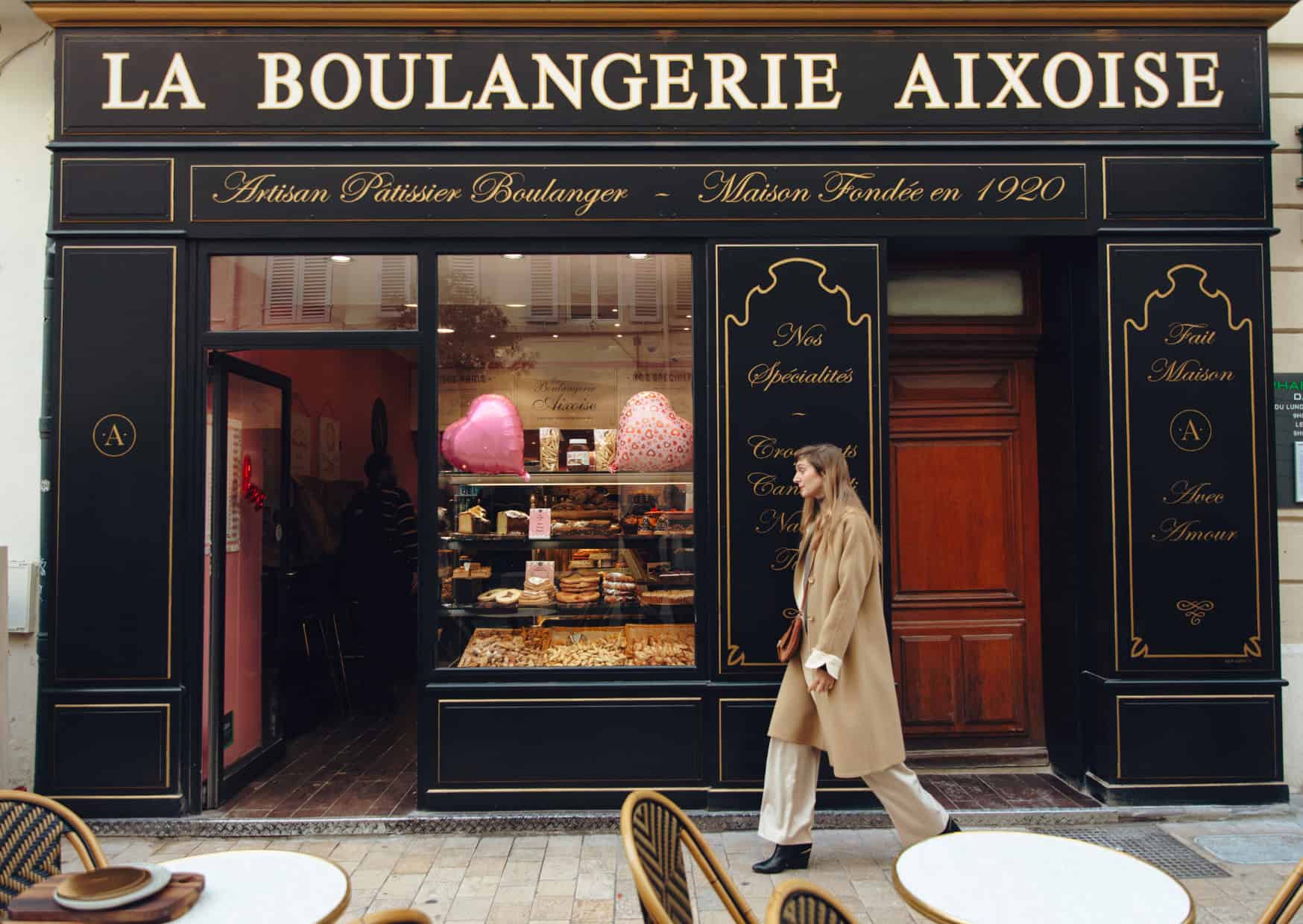
In American stores or restaurants, employees often greet you with a big smile and a “How are you doing?” or “Find everything okay?” This chatty approach is standard. In Europe, staff might offer a polite “Bonjour” or “Buongiorno,” but they won’t typically engage in personal conversation unless it’s relevant to the transaction.
- Focus on Efficiency: They see the job as providing your product or service quickly, not making superficial small talk.
- No Automatic Smile: A neutral expression is normal. Overly big smiles at strangers can be interpreted as insincere or “trying too hard.”
Why Americans Are Confused: Americans may think the staff is unfriendly, but from the European vantage point, it’s a straightforward, respectful transaction. You’re a valued customer, not a new best friend.
5. Deeper Friendships over Surface-Level Acquaintances

The Behavior
In many European cultures, friendship is something that grows slowly, often from shared experiences over time—childhood, school, or repeated social gatherings. Opening up to a random stranger in line might feel unnatural because:
- Sincerity Over Politeness: They prefer genuine connections formed through repeated contact, not quick small talk.
- Long-Lasting Bonds: Since a friend is a commitment, they don’t treat the term “friend” lightly, nor do they chase ephemeral connections.
Outcome: They see small talk with unknown individuals as offering little genuine depth. Instead, they invest in building real, enduring friendships with people they meet repeatedly—like classmates, neighbors, or co-workers, over time.
6. The “No Time For Fluff” Efficiency

The Behavior
Think of bustling morning commutes in London, Berlin, or Milan: everyone’s got places to be, schedules to keep. Small talk can be perceived as slowing you down or interrupting mental space used for planning the day:
- Urban Rush: With dense public transport, people stand close but seldom chat. They see these moments as personal downtime.
- Direct Problem-Solving: If they do speak, it’s to exchange practical info—like asking for directions—rather than filler conversation.
Impact: For many Europeans, unnecessary chit-chat is “fluff.” They prefer directness—“Hello. Are you in line?”—and then move on. Americans might say, “But I was just being friendly,” while the local sees it as a time-consuming courtesy not needed daily.
7. Variation by Region: Southern Europe vs. Northern Europe

The Caveat
Let’s not generalize too broadly: Spaniards or Italians may indeed chat more casually with strangers than Danes or Swiss. Yet even in Mediterranean countries, small talk is more about group gatherings or known acquaintances than random folks:
- Spain/Italy: Social energy is high, but you might still find they do so within social circles or known neighborhoods. Interactions with total strangers might revolve around quick functional talk, not extended small talk.
- Nordic Approach: Tends to be more minimal, with occasional exceptions—like if you happen to share a fervent interest (a soccer match discussion might spark a mini-conversation).
Key Lesson: “Europe doesn’t do small talk” is a broad statement. The reality is a scale from fairly open (Southern) to quite reserved (Northern). Nonetheless, across the board, there’s less standard “Hi, how’re you doing?” chatter than in the U.S.
8. Social Norms in Cafés, Bars, or Trains

The Behavior
Americans might strike up a conversation with a bar patron or the next table in a café. In many European settings, you only do so if there’s a clear reason or invitation—like if you see them reading a book you love, or if you overhear something that directly relates to you. Otherwise, it can be seen as butting into someone’s personal moment.
- Bar Culture: In, say, Germany, people might share communal tables in beer halls—but they still respect each other’s space, possibly striking up conversation only if signals are positive.
- Café Solitude: A person sipping espresso alone might relish the quiet. Approaching them for small talk could disrupt their mental break.
Why Europeans Are “Happier” This Way: They avoid forced interactions that may be superficial or tiresome. If they do chat, it’s more meaningful or purposeful, leading to fewer awkward polite exchanges.
9. Pride in Authentic, Deeper Interaction

The Overall Mindset
Finally, many Europeans see small talk as fleeting or insincere, overshadowing real conversation. They value authenticity—spending time with people you actually care about or truly want to know deeper. The daily short banter with random strangers doesn’t rank high in emotional fulfillment:
- Quality Over Quantity: They invest social energy in stable friend groups or families, reaping the reward of consistent, deeper relationships.
- No Obligation: Not chatting with a stranger doesn’t indicate negativity, just that they prefer personal thoughts or reading time during commutes.
Happiness Factor: This approach can reduce social fatigue. They don’t feel the burden of constant chatter. Freed from maintaining superficial pleasantries, they can channel energy into meaningful relationships—leading to a sense of calm or contentment you might see in everyday local life.
Could Americans Learn from This?
Bridging the Gaps
If you’re an American traveling in Europe and you’re used to spontaneous warm banter, here’s how to adapt:
- Read the Room: Assess body language. Are they open or hurried? If they’re engrossed in their phone, maybe not the best time.
- Be Direct: If you have a question, ask succinctly—like “Excuse me, do you know if this train goes to X?” Then gauge if they want to continue chatting.
- Respect Silence: On public transport or in queues, silence is normal. Don’t feel forced to fill it with talk.
Maintaining American Warmth (If You Wish)
Of course, if your personality is friendly, you needn’t hide it entirely. Some Europeans do appreciate a bit of American positivity—just keep it measured:
- A Simple Greeting: “Hello” or “Good morning” is fine if you’re in a small shop or rural area.
- Context: If the conversation flows naturally—maybe you’re both admiring the same artwork—then it can lead to a genuine exchange.
- Avoid Overly Personal: Asking about their personal life right off the bat can feel invasive. Let them volunteer details if they wish.
Conclusion: A Different Understanding of Politeness
So, why don’t Europeans small talk with strangers? Because for them, it’s not necessarily a sign of rudeness—rather, a desire for personal space, sincerity, and less forced socializing. They see small talk as something either purely functional or only relevant when a deeper connection or reason arises. Meanwhile, Americans interpret small talk as courtesy, fostering a sense of community or warmth. These are two cultural lenses on how to approach daily social interactions.
Each approach has merits. Americans might foster quick camaraderie or lighten the mood with a random compliment, but also risk “empty pleasantries.” Europeans champion authenticity and personal boundaries, though they can miss opportunities for spontaneous connections. Ultimately, bridging the gap means recognizing each style: if you’re an American in Europe, understand minimal chat might be the local version of respectful; if you’re European in the States, realize that small talk signals warmth, not nosiness or superficial curiosity.
Takeaway: Accept these differences for what they are. If you’re exploring a European city, don’t interpret minimal small talk as hostility. And if you do strike up conversation, do so politely and watch for cues. Over time, you’ll find that deeper relationships can form in Europe—just more gradually. The quiet approach to daily interactions can yield a sense of calm and respect that many Europeans credit for a more balanced social environment.
Ultimately, it’s about space, privacy, sincerity—and acknowledging that quiet can be a comfortable norm, not a deficiency of warmth. Embrace it, and you might find a new appreciation for how different cultures handle the small details of everyday life, from bus rides to corner cafés.
Pro Tip: If you do want to engage someone in conversation while in Europe, pick a relevant or contextual topic—like asking for a local recommendation or discussing a shared event. Avoid overly personal or generic lines (“So how was your day?”) as that might be perceived as too direct. A little cultural sensitivity can go a long way in forging genuine connections across these norms. Enjoy your travels and interactions!

About the Author: Ruben, co-founder of Gamintraveler.com since 2014, is a seasoned traveler from Spain who has explored over 100 countries since 2009. Known for his extensive travel adventures across South America, Europe, the US, Australia, New Zealand, Asia, and Africa, Ruben combines his passion for adventurous yet sustainable living with his love for cycling, highlighted by his remarkable 5-month bicycle journey from Spain to Norway. He currently resides in Spain, where he continues sharing his travel experiences with his partner, Rachel, and their son, Han.