
Why Bother Noticing This?
If you’ve ever spent time in certain European regions—think southern France, rural Spain, Italy outside the big tourist centers—you might have observed something that astonishes many visitors: shops closing around midday, restaurants filling up slowly until 2 p.m., and a leisurely pace that suggests nobody’s in a hurry. Two hours—or more—for lunch? For many Northern Americans, that’s unthinkable. Yet the phenomenon of the extended midday break is real, and it’s part of daily life for millions of Europeans. Even more surprising? Many of these same people are among the most productive in their countries, returning to work afterward and accomplishing just as much—if not more—than those on a non-stop 9-to-5 schedule.
So why do these leisurely midday lunches exist, and how can a slower approach actually contribute to overall efficiency? Below, we’ll dive into the historical context, the cultural philosophies, and the subtle productivity strategies behind these prolonged lunch breaks. We’ll also share a few lessons on how to adopt some of these practices (in small ways) for those outside Europe who crave a healthier work-life balance.
Looking for More Travel & Culture Reads?
– They Don’t Work 24/7: 5 Vacation Customs in Europe That Drive Americans Crazy
– 7 Dress Code Shocks Americans Face in Italy
– 9 European Beach Habits That Shock First-Time Tourists
1. A Historic Ritual Rooted in Climate and Culture

Southern Europe’s Scorching Midday Sun
One of the main reasons for the lengthy midday break—often referred to as the siesta in Spain or riposo in Italy—is the hot climate. Historically, especially before modern air-conditioning, working through the blazing midday sun was both uncomfortable and inefficient. This tradition of taking an extended break became deeply ingrained:
- Farmers & Field Workers: In older agrarian societies, laborers had to avoid the extreme heat during midday. They’d start early, pause when the sun was at its peak, then resume work in the cooler late afternoon or early evening.
- Extended Family Lunch: This break wasn’t just about rest; families often used the time to come home from fields or shops and gather around a hearty midday meal, the biggest meal of the day.
Industrial Shifts & Urban Adaptations
As societies industrialized, factories and offices arrived, but the midday break tradition carried on—even in modern workplaces. While some large companies or globalized sectors moved toward more standard, continuous schedules, many smaller businesses, local shops, and public services still close for a two-hour lunch, especially in smaller towns. The mindset remains: Why fight natural rhythms when you can align with them?
Key Takeaway: Geography and climate shaped a custom that’s endured for centuries, embedding itself in local routines and working norms.
2. The Structured Workday: Split Shifts

Morning & Afternoon Sessions
In countries like Spain or Italy, a typical workday often splits into two distinct sessions:
- Morning Session: It might run from 8 or 9 a.m. to 1 or 1:30 p.m., offering a strong block of productive hours.
- Long Lunch & Rest: From roughly 1:30 or 2 p.m. until 3:30 or 4 p.m., many people go home, eat, possibly nap, or run personal errands.
- Afternoon Session: Work resumes around 4 p.m. and continues until 7 or 8 p.m., culminating in a later dinner.
Why It Works
- Physical & Mental Recharge: Taking a real break—far beyond scarfing down a sandwich at one’s desk—lets employees return fresh for a second productive wave.
- Flexibility: This schedule helps parents align midday breaks with children’s lunchtime or school schedules, fostering more family contact.
- Evening Social Life: Since workers finish around 7 or 8 p.m., dinner might be at 9. Odd for some cultures, but normal locally. Many businesses also stay open later, meaning the evening remains active.
Key Takeaway: Splitting the day can be more effective than pushing through fatigue, leading to higher-quality work in two separate sprints rather than a single, continuous slog.
3. The Leisurely Lunch: More Than Just a Meal

Food as Social and Cultural Glue
In many European cultures, lunch is not a hurried affair with a microwave meal. It’s an event—often featuring multiple courses or at least a substantial plate, accompanied by conversation, maybe a glass of wine. Locals take their time, devoting 60–90 minutes to savor the meal and bond with colleagues, friends, or family. This fosters:
- Team Building: For co-workers who lunch together, it’s an informal meeting where personal connections deepen. This can boost morale and collaboration back at the office.
- Mindful Eating: People genuinely enjoy each bite, letting them de-stress and approach the afternoon with a better mood.
The Biological Boost
Taking time to eat a balanced meal—rather than a quick fast-food fix—helps keep blood sugar levels stable, preventing the mid-afternoon energy crash. Combining that with a brief rest (or gentle walk) can improve digestion and mental alertness. Some research suggests a short nap can enhance cognitive function, memory, and creativity.
Key Takeaway: A two-hour lunch is as much a cultural tradition as it is a practical health measure, reinforcing community ties while refueling the body for the second part of the workday.
4. Productivity Secrets: Work Less, Achieve More?

The Myth of Continuous Grind
In countries with a non-stop schedule, there’s a common belief that working through lunch equals more productivity. However, studies have shown that long, uninterrupted stretches of work can lead to diminishing returns, as mental fatigue creeps in. Europeans who adopt a split schedule argue that regular rest leads to sharper focus and more effective output in the hours that remain.
Laser-Focused Afternoons
Imagine returning to your desk at 3:30 or 4 p.m., fully recharged from a good meal and possibly a power nap. The next few hours can be highly efficient. Tasks that might take longer when fatigued in a continuous schedule are completed faster with renewed mental energy. That can offset the “lost” hour or two. Plus, many employees in these cultures stay slightly later, so the total daily hours often match or exceed a standard 9-to-5, just shifted.
Key Takeaway: The formula is simple: intense, focused work periods + real breaks = sustained productivity. The two-hour lunch break is a deliberate, cultural tool to maintain that balance.
5. Benefits for Mental Health and Family Life
Reducing Burnout
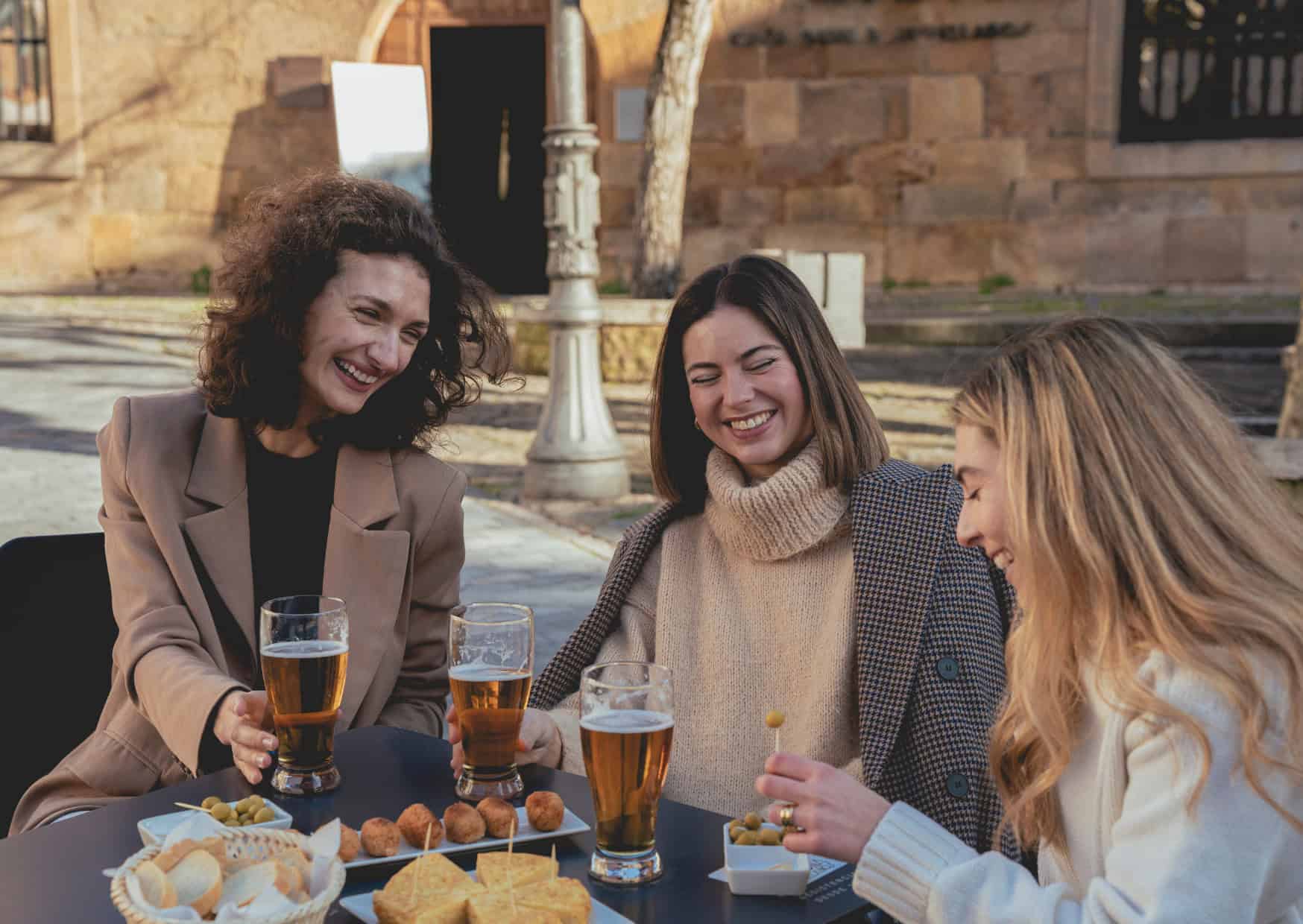
The relaxed midday break helps reduce stress and burnout rates. Employees get a genuine mental reset—far more than a 15-minute coffee break can provide. This fosters healthier work-life integration: they can run errands, pick up kids from school for lunch, or even take care of personal business without cramming everything into evenings.
Maintaining Social Ties
In many smaller towns, entire families come together for midday meals. It’s a chance for children, grandparents, and working parents to share an hour or two daily—a pattern that might remain unthinkable in cultures where children eat cafeteria lunches and parents remain at the office. This consistent family contact can strengthen bonds and reduce the sense of isolation sometimes found in fast-paced societies.
Key Takeaway: The midday break doubles as a mental health break and a “social glue” moment, anchoring people’s daily routines in face-to-face community rather than digital chatter.
6. Economic Perspectives: Does It Hinder or Help?
Criticisms of the Long Lunch
Some economists or globalization-focused critics suggest the long lunch might hamper certain business interactions. For instance, a tourist might wander into a small town at 2 p.m. only to find shops shuttered until 4 p.m., frustrating quick transactions. Or global clients in different time zones might find it tough to schedule calls.
Adaptations in Modern Cities
Major metropolitan centers—like Milan, Madrid, or Barcelona—often see a mix of continuous and split schedules. Large multinational companies operating in global markets may adopt a more standard 9-to-5 with a shorter lunch, while local businesses or government offices still do the midday closure. This hybrid model preserves tradition while accommodating modern demands.
Key Takeaway: The two-hour lunch break can coexist with modern capitalism, though it often faces pressure in cities driven by global business. Still, in many places, tradition endures because it’s woven into the social fabric and yields intangible long-term benefits.
7. Lessons for Non-European Readers: Adapting the Practice
Try a Modified “Power Lunch”
If you can’t take a full two hours, consider a 1-hour lunch done right. Avoid eating at your desk. Step outside, meet a colleague, or even find a quiet corner to read or rest. Treat the midday as a real pause rather than a rushed nibble.
Incorporate a Mini-Siesta
Even a short 15–20 minute rest (if your workspace allows it) can rejuvenate the mind. Some progressive companies in the U.S. or northern Europe have introduced nap rooms or lounge areas. It might seem radical in a hustle culture, but the productivity gains can be surprising.
Focus on “Quality Over Quantity”
Whether it’s meal quality or break length, the underlying principle is intentional rest. Europeans who take these lunches don’t just kill time; they engage in meaningful social interactions or enjoy a calm, mindful meal that recharges them. That spirit can be replicated in smaller ways—like leaving your phone behind during lunch or having a genuine conversation with colleagues.
Key Takeaway: You don’t need to overhaul your entire schedule to glean benefits from Europe’s approach. Even partial adoption—like ensuring you have 30–45 minutes of device-free lunch—can yield better focus and mood.
8. The “Mediterranean Mindset” at Work
Embracing Natural Cycles
Many southern European countries pride themselves on living in harmony with natural rhythms. By avoiding the hottest midday hours, you preserve energy and mood. By taking time for a proper meal, you nourish yourself physically and emotionally.
Seeing Time as a Resource, Not an Enemy
Rather than racing through tasks without pause, the Mediterranean approach to the workday invites you to see time as flexible. This fosters patience, creative thinking, and sometimes deeper problem-solving, as you’re not locked in a constant rush. That said, it requires discipline to refocus once you return in the afternoon.
Key Takeaway: The two-hour lunch is a visible slice of a broader cultural philosophy that values life balance and interpersonal connections—a sharp contrast to “eat at your desk” mentalities.
Conclusion: The Real Reason Europeans Take 2-Hour Lunch Breaks (And Still Get More Done)
Ultimately, the extended midday break isn’t mere laziness or tradition for tradition’s sake. It’s a deliberate, culturally ingrained method for aligning work with human biorhythms and socio-familial values. By dedicating the midday to a restful, communal meal, Europeans who follow this custom:
- Refuel effectively: Both physically with a satisfying meal, and mentally with a pause from tasks.
- Nurture connections: Whether with family, friends, or colleagues, lunch isn’t just about nutrients—it’s about fostering relationships.
- Return recharged: The second work session benefits from renewed energy, enabling tasks to be done swiftly and effectively—sometimes more so than a slogging uninterrupted day.
Even though modern globalization pressures have whittled away at these traditions in certain cities, the two-hour lunch remains alive and cherished in many regions—defying the assumption that constant busyness equates to better productivity. For those who experience it firsthand, it’s a revelation:** slow down midday, and you might sprint ahead come afternoon**.
If you’re intrigued, try incorporating elements of this approach into your own routine. While you might not replicate a full siesta or 2-hour lunch break, you can adopt the principle of intentional, re-energizing midday pauses. Over time, you might find your afternoons growing more fruitful, your evenings less stressed, and your overall sense of balance brightening—much like the Mediterranean sun at its midday zenith, guiding you to rest before shining again on the path ahead.
Buon appetito, as the Italians say—and enjoy that well-deserved lunch respite!
Pro Tip: If you’re traveling for business in southern Europe, keep local schedules in mind. Don’t plan important meetings right after lunch if your counterparts are used to a restful pause. Aim for mid-morning or late afternoon slots. And if a local colleague invites you to a leisurely sit-down lunch, say yes—it might be the highlight of your work trip, forging stronger relationships than any formal meeting could. Enjoy the break, and see how your productivity can soar afterward.

About the Author: Ruben, co-founder of Gamintraveler.com since 2014, is a seasoned traveler from Spain who has explored over 100 countries since 2009. Known for his extensive travel adventures across South America, Europe, the US, Australia, New Zealand, Asia, and Africa, Ruben combines his passion for adventurous yet sustainable living with his love for cycling, highlighted by his remarkable 5-month bicycle journey from Spain to Norway. He currently resides in Spain, where he continues sharing his travel experiences with his partner, Rachel, and their son, Han.