
For years, Americans planning trips to Europe have been preparing for the long-awaited implementation of the EU’s ETIAS (European Travel Information and Authorization System), a permit that was supposed to become mandatory. But in a surprising move, 2025 has brought a welcome twist — the requirement has been postponed yet again. Travelers from the U.S. won’t need a travel permit to enter the EU this year after all.
This announcement is more than just bureaucratic delay. For frequent fliers, digital nomads, and first-time tourists alike, it means less red tape, no added permit fees, and one less step to worry about during the planning process. It’s a temporary relief — but one that opens the door for spontaneous travel and budget-friendly adventures.
However, with this freedom comes some confusion. Many travelers aren’t sure whether the requirement is gone for good, how long this grace period will last, or what it actually means for their travel plans. In this post, we’ll break it all down and help you take advantage of this permit-free window while it lasts.
Read Here European Things that terrify Americans and American Habits that make Europeans Cringe
Read here how to pack for Europe and Best eSIM for Europe
BOOK YOUR TRAVEL INSURANCE
Two of our favorite travel insurance: Heymondo Vs Safetwing cheapest travel Insurance. You can get for $135 USD your Heymondo Travel Insurance with Heymondo discount code valid for 90 days. Read our full comparison of Genki vs Safetywing Travel Insurance Review and the comparison Heymondo vs Genki
Quick Easy Tips
Check your passport: Make sure it’s valid for at least 6 months beyond your planned return date.
Book ahead: With no permit barriers, tourism could spike — book flights and accommodations in advance for better deals.
Stay updated: The permit requirement may return in 2026. Always check EU travel updates before your trip.
Have travel insurance: Permit or not, unexpected medical or flight issues still happen — don’t skip the coverage.
Review visa-free limits: U.S. travelers can stay up to 90 days within a 180-day period in the Schengen Zone.
This delay is being met with mixed reactions in Europe. While travelers rejoice at the ease of entry, some EU countries are frustrated by the logistical and security implications. ETIAS was designed to help monitor non-EU visitors more closely, especially amid growing concerns about migration, overstays, and geopolitical tensions.
Some Americans, on the other hand, still feel confused or misinformed about what the permit even was. Many believe the delay is permanent or that the EU is “relaxing” its border policies. In reality, this is more of a bureaucratic bottleneck than a policy shift — and assuming it’s over for good could lead to surprise changes next year.
There’s also growing concern from frequent travelers that the ongoing back-and-forth on travel permits and requirements creates unnecessary confusion. Unlike other global travel regions, Europe’s evolving entry rules vary by country, which can make planning more complicated than it should be. Some argue that clearer, unified communication from the EU is long overdue.
Understanding ETIAS
Purpose: ETIAS is designed to enhance security by pre-screening travelers from visa-exempt countries before they enter the Schengen Area.
Applicability: Once implemented, ETIAS will be mandatory for citizens of approximately 60 visa-exempt countries, including the United States, traveling to 30 European nations.
The European Travel Information and Authorization System (ETIAS) is a new entry requirement for visa-exempt travelers, including U.S. citizens, who wish to visit countries in the Schengen Area of the European Union. It is similar to the ESTA system used in the United States. ETIAS is being introduced to enhance security and improve the management of the Schengen Area’s borders.
ETIAS is a user-friendly travel authorization system aimed at increasing security within the Schengen Area by screening travelers from visa-exempt countries before they arrive. It’s essential to apply for ETIAS before your trip to ensure you meet the new entry requirements starting in 2025. By submitting a quick online application, travelers can enjoy smooth entry into Europe while contributing to enhanced safety for all.
Here’s how ETIAS works
Who Needs ETIAS?
Visa-Exempt Travelers: ETIAS applies to nationals from countries that are not part of the European Union but are allowed to enter the Schengen Area without a visa. This includes countries like the United States, Canada, Australia, Japan, and others. Travelers from these countries will need to apply for ETIAS before entering any of the Schengen countries.
Schengen Area: The Schengen Area includes 26 European countries that have abolished internal borders for free movement. ETIAS will be required for entry into these countries, even for short stays of up to 90 days within a 180-day period for tourism, business, medical, or transit purposes.
Countries That Require ETIAS
ETIAS will be required for entry into the following 26 Schengen Area countries:
Austria, Belgium, Czech Republic, Denmark, Estonia, Finland, France, Germany, Greece, Hungary, Iceland, Italy, Latvia, Liechtenstein, Lithuania, Luxembourg, Malta, Netherlands, Norway, Poland, Portugal, Slovakia, Slovenia, Spain, Sweden, and Switzerland.
Additionally, non-Schengen countries such as Bulgaria, Croatia, Cyprus, and Romania plan to implement ETIAS in the future.
How to Apply for ETIAS?
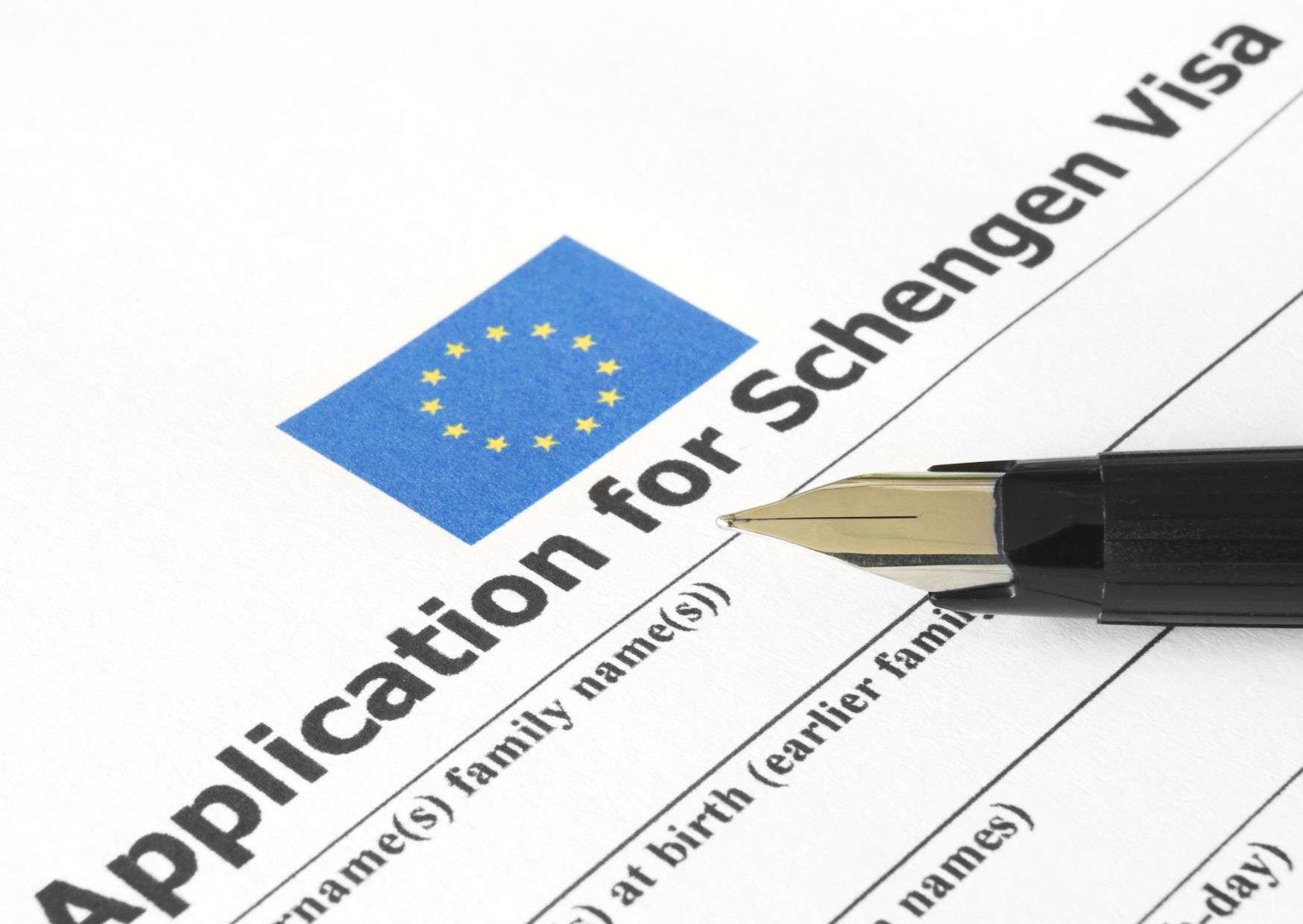
Online Application: Travelers will need to fill out an ETIAS application online. The process is straightforward and is expected to take about 10-20 minutes.
Required Information: Applicants will need to provide personal information, including:
Full name, date of birth, and nationality
Passport information (number, issuance, and expiration dates)
Travel details, including the Schengen country you intend to enter first
Background information related to security, such as criminal records, travel to conflict zones, and any previous refusals of entry into Schengen countries
Fee: There will be a fee for the ETIAS application, expected to be around €7 (approximately $8 USD), which applies to traveler
Key Details
Application Process: Travelers will need to complete an online application prior to their trip.
Fee: A fee of €7 will be charged for applicants aged 18 to 70.
Validity: An approved ETIAS authorization will be valid for three years or until the associated passport expires, whichever comes first.
Current Travel Requirements
Until ETIAS is implemented in mid-2025, U.S. citizens can continue to travel to Europe without a travel permit, adhering to existing entry requirements.
Recommendations for Travelers
Stay Informed: Monitor official communications from the European Union and the U.S. Department of State for updates on ETIAS implementation.
Plan Ahead: Once ETIAS is operational, ensure you apply for authorization well in advance of your travel dates to avoid any disruptions.
Final Thoughts
For now, Americans can breathe a sigh of relief. Whether you’re planning to sip wine in France, island-hop in Greece, or explore castles in Germany, the door to Europe remains open — without extra paperwork or fees.
This reprieve offers a golden opportunity to travel more freely in 2025. But it shouldn’t be mistaken for a permanent rule. If you’ve been hesitating to visit Europe due to the anticipated permit, this might be your year to go before the ETIAS system finally kicks in.
In the end, travel is always evolving — and staying informed is key. Take advantage of this window, stay prepared for what’s next, and most of all, enjoy the freedom to explore while it lasts.

About the Author: Ruben, co-founder of Gamintraveler.com since 2014, is a seasoned traveler from Spain who has explored over 100 countries since 2009. Known for his extensive travel adventures across South America, Europe, the US, Australia, New Zealand, Asia, and Africa, Ruben combines his passion for adventurous yet sustainable living with his love for cycling, highlighted by his remarkable 5-month bicycle journey from Spain to Norway. He currently resides in Spain, where he continues sharing his travel experiences with his partner, Rachel, and their son, Han.