
Last updated on January 13th, 2026 at 05:07 pm
Why Bother Discussing Cultural Splurges?
When traveling or living abroad, you quickly realize that what seems normal in your home country can come across as bizarre or wasteful elsewhere. Americans famously have a flair for big everything cars, meals, houses, even consumption patterns while Europeans often consider themselves more modest or pragmatic in everyday spending. This contrast can lead to eye-rolls or playful jabs about certain “American extravagances.”
But what exactly are these so-called “splurges” that Europeans find perplexing or downright silly? And why do they hold such opinions? Below, we’ll delve into 9 American habits or expenditures that leave many Europeans scratching their heads.
The goal isn’t to shame anyone’s lifestyle it’s about recognizing that what one culture sees as a justified indulgence, another might label unnecessary or “stupid.” If you’re American and want to see your daily life through a European lens (or you’re European seeking a hearty nod of agreement), read on!
Looking for More Travel & Culture Reads?
– They Don’t Work 24/7: 5 Vacation Customs in Europe That Drive Americans Crazy
– 7 Dress Code Shocks Americans Face in Italy
– 9 European Beach Habits That Shock First-Time Tourists
Quick Easy Tips
Spend more on things you use every day and less on things meant to impress occasionally.
Prioritize longevity and repairability over convenience and upgrades.
Question whether a purchase reduces stress or simply adds maintenance.
Look at recurring costs over years, not just the initial price.
One uncomfortable truth is that many American splurges are driven by convenience culture. Paying extra to save small amounts of time is normalized, even when it leads to higher stress, more debt, or less satisfaction long-term. Europeans often see this as paying more to live faster, not better.
Another controversial point is housing and space. Large homes filled with rarely used rooms are often seen as inefficient rather than aspirational. In Europe, smaller spaces are designed to be fully lived in, not displayed, making excess square footage feel like wasted money.
There’s also skepticism around constant upgrading. New cars every few years, frequent phone replacements, and subscription-heavy lifestyles suggest instability rather than success to many Europeans. Keeping something longer is viewed as smart, not frugal.
Finally, Europeans often find status-driven spending confusing. Luxury items that require debt, attention, or explanation defeat their purpose. The controversy lies in this: spending that creates pressure instead of freedom isn’t considered a reward it’s considered a burden.
1. Giant, Gas-Guzzling SUVs for Suburban Errands
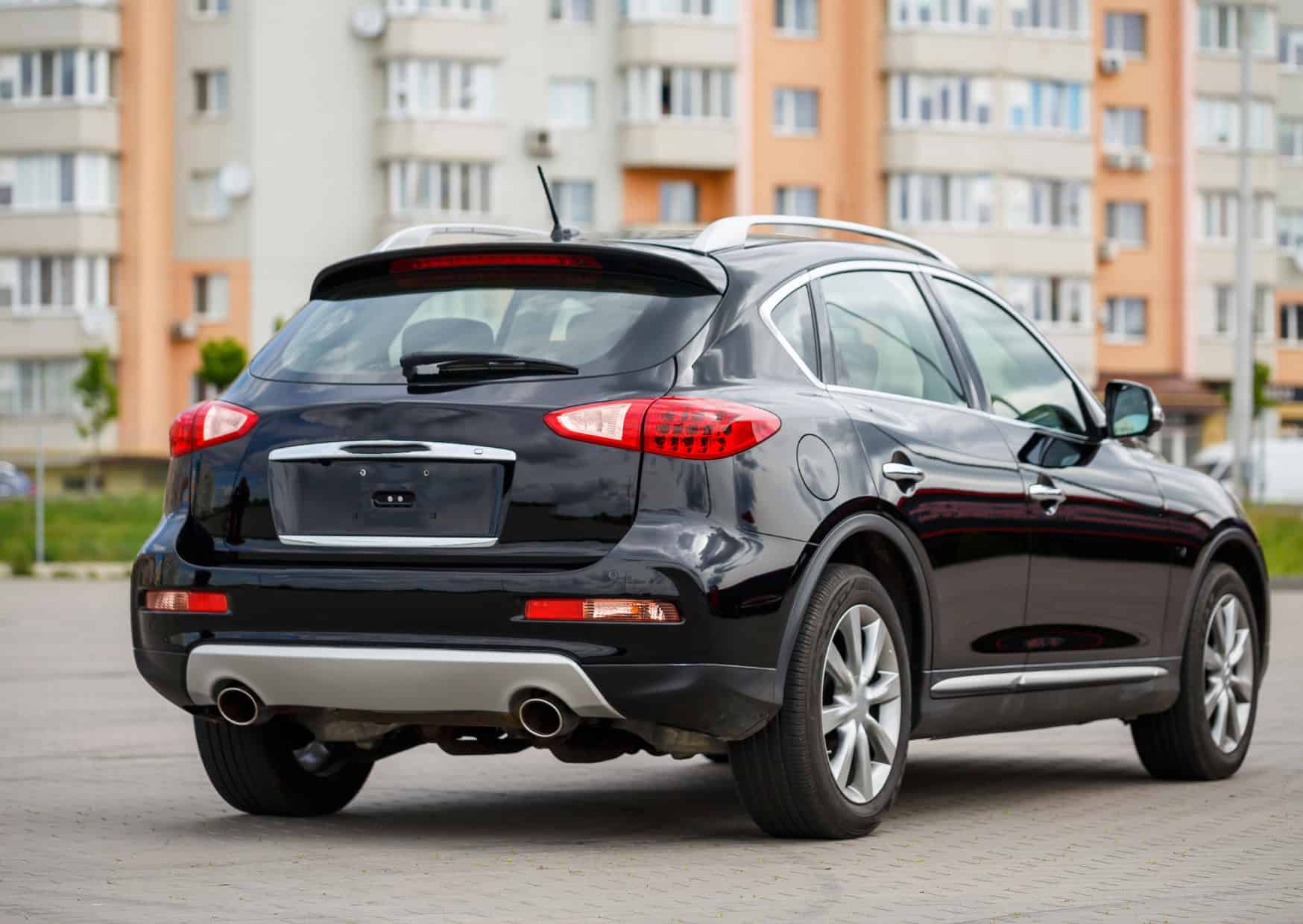
The Splurge: Oversized Cars
In much of the U.S., the default family vehicle is an SUV or a pickup truck—sometimes both. These beasts can boast V8 engines, guzzle fuel like water, and rarely see off-road action. Many Americans see them as essential for daily commuting, grocery runs, or occasional road trips.
Why Europeans Think It’s Excessive
- Tighter Spaces: Europe’s older towns have narrow streets, smaller parking spots, and high fuel costs. Driving a huge SUV to pick up milk can be impractical—some roads can’t even accommodate such wide vehicles comfortably.
- Environmental Consciousness: Europeans pay hefty gas taxes and generally lean greener in daily transport, from small hatchbacks to robust public transport. Seeing an American SUV rolling around with just one occupant stirs disbelief.
- Cost vs. Use: The notion of spending $50K+ on a vehicle that’s rarely used for heavy hauling or off-roading strikes many Europeans as an avoidable money sink.
Takeaway: It’s not that Europeans hate cars; many just think if you’re mostly city-bound, a huge SUV or truck is an overblown purchase. A smaller car or train pass might suffice—and save money in the long run.
2. Super-Sized Fridges and Bulk Groceries
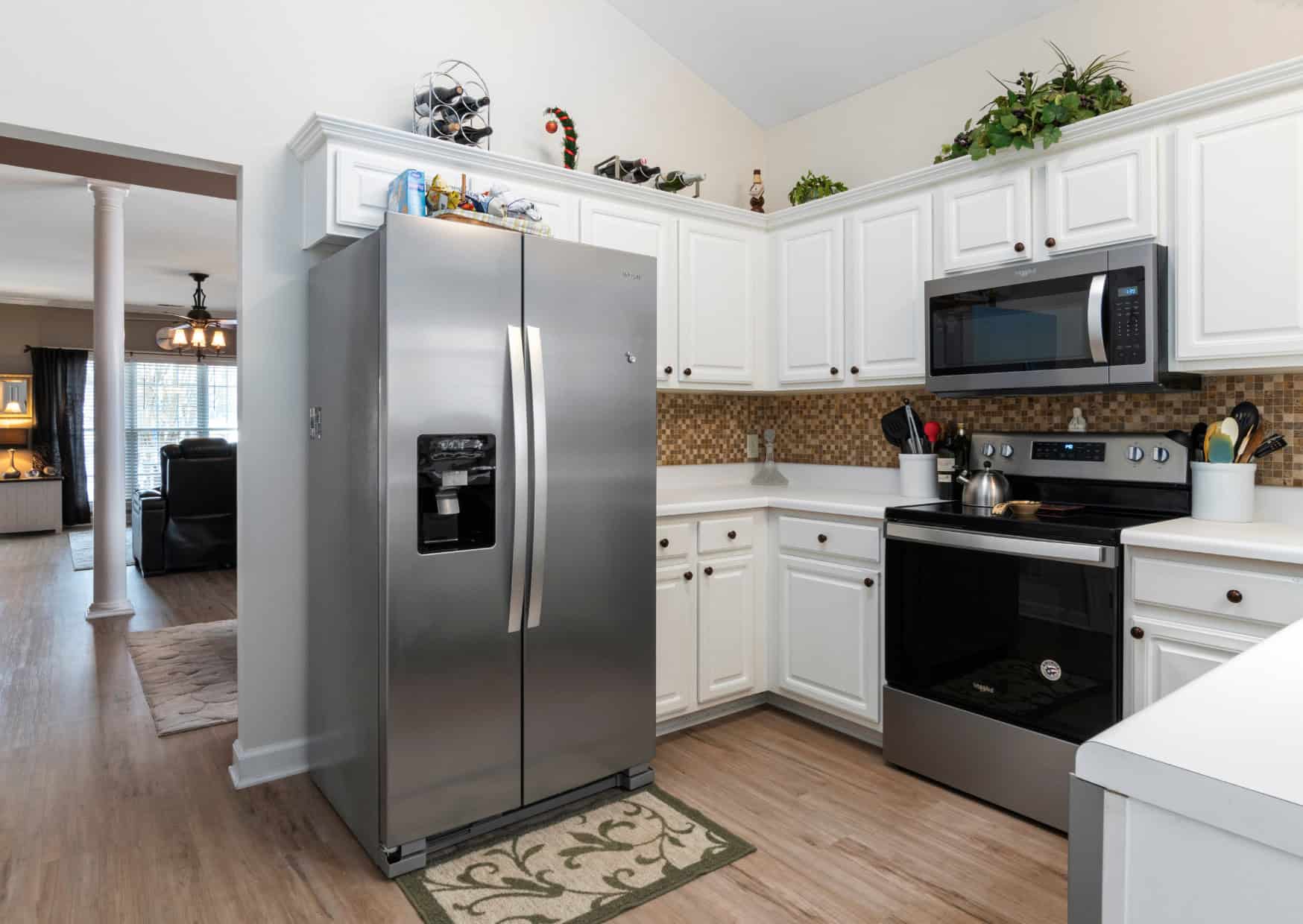
The Splurge: Buying Food in Bulk
Visit an American household and you might see an enormous two-door fridge and a stand-alone freezer in the garage—plus pantries brimming with Costco-sized cereal boxes or toilet paper stacks for months. Americans often buy in bulk to “save money” or reduce shopping trips.
Why Europeans Find It Odd
- Space Constraints: Many European kitchens simply don’t have room for a fridge the size of a small car. Even city apartments can be tiny.
- Fresh Shopping Mentality: Europeans typically shop for produce and meat several times a week, buying just enough to last a few days. They prefer fresh foods and smaller fridges, so bulk storage is less relevant.
- Waste Potential: Buying huge quantities can lead to spoiling, especially if that second fridge in the basement is forgotten. Europeans see that as money literally being thrown out.
Takeaway: While Americans love “stocking up,” many Europeans see it as overkill, pushing them to ask, “Why not just shop more frequently and keep it fresh?”
3. Daily $5+ Specialty Coffees
The Splurge: Premium Coffee Addiction

From Starbucks venti caramel macchiatos to boutique espresso bars charging $6 for a latte with organic oat milk, Americans regularly splurge on fancy coffee. It’s routine for many to grab a pricey beverage en route to work, easily racking up $25–$30 a week—if not more.
Why Europeans Shake Their Heads
- Coffee Culture: In places like Italy or Spain, espresso is typically a quick, cheap shot at the bar—maybe $1–$2. People stand, sip, and go. Paying $5 for a coffee loaded with sugar and whipped cream is borderline unimaginable.
- Taste vs. Sweetness: Traditional European coffee culture emphasizes bold, straightforward flavor. The American approach can be seen as dessert in a cup.
- Cumulative Cost: $100+ a month on coffee alone? Some Europeans label this downright wasteful, preferring to invest in a quality home espresso machine or daily café visits at a fraction of the American cost.
Takeaway: It’s not that Europeans hate coffee—they adore it. But they see the American approach of elaborate, daily expensive drinks as an easy “budget black hole” you might regret, especially for something that’s simpler (and cheaper) done at home or in a local café.
4. Over-the-Top Weddings and Birthday Parties
The Splurge: Blowout Events

Americans have a knack for turning personal milestones into lavish spectacles—think multi-thousand-dollar Sweet 16 parties, or weddings that cost as much as a modest house down payment. The “bigger is better” mindset can lead to entire barns decked in pricey decor or a day-long open bar for 200 guests.
Why Europeans Scoff
- Simplicity & Intimacy: In many European circles, weddings are smaller, family-oriented affairs. They might last a day, but not require a second mortgage. People often prefer intimate, quality experiences over excessive fanfare.
- Financial Priorities: Europeans might question going into debt for a single event. They’d rather put that money toward a future home, a business, or travel.
- Showiness: Large-scale American celebrations can appear like a performance, overshadowing the personal sentiment behind them.
Takeaway: While a grand wedding can be magical, many Europeans regard it as a short-lived extravagance. They’d rather see couples start married life with savings in the bank than lavish parties. Similarly, a child’s birthday might be a modest gathering at home rather than a $1,000 blowout at a theme park.
5. High-End Home Security Systems (in Low-Risk Neighborhoods)

The Splurge: Extensive Security & Surveillance
Suburban American neighborhoods sometimes feature elaborate security setups—camera networks, motion detectors, monthly alarm service fees—despite relatively low crime rates in those areas. Some might also install tall fences or gates for “extra security.”
Why Europeans Raise Eyebrows
- Crime Perception: While crime exists everywhere, many Europeans find the American approach paranoid if there’s no real threat. In smaller European towns, folks often trust their neighbors, leaving doors occasionally unlocked.
- Ongoing Costs: Paying $30–$60 a month to monitor a quiet cul-de-sac property is deemed wasteful by those who rely on basic door locks and communal vigilance.
- Cultural Emphasis: Europeans might believe in a sense of collective safety—neighbors keep an eye out for suspicious activity, local police are reachable, and expensive high-tech solutions appear over-the-top unless truly necessary.
Takeaway: Security is a personal choice, but to many Europeans, the cost and complexity of advanced alarm systems for an already safe environment feels like an unnecessary “splurge,” fueling anxiety more than actual protection.
6. Massive Portions and the “Supersize” Mindset
The Splurge: Big Meals, Big Bills

From fast-food combos that let you “go large” for an extra dollar to steakhouse platters that could feed a small family, Americans often see value in bigger portions. The logic is “more food for your money.”
Why Europeans Criticize
- Waste & Overeating: Italians or French folks prefer modest courses, savoring each bite. They see the American super-portion as fueling food waste or unhealthy consumption.
- Quality vs. Quantity: “Supersizing” can degrade quality—bigger doesn’t mean better. Many European cooks champion smaller, high-quality dishes where taste matters more than volume.
- Health Concerns: Europe sees obesity rates rising too, but the American portion culture is widely blamed for major health issues. Europeans find it perplexing to pay for more than one can realistically eat.
Takeaway: Sure, huge portions might feel like a bargain, but Europeans argue: If you want more, order it. Why pay upfront for an oversized meal that either goes to waste or forces you to overindulge?
7. “Therapy” Shopping & Storage Units Full of Stuff

The Splurge: Recreational Shopping
Some Americans turn shopping into a hobby—accumulating clothes, home goods, gadgets—leading to the phenomenon of renting storage units for overflow. The idea is that buying new items or seasonal décor is a form of self-care or a weekend pastime.
Why Europeans React with Dismay
- Less Storage Culture: Europeans, especially in dense cities, have smaller living spaces. The concept of paying monthly for an external storage facility is bizarre unless you’re moving or storing furniture short-term.
- Minimalism & Longevity: Many Europeans, though not all, lean toward reusing or repurposing items. They invest in fewer, higher-quality goods that last. Constantly buying trinkets only to stash them away seems wasteful.
- Environmental Impact: With sustainability in mind, pointless consumption is frowned upon. Europeans are more likely to salvage older furniture, frequent secondhand shops, or simply live with less clutter.
Takeaway: Americans may see it as normal to have a backup storage unit for seasonal stuff, but for many Europeans, paying monthly for “stuff you rarely use” is an odd and avoidable splurge.
8. Paying for All-Inclusive Gym & Country Club Memberships

The Splurge: Comprehensive Fitness & Social Clubs
In the U.S., it’s common to join a fancy gym that offers a pool, sauna, group classes, tennis courts, maybe a kids’ play area—some even have juice bars or hair salons. It can cost $100–$300 a month or more. Americans see it as an all-in-one solution for fitness and social gatherings.
Why Europeans Scratch Their Heads
- Public Spaces & Local Sports: Many European cities provide public sports facilities, free or affordable. Lakes, soccer fields, public tennis courts, and community-run classes mean paying hundreds monthly might seem unnecessary.
- Outdoors Over Indulgence: Hiking, cycling, or running in the local park is cheap or free. Country club membership is more associated with the elite, not everyday folks.
- Less “Membership Culture”: Europeans often prefer local clubs or pay-per-use approaches rather than locking into pricey all-inclusive deals.
Takeaway: While Americans might appreciate the convenience of an upscale gym, Europeans might prefer public resources or smaller specialized clubs. They find shelling out big bucks for underused perks quite “stupid” if free or cheap alternatives abound.
9. Insanely Elaborate Kid Gear and Extravagant Child Expenses
The Splurge: Baby Showers, Designer Strollers, Gadgets Galore

From designer cribs to high-tech bottle warmers, American parents often invest heavily in child-related goods. Baby showers can yield mountains of gear, and some parents continue big spending for top-tier strollers, elaborate birthday bashes, or “toddler iPads.”
Why Europeans Roll Their Eyes
- Practical Parenting: Many Europeans opt for simpler, multi-use baby items. Second-hand baby gear is popular, and minimal fuss is valued.
- Cultural Norms: Lavish baby showers are less common in Europe—some consider them tacky or excessively consumerist.
- Children vs. Materialism: Europeans might champion experiences over stuff, believing kids outgrow many gadgets quickly.
Takeaway: Sure, kids are precious, but equating love with endless gadgets can strike Europeans as misguided. They often question the ROI of premium gear that will be obsolete or outgrown in a year.
Conclusion: Different Values, Different Definitions of “Wasteful”
Ultimately, these American “splurges” that Europeans call “stupid” stem from contrasting cultural values, local conditions, and historical contexts. Many revolve around “bigger is better,” convenience, or a buy-new mentality that Americans see as normal. Meanwhile, Europeans, living in more compact spaces with historically high energy costs and a tradition of smaller-scale living, might see such habits as financially and environmentally questionable.
That doesn’t mean one side is entirely right or wrong. Culture shapes how we perceive comfort, status, and practicality. But acknowledging that big SUVs, super-sized fridges, or $5 daily lattes might not be everyone’s idea of “smart spending” can open dialogues about sustainable living, more mindful consumption, and bridging cross-cultural misconceptions.
Takeaway: If you’re American traveling in Europe (or vice versa), it’s enlightening to step back and see how everyday choices like how big your car is, how frequently you shop in bulk, or how you approach personal security can reveal deeper cultural philosophies. Embrace the conversation, question your habits, and you may discover a more balanced approach that merges the best of both worlds: a dash of American convenience with a pinch of European restraint.
Pro Tip: If you’re an American intrigued by these “European criticisms,” try adopting one or two simpler, smaller-living strategies. For instance, skip the daily Starbucks run by investing in a quality home espresso machine. Or see if you can go without that monstrous SUV in favor of a compact hybrid. You’ll save money perhaps enough to finance a trip to Europe to experience these cultural differences firsthand! Enjoy the cross-cultural exchange.

About the Author: Ruben, co-founder of Gamintraveler.com since 2014, is a seasoned traveler from Spain who has explored over 100 countries since 2009. Known for his extensive travel adventures across South America, Europe, the US, Australia, New Zealand, Asia, and Africa, Ruben combines his passion for adventurous yet sustainable living with his love for cycling, highlighted by his remarkable 5-month bicycle journey from Spain to Norway. He currently resides in Spain, where he continues sharing his travel experiences with his partner, Rachel, and their son, Han.