
Why Bother Talking About Drinking Habits at Mealtime?
If you’ve spent time in Mediterranean areas like the coasts of Italy, Spain, Greece, or parts of the Middle East you might notice something curious: during a family lunch or dinner, many locals refrain from sipping water alongside their food. Instead, you’ll see wine, sometimes diluted with a bit of water, or a small glass of beer, or even no beverage at all until the meal is nearly finished. Meanwhile, a visiting American or northern European might be used to big glasses of ice water refilled constantly, as is common in U.S. restaurants.
Why the difference? Are these Mediterranean folks just ignoring thirst? Are they focusing on wine? Or is it a more deeply rooted, culturally ingrained approach? Below, we’ll explore nine reasons (both historical and contemporary) behind the tradition of not drinking much (if any) water at mealtime and how it might actually make sense from a digestive or social standpoint. Whether you agree or not, these insights offer a fascinating glimpse into how daily dining habits can shape health, tradition, and community life.
Looking for More Travel & Culture Reads?
– They Don’t Work 24/7: 5 Vacation Customs in Europe That Drive Americans Crazy
– 7 Dress Code Shocks Americans Face in Italy
– 9 European Beach Habits That Shock First-Time Tourists
– 7 Beach Behaviors That Make Locals Avoid You in Italy
Quick Easy Tips
Sip, Don’t Guzzle: If you must drink during a meal, sip small amounts to avoid diluting stomach acid.
Hydrate Before, Not During: Drink water 30 minutes before eating to support digestion without interfering with it.
Try Herbal Teas Post-Meal: Many in the Mediterranean opt for warm teas like mint or chamomile after eating.
Listen to Your Body: Feeling bloated after meals? Cutting back on drinks during food might help.
Add Hydrating Foods: Cucumbers, tomatoes, and fruit can offer moisture without needing a glass in hand.
In the U.S., a giant glass of water or soda is standard with every meal. But across the Mediterranean, many cultures skip drinks entirely until the plates are cleared. Why? The belief is that drinking water while eating interferes with digestion, diluting stomach acid and enzymes needed to break down food effectively. It’s not backed by every scientist, but this traditional wisdom has centuries of practical evidence behind it.
Critics argue there’s no harm in drinking with meals and point to studies showing minimal impact. But Mediterranean cultures tend to have fewer digestive issues and less bloating, which might be a result of this habit combined with slower eating, simpler ingredients, and smaller portions. Their approach is not just physical it’s also about mindful eating.
This seemingly small difference reflects a bigger cultural divide: Americans often rush through meals with distractions and oversized drinks, while Mediterranean societies treat meals as sacred time to savor food and conversation. Skipping the water might not be the magic bullet but it’s part of a larger, healthier relationship with eating that Americans could learn from.
1. An Old Belief About Water and Digestion
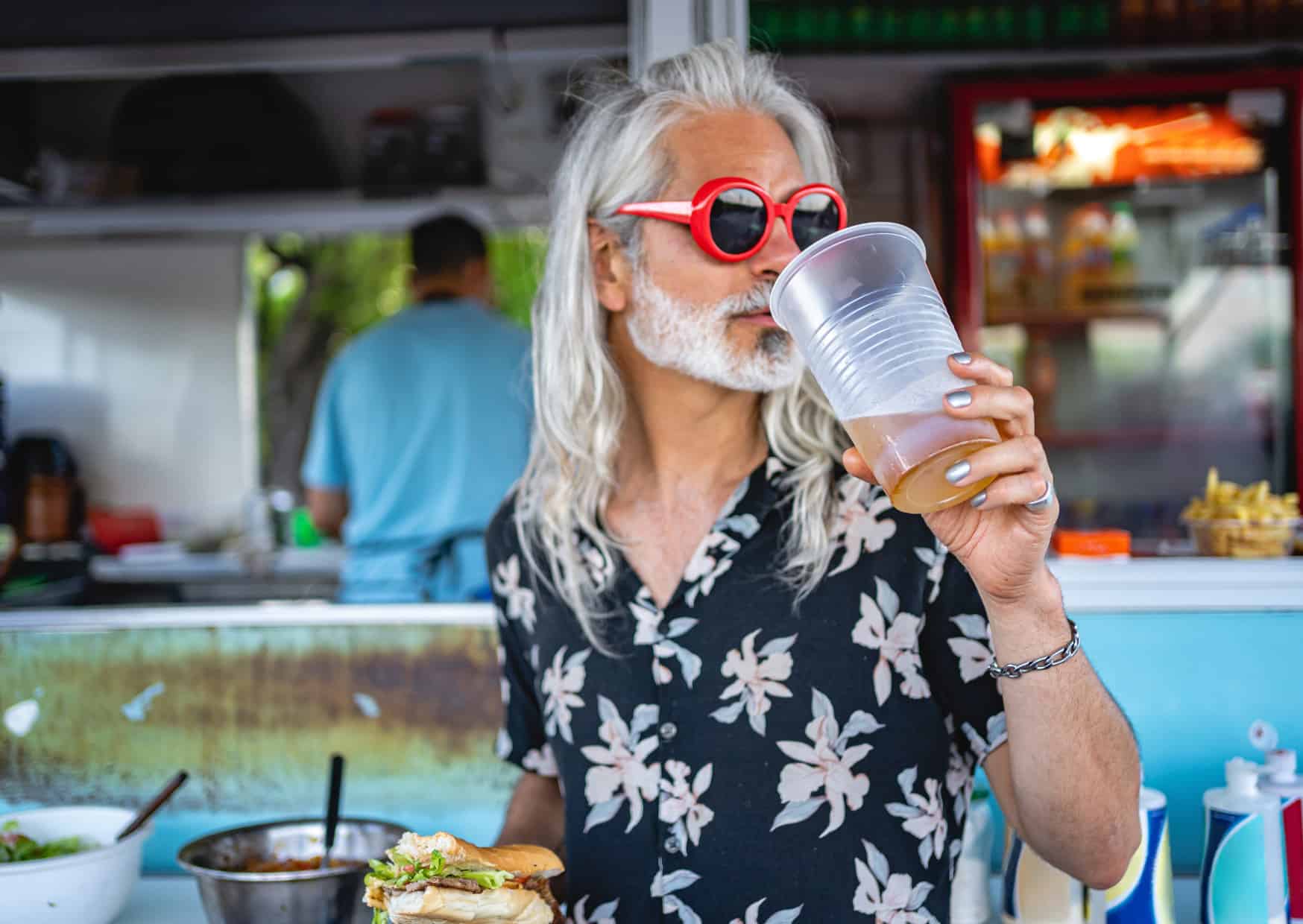
The Ancient “Dilution” Theory
One reason cited in Mediterranean folk wisdom is that drinking water during meals dilutes stomach acids, slowing digestion. This concept is old—some local communities believed that sipping too much water while eating led to bloating or impaired nutrient absorption.
- Practical Observations: Before modern science, folks noticed that large gulps of water mid-meal sometimes caused heaviness. They concluded it was best to let the stomach’s “fire” (digestive juices) do its job undiluted.
- Lingering Tradition: Though modern science shows it’s not drastically harmful to drink water, the old caution remains a cultural habit. Many older Italians or Greeks might say, “Don’t drown your food—sip after you’re done.”
Why It Might Make Sense: Minimizing fluid intake during meals could help some individuals avoid immediate post-meal discomfort. Whether that’s scientifically airtight or not, it’s a practice passed through generations, shaping daily norms.
2. Wine Is the Primary Meal Beverage
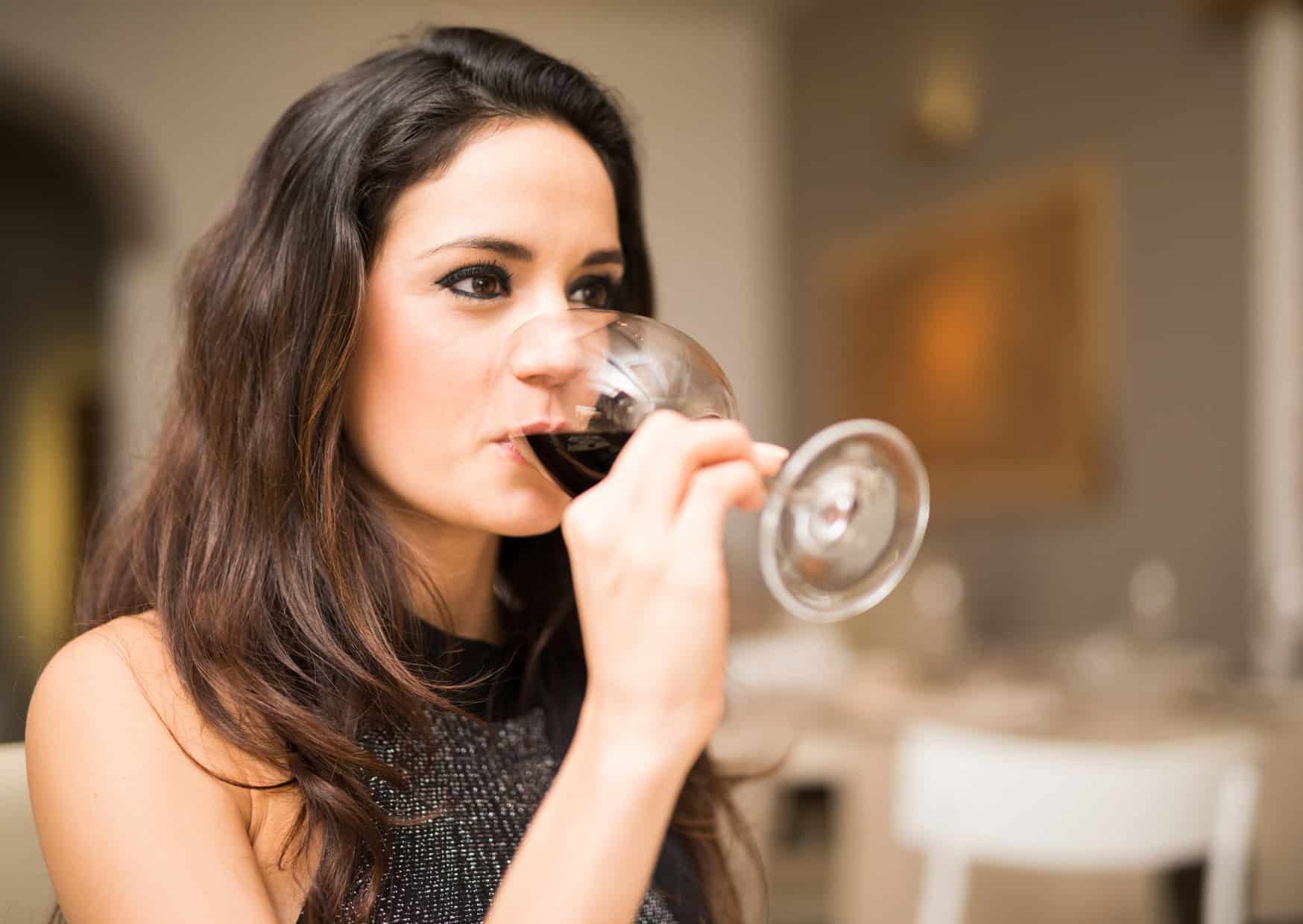
Culinary Pairing Over Plain H2O
In many Mediterranean households, wine is considered the main beverage at lunch or dinner—especially in Italy, Spain, or southern France. Water is certainly available, but:
- Taste Tradition: Pairing a dry white or light red with fish or pasta is about elevating flavors. Locals see wine as an integral part of the meal’s taste experience.
- Cultural Ritual: Serving wine fosters conversation and communal enjoyment. Continuously sipping plain water might overshadow the synergy of food and wine.
Why Water Waits: If the meal is accompanied by a small glass of wine or lightly “cut” with water, you’re not exactly dehydrated. The practice is about moderate sips of wine, not guzzling. Then, after the meal, you might top off thirst with plain water.
3. Eating Patterns That Limit Thirst
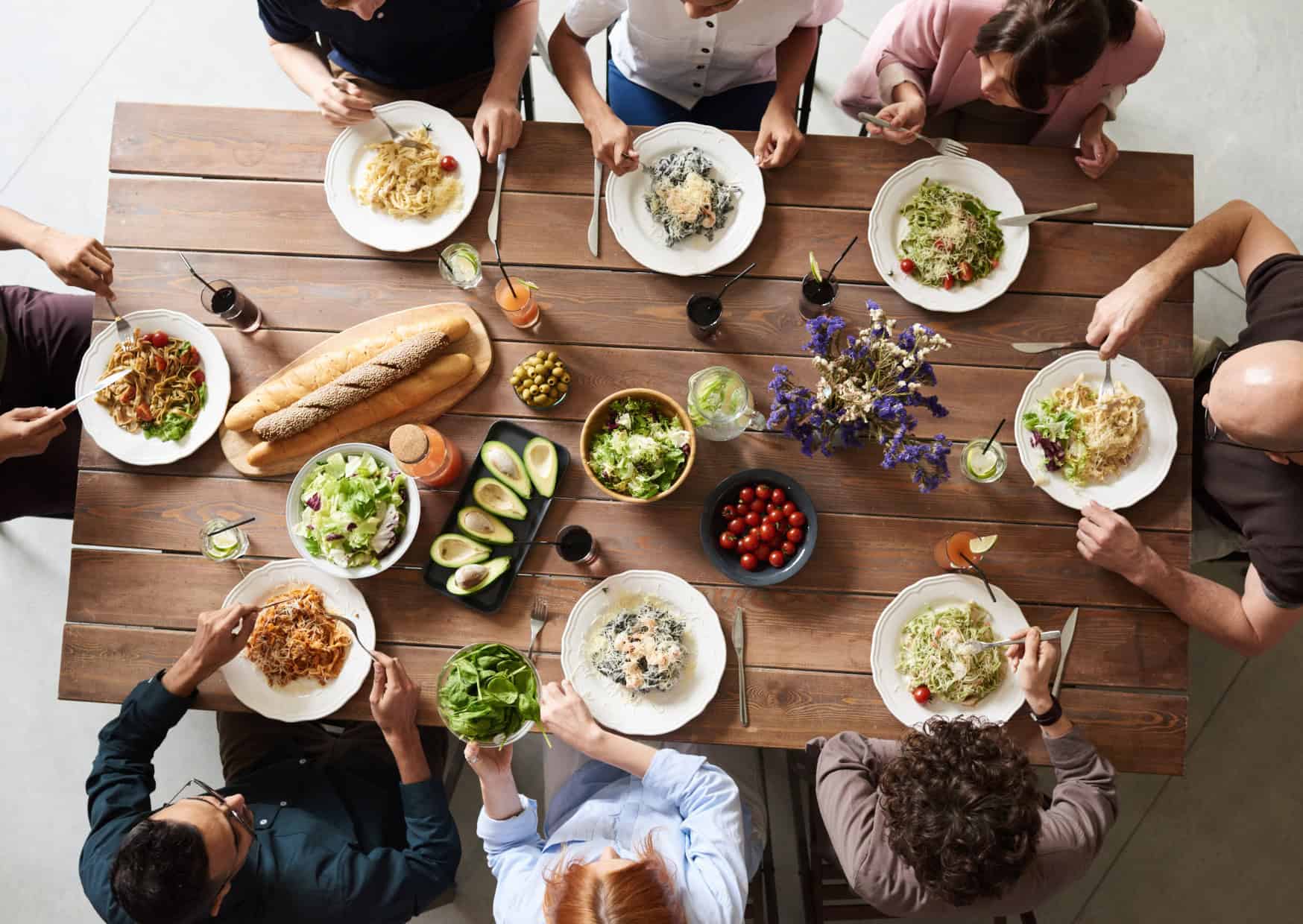
Smaller, Balanced Courses
Mediterranean diets often revolve around balanced portions of food that’s not overly salty or spicy. In some areas, dishes rely on fresh herbs, olive oil, grilled fish, or lightly seasoned vegetables—less salt means less immediate thirst.
- Frequent Veggies: High water-content produce (tomatoes, cucumbers, peppers) can help keep you hydrated from the meal itself.
- No Overly Processed Foods: The prevalence of fresh or homemade items, rather than processed, can reduce the sodium levels that typically make Americans down multiple glasses of water.
Result: If you’re not bombarded by salt or dryness, you may not feel the same urgent need for water mid-bite. So, skipping or minimizing water at the table is less uncomfortable than it might sound to an outsider.
4. Summer Tricks: Cooling Foods Over Water
Fruit & Soup Strategies
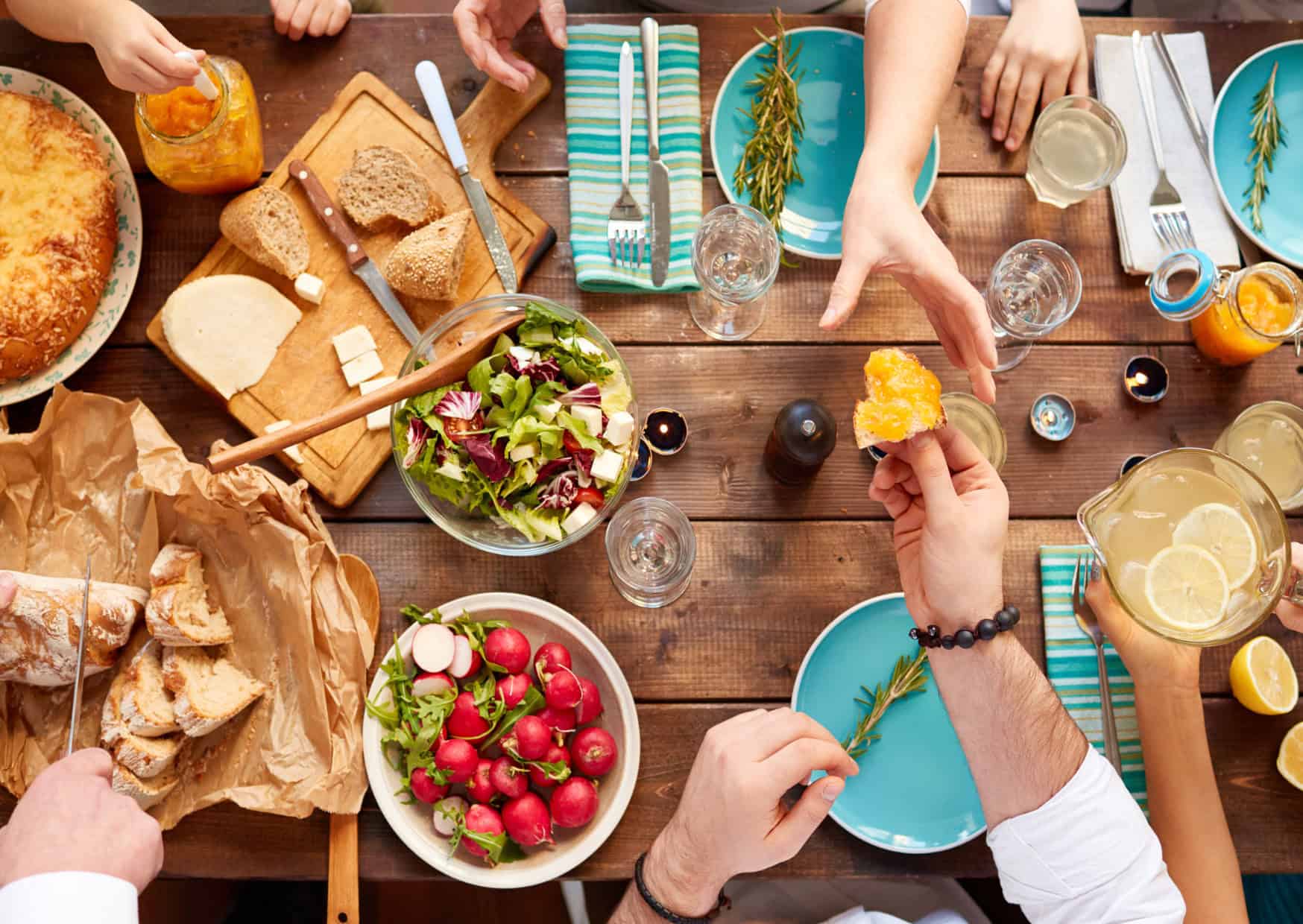
In hot Mediterranean climates, locals historically tackled heat by incorporating cooling foods—like gazpacho in Spain or chilled fruit (watermelon, cantaloupe). These have high water content, effectively hydrating you without direct fluid intake.
- Fruit for Dessert: Many households finish with fresh fruit—peaches, grapes, oranges—that help quench thirst.
- Gazpacho & Cold Soups: Spain’s iconic cold tomato soup, for instance, is practically water-based with veggies. So, you’re hydrating while you eat.
Why This Minimizes Water Drinking: When you’re relying on produce and soup for hydration, the notion of sipping from a glass of water during the main course can seem redundant.
5. The Social Aspect: Conversation vs. Constant Refills
The Flow of Meals Without Distractions
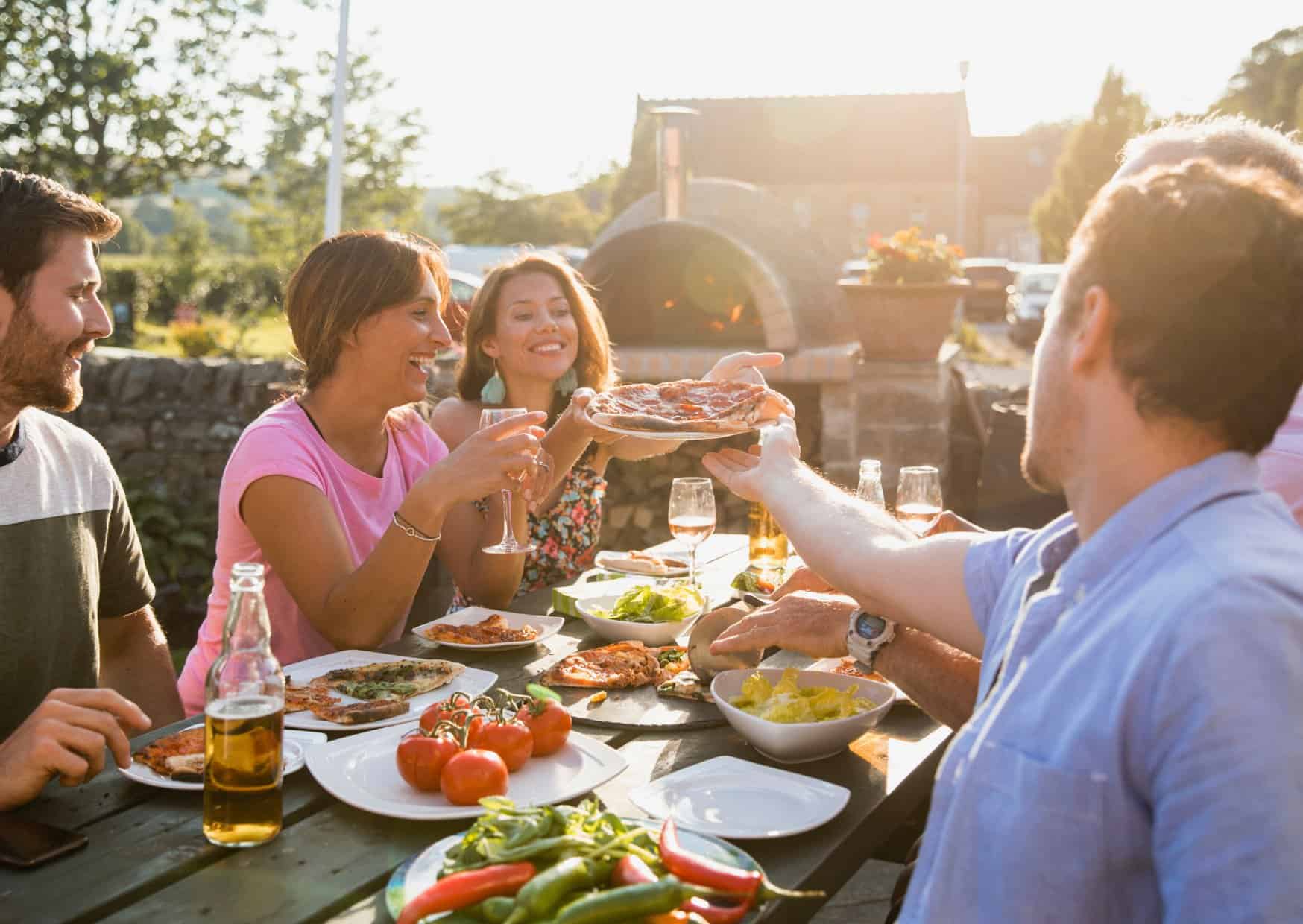
Meals in Mediterranean cultures often revolve around leisurely conversation. The table is a communal hub where friends or family chat for an hour or two. Unlike in many U.S. restaurants—where servers swiftly refill water glasses—European service can be more hands-off:
- Waiters Not Constantly Topping Up: In some places, you need to request water specifically. They won’t just appear with pitchers.
- Focus on Interpersonal Connection: People are deeply engaged in the moment, exchanging stories, tasting each course. They’re not frequently pausing for big gulps of water.
Takeaway: Freed from the reflex of reaching for a water glass every two minutes, diners might forget they even want water. The mealtime vibe is about presence, not hydration “just in case.”
6. Historical Water Quality Issues
Wine as a Safer Alternative
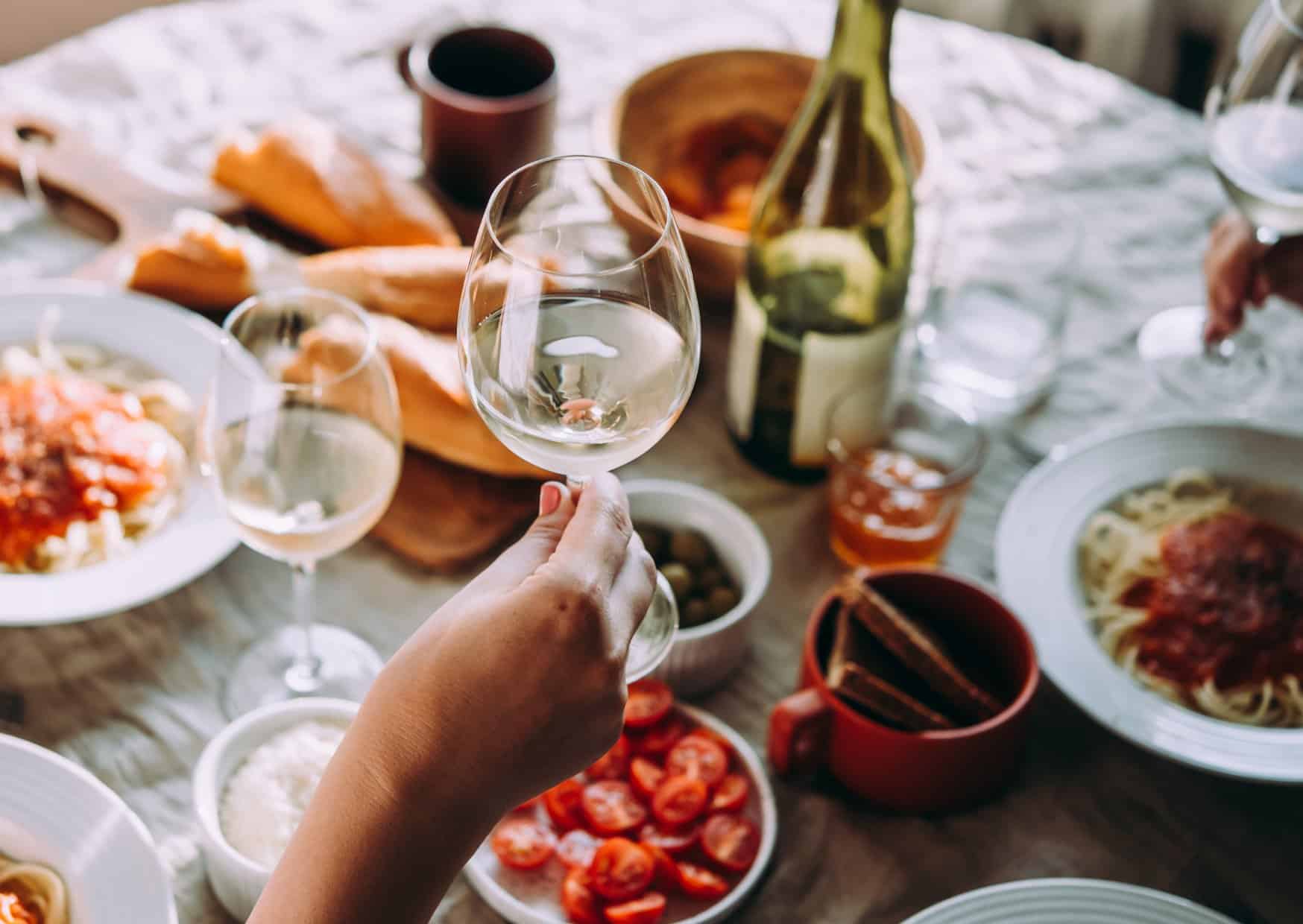
Throughout history, drinking water in some European areas could be risky—wine was safer due to its slight antibacterial properties from alcohol. While modern infrastructure has improved water quality drastically, the cultural memory of preferring wine (or boiled infusions like tea) lingers in some traditions.
- Boiling or Distilled: In the past, if you weren’t sure about the local well, you might rely on beer, wine, or boiled beverages. This gave wine a place at the table that overshadowed plain water.
- Faded Fear, Lasting Habit: Even though today’s tap water is generally safe, the practice of wine-with-meal remains an enjoyable custom that overshadowed water consumption.
Context: This is less relevant in modern cities with excellent tap water, yet the deeply ingrained habit continues, especially among older generations in rural zones.
7. Nibbling Bread vs. Washing Down Bites
The “Dry Mouth” Myth
In some cultures, Americans have the habit of taking a bite of food and immediately swigging water to help it go down, especially if the dish is somewhat dry. But in Mediterranean dining:
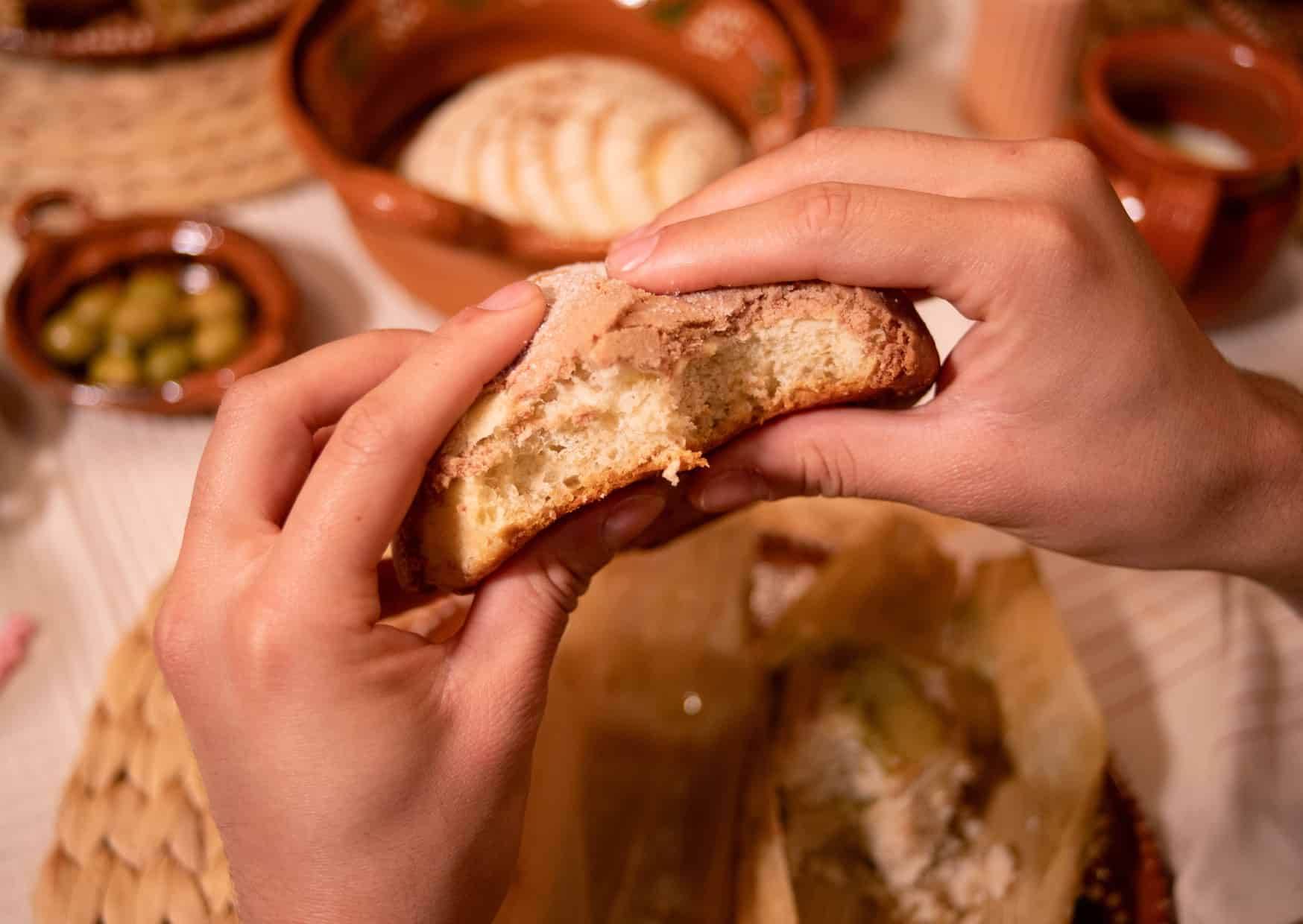
- Bread on the Side: Many meals come with bread, used to soak up sauces or accompany bites of meat or vegetables, preventing dryness.
- Savoring Each Mouthful: The slow pace means thorough chewing, so your mouth remains moistened by saliva. Constantly needing water to help swallow is less common.
Implication: Because each bite is moistened by sauce or accompanied by bread, you’re not reliant on water to lubricate. The meal is orchestrated to be comfortable to eat without guzzling water.
8. Observing a Tidy Table—Less Clutter, Fewer Glasses
Minimal Tableware
While not universal, many family-style Mediterranean meals keep a relatively uncluttered table: plates, cutlery, possibly a bottle of wine. Sizable water glasses might not be placed unless requested:
- Simplicity: The environment is curated to encourage a focus on the shared dishes rather than a variety of side beverages.
- Small Carafes: Sometimes you’ll see a small carafe of water, but no big pitcher or large glasses. If you want water, you pour a modest portion or it might come at the end of the meal.
Why It Feels Respectful: The meal is the star, with wine or a modest beverage to complement flavors. Water is not the main event. This approach can underscore the culinary artistry: no overshadowing the chef’s seasonings with a watery palate.
9. Post-Meal Hydration and Digestion Rituals
Drinking After You’ve Eaten
Finally, it’s common to see Mediterranean folks drink water or coffee after a meal—once the plates are cleared, or they’re about to leave the table:
- Digestifs & Water: Some have a small digestif (like limoncello in Italy) or a tiny espresso without water overshadowing the taste.
- Efficient Absorption: Some older family traditions hold that water post-meal helps “finish the digestion” more effectively than mid-meal.
- Social Shift: The end-of-meal is a natural moment to chat or stand up, so grabbing a glass of water or visiting a fountain is no big deal.
Key Insight: The idea is that you let the food experience stand on its own. Then, if you’re parched, you address thirst afterward. This “food first, drink later” approach can be jarring to those used to sipping all along but is normal in some households.
Why Might They Be Right?
A Potentially Healthier Relationship with Eating
Adherents claim that skipping water during meals fosters mindful, slower eating, letting taste buds fully engage. Some argue it prevents overfilling the stomach with fluids. Additionally, if you’re sipping wine instead, you might moderate your wine intake to match the food, still not oversaturating.
Encouraging Post-Meal Activities
Needing water after the meal might nudge you to stand up, walk around, or fetch water from the kitchen or communal water cooler, adding a small bit of physical activity. That’s arguably beneficial for digestion and post-meal circulation.
Cultural Harmony
In many households, it’s simply tradition. Observing that tradition brings families closer, bridging generations that grew up with the same mealtime routine. Breaking the pattern might feel off or disrespectful in certain contexts.
Counterarguments: Is It Always a Good Idea?
Times Have Changed
Modern heatwaves or physically active lifestyles might require more consistent hydration. Additionally, some nutritional experts see no major harm in sipping water during meals. For people with certain health conditions, fluid intake is crucial.
Adaptation for Tourists
As a visitor in a hot southern city, you might find it tough to go without water, especially if you’re not used to the local climate or smaller portion sizes of salty foods. Drinking water might help you avoid headaches or dehydration. No local will truly be offended if you politely request water—they understand foreigners have different norms.
Personal Preference Matters
Ultimately, a balanced approach is fine. You can adopt local custom if it appeals to you or if it’s more comfortable in certain group settings. But if you truly feel parched or have medical reasons to drink water, no one should pressure you to refrain.
Tips If You Visit or Emulate This Style
- Respect Household Norms: If staying with a host family or dining with locals, observe how they handle beverages. They might offer water at the end or not at all—don’t be alarmed.
- Carry Your Own Bottle: If you suspect you’ll want water midday or post-meal, keep a small bottle with you, especially in summer. Sip discreetly if you’re not sure about local customs.
- Mind the Waiter: In restaurants, water might not come automatically. Politely request “un carafe d’eau” in France or “acqua del rubinetto” in Italy if you want tap water (which is typically safe and free).
- Sample Local Drinks: Consider trying a light wine or a small beer if it’s part of the culture—unless you don’t consume alcohol. Some countries also have low-alcohol table wines meant to accompany the meal.
- Don’t Force It: If skipping water makes you truly uncomfortable, it’s okay to break the norm. Locals understand foreigners have different habits—just do so respectfully.
Conclusion: A Fascinating Quirk of Mediterranean Mealtime
The idea that “Mediterranean people never drink water with meals” is an oversimplification—plenty of individuals do take sips or keep a glass at hand. But there’s a definite cultural inclination towards less water at the table and more reliance on wine, fresh foods, or post-meal hydration. This tradition, rooted in historical, culinary, and social factors, might seem odd or even unhealthy to outsiders. Yet it also underscores a different approach to savoring meals one that prioritizes taste, social bonding, and moderate consumption of fluid.
Whether you end up adopting this custom or just find it intriguing, it’s a testament to how something as mundane as “when to drink water” can open a window onto a region’s deeper values. If you’re traveling in Italy, Spain, or Greece, give it a try for a few days resist that reflex to gulp water with every bite and see if the mealtime flow feels different. You might discover new satisfaction in the flavors of each course and the after-meal refreshment. Either way, you’ll have experienced another dimension of Mediterranean life, reminding us that small choices often illuminate bigger cultural stories.
Buon appetito, ¡buen provecho, and happy (possibly water-free) dining under the Mediterranean sun!
Pro Tip: If you try the “no-water-during-meals” approach, ensure you’re still staying hydrated throughout the day. Many locals sip water between meals or carry a small bottle for commutes. The difference is in how they keep the actual meal time more about the food’s flavors. Enjoy exploring this subtle gastronomic difference!

About the Author: Ruben, co-founder of Gamintraveler.com since 2014, is a seasoned traveler from Spain who has explored over 100 countries since 2009. Known for his extensive travel adventures across South America, Europe, the US, Australia, New Zealand, Asia, and Africa, Ruben combines his passion for adventurous yet sustainable living with his love for cycling, highlighted by his remarkable 5-month bicycle journey from Spain to Norway. He currently resides in Spain, where he continues sharing his travel experiences with his partner, Rachel, and their son, Han.