
Why Bother Knowing This?
When you visit—or move to—Europe for the first time, you’ll encounter all sorts of small yet meaningful differences in everyday life. From kitchen appliances to bathroom essentials, European homes sometimes feature objects Americans either rarely use or haven’t even heard of. But these items are more than just quirky additions: they reflect cultural priorities, space constraints, historical influences, and environmental consciousness.
So if you’ve ever caught yourself staring at a contraption in a European Airbnb and wondering, “Uh… what is this for?”—this guide is for you. Below, we’ll explore eight common household items that often leave Americans scratching their heads, and reveal the hidden cultural context behind them.
Looking for More Travel & Culture Reads?
– They Don’t Work 24/7: 5 Vacation Customs in Europe That Drive Americans Crazy
– 7 Dress Code Shocks Americans Face in Italy
– 9 European Beach Habits That Shock First-Time Tourists
Quick Easy Tips
Bidet Basics: Don’t be afraid of the bidet—it’s more hygienic and eco-friendly than toilet paper.
Window Shutters Aren’t Just Decor: Use them for insulation, noise control, and full blackout sleeping.
Drying Racks Over Dryers: Save energy and preserve fabric by air-drying your clothes like Europeans do.
Electric Kettles Win: Boil water faster than stovetops or microwaves—perfect for tea or instant meals.
Dual-Flush Toilets = Savings: Use the right button to save water—small flush for liquid, large for solid.
Many American travelers are baffled by everyday European household items that seem unnecessary or old-fashioned until they understand the cultural and practical logic behind them. Take the bidet: often the butt of jokes in the U.S., but in Europe, it’s viewed as a cleaner, more respectful approach to personal hygiene. Or dual-flush toilets, which are rare in the U.S. but commonplace across Europe due to higher environmental awareness and water conservation efforts.
Some Americans consider these items inconvenient or even outdated why hang clothes on a rack when a dryer is faster? But this mindset misses the long-term priorities baked into European life: sustainability, frugality, and care for personal health and the environment. What’s seen as “quaint” by outsiders is often the result of generations of thoughtful living.
This disconnect reveals more than cultural quirks it exposes fundamental lifestyle differences. Europeans often value minimalism, efficiency, and function over convenience and speed. Americans might see a drying rack and think “waste of time,” but to many Europeans, it’s a symbol of independence from energy waste and unnecessary appliances. What seems weird may actually be wise.
1. The Bidet: A Bathroom Staple Beyond Toilet Paper
What It Is
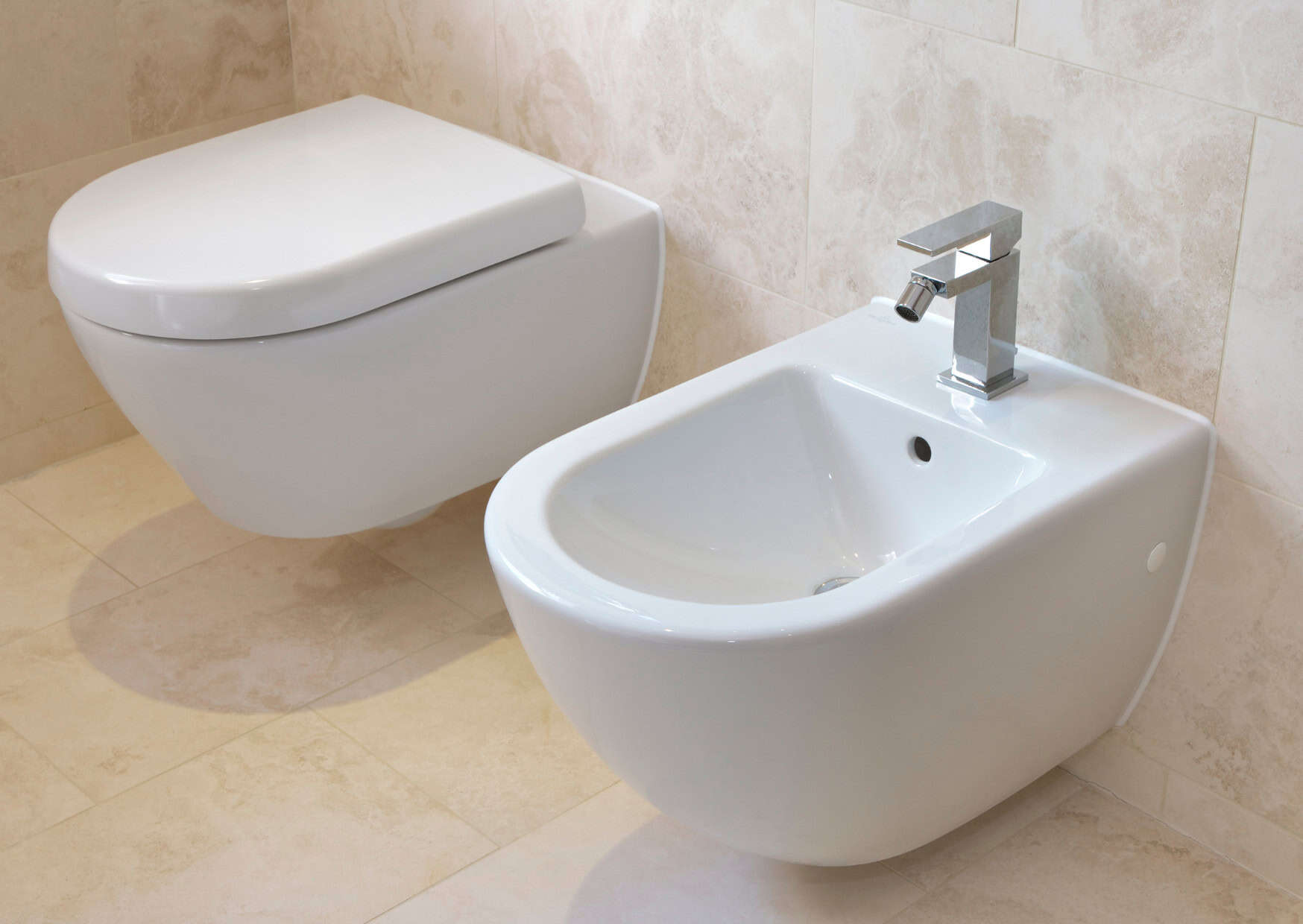
The bidet is a low, water-focused fixture found in many bathrooms across Southern Europe (particularly in Italy, Spain, Portugal, and parts of France). Sometimes it’s a separate porcelain basin; other times it’s a built-in nozzle attached to the toilet. Either way, its purpose is personal hygiene—essentially “washing up” after using the toilet.
Why Americans Are Confused
- Lack of Exposure: In the U.S., bidets are still relatively rare. Some people go their entire lives without encountering one, so spotting a second fixture next to the toilet can be perplexing.
- Cultural Reliance on Paper: Americans typically rely solely on toilet paper. The idea of rinsing with water can seem novel or even uncomfortable at first.
The Hidden Meaning
- Personal Cleanliness: Many Europeans prioritize thorough hygiene for comfort and health. A quick rinse is often viewed as cleaner than relying on paper alone.
- Eco-Consciousness: In an era of environmental awareness, using less toilet paper can cut down on waste and deforestation.
- Medical/Health Benefits: Some people prefer a gentler water cleanse, especially for sensitive skin or after surgeries.
Pro Tip
Don’t be intimidated: if you see a standalone bidet, you can sit astride it or face the faucet—everyone has their own method. And if there’s a hose next to the toilet, it’s basically a hand-held version. You’ll catch on quickly!
2. The Electric Kettle: The Morning Essential You Didn’t Know You Needed
What It Is
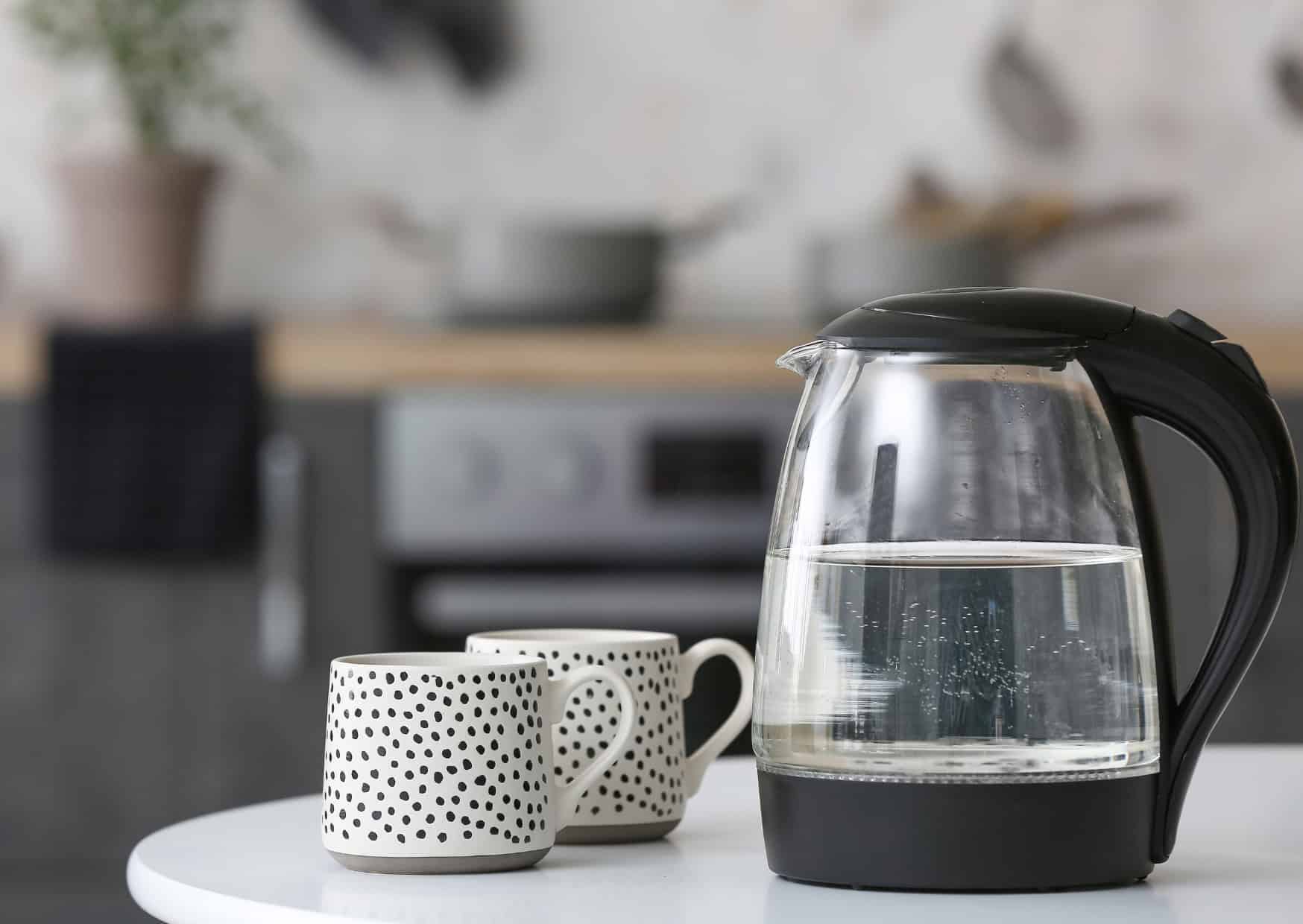
An electric kettle is a plug-in appliance that brings water to a boil in seconds (or a minute or two, depending on capacity). In the UK, Ireland, and much of Northern Europe, you’ll find one in nearly every kitchen, used constantly for tea, instant coffee, hot chocolate, or even boiling water for cooking.
Why Americans Are Confused
- Coffee Maker Culture: Americans often rely on drip coffee machines or single-serve pod machines like Keurig. Boiling water in a kettle is seen as old-fashioned or more limited in use.
- Stovetop Kettles: In the U.S., if people do make tea, they might do so on the stovetop. Electric versions aren’t as common outside tea-loving subcultures.
The Hidden Meaning
- Tea-First Culture: Especially in the UK, tea is practically a religion, with “put the kettle on” being the universal remedy for any problem.
- Energy Efficiency and Speed: Electric kettles typically boil water faster and use less energy than stovetops. This suits European homes, which often prioritize efficient appliances.
- Smaller Kitchens, Fewer Gadgets: Rather than having multiple specialized gadgets, a good kettle covers a range of hot-water needs.
Pro Tip
Once you get hooked, you might wonder how you lived without one—instant ramen, tea, quick oatmeal, or even speeding up pasta water all become easier with an electric kettle.
3. The Drying Rack (or Clothesline): Why the Dryer Isn’t Always King
What It Is
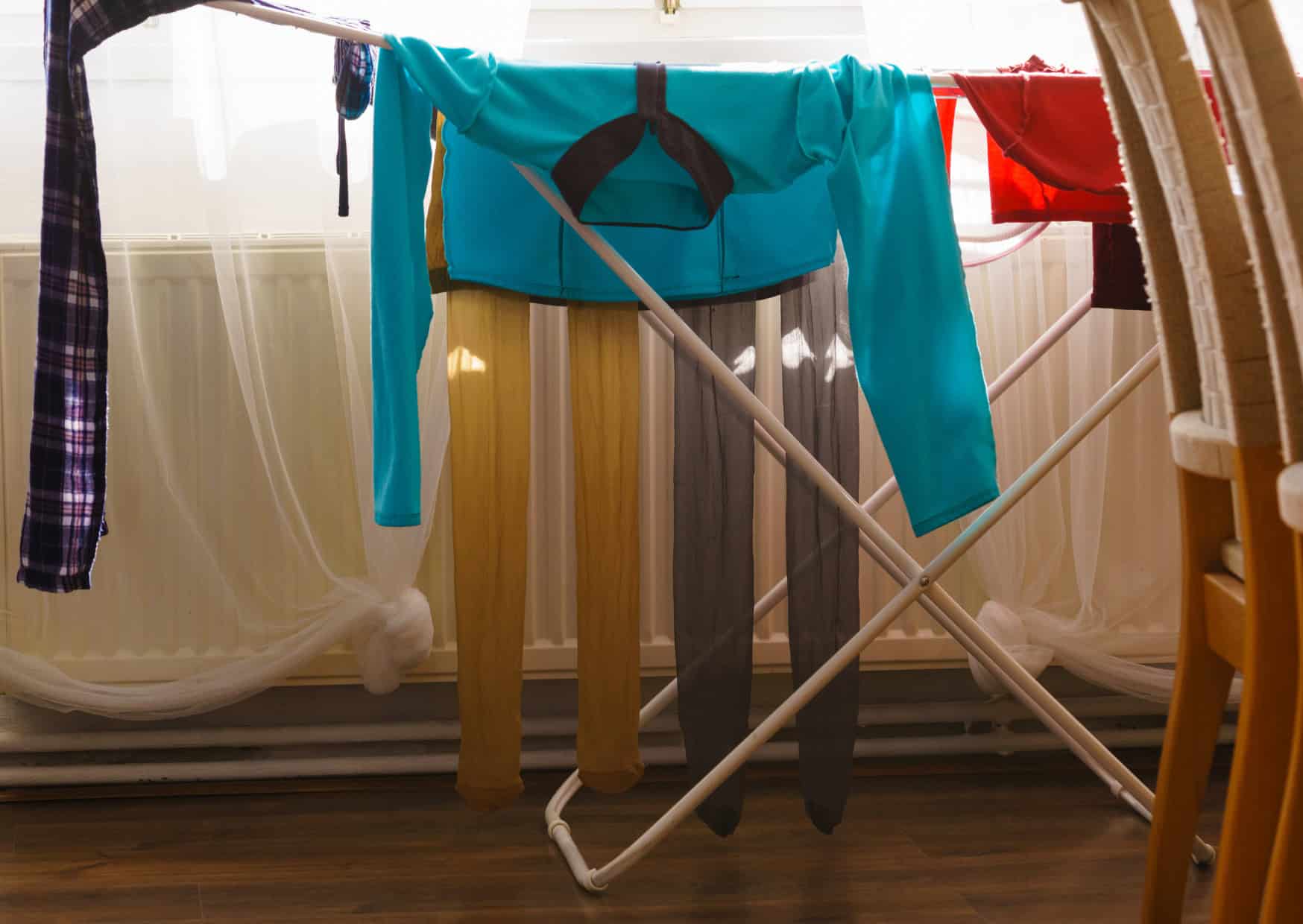
In many European homes—especially apartments—clothes dryers aren’t standard. Instead, you might find a foldable drying rack, a retractable line on a balcony, or an outdoor clothesline if there’s a garden. People hang their laundry to air-dry rather than using a machine.
Why Americans Are Confused
- Dryers Are Default in the U.S.: Large laundry rooms and powerful dryers are the norm in American homes. Air-drying is typically a second-choice or eco-friendly alternative, not the main approach.
- Time and Wrinkle Concerns: Waiting for clothes to dry naturally can take hours, and some Americans worry about wrinkles, stiffness, or the process being inconvenient.
The Hidden Meaning
- Energy Costs: Electricity or gas can be more expensive in Europe, so air-drying saves money (and reduces carbon footprints).
- Space Constraints: Smaller homes or shared laundry facilities don’t always have space for a bulky dryer.
- Tradition and Climate: In many Mediterranean countries, the weather is sunny enough that clothes dry quickly outdoors, and it’s just how things have been done for generations.
Pro Tip
If you need something dried quickly or wrinkle-free, hang it carefully and smooth out the fabric as you do. Some Europeans also invest in small spin-dryers or heated racks for winter months.
4. Shutters That Actually Work: More Than Just Décor
What They Are
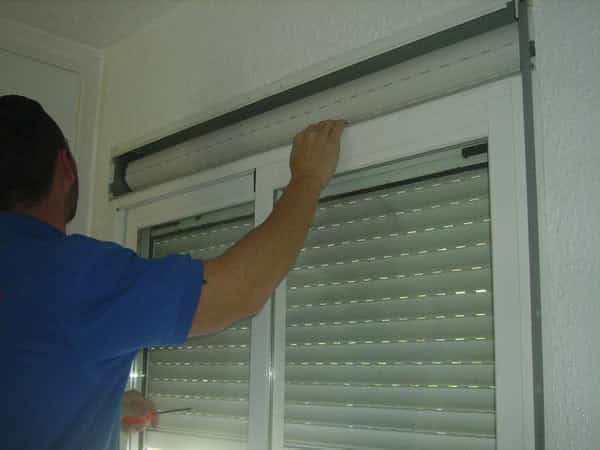
European shutters aren’t purely decorative pieces of wood that stay pinned against the house. They’re functional window coverings, often made of sturdy wood, metal, or plastic, designed to block out light and heat, and to add security.
Why Americans Are Confused
- “Shutters” in the U.S.: Many American homes have ornamental shutters that never move. Actual working shutters are less common, except in hurricane-prone regions.
- Rolling Shutters: Some European windows feature external rolling shutters operated by a strap or electric switch. This is an entirely foreign concept if you’ve only seen interior blinds or curtains.
The Hidden Meaning
- Light Control: Europeans often prefer sleeping in complete darkness, so shutters can fully block out street lights or early morning sun.
- Temperature Regulation: In warmer climates, closing shutters during peak sun hours keeps homes cooler, reducing the need for air conditioning.
- Security: Sturdy shutters can deter break-ins or protect windows during storms.
Pro Tip
If you’re staying in a European home with functional shutters, try sleeping with them fully closed—you might experience the most blissfully dark and quiet night’s sleep ever.
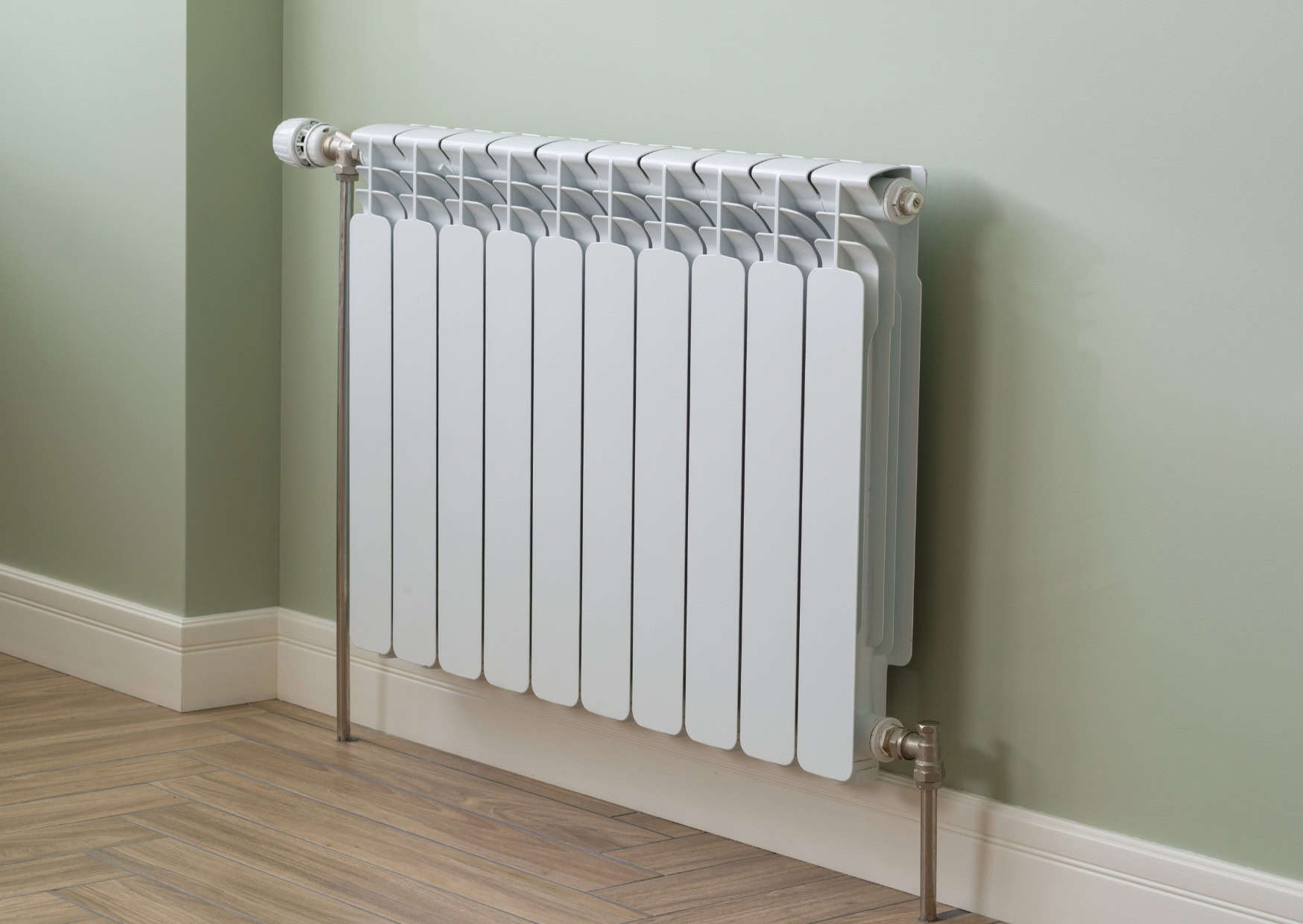
5. Radiators, Not Vents: How Heating Tells a Cultural Tale
What They Are
Many European homes rely on radiator heating, powered by hot water or steam from a central boiler. Instead of blowing hot air through ducts, a radiator quietly radiates warmth into the room.
Why Americans Are Confused
- Forced-Air Dominance: In the U.S., forced-air systems—furnaces with ducts and vents—are typical. People expect warm air to blow into a room, not gently emanate from a metal unit.
- Strange Placement: Radiators might be under windows or in random spots. That can be puzzling if you’re used to not seeing any visible heating elements at all.
The Hidden Meaning
- Historic Buildings: Europe’s older architecture often predates forced-air technology, so radiators were the go-to solution.
- Energy Efficiency: Modern radiator systems can be quite efficient, and they don’t recirculate dust the way forced-air vents can.
- Different Climate Control: Radiators can provide a cozy, uniform warmth—plus, you can set clothes or towels on them to gently dry or warm up, a definite perk!
Pro Tip
If the radiator has a knob, you can often adjust individual room temperature. Don’t block radiators with large furniture; let that radiant heat flow freely.
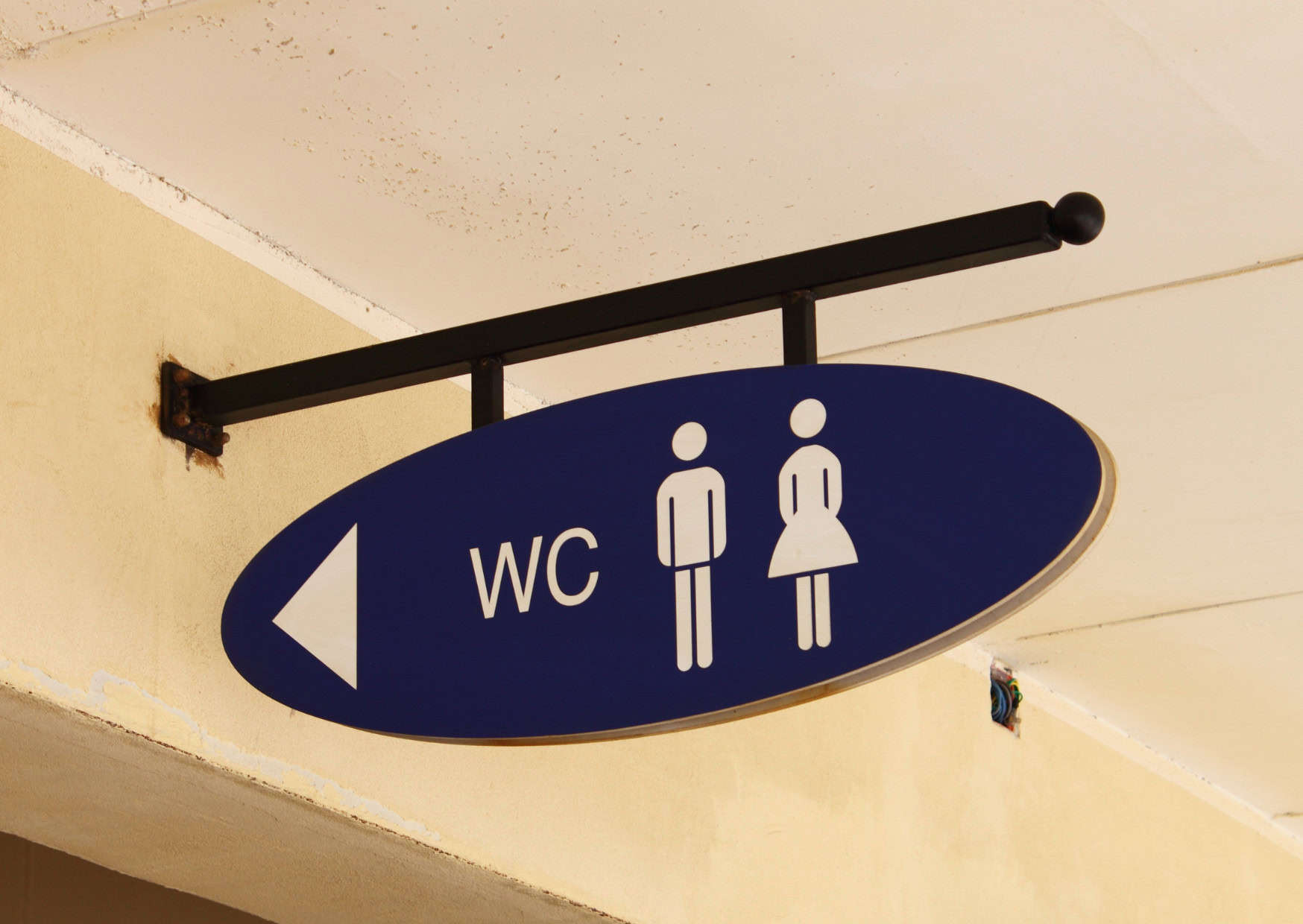
6. The Separate Toilet Room: WC vs. Bathroom
What It Is
In many European homes—especially in France, Germany, and Austria—you’ll find the toilet in a separate room from the sink, shower, or bathtub. This tiny “WC” (water closet) might only have a toilet and a small hand sink, while the main bathroom is elsewhere.
Why Americans Are Confused
- Single-Room Bathrooms: In the U.S., it’s standard for the toilet, sink, and bath/shower to share one space (unless you’re in a master suite with multiple bathrooms). Finding the toilet completely isolated can be disorienting.
- “Where Do I Wash My Hands?”: Sometimes the WC has only a toilet, leaving you to find a sink in the main bathroom or hallway.
The Hidden Meaning
- Privacy and Hygiene: Some Europeans see it as cleaner to keep the toilet separate from areas where you bathe or brush your teeth. It also allows multiple people to use facilities without conflicts.
- Older Housing Designs: Many older apartments or houses were built when having a separate water closet was the standard for sanitation reasons.
Pro Tip
Always check for a small sink inside the WC. If there isn’t one, wash your hands in the nearest sink—usually in the adjacent bathroom or kitchen.
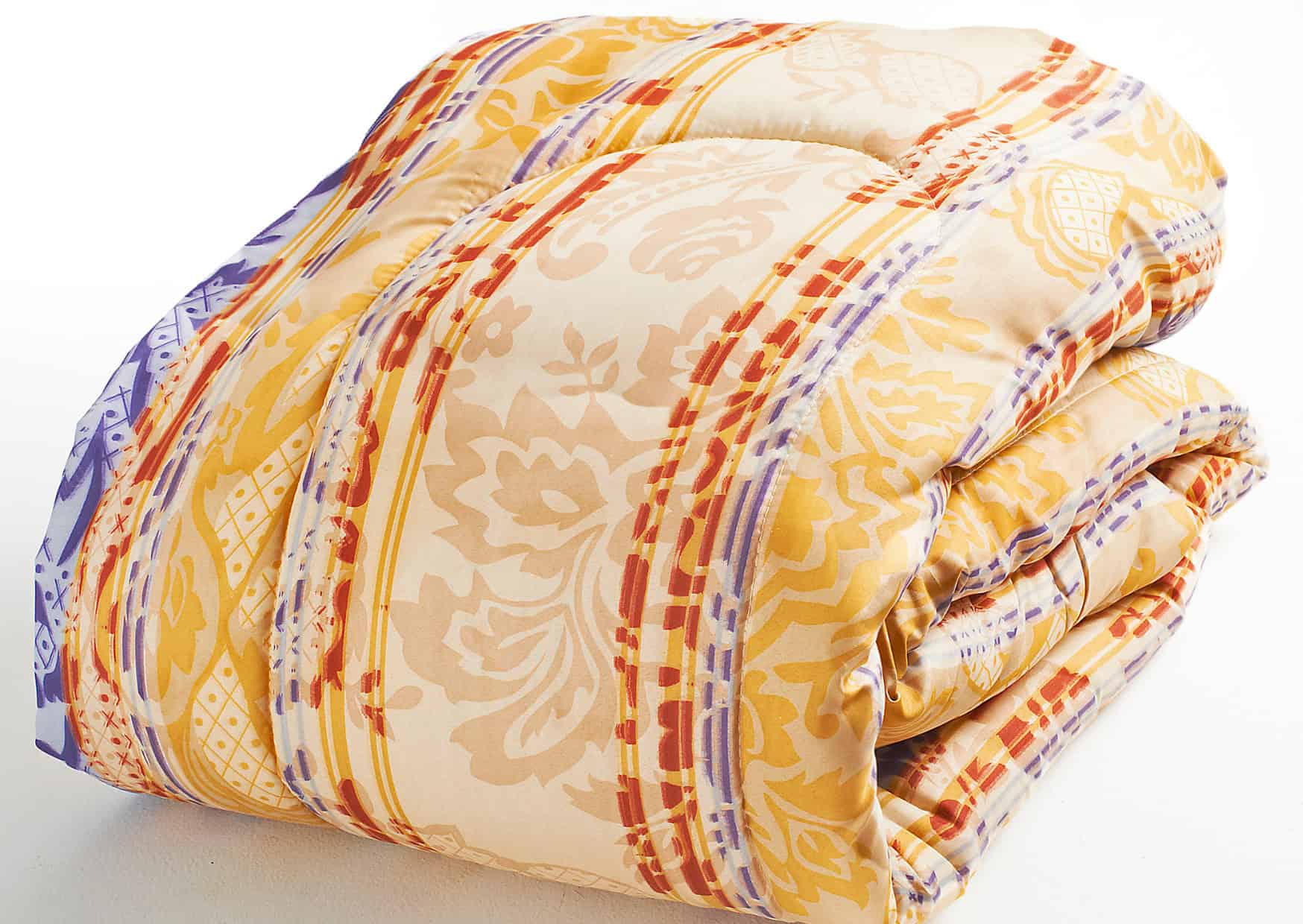
7. The Duvet (Minus the Top Sheet): A New Way to Make a Bed
What It Is
In much of Europe, the bed is made with a fitted sheet and a duvet (comforter) inserted into a removable cover—no separate top sheet. Each person might even have their own duvet. You slip under the duvet cover at night, and in the morning, you shake it out, fold it down, or leave it neatly on the bed.
Why Americans Are Confused
- Top Sheet Tradition: Americans often have a flat sheet sandwiched between themselves and the blanket or comforter. The duvet cover alone can feel too “bare.”
- Individual Duvets for Couples: In countries like Germany, it’s common for two people sharing a bed to have separate twin-size duvets. Americans might wonder if this suggests personal space issues!
The Hidden Meaning
- Practical Washing: It’s easier to wash a duvet cover than an entire comforter, and a fitted sheet + duvet cover is typically all you need.
- Personal Comfort: Separate duvets allow each person to adjust their bedding without fighting over shared blankets.
- Less Tangle, Less Hassle: No top sheet means simpler bed-making—just place the duvet neatly, and you’re done.
Pro Tip
Don’t panic if you don’t see a top sheet—just slip under the duvet. And if you stay in a hotel using two single duvets on a double bed, it’s not them being stingy, it’s a cultural norm.
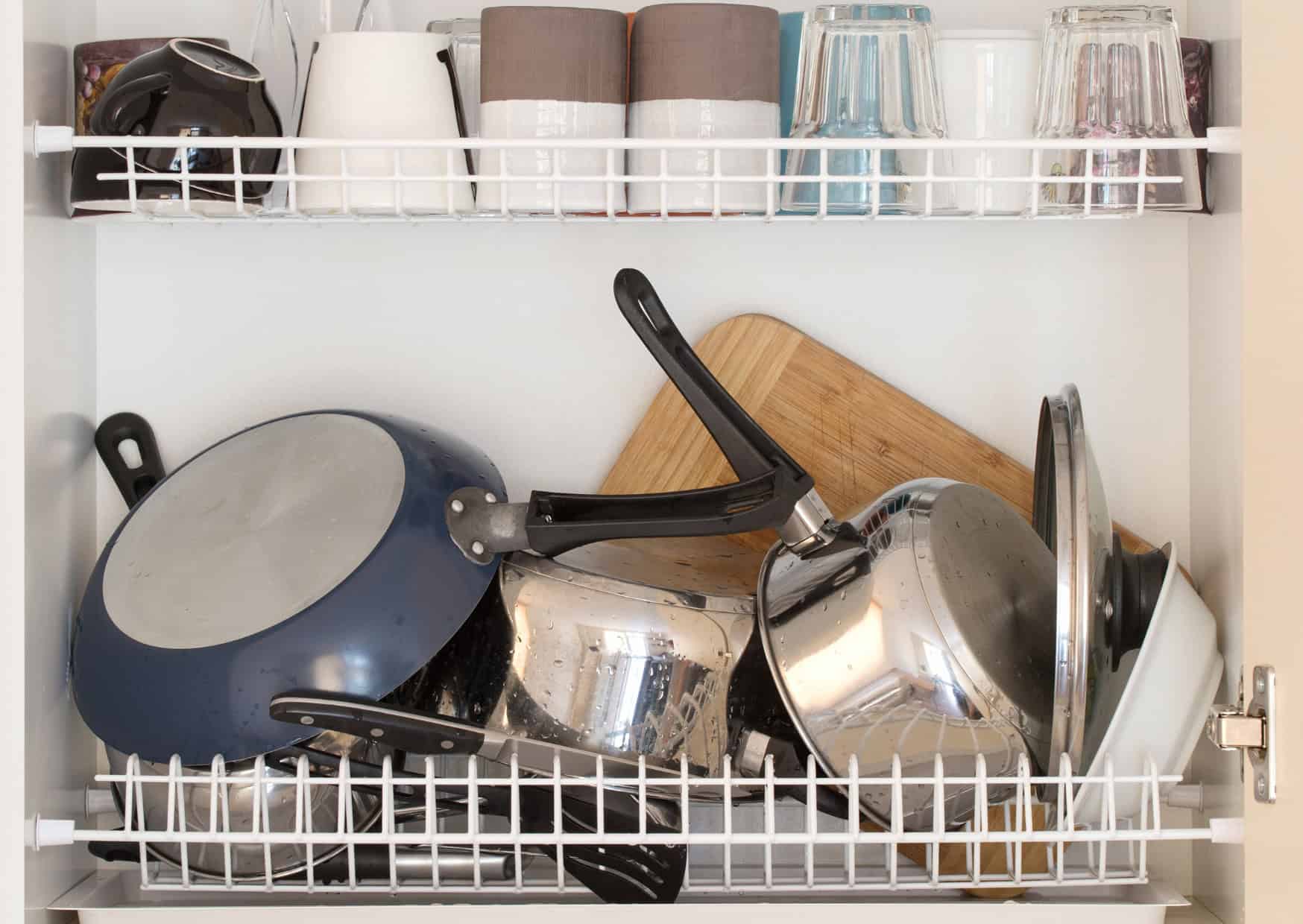
8. The Dish Draining Rack (Sometimes Hidden in a Cabinet)
What It Is
In many European kitchens—particularly in Finland, Sweden, and other parts of Northern Europe—a dish drying rack might be tucked away in an overhead cabinet, right above the sink. You rinse your plates and cups, place them on the rack, and let water drip directly into the sink below.
Why Americans Are Confused
- Draining Cabinet?: Americans often have a separate dish rack on the counter, or rely on a dishwasher as their primary drying system. Finding a “secret” shelf above the sink designed for dripping dishes is unusual.
- Where’s the Dishwasher?: Some older European homes or smaller apartments might not have a dishwasher. The draining rack is the main drying method.
The Hidden Meaning
- Space Efficiency: In countries with smaller kitchens, everything is designed to save counter space. Tucking the drying rack in a cabinet frees up valuable surface area.
- Hand-Washing Habit: Many Europeans still prefer washing delicate items by hand, especially since electricity and water costs can be high.
- Aesthetics: Keeping drying dishes out of sight keeps the kitchen looking tidier, which suits the minimalist Scandinavian aesthetic in particular.
Pro Tip
If you encounter a cabinet that looks oddly perforated at the bottom, it’s likely a draining cupboard. Just place your clean dishes inside and let gravity do the work. Be sure to close it carefully so water doesn’t splash out if you’ve just loaded a whole sinkful of dishes.
Conclusion: Understanding the Little Things for a Better Cultural Experience
From the separate WC to the dish-drying cabinet, these small household items might seem trivial at first glance. But each one tells a story of how Europeans live—their focus on energy efficiency, historical design constraints, hygiene traditions, and daily rituals that differ from American norms. By learning about these items, you’re not just figuring out how to flush or where to dry your dishes—you’re also gaining insight into a distinct way of life shaped by centuries of cultural evolution and practical adaptation.
Pro Tip: When encountering any unfamiliar household item, observe how locals handle it—or simply ask. A few questions can open the door to fascinating cultural exchanges and maybe even spark new habits you’ll take home. Enjoy discovering the nuances of European living, one mysterious household fixture at a time!

About the Author: Ruben, co-founder of Gamintraveler.com since 2014, is a seasoned traveler from Spain who has explored over 100 countries since 2009. Known for his extensive travel adventures across South America, Europe, the US, Australia, New Zealand, Asia, and Africa, Ruben combines his passion for adventurous yet sustainable living with his love for cycling, highlighted by his remarkable 5-month bicycle journey from Spain to Norway. He currently resides in Spain, where he continues sharing his travel experiences with his partner, Rachel, and their son, Han.