
Why Bother Knowing This?
Think of cheese in the U.S., and you might picture cheddar slices in plastic wrappers, bright orange blocks of Velveeta, or a quick sprinkle of “shredded mozzarella” over pizza. Sure, Americans enjoy cheese—but in most European countries, cheese isn’t just a food group; it’s an art form, a centuries-old tradition, and sometimes even the centerpiece of a meal. Beyond the sheer variety (thousands of recognized cheeses in France alone!), there’s a cultural etiquette around how cheese is made, served, stored, and savored.
Below, we’ll dive into 11 “cheese rules” from across Europe that might raise American eyebrows—covering everything from raw-milk cheeses to dessert platters to the strict “no refrigeration” stances you might find in a French grandma’s kitchen. If you’re planning to travel or just want to appreciate cheese like a true European, read on and prepare for a few gastronomic surprises!
Looking for More Travel & Culture Reads?
– They Don’t Work 24/7: 5 Vacation Customs in Europe That Drive Americans Crazy
– 7 Dress Code Shocks Americans Face in Italy
– 9 European Beach Habits That Shock First-Time Tourists
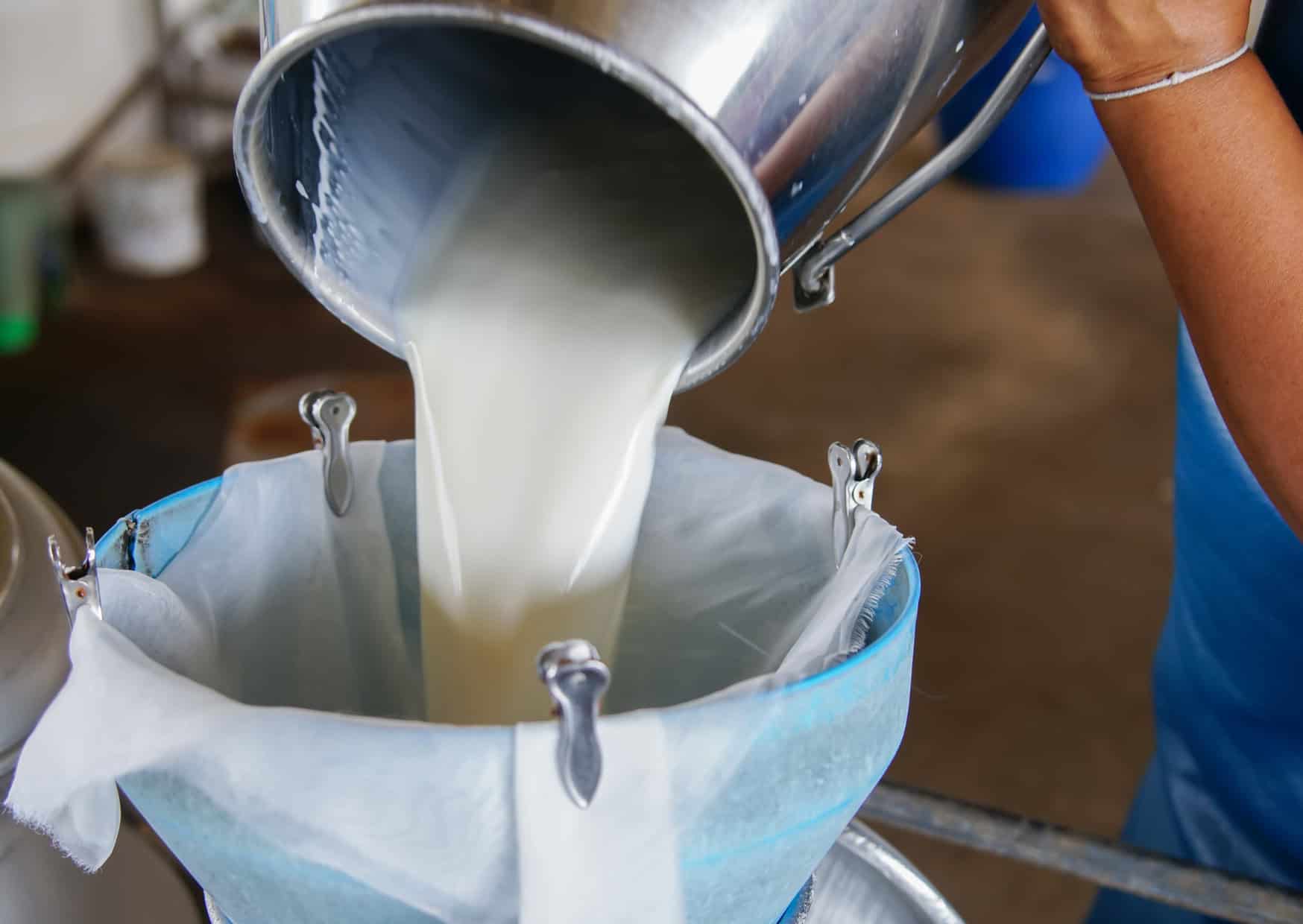
1. “Raw Milk Is the Real Deal”
Why It Shocks Americans
Many Americans are accustomed to the notion that pasteurized dairy is safer and standard. Supermarket aisles in the U.S. brim with cheeses made from pasteurized milk, and raw milk cheeses can be harder to come by (or come with legal disclaimers).
The European Perspective
- Heritage and Flavor: Across Europe, especially in France, Switzerland, and parts of Italy, raw-milk cheeses are revered for their depth of flavor and their strong ties to local terroir (the environmental factors that give a food its distinct character). Think Camembert de Normandie, unpasteurized Brie de Meaux, or Swiss Gruyère made from raw cow’s milk.
- Strict Rules, But Big Rewards: The EU has regulations ensuring cleanliness and safety, but they also protect the tradition of raw-milk cheesemaking. Locals argue that pasteurization can mute the cheese’s complexity, so they’re proud of raw-milk methods that let unique microbial cultures shine.
Takeaway: In many European regions, raw milk is non-negotiable for certain cheeses. Don’t be alarmed if a French friend says, “Pasteurized? That’s not the real stuff!” They’re not reckless—they’re just preserving centuries of cheese tradition.
2. There’s a Time and Place for Cheese—Often at the End of the Meal
Why It Surprises Americans
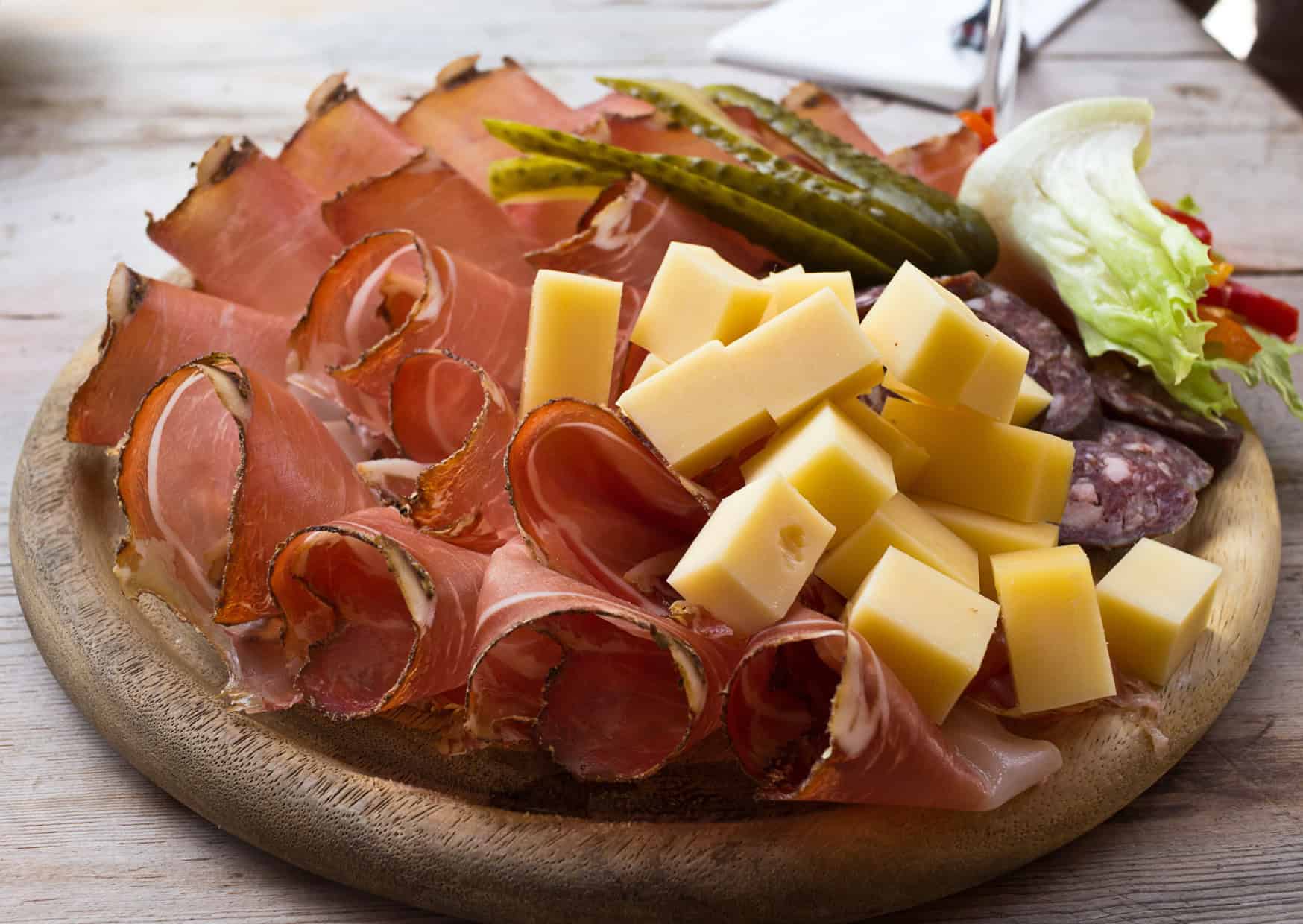
In the U.S., cheese is an appetizer staple—think cheese and crackers served before dinner, or a cheese-laden first course. Yet in France (and parts of Belgium, Switzerland, and beyond), cheese frequently appears between the main course and dessert or even acts as the dessert itself.
Cultural Logic
- Cleanse the Palate: Europeans see cheese as a transitional dish that helps bridge savory and sweet courses. It’s common to have a small cheese plate (with bread, not crackers) after the main dish.
- Meal Structure: A formal French dinner might follow this sequence: entrée (starter), plat principal (main), fromage (cheese), then dessert. Cheese and fruit (like grapes or pears) might replace a sweet dessert entirely.
- Savor vs. Snack: Instead of gobbling cheese as a casual starter, it’s a highlight—something you enjoy slowly with a glass of wine.
Takeaway: Don’t be surprised if your French or Italian host whips out an elaborate cheese board at the end of the meal, and calls it dessert. Americans used to sweet finales might do a double-take—yet it’s a cherished custom.
3. Cheese Belongs at Room Temperature, Not Straight from the Fridge

Why It Shocks Americans
Americans typically keep cheese in the fridge until the moment they’re about to eat it, sometimes even serving it cold. European cheese lovers often recoil at the idea of biting into a chilled wedge.
The European Way
- Flavor Emergence: Many cheeses develop their flavor best at room temperature. When too cold, flavors are muted and textures become firmer or waxy. Europeans may remove cheese from refrigeration (if they refrigerate it at all) up to an hour before serving.
- No Fear of Spoilage: Aged cheeses like Parmigiano-Reggiano, Manchego, or a well-aged cheddar are stable enough for hours on a cheese board, especially in cooler climates. Soft cheeses (like Brie or Camembert) might get very gooey, but that’s often the point!
- Controlled Environment: In older European homes, a cool pantry or cellar is sometimes used instead of a fridge. Cheese is stored carefully, but rarely “iced down.”
Takeaway: If you want to taste cheese the way a local might, let it come to room temperature. You’ll discover complexity and aroma you never get when it’s chilled.
4. The Rind Is Often Edible (and Sometimes the Best Part)
Why It Baffles Americans
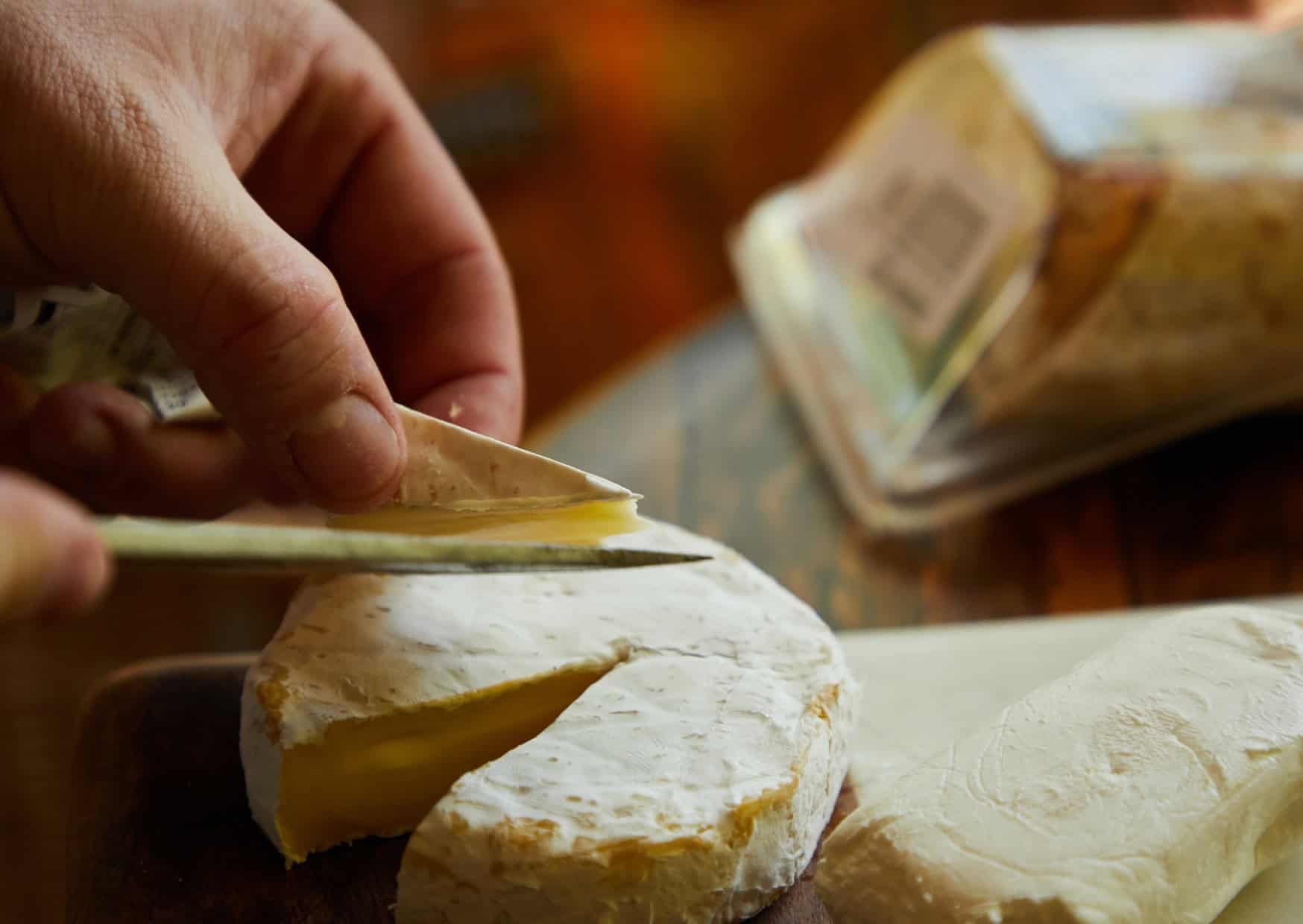
Many Americans automatically trim the rind off cheeses, assuming it’s inedible or just “packaging.” Meanwhile, a European might pop a wedge of Camembert in their mouth rind and all—no questions asked.
Rind Realities
- Natural vs. Artificial: Some cheeses (like Gouda or cheddar) might have a wax rind, which is definitely not for eating. But a bloomy rind (as on Brie or Camembert) or a washed rind (like on Époisses or Munster) is typically integral to the cheese’s flavor.
- Flavorful Funk: The rind can be the most pungent part, carrying a distinct tang or mushroomy note. In many cases—like with Brie de Meaux—the rind is essential to the experience, providing texture contrast and extra flavor complexity.
- Regional Norms: Some Italians might nibble the rind of a Parmigiano-Reggiano if it’s been softened or used in soups, while leaving it on a cheese board as well.
Takeaway: Don’t assume the rind is trash. Ask or read up on whether it’s edible. Many Europeans find discarding an edible rind akin to throwing away half the cheese’s character.
5. Hard Cheeses Are Not Always Pre-Shredded
Why It Surprises Americans
U.S. grocery stores overflow with pre-shredded or pre-grated cheeses—tubs of shredded cheddar, bags of “Italian blend,” tubs of grated Parmesan, etc. In Europe, especially in Italy, the idea of buying pre-shredded Parmigiano or Pecorino might raise eyebrows.
Why Locals Avoid It
- Freshly Grated = Better Aroma: The moment you grate cheese, it begins losing aroma and flavor compounds to the air. Italians often keep a wedge of Parmigiano-Reggiano in the fridge, grating it fresh over pasta.
- Additives: Pre-grated cheese can include anti-caking agents like cellulose. Many Italians (and other Europeans) prefer pure cheese without such fillers.
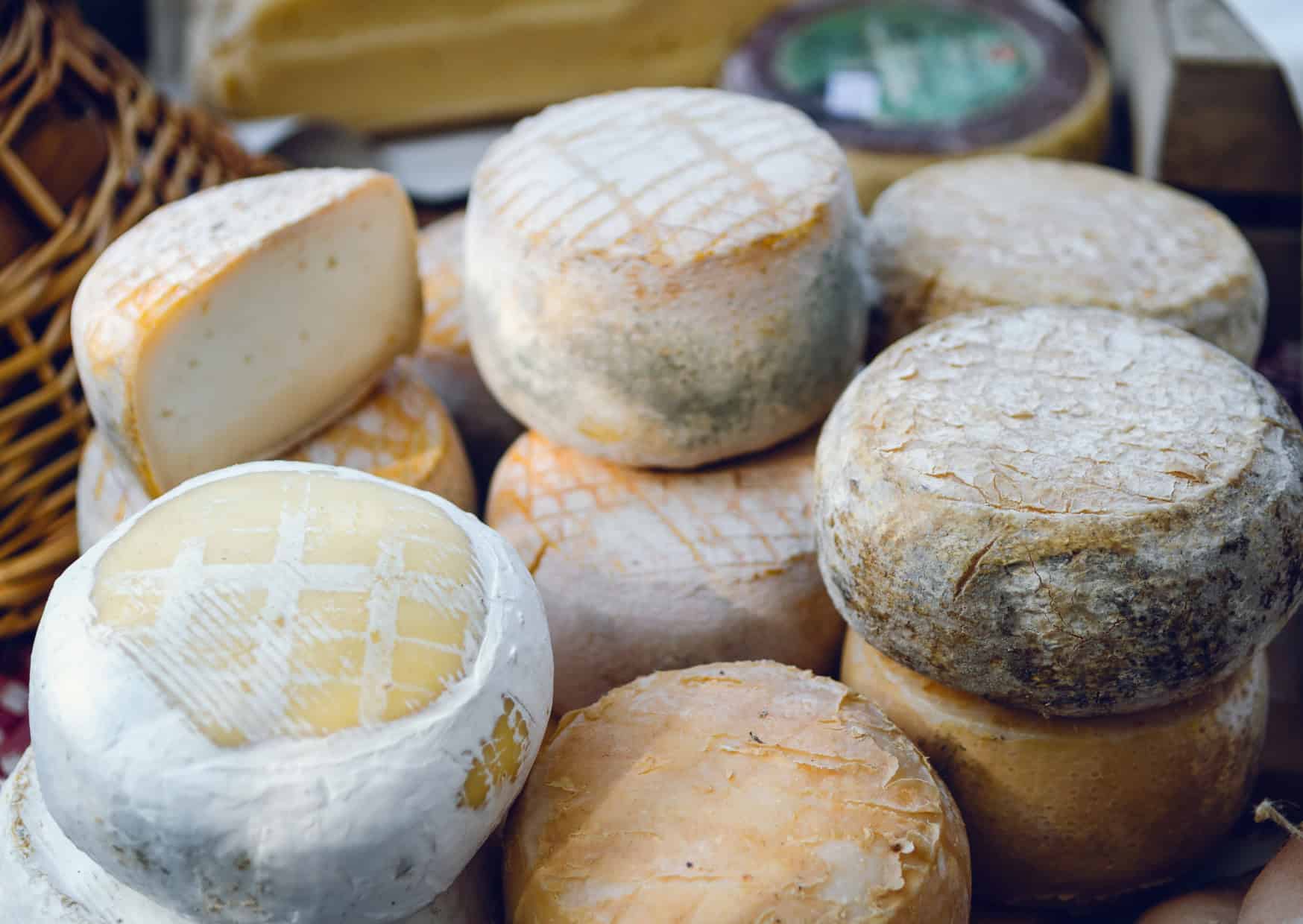
- Heritage of a Whole Wheel: In some households, especially those close to cheese-producing regions, families buy a large chunk or quarter-wheel. They carve or grate as needed, preserving maximum freshness.
Takeaway: For a truly European approach, buy whole pieces of cheese and grate or slice them at home. The difference in taste might blow your mind.
6. A Cheese for Every Season (and Region)
Why It Surprises Americans
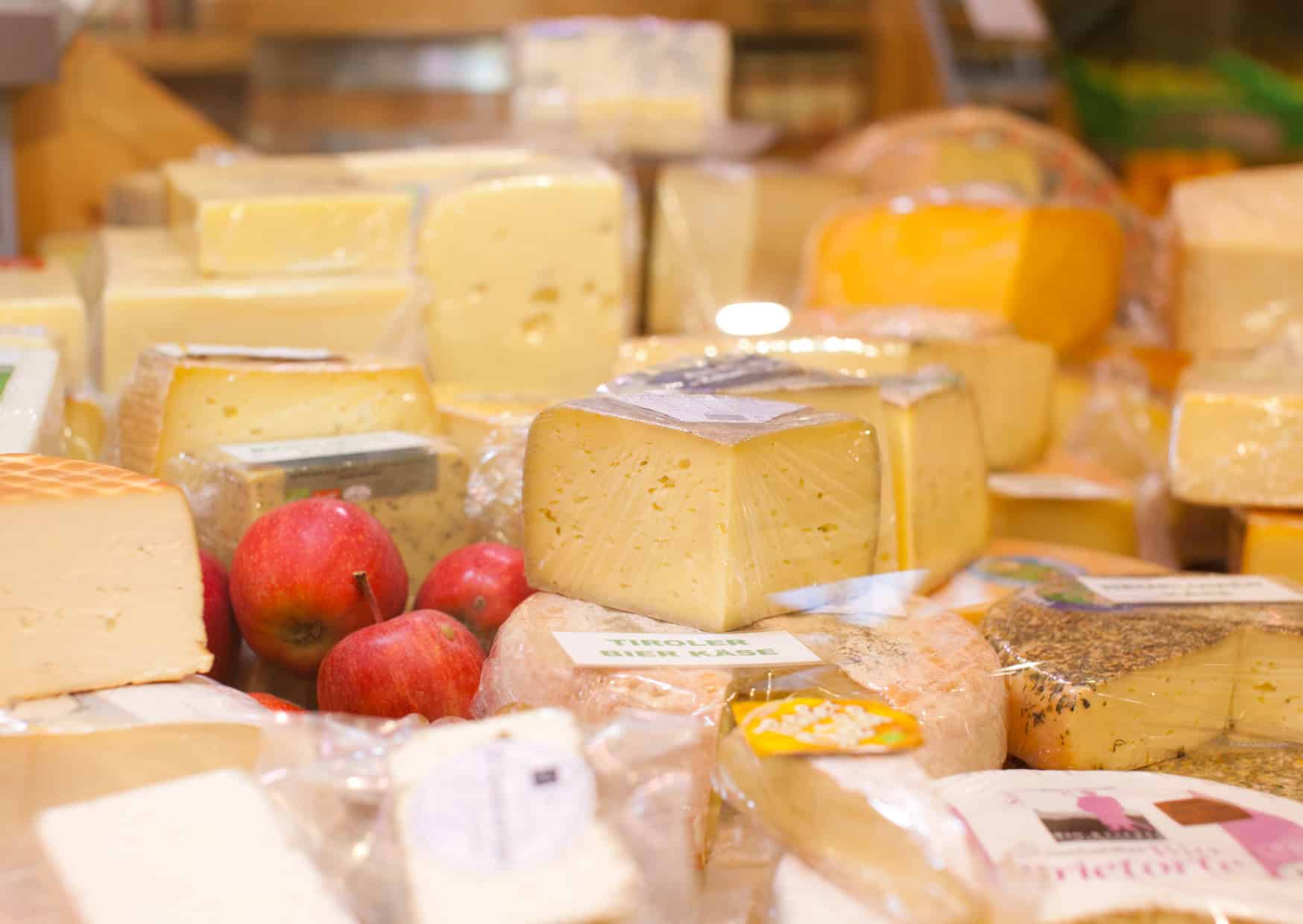
In the U.S., you can often find the same cheeses year-round—like cheddar, mozzarella, Swiss, or generic “Monterey Jack.” While specialty shops offer variety, the concept of cheese being seasonal or hyper-regional isn’t as widespread.
The European Tradition
- Seasonality: Many artisanal cheeses depend on the lactation cycle of goats, sheep, or cows. For instance, some Alpine cheeses are only made when cows graze on fresh mountain grass in summer, leading to distinct “summer milk” flavors.
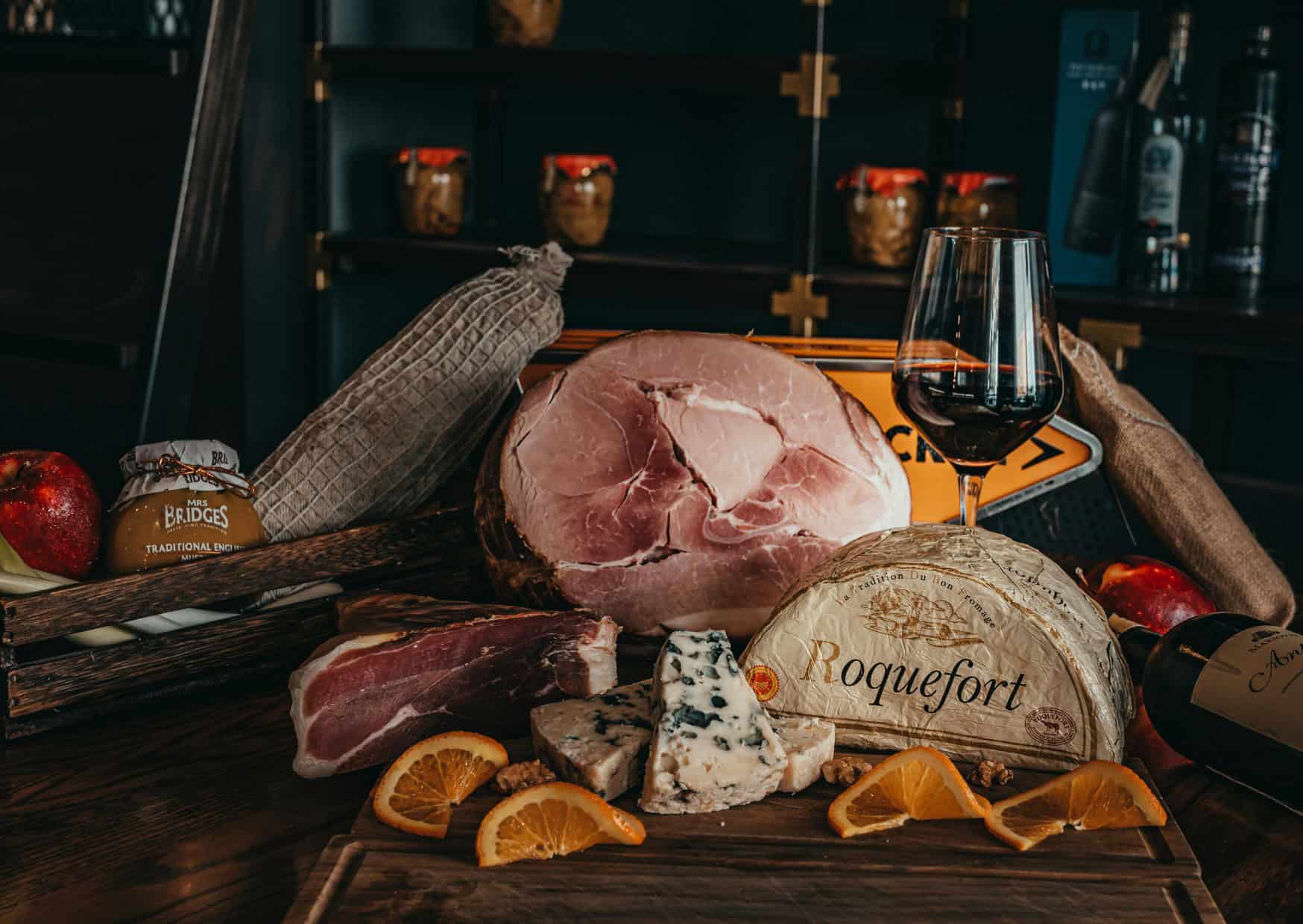
- Regional Pride: You’ll see entire towns built around one cheese: Roquefort in France, Parmigiano-Reggiano in Italy, Manchego in Spain, etc. That cheese is deeply tied to local geography, feed, and climate.
- Travel to Taste: Locals might plan weekend trips to buy a special cheese fresh from the farm after a certain aging period. Cheese fairs and festivals highlight new “vintages,” akin to wine festivals.
Takeaway: Cheese in Europe can be as nuanced as wine. Depending on the time of year and the region you visit, the same cheese name might taste different due to seasonal changes in the animals’ diet.
7. Smelly Cheese Is a Badge of Honor
Why It Shocks Americans
The pungent smell of some European cheeses (like Époisses, Munster, or Maroilles) might drive an unsuspecting American tourist to the next room. But in many parts of Europe, the aroma is cherished—not a flaw.
Embracing the Funk
- Brevibacterium Linens: This friendly bacteria is responsible for the “footy” odor in washed-rind cheeses. Locals who adore these stinky wonders often describe the smell as “earthy,” “barnyard,” or “funky in a good way.”
- Cultural Pride: Cheeses like Limburger or Munster have centuries of history. Families pass down traditions of these reeking but delicious specialties. They pair them with pungent accompaniments like onions, strong mustard, or robust beers.
- Flavor vs. Smell: Often, the taste is milder than the smell leads you to believe. Locals might say, “Don’t judge it by the first sniff—taste it, and let it grow on you.”
Takeaway: Don’t run from the stinky cheese display. Give it a try with bread or fruit. You may find that a once-offensive odor transforms into a memorable flavor explosion.
8. Crumbled “Blue” Spots Are Intentional
Why Americans Might Be Wary
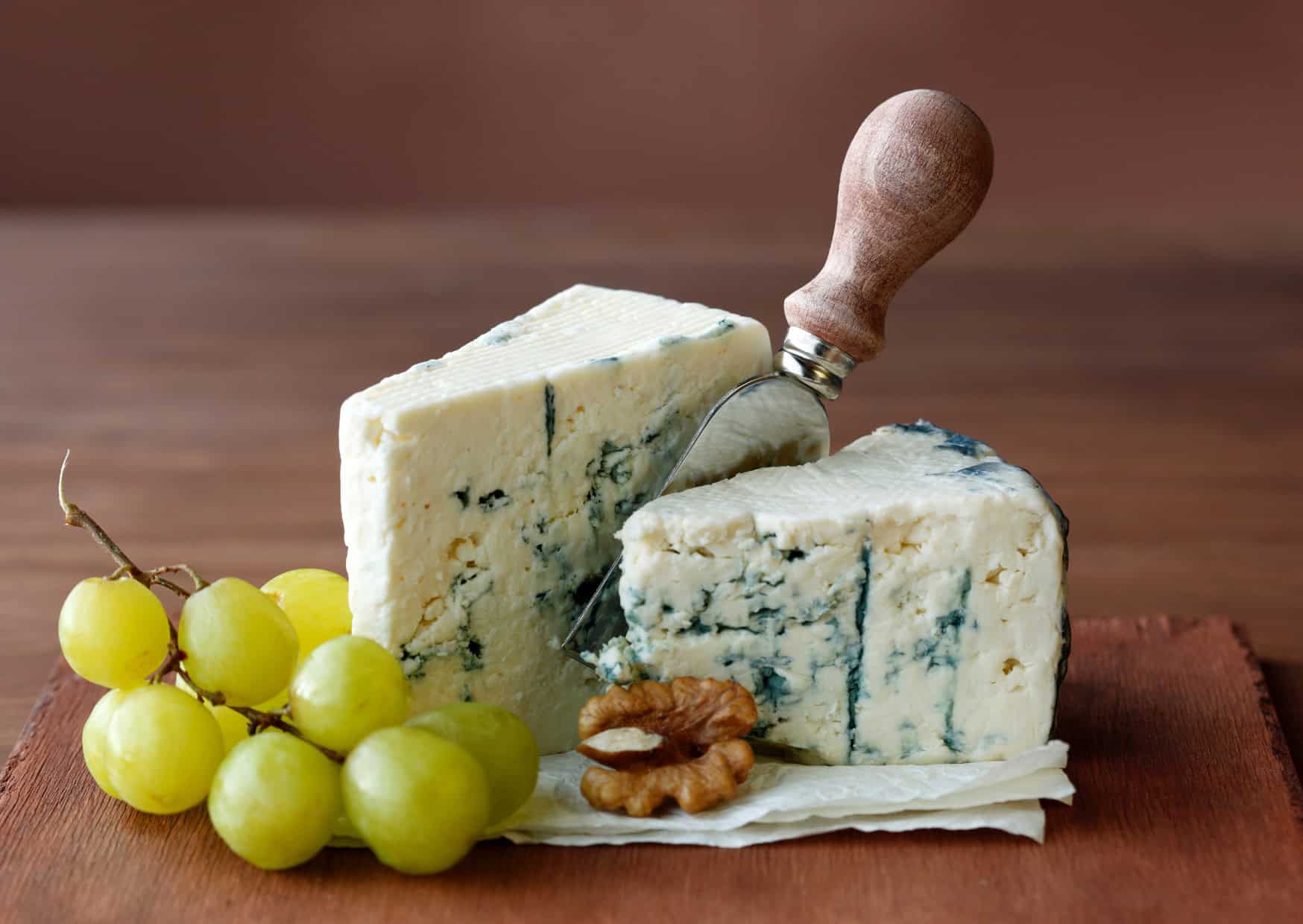
In the U.S., mold on food is often a sign to toss it in the trash. So seeing a wedge of cheese laced with blue or green veins (like Roquefort, Gorgonzola, or Stilton) can alarm those not used to the concept of intentional mold.
Why Locals Love It
- Controlled Mold: Blue cheeses are made by introducing Penicillium roqueforti or similar strains, then carefully aging in conditions that foster that mold’s growth. The veins add tangy, sometimes spicy notes.
- Historic Traditions: Legend says Roquefort was discovered when a shepherd left bread and cheese in a cave, returning to find moldy but delicious cheese. Similarly, Gorgonzola might have originated from an accident that Italians turned into gold.
- Pairings: Locals might pair strong blues with sweet accompaniments like honey, fig jam, or dessert wines to balance the pungency.
Takeaway: The mold in European blue cheese is not only safe but sought-after. Embrace the swirl of flavors—just be ready for an intense punch.
9. Cheese Knives Have Etiquette: Don’t Mix Up the Tools
Why It’s Overlooked by Americans
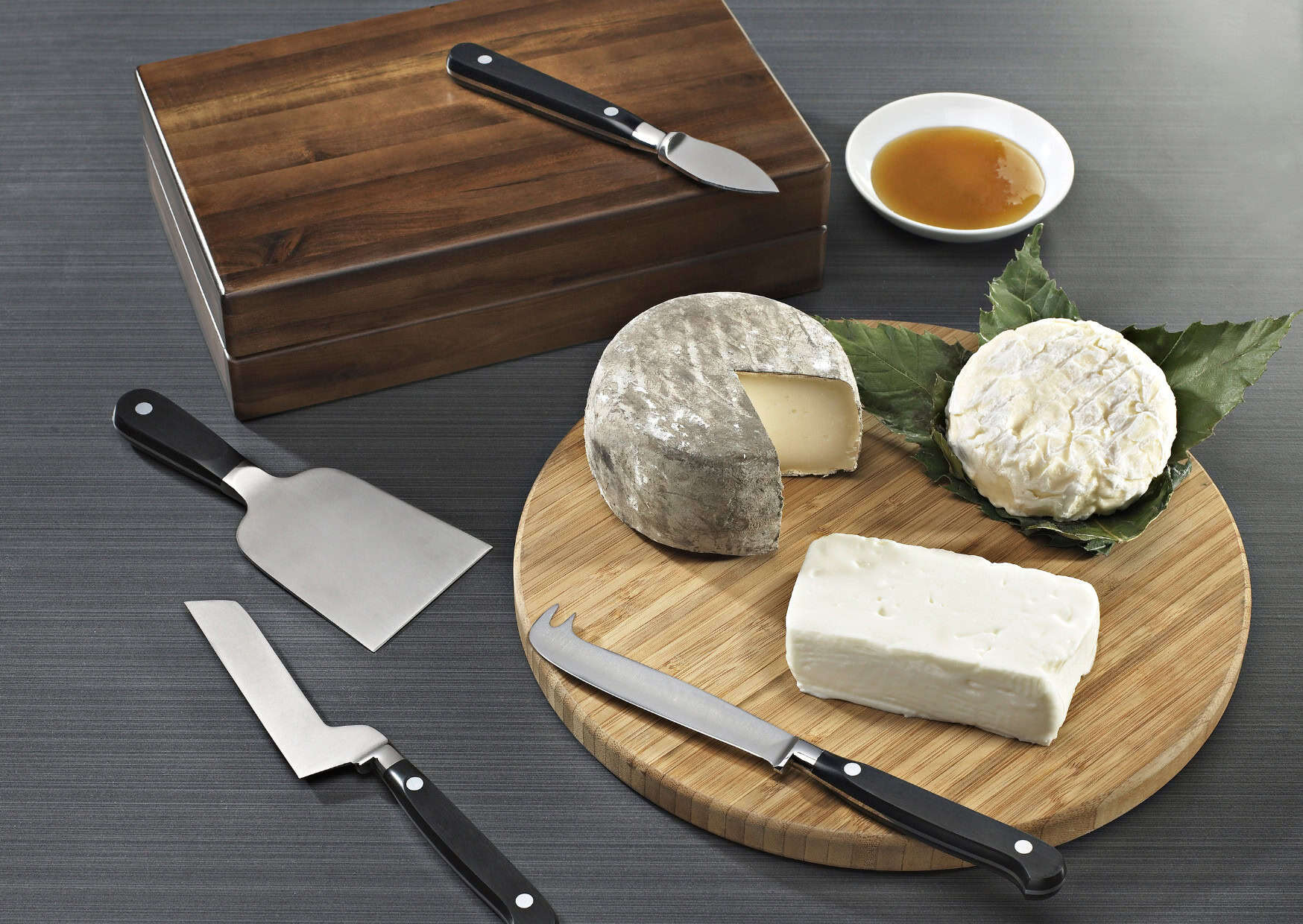
Americans often pick up a random knife or whatever’s handy to slice cheese. In Europe, especially France, there’s a mini etiquette around which knife to use for which cheese, ensuring flavors and textures don’t cross-contaminate.
The Etiquette
- Separate Tools: If a cheese board has multiple cheeses (a soft Brie, a pungent blue, a hard Comté), you might see separate knives or a cheese plane for each type. Mixing them can muddle flavors or smear soft cheese onto a hard wedge.
- Cutting Shapes: For round cheeses like Camembert, slice it like a cake or wedge. For log-shaped goat cheese, cut discs. Don’t chunk out the center of a wedge—it’s a faux pas to leave awkward shapes behind.
- Respect the Rind: Some etiquette experts say each slice should include a bit of rind, so you’re not hogging or discarding the “best part.”
Takeaway: Don’t treat a cheese board like a random free-for-all. When in Europe, watch how locals approach the cutting—and try not to “murder” the wedge by hacking it in a bizarre way.
10. Bread, Not Crackers, and Certainly No “Cheese Whiz”
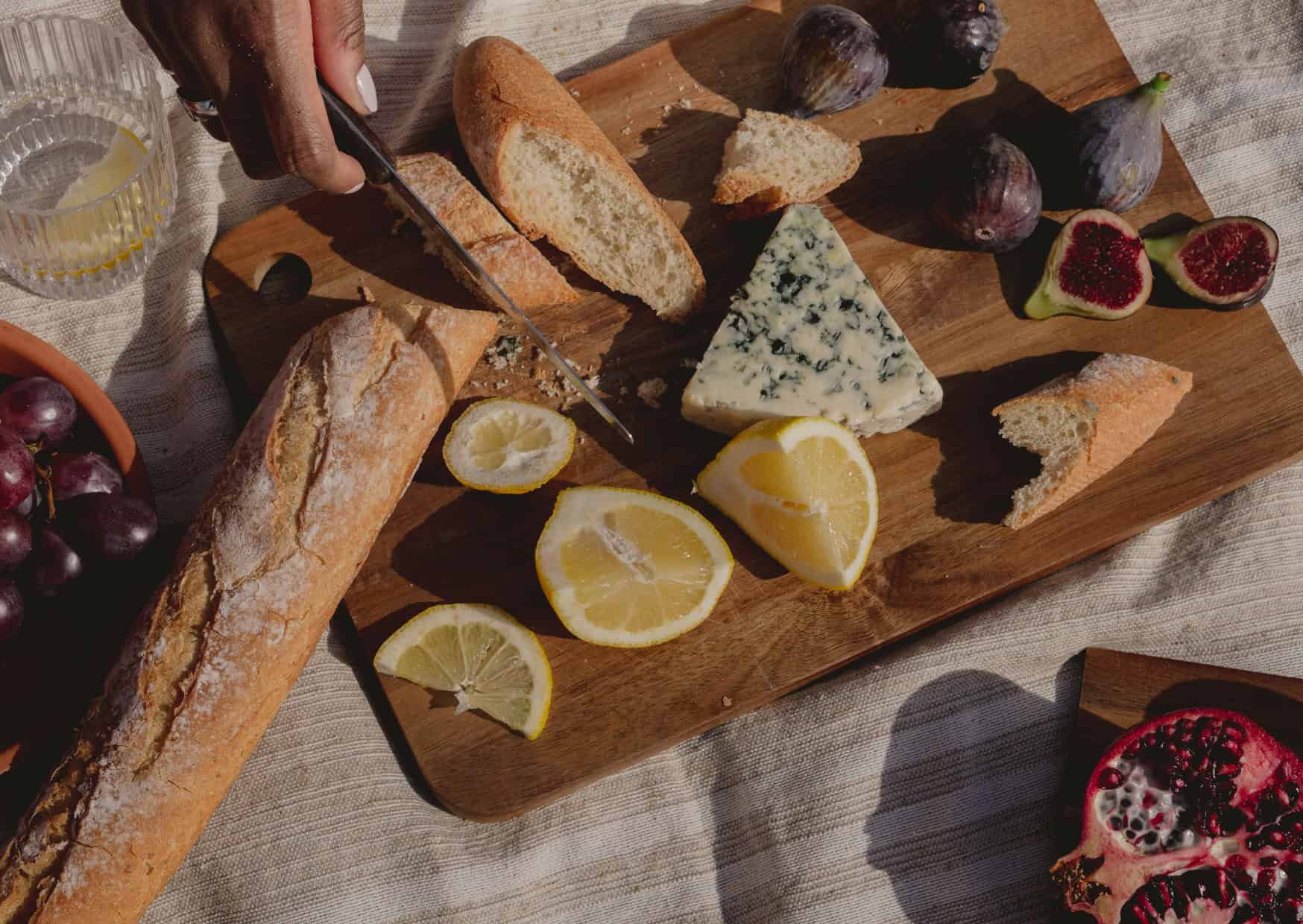
Why It Surprises Americans
Cheese in the U.S. is often paired with a variety of crackers—Ritz, wheat crackers, you name it. Meanwhile, in many European countries, the default accompaniment is simple bread: a fresh baguette in France, crusty sourdough in Italy, etc.
Cultural Nuances
- Focus on Cheese: Crackers can have their own distinct flavors or salt content that overshadow the cheese. Neutral bread is more about texture contrast.
- Cheese Whiz?: Processed cheese spreads, aerosol cheese—these products rarely appear in traditional European households. Locals might see them as comedic or baffling.
- Minimalist Approach: The simpler the bread, the clearer the cheese’s flavor. Sometimes locals add fresh fruit, jam, or honey, but seldom a salty, highly seasoned cracker.
Takeaway: If you’re hosting a “European-style” cheese board, consider fresh bread or plain toast points as your base, letting the cheese remain the star.
11. A Cheesemaker’s Name Can Matter as Much as the Cheese’s Name
Why Americans Often Miss It
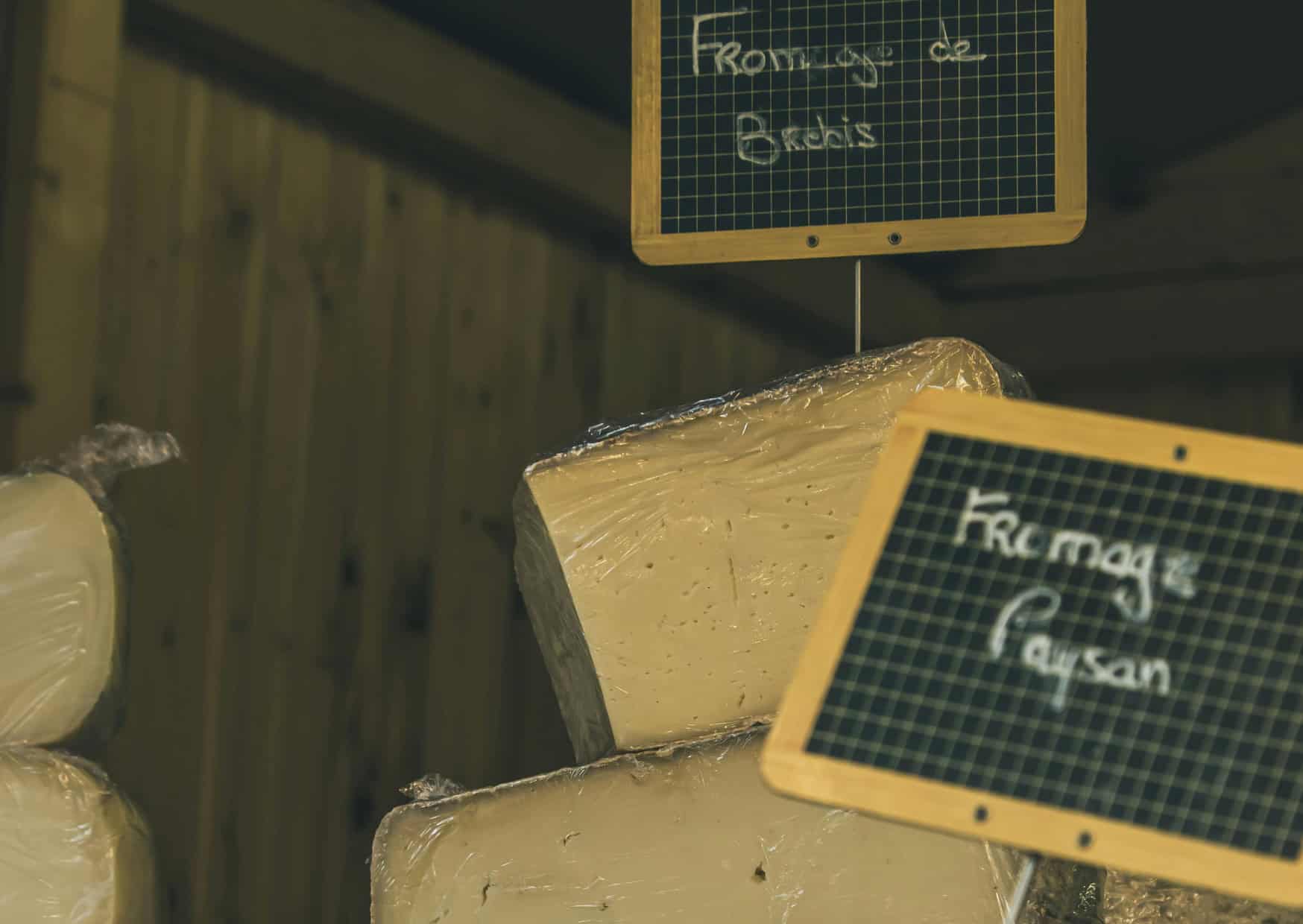
In the U.S., brand loyalty for cheese might revolve around large producers. In Europe, especially in craft cheese circles, the individual cheesemaker or farm can be revered almost like a celebrity.
How Locals Buy Cheese
- Farmer’s Market Friendships: Locals may go to the same cheesemonger for decades, trusting them to source from the best small farms. They might know “Jean-Luc’s Comté” is superior or “La Famiglia Rossi’s pecorino” is the region’s gem.
- Artisanal Pride: Just like wine, cheese is often about who made it, where it was made, and the story behind it. An AOC or PDO label helps, but within that, certain producers have a cult following.
- Tasting Before Buying: Many European markets let you sample cheeses from different producers to taste subtle differences even within the same style (e.g., multiple Roqueforts, each with a unique nuance).
Takeaway: The cheese’s official name (Brie, Gouda, Manchego) is just half the story. If you want a “real local experience,” learn the names of the smaller producers or family farms. You might discover limited-edition batches that blow your mind.
Conclusion: Entering the European Cheese Mindset
From raw milk traditions and rind appreciation to elaborate mealtime placement and seasonal cheese hunts, Europeans embrace cheese with a level of reverence and nuance that can truly shock American visitors. It’s not just food—it’s heritage, art, and a social centerpiece. If you’re traveling in Europe—or simply want to adopt these ideas at home—consider:
- Tasting Fresh and Unpasteurized (where legal and safe) to unlock deeper flavors.
- Serving Cheese at Room Temperature to let the aromas bloom.
- Respecting the Rind and understanding it may be edible—and downright delicious.
- Spacing Out Your Cheese at the end of a meal, or at least not as a random appetizer.
- Experimenting with Local or Artisanal Varieties—the cheesemaker’s name can be as crucial as the style of cheese.
- Loving the Funk: Don’t shy away from pungent or mold-veined cheeses; you might surprise yourself.
Above all, the European cheese ethos invites us to slow down and enjoy the moment—perhaps with a glass of wine or a hunk of good bread, sharing conversation and savoring every bite. Sure, your American friends might raise eyebrows when you serve an oozy Camembert for dessert or keep your Gouda out on the countertop for hours, but hey—that’s part of the adventure. Embrace the cheese rules, and you’ll discover a richer, more flavorful world behind each wedge.
Pro Tip: If you’re ever unsure how to handle cheese in a European setting—be it at a dinner party or a cheese shop—observe the locals. Watch how they slice it, serve it, pair it with wine or bread. You’ll pick up subtle customs that transform a simple snack into a cultural experience. Bon appétit—and bon voyage into the world of European fromage!

About the Author: Ruben, co-founder of Gamintraveler.com since 2014, is a seasoned traveler from Spain who has explored over 100 countries since 2009. Known for his extensive travel adventures across South America, Europe, the US, Australia, New Zealand, Asia, and Africa, Ruben combines his passion for adventurous yet sustainable living with his love for cycling, highlighted by his remarkable 5-month bicycle journey from Spain to Norway. He currently resides in Spain, where he continues sharing his travel experiences with his partner, Rachel, and their son, Han.