
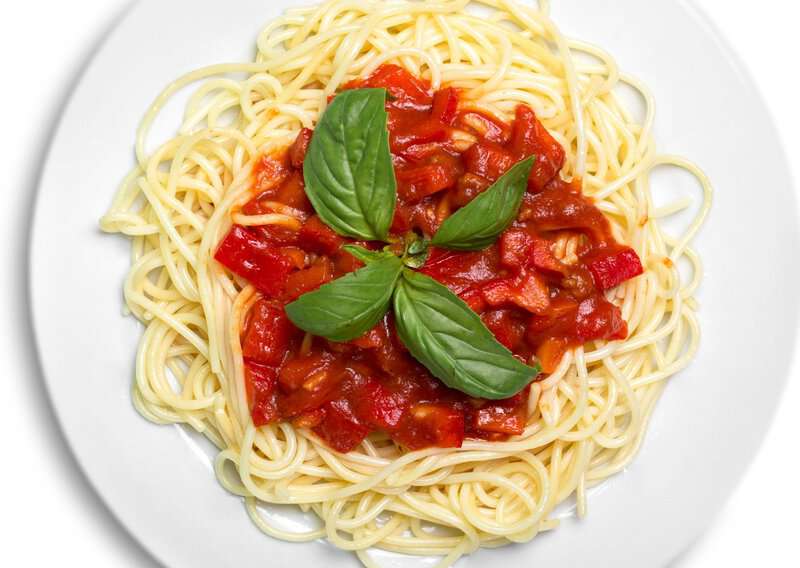
When it comes to iconic Italian pasta dishes, few spark more debate than Spaghetti Bolognese and Spaghetti Carbonara. Both dishes have crossed borders, landed on international menus, and been reinterpreted countless times—but ask any Italian, and you’ll quickly realize these two plates aren’t just recipes, they’re cultural identities on a plate.
Spaghetti Bolognese, with its rich, meaty ragù, has become the comfort-food face of Italian cuisine worldwide—even though, technically, in Bologna, it’s traditionally served with tagliatelle instead of spaghetti. Meanwhile, Spaghetti Carbonara, born in Rome, is a silky, creamy, egg-based dish that shocks many foreigners because it doesn’t use cream at all (a major culinary sin in Italy if you do).
So, which one wins? That depends on whether you’re after slow-simmered heartiness or quick, decadent indulgence. Either way, these dishes aren’t just about flavor—they’re about Italian pride, tradition, and the constant battle between authenticity and adaptation.
Read here best Italian food, vegetarian food in Italy, best drinks in Italy and best breakfast in Italy
Read Here Things to know before visiting Italy and how to buy a sim card in Italy
BOOK YOUR TRAVEL INSURANCE
Two of our favorite travel insurance: Heymondo Vs Safetwing cheapest travel Insurance. You can get for $135 USD your Heymondo Travel Insurance with Heymondo discount code valid for 90 days. Read our full comparison of Genki vs Safetywing Travel Insurance Review and the comparison Heymondo vs Genki
How to Eat
Spaghetti Bolognese is best enjoyed slowly, with each forkful carrying strands of pasta coated in ragù, ideally with freshly grated Parmigiano-Reggiano on top. A glass of robust red wine—think Sangiovese or Chianti—makes the experience complete.
Spaghetti Carbonara, on the other hand, should be eaten hot and creamy, with the sauce clinging to each strand. A sprinkle of Pecorino Romano and a grind of black pepper finish the dish. Pair it with a crisp white wine, like a Frascati, to balance its richness.
How to Partner
Bolognese partners perfectly with garlic bread or rustic ciabatta, which can soak up the ragù. For sides, a light green salad helps cut through the heaviness.
Carbonara pairs well with simple sides like roasted artichokes or sautéed greens, as its richness demands something lighter. It’s also a great match for sparkling water to cleanse the palate.
The first controversy? Spaghetti Bolognese technically doesn’t exist in Italy. The ragù alla bolognese is traditionally served with tagliatelle, not spaghetti. Italians often cringe when foreigners call it “Spaghetti Bolognese,” claiming it’s a global invention more than an authentic Italian dish. Yet, it remains one of the most popular pasta plates worldwide.
Carbonara, on the other hand, is constantly “butchered” outside of Italy. The biggest offense? Adding cream. Authentic carbonara relies solely on eggs, cheese, guanciale, and pepper. Italians are so protective of this recipe that they often mock versions abroad, leading to heated debates online between purists and creative cooks.
At its core, the controversy reveals a cultural clash: Italians see pasta as a sacred tradition, while the rest of the world views it as a flexible canvas for creativity. For locals, the question isn’t “Which wins?” but rather, “Why can’t people just respect the way these dishes are meant to be made?”
Spaghetti Bolognese Vs Spaghetti Carbonara
Spaghetti Carbonara
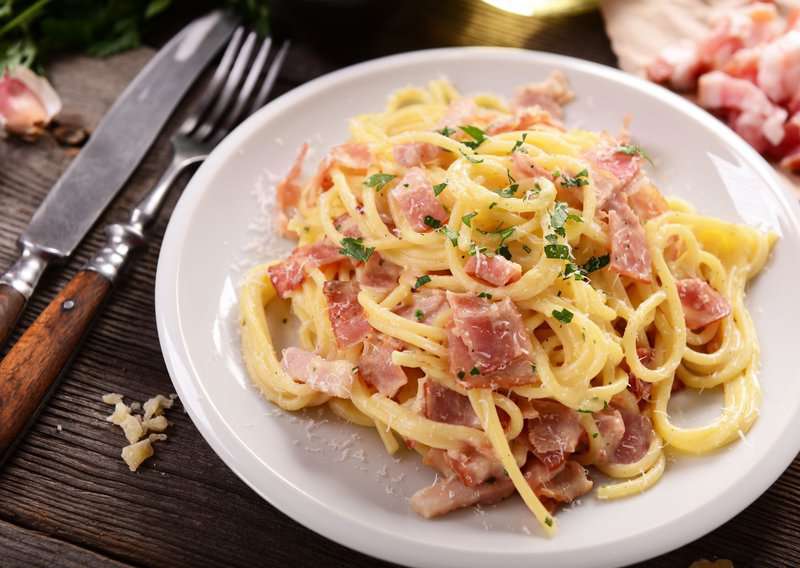
Spaghetti Carbonara is a rich, creamy dish made with egg, cheese, pancetta, and pepper. It originated in Rome and is known for its decadent flavor profile.
Boil the spaghetti in salted water until al dente. Meanwhile, sauté the pancetta in a skillet until crisp. Beat the eggs in a bowl, mix in the cheese, and season generously with black pepper.
Drain the pasta, reserving some of the cooking water. Add the hot pasta to the pancetta in the skillet. Remove from heat and quickly pour in the egg mixture, stirring rapidly to coat the pasta without scrambling the eggs. Use the reserved pasta water to adjust the consistency of the sauce if needed.
Serve immediately, garnished with more cheese and black pepper.
Ensure the pasta is hot when combining with the egg mixture to create a creamy sauce. Avoid direct heat when adding the eggs to prevent them from scrambling.
Approximately 600-700 calories per serving, depending on portion size and specific ingredients used.
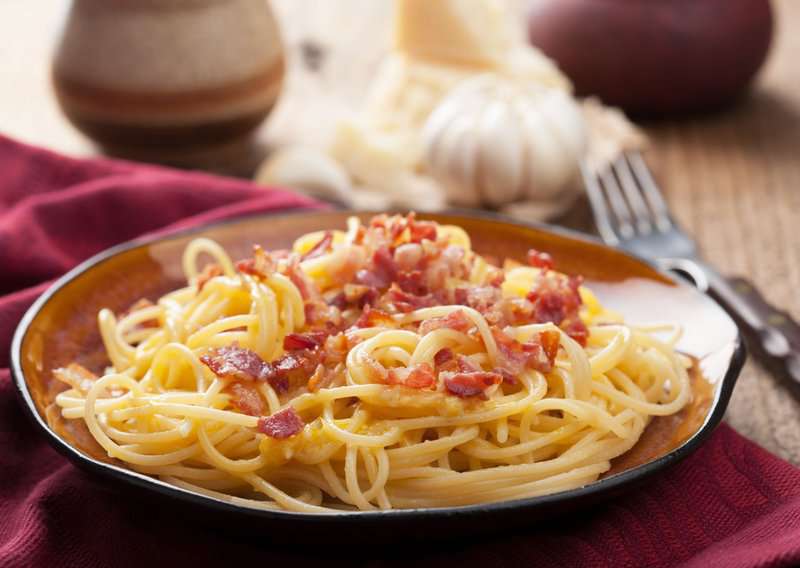
Spaghetti: 400 grams
Pancetta or Guanciale: 150 grams, diced
Eggs: 4 large
Pecorino Romano Cheese: 1 cup, finely grated
Freshly Cracked Black Pepper
Salt: for the pasta water
Classic Spaghetti Bolognese
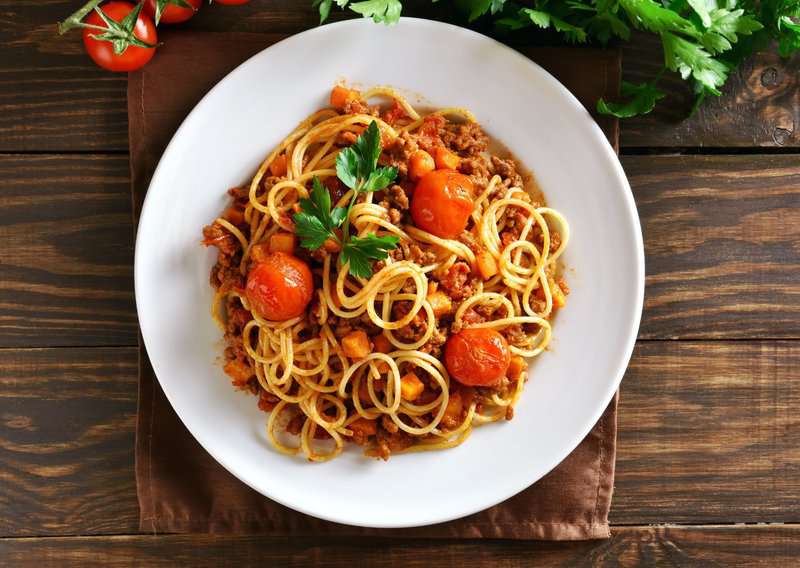
This dish features spaghetti served with a simple yet flavorful tomato-based marinara sauce.
Boil the spaghetti in salted water until al dente. In a separate pan, heat olive oil and sauté garlic until fragrant. Add the tomato sauce, salt, and pepper.
Simmer for a few minutes to blend the flavors. Drain the pasta and toss it with the sauce. Stir in fresh basil. Serve with grated Parmesan cheese on top.
Use quality olive oil and ripe tomatoes for the best flavor. Simmer the sauce gently to develop more depth.
Around 400-500 calories per serving, making it a lighter option compared to Carbonara.
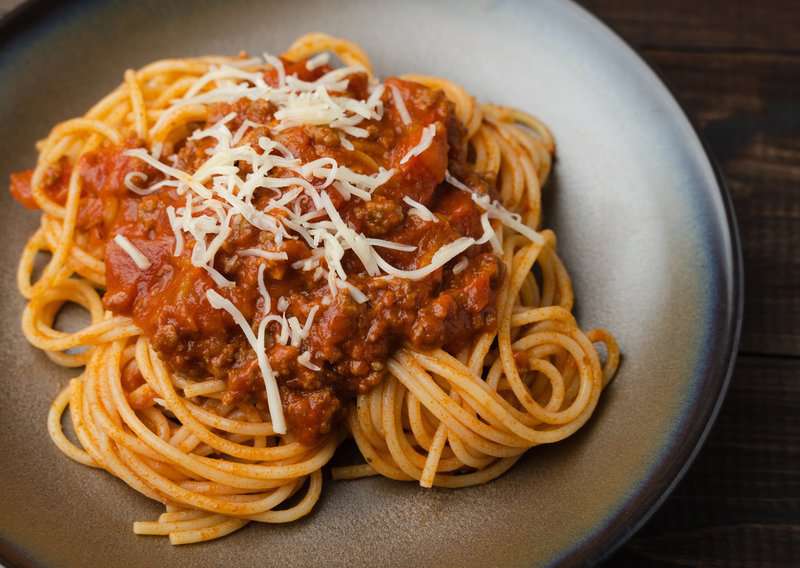
Spaghetti: 400 grams
Tomato Sauce: Homemade or store-bought marinara sauce (about 2 cups)
Olive Oil: 2 tablespoons
Garlic: 2 cloves, minced
Basil: Fresh, a handful
Parmesan Cheese: For garnishing
Salt and Pepper
Conclusion Spaghetti Carbonara Or Spaghetti Bolognese
The choice between Spaghetti Carbonara and Spaghetti Bolognese may come down to personal preference. In our case we choose Spaghetti Bolognese most of the times for cooking.
Spaghetti Carbonara offers a creamy, indulgent experience with a rich flavor from the pancetta and cheese while Spaghetti Bolognese provides a lighter, potentially healthier meal with the fresh, tangy taste of tomato sauce.
Both are staples of Italian cuisine and beloved around the world. Whether you prefer the hearty richness of Carbonara or the light simplicity of a tomato-based sauce, each dish has its unique appeal and deliciousness.

About the Author: Ruben, co-founder of Gamintraveler.com since 2014, is a seasoned traveler from Spain who has explored over 100 countries since 2009. Known for his extensive travel adventures across South America, Europe, the US, Australia, New Zealand, Asia, and Africa, Ruben combines his passion for adventurous yet sustainable living with his love for cycling, highlighted by his remarkable 5-month bicycle journey from Spain to Norway. He currently resides in Spain, where he continues sharing his travel experiences with his partner, Rachel, and their son, Han.