
Why Bother Knowing This?
The word “suburb” might conjure certain images if you’re from the U.S.: identical cookie-cutter houses, big box stores, and cul-de-sacs that require a car to get anywhere. But hop across the Atlantic, and you’ll find that many European suburbs have a vibe all their own—sometimes feeling more like quaint mini-villages or bustling small cities rather than sleepy bedroom communities.
Understanding why this is the case can offer insights into different ways of life, help you plan future travel, or even inspire you to see suburbia in a new light. So, let’s explore what sets European suburbs apart and why they often come across as anything but boring.
Looking for More Travel & Culture Reads?
– They Don’t Work 24/7: 5 Vacation Customs in Europe That Drive Americans Crazy
– 7 Dress Code Shocks Americans Face in Italy
– 9 European Beach Habits That Shock First-Time Tourists
1. A Sense of History and Character
Why It Matters
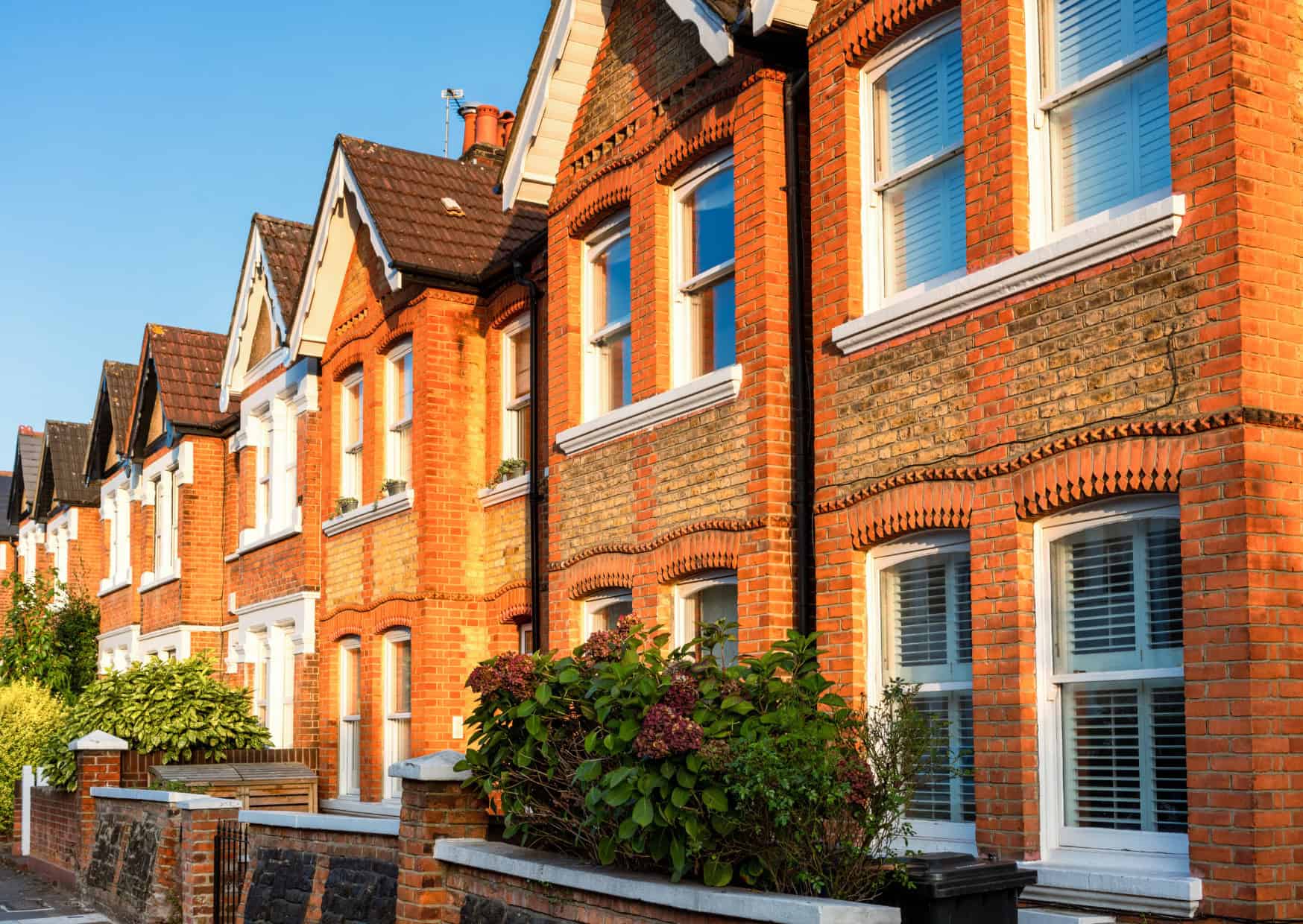
Europe’s suburbs didn’t simply pop up in the last few decades around an expanding highway system. Many are steeped in centuries of local history, with architecture and layout that reflect older planning traditions.
Cultural Norm
- Historic Centers: Even areas considered “suburbs” might have a medieval church or a centuries-old marketplace at their core.
- Organic Growth: Instead of being built from scratch, many European suburbs grew organically from small towns, incorporating layers of architectural styles over time.
- Conservation Laws: Strict rules often govern renovations and new construction, ensuring that new buildings blend in with the existing character.
How It Plays Out
- Strolling Through Time: Taking a short walk might lead you past half-timbered houses, Roman ruins, or Victorian-style villas—all in the same neighborhood.
- Community Pride: Locals tend to take pride in their town’s historical identity. You might see well-maintained community bulletin boards or small local museums that celebrate the area’s heritage.
- Visual Variety: Each building can look unique. There’s no monotonous row of identical houses with the same color scheme and layout.
Bottom Line
Yes, Americans often picture suburbs as uniform. In Europe, history breathes life into suburban areas, giving them a distinct character that’s anything but dull.
2. Mixed-Use Development and Walkability
Why Americans Are Surprised
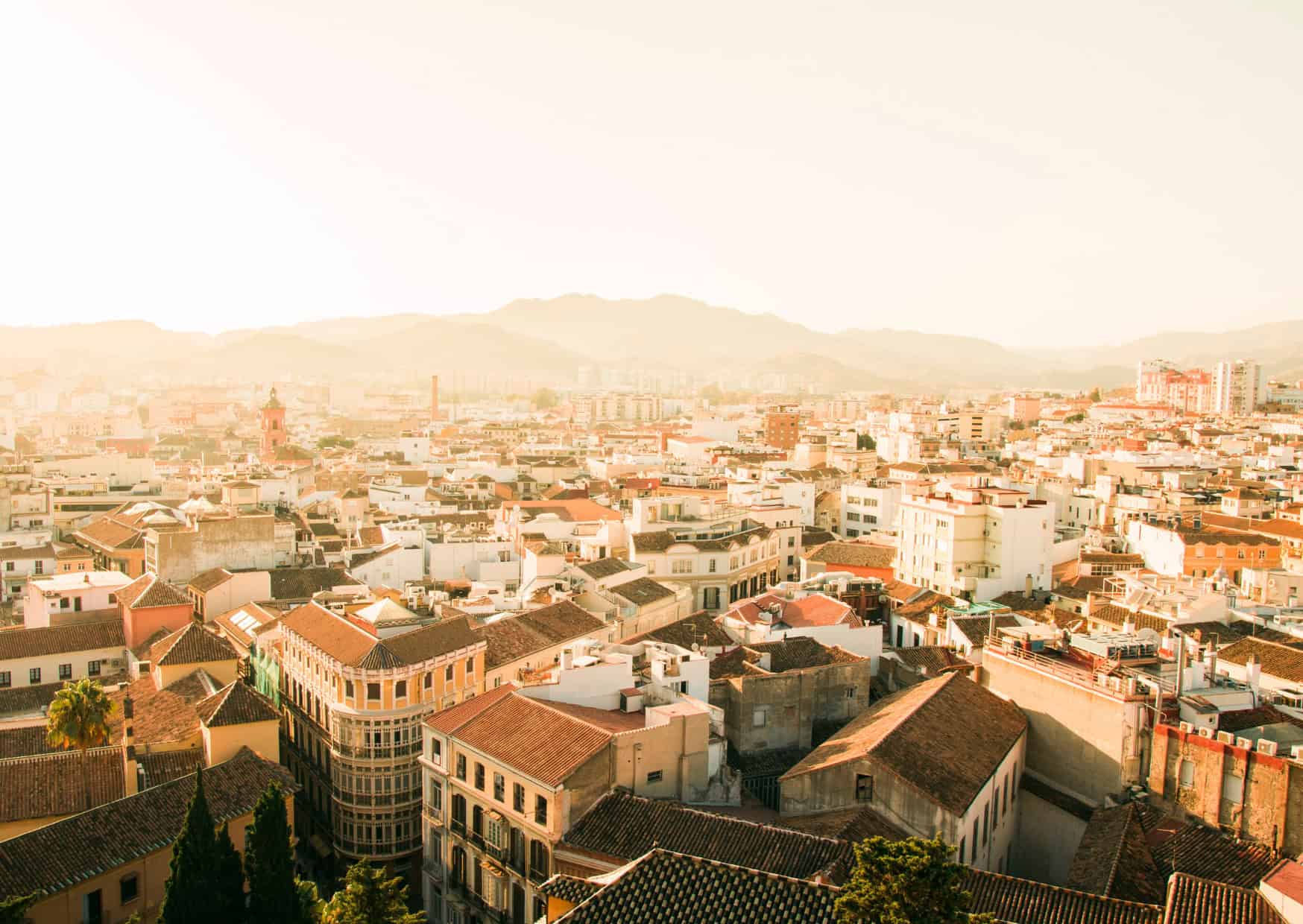
In many American suburbs, grabbing a latte can mean hopping in your car, driving to a plaza, and searching for parking. In a European suburb, you might find a local café, a bakery, and a flower shop all within a short stroll from your front door.
Cultural Norm
- Compact Layouts: European urban planning often prizes efficiency. Town centers—even in the suburbs—are compact and mix residential, commercial, and civic spaces in close proximity.
- Daily Errands on Foot: Need groceries? A haircut? A pharmacy run? Chances are, they’re all within a few minutes’ walk.
- Less Dependence on Cars: High fuel costs, narrower streets, and a culture of walking or cycling often mean fewer cars on residential roads.
How It Plays Out
- Seamless Day-to-Day: You can wander down the block for fresh bread in the morning, drop off letters at the post office midday, then pick up the kids from school—no car keys needed.
- Health Benefits: More walking means more built-in exercise. It’s a subtle aspect of daily life that keeps many Europeans relatively active.
- Community Vibe: People run into neighbors on the sidewalk or at local shops, fostering a sense of community that can be harder to cultivate when everyone lives behind a steering wheel.
Bottom Line
Yes, Americans often rely on cars for everything in their suburbs. In Europe, suburban living can encourage a far more walkable, community-oriented lifestyle—one that feels lively and connected.
3. Efficient Public Transportation
Why It’s a Game-Changer
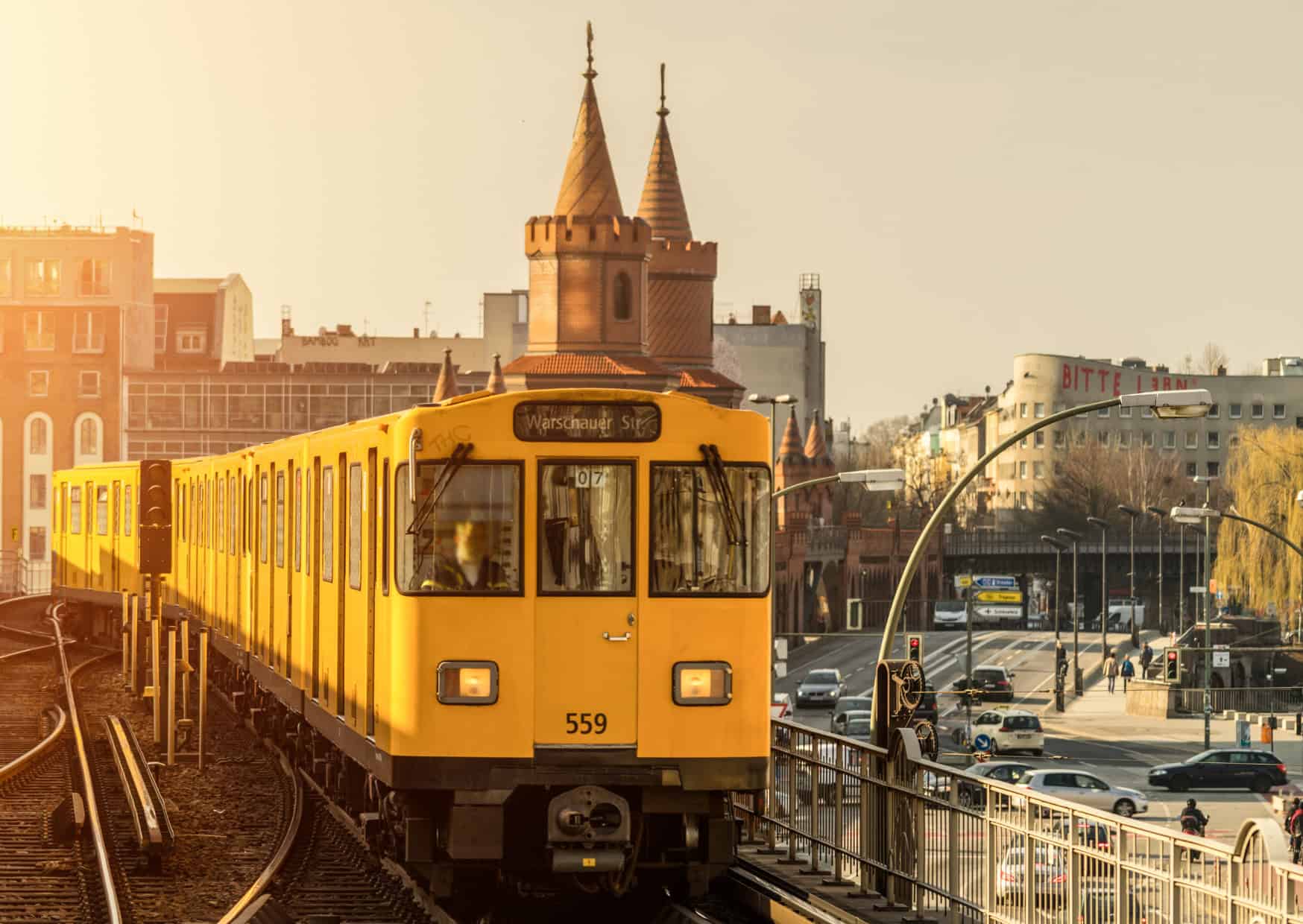
If you’ve ever felt stranded in an American suburb without a car, you know how limiting it can be. In Europe, many suburbs are integrated into extensive public transportation networks—trains, trams, and buses that run frequently.
Cultural Norm
- Strong Regional Systems: Suburban rail lines or trams often connect directly to major city centers.
- Frequent Service: It’s not unusual for suburban stations to see trains every 10–20 minutes.
- Accessibility: Stations are built with pedestrians in mind, often featuring bike racks, well-lit sidewalks, and connections to bus lines.
How It Plays Out
- Stress-Free Commute: Instead of dealing with parking garages or traffic jams, many suburbanites in Europe hop on a train or tram that whisks them downtown in minutes.
- Greater Independence: Teenagers, seniors, or anyone without a driver’s license can still get around comfortably.
- Sustainability: Efficient public transport reduces car dependency, cutting down on emissions and fueling a greener suburb overall.
Bottom Line
Yes, Americans might picture commuting as a long, car-centric slog. In European suburbs, robust public transit helps keep neighborhoods lively and accessible, making life without a car not just possible, but often quite pleasant.
4. Green Spaces and Community Gardens
Why It Matters
When people think of “suburbs,” they typically imagine spacious lawns and wide streets. While American suburbs do indeed offer yards and parks, European suburbs often weave green spaces more seamlessly into daily life.
Cultural Norm
- Community Allotments: Many European suburbs have “allotment gardens”—small plots where residents can grow fruits, vegetables, and flowers.
- Integrated Parks: Parks often lie within walking distance, sometimes featuring historical statues, ponds, or even old castle grounds.
- Preservation of Open Space: Zoning laws can be strict about protecting green corridors and farmland surrounding suburbs, preventing sprawl.
How It Plays Out
- Gardening Culture: It’s not just retirees; families, students, and professionals might rent a small plot to grow herbs or veggies.
- Frequent Outdoor Activities: Locals love to picnic in these community parks, even on a simple lunch break.
- Quality of Life: Having these green pockets dotted throughout suburbs contributes to a general sense of well-being, making the environment feel more balanced and human-scaled.
Bottom Line
Yes, Americans often drive to a big park outside the residential areas. In European suburbs, green spaces are closer and integrated into the fabric of daily life, allowing for casual strolls and spontaneous outdoor gatherings.
5. Architectural Diversity and Preservation
Why Americans Notice
One of the immediate differences you might spot driving through a European suburb is the sheer variety of building styles. On one street, you might see a 19th-century stone cottage, a mid-century modern home, and a newly constructed eco-friendly house—yet somehow it all feels cohesive.
Cultural Norm
- Preservation of Older Buildings: Town councils heavily regulate demolitions, so existing structures are more likely to be renovated than torn down.
- Adaptive Reuse: An old barn might become a community center, or a defunct factory could transform into loft apartments—breathing new life into historical sites.
- Context-Sensitive Construction: New builds often must respect local style, materials, or height restrictions, creating visual harmony.
How It Plays Out
- A Tactile Connection to the Past: You might see exposed wooden beams or original stone facades that have been around for centuries.
- Local Identity: This architectural mishmash gives each suburb its own identity—residents recognize their hometown for unique features.
- Less Homogeneity: You won’t find entire neighborhoods of the exact same design or layout, reducing that sense of suburban monotony.
Bottom Line
Yes, Americans might be used to strict homeowners’ associations or planned developments. In Europe, strict preservation laws and adaptive reuse create suburbs bursting with visual interest and historical charm.
6. Cultural and Social Hubs
Why It Energizes the Suburbs
Suburbs aren’t just places where people live—they’re places where people gather. Many European suburbs have lively social hubs, from community centers to bustling plazas, that ensure weekends (and weekdays) are never dull.
Cultural Norm
- Village Squares: Even in a suburban context, a central square or pedestrian plaza often hosts markets, fairs, or festivals.
- Multi-Generational Spaces: Playgrounds, sports fields, and communal courtyards cater to families, teens, and seniors alike.
- Local Cafés and Bars: Yes, you’ll find them in the suburbs, often serving as the heart of social life where neighbors chat, read the paper, or watch football matches together.
How It Plays Out
- Weekend Markets: Fresh produce, artisanal cheese, local crafts—these markets can be a vibrant fixture in suburban life, bringing the community together regularly.
- Evening Social Scene: Instead of heading downtown, many suburbanites can walk to a local pub or wine bar in the evening.
- Cultural Programming: Local councils might organize free concerts, film screenings, or art exhibits, encouraging people to socialize without trekking into the city center.
Bottom Line
Yes, Americans might see the suburbs as primarily residential. In Europe, suburban town squares, markets, and community events turn these areas into dynamic social environments, keeping residents engaged close to home.
7. Culinary Variety at Your Doorstep
Why It’s Surprising
American suburbia often has chain restaurants, large supermarkets, and the occasional family-run diner. In European suburbs, culinary experiences are more likely to be diverse, local, and surprisingly sophisticated.
Cultural Norm
- Local Bakeries and Specialty Shops: Even small suburbs usually have a bakery, butcher, cheese shop, and produce stand, each specializing in high-quality goods.
- Family-Owned Restaurants: Instead of chain eateries, you may find family-run trattorias (in Italy), brasseries (in France), or gastropubs (in the UK).
- Regional Influence: Each region has its own culinary traditions, so a suburb in Bavaria might serve up local sausages and beers, while a suburb in Catalonia might specialize in tapas and cava.
How It Plays Out
- Fresh and Seasonal: Smaller, specialized shops often prioritize fresh, local produce, making daily grocery shopping more of a pleasure than a chore.
- Dining as Community: Suburban restaurants often draw in regulars from the neighborhood, fostering a communal atmosphere.
- Variety Beyond the Center: You don’t have to venture into the “big city” for a gourmet meal; local chefs often bring top-tier skills to suburban enclaves.
Bottom Line
Yes, Americans might think that great food is only in city centers. In European suburbs, the culinary landscape is remarkably varied and high-quality, reflecting the local palate and traditions.
8. Community Engagement and Local Governance
Why It Matters
One overlooked aspect of suburban life is how local governance shapes the community. In Europe, smaller municipalities often have a more hands-on approach to planning, events, and public resources.
Cultural Norm
- Decentralized Administration: Many suburbs operate almost like independent towns, with their own mayor and council.
- Active Citizen Participation: Town hall meetings, neighborhood committees, and volunteer groups keep residents involved in decision-making.
- Local Budget Priorities: Funding often goes toward maintaining public spaces, organizing cultural events, and ensuring efficient social services.
How It Plays Out
- Tangible Improvements: It’s not uncommon to see well-kept playgrounds, tidy sidewalks, and well-lit public squares because the local council prioritizes them.
- Frequent Referendums: In some countries (like Switzerland), suburbs can hold direct votes on local issues, giving residents a strong sense of ownership.
- Shared Responsibility: Community spirit often leads to local clean-up days, charity drives, or neighborhood watch programs.
Bottom Line
Yes, Americans might see suburb governance as a broader extension of county or state systems. In many European suburbs, local councils and engaged residents shape the neighborhood in a more direct, hands-on way—leading to vibrant, well-maintained spaces.
9. Sustainability and Future-Forward Planning
Why It’s Relevant
Environmental consciousness is increasingly important worldwide. In Europe, many suburbs are experimenting with eco-friendly initiatives that make suburban life more sustainable.
Cultural Norm
- Eco-Developments: Some suburbs are built or renovated as “eco-districts,” featuring energy-efficient buildings, renewable energy sources, and plentiful green space.
- Car-Free Zones: Certain residential streets might be entirely pedestrianized or only accessible by bike and foot.
- Community Composting and Recycling: High recycling rates and communal compost bins are common, reducing waste significantly.
How It Plays Out
- Green Roofs and Solar Panels: Walking around, you might see gardens on rooftops or small solar arrays on suburban homes.
- Bike Lanes Everywhere: Dedicated bike lanes encourage an eco-friendly commute to local schools, stores, or train stations.
- Long-Term Vision: Many suburbs work on 10-, 20-, or even 30-year plans aimed at reducing carbon footprints and improving residents’ quality of life.
Bottom Line
Yes, Americans might see suburban “green initiatives” as sporadic. In Europe, many suburbs systematically integrate sustainability into daily routines, ensuring a forward-thinking, environmentally conscious lifestyle.
10. Embracing the Suburban “Slow Life”
Why It’s Appealing
When you combine history, walkability, efficient public transport, vibrant culture, and community-driven governance, you get a unique rhythm—often referred to as “slow living.” It’s a far cry from the high-octane energy of a major metropolis, yet it doesn’t devolve into the quiet monotony that some people associate with American suburbia.
Cultural Norm
- Daily Rituals: The morning bread run, the afternoon coffee break in the local square, and the evening stroll are part of life’s natural cadence.
- Work-Life Balance: Commutes are shorter, and free time often revolves around local social events, cultural activities, or simply enjoying nature.
- Strong Neighborhood Ties: Because people walk more and shop locally, they’re more likely to recognize faces and build friendships.
How It Plays Out
- Less Rush: Without the stress of long commutes or constant driving, people might have more time for leisure, family, and hobbies.
- Casual Social Encounters: Chatting with the bakery owner or running into a neighbor at the florist becomes a daily delight rather than a rare occurrence.
- A Grounded Lifestyle: The blend of modern amenities with a slower pace makes many European suburbs feel like the best of both worlds.
Bottom Line
Yes, Americans might envision a hectic suburban schedule jam-packed with errands and driving. In Europe, suburbs often encourage a laid-back routine that still offers plenty of stimulation—just at a more human pace.
Conclusion: Beyond the Stereotypes
It’s easy to assume all suburbs are alike—especially if your baseline is the typical American model. But in Europe, suburban areas frequently defy stereotypes: they’re often walkable, historically rich, socially vibrant, and surprisingly cool places to live or visit. They blend aspects of town life (like active main streets, local governance, and community events) with the comforts of lower-density living (less hustle, more green space).
So, if you ever find yourself traveling beyond Europe’s famous city centers—whether it’s exploring the suburbs of Paris, Berlin, Lisbon, or countless other locales—take some time to wander the side streets, sample a local bakery, and get a sense of how residents actually live. You might discover that “the suburbs” can be a gateway to an authentic, grounded European experience—no big city hype required.
Pro Tip: Next time you’re planning a trip to a major European city, consider booking an Airbnb or guesthouse in a suburb. You’ll likely enjoy cheaper prices, the charm of local markets, and a daily routine that feels refreshingly different from the hustle and bustle of downtown. Happy exploring!

About the Author: Ruben, co-founder of Gamintraveler.com since 2014, is a seasoned traveler from Spain who has explored over 100 countries since 2009. Known for his extensive travel adventures across South America, Europe, the US, Australia, New Zealand, Asia, and Africa, Ruben combines his passion for adventurous yet sustainable living with his love for cycling, highlighted by his remarkable 5-month bicycle journey from Spain to Norway. He currently resides in Spain, where he continues sharing his travel experiences with his partner, Rachel, and their son, Han.