
Europeans have a long and rich coffee culture, with each country boasting its own traditions, tastes, and rituals when it comes to coffee and coffee shops. While Starbucks has made inroads into Europe, it often evokes mixed reactions. Here’s a look at how Europeans perceive Starbucks and other coffee shops, and the types of cafes they prefer to visit.
Read Here European Things that terrify Americans and American Habits that make Europeans Cringe
Read here how to pack for Europe and Best eSIM for Europe
BOOK YOUR TRAVEL INSURANCE
Two of our favorite travel insurance: Heymondo Vs Safetwing cheapest travel Insurance. You can get for $135 USD your Heymondo Travel Insurance with Heymondo discount code valid for 90 days. Read our full comparison of Genki vs Safetywing Travel Insurance Review and the comparison Heymondo vs Genki
1. Starbucks: Convenience Over Quality

What Europeans Think About Starbucks:
Mixed Feelings: Starbucks is often seen as a symbol of American culture, offering convenience and consistency, but it’s not associated with high-quality coffee or authentic coffee experiences.
Too Commercialized: Many Europeans perceive Starbucks as overly commercialized, with its branding and sugary drinks prioritizing trends over tradition.
Popular Among Tourists: Starbucks tends to attract tourists or younger locals who enjoy its trendy atmosphere and Instagram-worthy drinks.
Why It’s Not Always Popular:
Price: Starbucks is considered expensive compared to local cafes. Paying €5–€6 for a coffee when a high-quality espresso costs €1–€2 in Italy or Spain can seem absurd.
Taste: Many Europeans prefer traditional, strong espresso or cappuccinos, which Starbucks doesn’t always excel at.
2. Traditional European Coffee Culture
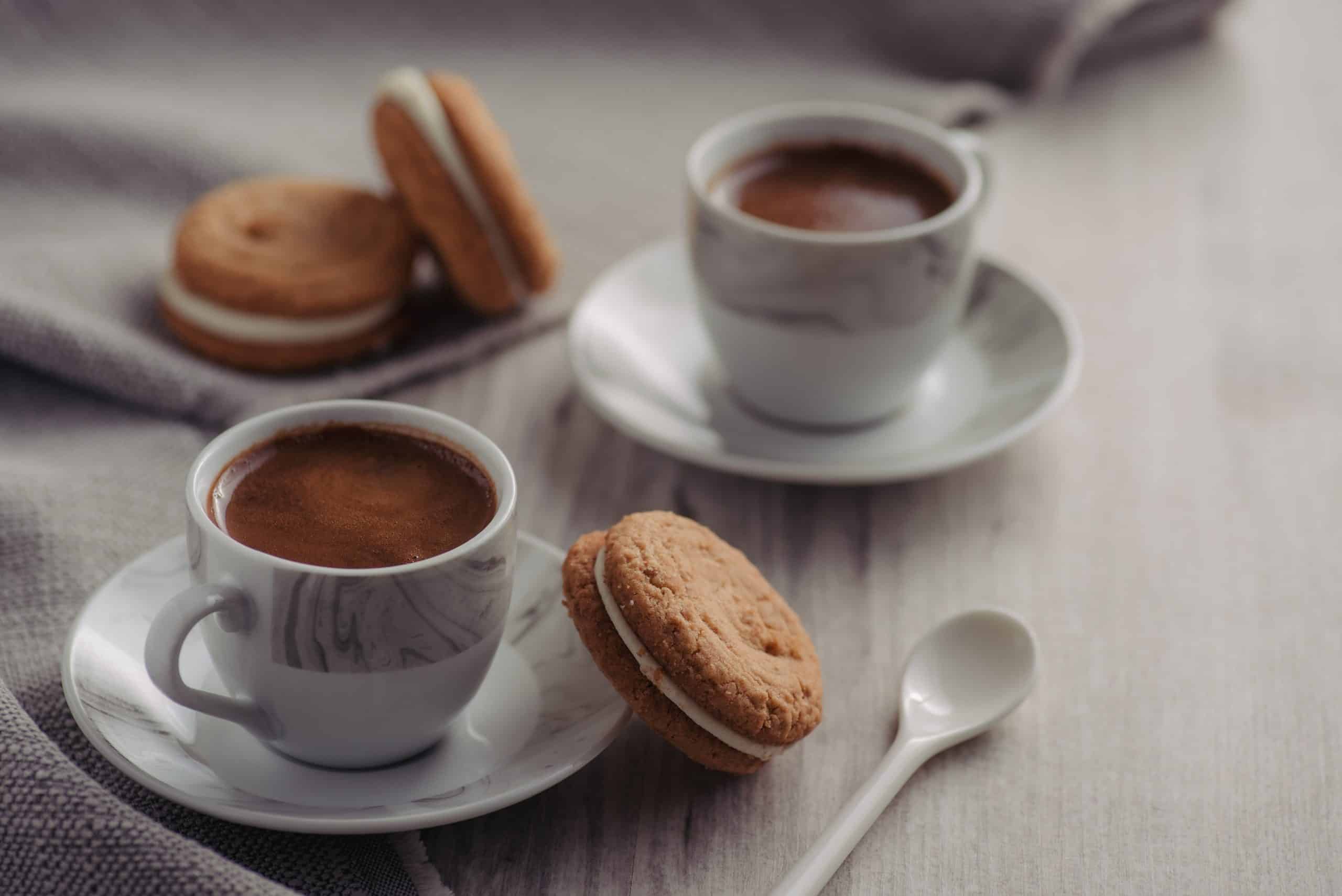
How Europeans Approach Coffee:
Quality Over Quantity: Europeans prioritize quality and flavor. Small, strong coffee drinks like espresso are the standard, especially in countries like Italy, France, and Spain.
Coffee as a Ritual: Coffee drinking is not just about caffeine; it’s a social experience or a moment to slow down and savor the day.
Small Portions: Unlike the large, takeaway cups Starbucks offers, Europeans generally prefer smaller portions served in ceramic cups for an in-house experience.
Preferred Atmosphere:
Many Europeans value the ambiance of local cafes, which often have unique decor, a personal touch, and a cozy vibe that Starbucks can’t replicate.
3. Coffeeshops That Europeans Prefer
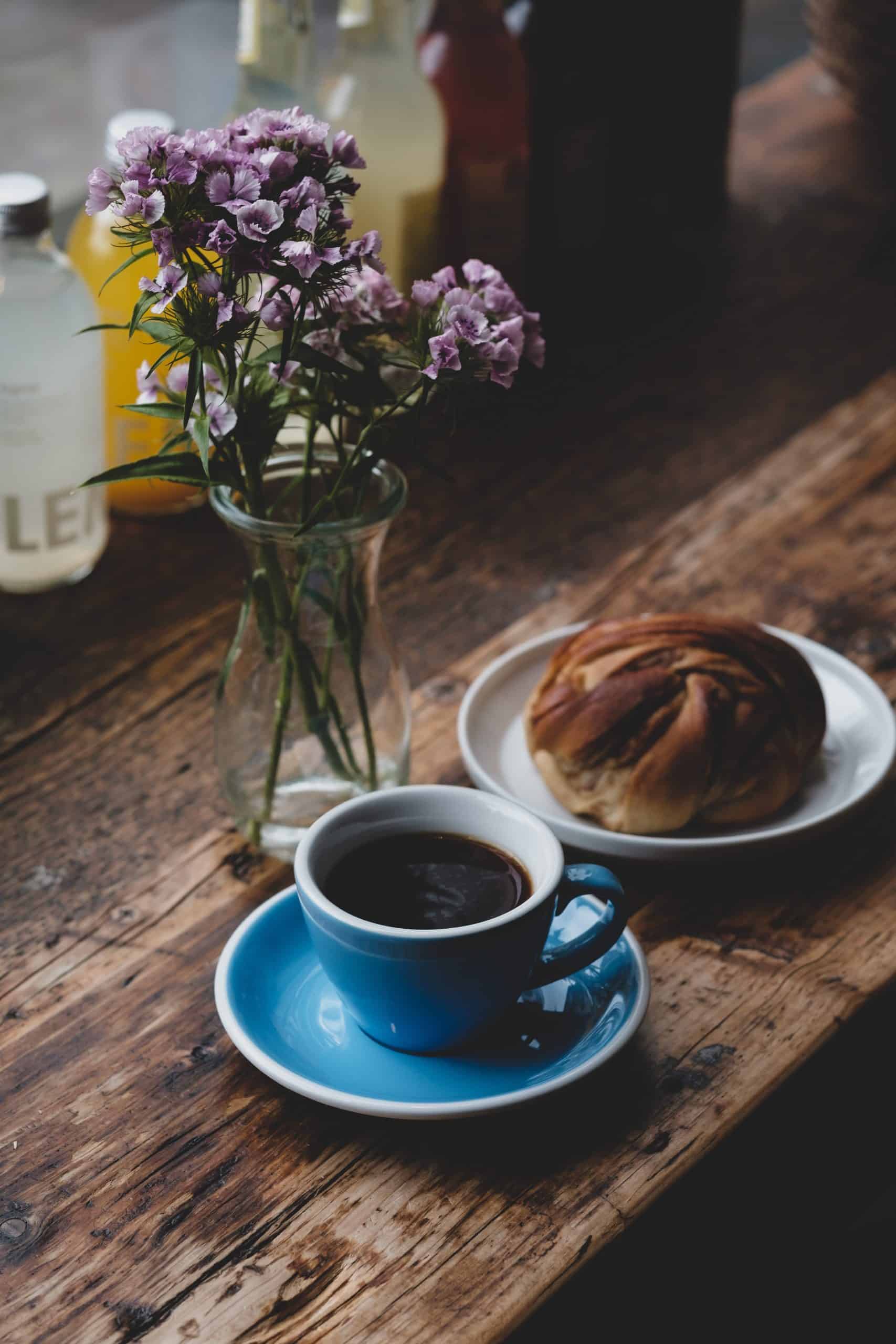
While preferences vary by country, here are the types of coffee shops Europeans love:
a. Independent Cafes
Why They’re Loved: Independent cafes often serve high-quality coffee, emphasize sustainable practices, and have a more personal, artisanal feel.
Example Locations:
In Berlin, you’ll find hip, third-wave coffee shops like Five Elephant or Bonanza Coffee Roasters.
In Paris, people flock to small cafes like Coutume or Café de Flore for authentic experiences.
b. Traditional Cafes
Why They’re Loved: Traditional cafes often represent the cultural heart of a city, offering not only great coffee but also pastries or snacks specific to the region.
Example Locations:
In Italy, you’ll find locals sipping espresso at the counter in small family-run establishments.
In Vienna, iconic coffee houses like Café Central or Demel offer history, elegance, and signature drinks like a melange.
c. Cafes Focused on Local Flavors
Why They’re Loved: Coffee shops that offer regional twists or emphasize local ingredients appeal to Europeans who value authenticity.
Example Locations:
In Lisbon, A Brasileira serves traditional Portuguese coffee like bica.
In Istanbul, cafes specialize in Turkish coffee, brewed slowly over hot sand.
4. The Rise of Third-Wave Coffee Shops
What They Are:
Third-wave coffee shops focus on high-quality beans, sustainable sourcing, and artisanal brewing techniques. This trend is growing across Europe.
Why They’re Popular:
Focus on Quality: These shops often work with single-origin beans and offer unique brewing methods like pour-over or Aeropress.
Cultural Appeal: Europeans appreciate the fusion of modernity and tradition in these cafes.
Examples:
Monmouth Coffee Company in London.
Toki in Amsterdam.
Kaffa Roastery in Oslo.
5. What Starbucks Does Well in Europe
What Works:
Convenience: Starbucks provides a reliable place to sit, work, or grab a quick coffee on the go.
Customizable Drinks: Younger Europeans appreciate Starbucks for its variety of flavored lattes, frappuccinos, and seasonal options.
Comfortable Spaces: Starbucks locations are often spacious, with free Wi-Fi, making them popular among students and freelancers.
Where Starbucks Is Popular:
Starbucks tends to do well in tourist-heavy cities like Paris, London, and Barcelona, where visitors are looking for something familiar.
6. How Coffee Preferences Differ by Country
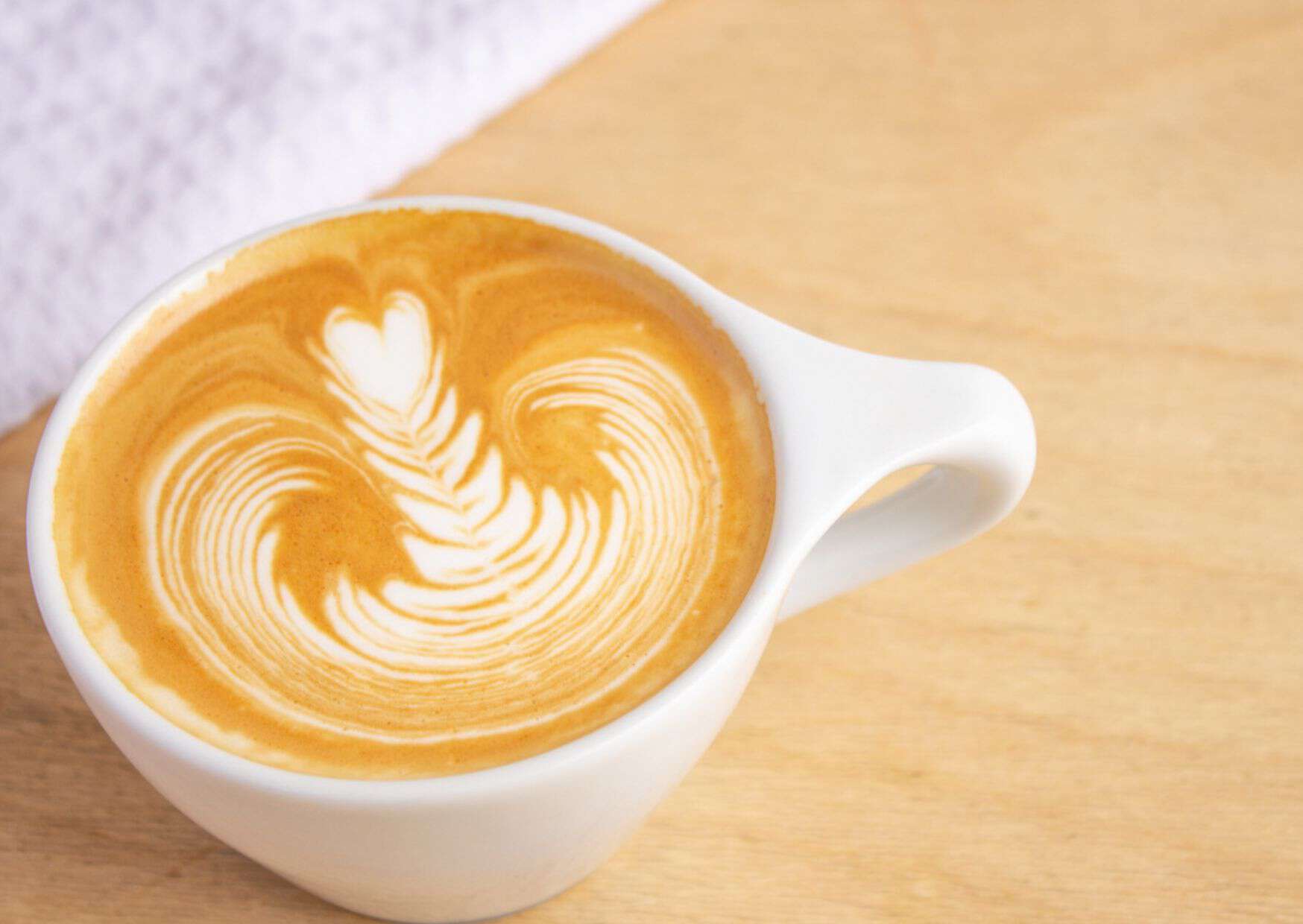
Italy:
Espresso reigns supreme. Italians drink their coffee quickly, often standing at the bar. Starbucks’ large, flavored drinks feel foreign here.
France:
The cafe culture is strong. People enjoy sipping small cups of coffee at outdoor terraces. Starbucks is more of a novelty.
Scandinavia:
Countries like Sweden and Norway have a strong appreciation for coffee, especially filter coffee. Starbucks coexists with high-quality independent cafes.
United Kingdom:
Starbucks is more accepted in the UK, where tea-drinking traditions coexist with a growing coffee culture.
Eastern Europe:
In countries like Hungary or the Czech Republic, Starbucks is seen as aspirational and trendy, but local cafes remain a stronghold.
Final Thoughts: The European Coffee Preference
While Starbucks has a presence in Europe, it’s often overshadowed by independent cafes and traditional coffee houses that align more closely with European tastes. Whether it’s a bustling espresso bar in Italy or a relaxed, elegant cafe in Vienna, Europeans gravitate toward coffee experiences that emphasize quality, ambiance, and cultural heritage.
If you’re traveling to Europe, skip Starbucks and try a local coffee shop—you’ll get a much richer taste of the local culture.

About the Author: Ruben, co-founder of Gamintraveler.com since 2014, is a seasoned traveler from Spain who has explored over 100 countries since 2009. Known for his extensive travel adventures across South America, Europe, the US, Australia, New Zealand, Asia, and Africa, Ruben combines his passion for adventurous yet sustainable living with his love for cycling, highlighted by his remarkable 5-month bicycle journey from Spain to Norway. He currently resides in Spain, where he continues sharing his travel experiences with his partner, Rachel, and their son, Han.