
Why Bother Reading?
When Americans visit Paris, Barcelona, or Venice, they see cathedrals, tapas bars, gondolas, and wonder: “How do locals afford this place, and where do the city’s real profits come from?” Beyond visible tourism—hotels, restaurants, souvenir shops—lurks a hidden economy that keeps these cities alive. Below are 8 behind-the-scenes realities revealing how European tourist hotspots function financially, and why these streams might remain invisible to casual travelers.
Looking for More Travel & Culture Reads?
– They Don’t Work 24/7: 5 Vacation Customs in Europe That Drive Americans Crazy
– 7 Dress Code Shocks Americans Face in Italy
1. Short-Term Rentals and Airbnb “Gray Zones”
Why You Don’t See It
Strolling the Spanish Steps in Rome or Montmartre in Paris, you’re surrounded by beautiful flats. Some are legitimate Airbnbs with official permits, others operate in a gray area—unregistered or illegally sublet—so they stay off the official radar.
The Local Twist
- Under-the-table rentals: Landlords skip official registration, ignoring local tax or safety regulations.
- Seasonal surges: High season sees owners boot out long-term tenants for short-term tourist profits.
- Legal pushback: Many cities (Barcelona, Lisbon) crackdown on unlicensed rentals to reclaim housing for locals.
How It Impacts Locals
Rents soar, stable housing is scarce—fewer long-term rentals for residents. Some owners rake in big bucks, fueling the hidden economy. Meanwhile, travelers pay typical Airbnb prices, unaware it might be unregistered.
Bottom Line
Yes, Americans love easy tourist rentals, but behind that convenience, unregulated listings form a shadow side. If you want to stay ethically, confirm your host follows local rules—and keep housing fairness in mind.
2. Under-the-Table Seasonal Workers

Why It’s Invisible
Behind glitzy hotels or bustling cafés, seasonal workers might operate on partial or no contracts—cash in hand. From short-term bar staff to street performers, many foreigners or students rely on informal gigs.
The Local Twist
- No official wage: They get paid daily or weekly in cash, skipping social security or labor protections.
- High demand: Summer months in coastal areas or winter peaks in ski towns see surging tourist crowds, so owners need quick hires.
- Officials typically turn a blind eye if everyone’s relatively content.
How It Impacts Locals
Official unemployment stats might look higher because these workers aren’t on the books. Employers save on taxes, letting them offer cheaper prices or keep bigger margins—a hidden part of local GDP.
Bottom Line
Yes, Europe has strong labor laws, but tourist booms create under-the-table opportunities. You might see the “help wanted” sign—someone behind the bar or waiting tables might be off the official payroll.
3. Tourist Taxes and City Fees
Why It’s Hidden
If you book a Venice hotel online, you might pay an extra “city tax,” or in Amsterdam, see a “tourist fee” on your Airbnb invoice. Americans often skip fine print or accept the cost blindly.
The Local Twist
- Daily taxes: Some cities (Florence, Berlin) charge per night, per person. The money allegedly funds city upkeep.
- Controversy: Locals debate whether these taxes truly fix over-tourism or just fill municipal coffers.
- Evolving policies: By 2025, more cities plan “tourist day passes” or “entry fees” for heavily trafficked zones.
How It Impacts Locals
If allocated properly, these taxes fund public transport improvements or heritage site maintenance. Or they vanish into murky budgets, leaving citizens unsure where the money really goes.
Bottom Line
Yes, Americans might shrug at a €3 or €5 daily charge. But collectively, these tourist fees rake in millions, forming a stealth revenue source vital for local governments.
4. Street Performers & Licensed Buskers
Why You Don’t Realize
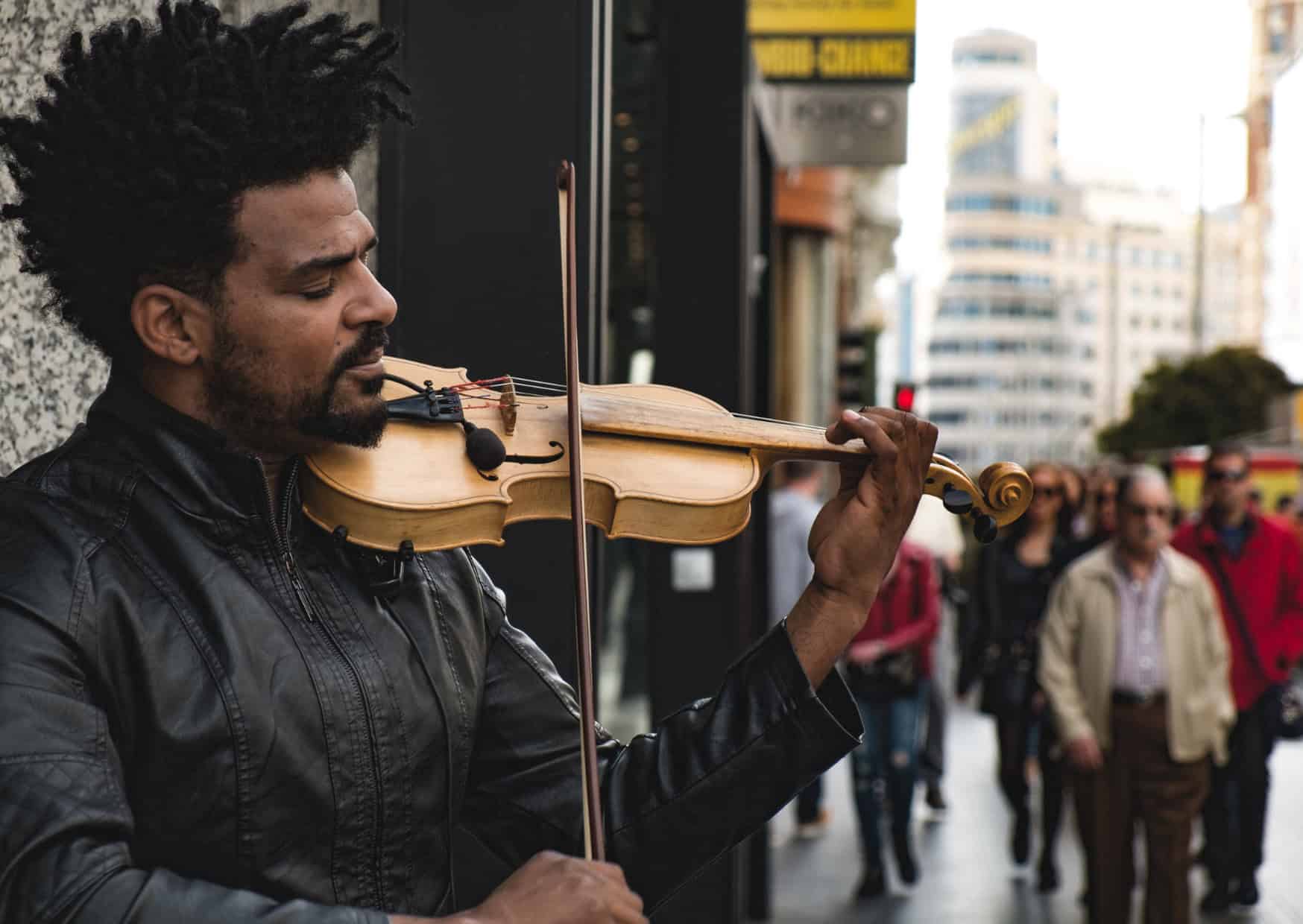
You toss a few coins to a talented violinist near London’s Covent Garden or a flamenco guitarist in Madrid, not thinking about the bigger network. Some cities require busking licenses or designated spots, while others operate in a legal gray area.
The Local Twist
- Permit systems: Places like Paris, Vienna, or Rome have official busking zones. Performers audition or pay for licenses.
- Unlicensed: Others roam tourist zones, risking fines or evading police if they have no permit.
- Tourist generosity: Summer crowds tip heavily, fueling an under-the-radar economy.
How It Impacts Locals
Street performers can charm visitors, but also clog busy plazas. Locals appreciate the music yet worry about noise or sidewalk congestion. For the city, it’s a cultural draw—semi-regulated income stream.
Bottom Line
Yes, your small change in a performer’s hat might be a fun moment. But collectively, these tips create an invisible livelihood for thousands, bridging the line between formal and informal economies.
5. Underground Tours & Tip-Only Guides
Why It’s Hidden
“Free walking tours” in touristy zones operate on tip-based income. Many aren’t licensed official guides. The city might know, but can’t easily track or tax their earnings.
The Local Twist
- Pay what you want: You follow a guide around historic squares for an hour. At the end, they suggest a tip.
- Potential friction: Official local guides with paid licenses resent unregulated “free tours” undermining their business.
- Cash flow: The “free” guide might earn more from tips than a standard wage, and none hits official records.
How It Impacts Locals
Legitimate guides pay for training/licensing, so they see “free tours” as circumventing fees. Meanwhile, visitors love the cheap approach—win-win for them, but a sneaky part of the city’s hidden tourism economy.
Bottom Line
Yes, Americans love the “bargain” free tour. But behind that, an informal guide scene thrives in big tourist capitals, with minimal regulation or city taxes.
6. Counterfeit Souvenirs & Knock-Off Shops
Why Americans Overlook It
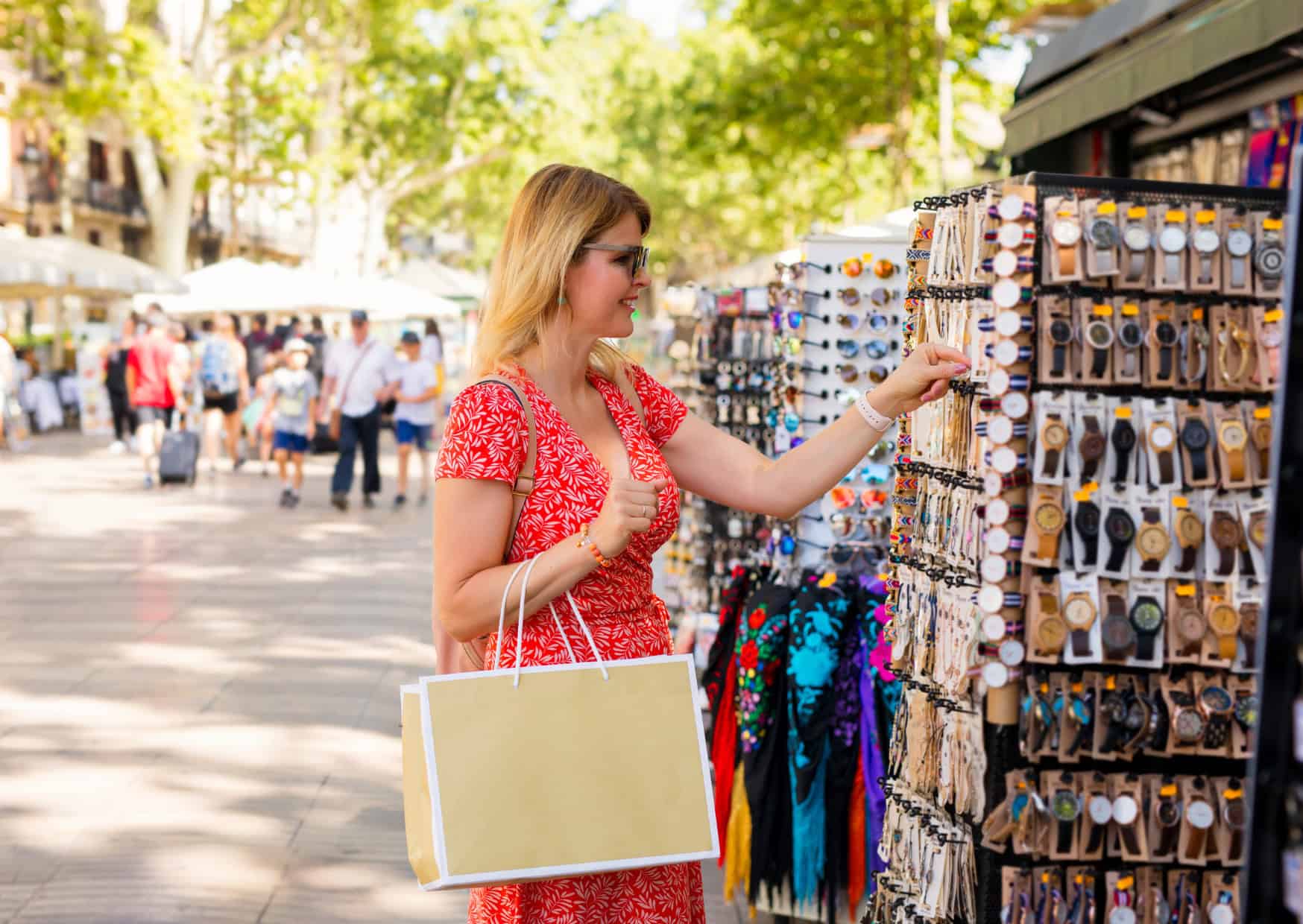
Bargain hunters spot “handmade” leather bags in Florence or brand-labeled goods in Barcelona’s street stalls at suspiciously low prices. They might buy them, unaware these are often cheap imports or knock-offs.
The Local Twist
- Alleyway vendors: Some revolve around seasonal pop-up stands, skipping official store permits or local taxes.
- Faux authenticity: Items labeled “Italian leather” might hail from unknown factories outside Europe.
- Cultural ambivalence: Locals might occasionally buy from them if it’s cheaper—everyone is aware it’s not legit.
How It Impacts Locals
Undercuts legitimate artisans, fosters a black market. Tourists feed the cycle by snapping up “souvenirs.” Real local craftsmanship can suffer, overshadowed by quick-sell fakes.
Bottom Line
Yes, Americans might chase cheap “handcrafted” deals. But the hidden economy of knock-offs thrives on tourist gullibility—a shadow under the official artisanal scene.
7. Dark Side of Ticket Scalping & Resales
Why It’s Hidden
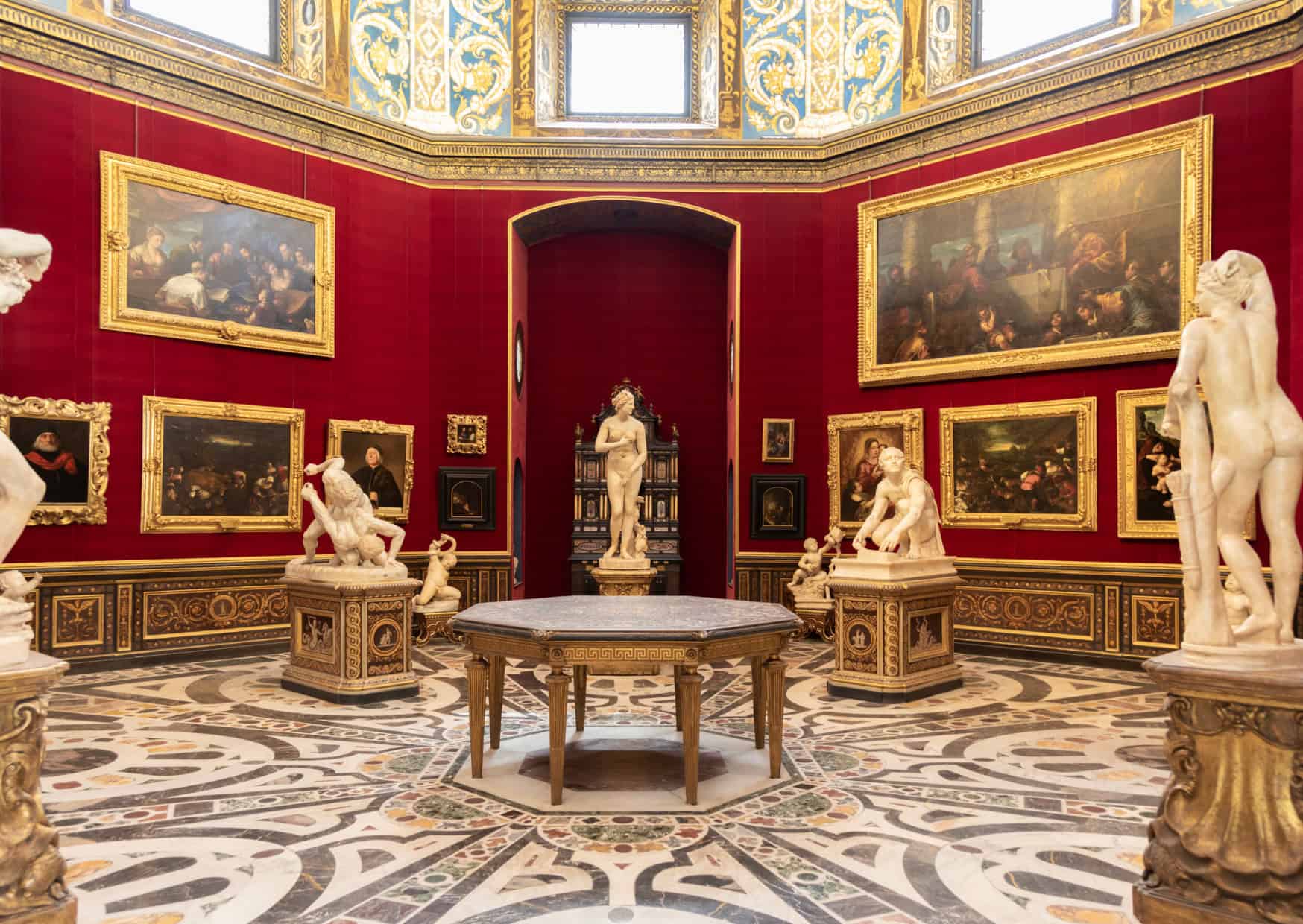
You see official lines for the Uffizi Gallery in Florence or the Eiffel Tower. Suddenly, someone offers “skip-the-line” tickets or last-minute seats at double cost. Americans think it’s an authorized tour service, but often it’s scalping.
The Local Twist
- Online bots buy prime time-slot tickets, resell them at a premium.
- Street hawkers near major monuments approach unsuspecting tourists.
- Some agencies are legit “fast track” tours, others are shady upcharges with no real advantage.
How It Impacts Locals
Real visitors or locals wanting direct museum tickets may find them sold out by scalpers. The city tries to clamp down but can’t always keep pace. Tourists pay more, fueling the hustle.
Bottom Line
Yes, Americans might appreciate “quick entry,” but many skip-the-line hawkers feed an underregulated resale market. Double-check official sites or recognized tour providers to avoid feeding scalpers’ pockets.
8. Cultural Tax Exemptions for Religious or Historic Sites
Why Americans Miss It
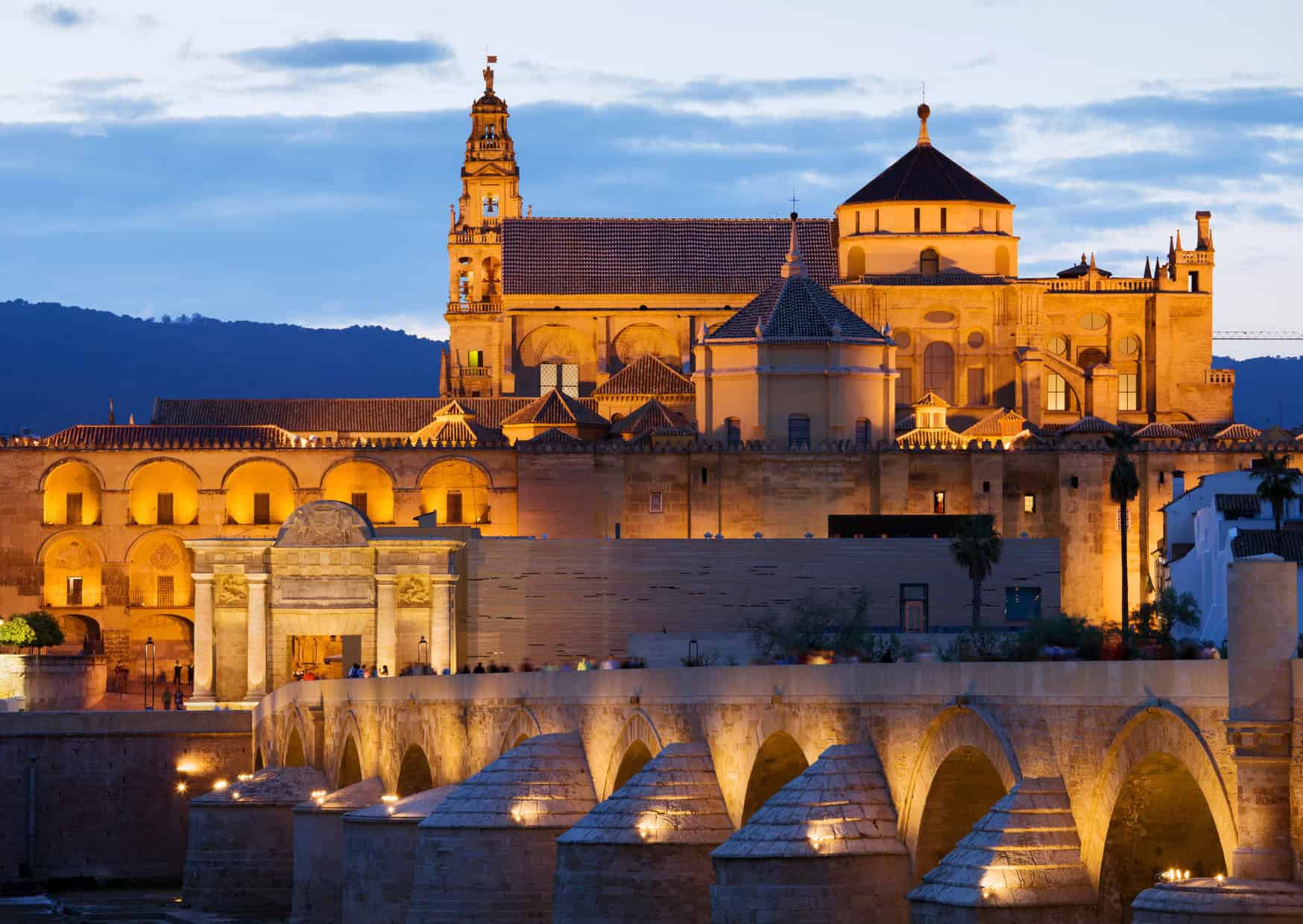
A grand cathedral or centuries-old palace might appear free or donation-based, but behind the scenes, these institutions enjoy special tax breaks that shape city finances. Americans might not realize how these complexes function in local economies.
The Local Twist
- Church-run sites: Some own prime real estate with tax exemptions, renting out event spaces or gift shops for revenue.
- Historic associations: Partnerships with city councils, funneling tourist donations or ticket sales into restoration.
- Donation boxes: The “free entry” can produce big sums from generous visitors—untaxed personal donations.
How It Impacts Locals
Preserves heritage, but also means certain prime city locations pay minimal municipal taxes. Some neighbors resent religious or cultural groups having prime real estate without the usual city dues.
Bottom Line
Yes, Americans see “free cathedral entry” as a goodwill gesture, but behind it sits exemptions and donation flows sustaining the site’s upkeep—another hidden stream in tourist economies.
Conclusion: Tourists Drive More Than Hotel Bills
From airbnb gray areas to unlicensed street vendors and free tours paid in tips, the true economy of Europe’s tourist cities runs deeper than official receipts. Americans often pay a city tax here or a skip-the-line fee there, not realizing the breadth of informal or under-the-table transactions swirling around them. While some aspects help keep big tourist hubs afloat, others undercut local living costs or small businesses, making housing pricier or overshadowing genuine artisans.
Pro Tip
If you want to travel ethically, do a bit of local research: book accommodations from reputable owners, buy souvenirs from verified artisans, choose licensed guides, and skip the cheap knock-offs. By seeing the hidden gears of a city’s economy, you can enjoy your trip with a clearer conscience—and maybe help local communities thrive in the face of mass tourism. Buon viaggio, bon voyage, and good luck navigating these hidden layers of Europe’s tourist hotspots!

About the Author: Ruben, co-founder of Gamintraveler.com since 2014, is a seasoned traveler from Spain who has explored over 100 countries since 2009. Known for his extensive travel adventures across South America, Europe, the US, Australia, New Zealand, Asia, and Africa, Ruben combines his passion for adventurous yet sustainable living with his love for cycling, highlighted by his remarkable 5-month bicycle journey from Spain to Norway. He currently resides in Spain, where he continues sharing his travel experiences with his partner, Rachel, and their son, Han.