
Last updated on November 10th, 2025 at 12:18 pm
Why Spanish Small Towns?
When Americans think about moving to Spain, they might envision big-city life—late-night tapas in Barcelona or Madrid’s bustling museums. But small-town Spain has its own charm: tranquil plazas, centuries-old fiestas, tight-knit communities, and cheaper rents. Yet these tranquil enclaves hold quirks that can shock or frustrate newcomers—unwritten norms you won’t find in a glossy travel brochure. Below are 8 realities Spanish small towns won’t explicitly warn you about—and how to adapt so you don’t go insane (or offend half the village).
Looking for More Travel & Culture Reads?
– They Don’t Work 24/7: 5 Vacation Customs in Europe That Drive Americans Crazy
– 7 Ways You’re Insulting Europeans Without Even Realizing It
Quick Easy Tips
Learn the local schedule and work with it instead of fighting it.
Greet people on the street even if you don’t know them; silence reads as unfriendly.
Accept invitations whenever you can; relationships shape everything in small-town Spain.
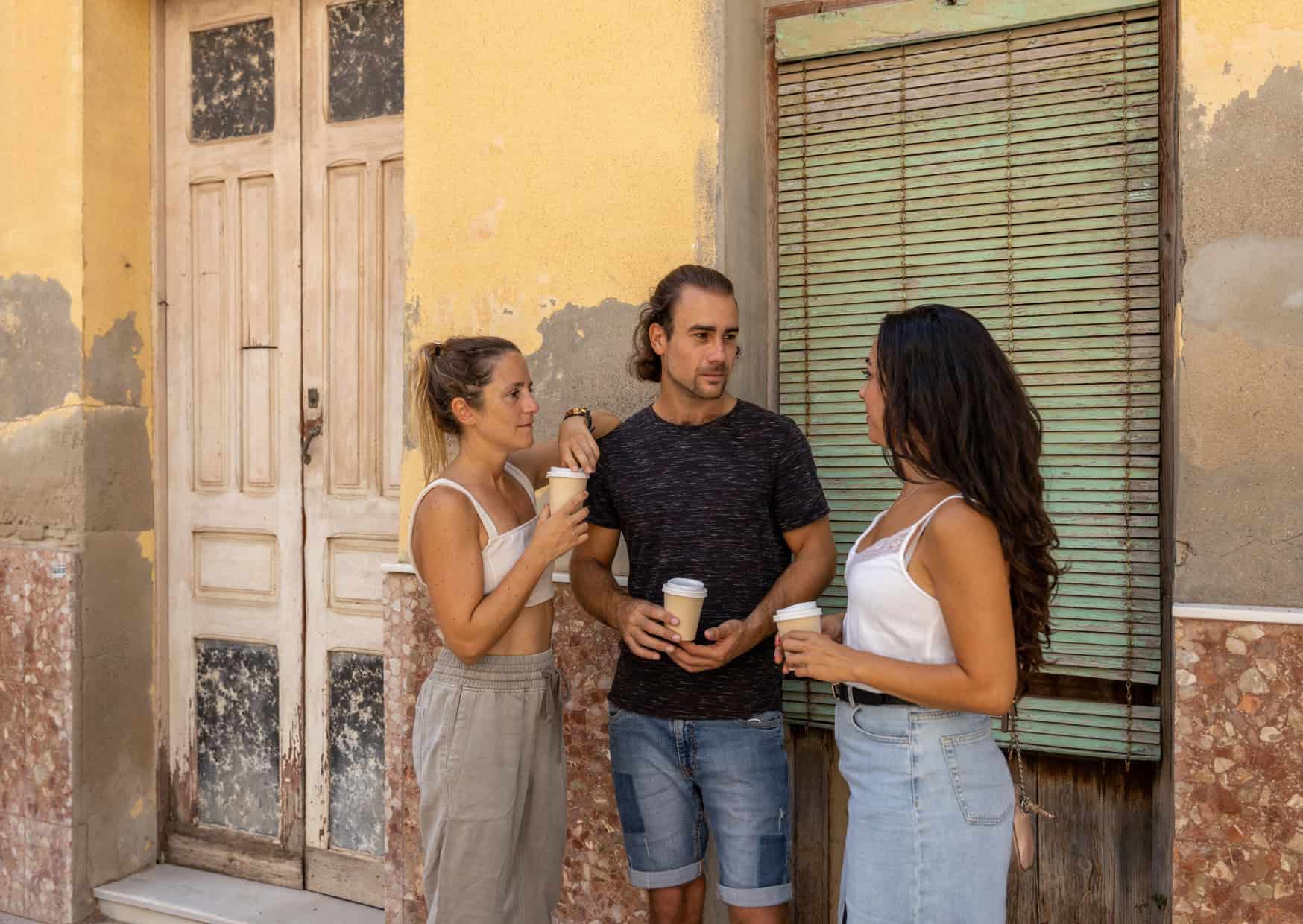
One of the biggest cultural shocks for newcomers is the quiet insistence on social conformity. In Spanish small towns, everyone knows everyone, which means your habits, routines, and even your grocery purchases don’t go unnoticed. Americans often interpret this as nosiness, but locals see it as natural community awareness. What feels intrusive to you might feel like normal neighborly curiosity to them.
Another point of tension is the rhythm of daily life. Outsiders imagine peaceful countryside living, but Spanish small towns follow very specific schedules. Shops close for long midday breaks, dinner might not happen until nearly 10 p.m., and spontaneous visits are common. Many newcomers expect small towns to adapt to them. Locals, however, see tradition as non-negotiable and aren’t shy about holding onto it.
Then there’s the topic of gossip. Every town has its own grapevine, but in rural Spain, this grapevine is fast, accurate, and astonishingly efficient. People may know you changed jobs or switched apartments before you’ve even told a friend. Locals don’t consider this rude; they consider it part of living in a place where community ties matter more than privacy. For foreigners, adjusting to that level of transparency can take time.
1. Everyone Knows Everyone’s Business—And Now They’ll Know Yours, Too
Why Americans Are Stunned
In large U.S. cities, anonymity is normal. A small Spanish town? Expect neighbors to know your car, your routine, and even what groceries you bought yesterday. Gossip flows at lightning speed, and you might hear about your own “news” from the local baker before you realize anything even happened.
The Small-Town Dynamic
- Generational ties: Families have lived there for decades, sometimes centuries. Everyone’s interconnected.
- Curious, not malicious: Typically, people gossip out of genuine interest. They’re not always trying to judge you.
- Public squares: Bars or cafés double as local “news stations,” where daily tidbits are traded.
How to Adapt
- Accept that privacy is limited—be ready for friendly prying.
- If you have real concerns, choose your confidants carefully. Keep personal dramas out of the public bar if you prefer secrecy.
- Embrace the closeness—locals help each other quickly in times of need.
Bottom Line
Yes, it’s like living in a fishbowl—but once you learn to laugh off the small-town rumor mill, you’ll find a supportive network that leaps to your aid.
2. Siesta Hours Are Real, and They Might Shutter the Town
Why Americans Are Shocked
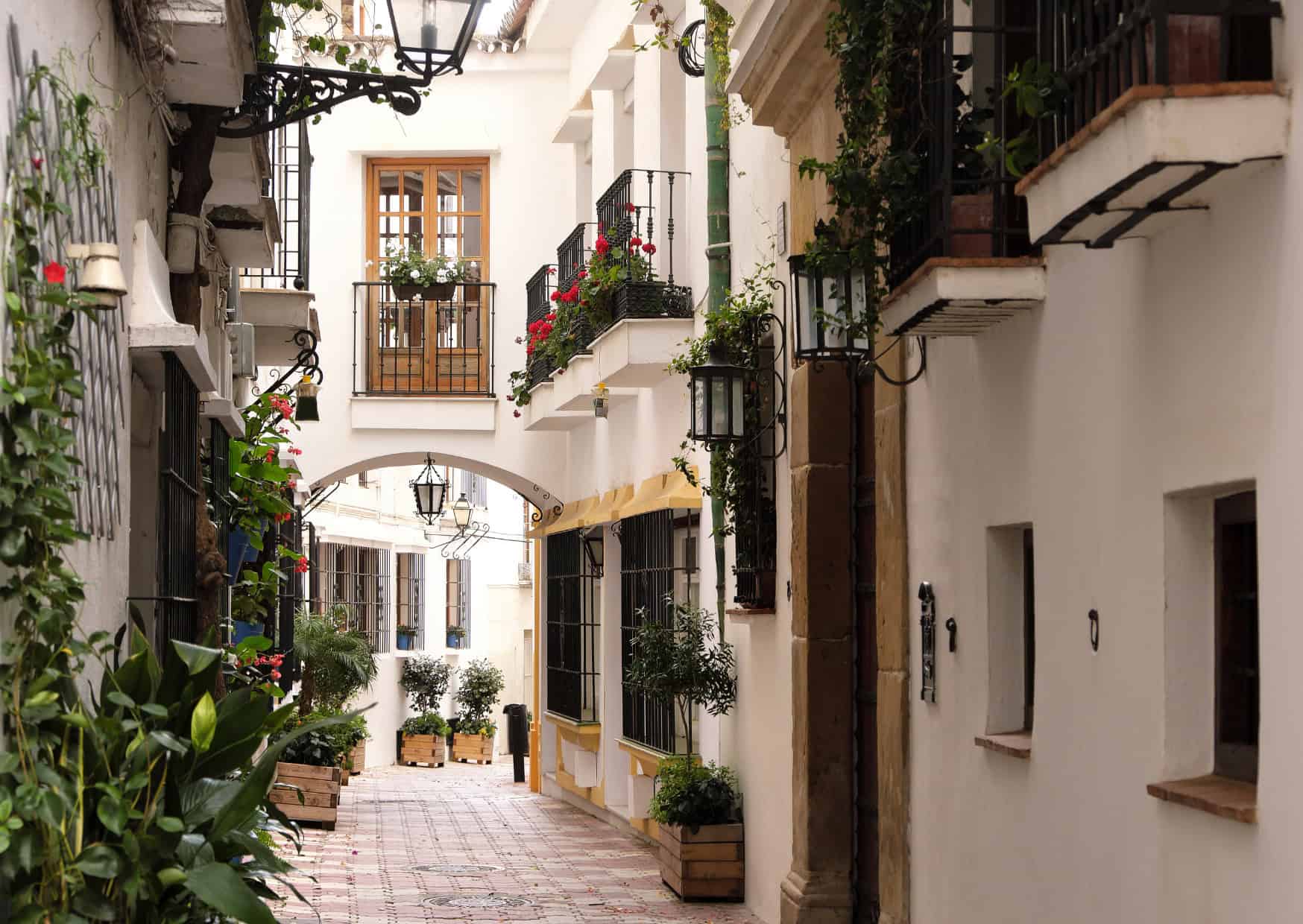
Americans might think siesta is a cliché. Then they arrive in a small Spanish town, only to see shops close at 2 PM and streets go silent until 5 or 6 PM. You can’t even buy bread or a bottle of water during this midday lull.
The Local Reality
- Afternoon break: Some shops do reopen around 5 PM, then stay open until 8 or 9 PM.
- Family lunches: Locals might return home for a big midday meal with family, followed by a short rest.
- City life vs. small town: Big cities are evolving (some remain open midday), but small towns cling to tradition.
How to Adapt
- Plan errands around siesta—do your shopping in the morning or after 5 PM.
- Don’t panic if the pharmacy is closed at 3 PM. Wait until evening or next morning.
- Adopt the rhythm: eat a relaxing lunch, enjoy the slower pace—it’s part of small-town charm.
Bottom Line
Yes, it can frustrate Americans used to 24/7 convenience. But siesta is deeply cultural—flow with it, or you’ll be rattling a locked door in vain.
3. The Sunday Shutdown: Good Luck Finding an Open Grocery
Why Americans Are Floored
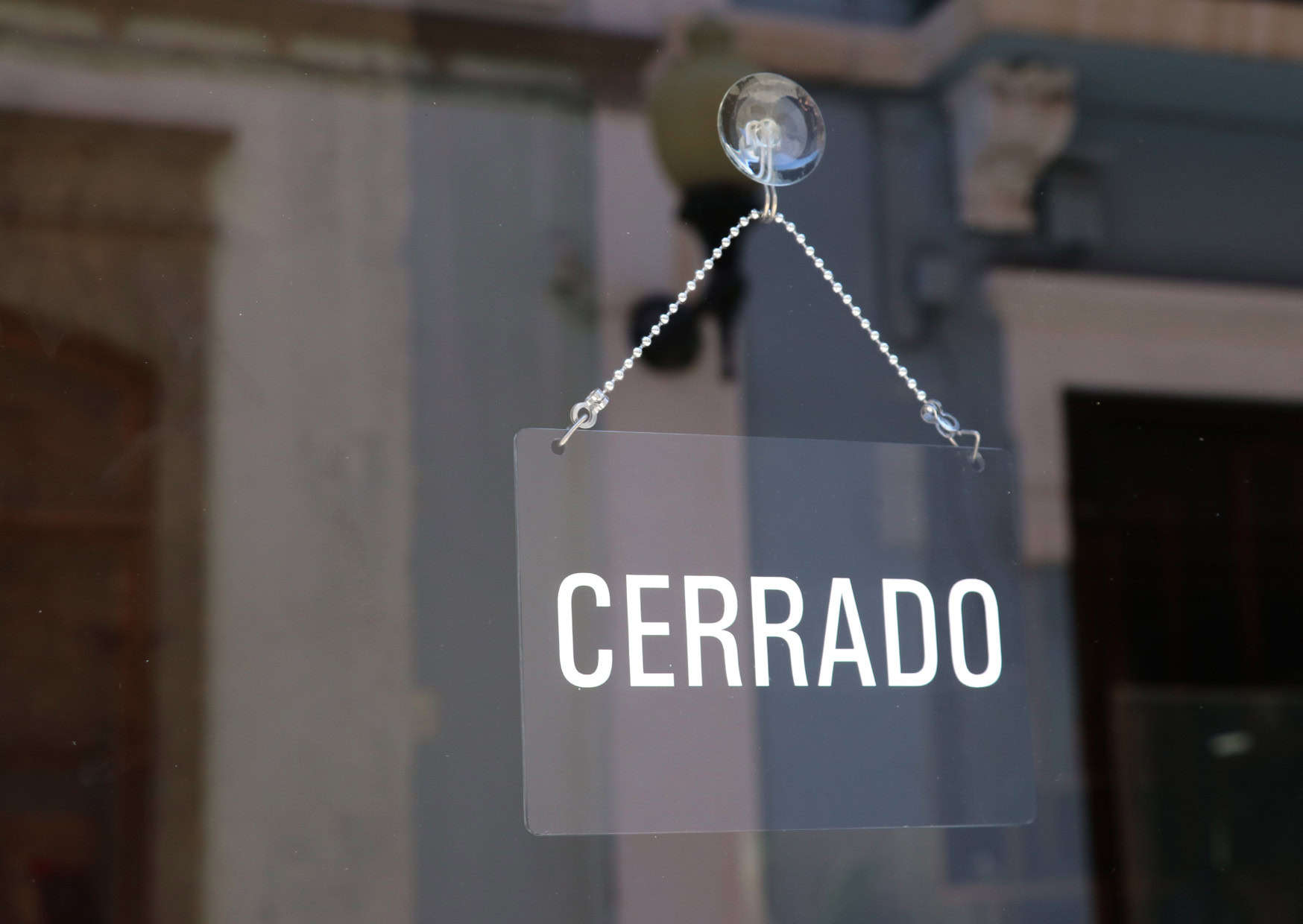
Stateside, Sunday can be major shopping or errand day. In Spanish villages, Sunday often means family time—most stores close, restaurants might open for lunch then shut early, and even gas stations can have limited hours.
What It Means for You
- Stock up on groceries Saturday, or you’ll face meager corner shops that might or might not be open.
- Social life: Families gather for big lunches, but shops are quiet or closed. Locals see Sunday as rest, not commerce.
- Religious background: Traditional Catholic norms still linger, designating Sunday for rest and worship, not shopping sprees.
How to Adapt
- Make Saturday your “errand day.” If you forget eggs or milk, you might be out of luck until Monday.
- Embrace Sunday’s calm. Walk around, join a local café if it’s open, or do a day trip if you can.
- If you truly need something, check if any local service station or 24-hour mini-market remains open (though rare in small towns).
Bottom Line
Yes, Americans might see Sunday closings as inconvenient. But in Spain’s small towns, Sunday is sacrosanct for rest—plan ahead or starve until Monday.
4. The Local Dialect or Accent Might Challenge Your “Classroom Spanish”
Why Americans Are Stunned
You studied Castilian Spanish in school, but land in rural Andalusia or Galicia and discover a new accent or even a local language variant (like Gallego, Euskera, or Catalan in some zones). Your ear might catch half the words—or none at all if it’s a full-on dialect.
Reality Check
- Regional pride: Many small towns speak their local dialect daily, especially among older generations.
- Rapid speech: Even standard Spanish can sound fast or slurred in certain regions, e.g., dropping consonants in southern Spain.
- Mixed usage: Locals might code-switch between Spanish and their dialect among themselves.
How to Adapt
- Accept some confusion—listen more at first.
- Ask polite clarifications: “¿Me lo puedes repetir?” or “¿Qué significa…?” People usually appreciate your effort.
- If you plan to stay long-term, pick up some local phrases. It endears you to neighbors.
Bottom Line
Yes, you might feel your Spanish “vanished.” But with time and effort, you’ll tune in, and locals love seeing foreigners embrace their unique dialect.
5. Festivals or Fiestas = Loud, All-Night Street Parties
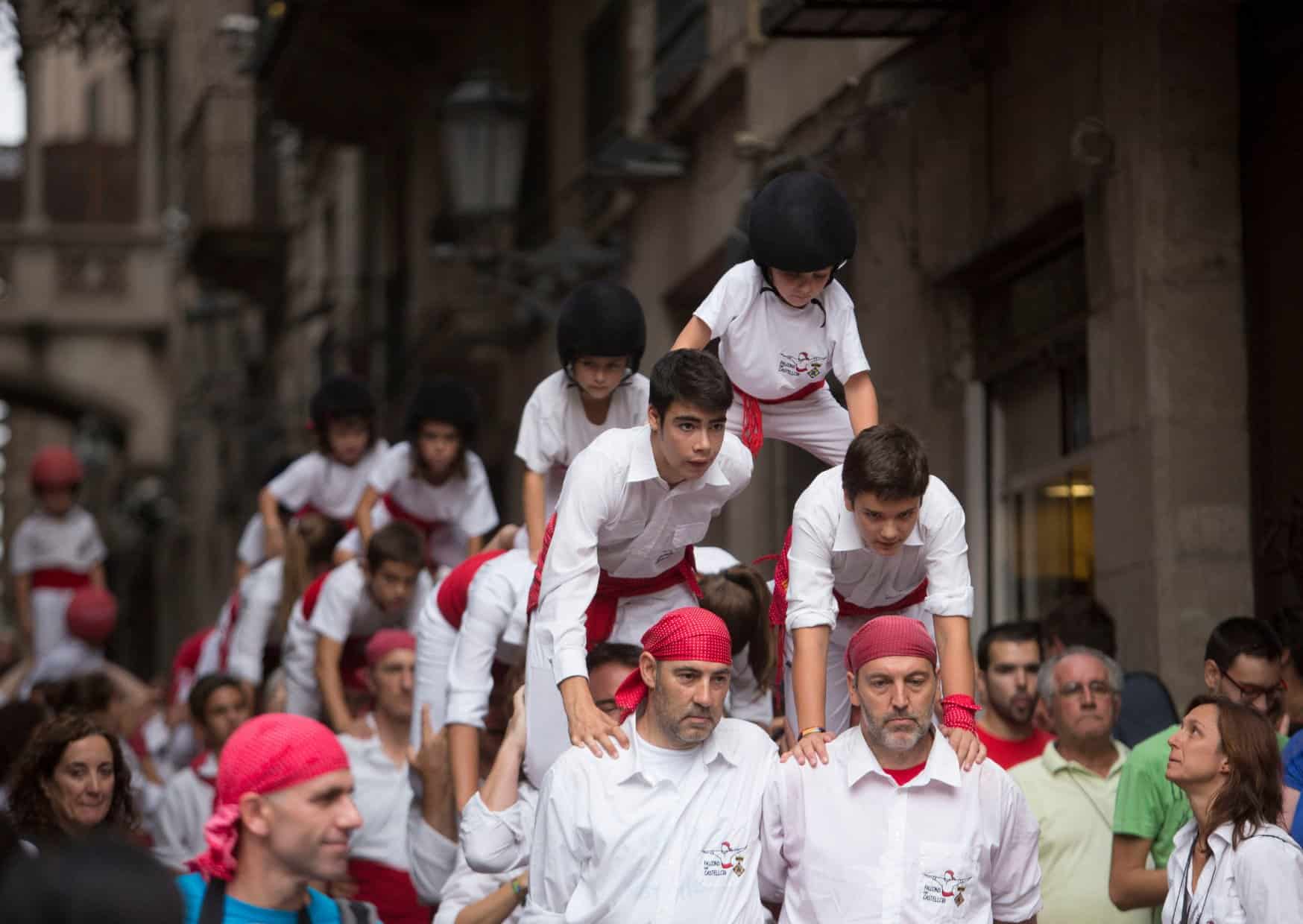
Why Americans Are Surprised
You might expect quaint local festivals—some music, maybe a parade, done by midnight. In a Spanish small town, “fiesta” can mean fireworks at 2 AM, live bands in the plaza, and dancing until sunrise.
Local Tradition
- Patron saint celebrations or harvest fiestas can stretch multiple days, with daily parades, bull runs (in some regions), or all-night open-air dances.
- Sleeping is optional if your apartment is near the main plaza. The entire village participates with full enthusiasm.
- The cofradías or local associations host these events, proud to show them off.
How to Adapt
- If you crave sleep, invest in earplugs or plan a weekend away during big fiestas.
- Join the fun—naps help sustain you for that 2 AM band performance.
- Accept that for those few nights, the entire town is alive, and complaining might label you a killjoy.
Bottom Line
Yes, it’s jarring if you value quiet nights, but “fiesta” is integral to Spanish communal life. Let loose once you realize how integral these celebratory marathons are to local identity.
6. Documents & Bureaucracy: “Tranquilo, Mañana” Attitude

Why Americans Are Frustrated
Americans used to quicker services can find small-town Spanish bureaucracy astoundingly slow. Applying for residency or hooking up utilities might require multiple visits, stamps, or the signature of someone who’s only in on Tuesdays from 10–12.
The Local Mindset
- Papeleo (paperwork) is notoriously labyrinthine in Spain. In small towns, the official might also be your neighbor, but they still follow procedures to the letter.
- “Tranquilo, mañana” means “Relax, tomorrow,” not literal 24-hour wait. It can mean indefinite waits.
- People don’t see the rush—life is about patience and relationships.
How to Adapt
- Prepare extra copies of every document. Expect to revisit the same office.
- Bring a friendly attitude—shouting or demanding speed might backfire.
- If you can, find a local “fixer” or friend who knows the system—connections can smooth the process.
Bottom Line
Yes, Americans can go nuts over slow admin. But in Spanish small towns, a relaxed approach is key. Lean into it or risk constant frustration.
7. Instant Friendships? Not Exactly

Why Americans Are Caught Off-Guard
In big cities like Madrid, you can find international meetups or quick coffee invites. Small towns revolve around longstanding ties—neighbors who grew up together, families spanning generations. You can feel like an outsider for a while.
Local Social Circles
- Some claim “everyone’s a cousin or old classmate.” Breaking in might require a mutual friend or shared hobby.
- They might be friendly—but real acceptance into the “friend group” takes repeated interactions and trust building.
- If you see them daily at the local café or grocery store, they warm up eventually.
How to Adapt
- Patience. Keep showing up at community events—offer to help with local festivals or volunteer groups.
- Learn names, greet people. Over time, you become part of the daily backdrop, and invitations might trickle in.
- Don’t take initial aloofness personally. They’re just not used to new faces who plan to stay.
Bottom Line
Yes, forging deeper ties is a slow burn. But once you’re in, you might find life-long loyalty in these tight-knit communities.
Conclusion: Embrace the Idiosyncrasies for a Richer Life
Moving to a Spanish small town can feel like stepping into a parallel dimension—siestas shutter the place at midday, gossip spreads at lightning speed, and local festivals blow up your weekend sleep. Bureaucracy crawls, personal space is minimal, and forging new friendships can be painstakingly slow.
Yet this slower pace and communal atmosphere can also be profoundly rewarding. If you adapt—accept Sunday shutdowns, grab those house slippers at a friend’s home, stay out for midnight fiestas—you’ll discover an authenticity that’s harder to find in big tourist zones. Over time, you’ll see that Spanish small-town life might be the warmest, most engaging community you’ve ever joined—once you crack its quiet shell.
Pro Tip
Before relocating, do a trial run of a few weeks or months—test the siesta schedules, the local dialect, the Sunday closures, the festival nights. Talk to locals, maybe buy them a round at the local bar, and watch how these “obstacles” transform into cherished traditions. After all, life in a Spanish small town is about community, tradition, and a pace that values living well over living fast. Disfruta (enjoy)!

About the Author: Ruben, co-founder of Gamintraveler.com since 2014, is a seasoned traveler from Spain who has explored over 100 countries since 2009. Known for his extensive travel adventures across South America, Europe, the US, Australia, New Zealand, Asia, and Africa, Ruben combines his passion for adventurous yet sustainable living with his love for cycling, highlighted by his remarkable 5-month bicycle journey from Spain to Norway. He currently resides in Spain, where he continues sharing his travel experiences with his partner, Rachel, and their son, Han.