
Why Bali Matters
Bali is globally adored for its stunning rice terraces, beaches, and temples. But underneath the paradise image lies a deeply spiritual society tied to Balinese Hinduism, with strict customs around sacred places and ceremonial life. Many visitors—especially first-timers—unwittingly trample on these norms, sparking frustration or outright anger from locals. Below are 7 religious faux pas that can outrage Balinese communities, plus tips on how to avoid them and respect the island’s rich spiritual heritage.
Hungry for More Cultural Insights?
– 7 Ways You’re Insulting Europeans Without Even Realizing It
– 9 Euro Customs That Are Total Tourist Traps
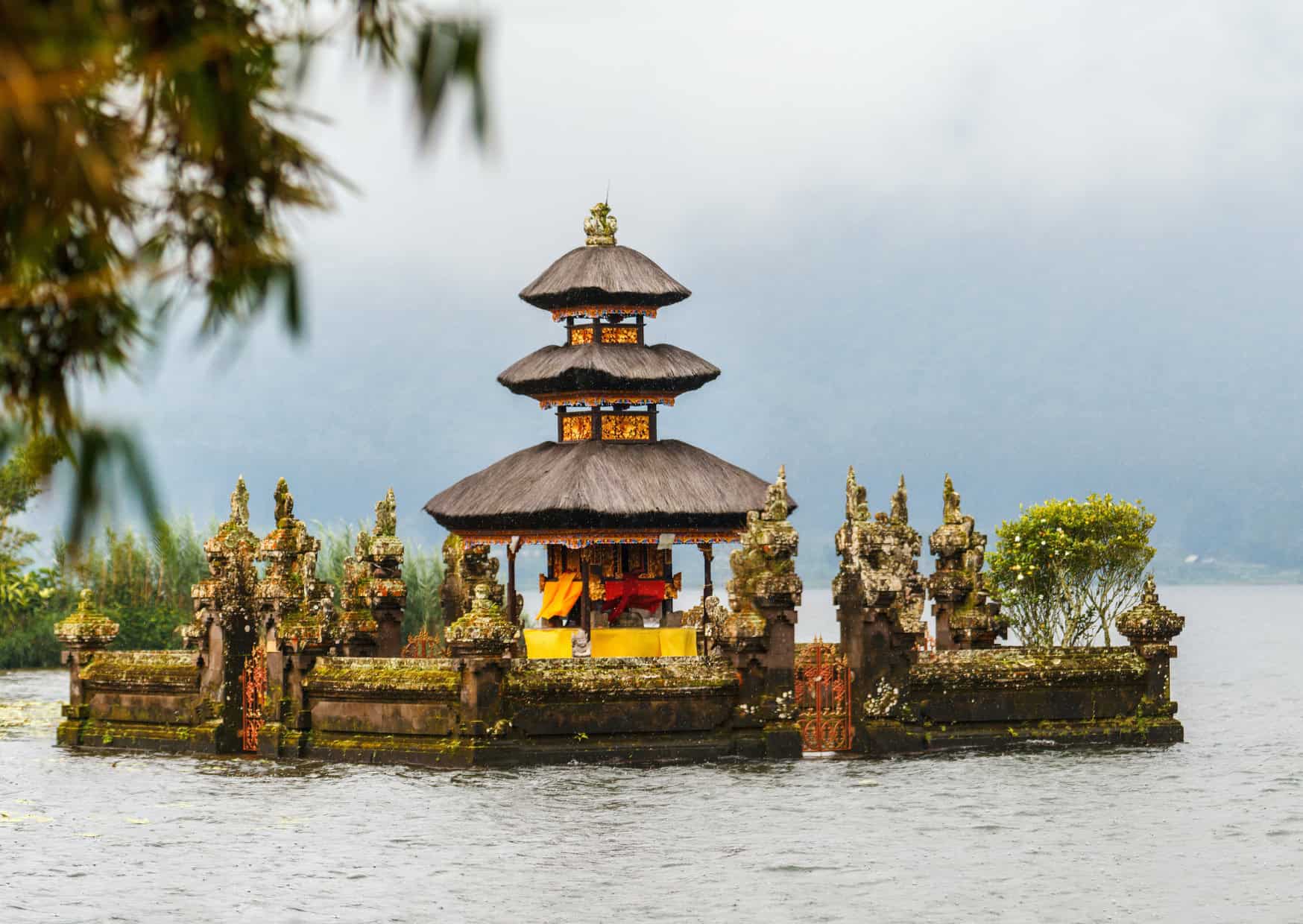
1. Entering Temples Without Proper Attire
Why Tourists Break It
Visitors might show up in tanks, shorts, or revealing beachwear, thinking “It’s hot, I’m on vacation!” They see majestic temples, assume it’s fine to wander in. But Balinese temple rules demand modesty—covering shoulders, wearing a sarong—and ignoring this can be seen as a blatant lack of respect.
What Locals Expect
- Sarong and sash: Typically wrapped around your waist and hips.
- Covered shoulders: T-shirts or short-sleeved tops are okay, but no strappy tanks.
- No tight or see-through clothing: Basic courtesy in a sacred space.
- Remove footwear in certain temple sections.
How to Adapt
- If you’re temple-hopping, keep a light sarong in your bag. Some temples rent or lend them, but it’s best to have your own.
- If you only have sleeveless tops, bring a shawl to cover shoulders.
- Follow posted signs or watch how locals dress—observe before you enter.
Bottom Line
Yes, it’s warm. But for the Balinese, temples are spiritual epicenters. Inappropriate attire is read as insulting the gods and their rituals—a big no.
2. Ignoring “Menstruation Restrictions”

Why Tourists Break It
Many women travelers have no idea that menstruating females are traditionally forbidden from entering certain temple areas or participating in rites. They might see no posted sign, or think it’s an outdated rule that no one enforces.
What Locals Believe
- Balinese Hinduism deems certain rites or spaces impure for menstruating women—blood is considered unclean in sacred contexts.
- It’s about preserving the temple’s sanctity, not about discriminating. The custom is deeply woven into ceremonies.
How to Adapt
- If you’re menstruating, consider skipping key temple ceremonies or inner sanctums. Some large temples post discreet notices.
- If in doubt, politely ask a local or guide. They might gently confirm it’s best not to enter.
- Accept that local beliefs differ—respect is crucial. Publicly challenging them can spark tension.
Bottom Line
Yes, from a modern perspective it might feel outdated. But in Bali this taboo remains strong—breaking it can genuinely outrage devout locals who see it as spiritual contamination.
3. Disrespecting Ceremonial Offerings (Canang Sari)
Why Tourists Break It
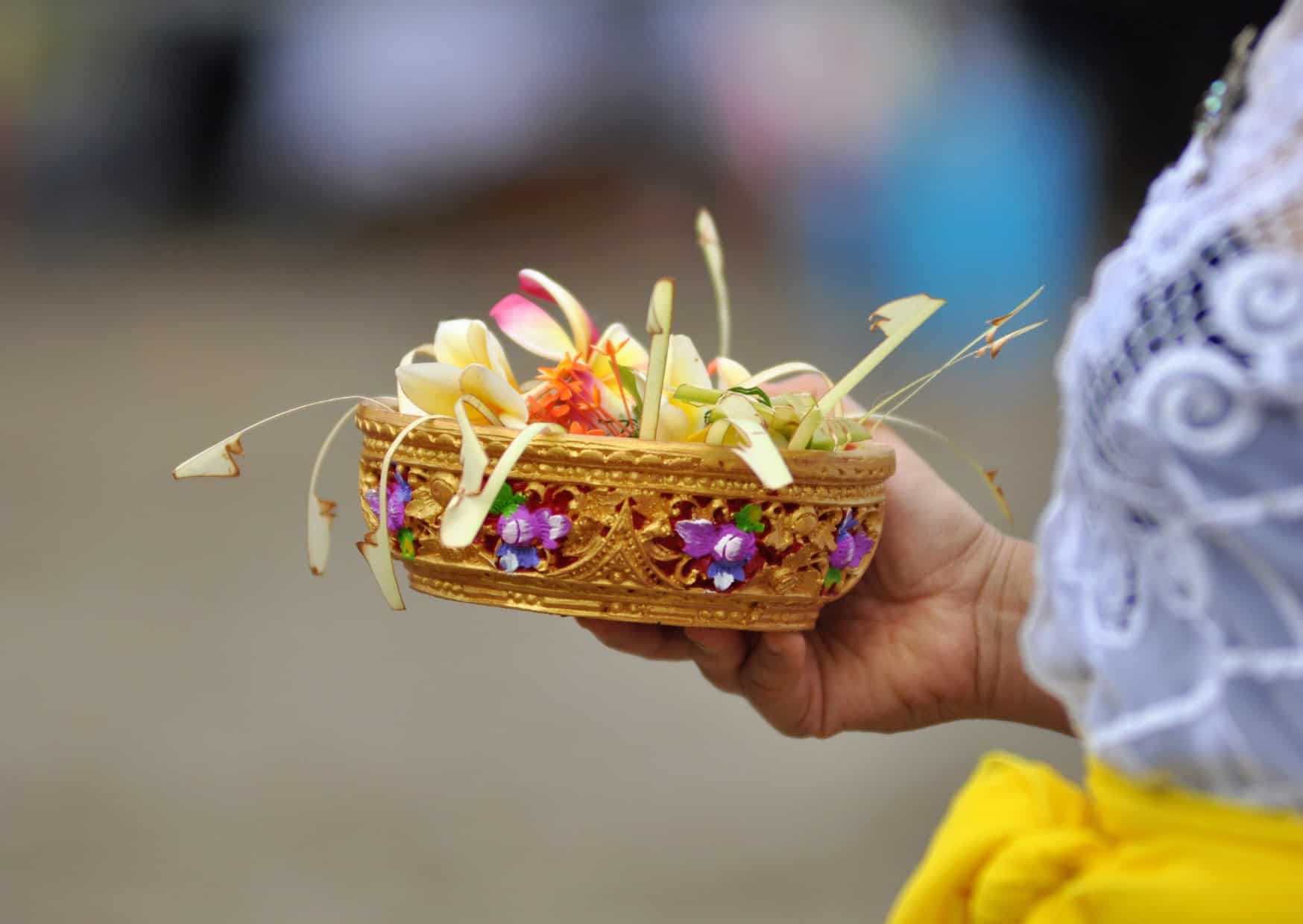
You see small woven palm leaf trays with flowers, rice, incense on sidewalks, shop entrances, or beaches—offerings placed by Balinese daily. Tourists might step on them inadvertently, or pick them up to inspect. Some might even move them out of the way for a photo op.
What Locals Expect
- Offerings, known as canang sari, are daily devotions to maintain harmony between humans and the divine.
- They’re not decorations; each tray has spiritual significance.
- Even if they’re in your path, you’re meant to walk around or step carefully (though accidental stepping is forgiven if truly unintentional).
How to Adapt
- Keep your eyes peeled for offerings on sidewalks—walk around them.
- Never throw them out or relocate them unless they’re truly obstructing and a local says it’s okay.
- If you accidentally kick one, apologize if a local sees it. They typically understand but appreciate the remorse.
Bottom Line
Yes, they might appear small or trivial, but canang sari are core to Balinese Hindu practice—treat them gently and you’ll show real cultural respect.
4. Photographing Ceremonies Without Permission
Why Tourists Break It
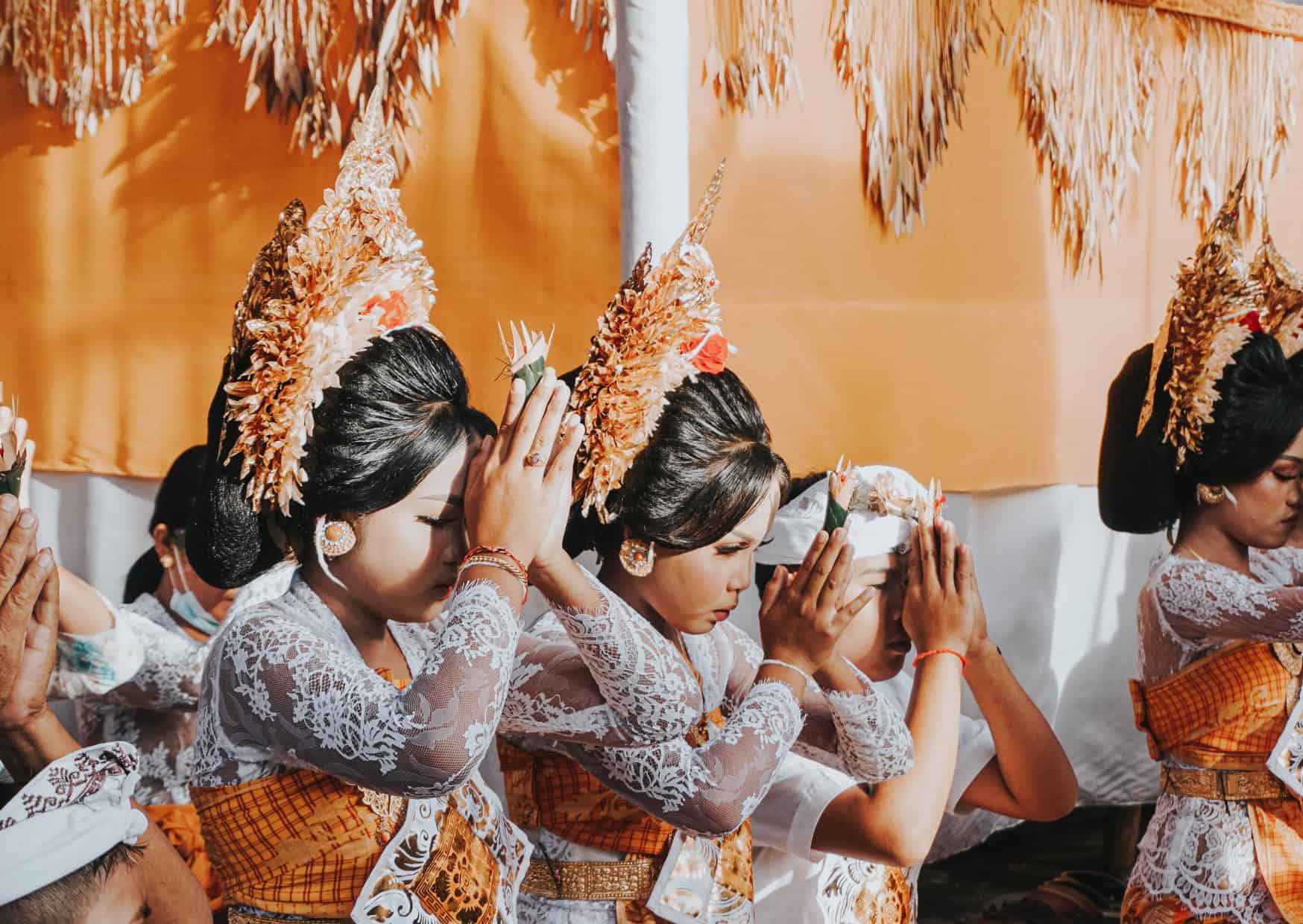
Bali’s ceremonies are colorful and mesmerizing. Tourists hungry for Instagram shots might barge into processions or temple festivals, snapping away without asking. Some might even get up close to priests or worshippers mid-prayer, disturbing the ritual’s flow.
What Locals Expect
- Ceremonies are sacred events, not tourist spectacles.
- People prefer you keep a respectful distance—don’t stand in the middle of the parade route or block worshippers for your perfect photo.
- Some might be okay with pictures if you ask politely, but others see it as intrusive.
How to Adapt
- Observe from the sidelines first. If you spot a local official or participant, ask if photos are allowed.
- No flash photography when people are in deep prayer—it’s disruptive.
- If the vibe feels private or you sense tension, put the camera away. Sometimes memory is better than an intrusive snapshot.
Bottom Line
Yes, the visuals are stunning, but to Balinese locals, ceremonies aren’t tourism attractions—they’re living spirituality. Overstepping that boundary can spark anger or heartbreak.
5. Climbing Temple Structures for Selfies
Why Tourists Break It
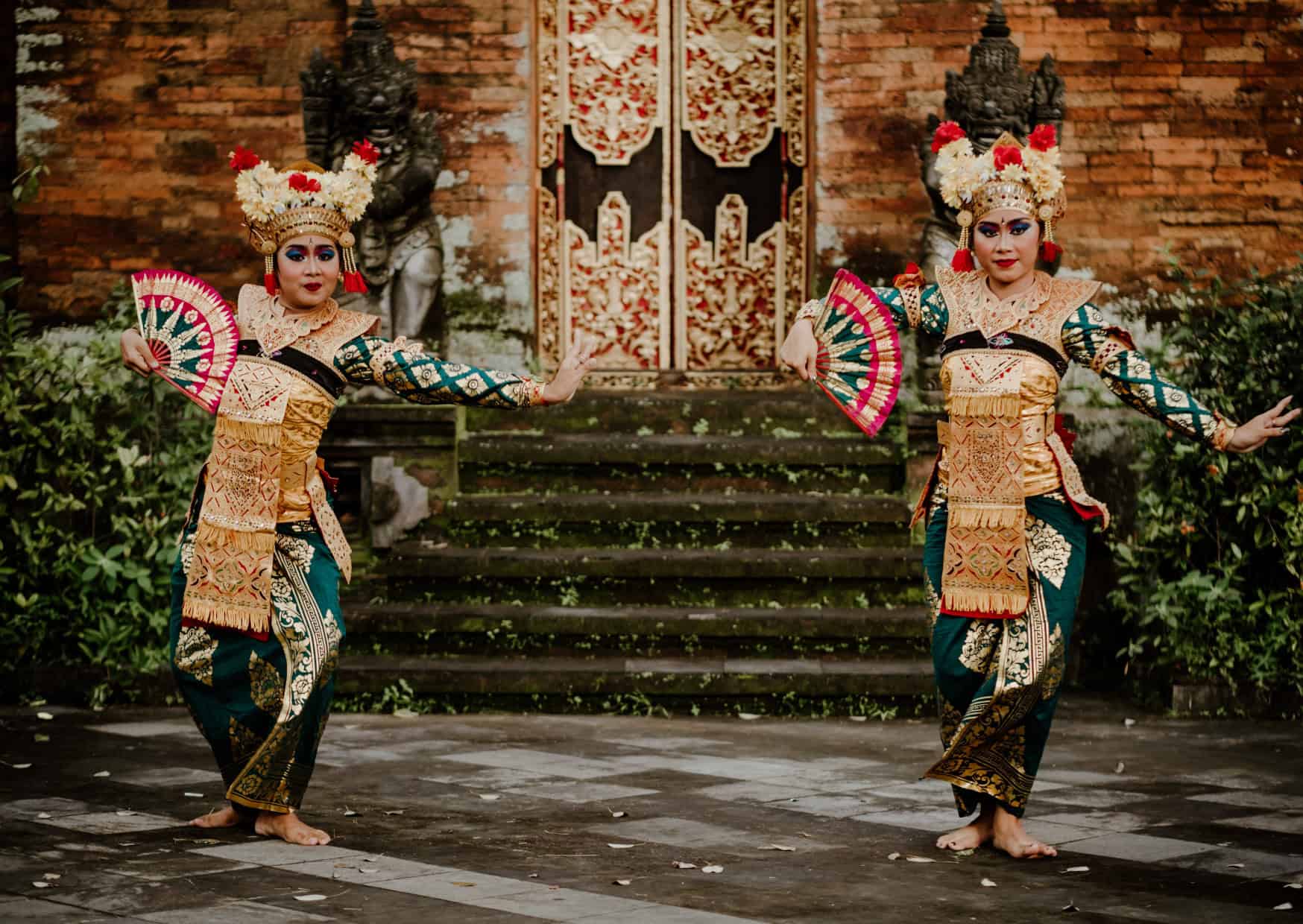
In some Western attractions, climbing onto ruins or stepping on certain structures might be normal for vantage shots. In Bali, tourists see majestic temple gates or altars and attempt to pose on top—some influencers treat them like just another photo prop.
What Locals Expect
- Many temple areas are strictly off-limits to step or climb. Altars or shrines are where deities are believed to reside.
- Even temple gates can be symbolic thresholds, not random backgrounds for a photoshoot.
- If in doubt, locals want you to stay on designated paths or common vantage points.
How to Adapt
- Always confirm if you can stand on or near a structure. A quick “Boleh?” (Is it allowed?) or gesture goes far.
- If you see a “no entry” sign, obey it. These boundaries protect spiritual sanctity.
- Resist the influencer urge to do a “dramatic stand on the gate” shot. That can deeply offend worshippers.
Bottom Line
Yes, it might look gorgeous, but some surfaces or altars are sacred. Disrespecting them for a photo op is a surefire way to earn local outrage.
6. Wearing Revealing Beachwear Near Temples

Why Tourists Break It
Bali’s beaches are close to villages or temples. Tourists might roam from beach to a nearby temple in bikinis or shirtless. Or walk around local shops wearing just swim trunks. Locals see it as too exposed near sacred spots or community areas.
What Locals Expect
- Outside the beach zone, dress modestly—cover shoulders, midriff, thighs if you’re near a temple or local settlement.
- Bathing suits are for the beach only, not for strolling around markets or temple courtyards.
- If uncertain, observe local attire or carry a quick cover-up.
How to Adapt
- Bring a simple sarong or t-shirt if you plan to explore beyond the sand.
- If a temple is visible, ensure you’re decently dressed to avoid stares.
- Some beachside cafés might be okay with minimal attire, but watch for signs or cues—some are more conservative, especially in less touristy zones.
Bottom Line
Yes, it’s a warm tropical island, but modest dressing near spiritual sites is non-negotiable. The boundary between beach and temple can be literal or symbolic—cover up out of respect.
7. Touching Sacred Objects or Using Flash in Sacred Dance Performances
Why Tourists Break It
During Barong or Kecak dances, some visitors step closer to the stage, flash photos or attempt to touch costumes or masks. They see it as interactive entertainment. In reality, these costumes and masks can be spiritually consecrated items, not just props.
What Locals Expect
- Traditional dance costumes may hold ritual significance—like the Barong representing protective spirits.
- Dancers are in a sacred performance zone—interruptions or physical contact can break the ritual.
- Cameras are often welcome if done quietly from the audience, but not an intrusive free-for-all.
How to Adapt
- Watch from a respectful distance—no touching masks, fabrics, or dancers unless specifically invited post-performance.
- If you see local photographers or staff, follow their lead on vantage points.
- If the environment says no flash, abide. Some dances occur in low light for ambiance, and flash can ruin the atmosphere or distract performers.
Bottom Line
Yes, it’s visually stunning, but treat these performances as part of Balinese spirituality, not a casual show. Overstepping personal or sacred boundaries can quickly anger locals.
Conclusion: Embrace Bali’s Sacred Spaces, Don’t Trample Them
From wearing a sarong in temples to learning how not to step on daily canang sari offerings, Bali’s religious customs run deep, sustaining a harmony they’ve cultivated for centuries. While it might look like paradise, that paradise is underpinned by strict community respect and spiritual diligence. If you adapt to no direct temple climbing, no mid-ceremony photos, no half-naked strolls near shrines, you’ll earn Balinese warmth rather than outrage.
Pro Tip
Before exploring a pura (temple) or witnessing a ceremony in Bali, do a quick check of local guidelines—dress codes, photography rules, and whether visitors are allowed at all. This small effort shows genuine respect, letting you witness the island’s magic without accidental disrespect. After all, Bali’s charm lies not just in beaches or temples, but in a society where every gesture is steeped in cultural grace. Selamat jalan! (Safe travels!)

About the Author: Ruben, co-founder of Gamintraveler.com since 2014, is a seasoned traveler from Spain who has explored over 100 countries since 2009. Known for his extensive travel adventures across South America, Europe, the US, Australia, New Zealand, Asia, and Africa, Ruben combines his passion for adventurous yet sustainable living with his love for cycling, highlighted by his remarkable 5-month bicycle journey from Spain to Norway. He currently resides in Spain, where he continues sharing his travel experiences with his partner, Rachel, and their son, Han.