
Ecuador, a small yet diverse country in South America, is known for its breathtaking landscapes, welcoming people, and rich traditions. However, like any culture, Ecuador has its own set of unspoken rules and customs that visitors may find surprising or confusing.
Understanding these unspoken rules will not only help you avoid awkward moments but also deepen your connection with Ecuador’s people and culture. By showing respect for local customs and traditions, you’ll experience the warm hospitality that makes Ecuador such a special destination.
Here are the 15 unspoken rules of Ecuadorian life that every traveler should know to navigate the country like a local.
Read here 2 Weeks in South America Itinerary, what to wear in Ecuador and how to get from Quito airport to city center.
Read here Ecuadorian food, best restaurants in Quito, Ecuadorian drinks, budget travel in Ecuador and Ecuador backpacking guide.
Unspoken Rules of Ecuadorian Life
1. Greetings Are a Big Deal
Why It Matters:
Ecuadorians place a lot of importance on greetings, whether you’re meeting someone for the first time or passing by a stranger. Proper greetings reflect respect and friendliness.
What to Do:
Greet with “Buenos días” (Good morning), “Buenas tardes” (Good afternoon), or “Buenas noches” (Good evening) depending on the time of day.
In informal settings, men shake hands, while women greet with a kiss on the right cheek (or an air kiss).
2. Don’t Show Up Exactly on Time
Why It Matters:
Punctuality in Ecuador, especially for social gatherings, is more relaxed than in the U.S. Being a bit late is the norm.
What to Do:
Arrive 15–30 minutes late for casual events.
For business meetings or formal appointments, aim to be on time or slightly early.
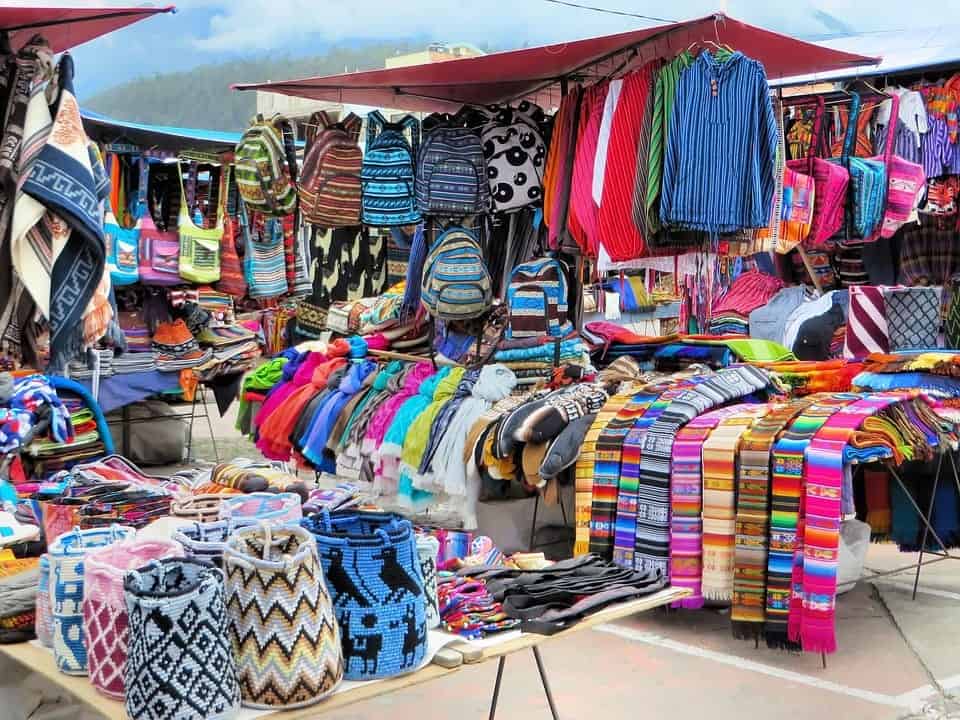
3. Bargaining Is Common in Markets
Why It Matters:
Local markets in Ecuador are vibrant hubs for shopping, and bargaining is a normal part of the experience.
What to Do:
Politely negotiate prices, especially at artisanal markets like Otavalo.
Start with a respectful offer, and don’t lowball too much.
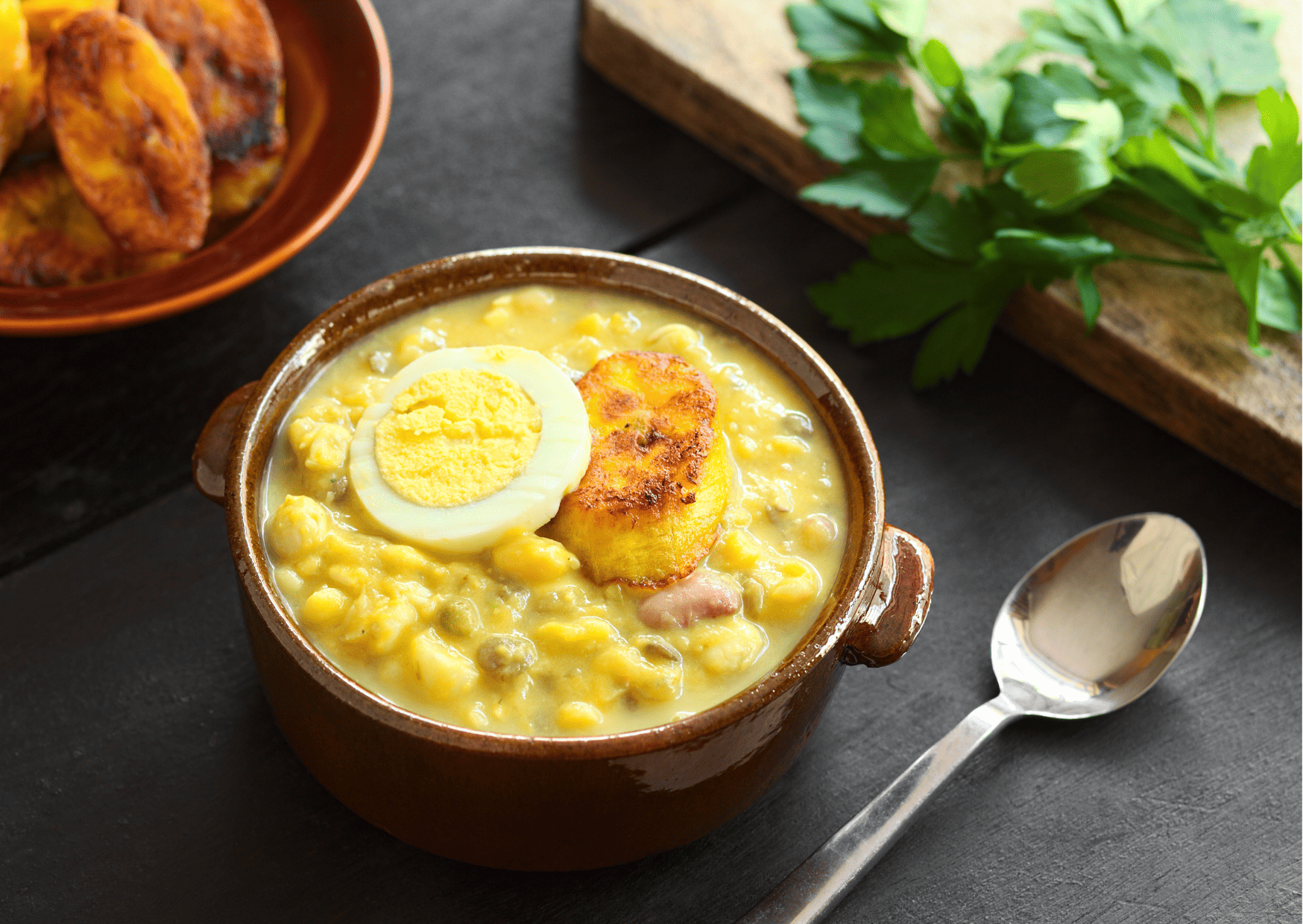
4. Always Say “Buen Provecho” Before Eating
Why It Matters:
Ecuadorians use “Buen provecho” (Enjoy your meal) as a way to show politeness and wish others a good meal.
What to Do:
Say it to your dining companions before starting your meal.
If someone says it to you, reply with a smile and a simple “Gracias.”
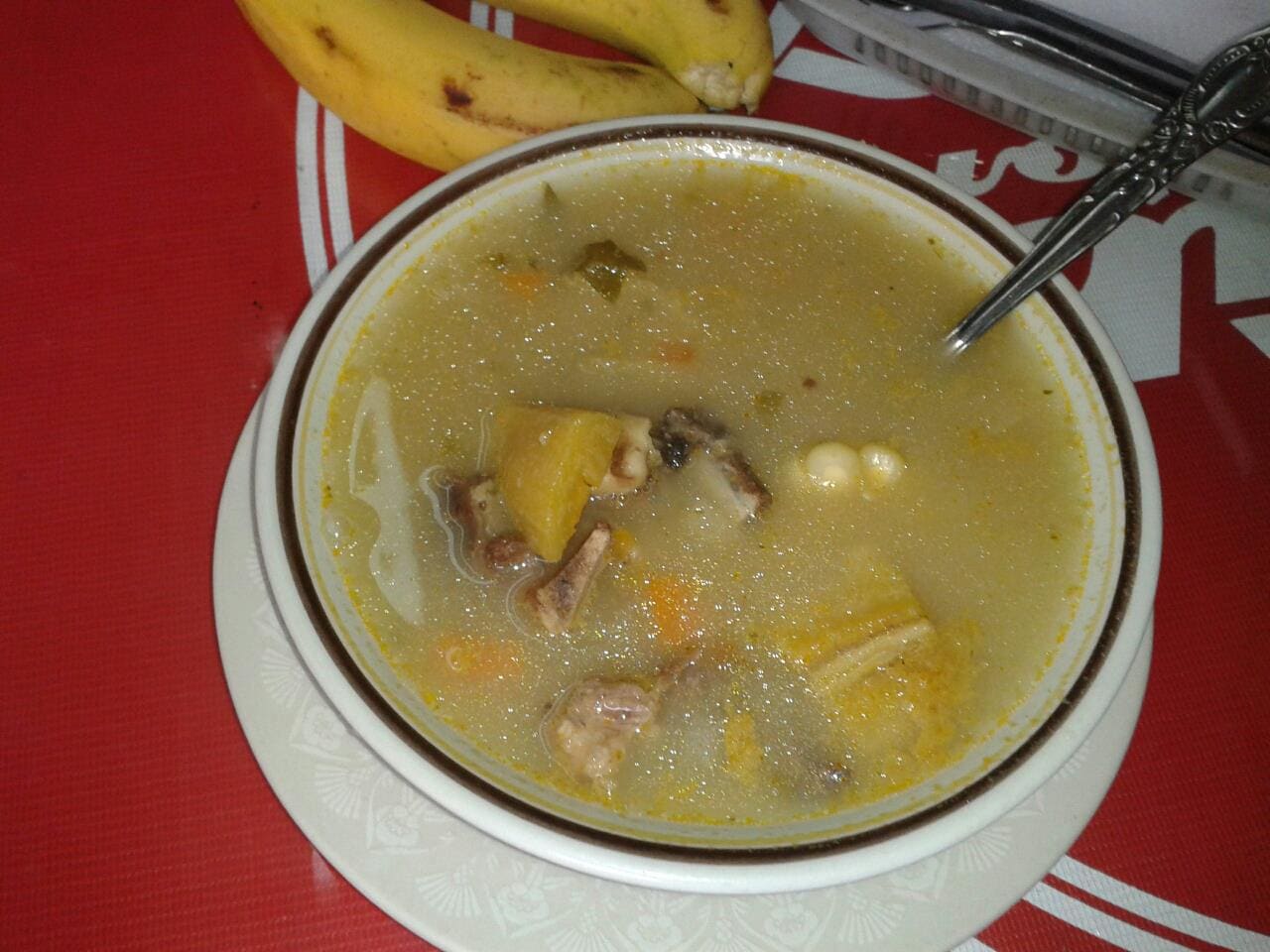
5. Respect Lunch as the Main Meal
Why It Matters:
In Ecuador, lunch (almuerzo) is the most important meal of the day, often lasting an hour or more. This is a time for families or coworkers to gather and relax.
What to Do:
Don’t expect locals to rush through lunch—it’s a sacred time.
Many restaurants offer affordable almuerzos, which are multi-course meals.
6. Avoid Tossing Toilet Paper in the Toilet
Why It Matters:
The plumbing in Ecuador is not designed to handle toilet paper, especially in older buildings and rural areas.
What to Do:
Use the small bin provided in bathrooms to dispose of used toilet paper.
This rule applies even in many upscale establishments.
7. Expect a Slow Pace of Life
Why It Matters:
Ecuadorians prioritize relationships and a relaxed lifestyle over strict adherence to schedules.
What to Do:
Be patient with delays, whether it’s public transport or business dealings.
Use the slower pace as an opportunity to connect with people and enjoy the moment.
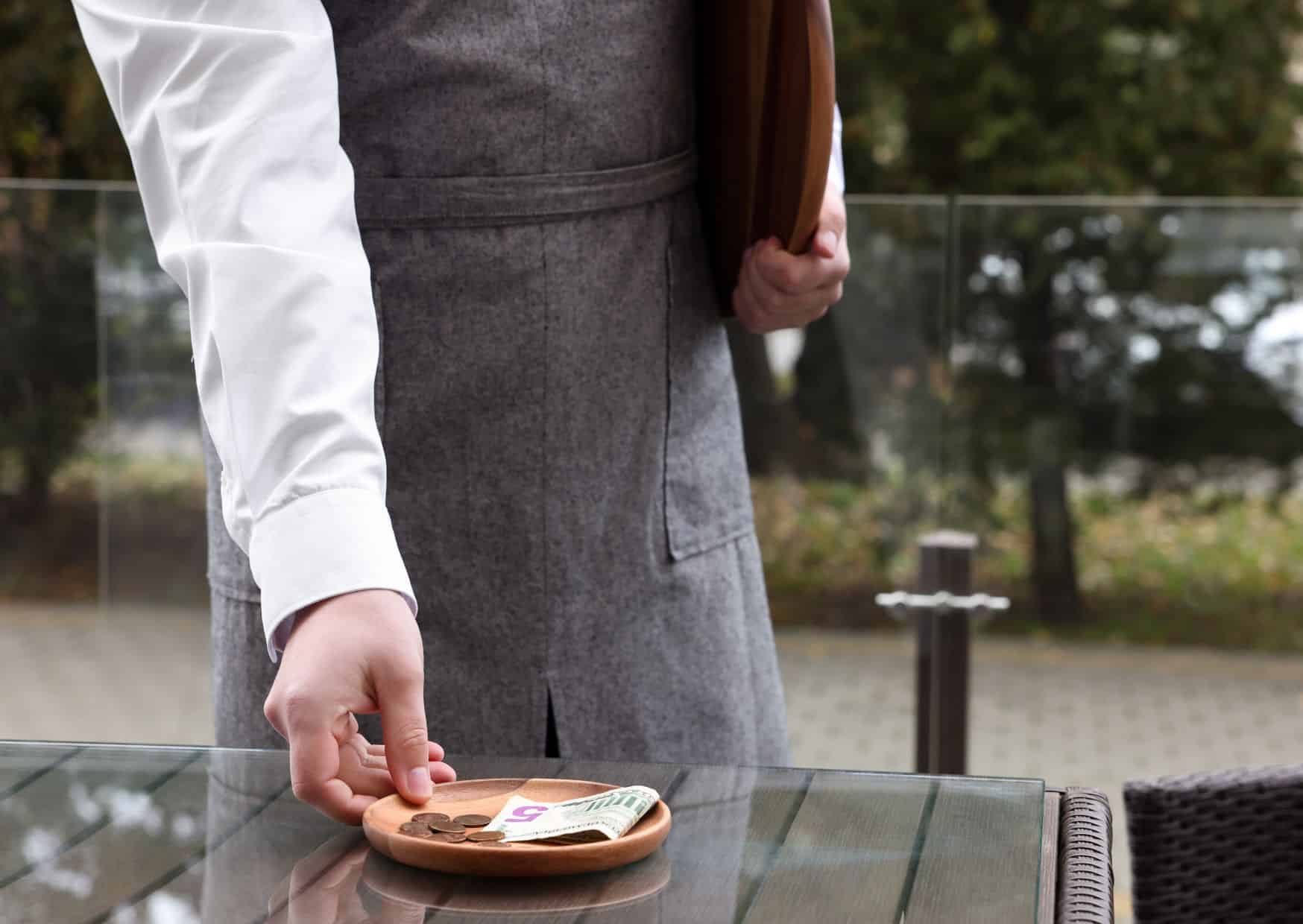
8. Tipping Is Minimal
Why It Matters:
Tipping is not as ingrained in Ecuadorian culture as it is in the U.S., but small tips are appreciated.
What to Do:
At restaurants, tip 5–10% if service isn’t included.
For taxis, it’s common to round up to the nearest dollar.
9. Respect Traditional Customs and Dress
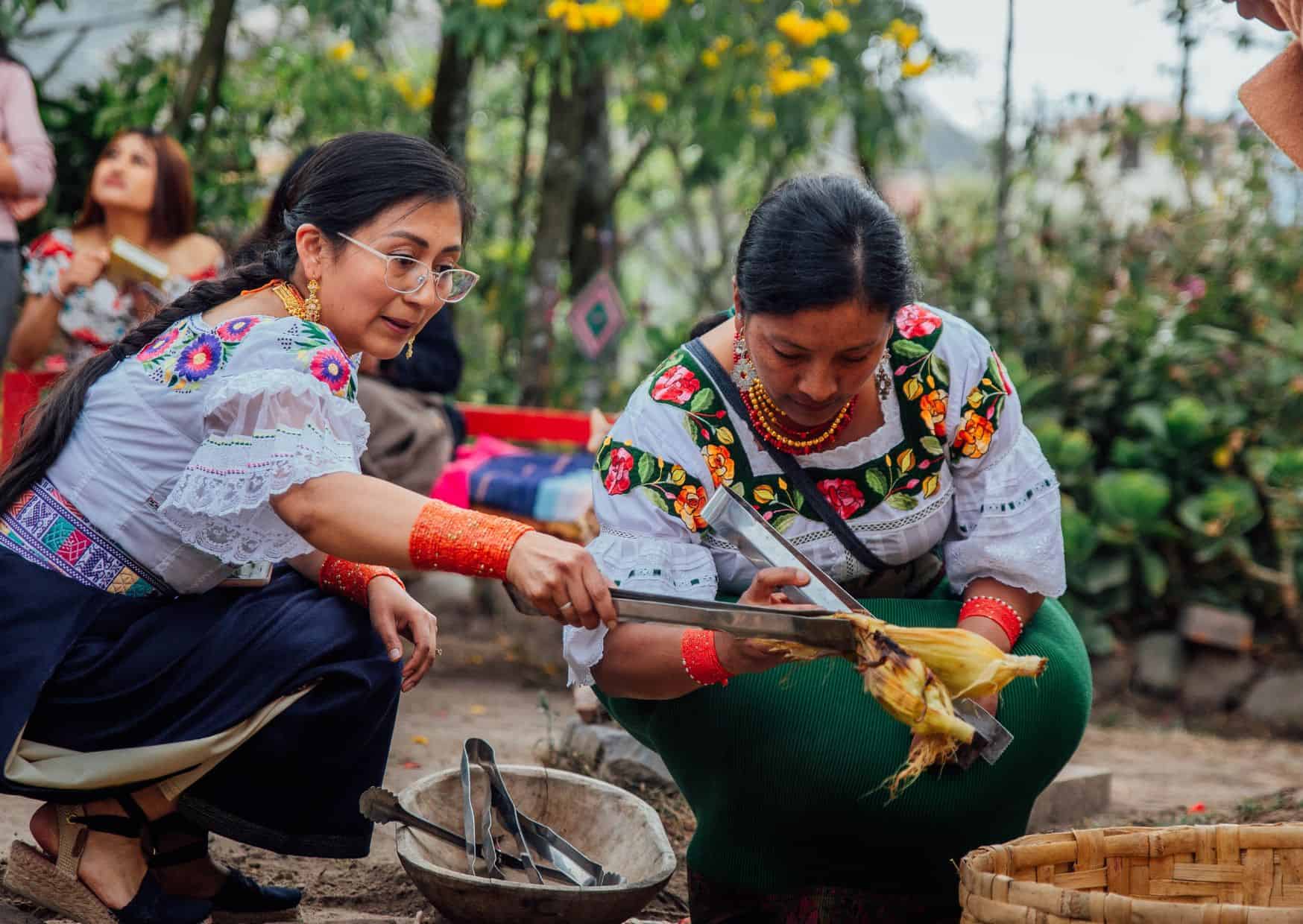
Why It Matters:
Many indigenous communities in Ecuador, such as the Otavalo or Saraguro, have their own customs and traditional attire that they take pride in.
What to Do:
Avoid taking photos of indigenous people without asking for permission first.
Show respect for local traditions and ceremonies by observing quietly.
10. Dress Modestly
Why It Matters:
Ecuadorians tend to dress modestly, even in warm weather. Wearing revealing or overly casual clothing can come across as disrespectful.
What to Do:
Wear comfortable yet conservative clothing, especially when visiting rural areas or religious sites.
Save beachwear for the coast or swimming pools.
11. Be Careful When Discussing Politics or Social Issues
Why It Matters:
Politics and social issues can be sensitive topics in Ecuador, especially regarding land rights, indigenous rights, or economic inequality.
What to Do:
If the topic arises, listen respectfully without taking a strong stance unless you’re well-informed.
Avoid making sweeping generalizations about Ecuador’s culture or government.
12. Use Formal Titles When Addressing People
Why It Matters:
Titles like “Señor” (Mr.), “Señora” (Mrs.), and “Señorita” (Miss) are used as a sign of respect.
What to Do:
Use formal titles unless invited to address someone by their first name.
In professional settings, titles like “Doctor” or “Ingeniero” (engineer) are commonly used.
13. Be Mindful of Public Displays of Affection
Why It Matters:
While some affection (like hand-holding) is fine, over-the-top displays can make locals uncomfortable.
What to Do:
Keep public displays of affection moderate and discreet, especially in rural or conservative areas.
14. Show Enthusiasm for Ecuadorian Cuisine
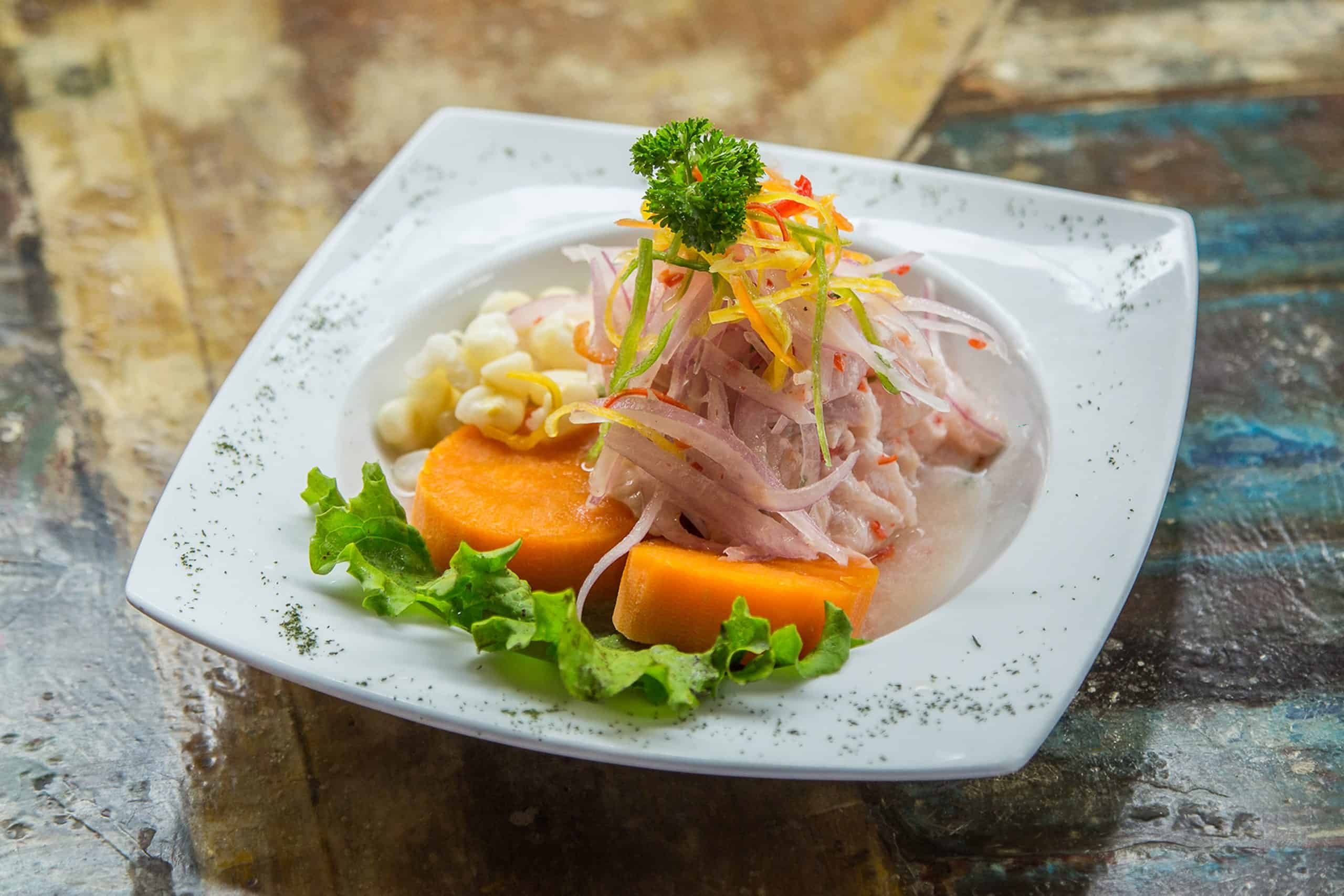
Why It Matters:
Food is an essential part of Ecuadorian culture, and locals take pride in their traditional dishes like ceviche, locro de papa, and empanadas.
What to Do:
Be open to trying local dishes, even if they seem unfamiliar.
Compliment the food to show appreciation for Ecuadorian hospitality.
15. Don’t Throw Away Small Coins
Why It Matters:
Ecuador uses the U.S. dollar, but small change (coins like dimes and nickels) is essential for everyday transactions.
What to Do:
Keep small coins handy for buses, taxis, and street vendors.
Avoid paying with large bills (like $20 or $50) unless absolutely necessary, as many vendors may not have change.

About the Author: Ruben, co-founder of Gamintraveler.com since 2014, is a seasoned traveler from Spain who has explored over 100 countries since 2009. Known for his extensive travel adventures across South America, Europe, the US, Australia, New Zealand, Asia, and Africa, Ruben combines his passion for adventurous yet sustainable living with his love for cycling, highlighted by his remarkable 5-month bicycle journey from Spain to Norway. He currently resides in Spain, where he continues sharing his travel experiences with his partner, Rachel, and their son, Han.