
Valentine’s Day, celebrated on February 14th, is a global occasion, but the way it’s marked varies significantly between Europeans and Americans.
While both cultures recognize the day as a celebration of love, their traditions, expectations, and levels of enthusiasm often differ. Here’s a breakdown of the key differences and unique customs.
Read Here European Things that terrify Americans and American Habits that make Europeans Cringe
Read here how to pack for Europe and Best eSIM for Europe
BOOK YOUR TRAVEL INSURANCE
Two of our favorite travel insurance: Heymondo Vs Safetwing cheapest travel Insurance. You can get for $135 USD your Heymondo Travel Insurance with Heymondo discount code valid for 90 days. Read our full comparison of Genki vs Safetywing Travel Insurance Review and the comparison Heymondo vs Genki
Tips for Celebrating Valentine’s Day While Traveling
Research Local Customs: Each country has its own Valentine’s Day traditions, so embrace them for an authentic experience.
Skip the Crowds: Consider celebrating at home or choosing a less touristy location for dinner.
Be Thoughtful, Not Flashy: No matter where you are, the best gift is one with meaning.
1. The Scope of the Celebration

In the USA:
Valentine’s Day is a massive celebration, often extending beyond romantic partners to include friends, family, and even co-workers.
Children exchange Valentine’s cards and candies in schools.
Commercialization is a big factor: chocolates, flowers, jewelry, cards, and stuffed animals dominate the holiday.
The day is often high-pressure, with big expectations for gifts, dates, and elaborate gestures.
In Europe:
Valentine’s Day is more romantic and reserved, focusing almost exclusively on couples.
Many Europeans see it as a personal and intimate occasion, with less emphasis on grand displays.
In some countries, the day isn’t widely celebrated or is overshadowed by local traditions.
2. Gifts and Gestures

In the USA:
Popular gifts include heart-shaped boxes of chocolates, bouquets of red roses, jewelry, and greeting cards.
Dining out at fancy restaurants or planning a surprise getaway is common.
Extravagance is encouraged, and “more is better” often applies.
In Europe:
Europeans tend to favor subtle and meaningful gifts over flashy displays.
Handwritten love notes, personalized gifts, or cooking a meal together are more typical.
Flowers are popular, but choices vary by country (e.g., tulips in the Netherlands, carnations in Spain).
3. Celebrations by Country in Europe

France – The “Country of Love”
Valentine’s Day is celebrated as a romantic holiday, often with candlelit dinners or short getaways.
Gifts are usually sentimental or luxurious—perfume, jewelry, or chocolates.
Love locks on bridges in Paris used to be popular, but they’ve been discouraged to protect historical sites.
Italy – A Day for Lovers
Valentine’s Day is all about romance, focusing on couples rather than other relationships.
Italians often exchange Baci chocolates (Italian hazelnut-filled kisses) or handwritten love letters.
Verona, the setting of Shakespeare’s Romeo and Juliet, holds a Valentine’s Festival every year.
United Kingdom – A Mix of Romance and Tradition
Valentine’s Day in the UK is celebrated with cards, flowers, and romantic dinners.
The British love classic Valentine’s Day cards, a tradition that originated here in the 18th century.
Germany – Sweet Gestures
Germans exchange chocolates, flowers, and heartfelt cards, but the holiday is not overly commercialized.
Pigs (symbols of luck and lust) appear in Valentine’s gifts, often in chocolate or figurine form.
Spain – Flowers and Flamenco
Valentine’s Day is celebrated primarily with flowers (red carnations are popular) and romantic dinners.
In Catalonia, Sant Jordi’s Day (April 23) is a bigger celebration of love, when couples exchange books and roses.
Denmark and Sweden – Simpler Celebrations
In Denmark, Valentine’s Day is marked with “snowdrops” (pressed white flowers) and Gaekkebrev (funny or romantic poems).
In Sweden, Alla Hjärtans Dag is celebrated with chocolates and flowers but is relatively low-key compared to other countries.
Poland – Spiritual and Romantic
Many couples visit the Church of St. Valentine in Chelmno, said to hold relics of the saint.
The day is marked with romantic gestures and church traditions.
Czech Republic – A Spring Affair
Valentine’s Day is gaining popularity, but May 1st is traditionally considered “Lovers’ Day”, when couples kiss under a cherry tree for good luck.
4. Dining Out and Celebrations
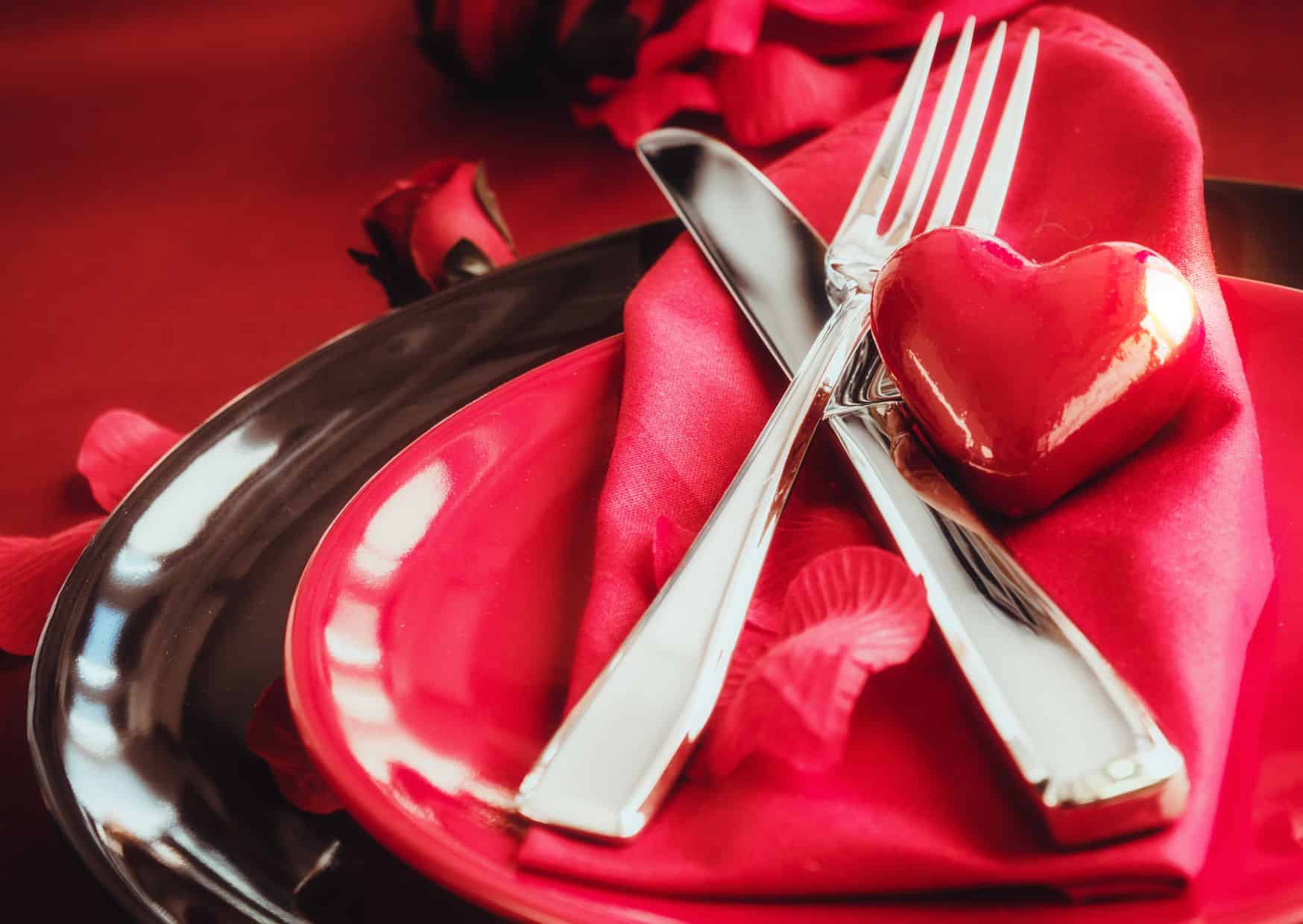
In the USA:
Restaurants are often fully booked, with special Valentine’s menus and elaborate settings.
Couples might also opt for extravagant date nights, like helicopter rides, spa retreats, or themed events.
In Europe:
Dining out is common, but it’s often a simple, cozy dinner at a favorite local restaurant rather than a flashy experience.
Cooking a romantic meal at home is just as popular in many European countries.
5. Commercialization
In the USA:
Valentine’s Day is heavily commercialized, generating billions in revenue from cards, flowers, and gifts.
Advertisements encourage people to spend big on grand gestures.
In Europe:
While commercialization exists, many Europeans see Valentine’s Day as less of a “consumer holiday”.
The emphasis is often on thoughtful, personal gestures rather than spending money.
6. How Singles Celebrate
In the USA:
Singles celebrate “Galentine’s Day” with friends or indulge in self-care.
Anti-Valentine’s Day events or parties are common.
In Europe:
Many European singles treat the day like any other, as Valentine’s Day isn’t as universal or high-pressure.
Some countries, like Finland, celebrate “Friendship Day” (Ystävänpäivä) instead, focusing on relationships beyond romance.
7. Key Differences

In USA they celebrate with romantic partners, friends and family with big focus on gifts, dining and decor.
The celebration is extravagant with grand gestures in packed restaurants and events. The gifts are chocolates, jewelry and stuffed animals.
In Europe they celebrate with romantic partners with quieter celebrations. The gifts are flowers, notes, or personalized gifts.
Final Thoughts: Valentine’s Day Europe vs. USA
Whether you prefer the over-the-top celebrations of the USA or the subtle, intimate traditions of Europe, both cultures offer unique ways to celebrate love. Americans often lean into big, extravagant gestures, while Europeans focus on small, thoughtful moments.

About the Author: Ruben, co-founder of Gamintraveler.com since 2014, is a seasoned traveler from Spain who has explored over 100 countries since 2009. Known for his extensive travel adventures across South America, Europe, the US, Australia, New Zealand, Asia, and Africa, Ruben combines his passion for adventurous yet sustainable living with his love for cycling, highlighted by his remarkable 5-month bicycle journey from Spain to Norway. He currently resides in Spain, where he continues sharing his travel experiences with his partner, Rachel, and their son, Han.