
Why Talk About It?
Over the last decade, Colombia has soared as a must-visit destination—Cartagena’s Caribbean allure, Medellín’s urban renaissance, and lush coffee regions fueling travelers’ wanderlust. But along with the hype, Americans bring outdated fears or stereotypes. Below are 8 wild misconceptions many first-time U.S. visitors hold, plus the reality locals live every day. If you plan a Colombian adventure, ditch these myths and embrace a more genuine approach.
Want More Travel Insights?
– 7 Ways You’re Insulting Europeans Without Even Realizing It
– 9 Euro Customs That Are Total Tourist Traps
1. It’s Dangerous Everywhere, All the Time
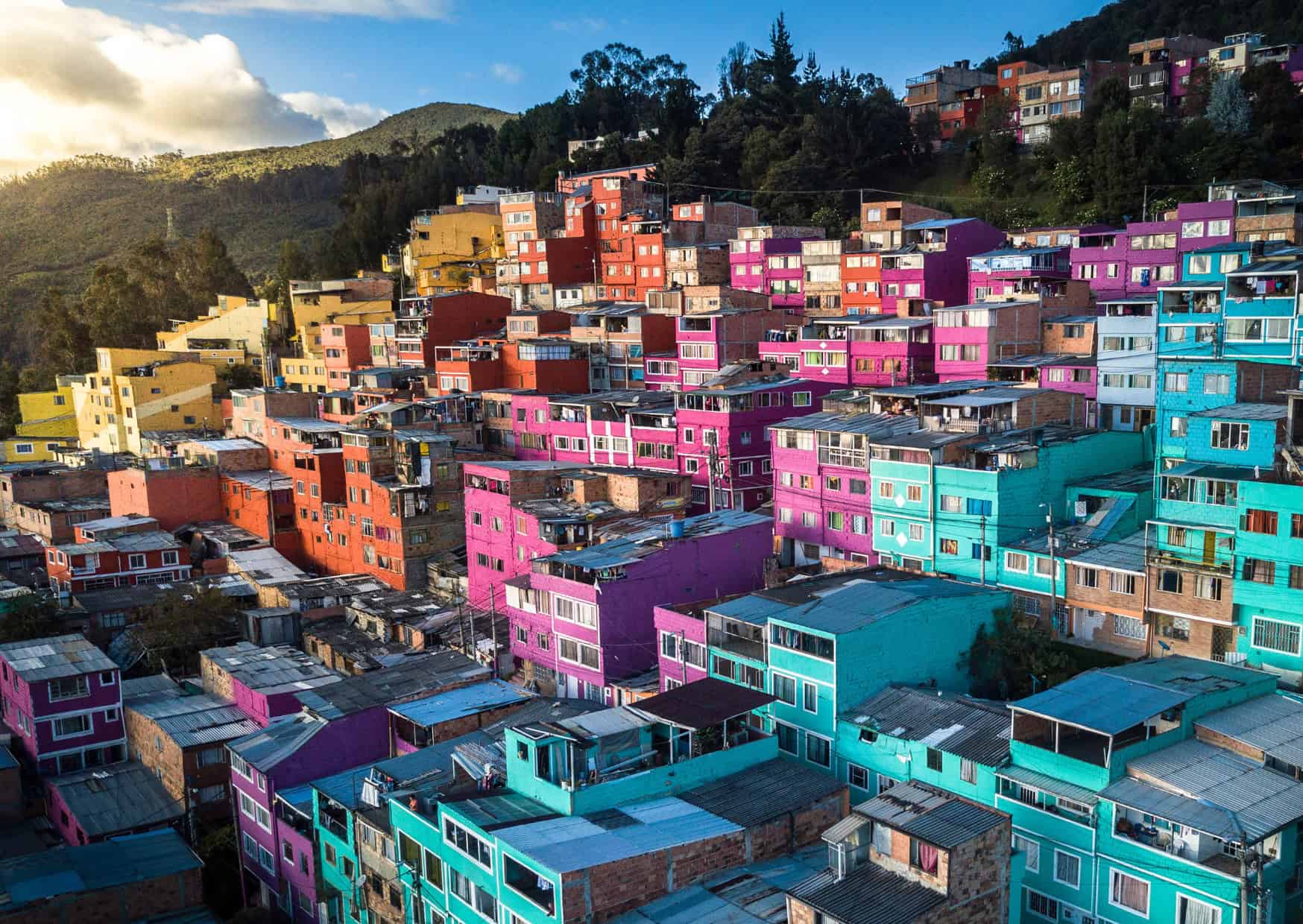
The Myth: Americans often assume Colombia is a war-torn country plagued by constant crime—kidnappings, narco-violence, and cartels lurking around every corner. Hollywood or outdated news headlines fuel the impression it’s too risky to visit.
The Reality: Colombia today is far safer than in the 1980s or ’90s. Major cities like Bogotá, Medellín, and Cali have neighborhoods as safe as many U.S. urban areas, with vibrant nightlife and families strolling after dark. Yes, pickpocketing or petty theft can occur—like any big city worldwide. In smaller towns or the coffee region, you’ll find incredibly welcoming communities, often far calmer than the hustle of major American metros.
Traveler Tip: Use the same common-sense precautions you’d use in New York or Chicago—don’t flash expensive gear, avoid unlit alleys late at night. Locals want you to see their country’s positive transformation, not fixate on Netflix series about cartels.
2. The Only Thing to See Is “Narco Tourism”
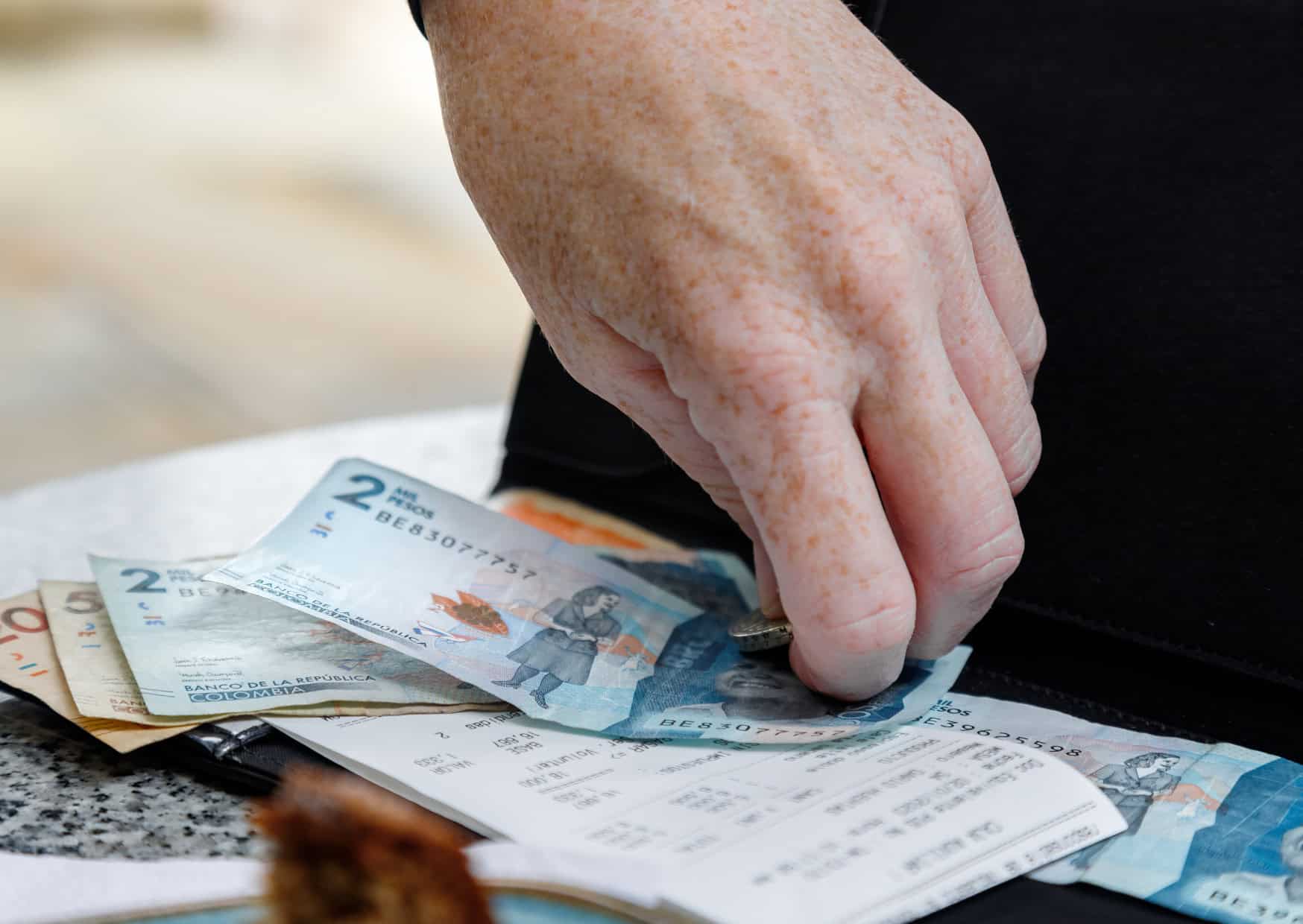
The Myth: Americans hear “Colombia” and instantly think Pablo Escobar. They assume the main draw is macabre tours of old cartel safe houses or Escobar’s estate-turned-museum. They might even look for “Narcos” filming locations.
The Reality: While some visitors indulge in “narco tours,” most Colombians find them distasteful—glorifying a violent past. Colombia boasts a rich cultural tapestry: pre-Columbian gold museums, Afro-Caribbean heritage in Cartagena, coffee fincas in the Andean hills, Amazon rainforests, and salsa nights in Cali. The “narco” angle is a sliver of history many locals prefer to move beyond.
Traveler Tip: If you’re curious about the drug war era, approach it respectfully. Consider balancing any historical interest with immersion in the positive modern culture—Medellín’s innovation, street art scenes, nature reserves, or local gastronomy. Colombians are proud of how far they’ve come.
3. Medellín Is Still “The Most Dangerous City on Earth”
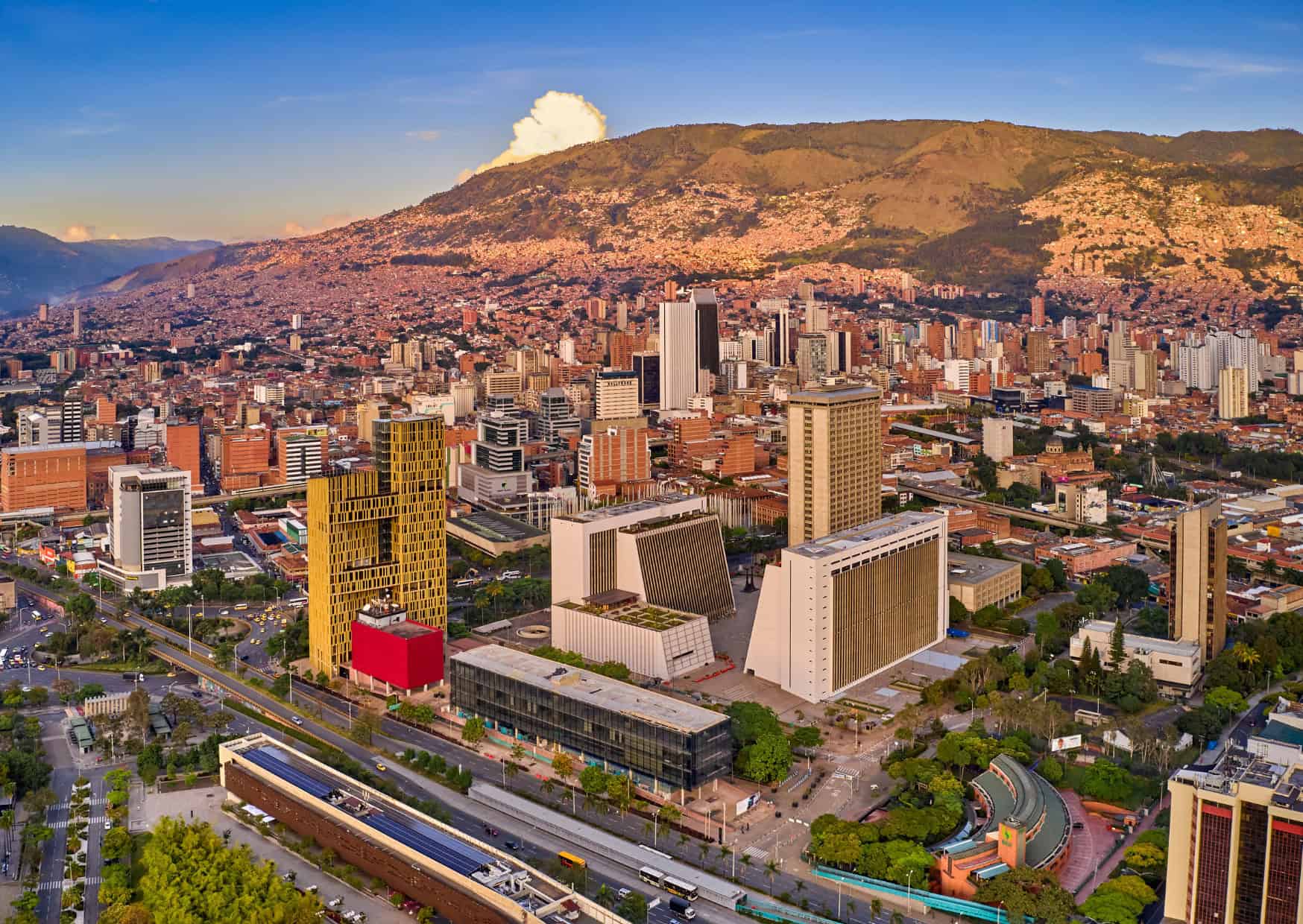
The Myth: Thanks to older news reports labeling Medellín the homicide capital of the world in the ’80s and ’90s, Americans assume it’s still perilous. Some worry about stepping foot in certain neighborhoods or meeting random violence.
The Reality: Medellín has reinvented itself as an urban success story—with innovative cable cars linking hillside barrios, extensive metro lines, tech startups, and thriving tourism. Crime rates dropped dramatically. Today, foreigners rave about El Poblado’s cafés, Comuna 13’s street art tours, and vibrant nightlife. Sure, petty theft or pickpocketing can happen if you’re careless, but many Americans find it no more intimidating than standard big-city caution.
Traveler Tip: Focus on safe neighborhoods (e.g., El Poblado or Laureles) and explore places like Comuna 13 via official tours if you’re cautious. Chat with locals—they’ll happily share tips on must-visit spots or areas to avoid late at night, same as any city.
4. The Coffee Region Is Just Plantations
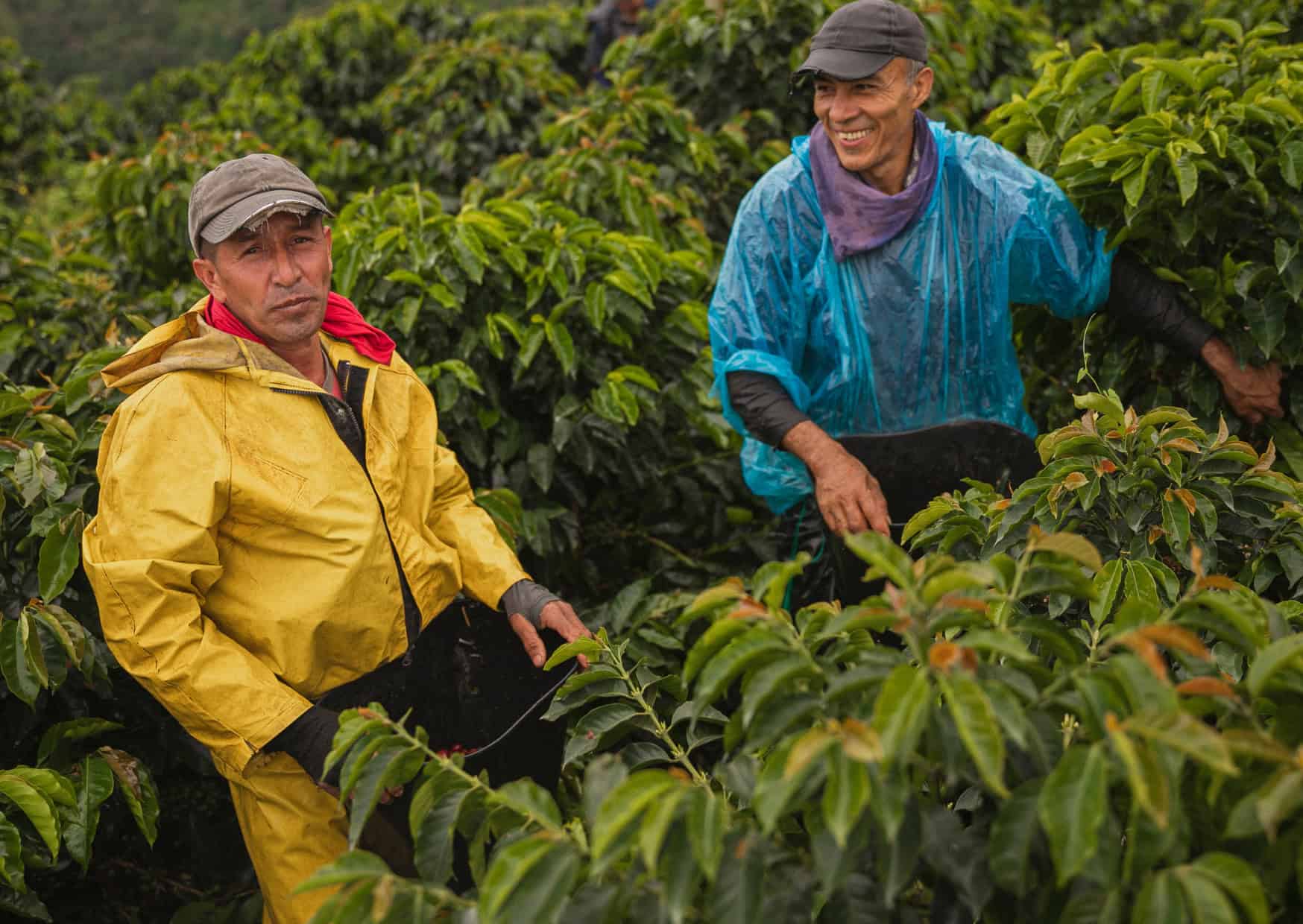
The Myth: Some travelers assume the “Coffee Triangle” (Eje Cafetero) is just a bunch of farmland. They might expect to see only beans and rural huts, skipping it for cities like Bogotá or Cartagena.
The Reality: The coffee region—encompassing towns like Salento, Filandia, Armenia, and Manizales—offers breathtaking landscapes, cool Andean breezes, and a blossoming eco-tourism scene. You can hike the Cocora Valley among giant wax palms, visit local fincas for coffee-tasting experiences, or soak in hot springs near mountainous areas. It’s not just farmland; it’s an entire cultural ecosystem with crafts, music festivals, and culinary treats (think trout dishes, arepas, fresh juices).
Traveler Tip: If you love scenic drives or immersive farmland tours, set aside a few days to slowly explore. Salento’s bohemian vibe plus daily coffee workshops can be a highlight of your Colombian adventure.
5. Everyone Salsa-Dances Like a Pro

The Myth: Americans associate Colombia with hyper-smooth salsa dancers—like in Cali, the “salsa capital.” They imagine locals spontaneously performing in the streets or out-dancing any foreigner at clubs.
The Reality: While Cali indeed has a huge salsa culture, not every Colombian is a pro-level dancer. In other regions, people might prefer reggaetón, vallenato, or pop. Yes, many people can do basic salsa steps, but the “everybody’s a dancing star” trope is an exaggeration. Some are shy or casual dancers who just enjoy music socially.
Traveler Tip: Don’t feel intimidated. If you’re at a salsa club, locals are often happy to show you steps, not judge you. Embrace the vibe—fun over perfection. Or sign up for a cheap group salsa lesson in Medellín or Bogotá to break the ice.
6. “It’s Always Hot and Tropical” Everywhere
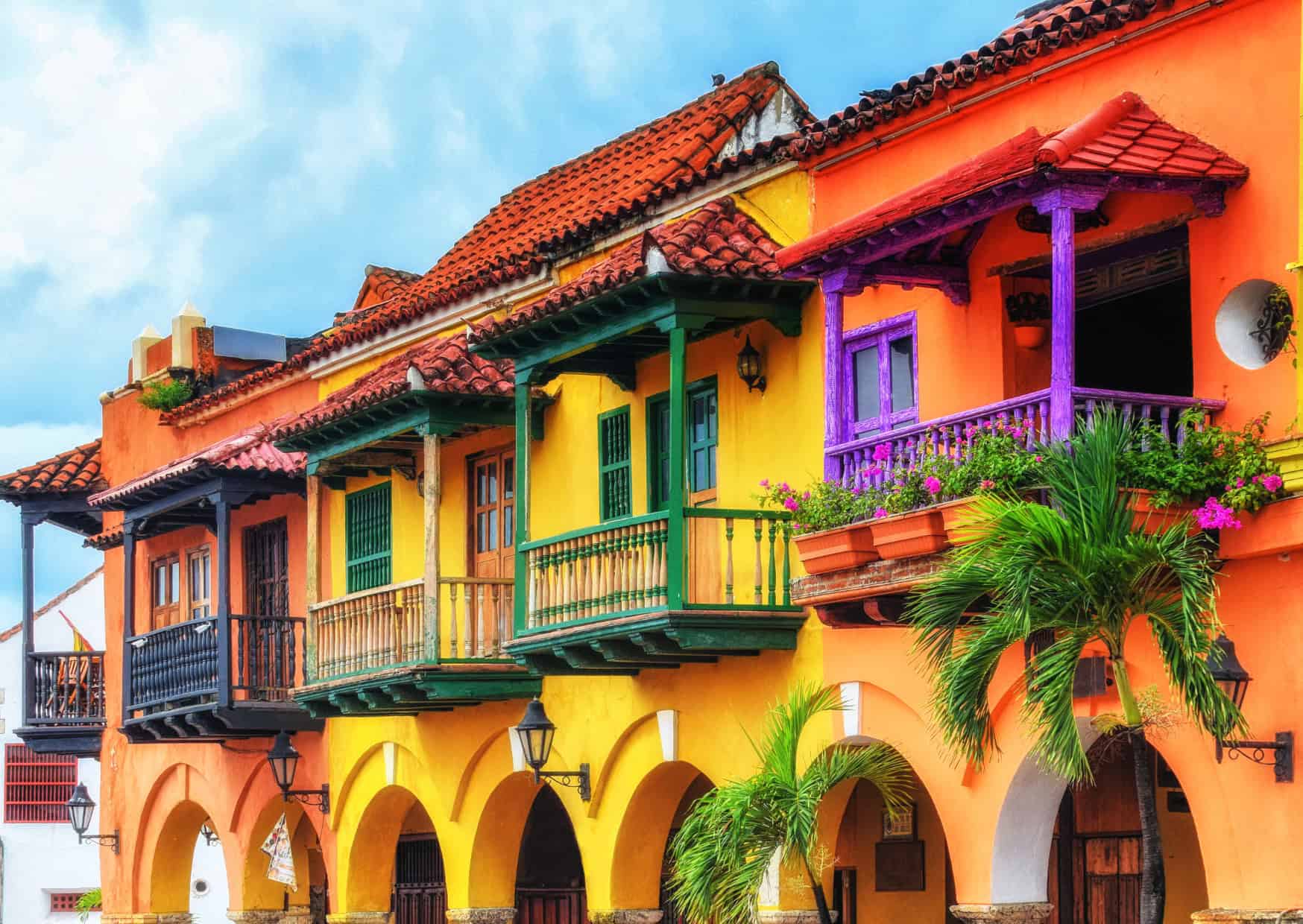
The Myth: Americans might picture Colombia as a steaming jungle or sunny beaches year-round, packing only shorts and flip-flops. They forget the country has diverse climates—Andes mountains, Atlantic and Pacific coasts, Amazon rainforest, etc.
The Reality: Bogotá sits at 8,600 feet elevation—mornings can be chilly (40s–50s °F). Medellín is known as the “City of Eternal Spring,” with moderate 70s °F climate. But head to the Caribbean coast near Cartagena or Santa Marta, and the humidity soars. If you visit the coffee region or mountainous zones, expect cooler nights. One day, you might be in a T-shirt by the coast; another day, you’ll need a jacket in the highlands.
Traveler Tip: Check altitude and typical weather for each city on your itinerary. A layered wardrobe ensures comfort across temperature swings. Locals often laugh at tourists shivering in Bogotá after packing only beach clothes.
7. Language Barriers Make Travel Impossible
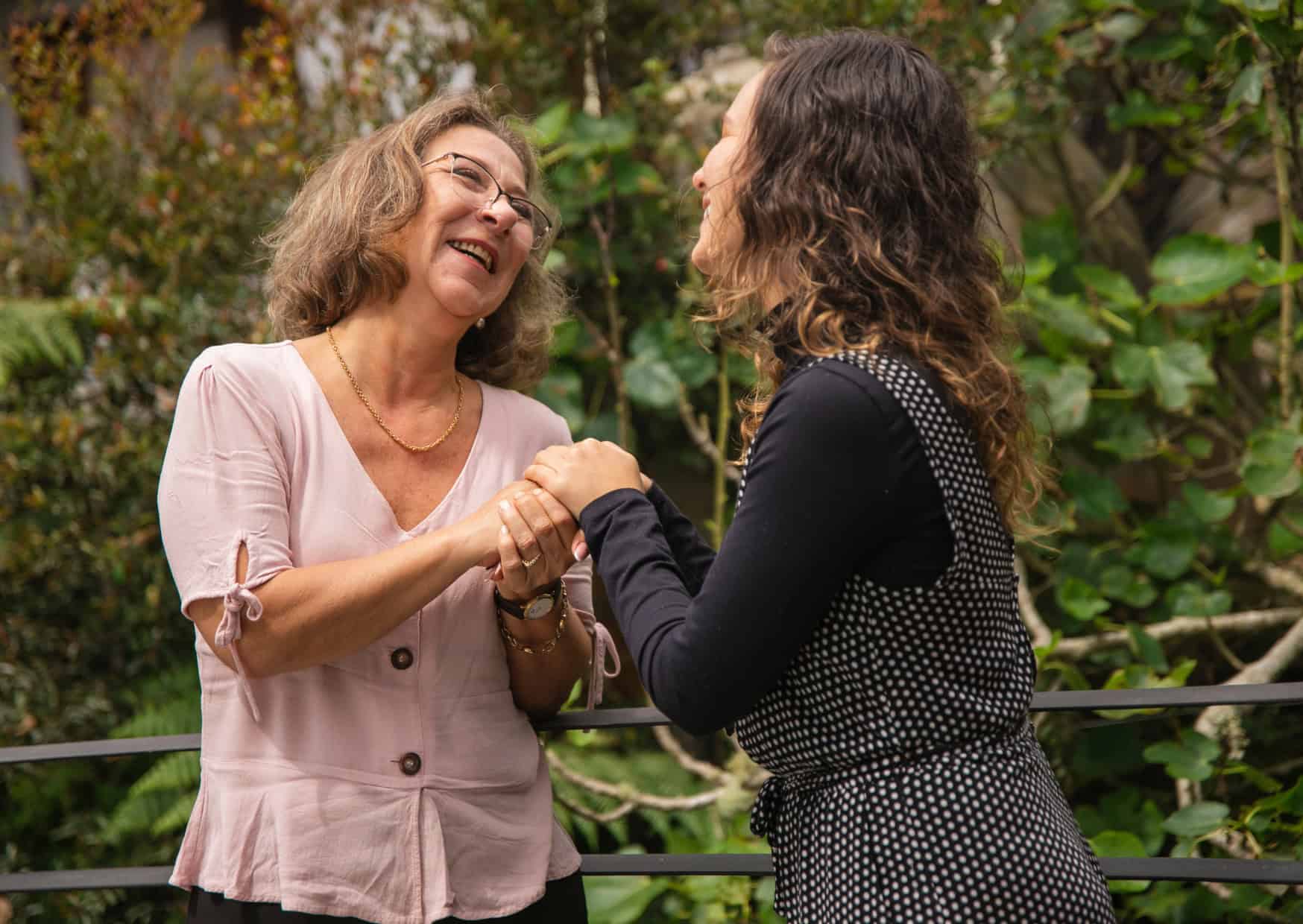
The Myth: Some Americans fret that English isn’t widely spoken—“How will I get around if hardly anyone speaks English?” They fear confusion at bus stations, hotels, or local shops.
The Reality: True, English proficiency isn’t as high as in, say, many European capitals. But in most tourism areas—Cartagena’s Old Town, top Medellín hostels, major Bogotá hotels—front-desk staff speak workable English. Younger Colombians might know basic phrases. And plenty of signage in bigger touristy zones includes an English translation or icons. Also, Colombians are famously warm and helpful, often bridging language gaps with gestures or phone translation apps.
Traveler Tip: Download offline Spanish phrasebook apps or practice key words (like “cuánto cuesta” for “how much”). If stuck, a friendly local might step in to interpret. Embrace a bit of Spanish learning—it can deepen your experience.
8. Americans Need Constant Street Smarts 24/7
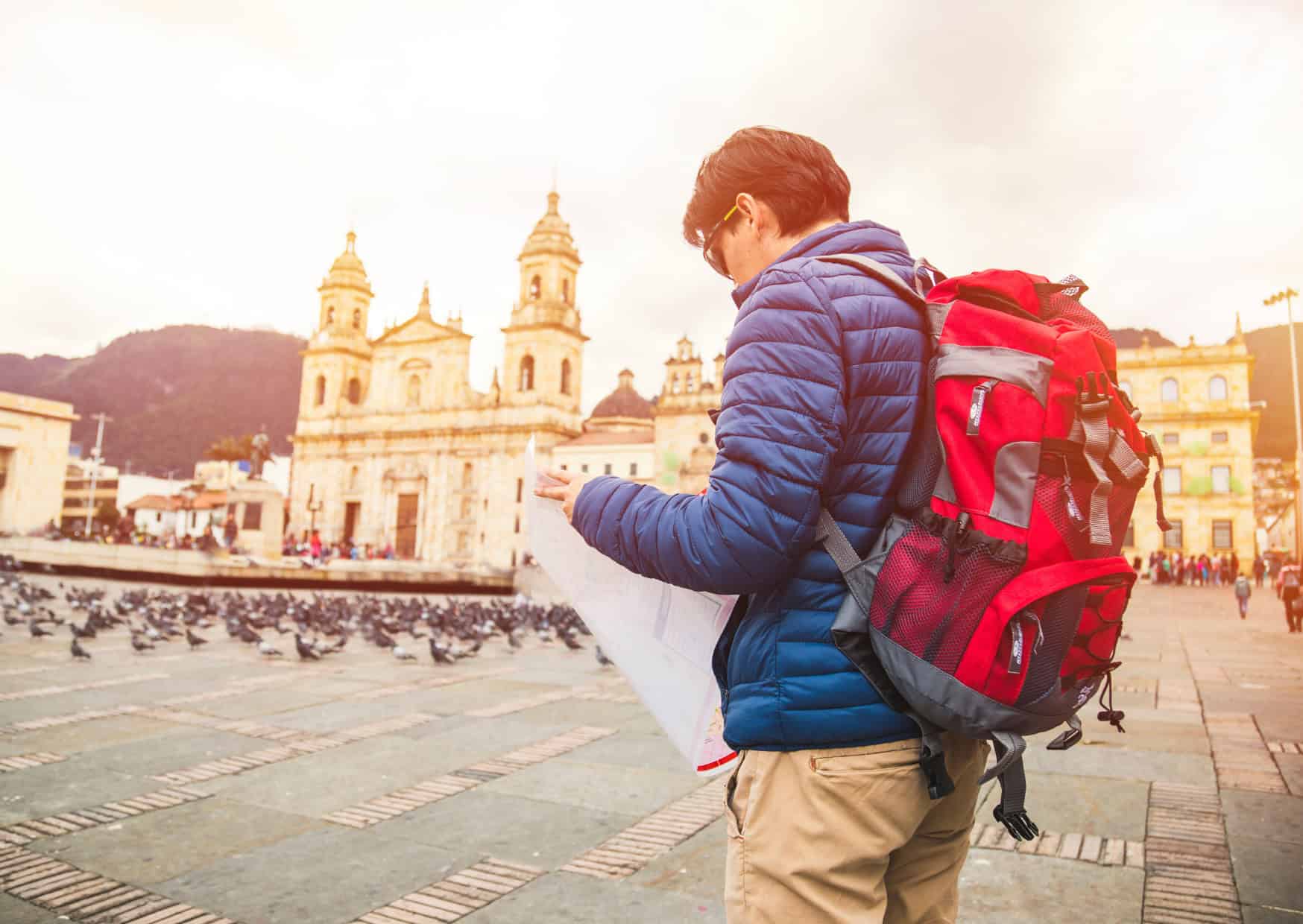
The Myth: People assume they must be on “high alert,” scanning for pickpockets or scammers at every turn, especially in bus terminals or street markets.
The Reality: Standard caution applies, as in any big city worldwide. But paranoia can sabotage your trip, preventing real connection with locals or exploring side streets. In well-traveled zones—like Medellín’s El Poblado or Bogotá’s La Candelaria—police presence is quite high. Meanwhile, small towns in the coffee region or Caribbean villages can be extremely welcoming, with minimal crime.
Traveler Tip: Strike a balance: keep valuables in a secure bag, avoid flashy jewelry, and remain aware after dark. But don’t let fear overshadow your sense of adventure. Many Americans return praising the kindness and safety they experienced.
The Bottom Line
Colombia has evolved immensely since older reputations painted it as strictly “dangerous” or “narco-themed.” Each major region—Andean highlands, Caribbean coast, coffee fincas, Amazon areas—offers distinct flavors, climates, and cultural rhythms. By dropping 8 wild misconceptions—like thinking it’s all crime, “Narcos” tours, or universal salsa mastery—you open yourself to the real Colombia: friendly people, varied landscapes, and a buzz of creativity in cities forging new identities.
Pro Tip
- Before you pack, research each region’s altitude and climate. Know if your city has a big public festival or holiday. Learn a handful of basic Spanish phrases. Finally, approach Colombians with an open mind—they’re proud of how far their country has come, and they love sharing local tips, from hidden beach coves to top-notch coffee shops. The real Colombia is waiting—just leave those outdated fears behind.

About the Author: Ruben, co-founder of Gamintraveler.com since 2014, is a seasoned traveler from Spain who has explored over 100 countries since 2009. Known for his extensive travel adventures across South America, Europe, the US, Australia, New Zealand, Asia, and Africa, Ruben combines his passion for adventurous yet sustainable living with his love for cycling, highlighted by his remarkable 5-month bicycle journey from Spain to Norway. He currently resides in Spain, where he continues sharing his travel experiences with his partner, Rachel, and their son, Han.