
Spain is a vibrant country with diverse cultures, traditions, and customs. While its warm hospitality makes it a welcoming destination, there are some cultural norms and quirks that can catch travelers off guard.
By understanding and embracing these cultural nuances, you’ll enjoy a richer, more authentic experience in Spain.
Here are 12 culture shocks tourists may experience in Spain and tips to adapt.
Read here best things to know before visiting Spain, Planning an Itinerary in Spain: 3 Days Madrid Itinerary and 4 Days Barcelona Itinerary
BOOK YOUR TRAVEL INSURANCE
Two of our favorite travel insurance: Heymondo Vs Safetwing cheapest travel Insurance. You can get for $135 USD your Heymondo Travel Insurance with Heymondo discount code valid for 90 days. Read our full comparison of Genki vs Safetywing Travel Insurance Review and the comparison Heymondo vs Genki
Tips for Navigating Culture Shock in Spain
Adjust Your Schedule: Plan your day around local meal times and siesta hours.
Embrace the Noise: Enjoy the lively energy of Spanish conversations and celebrations.
Learn Basic Spanish Phrases: Even simple words like “Gracias” (Thank you) and “Por favor” (Please) show respect.
Relax: Adopt the slower pace and savor the experience—don’t rush through meals or activities.
Culture Shocks for Travelers in Spain
1. Meal Times Are Much Later
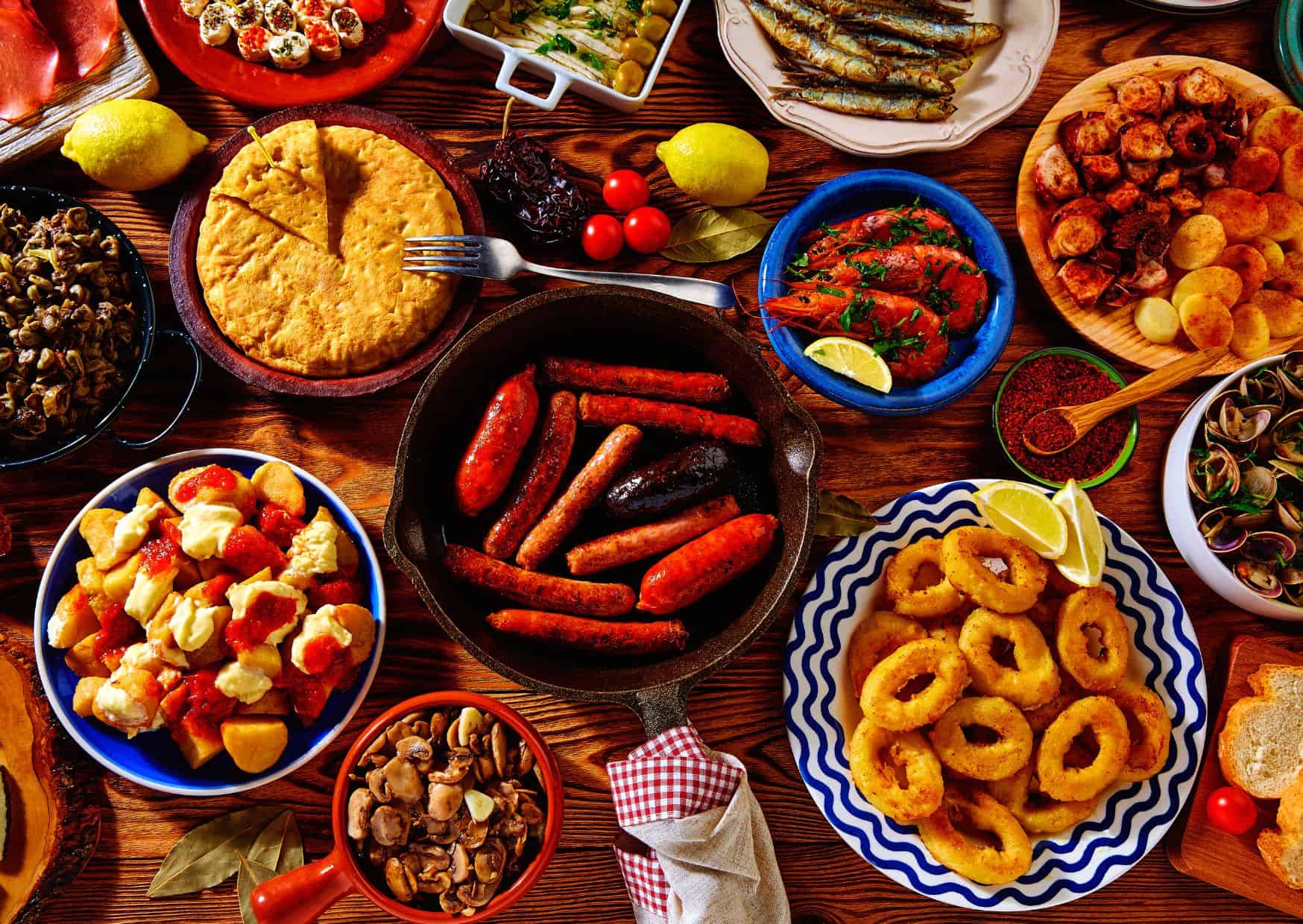
What to Expect:
Lunch, the main meal of the day, starts around 2:00 PM and can last until 4:00 PM. Dinner is typically served after 9:00 PM, with many restaurants not opening until 8:30 PM.
Why It’s Shocking:
Travelers from countries with earlier eating schedules might struggle to adjust, especially when restaurants seem closed during “normal” dining hours.
2. Tapas Culture Is All About Sharing
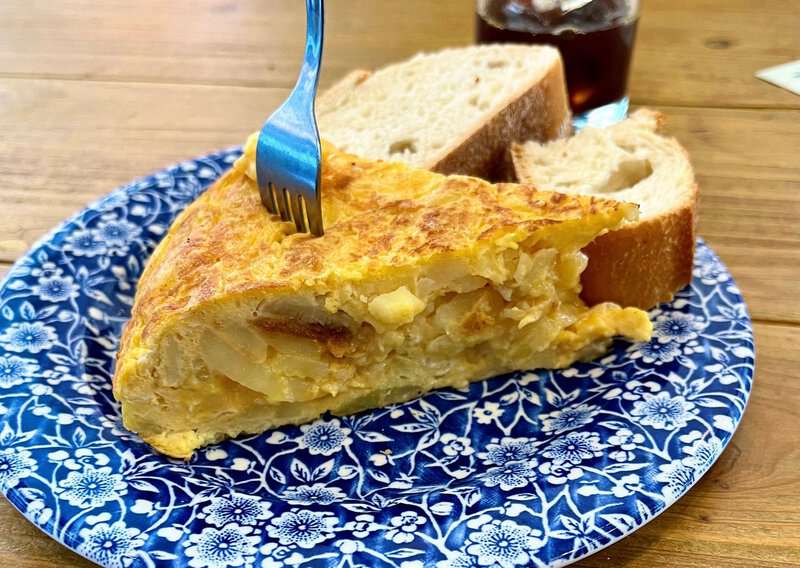
What to Expect:
Tapas, small shared dishes, are a cornerstone of Spanish dining. Meals are often a communal affair, with friends or family sharing multiple plates.
Why It’s Shocking:
Tourists accustomed to ordering individual portions might find the concept of shared plates confusing or unfamiliar.
3. The Siesta Is Real (But Misunderstood)
What to Expect:
Many businesses, particularly in smaller towns, close from around 2:00 PM to 5:00 PM for a midday break.
Tourists expecting to shop or explore during this time may find closed doors and empty streets, especially in non-touristy areas.
4. Tipping Is Minimal

What to Expect:
Tipping in Spain is modest, with most people rounding up the bill or leaving small change (5–10%). Large tips are uncommon.
Why It’s Shocking:
Visitors from tipping-heavy cultures may feel unsure about whether they’re being rude by leaving a small amount.
5. Sundays Are for Family and Rest
What to Expect:
Many shops, restaurants, and businesses close on Sundays, particularly outside major cities, as families spend the day together or rest.
Why It’s Shocking:
Tourists expecting a busy weekend shopping or dining out might be surprised by the quiet atmosphere.
6. Public Displays of Affection Are Common

What to Expect:
Couples openly kiss, hug, and hold hands in public, and it’s widely accepted.
Why It’s Shocking:
Visitors from more reserved cultures might find the level of public affection surprising or excessive.
7. Spanish People Are Loud (In a Good Way)

What to Expect:
Spaniards are passionate and expressive, and conversations often involve raised voices, laughter, and lots of hand gestures.
Why It’s Shocking:
Tourists might mistake the high energy for arguing or feel overwhelmed by the lively social atmosphere.
8. Personal Space Is Smaller
What to Expect:
Spaniards tend to stand close during conversations and may touch your arm or shoulder for emphasis.
Why It’s Shocking:
Visitors from cultures with larger personal space boundaries might feel uncomfortable with the close proximity.
9. The Two-Cheek Kiss

What to Expect:
Greeting with two cheek kisses (starting with the right cheek) is common among friends and acquaintances, though handshakes are typical for formal settings.
Why It’s Shocking:
Tourists unfamiliar with this custom might be unsure whether to reciprocate or how to navigate the cheek-kissing ritual.
10. Flamenco Isn’t Everywhere
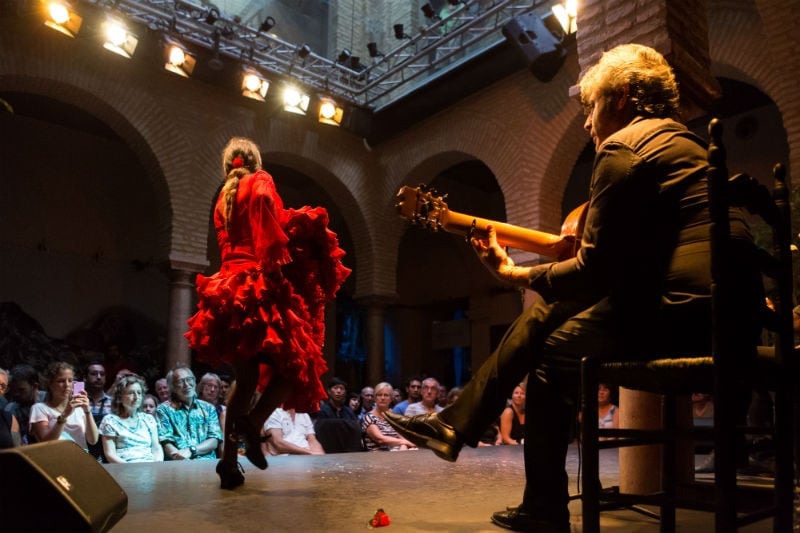
What to Expect:
Flamenco is a vibrant cultural art form, but it’s primarily associated with Andalusia in southern Spain. It’s not a universal Spanish tradition.
Why It’s Shocking:
Tourists expecting Flamenco performances in every region may be surprised by its limited geographical prevalence.
11. Spaniards Eat Jamón Like a Religion
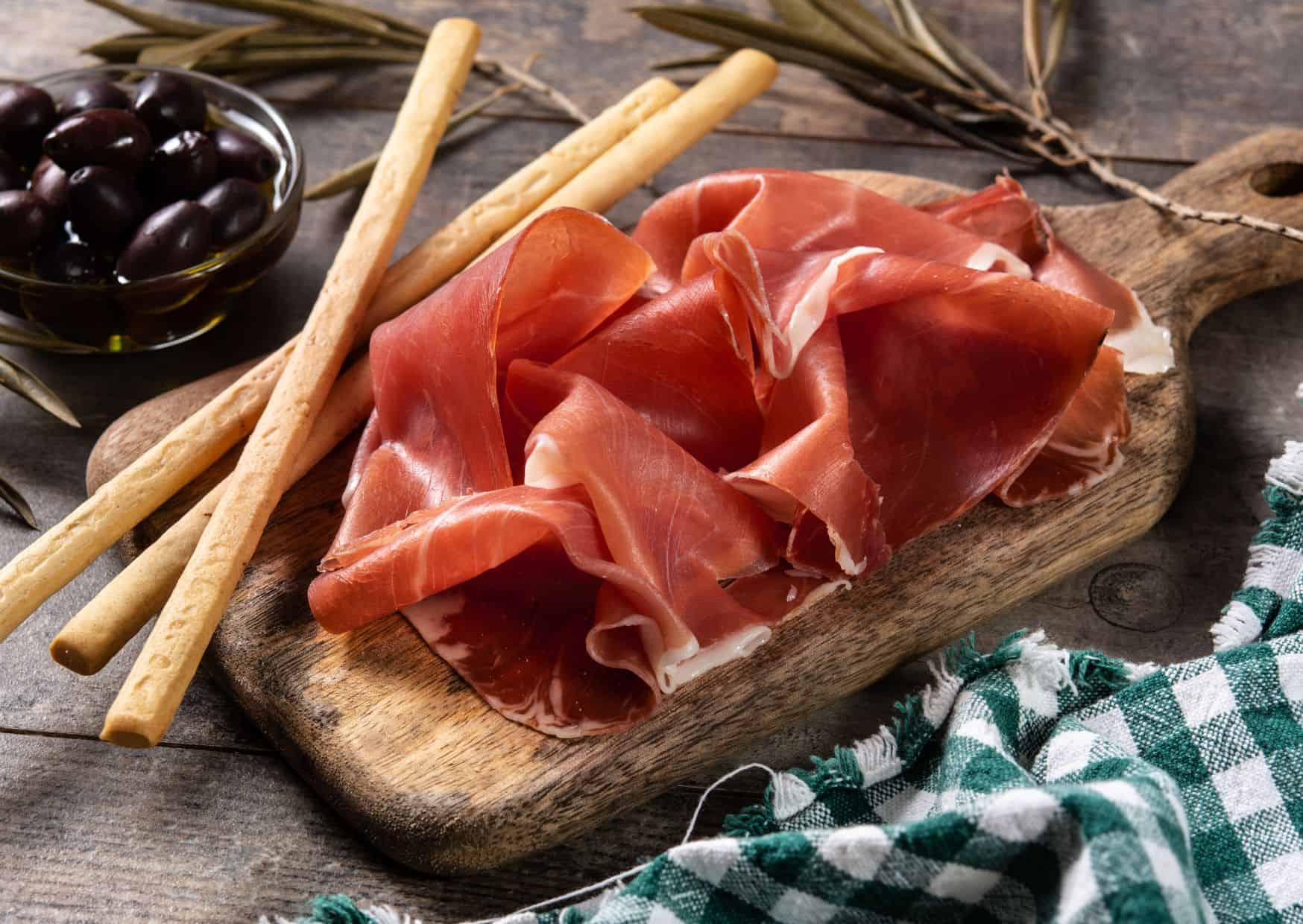
What to Expect:
Cured ham (jamón ibérico) is a national obsession, often served thinly sliced as a tapa or part of a meal.
Why It’s Shocking:
Visitors unfamiliar with Spain’s love of jamón might be surprised by its ubiquity and reverence.
12. The Pace of Life Is Slower
What to Expect:
Spaniards value a relaxed lifestyle. Meals are leisurely, and there’s less urgency in everyday interactions compared to fast-paced cultures.
Why It’s Shocking:
Tourists in a hurry might find the slower pace frustrating or assume it reflects a lack of efficiency.

About the Author: Ruben, co-founder of Gamintraveler.com since 2014, is a seasoned traveler from Spain who has explored over 100 countries since 2009. Known for his extensive travel adventures across South America, Europe, the US, Australia, New Zealand, Asia, and Africa, Ruben combines his passion for adventurous yet sustainable living with his love for cycling, highlighted by his remarkable 5-month bicycle journey from Spain to Norway. He currently resides in Spain, where he continues sharing his travel experiences with his partner, Rachel, and their son, Han.