

Our guide on How many days to spend in Lisbon for your next trip and where to stay and where to eat.
Lisbon, the vibrant capital of Portugal, is known for its historic neighborhoods, picturesque viewpoints, and lively culture. While it’s becoming increasingly popular with tourists, Lisbon remains more affordable than many other European capitals.
This guide will help you navigate the costs, plan how long to stay, choose the best neighborhoods, and discover the best spots to eat.
Lisbon offers a perfect blend of culture, history, and culinary delights — making it an ideal destination for any traveler!
Read here the most instagrammable places in Portugal, 1 Day Lisbon Itinerary, instagrammable places in Algarve and all the things to know before visiting Portugal!
BOOK YOUR TRAVEL INSURANCE
Two of our favorite travel insurance: Heymondo Vs Safetwing cheapest travel Insurance. You can get for $135 USD your Heymondo Travel Insurance with Heymondo discount code valid for 90 days. Read our full comparison of Genki vs Safetywing Travel Insurance Review and the comparison Heymondo vs Genki
Is Lisbon Expensive? Accommodation Costs
Budget: Hostels and budget hotels can cost around €40 per night for a dorm bed or basic private room.
Mid-Range: A comfortable 3-4 star hotel will typically range from €70-150 per night for a double room.
Luxury: Upscale hotels or boutique stays can cost upwards of €200-400 per night, especially in the city center or waterfront areas.
Dining and Food Costs

Budget Eats: You can eat affordably in Lisbon. Tascas (small traditional eateries) serve meals for €10-15, while street food like pastéis de nata (custard tarts) or bifanas (pork sandwiches) can be as little as €2-5.
Mid-Range: Expect to pay €15-30 per person at mid-range restaurants for a meal with drinks.
Fine Dining: For high-end dining or Michelin-starred restaurants, prices range from €50-100+ per person.
Transportation Costs
Public Transport: Lisbon’s public transport is efficient and affordable. A single metro or tram ticket costs €1.50, while a 24-hour travel card is €6.40, allowing unlimited use of the metro, buses, trams, and funiculars.
Taxis and Rideshares: Taxis and rideshares like Uber are relatively inexpensive compared to other European cities. A typical ride within the city will cost around €5-10.
Sightseeing Costs
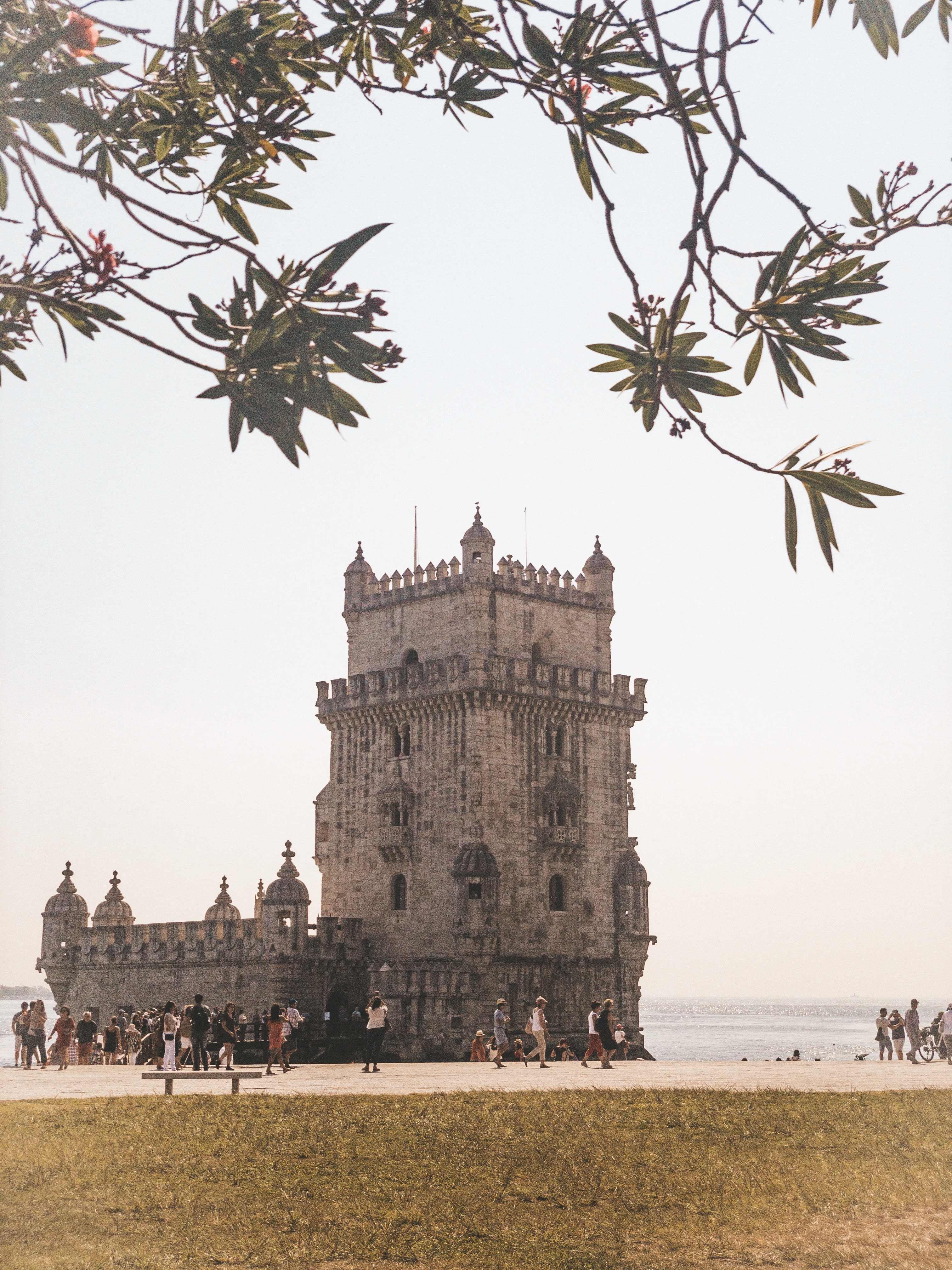
Affordable Attractions: Many of Lisbon’s top attractions, like Belém Tower (€6), the Jerónimos Monastery (€10), and Lisbon Cathedral (€5), are reasonably priced.
Free Attractions: Several viewpoints (miradouros), parks, and markets are free to visit, including the Miradouro de Santa Catarina and Miradouro da Senhora do Monte.
Overall: Lisbon is a relatively affordable European capital. With careful planning, you can enjoy the city on a budget, but it also offers plenty of options for mid-range and luxury travelers.
How Many Days Should You Spend in Lisbon?
Recommended Stay: 3-4 days

Lisbon is a compact city with plenty to see and do, but it’s easy to explore in a few days. Here’s a general breakdown:
1 Day: Focus on the city’s highlights like the Baixa district, the Alfama neighborhood, and a visit to Belém.
2-3 Days: Explore Lisbon’s various districts in more depth, including the lively Bairro Alto and the trendy LX Factory.
You’ll also have time to take a tram ride through the city or visit museums like the MAAT (Museum of Art, Architecture, and Technology).
4+ Days: Spend time visiting nearby destinations like Sintra, Cascais, or Óbidos, which are perfect for day trips.
Tip: If you’re short on time, 2-3 days in Lisbon is enough to experience the city’s main sights and atmosphere. For a more relaxed visit or if you want to explore its surroundings, plan for 4-5 days.
Where to Stay in Lisbon
Best Neighborhoods for Different Travelers
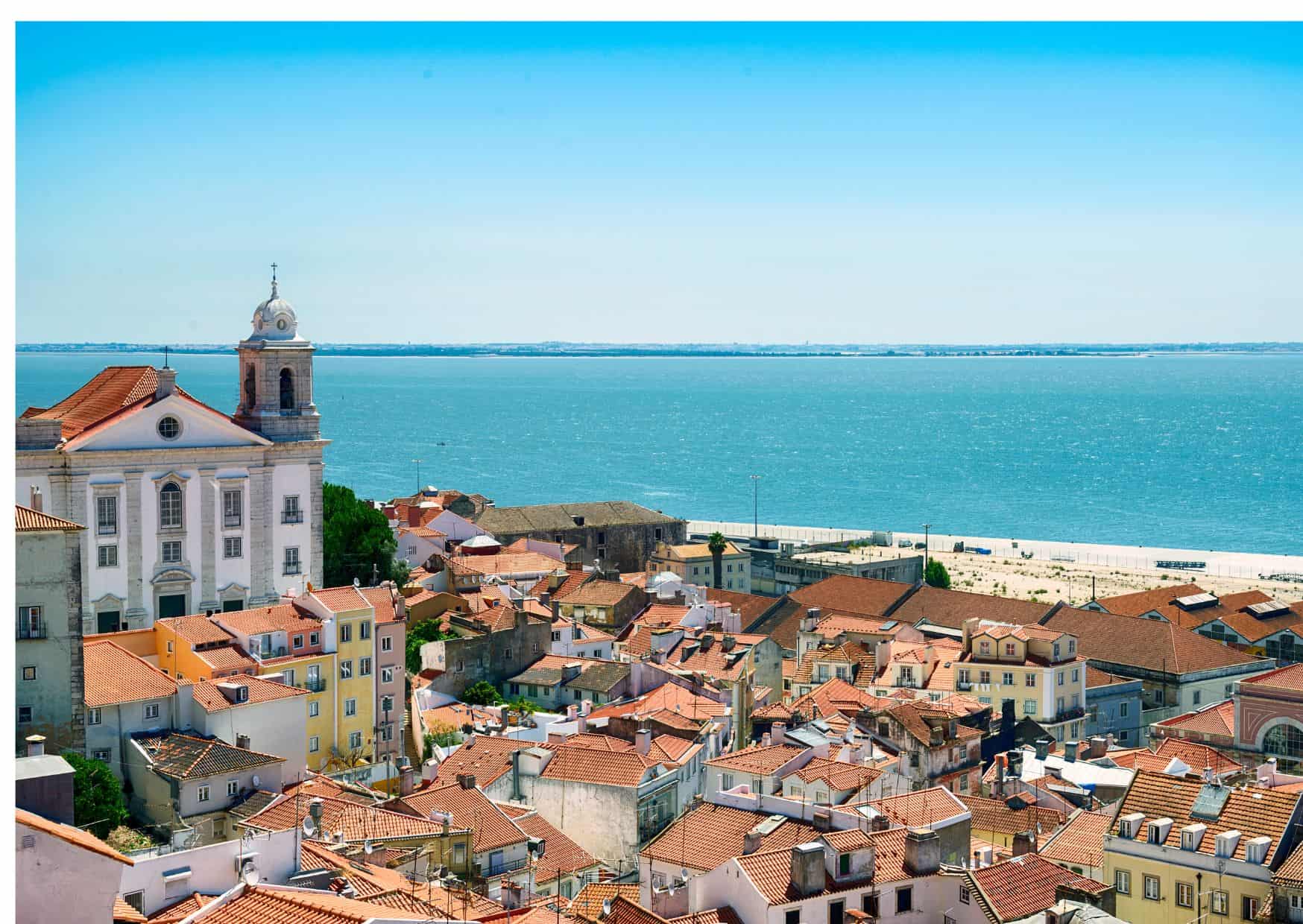
Baixa and Chiado: Best for First-Time Visitors
Why Stay Here: This area is the heart of Lisbon, close to major attractions like Rossio Square, Rua Augusta, and Elevador de Santa Justa. It’s perfect for those wanting to be close to everything, with plenty of shops, cafés, and restaurants.
Accommodation: Expect mid-range to luxury hotels and boutique stays.
Alfama: Best for History and Culture
Why Stay Here: Lisbon’s oldest neighborhood, Alfama is filled with narrow streets, traditional fado music, and historic charm. Stay here for a more local experience and incredible views of the river and city.
Accommodation: Quaint guesthouses and boutique hotels with a rustic, authentic feel.
Bairro Alto: Best for Nightlife and Restaurants
Why Stay Here: Known for its nightlife, Bairro Alto comes alive after dark with bars, restaurants, and fado houses. If you enjoy vibrant nightlife, this is the place to be.
Accommodation: A mix of budget-friendly stays, apartments, and trendy boutique hotels.
Principe Real: Best for Shopping and Upscale Vibes
Why Stay Here: Known for its elegant gardens, boutiques, and stylish cafés, this is an upscale neighborhood that offers a quieter, more residential atmosphere while still being close to the action.
Accommodation: Luxury boutique hotels and chic guesthouses.
Cais do Sodré: Best for Trendy Vibes and River Views
Why Stay Here: Once a seedy part of Lisbon, Cais do Sodré has transformed into a trendy area full of cool bars, restaurants, and the popular Time Out Market. It’s right by the river, offering easy access to both central Lisbon and waterfront views.
Accommodation: Mid-range hotels and stylish apartments.
Tip: Book accommodation in advance if you’re visiting during peak seasons like summer or during major events such as the Santo António Festival in June.
Where to Eat in Lisbon
Top Restaurants and Food Spots
For Traditional Portuguese Cuisine

Cervejaria Ramiro (Avenida Almirante Reis)
What to Eat: Famous for its seafood, especially the garlic prawns and crab.
Tip: Get there early or be prepared to wait, as it’s one of the most popular spots in town.
Taberna da Rua das Flores (Chiado)
What to Eat: A cozy tavern serving creative takes on Portuguese dishes. Try the octopus salad or pork cheek.
Tip: No reservations, so arrive early or be prepared to wait.
For Lisbon’s Iconic Pastry:
Pastéis de Belém (Belém)
What to Eat: The original pastéis de nata, a flaky, custard-filled tart that’s a must-try.
Tip: Lines can be long, but they move quickly. Pair your tart with a cup of bica (espresso).
For Trendy and International Cuisine
Time Out Market (Cais do Sodré)
What to Eat: A food hall offering a variety of options from local Portuguese dishes to international cuisine. Great for trying different things in one spot.
Tip: Perfect for a casual meal. It can get busy, so try to visit off-peak hours.
For a Scenic Dining Experience
Chapito à Mesa (Alfama)
What to Eat: Traditional Portuguese dishes with a contemporary twist. Try the bacalhau à Brás (salt cod with eggs and potatoes).
Tip: Enjoy the stunning view of the Tagus River and Lisbon’s skyline from the terrace.
For a Quick Snack or Local Bite
Casa do Alentejo (Baixa)
What to Eat: A beautiful Moorish-inspired restaurant with a charming courtyard. Try Alentejo specialties like black pork.
Tip: It’s a hidden gem that feels like stepping into a different era. Perfect for a drink or small meal.
Final Thoughts: Making the Most of Your Lisbon Trip
Lisbon is relatively affordable compared to other European capitals, though costs can add up with luxury accommodations and dining.
How Many Days in Lisbon? Plan for 3-4 days to see the main sights and soak in the atmosphere.
Where to Stay? Stay in Baixa/Chiado or Alfama for central locations and easy access to attractions.
Where to Eat? Don’t miss the seafood at Cervejaria Ramiro and the iconic pastéis de nata at Pastéis de Belém.

About the Author: Ruben, co-founder of Gamintraveler.com since 2014, is a seasoned traveler from Spain who has explored over 100 countries since 2009. Known for his extensive travel adventures across South America, Europe, the US, Australia, New Zealand, Asia, and Africa, Ruben combines his passion for adventurous yet sustainable living with his love for cycling, highlighted by his remarkable 5-month bicycle journey from Spain to Norway. He currently resides in Spain, where he continues sharing his travel experiences with his partner, Rachel, and their son, Han.