
Many Europeans take pride in leading the fight against climate change—from stringent recycling rules to innovative city planning. But some of these well-intended green policies come with side effects that irk residents more than they’ll publicly admit. Below, we reveal 6 such initiatives that might surprise you—and how they actually affect everyday life.
Want More Unvarnished Looks at Europe?
– 7 Airport Outfit Fails That Mark You as a Travel Newbie
– Why Europeans Never Order These 13 Menu Items (And What to Do Instead)
1. Ultra-Low Emission Zones in Historic City Centers
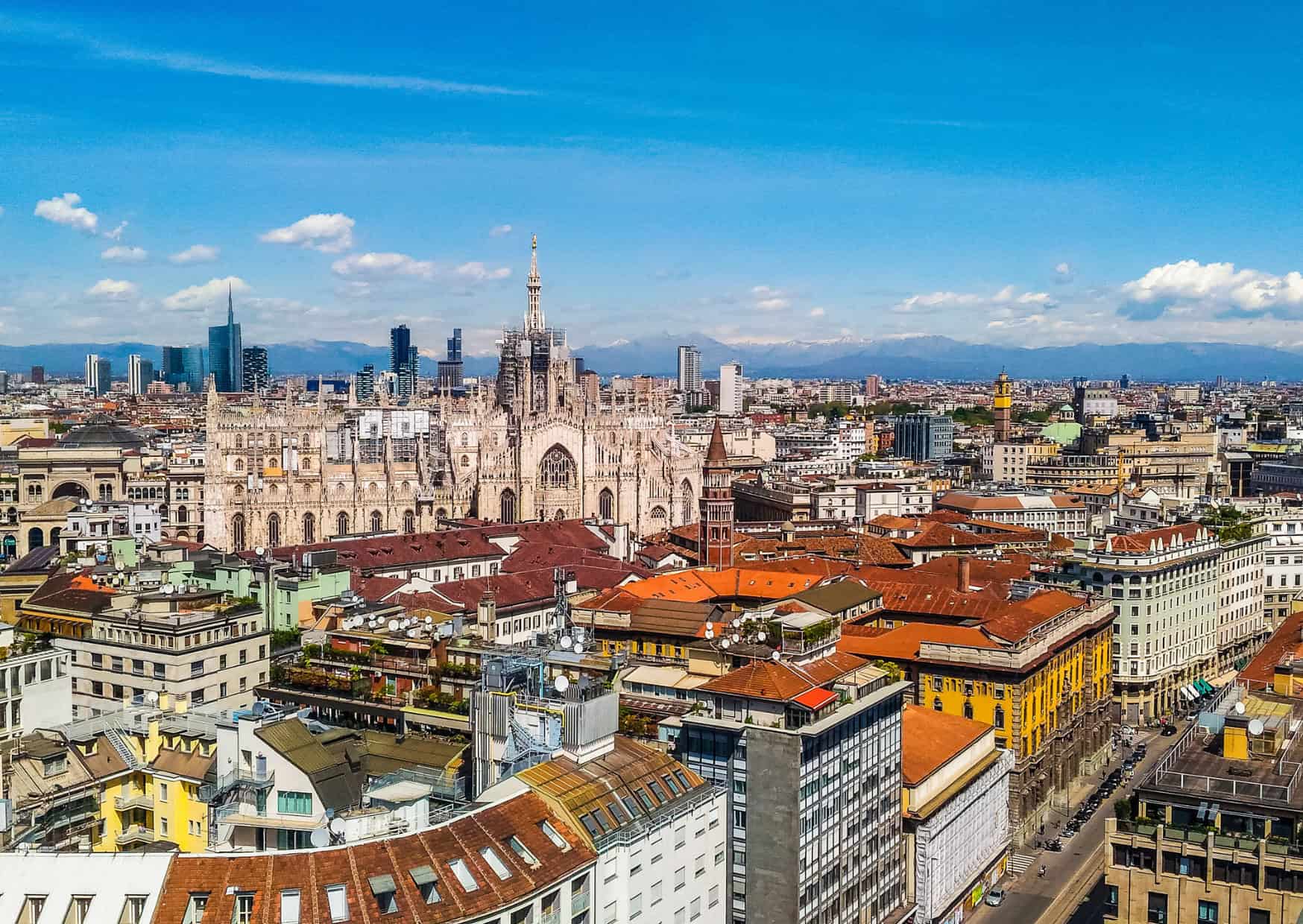
The Idea
- Banning older, more polluting cars from certain zones (like London’s ULEZ or Milan’s Area C) to slash emissions and traffic in heritage areas.
Why Locals Dislike It
- Expensive Upgrades: Many who own older cars can’t afford newer, compliant vehicles. They feel punished for lacking the funds to switch.
- Impact on Small Businesses: Delivery drivers or tradespeople either pay daily fees or lose clients in the restricted zone.
Traveler Takeaway
- If you rent a car, check if it meets emission standards. Otherwise, you might face daily charges. Public transport or biking is often easier, though locals bemoan how these zones sometimes push traffic chaos elsewhere.
2. Strict Sunday Recycling (and Noise) Laws
The Idea
- In places like Germany, Austria, or Switzerland, quiet Sundays extend to restricting certain noises—lawn mowing, bottle recycling, or bin dumping is frowned upon to preserve peace.
Why Locals Dislike It
- Inconvenience: Working parents sometimes only have weekends to handle chores. Having to hoard bottles until Monday, or not emptying glass bins on Sunday, can be frustrating.
- Social Pressure: If you break the rule, neighbors might report you. People feel policed by hyper-conscious neighbors.
Traveler Takeaway
- Avoid tossing glass into recycling on Sunday (that echoing crash is taboo). Respect “quiet hours,” or face passive-aggressive notes. Locals rarely speak openly against it but grumble privately about scheduling constraints.
3. Plastic Bag Taxes That Trigger Excess Package Wrapping

The Idea
- Many countries tax or ban single-use plastic bags to reduce plastic waste. Shoppers bring reusable totes, cutting plastic consumption at checkouts.
Why Locals Dislike It
- Over-Compensation: Some stores switched to thicker “reusable” plastic or overwrapped produce to meet hygiene rules, ironically generating more plastic overall.
- Forgetting Reusable Bags: People often pay small fees for bags anyway, leading to daily annoyance. Some blame the policy for merely shifting plastic types.
Traveler Takeaway
- Bring a foldable tote when shopping to dodge per-bag fees—like 10–20 cents each. Locals appreciate the eco-logic but moan about produce still wrapped in plastic trays.
4. Mandatory E-Scooter Systems
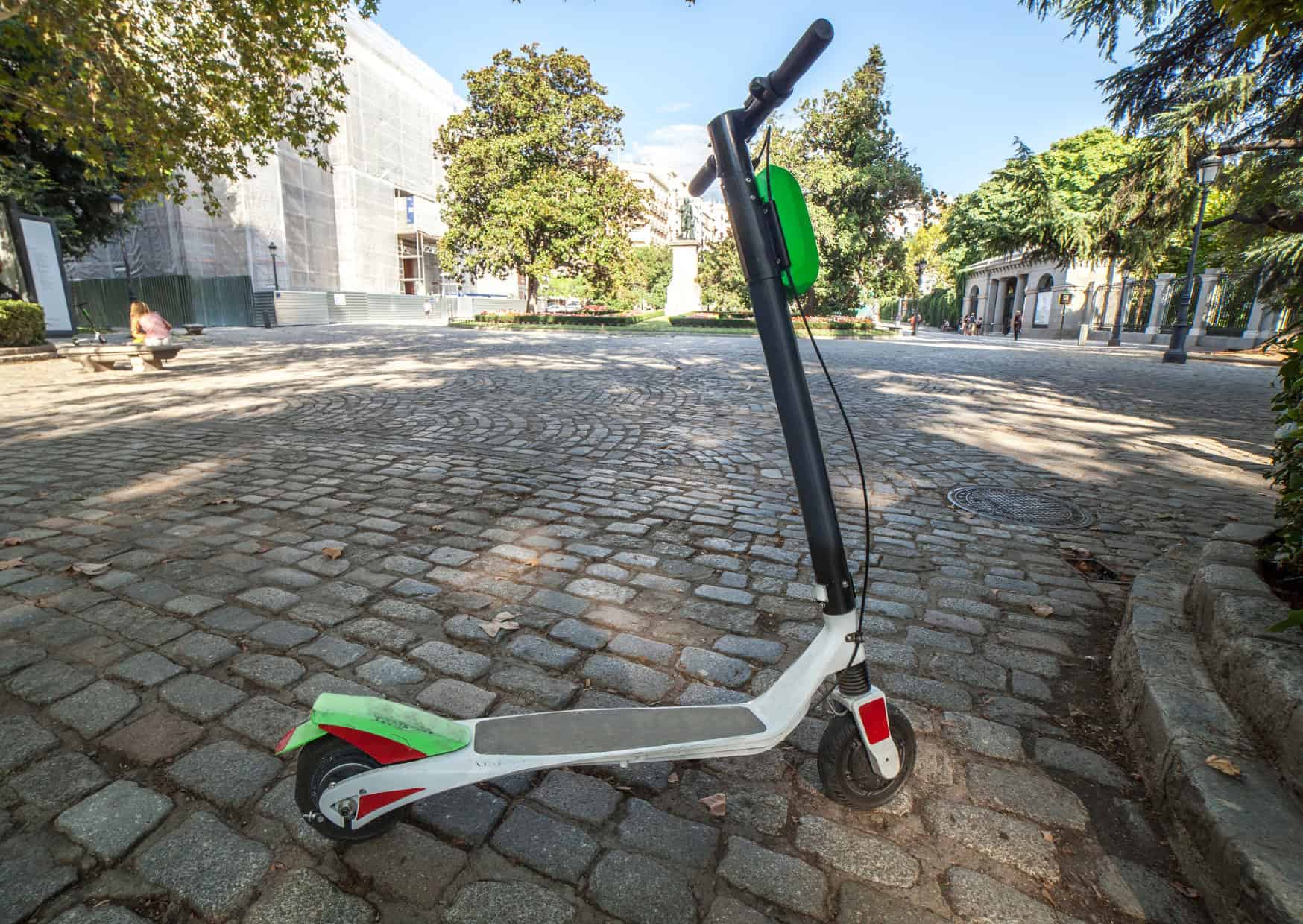
The Idea
- E-scooters (either city-run or private rental models) aim to reduce car usage for short commutes. Many cities have deployed them across sidewalks, encouraging “last-mile” green transport.
Why Locals Dislike It
- Sidewalk Clutter: Scooters get left in random places, blocking walkways or visually polluting historic squares. Some users drive them recklessly, causing near misses with pedestrians.
- Lack of Enforcement: In certain cities, there’s little to no policing of scooter parking or usage, aggravating daily foot traffic.
Traveler Takeaway
- Riding an e-scooter can be fun, but park it responsibly—locals fume at tourists leaving them in the middle of a narrow walkway. Expect occasional local grumbling about them.
5. Banning Cars in City Centers (Without Adequate Alternatives)
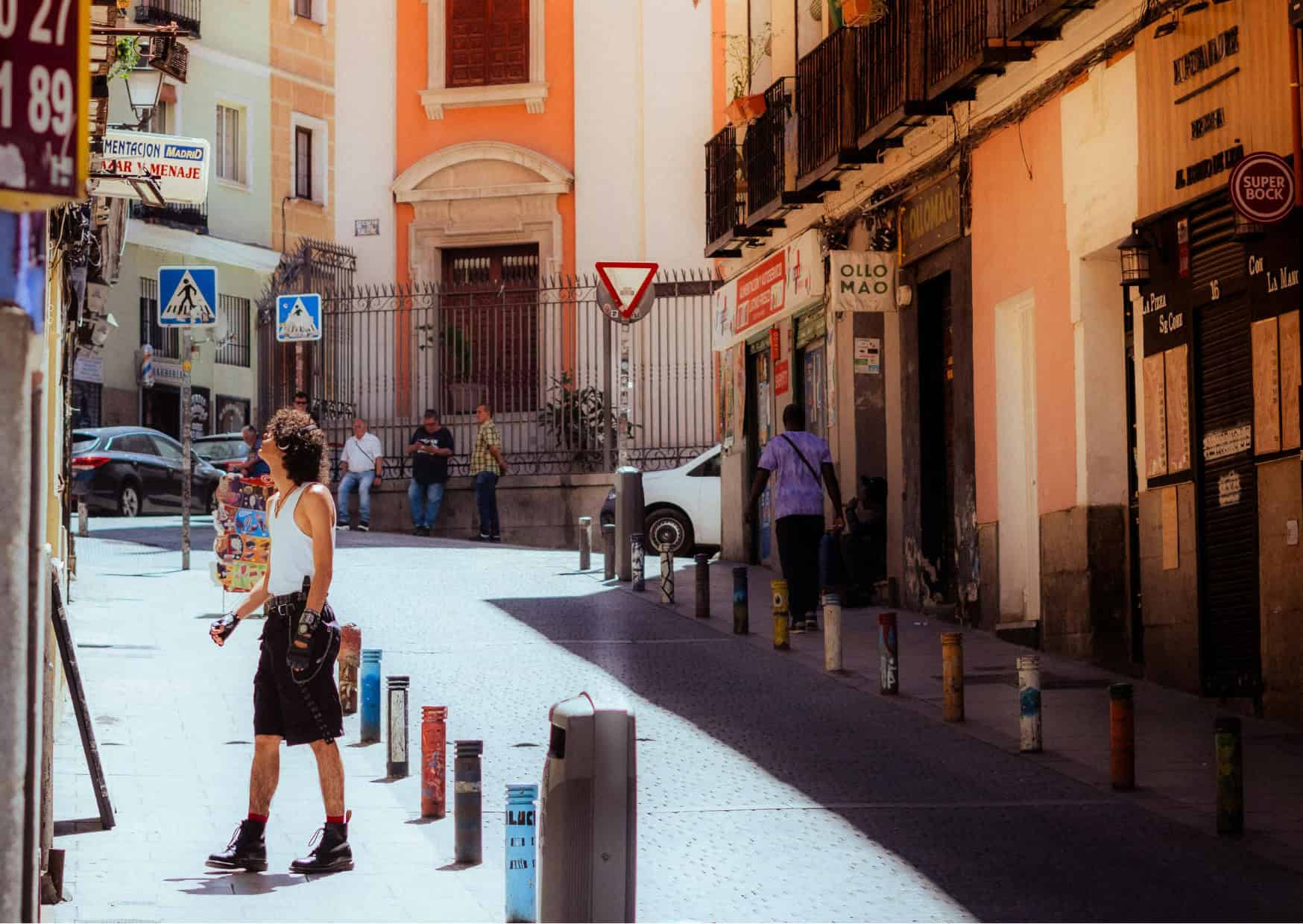
The Idea
- Many European cities close off central streets to traffic, cutting pollution and encouraging pedestrian zones—like in parts of Madrid, Oslo, or Lisbon.
Why Locals Dislike It
- Insufficient Public Transport: Not all cities have robust bus/metro coverage, leaving residents in outer areas struggling to reach the center for work or errands.
- Business Decline: Some small shops rely on customers who drive in. With no car access, foot traffic might not compensate, or older folks find it harder to visit.
Traveler Takeaway
- Car restrictions make city strolling pleasant, but if you plan day trips or have heavy luggage, factor in no-car zones—some hotels have no direct drop-off. Locals may lament how these zones hamper daily chores.
6. The Over-Promotion of Bikes in Unfriendly Terrains
The Idea
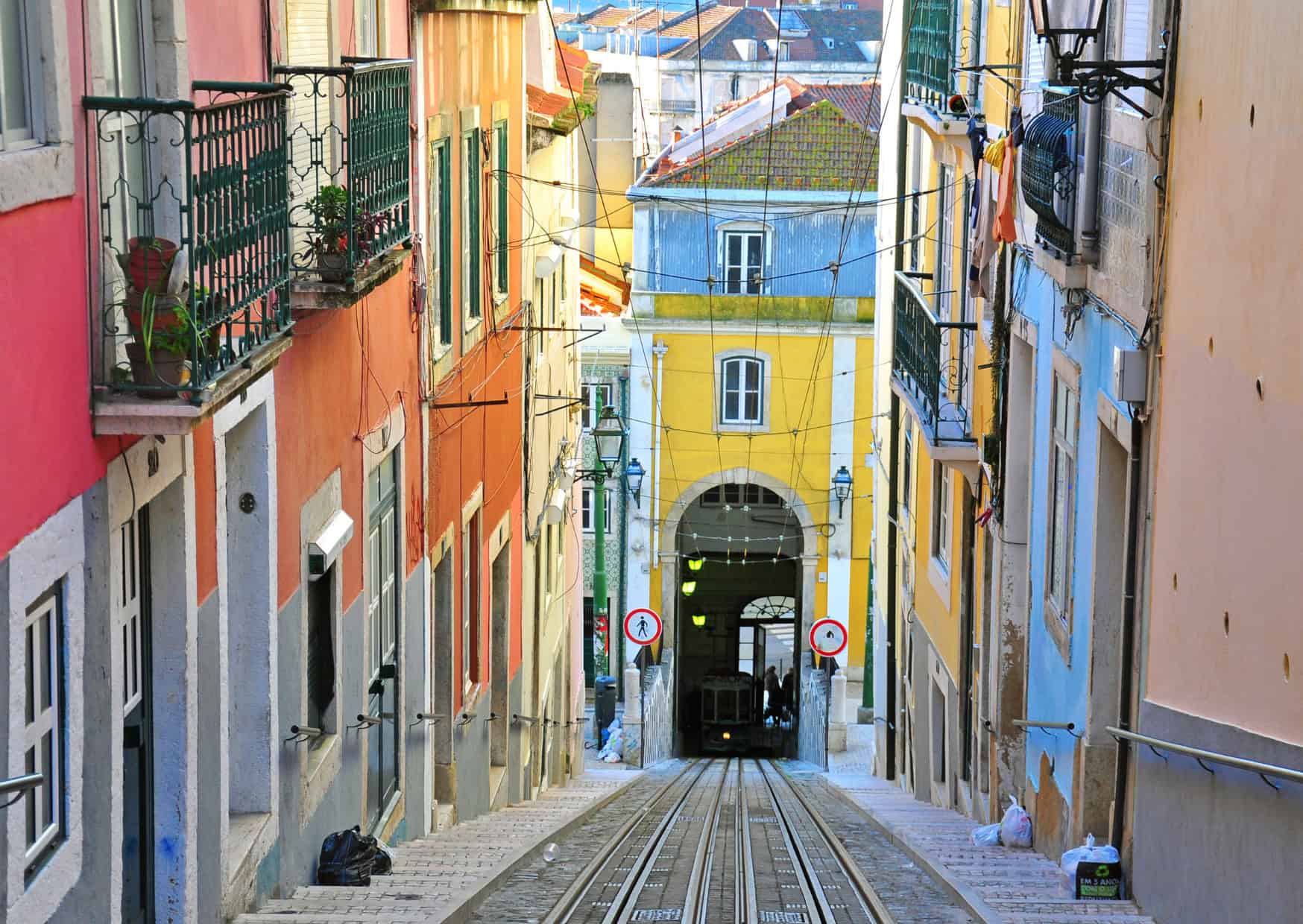
- Bike-sharing programs and city-run campaigns push cycling as a prime green solution—like in mountainous or hilly locales (e.g., Lisbon, Granada, certain Swiss towns).
Why Locals Dislike It
- Geographic Reality: Not every city is flat like Amsterdam. Hilly areas can make biking unrealistic for older residents or those not super fit. The push feels forced or poorly planned.
- Limited Infrastructure: Some have subpar bike lanes, leading to conflicts with cars or pedestrians.
Traveler Takeaway
- Check the city’s actual bike-friendliness. If it’s known for steep inclines, e-bikes or public transport might be your friend. Locals might moan about city hall’s “bike mania” that overlooks actual topography.
Summing It Up
While Europe often leads the way on green policies, these 6 examples show that execution can create friction. Locals might quietly grumble about the inconvenience or unintended consequences—like shifting traffic, punishing older car owners, or insufficient transport alternatives. For travelers, understanding the backstory helps you:
- Respect local rules: quiet Sundays, no plastic bag freebies, or limited car zones.
- Plan around potential hassles—like printing an e-scooter map or booking a hotel outside pedestrian-only streets if you’re driving.
- Engage with locals politely; many appreciate the eco benefits but wish for better planning.
Pro Tip
- If you face a green-policy inconvenience, approach it as an adventure. Embrace the quiet Sunday, adapt to bike-friendly hype, or find creative ways around car-free zones. A little local perspective goes a long way in enjoying Europe’s eco-forward (if occasionally frustrating) lifestyle!

About the Author: Ruben, co-founder of Gamintraveler.com since 2014, is a seasoned traveler from Spain who has explored over 100 countries since 2009. Known for his extensive travel adventures across South America, Europe, the US, Australia, New Zealand, Asia, and Africa, Ruben combines his passion for adventurous yet sustainable living with his love for cycling, highlighted by his remarkable 5-month bicycle journey from Spain to Norway. He currently resides in Spain, where he continues sharing his travel experiences with his partner, Rachel, and their son, Han.