
When imagining European work life, some envision leisurely lunches and early clock-outs while others see hyper-efficient, short-hour days. The truth? Neither typical “9-to-5” nor uniform across the continent. From Spain’s late lunches to France’s 35-hour limit, here are 7 surprising work-schedule customs that leave many foreigners scratching their heads—and occasionally wishing for a similar setup back home.
Want More Cultural and Work Insights?
– 10 Secrets to Understanding European Politeness (And Why You’re Doing It Wrong)
– 7 Airport Outfit Fails That Mark You as a Travel Newbie
– Why Europeans Never Order These 13 Menu Items (And What to Do Instead)
1. Spain’s Late Start, Late Lunch, Late Finish

What’s Quirky
- In much of Spain, the workday can begin around 9 or 9:30 AM. Lunch might not happen until 2 PM (or later), sometimes lasting an hour or more, followed by an extended work session ending around 7 or 8 PM.
Why It Baffles Foreigners
- Tourists or new expats see shops shutting midday (siesta vibes) and offices resuming around 4 PM. Dinner at 10 PM still feels late to many from “9-to-5 dinner at 6” cultures.
Local Explanation
- Historical reasons, including Spain being in the wrong time zone since WWII, plus tradition. Some modern offices skip the siesta for a continuous schedule—but the late lunch habit often persists.
Pro Tip
- If you schedule business calls with Spanish counterparts, confirm if they break midday. Avoid planning essential calls between 2–4 PM unless they specify otherwise.
2. France’s 35-Hour Week (in Theory)
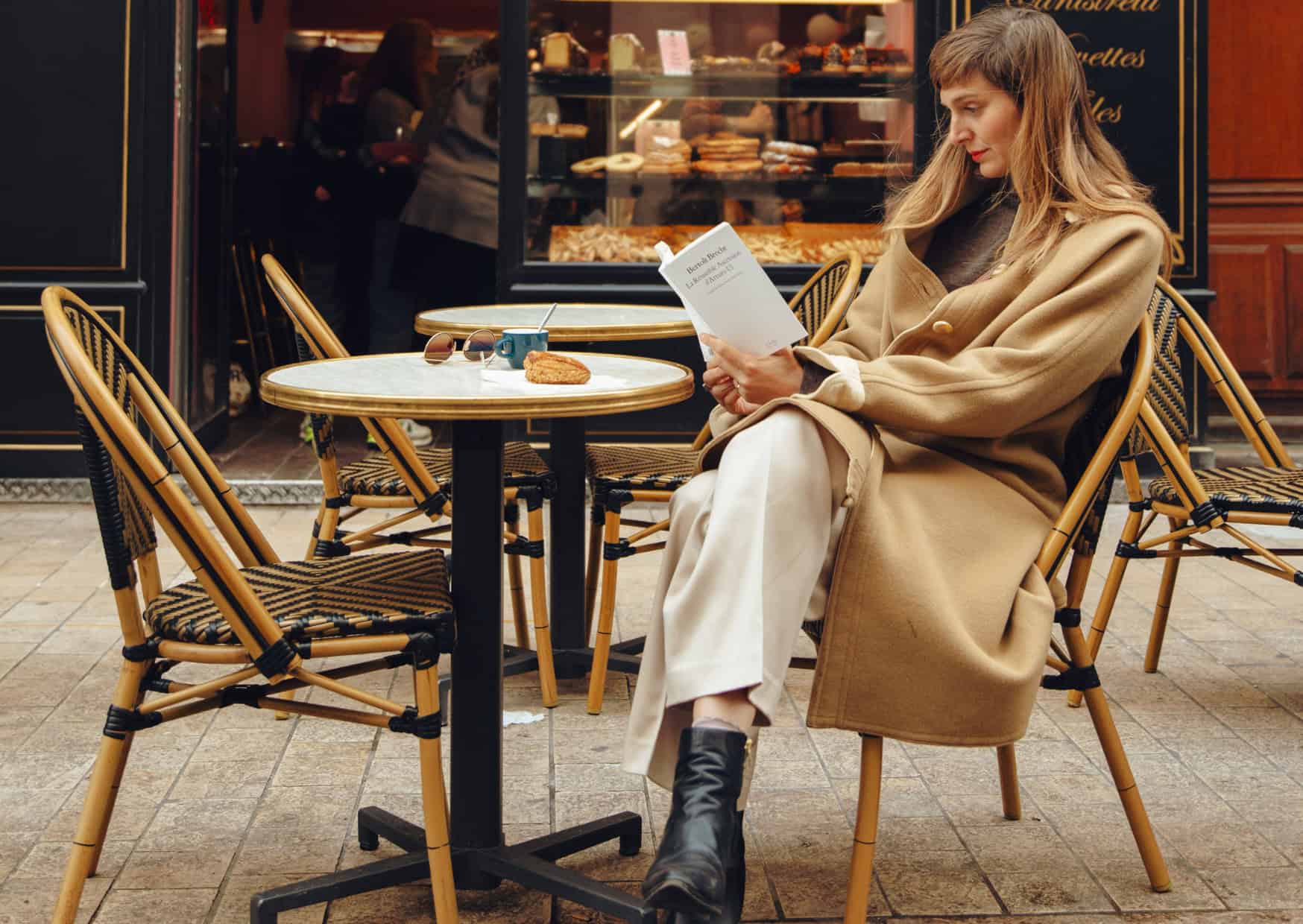
What’s Quirky
- Officially introduced in the early 2000s, France’s 35-hour workweek was meant to reduce unemployment and enhance life quality. Many employees clock fewer hours than the “standard” 40-ish.
Why It Baffles Foreigners
- Some from hustle-centric cultures can’t fathom a national limit that fosters longer lunches and limited after-hours emailing. They wonder how France remains productive.
Local Explanation
- Reality is mixed: upper-level professionals or certain sectors might still work more, but the spirit is a better work-life balance. Overtime is possible, yet employees keep an eye on those extra hours.
Pro Tip
- If doing business in France, don’t expect quick email replies at 8 PM or on weekends. Life after work is valued. Plan accordingly.
3. Germany’s No-After-Hours Email Ethos

What’s Quirky
- In many German companies, unwritten (and sometimes written) rules discourage emailing or calling colleagues after official work hours. Some workplaces automatically block emails to employees off-shift.
Why It Baffles Foreigners
- Americans or Brits used to 24/7 availability might think colleagues “lack dedication.” Germans see it as respecting personal time—improving morale and efficiency.
Local Explanation
- Efficiency in Germany is high during official hours, so there’s less tolerance for bleeding into personal time. When the day ends, it really ends.
Pro Tip
- Resist the urge to send that 9 PM message. If you do, expect a next-day response. In urgent cases, clarify if there’s an on-call system.
4. The Netherlands’ “Four-Day Option”

What’s Quirky
- Many Dutch employees (especially parents) opt for a 4-day (32-hour) workweek—common enough that offices plan for staff absent on certain weekdays.
Why It Baffles Foreigners
- The idea that you can systematically skip a weekday and still hold a mid-level or senior role feels unimaginable in places where full-time means 40+ hours.
Local Explanation
- Dutch culture prioritizes work-life balance, seeing flexible hours as beneficial for families and mental health. Productivity often remains high across those 4 days.
Pro Tip
- When scheduling multi-day meetings in Dutch offices, check if key staff have a “non-work day.” It might be standard that half your team is off on Friday.
5. Italy’s Lengthy Lunches (Though Fading)

What’s Quirky
- The notion of a 2-hour lunch break lingered in many small Italian towns: employees close shops at 1 PM, reopen around 3 PM, then work until 7 or 8 PM. Urban centers might compress this, but the concept remains.
Why It Baffles Foreigners
- Tourists find shops shut midday. They expect continuous hours, only to see “chiuso” (closed) signs. Meanwhile, white-collar offices might adopt more standard hours, but the tradition persists outside big cities.
Local Explanation
- In a hot climate, midday can be draining. Long lunches or rests break the day. Family lunches or a quick siesta enhance well-being. Cities like Milan or Rome are more globalized but still respect a certain lunch culture.
Pro Tip
- If you’re scheduling lunchtime appointments in provincial Italy, confirm that staff aren’t on a break. Don’t expect a “working lunch” in the American sense—Italians prefer to actually eat and rest.
6. Scandinavia’s Early Finish Fridays

What’s Quirky
- In countries like Sweden or Denmark, many offices adopt “Fredagsmys” (Friday coziness) or simply wind down by 2–3 PM on Fridays. People pick up kids or start weekend errands early.
Why It Baffles Foreigners
- Non-locals might find it strange that productivity stops so soon, but the culture values weekend family time. Efficiency Monday-Thursday is intense, so Friday afternoons are calmer.
Local Explanation
- Locals see no point in dragging out a low-productivity Friday. They do big tasks earlier in the week. This fosters a happier work climate overall.
Pro Tip
- Don’t set critical calls or deadlines for late Friday. If you must, ensure your Scandinavian colleagues are okay with it. They might already be in weekend mode at 2 PM.
7. Sunday Means Shutdown in Many Regions

What’s Quirky
- Though not an “office day,” it shapes the workweek. In parts of Germany, Austria, and Switzerland, everything is closed or has extremely limited hours on Sunday. That affects shift workers, scheduling, and errands.
Why It Baffles Foreigners
- Americans might want to run errands on Sunday, only to find supermarkets, retail, or businesses shut. Locals must do all shopping earlier or plan around the rest day.
Local Explanation
- The tradition of Sunday rest is deeply rooted. It preserves family time, quiet neighborhoods, and respite from commercial life.
Pro Tip
- Arriving for a Sunday meeting or event? Double-check that public transit runs normal schedules, or if you can buy groceries. Plan ahead or face locked doors and minimal services.
The Bottom Line
While many foreigners assume Europe’s “9-5” parallels that in the US or elsewhere, reality is far more flexible—some might say quirky. From 2-hour lunch breaks in small-town Italy to no after-hours emailing in Germany, these work patterns reflect each country’s cultural priorities—often favoring well-being over endless hustle. If you’re collaborating or traveling with European colleagues, keep these local norms in mind to dodge scheduling snags and maybe embrace a healthier work-life balance yourself.
Pro Tip
If you’re heading abroad for business, ask about local working hours or core times before you assume an 8 AM meeting is fine. Embracing these “odd” schedules can lead to more relaxed coffee breaks, deeper personal connections, and a genuine taste of Europe’s distinct approach to life beyond the desk. Enjoy the quirkiness!

About the Author: Ruben, co-founder of Gamintraveler.com since 2014, is a seasoned traveler from Spain who has explored over 100 countries since 2009. Known for his extensive travel adventures across South America, Europe, the US, Australia, New Zealand, Asia, and Africa, Ruben combines his passion for adventurous yet sustainable living with his love for cycling, highlighted by his remarkable 5-month bicycle journey from Spain to Norway. He currently resides in Spain, where he continues sharing his travel experiences with his partner, Rachel, and their son, Han.