
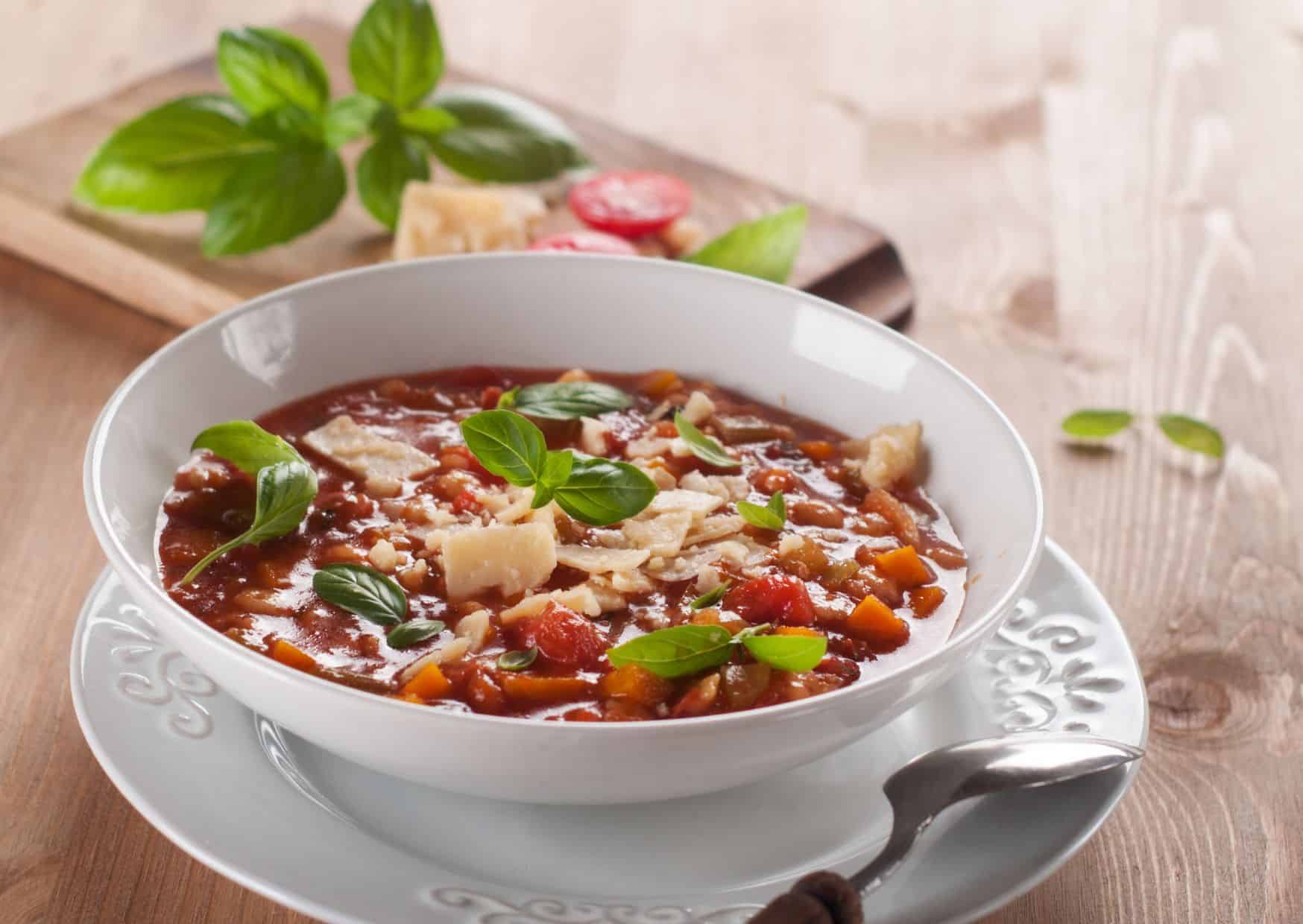
Minestrone soup is one of Italy’s most beloved comfort foods — a hearty, rustic dish that has warmed tables across the country for centuries. Known for its medley of vegetables, beans, pasta, and rich broth, Minestrone perfectly captures the heart of Italian home cooking: simple ingredients, slow cooking, and flavors that deepen with every spoonful. It’s the kind of dish that feels nourishing in every sense of the word.
Unlike many traditional recipes with strict rules, Minestrone is famously flexible. The ingredients often change with the seasons or according to what’s available in the pantry. What makes Minestrone authentic isn’t a set list of vegetables but the method — a slow-simmered soup that allows fresh ingredients to shine. It’s a dish that reflects both the Italian love for fresh produce and the tradition of turning humble ingredients into something special.
In this guide, you’ll learn how to make a classic homemade Minestrone soup, inspired by traditional Italian methods. Whether you’re preparing a comforting weeknight dinner, a hearty starter, or a warming meal for a cold day, this recipe brings authentic Italian flavors to your table with ease.
Read here best Italian food, vegetarian food in Italy, best drinks in Italy and best breakfast in Italy
Read Here Things to know before visiting Italy and how to buy a sim card in Italy
BOOK YOUR TRAVEL INSURANCE
Two of our favorite travel insurance: Heymondo Vs Safetwing cheapest travel Insurance. You can get for $135 USD your Heymondo Travel Insurance with Heymondo discount code valid for 90 days. Read our full comparison of Genki vs Safetywing Travel Insurance Review and the comparison Heymondo vs Genki
Best Time to Eat & How to Partner This Dish
Minestrone is perfect for a light lunch, cozy dinner, or as a starter before a larger Italian meal. It’s especially comforting during the colder months, though its flexible ingredients make it a year-round favorite in Italian kitchens. Whether served solo or as part of a multi-course dinner, it fits beautifully into any meal.
Pair your Minestrone with a slice of crusty Italian bread or focaccia for dipping into the rich broth. For drinks, a light Chianti or a crisp white wine like Pinot Grigio pairs nicely, balancing the hearty, vegetable-rich flavors of the soup. A simple green salad on the side can round out the meal without overpowering it.
Minestrone also works well as a make-ahead dish — the flavors often improve after a day in the fridge, making it perfect for meal prep. Serve it with grated Parmesan on top for an extra layer of flavor, or enjoy it with a drizzle of good olive oil for a traditional Italian touch.
One major misconception is that Minestrone has a strict, set recipe of specific ingredients. In truth, the beauty of Minestrone lies in its adaptability. Italian cooks often use whatever vegetables are in season or available, making each batch slightly different. The idea that there’s a single “authentic” version ignores the soup’s rustic, home-cooked roots.
Another misunderstood belief is that Minestrone is just a basic vegetable soup. While it may seem simple, a well-made Minestrone involves careful layering of flavors — sautéing aromatics, simmering beans slowly, and adding pasta or rice at the right moment. The technique transforms basic ingredients into a deeply flavorful dish.
Perhaps most surprising is the assumption that Minestrone is always vegetarian. Traditional versions vary by region, and some Italian cooks add pancetta, prosciutto, or even a Parmesan rind to enhance the broth’s flavor. While many delicious vegetarian versions exist, Minestrone’s essence is more about resourcefulness than rigid rules.
How to Make Sopa Minestrone
Sopa Minestrone Recipe Ingredients
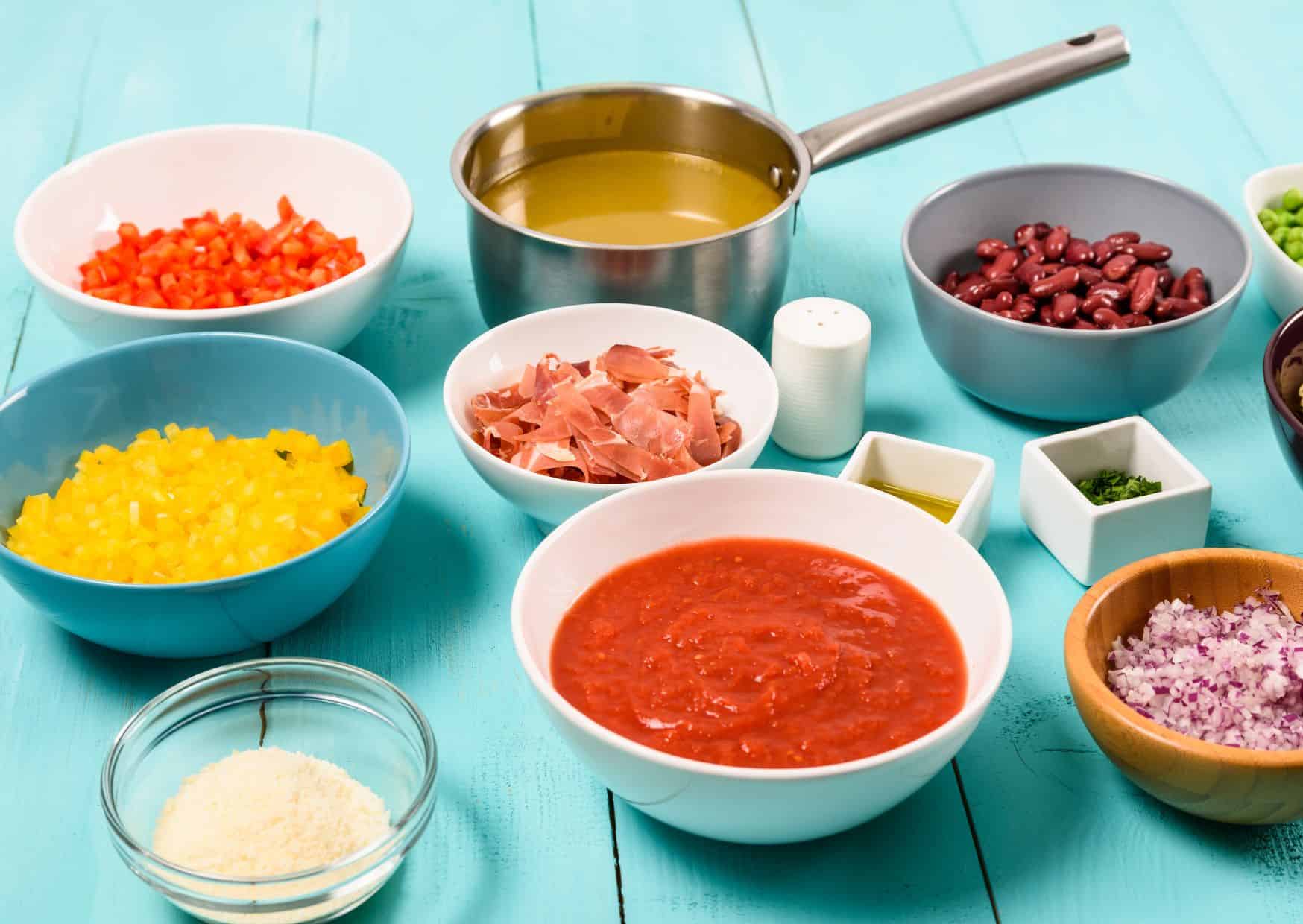
2 tablespoons olive oil
1 large onion, chopped
2 cloves garlic, minced
2 carrots, peeled and chopped
2 celery stalks, chopped
1 zucchini, chopped
1 small potato, peeled and diced
1 cup green beans, trimmed and cut into 1-inch pieces
1 can (14.5 oz) diced tomatoes, with juice
6 cups vegetable broth (or chicken broth)
1 can (15 oz) cannellini beans or red kidney beans, drained and rinsed
1 cup pasta (small shapes like ditalini or elbow macaroni) or rice
1/2 teaspoon dried oregano
1/2 teaspoon dried basil
Salt and pepper, to taste
2 cups fresh spinach or kale, chopped (optional)
1/4 cup grated Parmesan cheese (for serving)
Fresh basil or parsley, chopped (for garnish)
Get the best deals for your home and kitchen needs
Step By Step How to Make Sopa Minestrone
Sauté the Vegetables
In a large pot, heat the olive oil over medium heat. Add the chopped onion and garlic to the pot. Sauté for about 5 minutes, until the onion becomes soft and translucent.
Stir in the chopped carrots and celery. Cook for another 5 minutes, allowing the vegetables to soften slightly.
Add the Vegetables and Broth
Add the chopped zucchini, potato, and green beans to the pot. Stir to combine with the other vegetables. Pour in the diced tomatoes with their juice and the vegetable or chicken broth. Stir in the dried oregano and basil. Season with salt and pepper to taste.
Bring the soup to a boil, then reduce the heat to low. Cover and simmer for about 20-25 minutes, or until the vegetables are tender.
Add the Pasta or Rice
Stir in the pasta or rice and cook for another 10-12 minutes, or until the pasta is al dente or the rice is cooked through. Stir in the drained and rinsed beans. If using fresh spinach or kale, add it now as well. Simmer for an additional 5 minutes, until the greens are wilted and the beans are heated through.
Serve the Minestrone
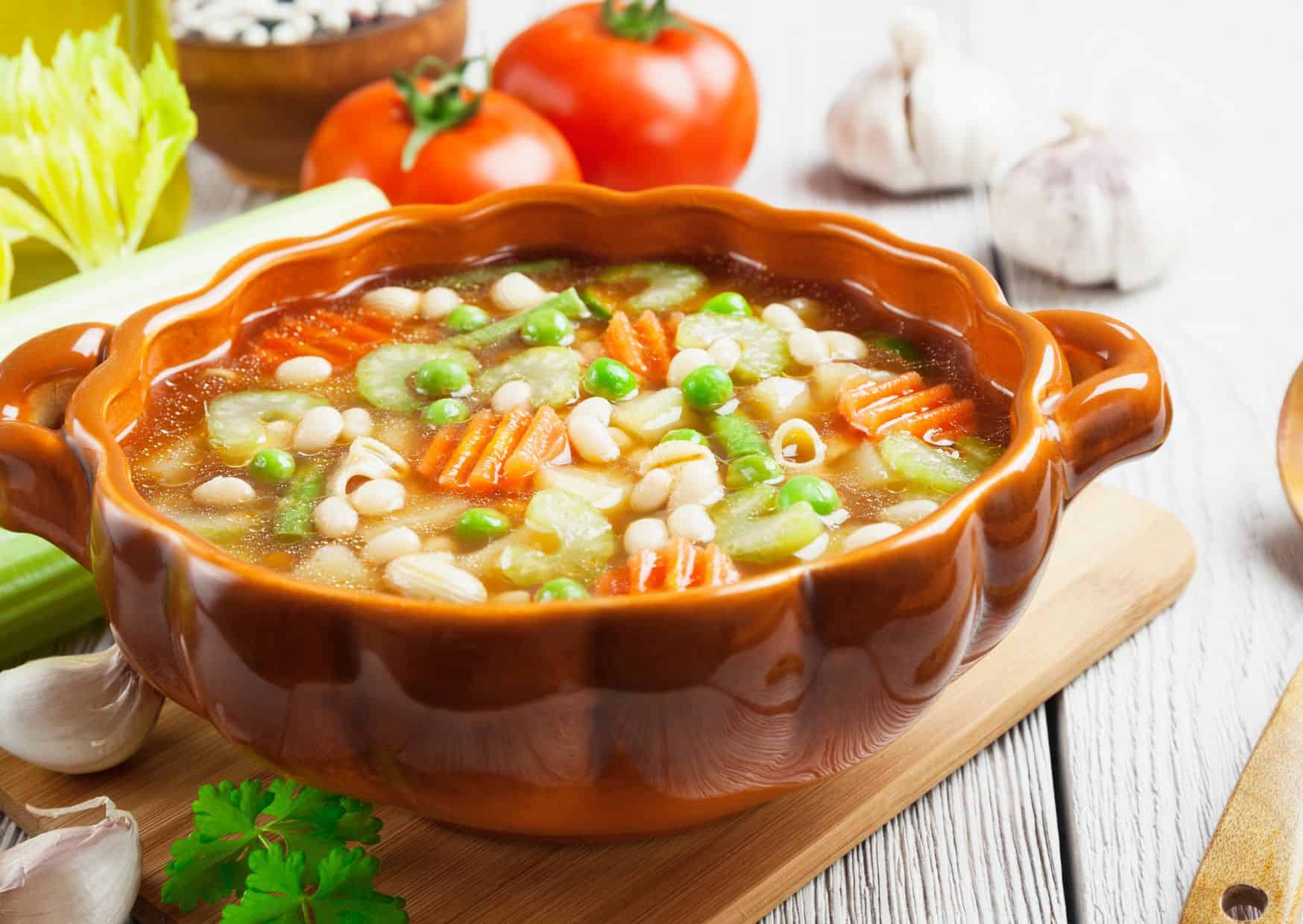
Taste the soup and adjust the seasoning with more salt and pepper if needed. Ladle the minestrone into bowls. Garnish with grated Parmesan cheese and fresh basil or parsley if desired.
Tips To Make Sopa Minestrone
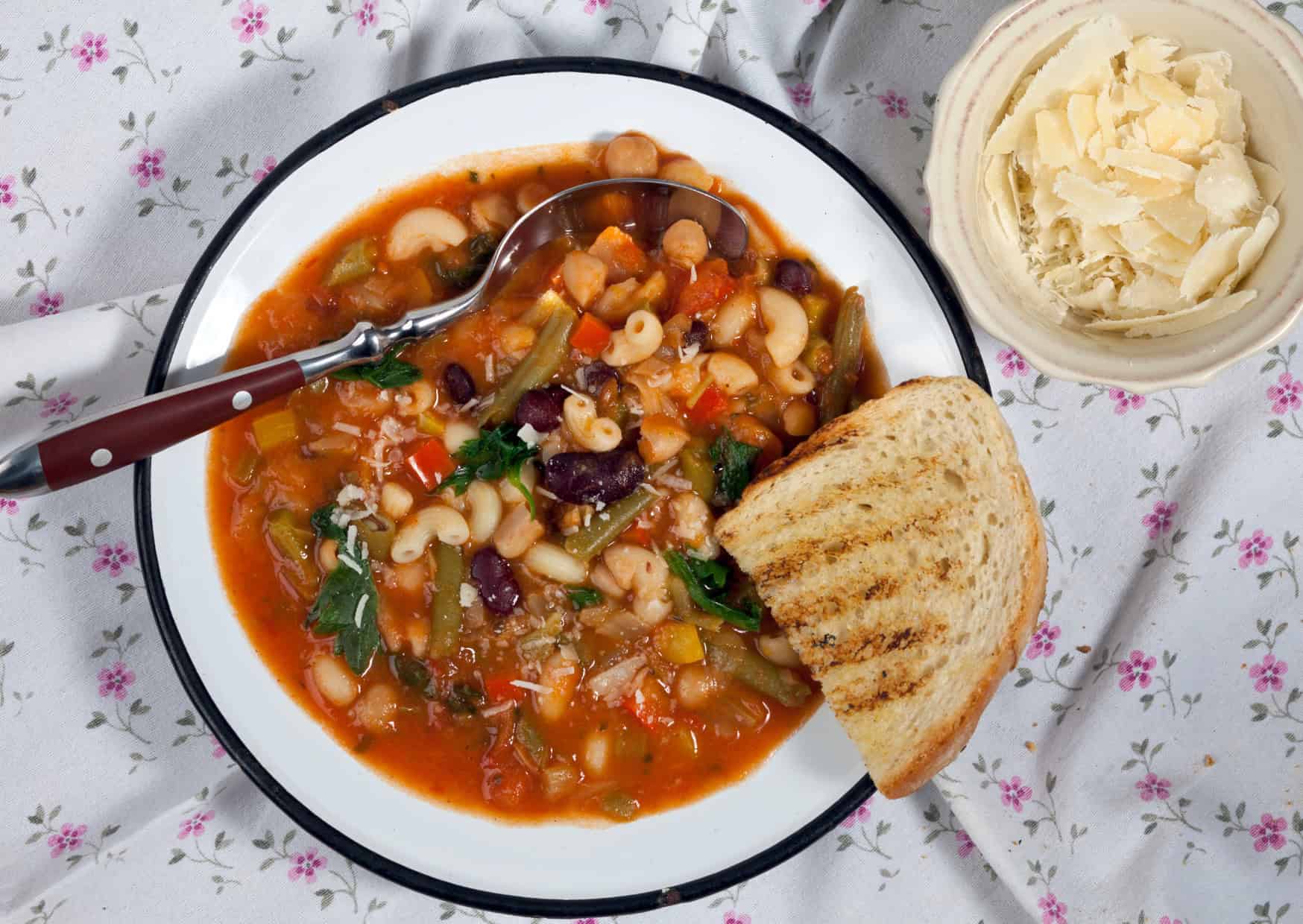
Minestrone is versatile, so feel free to use whatever vegetables you have on hand. Seasonal vegetables work particularly well. Cannellini or red kidney beans are traditional, but you can use any type of beans you like, such as chickpeas or black beans.
If you prefer, you can substitute pasta with rice or even skip it altogether for a lighter soup. Alternatively, cook the pasta or rice separately and add it to each serving to prevent it from becoming too soft. For extra depth of flavor, add a Parmesan rind to the soup as it simmers, then remove it before serving.
How Many Calories Have Sopa Minestrone
A typical serving of minestrone soup (about 1.5 cups) contains approximately 200-300 calories, depending on the ingredients used and whether you include pasta or rice. The dish is low in fat and high in fiber, making it a healthy and satisfying meal.
Origin and History
Minestrone’s origins stretch back to ancient Rome, long before tomatoes, potatoes, or many of the vegetables associated with modern versions reached Italian soil. Early Roman cooks prepared a vegetable-based broth called puls, a humble mixture of grains, legumes, and whatever vegetables were in season. This dish served as a nutritious staple for ordinary citizens, reflecting Italy’s agricultural foundations and the reliance on local produce. As the Roman Empire expanded, new ingredients found their way into kitchens, slowly enriching the soup’s flavor and variety.
By the Middle Ages, minestrone evolved into a dish deeply tied to regional identity. Italy’s fragmented city-states developed unique versions based on their climates and available crops. In the north, cooks added cabbage, beans, and root vegetables; in central Italy, tomatoes and leafy greens became common; in coastal areas, basil and fresh herbs played a prominent role. Minestrone became known as a “kitchen sink” soup not because it lacked structure, but because it celebrated flexibility and resourcefulness.
The arrival of the New World ingredients in the 16th century greatly transformed minestrone. Tomatoes in particular reshaped Italian cooking, bringing acidity and depth to the broth. Beans and potatoes further enriched the dish. Over time, minestrone transitioned from a rustic peasant meal to a beloved national staple, appreciated for its adaptability and comfort. Today, authentic minestrone still reflects a timeless Italian principle: cook with what the land gives you, in the season it gives it.
One of the most debated aspects of minestrone is whether there is such a thing as a “correct” recipe. Many travelers and home cooks believe that adding pasta, beans, and tomatoes automatically makes a dish minestrone. Italians, however, argue that authenticity depends on respecting the seasonal, local nature of the dish. A summer minestrone should not include winter vegetables, and a winter minestrone should not rely on basil or zucchini. This debate highlights the tension between tradition and modern convenience.
Another controversy emerges around the use of broth versus water. Many international recipes rely heavily on stock for flavor, assuming deeper taste equals better soup. In Italy, many cooks insist that true minestrone should be built on water. They argue that the slow release of starches, vegetable juices, and herbs creates its own broth, emphasizing purity and balance. Advocates for stock claim it adds body and richness, while traditionalists believe it masks the character of the vegetables.
A further point of contention involves pasta. Some Italians maintain that pasta belongs in minestrone only under certain conditions; others omit it entirely, preferring rice, spelt, or no grain at all. Tourists often assume that pasta is mandatory, overlooking centuries-old regional variations that never included it. The disagreement reveals how deeply Italians feel about nuance in dishes outsiders often oversimplify.
How Long It Takes to Prepare
Minestrone is not a fast soup, but it rewards patience. Preparation typically takes fifteen to thirty minutes, depending on how many vegetables need peeling, chopping, or trimming. The foundational aromatics—onion, celery, carrot—form the base and require careful sautéing to release their sweetness. Once these elements are prepped, the longest part of the process is letting the flavors develop slowly.
Simmering minestrone usually takes between forty-five minutes and one hour. The goal is to allow vegetables to soften at different stages, layering textures and flavors. Root vegetables go in early, while tender greens and herbs join near the end. If pasta or rice is added, cooks often wait until the last ten minutes to prevent overcooking. This method ensures the soup maintains structure rather than collapsing into a puree.
Overall, preparing authentic minestrone at home takes about one and a half hours from start to finish. While this may seem lengthy, most of the time is passive, allowing the soup to simmer and develop depth. Italians consider minestrone a dish best made in larger batches, enjoyed across several meals, where the flavors improve with each passing day.
Serving Suggestions
Authentic minestrone is typically served warm rather than piping hot, allowing its varied textures and soft herbs to shine. A drizzle of extra virgin olive oil added just before serving enhances aroma and depth. Many Italian households accompany the soup with rustic bread, often lightly toasted and rubbed with garlic. This simple pairing reflects the practicality and warmth of Italian home cooking.
Grated cheese is optional and regionally specific. In northern Italy, Parmigiano-Reggiano or Grana Padano are common additions, while southern regions often serve minestrone without cheese altogether. Adding cheese can thicken the broth slightly and add richness, but tradition emphasizes moderation. Fresh herbs such as basil, parsley, or thyme may be sprinkled on top, depending on seasonal availability.
For a heartier meal, minestrone can be paired with cured meats, simple salads, or roasted vegetables. Because it is a flexible dish, pairing options vary widely. Its strength lies in its adaptability—light enough for lunch, satisfying enough for dinner, and suitable for both simple family meals and more elaborate spreads.
Final Thoughts
Minestrone is often misunderstood as just another vegetable soup, but its story reveals a far richer culinary heritage. It reflects the Italian relationship with the land, the seasons, and the principle that simplicity can produce extraordinary flavor. When made authentically, minestrone becomes a celebration of fresh ingredients and slow cooking, offering comfort and nourishment in every bowl. Understanding its origins enhances appreciation for a dish that has evolved over centuries while maintaining its rustic heart.
The controversies surrounding minestrone highlight both the passion Italians have for tradition and the complexity of a dish that outsiders often reduce to a formula. Though debates persist over ingredients, preparation methods, and authenticity, they all point to the deep cultural value placed on this humble soup. Its variations are not mistakes; they are expressions of regional identity and historical adaptation.
Ultimately, the beauty of minestrone lies in its flexibility and its roots. It invites home cooks to honor the seasons, use what they have, and let flavors unfold naturally. Making minestrone at home offers an opportunity to experience the rhythm of Italian cooking slow, thoughtful, and anchored in respect for ingredients. It is a dish that nourishes the body while preserving a culinary legacy that continues to thrive.

About the Author: Ruben, co-founder of Gamintraveler.com since 2014, is a seasoned traveler from Spain who has explored over 100 countries since 2009. Known for his extensive travel adventures across South America, Europe, the US, Australia, New Zealand, Asia, and Africa, Ruben combines his passion for adventurous yet sustainable living with his love for cycling, highlighted by his remarkable 5-month bicycle journey from Spain to Norway. He currently resides in Spain, where he continues sharing his travel experiences with his partner, Rachel, and their son, Han.