
From calling every bubbly “Champagne” to mixing up espresso orders in Italy, many Americans use blanket terms for beloved European beverages. But the difference between a latte and caffè latte can be bigger than you think—and your French friend might cringe if you dub every sparkling wine “Champagne.” Below are 8 commonly misnamed drinks, plus how to get them right so you avoid awkward bar or café moments abroad.
Hungry for More Cultural Debunking?
– 10 Secrets to Understanding European Politeness (And Why You’re Doing It Wrong)
– Why Europeans Never Order These 13 Menu Items (And What to Do Instead)
1. “Champagne” vs. Any Sparkling Wine

The Mislabel
- Americans often call every fizzy wine “Champagne,” including Spanish Cava or Italian Prosecco.
What It Really Is
- Champagne: Sparkling wine from the Champagne region in France. Elsewhere, it’s just “sparkling wine,” or specifically Prosecco (Italy), Cava (Spain), Crémant (France outside Champagne).
Why Locals Care
- “Champagne” is a protected term. Producers in that region guard the name vigorously. Ordering “Champagne” but happily accepting a generic sparkling can cause eyerolls from French connoisseurs.
How to Get It Right
- Know your fizz: Prosecco from Veneto, Cava from Catalonia, Champagne from—you guessed it—Champagne. If the label says otherwise, don’t say Champagne.
2. “Latte” in Italy vs. the U.S.
The Mislabel
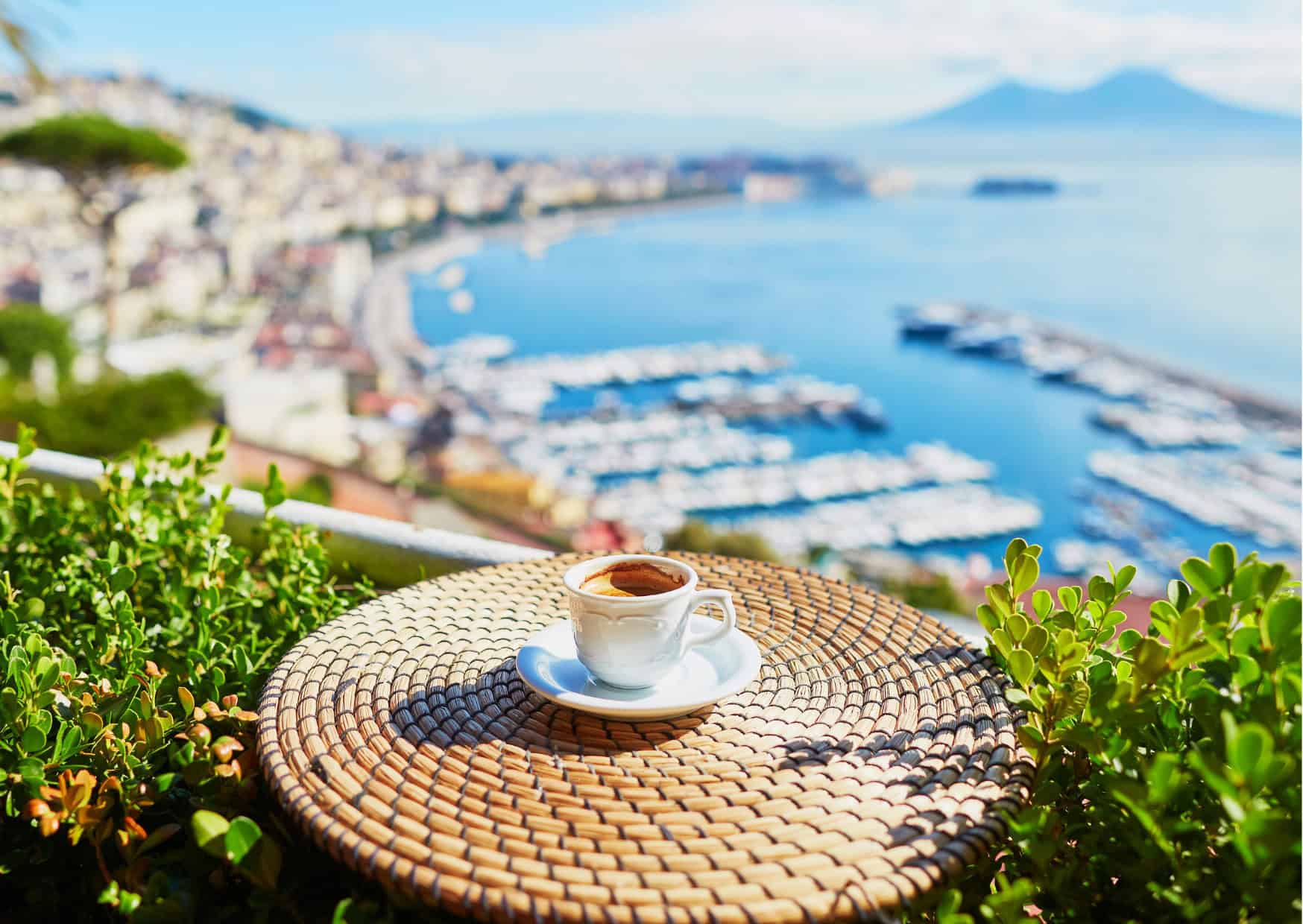
- Tourists in Italy ask for a “latte,” expecting a milky coffee drink. They end up getting a glass of plain milk.
What It Really Is
- Latte = “milk” in Italian. The espresso + steamed milk drink is caffè latte or just “latte macchiato.”
- A plain “latte” might yield confusion or simple dairy.
Why Locals Care
- Italians are precise about coffee orders—using the correct name respects their café culture.
How to Get It Right
- If you want that big cup of milky coffee, say “un caffè latte” or “un latte macchiato.” If you just say “latte,” you may be sipping cold (or warm) cow’s milk.
3. “Greek Coffee” vs. “Turkish Coffee”
The Mislabel
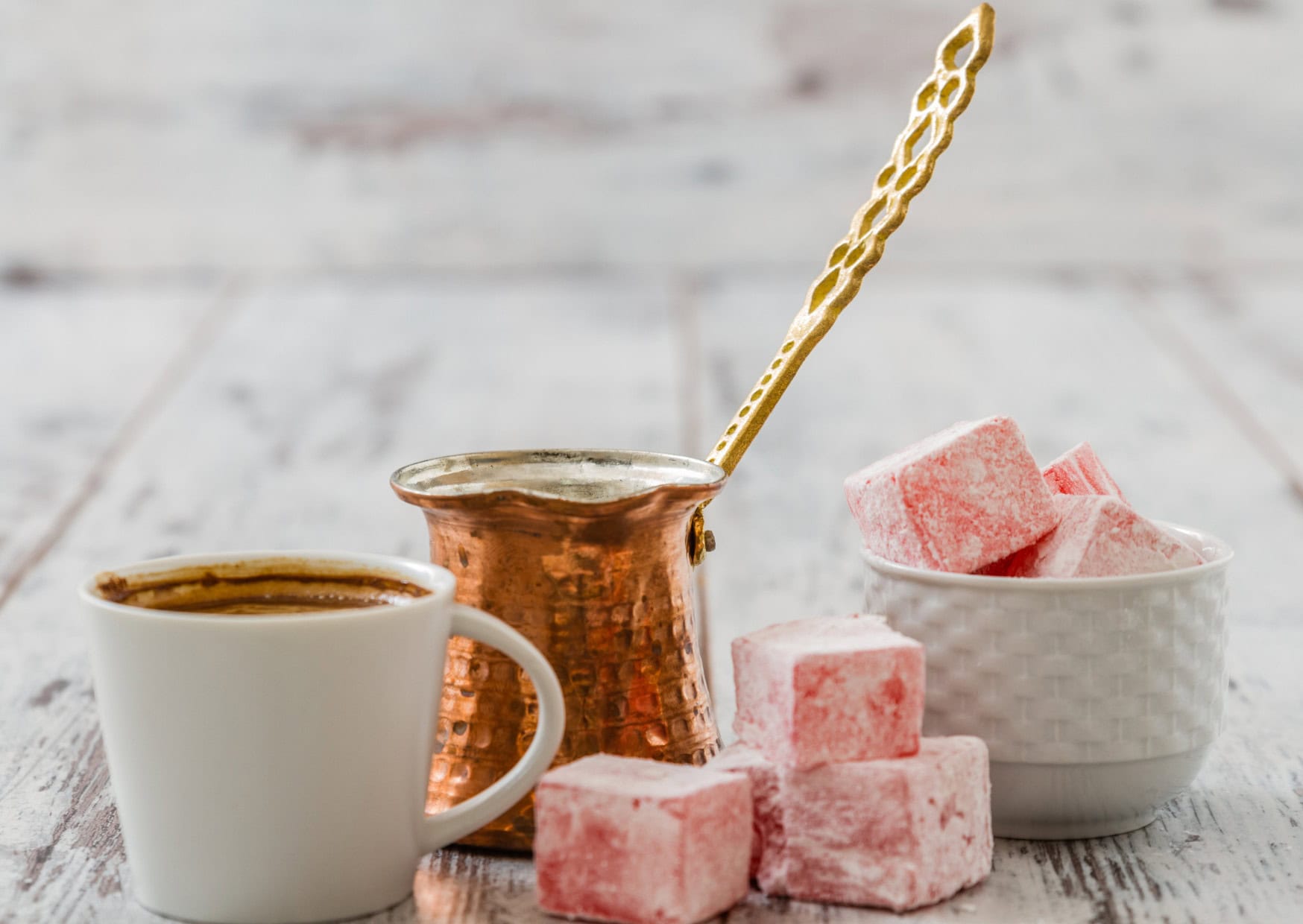
- Americans often conflate thick, unfiltered coffee from Greece, Turkey, or the Middle East—calling it Turkish coffee even in Greece, or Greek coffee in Turkey, which can spark national pride issues.
What It Really Is
- Greek coffee and Turkish coffee are nearly identical in preparation (finely ground coffee, boiled in a small pot). But historically, each country claims a distinct tradition.
Why Locals Care
- Greece and Turkey have a tense history. Using “Turkish coffee” in a Greek café (or vice versa) may offend older generations.
How to Get It Right
- In Greece, order “Ellinikós kafés” (Greek coffee). In Turkey, say “Türk kahvesi.” Elsewhere, you can call it “Arabic coffee” if you’re in the Middle East. Just match the local name.
4. Espresso vs. “Expresso”
The Mislabel
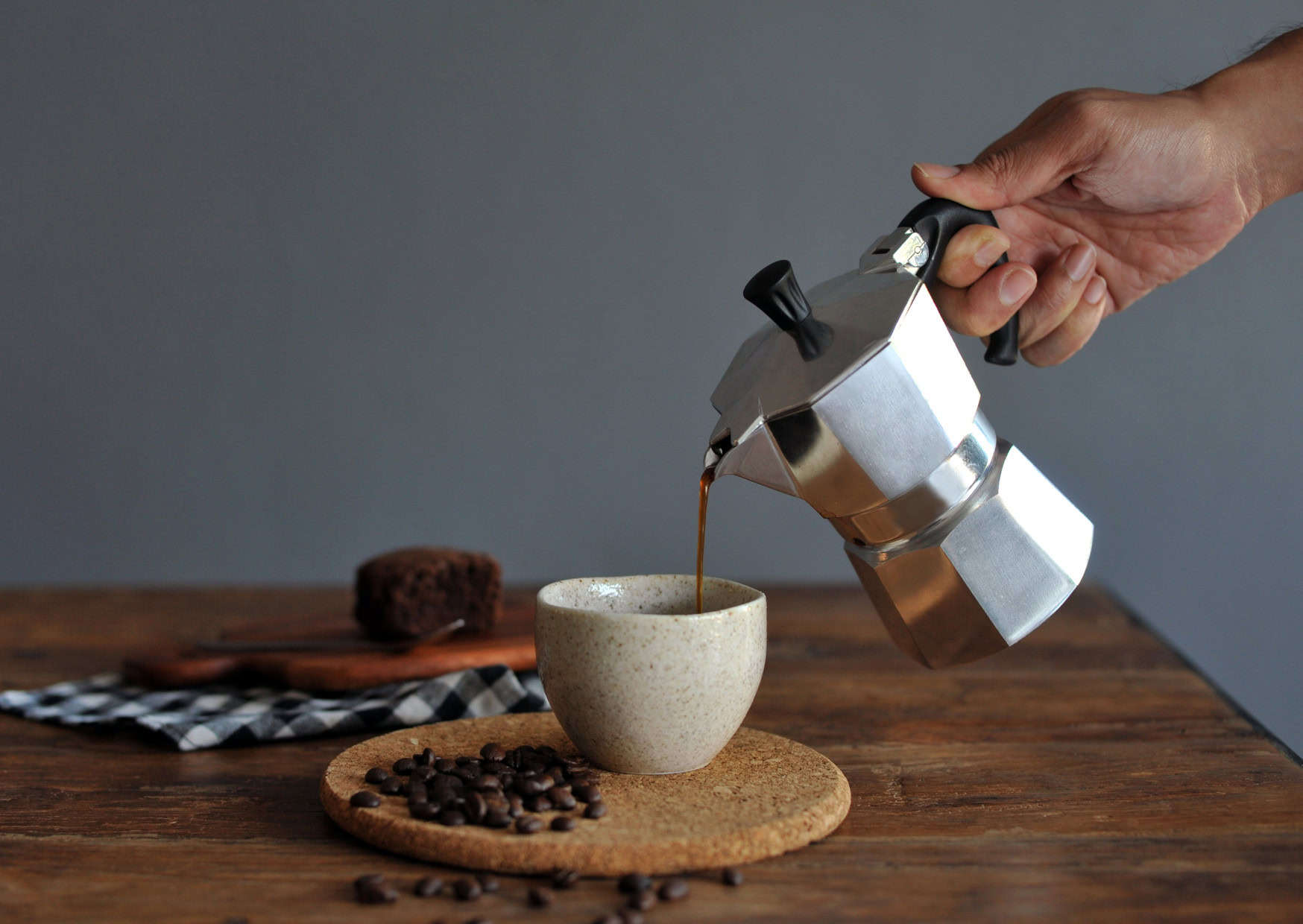
- Some Americans say “expresso,” adding an extra “x.” Another confusion is calling any small coffee shot “espresso,” even if it’s prepared incorrectly or using instant methods.
What It Really Is
- Espresso: A concentrated coffee made by forcing hot water under pressure through finely-ground beans. Real espresso is short, strong, and has crema on top.
Why Locals Care
- For Italians, coffee is practically a religion. Mispronouncing “espresso” or expecting an “Americano shot” can be cringe.
How to Get It Right
- Pronounce it correctly: “es-press-oh,” no “x.” Understand it’s a short shot (about 25-30 ml). If you want a bigger black coffee, ask for an americano or lungo.
5. “Sangria” Outside Spain
The Mislabel
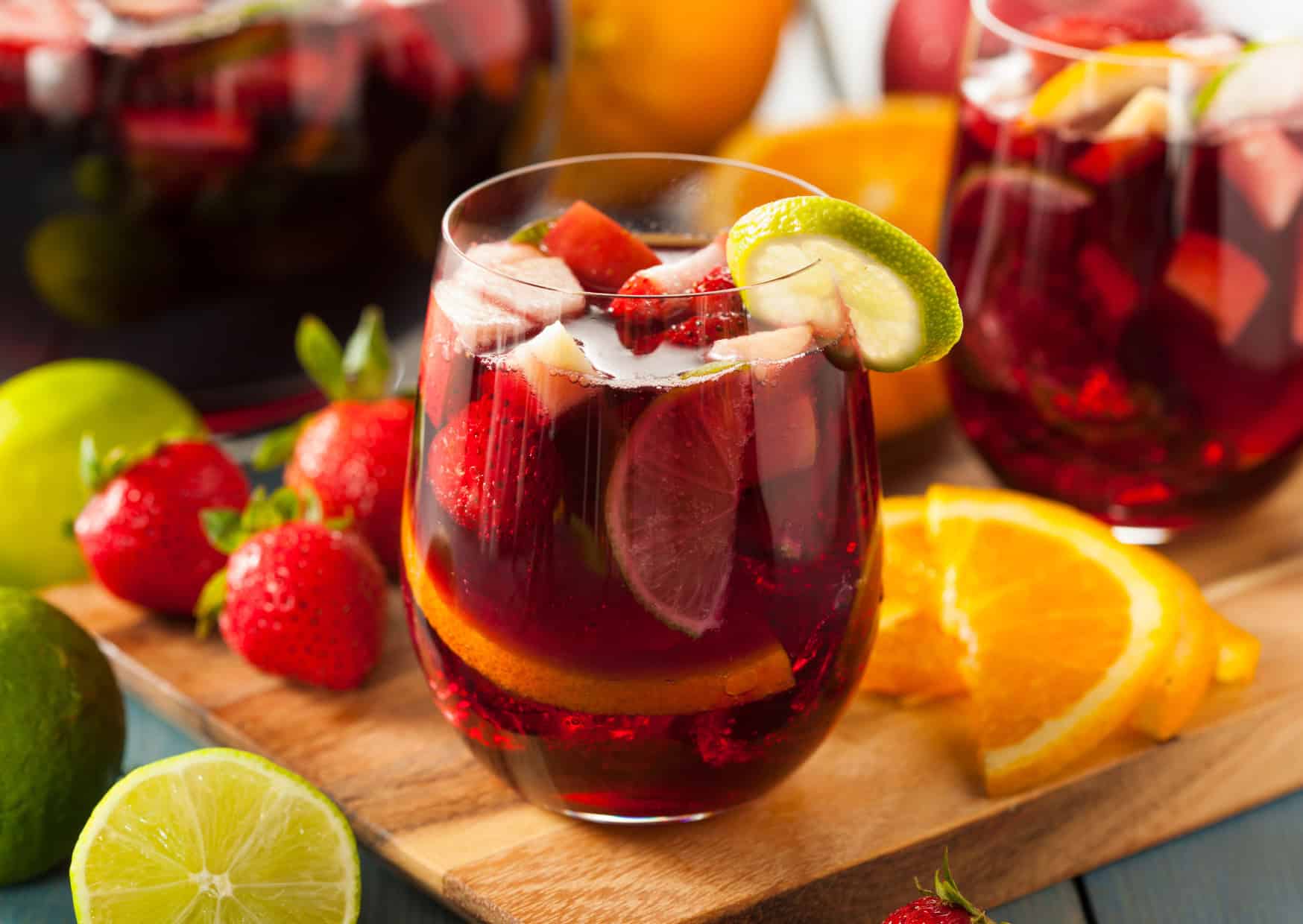
- Americans might order “sangria” in Paris or Berlin expecting the same fruity wine punch, unaware it’s a Spanish tradition. Some bars serve a random red wine + fruit mix (or skip fruit entirely).
What It Really Is
- Sangria: Spanish red (or white) wine, chopped fruit, sugar, and a splash of brandy or other liquor—originating in Spain or Portugal. Outside these regions, it’s often improvised.
Why Locals Care
- For Spaniards, good sangria is about fresh, quality fruit and balancing flavors. Labeled sangria in other countries might be subpar.
How to Get It Right
- In Spain, sure, order sangria. Beyond that, confirm what’s in it—some restaurants serve sugary “sangria-like” cocktails. You might prefer a local wine or a different official cocktail.
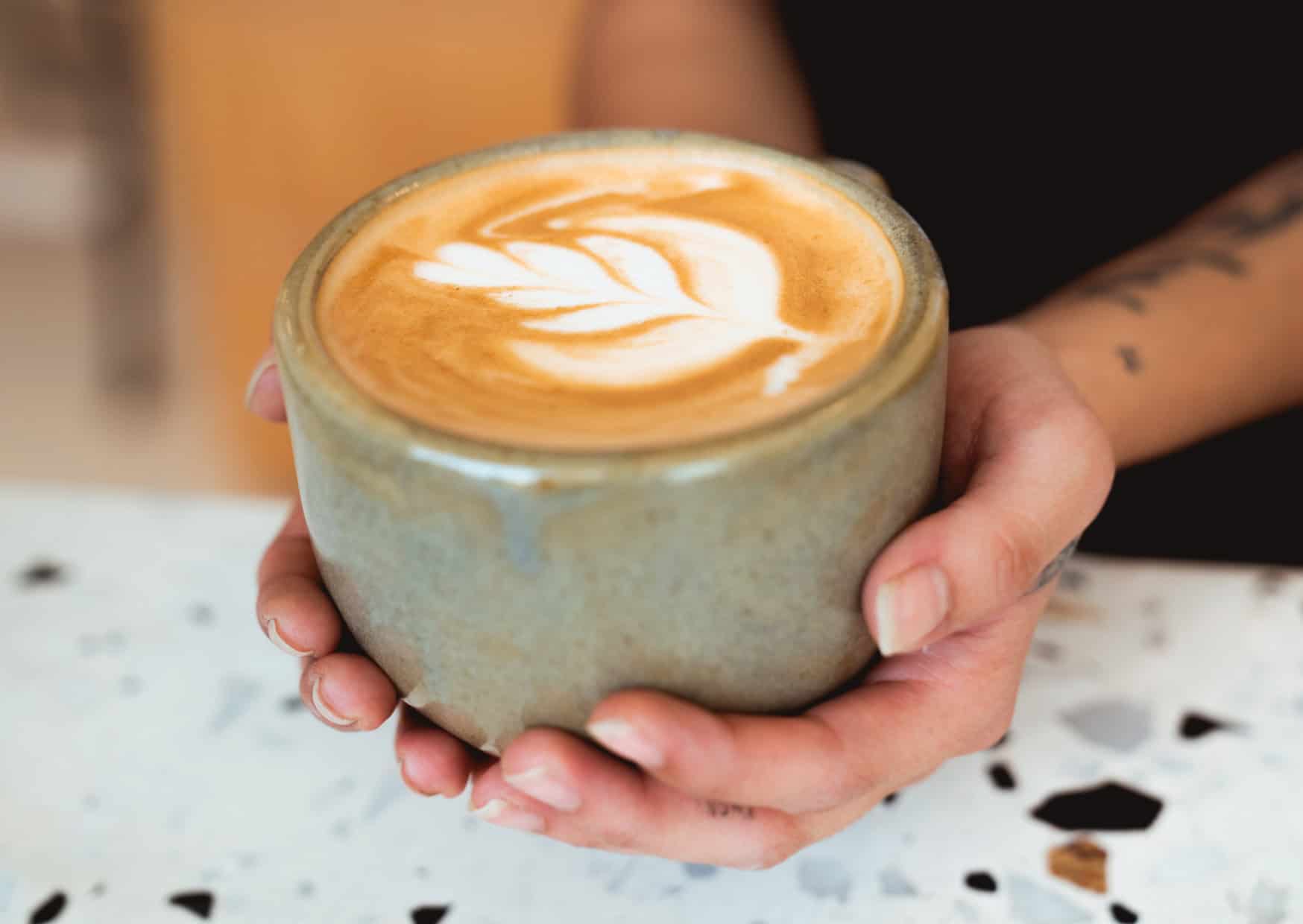
6. “Cappuccino After Lunch” in Italy
The Mislabel
- Americans might treat cappuccino as an anytime drink. They order it after lunch or dinner, not realizing how Italians see cappuccinos as a morning-only beverage.
What It Really Is
- Cappuccino typically belongs to breakfast or mid-morning. Italians don’t pair it with heavy meals or desserts, believing too much milk post-pasta disrupts digestion.
Why Locals Care
- It’s a cultural norm—milk drinks after midday appear odd. Some baristas will serve it, but with a raised eyebrow.
How to Get It Right
- If you crave coffee post-lunch, choose an espresso or caffè macchiato (espresso + a dollop of foam). Keep milky cappuccinos for breakfast.
7. “Hard Cider” vs. French “Cidre” or Spanish “Sidra”
The Mislabel
- Americans equate “hard cider” with a sweet alcoholic apple beverage. But traveling in Normandy (France) or Asturias (Spain), locals have distinct cider traditions, tastes, and serving rituals.
What It Really Is
- French cidre can be dry (brut) or sweet (doux), often lower in alcohol, sometimes used in cooking. Spanish sidra is poured from a height to aerate it.
Why Locals Care
- Each region’s cider method is unique—like Asturian sidra is tangy and served in tiny increments. Calling them “hard cider” lumps them into a broad, commercial category.
How to Get It Right
- In France: ask for “cidre brut” or “doux,” often served in clay cups with galettes or cheese.
- In Spain: request “sidra natural,” watch the “escanciado” pour, and drink promptly—freshness matters.
8. “Turkish Delight” Mix-Ups in the Balkans
The Mislabel
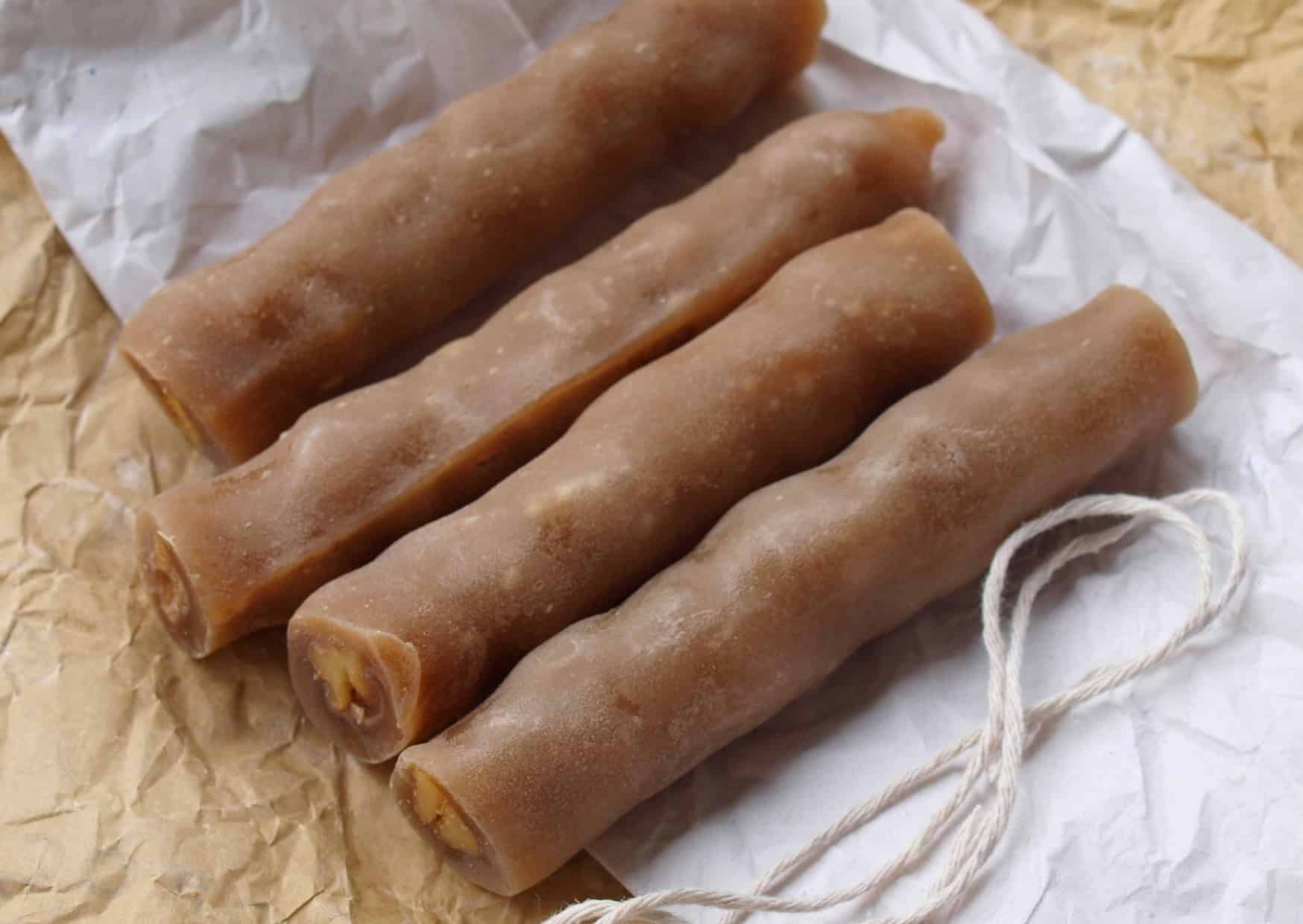
- Americans might call any gelatinous sweet dusted with sugar “Turkish delight,” ignoring local variants like Greek loukoumi or Cypriot delight.
What It Really Is
- Various Balkan or Eastern Mediterranean countries produce these sugary cubes under different names (sometimes laced with nuts or fruit essence).
Why Locals Care
- Culinary pride is big. Telling a Greek it’s “Turkish delight” might ruffle feathers. Meanwhile, in Turkey, they might find the store-bought US version lacking.
How to Get It Right
- Use the name local vendors do: loukoumi in Greece, lokum in Turkey, etc. Try different flavors, from rose to pistachio—ask about local favorites.
The Bottom Line
Europe’s drink and food culture is highly regional, so slapping the same label on every variation can spark confusion—or mild annoyance. Learning the correct name or local nuance ensures you order what you truly want—and locals see you as a respectful, curious traveler. Next time you’re craving Prosecco, cappuccino, or Greek coffee, go beyond the generic term and speak the local language—you’ll taste the difference.
Pro Tip
- Before traveling, do a quick Google: “local name for X beverage” or ask a local bartender. Small efforts yield a more authentic experience—and help you avoid sipping plain milk when you meant to get a latte!

About the Author: Ruben, co-founder of Gamintraveler.com since 2014, is a seasoned traveler from Spain who has explored over 100 countries since 2009. Known for his extensive travel adventures across South America, Europe, the US, Australia, New Zealand, Asia, and Africa, Ruben combines his passion for adventurous yet sustainable living with his love for cycling, highlighted by his remarkable 5-month bicycle journey from Spain to Norway. He currently resides in Spain, where he continues sharing his travel experiences with his partner, Rachel, and their son, Han.