
Remember when you could savor a weekend in Prague or Lisbon for next to nothing? Over time, word got out, and those “secret budget havens” blew up—rents climbed, tourist throngs arrived, and prices soared. Now locals and savvy travelers are quietly shifting to new or lesser-known locales that preserve the spirit of affordability. Below are 7 big-name ‘cheap’ spots that aren’t so cheap anymore—and where Europeans are sneaking off to instead.
Want More Money-Saving Travel Tips?
– How to Spend a Month in Europe With Just a Carry-On—Minimalist Packing Hacks
– Why Europeans Never Order These 13 Menu Items (And What to Do Instead)
– 10 Secrets to Understanding European Politeness (And Why You’re Doing It Wrong)
1. Lisbon, Portugal
What Happened
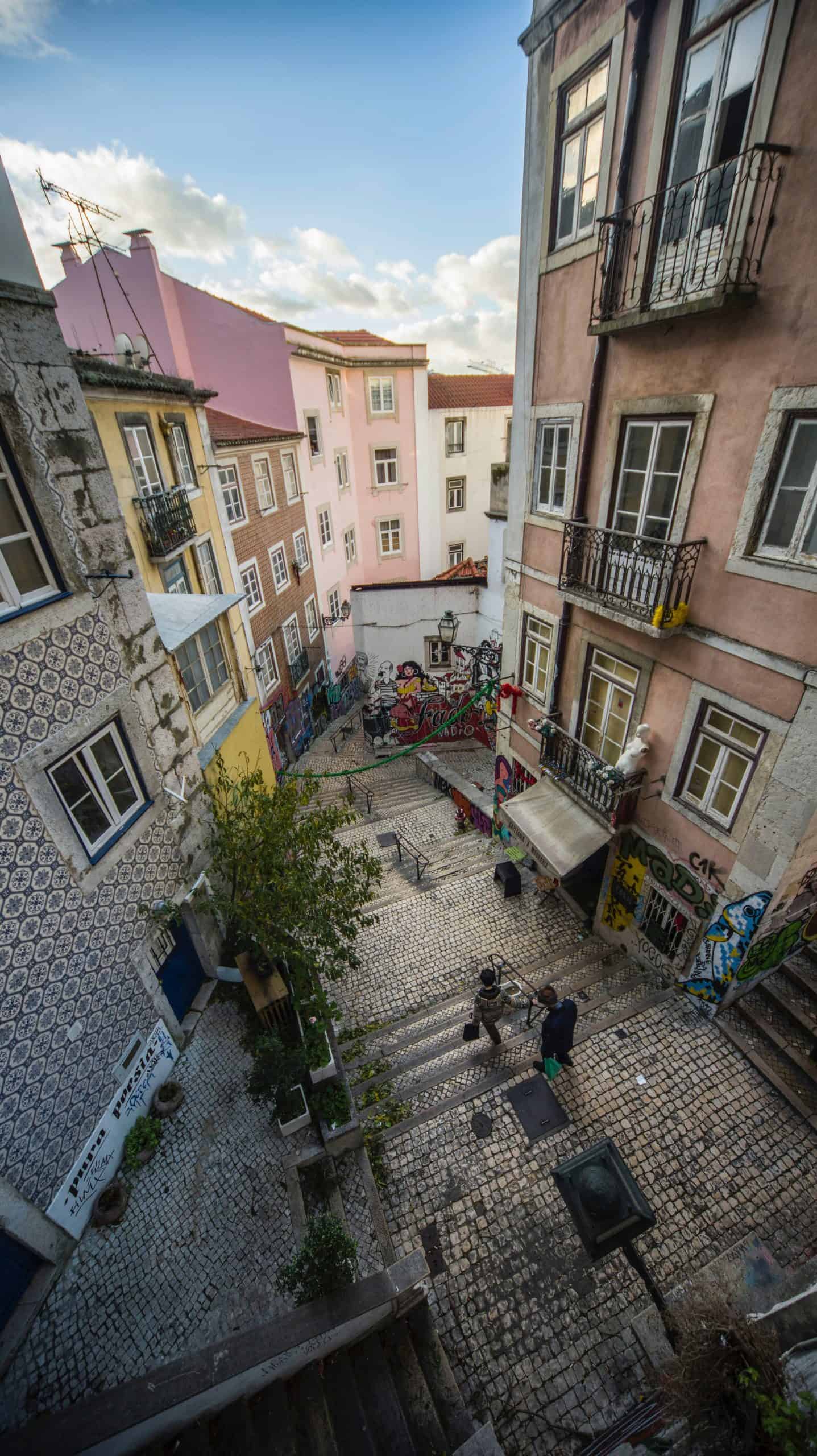
- Once hailed for low cost of living, Lisbon has skyrocketed in popularity—digital nomads, retirees, and Airbnb expansions jacked up rents and restaurant prices. Central neighborhoods are brimming with tourists.
Where Locals Go Instead
- Braga or Guimarães in northern Portugal: Both offer history-rich cores, cheaper apartments, and fewer selfie-stick mobs. Also, Porto’s overshadowed smaller towns (like Viana do Castelo) keep lodging costs friendlier.
- Why You’ll Love It: Verdant landscapes, medieval lanes, and that laid-back Portuguese vibe—minus the Lisbon crowd crush.
Local’s Perspective
- “I loved Lisbon,” admits a 30-year-old freelancer, “but prices soared so fast. Braga’s calmer and I still get the pastel de nata fix!”
2. Prague, Czech Republic
What Happened
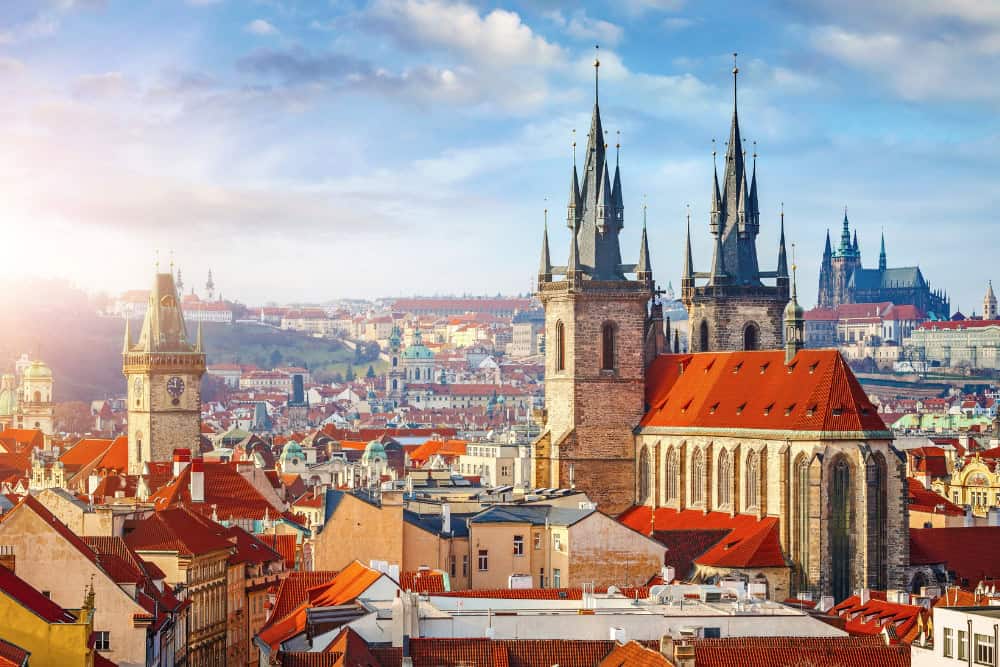
- Famous for cheap beer and fairy-tale charm, Prague exploded with stag parties, budget flights, and holiday rentals. Tourist-flooded Old Town pushed housing costs beyond many residents’ reach.
Where Locals Go Instead
- Brno (Czech Republic’s second city): Known for an up-and-coming tech scene, lively cafés, and more authentic nightlife. Smaller towns like České Budějovice or Pilsen also see fewer crowds but strong beer traditions.
- Why You’ll Love It: Cheaper rent, a creative startup culture, and a more laid-back pace than the jam-packed cobblestone squares of Prague.
Local’s Perspective
- “Sure, Prague’s stunning,” says a Czech marketing professional, “but Brno’s vibe is friendlier—and I can still reach Prague quickly for a day trip.”
3. Berlin, Germany
What Happened
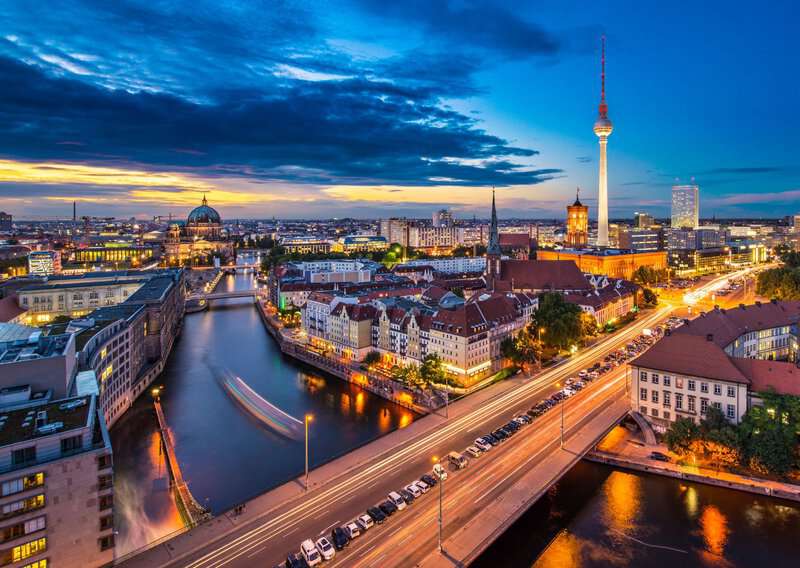
- Berlin used to lure artists and adventurers with bargain rents, edgy clubs, and indie spirit. Now, tech giants moved in, gentrification soared, and housing hunts are a bloodsport—locals joke about year-long apartment searches.
Where Locals Go Instead
- Leipzig or Dresden: Saxony’s cultural hubs, often touted as “the new Berlin,” with cheaper flats, thriving art scenes, and a fraction of the crowds.
- Why You’ll Love It: Vibrant creative communities, historical districts, lower living expenses, and short train rides to Berlin if you crave weekend nightlife.
Local’s Perspective
- “Berlin’s still awesome,” a former Berliner says, “but I got more space and a calmer existence in Leipzig. Plus, it’s half the rent.”
4. Dubrovnik, Croatia
What Happened
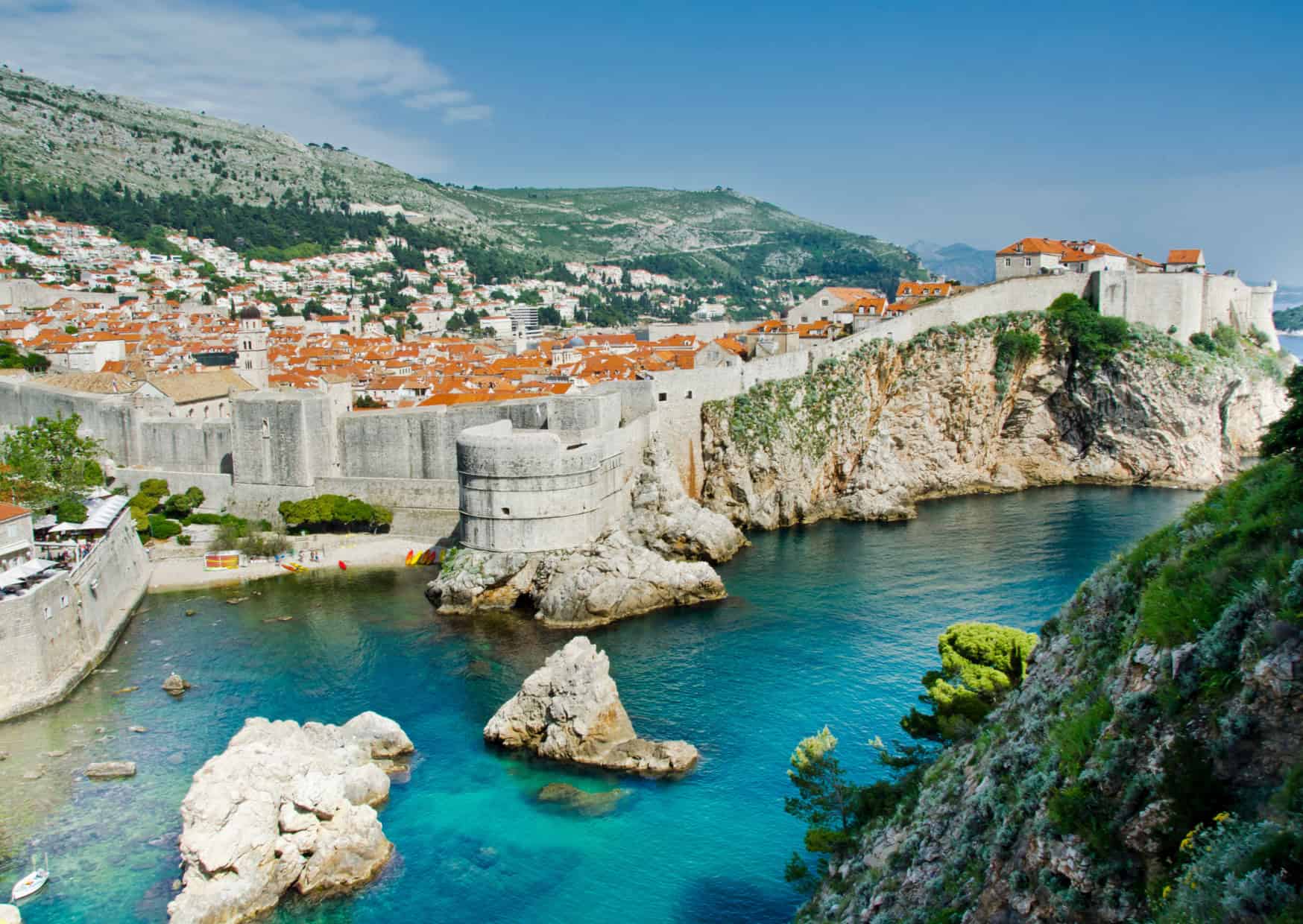
- Thanks to “Game of Thrones” fame and Adriatic cruise lines, Dubrovnik’s Old Town sees endless foot traffic. Lodgings soared in price, leaving locals and budget travelers seeking quieter coasts.
Where Locals Go Instead
- Zadar or Šibenik: Two coastal gems with rich history, fewer tourist throngs, and more affordable waterfront dining.
- Why You’ll Love It: Clear turquoise waters, architectural marvels, and cheaper apartments/hotels—even in peak summer.
Local’s Perspective
- “Dubrovnik is magical,” concedes a Croatian student, “but Zadar’s sea organ at sunset is equally captivating—and kinder on your wallet.”
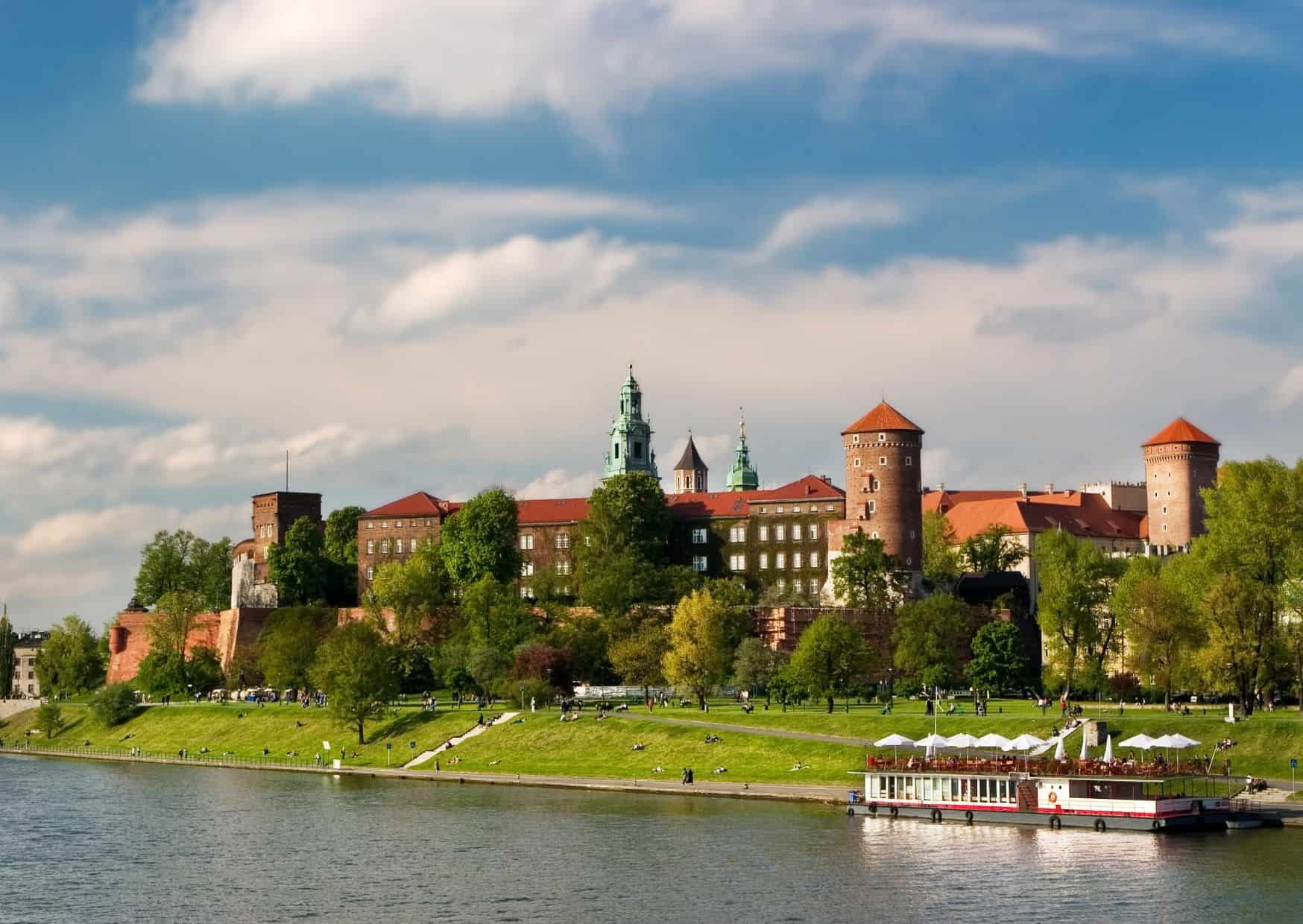
5. Kraków, Poland
What Happened
- Long revered for medieval charm and low costs, Kraków’s booming tourism and international student influx nudged rents up. The city center is busy year-round.
Where Locals Go Instead
- Wrocław (pronounced “Vrots-waf”): A dynamic city on the Oder River, known for colorful facades, gnome statues, and an expanding tech scene.
- Why You’ll Love It: Cheaper drinks, lively student population, plus diverse cultural festivals—often overshadowed by Kraków’s fame.
Local’s Perspective
- “Kraków’s gorgeous but jam-packed,” says a Polish IT worker. “Wrocław is still budget-friendly, with a big arts vibe.”
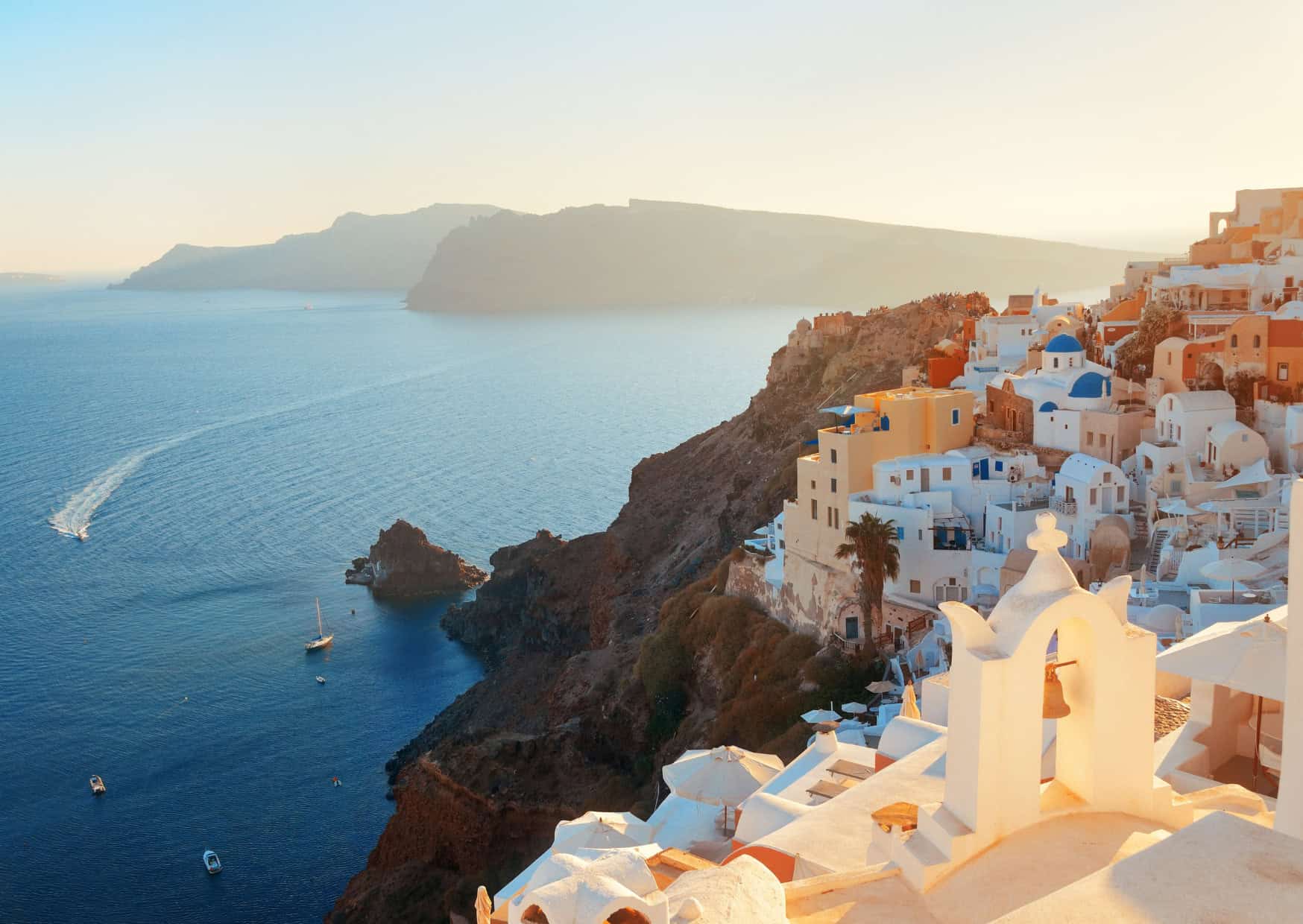
6. Santorini, Greece
What Happened
- Iconic cliffside views, sugar-cube houses, Instagram mania… all turned this tiny island into a pricey hotspot. Hotel rates and restaurant tabs soared amid the sunrise photo craze.
Where Locals Go Instead
- Naxos or Paros: Cycladic islands offering stunning beaches, white-washed villages, and simpler tourism footprints. Prices remain more moderate, especially off-peak.
- Why You’ll Love It: Similar azure sea + Greek warmth, but accommodations can be half the Santorini rate. Fewer cruise-ship daytrippers hogging the sunset vantage.
Local’s Perspective
- “Santorini is lovely,” sighs a Greek travel blogger, “but a coffee can cost triple the mainland price. On Naxos, you get amazing beaches without that premium.”
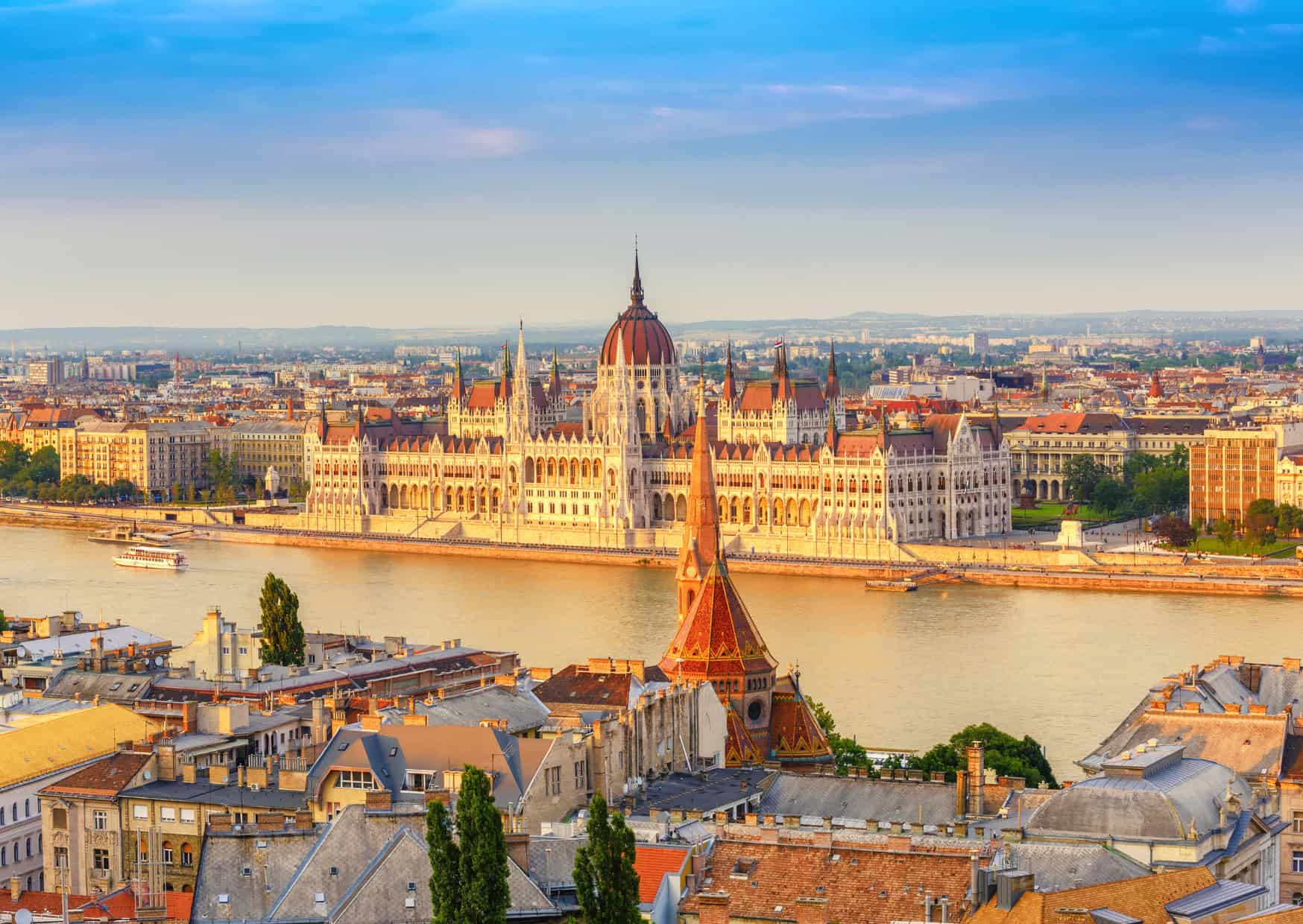
7. Budapest, Hungary
What Happened
- Known for cheap ruin bars, thermal baths, and lavish architecture—Budapest soared in popularity among city-break travelers. Rents and tourist prices are inching up, especially in District VII or near the Danube.
Where Locals Go Instead
- Pécs or Szeged: Southern Hungarian cities flush with art scenes, universities, and lower living costs. Some lesser-known spa towns also attract wellness-minded locals on a budget.
- Why You’ll Love It: Cozy, historical centers, lively student populations, and local restaurants that haven’t spiked tourist prices yet.
Local’s Perspective
- “I still love Budapest,” a Hungarian teacher says, “but for peaceful weekends, I go to Pécs—great cafés and no crowds by the main square.”
The Bottom Line
Europe’s “cheap” darlings—Prague, Lisbon, Berlin, Dubrovnik—aren’t exactly cheap anymore. Locals priced out of mainstream tourist zones seek calmer, less expensive havens that retain cultural flair without the throngs. That’s good news for travelers who crave authenticity and bargains: follow the locals to Braga, Brno, Leipzig, Zadar, and beyond. You’ll likely score lower rents, friendlier vibes, and discover an unspoiled side of Europe often missing from top-10 city lists.
Pro Tip
If you’re set on visiting these now-expensive cities, aim for off-peak seasons—January/February or late autumn—when flights, hotels, and crowds ease up. Otherwise, venture just a train ride away to the locals’ new stomping grounds, pocketing savings and fresh experiences along the way. Enjoy the hunt for Europe’s next affordable gem!

About the Author: Ruben, co-founder of Gamintraveler.com since 2014, is a seasoned traveler from Spain who has explored over 100 countries since 2009. Known for his extensive travel adventures across South America, Europe, the US, Australia, New Zealand, Asia, and Africa, Ruben combines his passion for adventurous yet sustainable living with his love for cycling, highlighted by his remarkable 5-month bicycle journey from Spain to Norway. He currently resides in Spain, where he continues sharing his travel experiences with his partner, Rachel, and their son, Han.