
Europe is a patchwork of countries, each with its own language, customs, and idiosyncrasies. You’d think Europeans would have an easier time navigating their neighbors’ quirks—but sometimes, even they get tripped up crossing a border or interacting with folks from across the continent. Below are 7 baffling cultural rules that cause head-scratching, side-eye, or pure confusion—even among those who call Europe home.
Want More Quirky Cultural Insights?
– 7 Ways You’re Insulting Europeans Without Even Realizing It
– 10 Secrets to Understanding European Politeness (And Why You’re Doing It Wrong)
– 13 Things Europeans Notice in Your Kitchen (That You Never Realize)
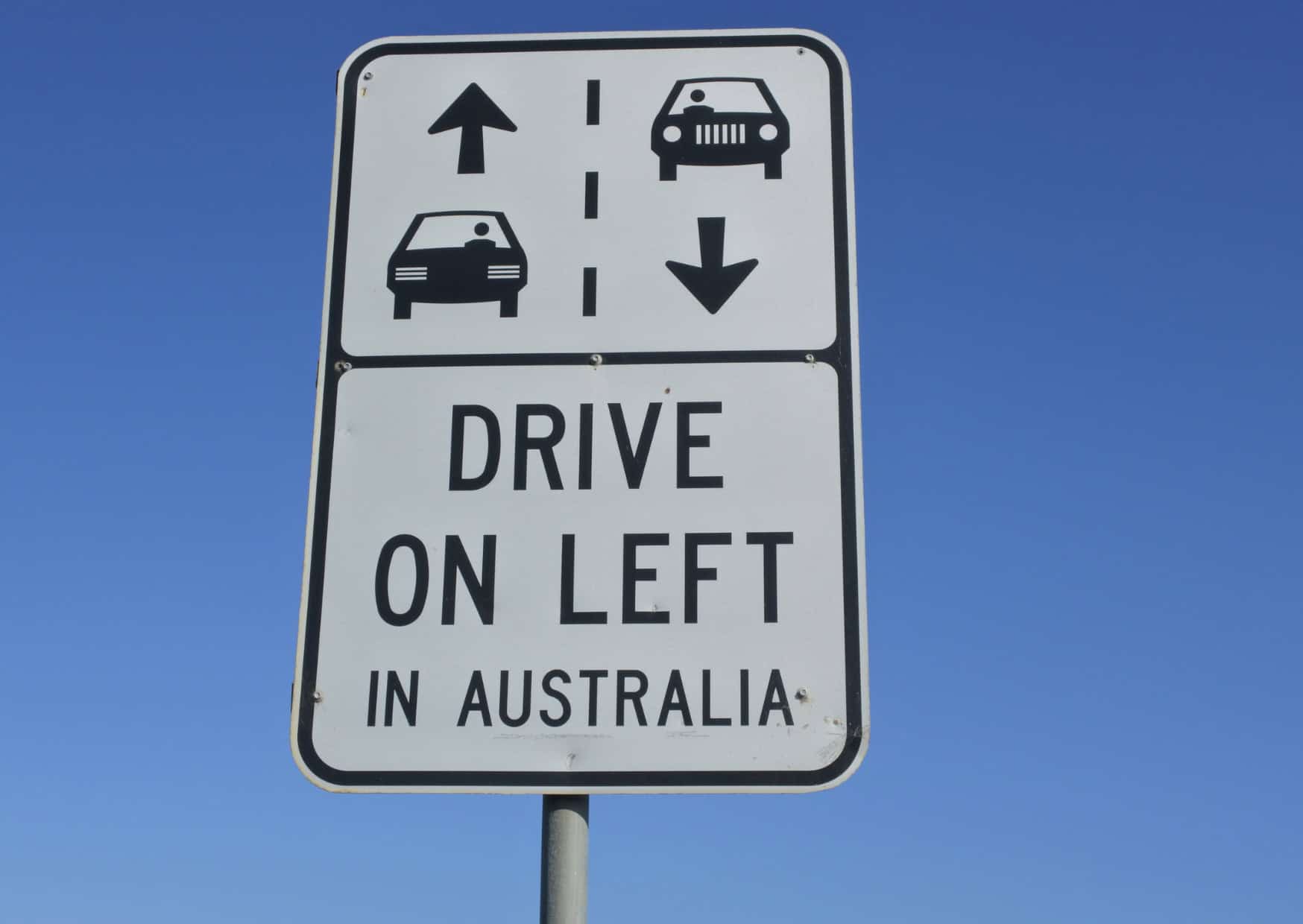
1. Driving on the Left vs. Right
What’s So Confusing?
- Most European countries drive on the right side, but the UK, Ireland, and Malta drive on the left. This can perplex a German or Spanish driver the moment they land in London.
Real-World Head-Scratcher
- A French tourist renting a car in Dublin might need a day or two (and some close calls) to adapt. Even English folks traveling in mainland Europe admit that going back-and-forth can cause reflex errors.
Survival Tip
- If you’re renting a car, mentally note “Keep to the left” or “Keep to the right” each time you set off. Watch for signage around border areas—some highways even paint huge arrows to remind you which lane to occupy.
2. The Many Kissing Customs (2, 3, or 4 Cheek Kisses?)

What’s So Confusing?
- In some parts of Spain and Italy, people do two cheek kisses. Meanwhile, certain French regions expect up to four. Others default to a handshake. Even Europeans traveling within their own continent can miscalculate and end up in awkward half-kisses.
Real-World Head-Scratcher
- A Belgian visiting southern France might go in for two kisses, only to find the local greeting calls for three. Cue the “do we keep going?” hesitation.
Survival Tip
- Observe what locals do first, or let them lead. A quick “Bonjour!” with an offered cheek or a handshake can signal their preference. If you’re not sure, ask with a playful smile, “Two or three kisses here?”
3. Dinner Times That Swing Wildly
What’s So Confusing?
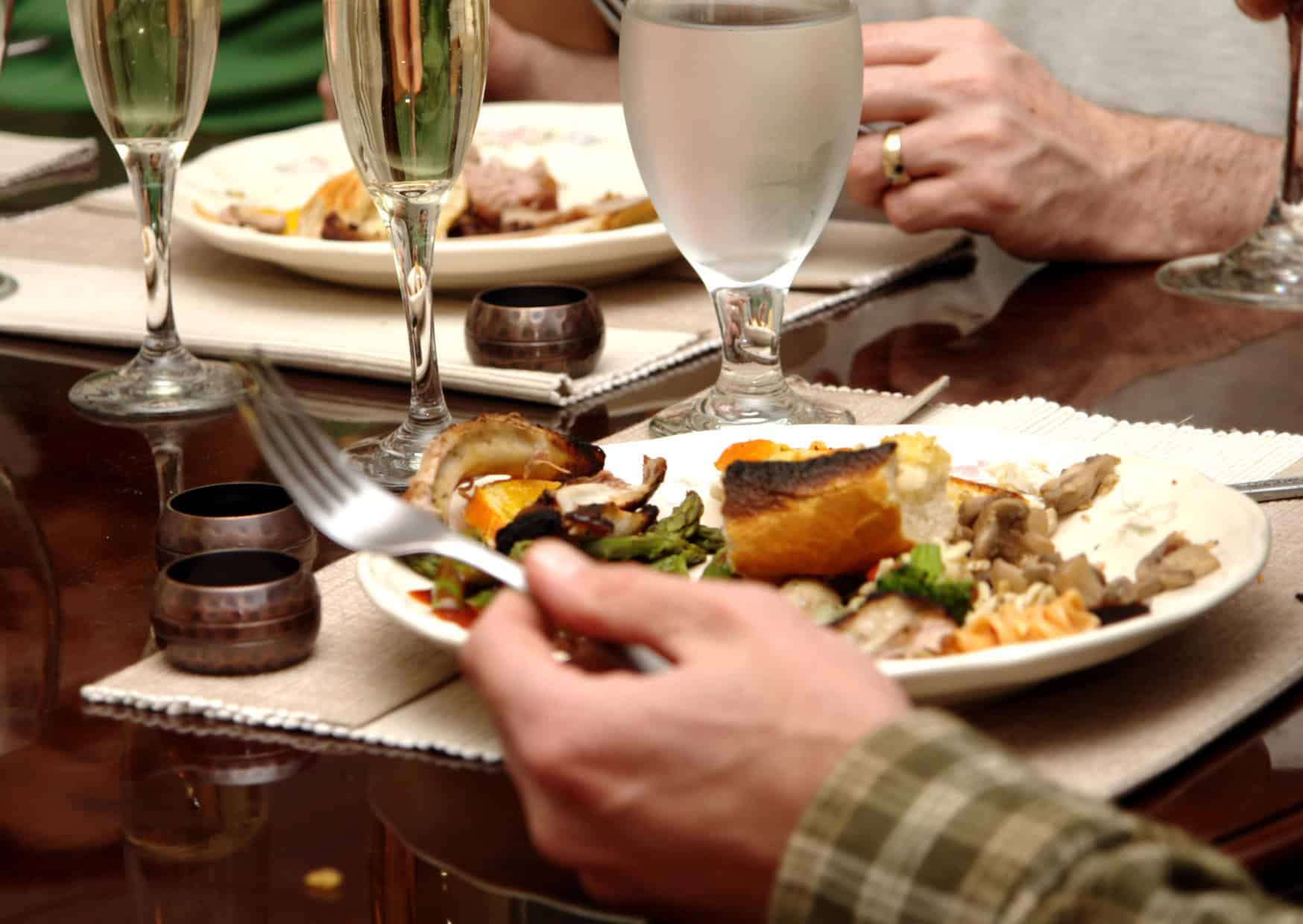
- Northern Europeans typically dine around 6–7 PM, while Spaniards might not sit down until 9–10 PM. Italians fall somewhere in between. Even Europeans traveling within Europe sometimes find themselves hangry, realizing everything’s closed or not yet open.
Real-World Head-Scratcher
- A Swedish business traveler in Madrid might hunt for a restaurant at 6:30 PM, baffled to find doors locked. Meanwhile, a Spanish tourist in Denmark might be startled when the locals have all finished dinner by 7 PM.
Survival Tip
- Plan mealtimes according to local norms. For Spain or Southern Italy, expect later dinners—maybe grab a small snack (merienda, tapas) in the late afternoon. If you’re in Germany or the UK, don’t be surprised if shops or restaurants close their kitchens by 9 PM.
4. Tipping Or Not Tipping—And How Much?
What’s So Confusing?
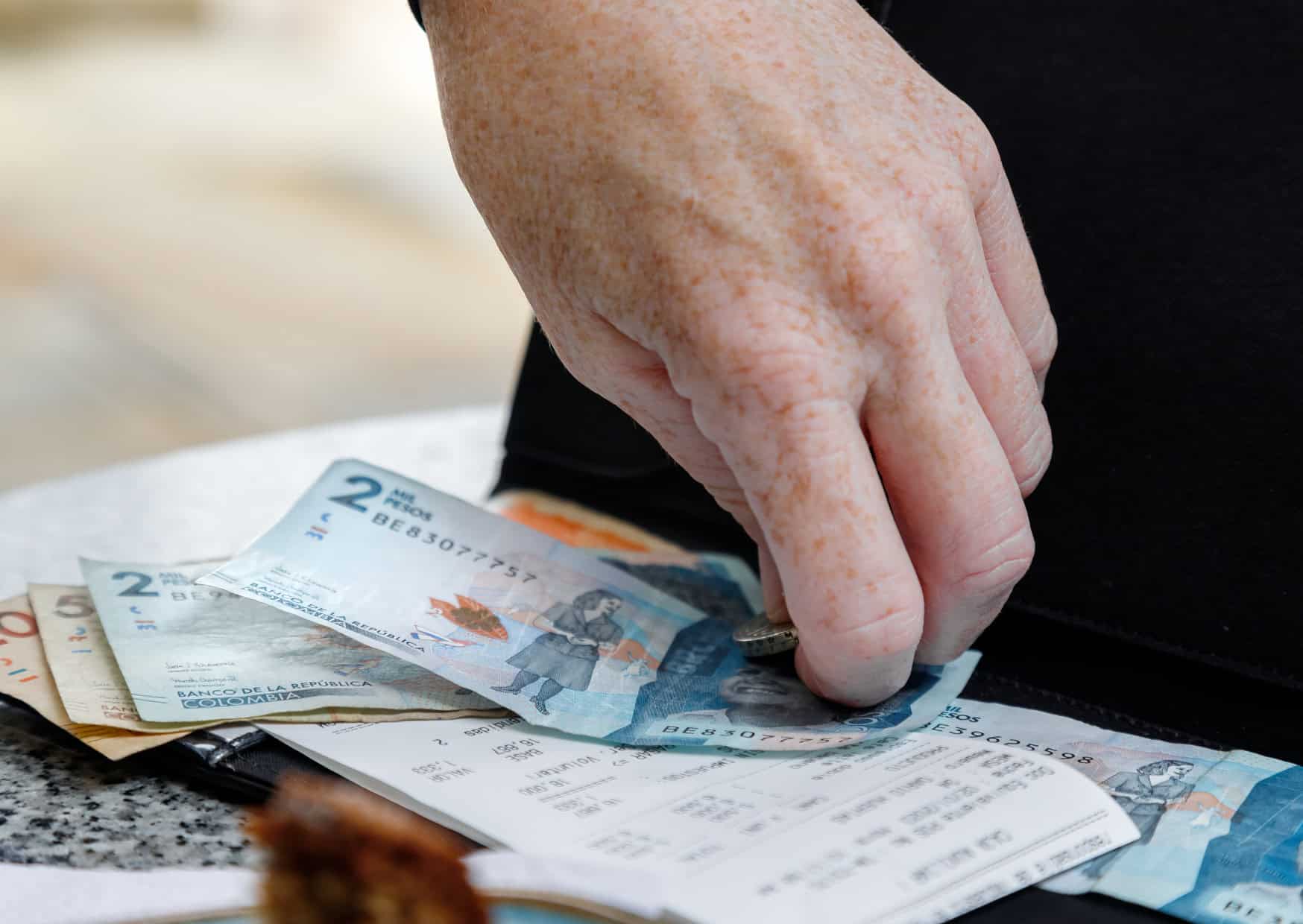
- In some European countries (like Italy, France), service is often included in the bill, and leaving a big tip can feel odd. Other places, like parts of the UK, expect a modest tip of around 10%. This leaves even other Europeans scratching their heads when traveling regionally.
Real-World Head-Scratcher
- A French traveler in London might under-tip out of habit, not realizing that bartenders or servers rely more on tips there. Conversely, a Brit in Rome might leave 20% and baffle a Roman waiter who’s used to small change.
Survival Tip
- Before dining, quickly check local tipping norms (like a one-euro coin per person or rounding up for coffee). If in doubt, ask a local friend or the front desk staff. Most Europeans appreciate a small token, but extremes can backfire.
5. The Changing Number of Official Languages per Country
What’s So Confusing?
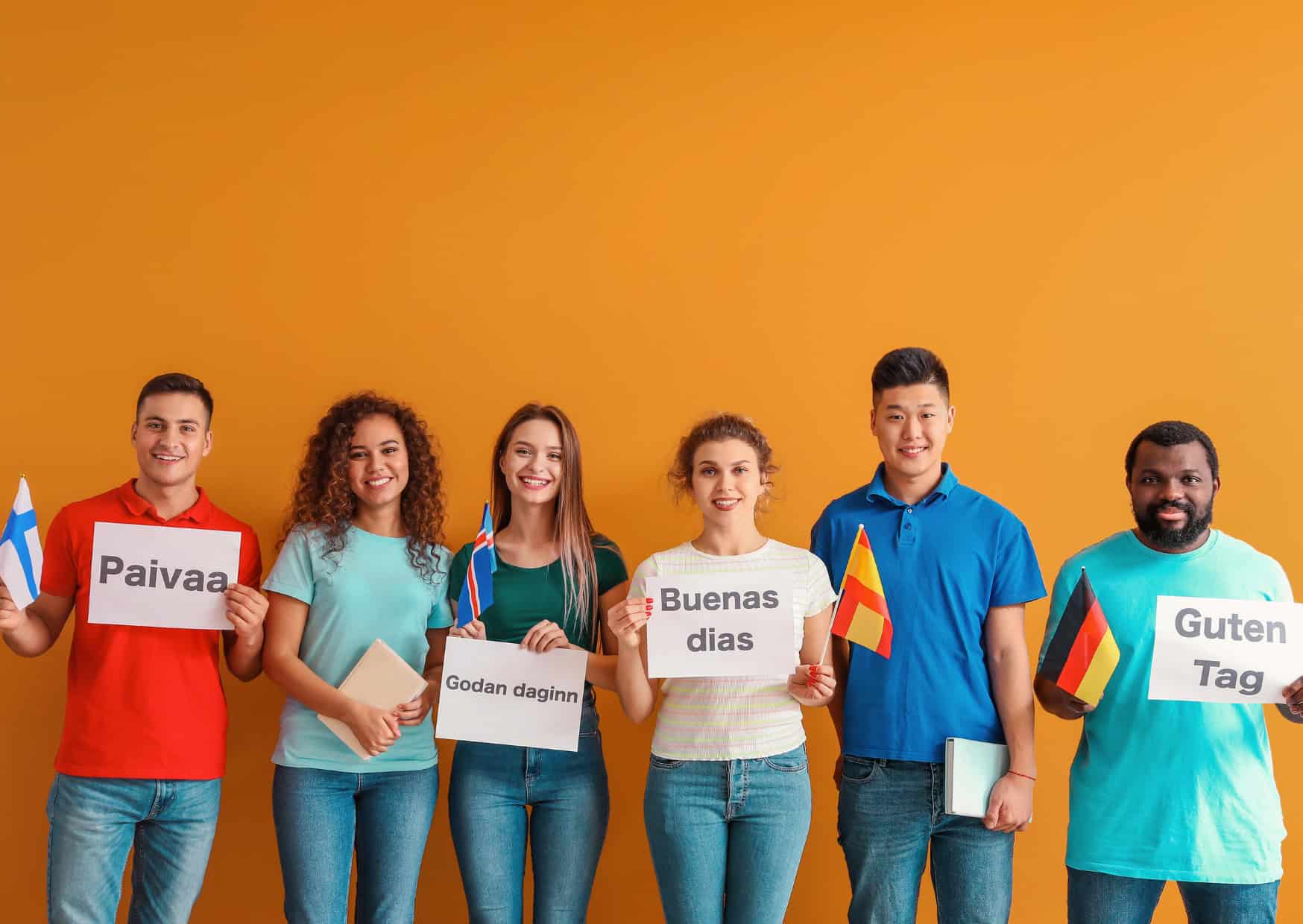
- Many countries have multiple official or co-official languages: Switzerland has four, Belgium has three, Spain has four recognized regional tongues. Even for Europeans, crossing a regional line can prompt signage in an entirely different language.
Real-World Head-Scratcher
- A German traveler in Switzerland might see signs in Italian in Ticino or French in Geneva, or in Romansh in Graubünden—leading to an “I thought we spoke German here?” moment. Belgians traveling between Flanders (Dutch) and Wallonia (French) face a similar language shift.
Survival Tip
- Expect signage to change if you cross a local boundary. If you’re unsure which language is predominant, greet people with a friendly “Hello!” or “Bonjour!” If you get a response in one language, follow that lead.
6. The Sunday Shutdown Phenomenon
What’s So Confusing?
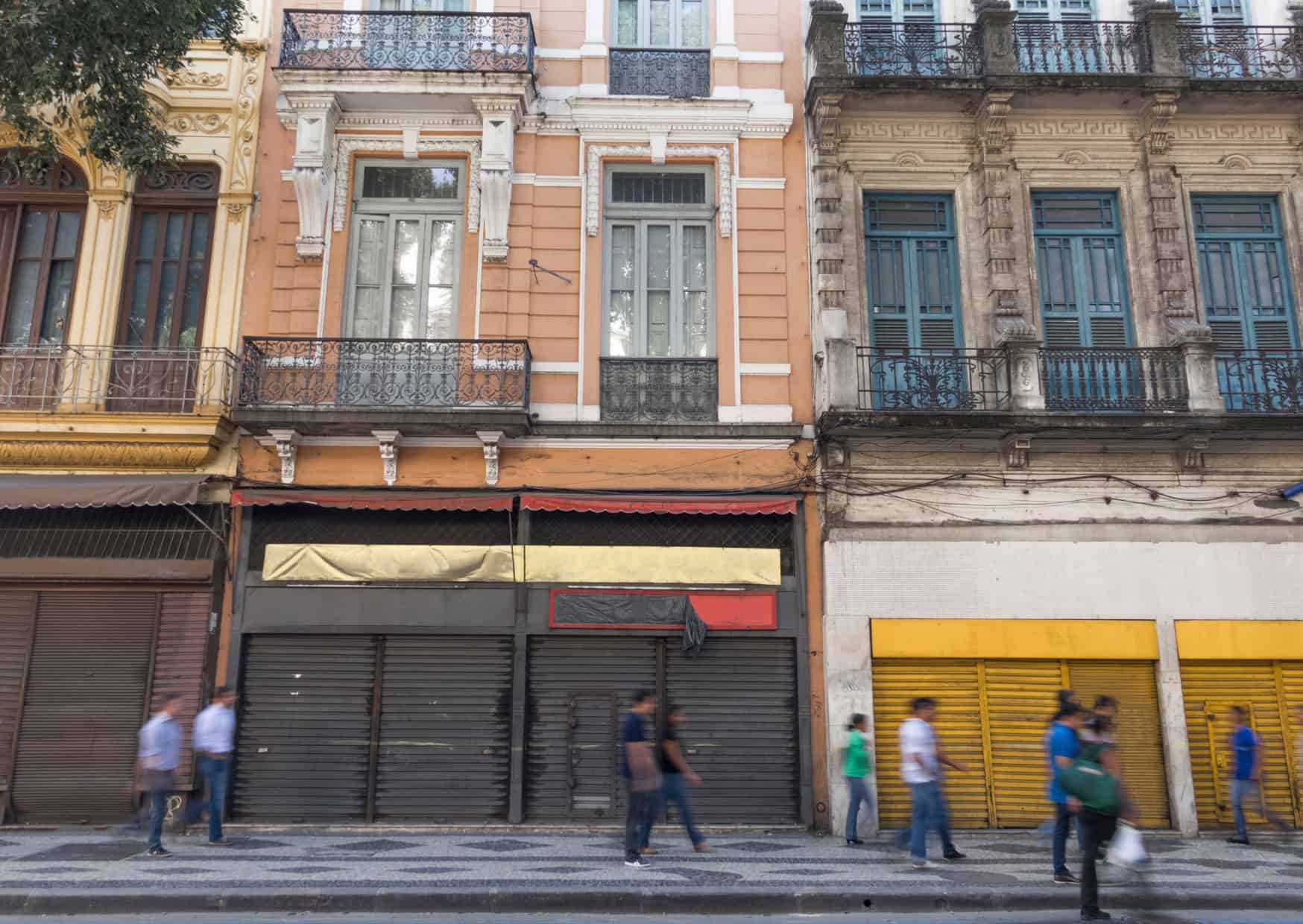
- In many parts of Europe (Germany, Austria, Switzerland, parts of France), Sundays are quiet: shops shut, supermarkets close early, and city centers can feel like ghost towns. Yet in other countries (Spain, Italy, the UK), you’ll find lively Sunday trading.
Real-World Head-Scratcher
- A Danish visitor in Germany might not anticipate that even major supermarkets are closed on Sunday. Meanwhile, an Italian expects a bustling Sunday market but instead finds shuttered storefronts.
Survival Tip
- Research the local Sunday policies—stock up on groceries Saturday if needed. If you arrive on a Sunday in a “shutdown” zone, plan cultural visits (museums often open) or nature walks instead of shopping.
7. Overlapping Regional Identities and Subtle Sensitivities
What’s So Confusing?
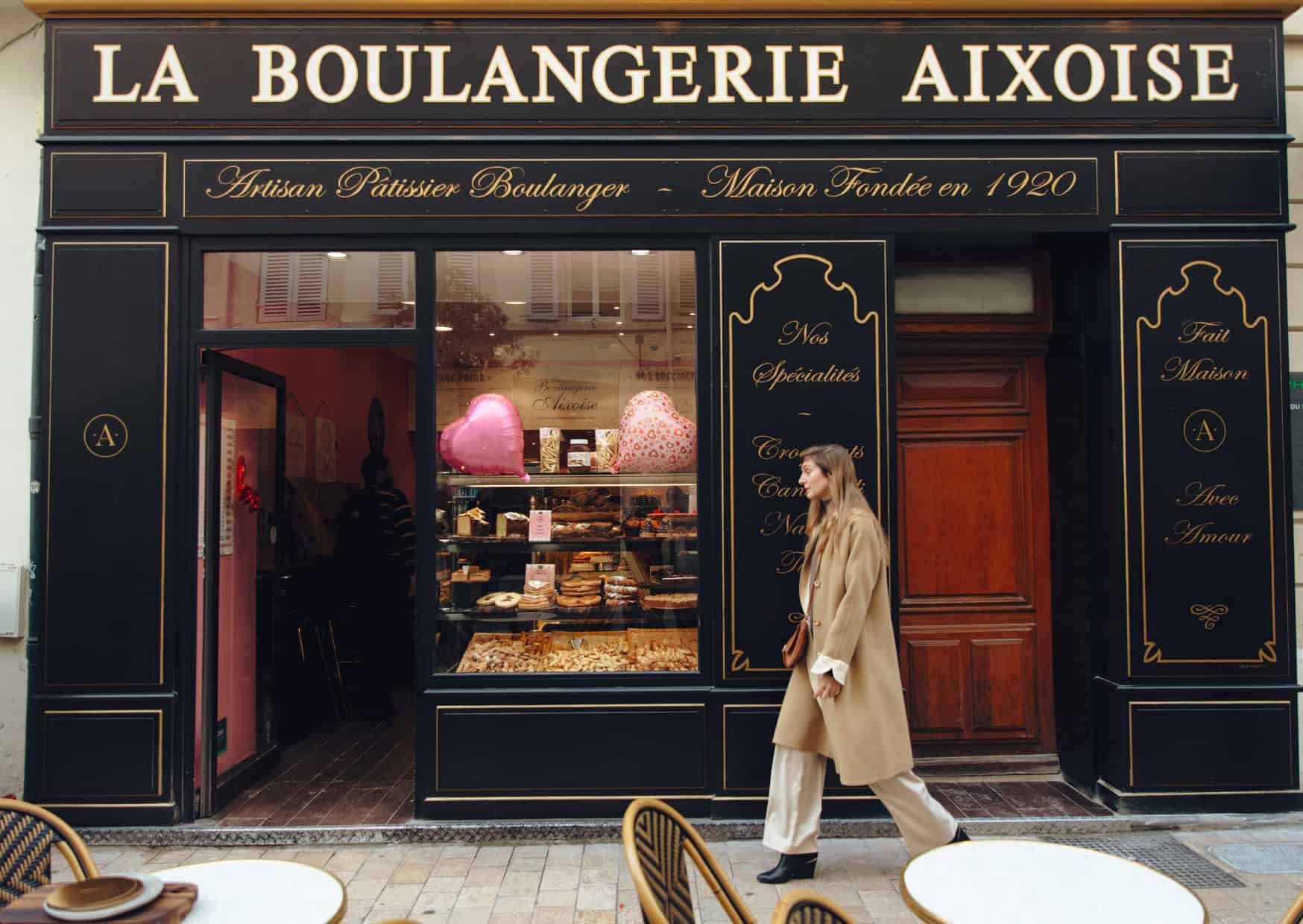
- Europeans don’t just identify by country—regional pride runs deep. A Catalan might bristle at being called simply “Spanish,” or a Bavarian might joke they’re Bavarian first, German second. Even other Europeans can slip into generalizations that rub locals the wrong way.
Real-World Head-Scratcher
- A Dutch tourist calling a Scotsman “English” might spark a heated correction. Or a French visitor in Barcelona might be surprised to meet locals who prefer speaking Catalan over Spanish.
Survival Tip
- If you sense strong regional identity, respect it. Ask polite questions: “How does this region differ from the rest of the country?” Show curiosity—locals often appreciate genuine interest in their unique traditions or dialects.
The Bottom Line
Europe’s cultural diversity can bewilder even Europeans themselves, who occasionally forget that a two-hour train ride might land them in an entirely different linguistic or social context. By recognizing these 7 confusing cultural rules, you’ll navigate the continent with fewer raised eyebrows and more genuine connections—whether you hail from across the Atlantic or just across the border.
Pro Tip
Wherever you roam in Europe, do a mini deep-dive into the local region’s habits. Ask friendly locals about Sunday hours, greetings, or languages. They’ll likely be happy to fill you in—and maybe even share a regional snack or two along the way!

About the Author: Ruben, co-founder of Gamintraveler.com since 2014, is a seasoned traveler from Spain who has explored over 100 countries since 2009. Known for his extensive travel adventures across South America, Europe, the US, Australia, New Zealand, Asia, and Africa, Ruben combines his passion for adventurous yet sustainable living with his love for cycling, highlighted by his remarkable 5-month bicycle journey from Spain to Norway. He currently resides in Spain, where he continues sharing his travel experiences with his partner, Rachel, and their son, Han.