
Europe often conjures images of people leisurely biking to the market, savoring long lunches, or strolling scenic boulevards at dusk. Tourists see these idyllic snapshots and ask: “Are Europeans really healthier—or is that just a myth?” The reality? Both and neither. Not everyone in Europe follows the same routine (Berlin vs. rural Tuscany are miles apart in lifestyle), but there are some cultural norms that promote healthier living. Below, we spotlight 8 small but powerful habits many Europeans practice—ones you might miss if you’re zipping by as a short-term traveler.
Want More Travel & Health Insights?
– 13 Things Europeans Notice in Your Kitchen (That You Never Realize)
– 11 Expert Travel Packing Trips
– 10 Secrets to Understanding European Politeness (And Why You’re Doing It Wrong)
Quick Easy Tips
Walk more, drive less – Opt for walking or biking instead of short car rides.
Eat slower, smaller portions – Europeans focus on quality and pacing rather than quantity.
Prioritize real, whole foods – Skip processed snacks and eat fresh, seasonal meals.
Make mealtime sacred – Avoid screens, fast food, and multitasking while eating.
Ditch the gym obsession – Stay active through daily movement like stairs, errands, and housework.
Sleep without guilt – Europeans value rest as part of well-being, not laziness.
Take real breaks – Whether it’s a two-hour lunch or full weekends off, balance is respected.
Drink in moderation – A glass of wine with dinner, not binge drinking, is the norm.
Many Americans view health through the lens of fitness fads, restrictive diets, and endless supplements. Europeans? They tend to see health as a lifestyle—not a hustle. This difference in mindset is where the real gap lies. Tourists often assume Europeans are just “naturally slimmer” or “luckier,” when in reality, their habits reflect deep cultural values that emphasize balance, not extremes.
The U.S. often glamorizes extremes—keto diets, 5 a.m. workouts, detox teas. Meanwhile, a French or Italian approach to health looks deceptively simple: butter, wine, bread—and yet no epidemic of obesity or chronic burnout. This frustrates many American travelers, who expect results from rigid discipline, not relaxed moderation.
The irony? What many Americans consider “lazy” (long meals, no gym, smaller portions) is exactly what leads to better long-term health. The obsession with productivity and speed in the U.S. has seeped into eating, sleeping, and self-care—and it’s not making anyone healthier. European habits may seem casual, but they’re more consistent, sustainable, and rooted in centuries of cultural wisdom.
1. They Move Naturally Throughout the Day
What Tourists Miss
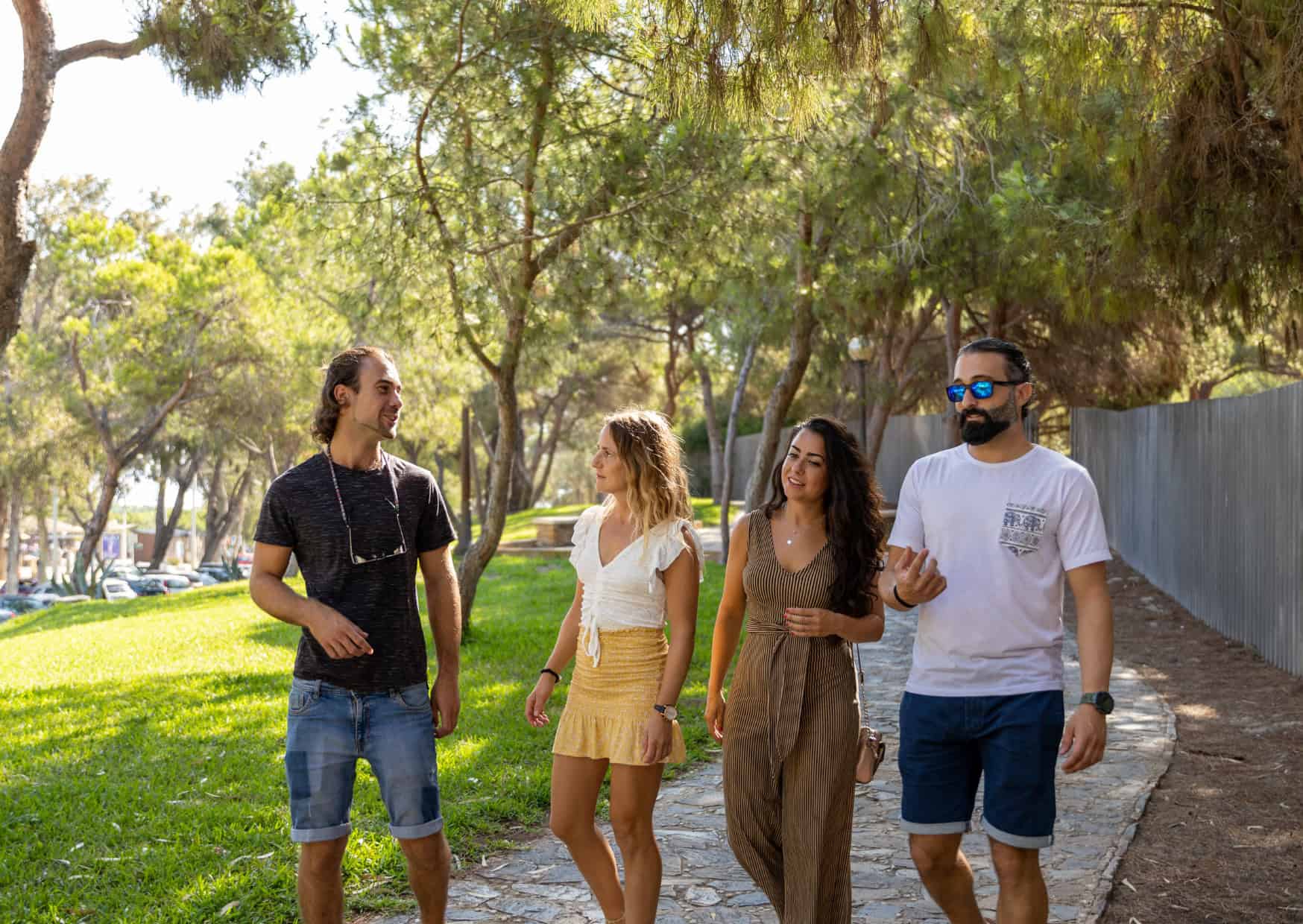
- In bustling city centers—be it Paris, Lisbon, or Copenhagen—residents often walk or cycle for errands, commuting, or visiting friends. Tourists may jump in a taxi or Uber, skipping those everyday steps.
Why It Matters
- Frequent, low-intensity movement (think 10-minute walks here and there) boosts cardiovascular health and combats a sedentary lifestyle. It’s not about hitting the gym daily but weaving exercise into normal routines.
Try It Yourself
- On your next trip (or at home!), opt for a walk to dinner or rent a city bike. Explore neighborhoods on foot instead of taking a taxi for short distances. You’ll burn calories and experience more local gems.
2. Meals Are (Generally) More Balanced—Even When Indulgent
What Tourists Miss
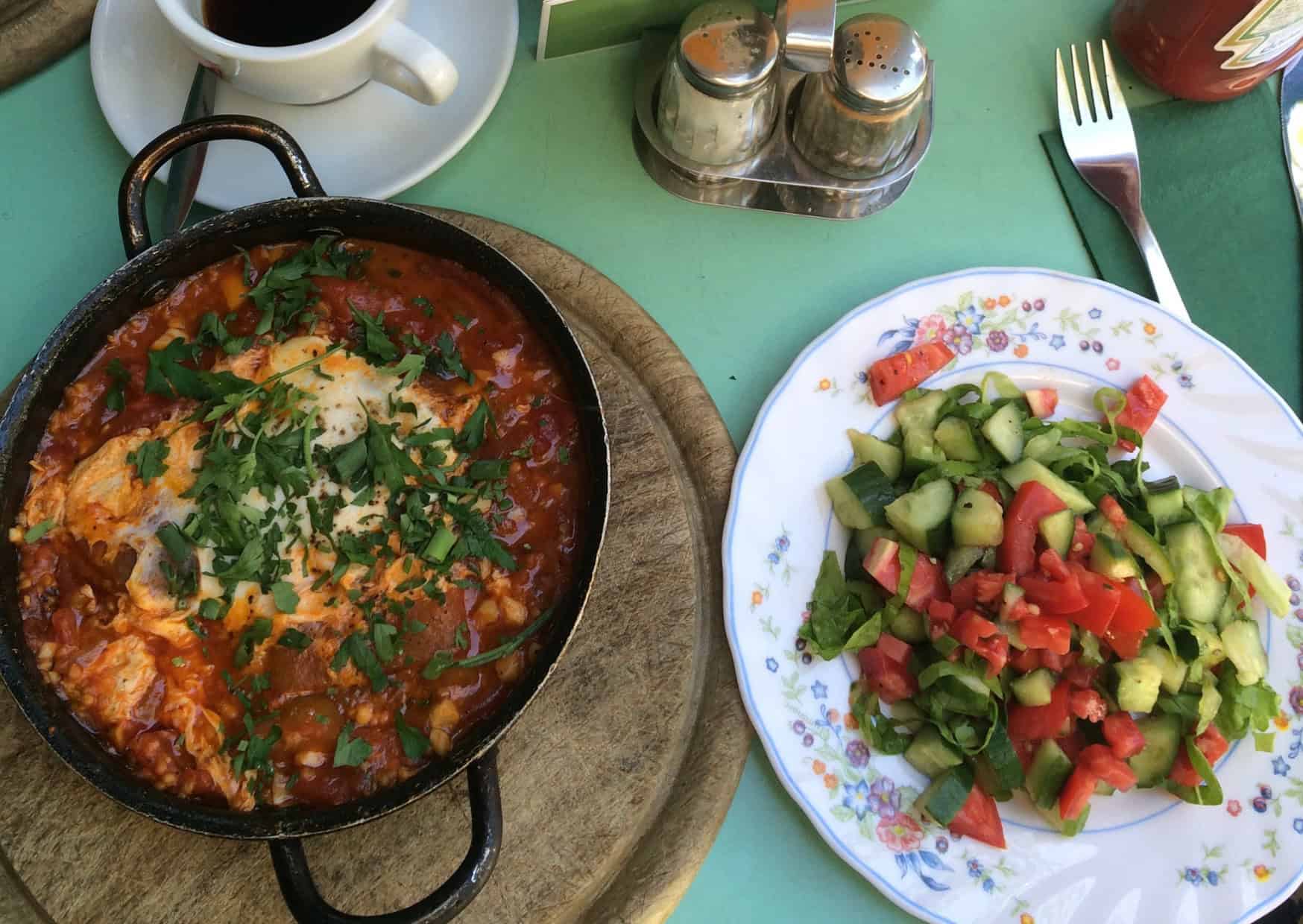
- Yes, you’ll see pastries, gelato, or croissants galore. But day-to-day meals often revolve around balance: fresh vegetables, seasonal fruit, quality proteins, and—yes—carbs in moderate doses.
Why It Matters
- The concept of “everything in moderation” helps maintain stable weight and better nutrition. A croissant for breakfast can be offset by a simple veggie-forward lunch and an evening walk.
Try It Yourself
- Sample the dessert, but pair it with a salad-packed lunch. If you indulge in a heavy pasta dinner, take a post-meal stroll. The synergy of moderate portions and daily movement is key.
3. Food Shopping Is More Frequent and Local

What Tourists Miss
- Travelers often hit a supermarket once or rely on restaurant meals. Locals, however, might pop into the bakery for fresh bread, the produce market for veggies, or a butcher for meat—that same day.
Why It Matters
- Regular shopping encourages fresh, unprocessed ingredients, reducing reliance on preservatives or bulk-bought frozen meals. It also builds a connection to local farmers, seasons, and tastes.
Try It Yourself
- Even if you’re just passing through, head to neighborhood markets. Grab fresh fruit for breakfast, local cheese and bread for a quick lunch. You’ll taste real flavors and likely spend less than at chain supermarkets.
4. Leisure and Socializing Often Involve the Outdoors

What Tourists Miss
- Tourists may head straight for museums or bars. Locals often gather in parks, public squares, or along riversides—chatting, jogging, or sharing a low-key picnic.
Why It Matters
- Fresh air and gentle activity beat screen-bound or indoor-only socializing. This fosters mental wellbeing and normalizes casual exercise (like Frisbee in the park or an evening stroll along the water).
Try It Yourself
- Seek out green spaces in each city. Bring a small picnic or coffee instead of always sitting indoors. If you’re traveling with colleagues, propose a walk-and-talk break or meeting in a public park.
5. Smaller Portion Sizes & Slower Eating
What Tourists Miss
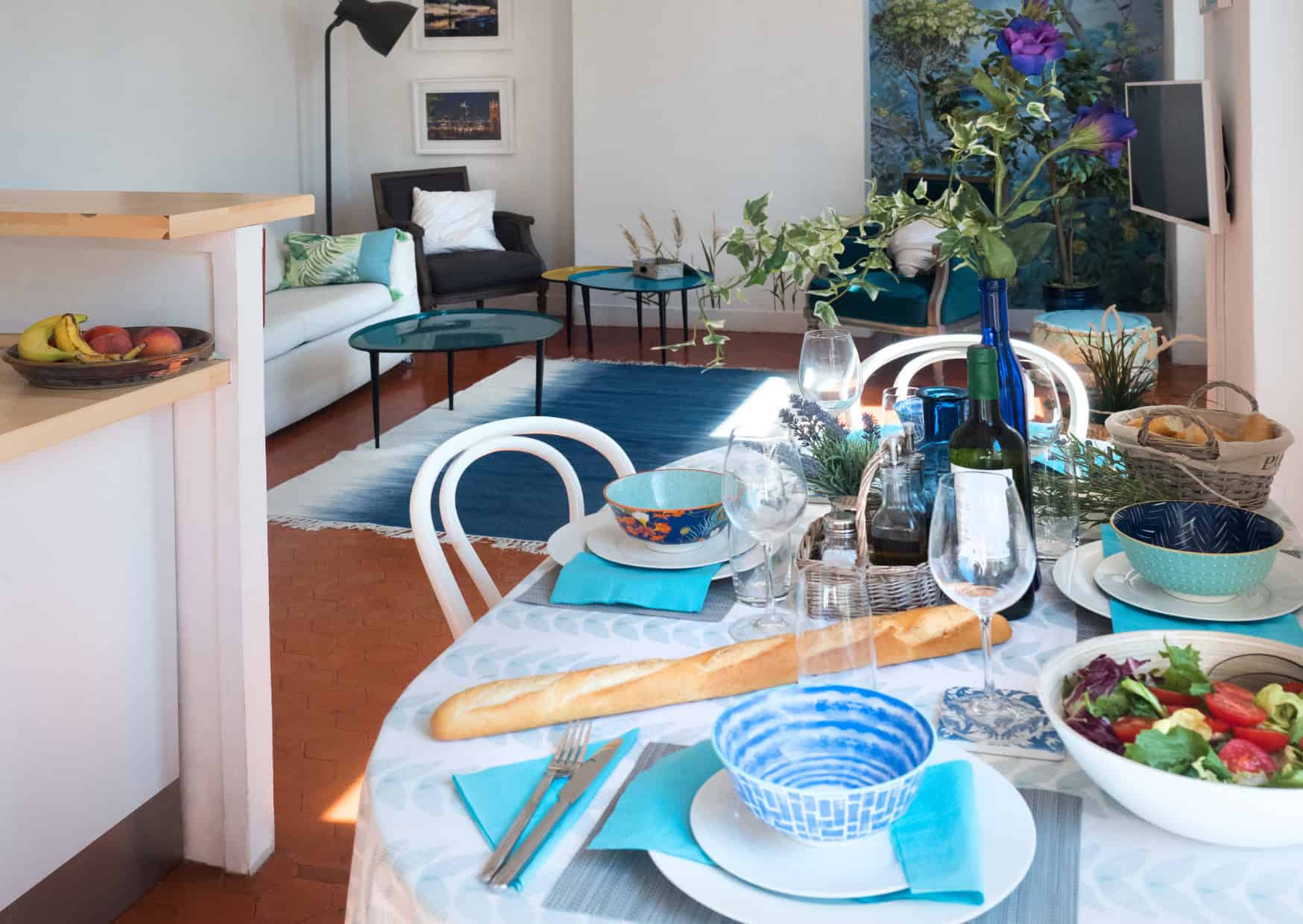
- Tourists might see European pastries, cheese, or wine and assume indulgence is constant. But look closer: many locals consume these delights in smaller portions and take time to savor them.
Why It Matters
- Slowing down your meal helps regulate portion control, giving your brain time to signal fullness. Eating smaller amounts of rich foods reduces excess calories while still allowing enjoyment.
Try It Yourself
- If you’re used to gulping meals on the go, practice a “20-minute meal.” Put your fork down between bites, chat with your dining companion, or simply people-watch. You might discover you’re satisfied sooner.
6. Cafés Over Chain Coffee Jugs
What Tourists Miss
- Europeans do enjoy coffee (espresso, cappuccino, etc.), but the culture often leans toward smaller cups—no giant 20oz sugary latte. And coffee time can be a genuine break, not just a caffeine rush en route.
Why It Matters
- Eliminating huge, sugary drinks trims hidden calories. Savoring a smaller cup (like an espresso) encourages mindful enjoyment, not fueling a non-stop caffeine fix.
Try It Yourself
- Ditch the venti caramel latte. Try a single-shot espresso or a cappuccino in the morning. If you need a midday pick-me-up, keep it small and consider a short break to truly rest, not just dose up on sugar.
7. Work-Life Boundaries (Even in Busy Cities)

What Tourists Miss
- A traveler might see Italians checking messages at a café, but for the most part, many Europeans strive to separate work from personal time—valuing long weekends, proper vacations, or evenings free from constant email.
Why It Matters
- Chronic stress is linked to various health issues. By respecting non-work hours, people can recharge, spend time with loved ones, and maintain healthier mental states.
Try It Yourself
- If you’re traveling for business, observe how local colleagues log off after office hours. Resist the urge to email them at 10 PM. At home, try adopting a similar boundary—no Slack notifications post-dinner, for instance.
8. Leisurely Social Drinking, Not Binge Drinking

What Tourists Miss
- Tourists might see beer gardens in Germany or wine bars in France and assume heavy daily consumption. In reality, locals often have a glass of wine or beer with a meal, sipping slowly and pairing it with food.
Why It Matters
- Drinking alcohol in moderation (with meals, at a relaxed pace) tends to reduce binge-related health risks. Pairing it with food also helps slow absorption and mitigate hangovers.
Try It Yourself
- Rather than downing multiple rounds in a single night, adopt a “one-glass-with-dinner” approach. Enjoy the taste, the conversation, and the environment. If you want more, spread it out over time or meal courses.
The Bottom Line
No single “magic bullet” explains European health habits—there’s ample diversity and many exceptions. But these 8 everyday practices reflect an overarching ethos: moderation, movement, and a mindfully social approach to eating and daily life. It’s not about perfect diets or hours of intense exercise—it’s a tapestry of small, consistent actions that collectively boost well-being.
Pro Tip
On your next Euro trip (or even at home), pick one or two of these habits to experiment with: maybe take daily walks, or commit to smaller meal portions. Over time, these small shifts can add up, bringing a bit of that “European vibe” into your everyday routine—no plane ticket required. Bon voyage to a healthier you!
Europeans aren’t healthier by accident—they’ve built wellness into their everyday lives. Instead of chasing trends or obsessing over numbers, they focus on balance, pleasure, and routine. It’s not about giving up pizza or wine—it’s about enjoying them without shame and knowing when to stop.
Travelers often marvel at how Europeans stay slim, energetic, and less stressed, but fail to connect it to their simple daily rituals. If you’re ready to rethink what “healthy” really means, look beyond the gym and into the café, the walkable street, and the two-hour dinner. The secret’s not in a pill—it’s in how you live.

About the Author: Ruben, co-founder of Gamintraveler.com since 2014, is a seasoned traveler from Spain who has explored over 100 countries since 2009. Known for his extensive travel adventures across South America, Europe, the US, Australia, New Zealand, Asia, and Africa, Ruben combines his passion for adventurous yet sustainable living with his love for cycling, highlighted by his remarkable 5-month bicycle journey from Spain to Norway. He currently resides in Spain, where he continues sharing his travel experiences with his partner, Rachel, and their son, Han.