
From cheek-kissing confusion to tipping extremes, Europe’s cultural tapestry can be tricky. Most locals are forgiving when visitors stumble, but certain habits or comments might spark a silent cringe—or even outright annoyance. Below, we’ve broken down 7 common missteps that accidentally offend Europeans (and how to dodge them), so you can foster smoother, friendlier connections abroad.
Want More European Cultural Tips?
– 10 Secrets to Understanding European Politeness (And Why You’re Doing It Wrong)
– 13 Things Europeans Notice in Your Kitchen (That You Never Realize)
Quick, Easy Tips to Avoid Unintentional Offense
Lower your volume in public spaces and follow the local atmosphere.
Greet people before asking for something, even in shops.
Observe dining etiquette, especially regarding pacing, ordering, and tipping norms.
Avoid assumptions about personal topics, such as jobs, income, or politics.
Dress appropriately for the setting, especially in religious or formal environments.
Be patient with service, as slower pacing is often intentional.
Learn basic phrases in the local language to show effort and courtesy.
Many travelers assume that Europe and the United States share identical social norms, but this assumption often leads to unintentional friction. Europeans tend to observe a deeper respect for personal space, noise levels, and cultural customs that Americans may not immediately recognize. The result is a subtle clash of expectations, even when intentions are harmless.
Another controversial point is the differing attitudes toward service culture. In the U.S., friendliness and enthusiasm are seen as excellent customer service, but in parts of Europe, that same energy can come across as insincere or overly familiar. What Americans interpret as normal conversation might strike locals as invasive or needlessly chatty.
Finally, Europeans often have deeply rooted traditions surrounding meals, greetings, and public behavior that date back generations. Ignoring these customs isn’t usually viewed as youthful informality but as a lack of awareness or respect. While Americans may be accustomed to relaxed behavior, Europeans often see etiquette as a sign of maturity and consideration.
1. Overusing “Thank You” or “Sorry” in Formal Settings
Why It’s Insulting
- In some European countries (e.g., Germany, the Netherlands), excessive politeness words—like constant “thank yous” or “sorrys”—can come off as insincere or pushy. Locals might suspect you’re patronizing them or hiding genuine feelings behind too many pleasantries.
Real-World Example
- An American in Berlin might apologize multiple times (“Sorry, can I ask… Sorry, excuse me…”) when crossing paths in a hallway. Locals may find it odd that you’re sorry for something trivial.
How to Get It Right
- Use a sincere “Danke” (thank you) or “Entschuldigung” (excuse me) when truly warranted—like if you accidentally bumped someone. In casual or repeated interactions, a friendly smile or nod can suffice.
2. Neglecting to Greet Shopkeepers or Neighbors

Why It’s Insulting
- In countries like France or Spain, it’s customary to say “Bonjour” (or “Buenos días”) upon entering a shop or communal space. Not greeting can be seen as aloof or rude—locals expect basic acknowledgment.
Real-World Example
- Walking into a small bakery in Paris, you skip saying “Bonjour” to the staff. They might label you as impolite and give curt service in return, even if you’re otherwise friendly.
How to Get It Right
- Learn key greetings in the local language. Whether it’s “Ciao” in Italy or “Hallo” in Germany, a quick hello or wave sets a polite tone. Then proceed with your request or shopping.
3. Sitting or Lounging Improperly on Public Transport

Why It’s Insulting
- Propping your feet on seats or hogging extra space can be seen as disrespectful in many European regions—especially in busier cities where trains and buses fill up quickly.
Real-World Example
- In a Dutch or Austrian tram, you sprawl out with your backpack on the adjacent seat. Locals silently roll their eyes at your “invasion,” wondering why you’re taking more room than you need.
How to Get It Right
- Keep personal items in your lap or under your seat, leaving extra seats free. If you must stretch out, check if the carriage is empty or if no one needs the spot. Small gestures—like standing if an elderly person boards—also show courtesy.
4. Comparing Everything to “Back Home” Negatively
Why It’s Insulting
- Perpetually saying, “Well, in my country, we do it better/cheaper/faster…” might offend locals who take pride in their own methods. Constant comparisons suggest you value your homeland more than the place you’re visiting.
Real-World Example
- At a Greek taverna, you mention how “Greek coffee is weird; I miss real coffee from Starbucks.” The owner might take offense, feeling their local tradition is dismissed or belittled.
How to Get It Right
- Acknowledge differences without labeling them as inferior. If you must compare, phrase it constructively: “It’s interesting that you do X here, at home we usually do Y—both have pros and cons.”
5. Being Loud or Shouting Across Rooms

Why It’s Insulting
- Some cultures (like Spain or Italy) are known for lively volume, but that’s context-dependent (e.g., family gatherings vs. quiet offices). In many northern or central European countries (Germany, Sweden, Netherlands), loud voices in public can seem disruptive.
Real-World Example
- In a Polish café, you speak at full volume with your travel companion, overshadowing the subdued atmosphere. Locals perceive it as abrasive or touristy.
How to Get It Right
- Tune into the ambient noise level. If everyone’s conversing softly, lower your volume. Reserve excited yells for open-air festivals or sporting events, not shared indoor spaces.
6. Making Light of Historical Wounds or Stereotypes

Why It’s Insulting
- Europe’s past is layered with conflicts, tragedies, and deep-seated historical sensitivities. Jokes about World War II, communism, or national stereotypes might offend or reopen wounds.
Real-World Example
- A casual Hitler reference in Germany is never acceptable. Or trivializing Balkan conflicts while visiting Croatia or Serbia can upset locals who lived through real turmoil.
How to Get It Right
- Steer clear of cheap shots at historical events or rivalries. If locals bring it up, listen respectfully. Display genuine curiosity or empathy instead of cracking jokes.
7. Taking Photos Without Permission or Privacy Respect
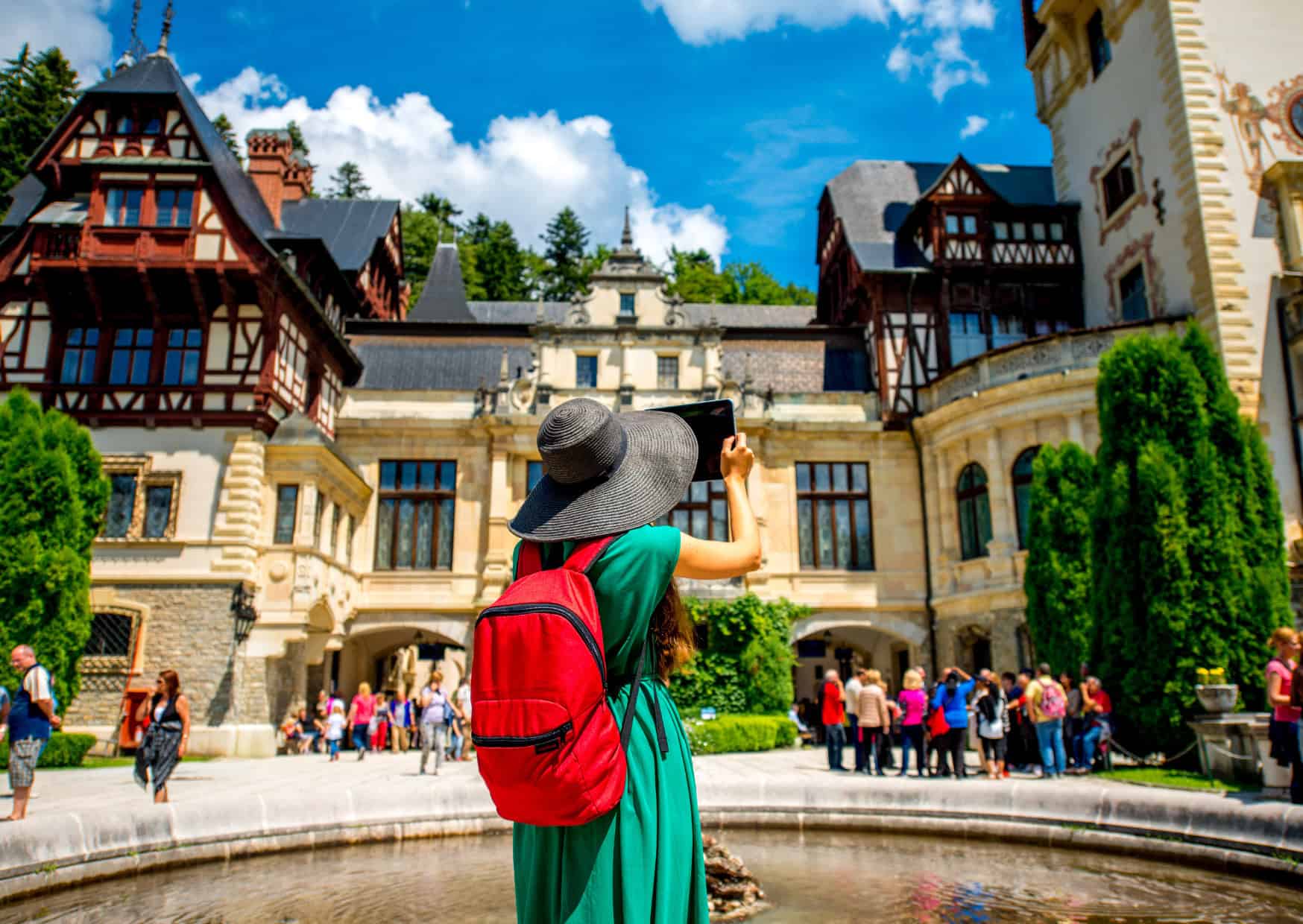
Why It’s Insulting
- Tourists snapping random street scenes might accidentally capture locals in awkward or private moments. Some people strongly value personal privacy and resent being photographed like zoo exhibits.
Real-World Example
- In an open market in Belgium, you point your camera at vendors without a friendly heads-up. A vendor might find it invasive or exploitative.
How to Get It Right
- If you want a photo of a person, ask (in their language, if possible): “May I take your picture?” or “Puedo sacar una foto?” If they say no, politely accept it. For general street scenes, aim for unobtrusive shots.
- Avoid filming strangers’ faces up close—especially children—unless you have explicit permission.
The Bottom Line
Often, these “insults” stem from innocent cultural ignorance, not malicious intent. Europeans can be forgiving, but awareness of these subtle taboos helps you form positive connections instead of triggering silent judgment. A little cultural sensitivity goes a long way—opening doors to more genuine friendships and richer travel experiences.
Pro Tip
When in doubt, observe how locals interact—body language, volume levels, forms of address. If you’re still unsure, a polite “Excuse me, is this okay?” or “Should I…?” shows willingness to learn. Most Europeans appreciate the effort and will guide you gently, ensuring your trip is memorable for the right reasons.
Traveling through Europe offers an incredible opportunity to witness traditions, customs, and attitudes shaped by centuries of cultural evolution. Recognizing how your behavior might be interpreted abroad not only helps you fit in but also deepens your connection to the places you visit. Small gestures of awareness can make an enormous difference in how locals perceive you.
By adjusting a few everyday habits, you show respect for the rhythms and values that define European life. This openness often leads to more authentic experiences: better conversations, warmer interactions, and invitations to spaces tourists rarely see. Courtesy becomes a bridge rather than a barrier.
Ultimately, thoughtful travel isn’t about perfection but intention. When you approach each country with curiosity rather than assumption, you gain a richer understanding of what makes Europe so unique. And in return, you become the kind of traveler who leaves a positive impression long after you’ve returned home.

About the Author: Ruben, co-founder of Gamintraveler.com since 2014, is a seasoned traveler from Spain who has explored over 100 countries since 2009. Known for his extensive travel adventures across South America, Europe, the US, Australia, New Zealand, Asia, and Africa, Ruben combines his passion for adventurous yet sustainable living with his love for cycling, highlighted by his remarkable 5-month bicycle journey from Spain to Norway. He currently resides in Spain, where he continues sharing his travel experiences with his partner, Rachel, and their son, Han.