
From stripe-wearing Parisians to all-day siestas in Spain, the myths about Europe are endless—and often hilariously off-target. While many stereotypes stem from a nugget of historical or cultural truth, they’ve been stretched into caricatures that don’t match real life. Here are 13 such clichés Europeans wish the rest of the world would finally retire.
Hungry for More Culture Clashes?
– Why Europeans Never Order These 13 Menu Items (And What to Do Instead)
– 10 ‘Italian’ Dishes Italians Never Actually Eat—And How to Spot the Fakes
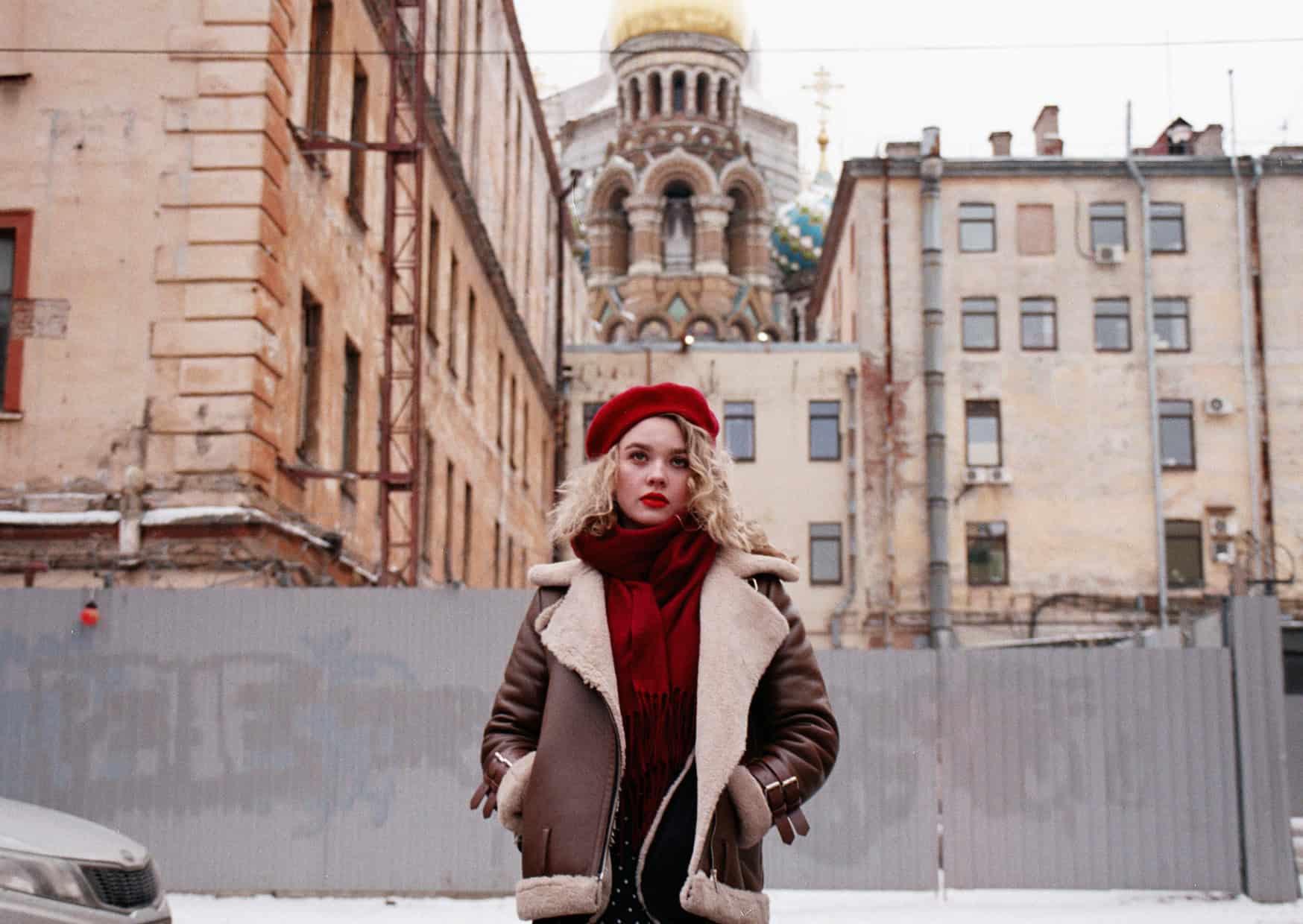
1. “All French People Wear Berets and Survive on Baguettes”
The Stereotype
- Visualize a French person as a beret-wearing, baguette-toting individual who throws “Oh là là!” into every sentence.
Why Locals Hate It
- Yes, France has wonderful bread, but not every French citizen spends their day wandering the streets with a baguette under one arm. And berets? Mostly seen on tourists or for fashion statements, not everyday life.
- France is hugely diverse—culturally, ethnically, and fashion-wise. A Parisian office worker in 2025 is more likely wearing sneakers and carrying a gym bag than rocking a vintage beret.
What’s Real
- Bread is undeniably a staple of French cuisine, but so is globally inspired food and quick lunches. Modern French style is eclectic—some might embrace the classic look, but it’s hardly the national uniform.
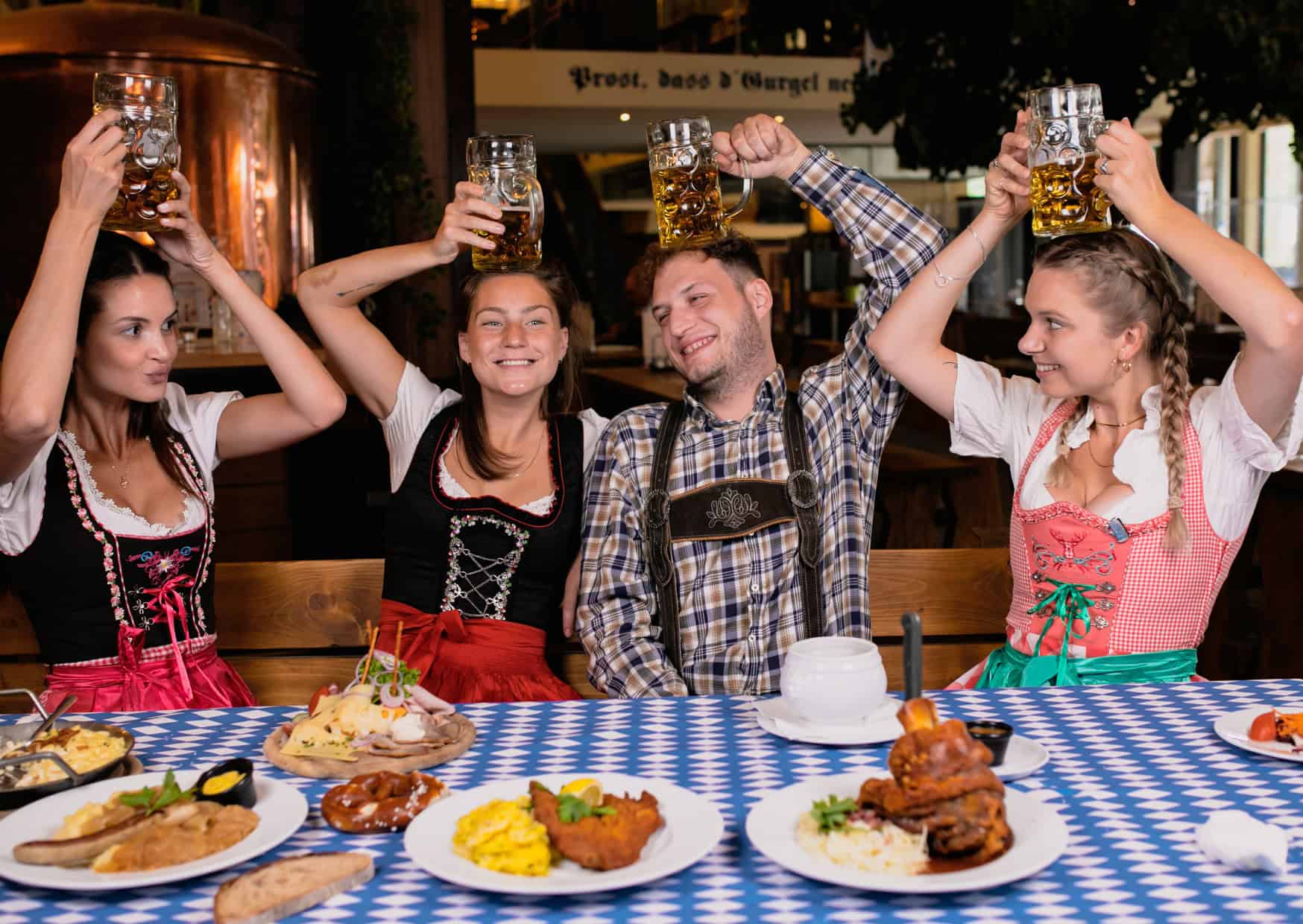
2. “Germans Are Rigid, Humorless, and Only Drink Beer”
The Stereotype
- Germans are all about punctuality, strict schedules, and serious expressions—plus endless steins of beer.
Why Locals Hate It
- Sure, punctuality is valued, and Oktoberfest is a big event, but everyday life is far more nuanced. Germans do smile, laugh, and enjoy a range of beverages (including excellent wines in regions like the Mosel Valley).
- The humor might be drier or more understated compared to some cultures, but they’re not robots.
What’s Real
- Contemporary Germany is known for a thriving startup scene, relaxed beer gardens, and yes, comedic talent. Germans appreciate efficiency but can be warm hosts once you break the ice.
3. “Italians Only Eat Pizza and Pasta (And They’re Always Late)”

The Stereotype
- Italians practically live in pizzerias, slurping spaghetti daily and showing up hours behind schedule for everything.
Why Locals Hate It
- Italy does produce amazing pizza and pasta, but the cuisine is vast and regionally diverse: seafood in coastal areas, risottos in the north, plenty of vegetables, cheeses, and meats countrywide.
- As for tardiness, “Italian time” might be a playful concept, but many Italians hold down corporate jobs, run on schedules, and get offended when labeled habitually late.
What’s Real
- Italians value mealtime as a social ritual—lunch breaks can be longer, and dinners can start late. Still, daily life isn’t one endless feast. They also enjoy modern salads, international cuisines, and, yes, the occasional pizza or pasta treat.
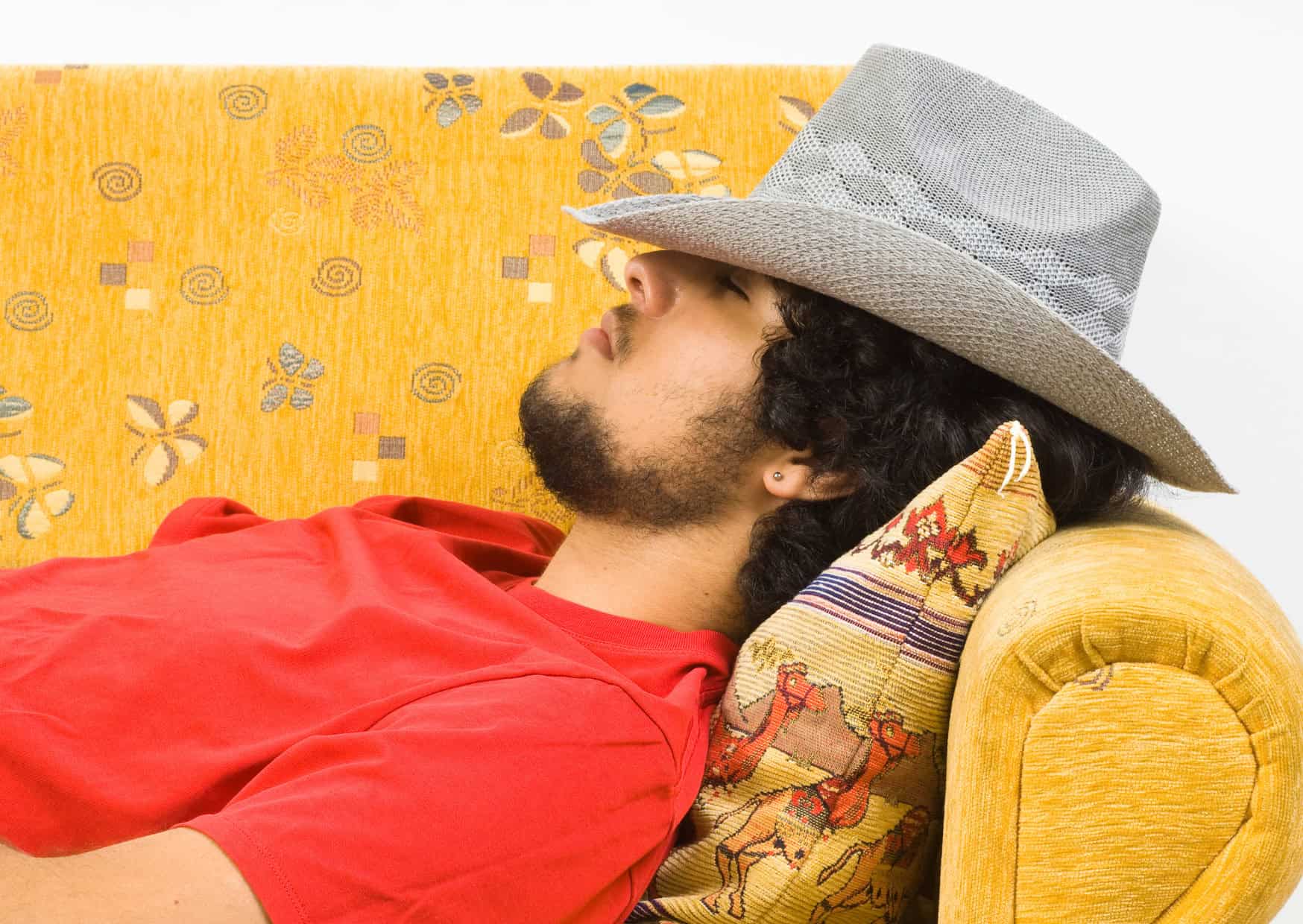
4. “Spanish People Take Siestas All Day (They Never Work)”
The Stereotype
- Everyone in Spain drops everything for a midday nap, leaving towns deserted every afternoon, then parties until dawn.
Why Locals Hate It
- The traditional siesta concept is less common in major cities now—many Spaniards work full-time with regular office hours. Real siestas often only exist in smaller towns, older generations, or on weekends.
- Spain, like much of Europe, has adapted to global business rhythms—most offices don’t shut down for hours midday anymore.
What’s Real
- Spaniards do tend to eat lunch later and dinner around 9–10 PM, which can shift their daily schedule. Some still enjoy a shorter rest or “break” after lunch, but it’s not universal. Hard work is just as integral to Spanish life as anywhere else.
5. “Scandinavians Are All Tall, Blond, and Stoic”

The Stereotype
- Picture a tall, blond Viking type who speaks in monotone, endures endless winters, and shuns emotional expression.
Why Locals Hate It
- Sweden, Norway, Denmark, Finland, and Iceland are incredibly diverse, with growing immigrant communities. Not everyone is blond or tall—and stoicism is hardly universal.
- Scandinavians do have a reputation for reserved manners and personal space, but that doesn’t mean they’re emotionless. They simply tend to value privacy and directness.
What’s Real
- The region has high standards of living, strong social welfare, and a mix of personalities—some shy, some outgoing. Plenty of cultural variety exists within and between these countries.
6. “The British Survive Only on Tea and Crumpets (Plus Bad Teeth)”

The Stereotype
- Brits are constantly drinking tea, munching on crumpets, and sporting famously poor dental health.
Why Locals Hate It
- While tea is indeed a staple, modern Britain embraces coffee culture and global cuisines. Crumpets are more of an occasional treat than a daily must.
- As for the “bad teeth” trope, UK dentistry has come a long way—thanks in part to the NHS. Many Brits find the stereotype outdated and offensive.
What’s Real
- Brits do love their “cuppa,” but you’ll also find craft coffee shops on every corner. The country’s diverse population means you can easily find bubble tea, matcha lattes, or flat whites, too.
7. “Irish People Only Drink Beer in Pubs, All Day”

The Stereotype
- Everyone in Ireland is in a constant pub crawl, guzzling Guinness or whiskey, singing ballads, and wearing green.
Why Locals Hate It
- While pubs are central to social life and Ireland is known for its storied brewing tradition, many Irish folks have day jobs that don’t involve whiskey breaks.
- The country’s economy includes tech, finance, and creative industries—hardly a permanent pub lounge.
What’s Real
- A hearty pub culture does exist: music sessions, friendly chats, and the famed “craic” (good times). But everyday life involves commutes, grocery shopping, and normal living—like anywhere else.
8. “Eastern Europeans Are All Poor, Backward, and Grey”

The Stereotype
- The entire region is stuck in a post-communist time warp with crumbling Soviet-era buildings, minimal development, and outdated customs.
Why Locals Hate It
- Many countries in Central and Eastern Europe have booming tech hubs (like Estonia’s e-residency, Poland’s startup scene, or Romania’s IT sector).
- Modern cities like Prague, Warsaw, Budapest, and Zagreb balance rich history with contemporary nightlife, trendy restaurants, and cultural events.
What’s Real
- A mixture of well-preserved history and rapidly evolving modern life. Yes, there are economic disparities, but labeling the entire region as “poor and grey” overlooks vibrant cityscapes, entrepreneurial youth, and modern infrastructure.
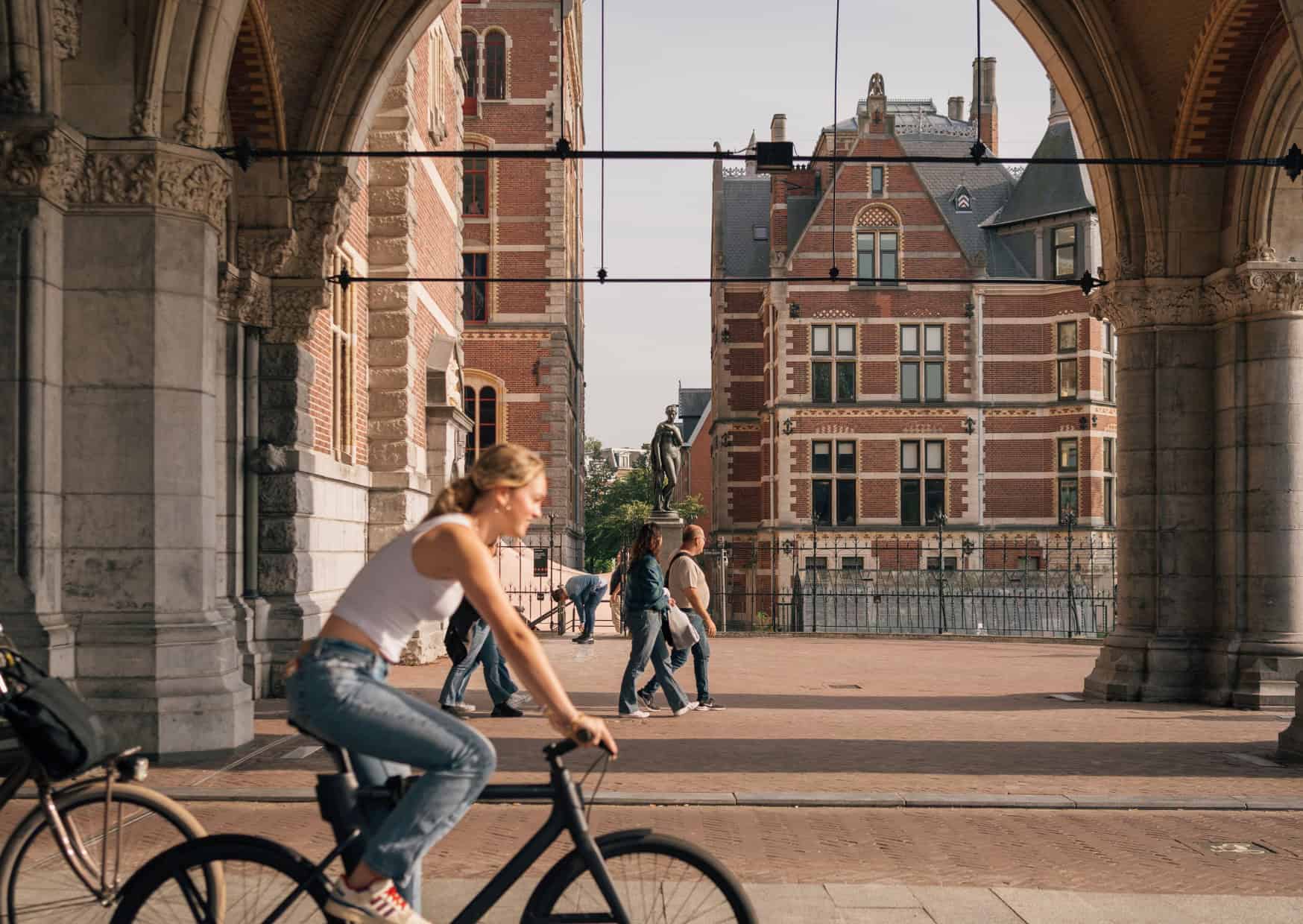
9. “All Dutch Are Tall, Biking Everywhere, and Obsessed with Cheese”
The Stereotype
- The Netherlands is full of giants peddling bicycles along canals while snacking on Gouda 24/7.
Why Locals Hate It
- The Dutch do have one of the world’s highest average heights, and biking is indeed popular. But not everyone’s a giant, and cars/buses exist, too—especially outside city centers.
- Dutch cuisine includes more than cheese—though they are proud of dairy exports!
What’s Real
- Yes, the Dutch embrace cycling culture due to excellent bike lanes and a flat landscape. And cheese markets are a tourist draw. But daily life is about convenience, not a cheese-and-bicycle frenzy. Many people drive, use public transit, and enjoy diverse cuisines at home.
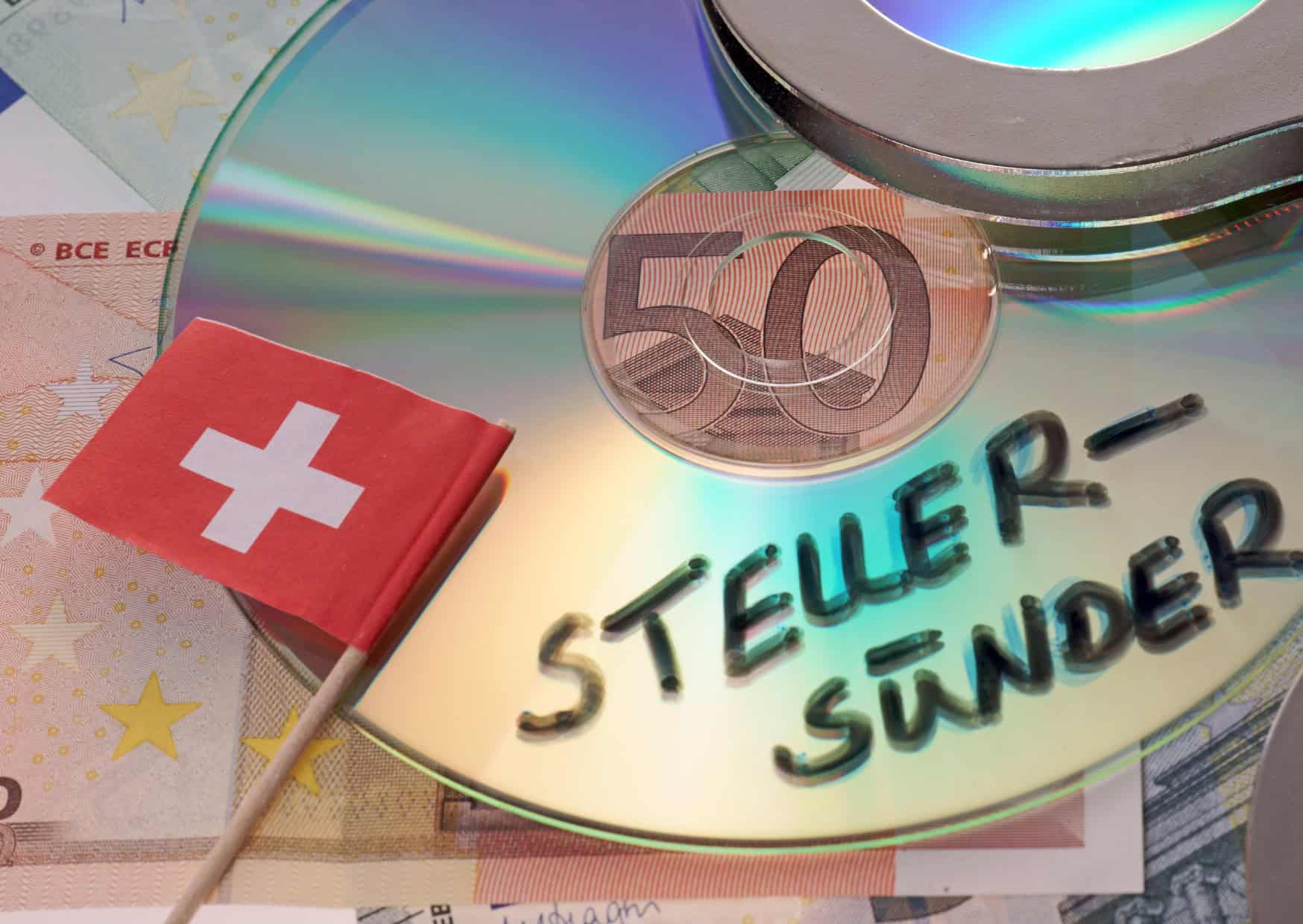
10. “Swiss People Are All Ultra-Rich Bankers Hiding Secrets in the Alps”
The Stereotype
- Everyone in Switzerland is loaded, working in finance, and living in snowy chalets with secret bank accounts.
Why Locals Hate It
- While Switzerland is wealthy overall, not every citizen works at a bank or dabbles in clandestine finance. Many hold regular jobs in manufacturing, tech, hospitality, or education.
- The cost of living is high, so “wealth” is relative—some Swiss struggle with expensive housing and health insurance, just like elsewhere.
What’s Real
- The banking and finance sector is crucial, but so are precision engineering, pharmaceuticals, tourism, and agriculture. Yes, the Alps are stunning, but daily life can be just as routine (and pricey) as any city.
11. “Greeks Spend Their Time Breaking Plates and Dancing Syrtaki”

The Stereotype
- Traditional Greek dancing, smashing plates, and singing in tavernas every night—like a scene from a movie.
Why Locals Hate It
- Plate-breaking exists in certain wedding or celebratory contexts, but it’s not a daily ritual. Syrtaki is often for festivals or tourist shows, not typical Greek house parties.
- Modern Greeks have regular jobs, watch Netflix, do yoga—life isn’t one big “Zorba the Greek” moment.
What’s Real
- Greek culture does value communal meals and celebrations. But day-to-day life in Athens or Thessaloniki involves commuting, going to supermarkets, and dealing with traffic—just like anywhere else.
12. “Austrians Are Basically Germans, Just with More Mountains”
The Stereotype
- Austria is just a smaller, quainter version of Germany. Everyone wears lederhosen, yodels in the Alps, and is basically Bavarian.
Why Locals Hate It
- Austrians have their own distinct dialects, traditions, and historical identity separate from Germany. They take pride in their imperial Habsburg heritage and cultural capital, Vienna.
- Yodeling and lederhosen do exist but are primarily regional or folkloric traditions—far from universal.
What’s Real
- Although the German language is shared (with variations), Austria’s identity is unique. Viennese coffeehouse culture, Sachertorte, and a love for classical music set a different ambiance than Berlin or Hamburg.
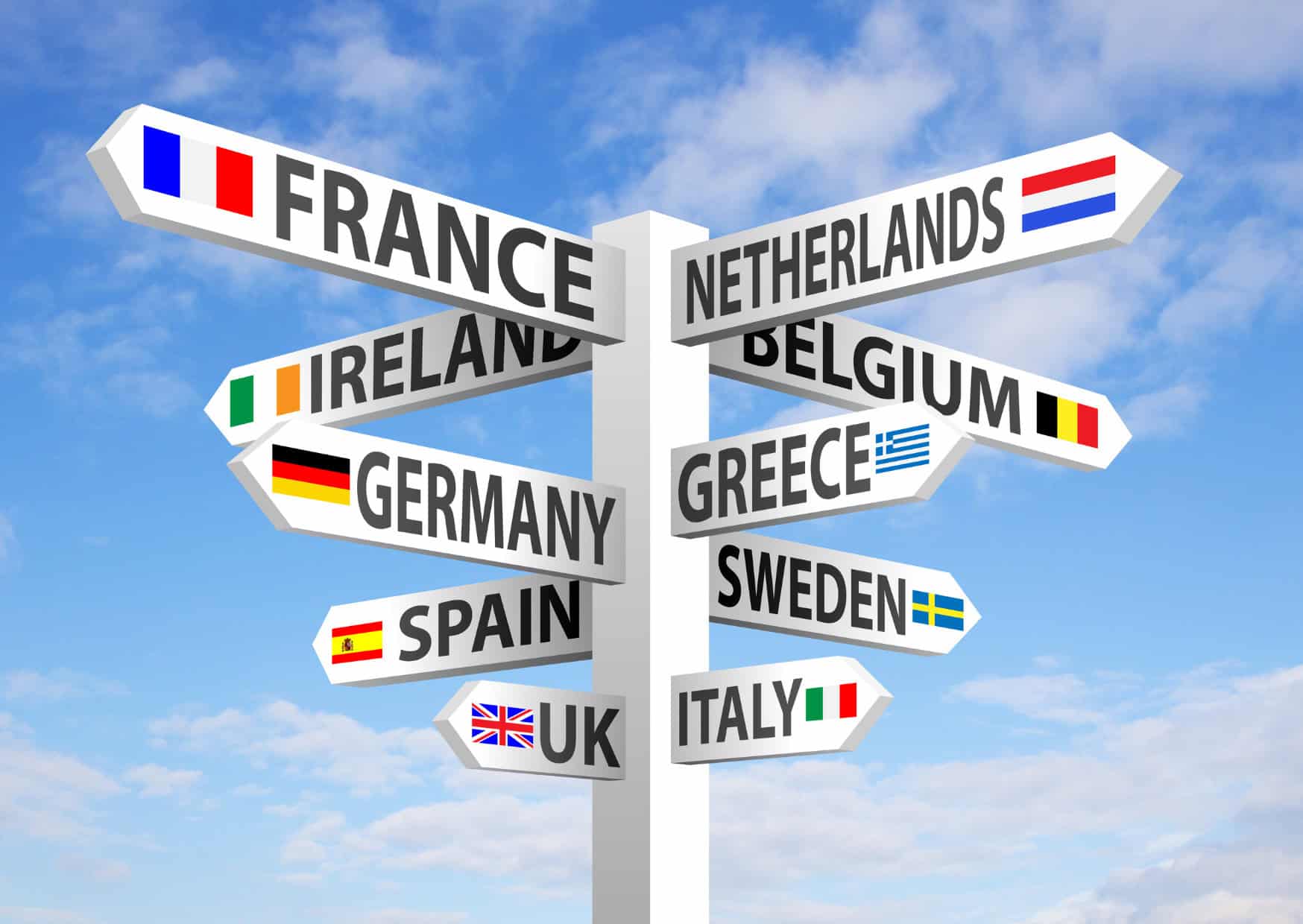
13. “All of Europe Is Basically the Same”
The Stereotype
- Europe’s just one big country with the Euro, uniform standards, and identical cultures that blur together.
Why Locals Hate It
- Europe spans 40+ countries (even more if you consider territories), each with unique languages, laws, customs, and regional identities. A Dutch person, a Spaniard, and a Czech local lead very different daily lives.
- Lumping them all together ignores the continent’s diversity—geographical, cultural, and historical.
What’s Real
- While European nations collaborate in institutions like the EU, they each preserve local nuances—one reason people find Europe so endlessly fascinating to explore.
The Bottom Line
Stereotypes can be amusing, but when taken too seriously, they oversimplify the rich variety of life across Europe. Locals often roll their eyes at these clichés—especially in 2025, when young Europeans juggle global influences, modern tech hubs, and dynamic social change. So, next time you catch yourself imagining that “everyone in [Country X] must do [Stereotype Y],” pause and remember: real life is far more complex (and interesting) than the cliché.
Pro Tip
If you’re traveling Europe, approach each country (and region) with open-minded curiosity. Ask questions, try local customs without assuming everyone’s the same, and prepare to bust stereotypes one genuine conversation at a time. Bon voyage—or should we say, Gute Reise, Buon viaggio, and so on!

About the Author: Ruben, co-founder of Gamintraveler.com since 2014, is a seasoned traveler from Spain who has explored over 100 countries since 2009. Known for his extensive travel adventures across South America, Europe, the US, Australia, New Zealand, Asia, and Africa, Ruben combines his passion for adventurous yet sustainable living with his love for cycling, highlighted by his remarkable 5-month bicycle journey from Spain to Norway. He currently resides in Spain, where he continues sharing his travel experiences with his partner, Rachel, and their son, Han.