
When you see “French pastry” on a bakery sign, you might picture delicate croissants, glazed fruit tarts, or chocolate-filled wonders. France is, of course, renowned for its patisserie prowess—but not every treat we call “French” is actually from the land of the Eiffel Tower. From croissants with disputed roots to pastries claimed by other nations, here are nine items you might be shocked to learn aren’t quite as français as they seem.
Want More Culinary Myth-Busting?
- 10 “Mexican” Dishes Mexicans Never Actually Eat—And What They Do Instead
- 10 Things French People Really Eat Every Day (And It’s Not What You’d Expect)
- 15 Shockingly Normal European Customs Tourists Still Can’t Believe
- Get The Best Travel Insurance for Europe and Beyond
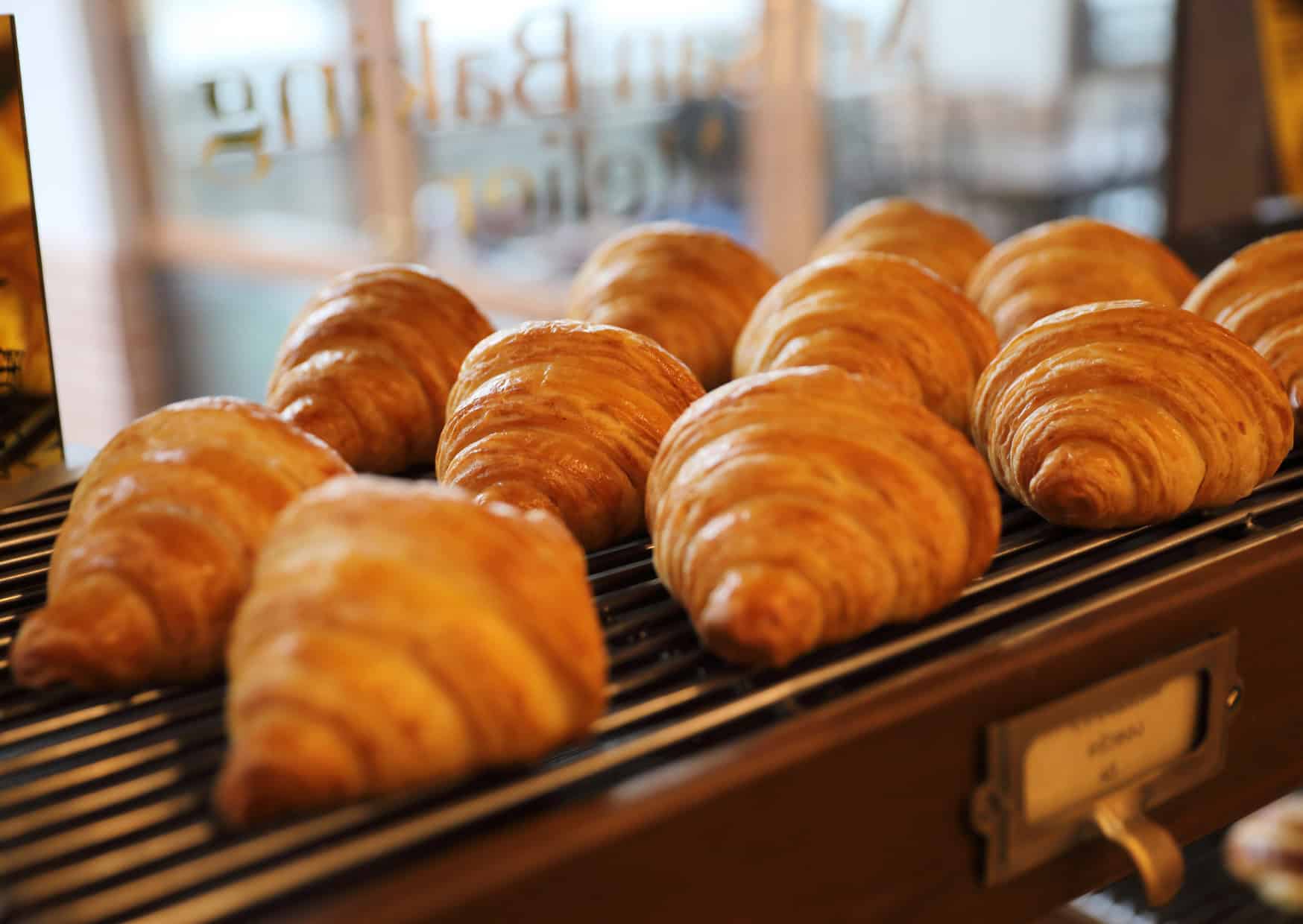
1. The Croissant (Austria)
Why We Think It’s French
- Pop culture and café imagery often show chic Parisians nibbling on croissants with coffee.
- The croissant is a staple in nearly every French boulangerie.
Where It Really Comes From
- The croissant’s ancestor is the Austrian kipferl, a crescent-shaped pastry dating back centuries. Marie Antoinette, an Austrian princess, allegedly introduced it to France, where it evolved into the flaky, buttery wonder we know today.
Local Twist
- In Austria, kipferl can be simpler and more bread-like. Meanwhile, the French perfected the laminated dough technique, giving the croissant its signature layers.
Pro Tip
- Yes, croissants are a French specialty now, but if you want to be accurate, tip your hat to Austria for the original inspiration.
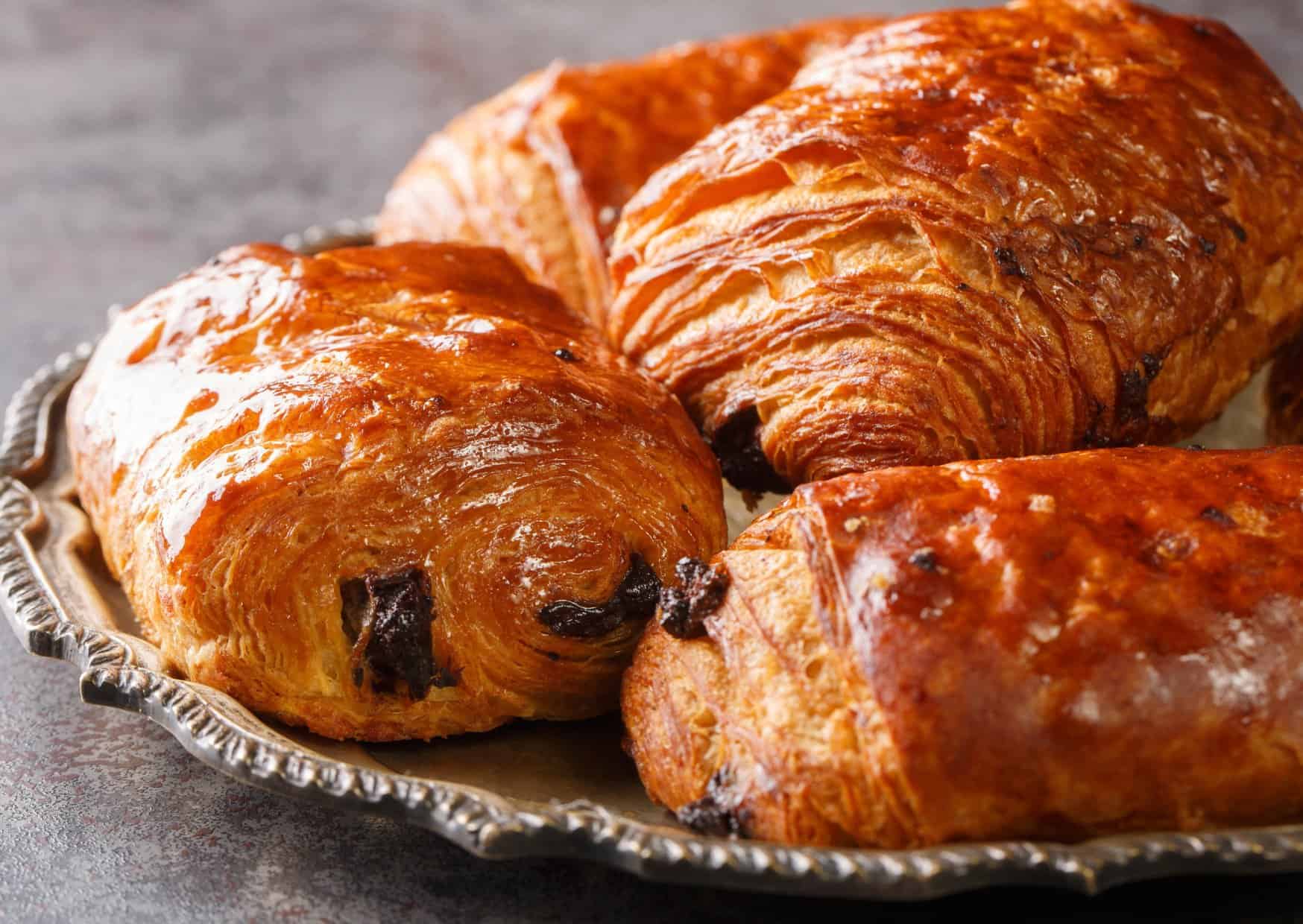
2. Pain au Chocolat (Probably Also Austrian-Inspired)
Why We Think It’s French
- Sold in France’s pâtisseries and boulangeries alongside croissants as the classic French breakfast pastry.
- Known as pain au chocolat in most of France, though some regions call it a chocolatine.
Where It Really Comes From
- Like the croissant, the technique behind pain au chocolat (laminated dough) likely came from Vienna. The concept of encasing chocolate in a buttery dough gained traction once Austrian pastry influences spread throughout Paris.
Local Twist
- In France, it’s rectangular and uses the same laminated dough as croissants. The Austrian precursors might look slightly different or have different fillings.
Pro Tip
- Don’t get caught in the fierce “pain au chocolat” vs. “chocolatine” regional debate in France—just order one and enjoy.
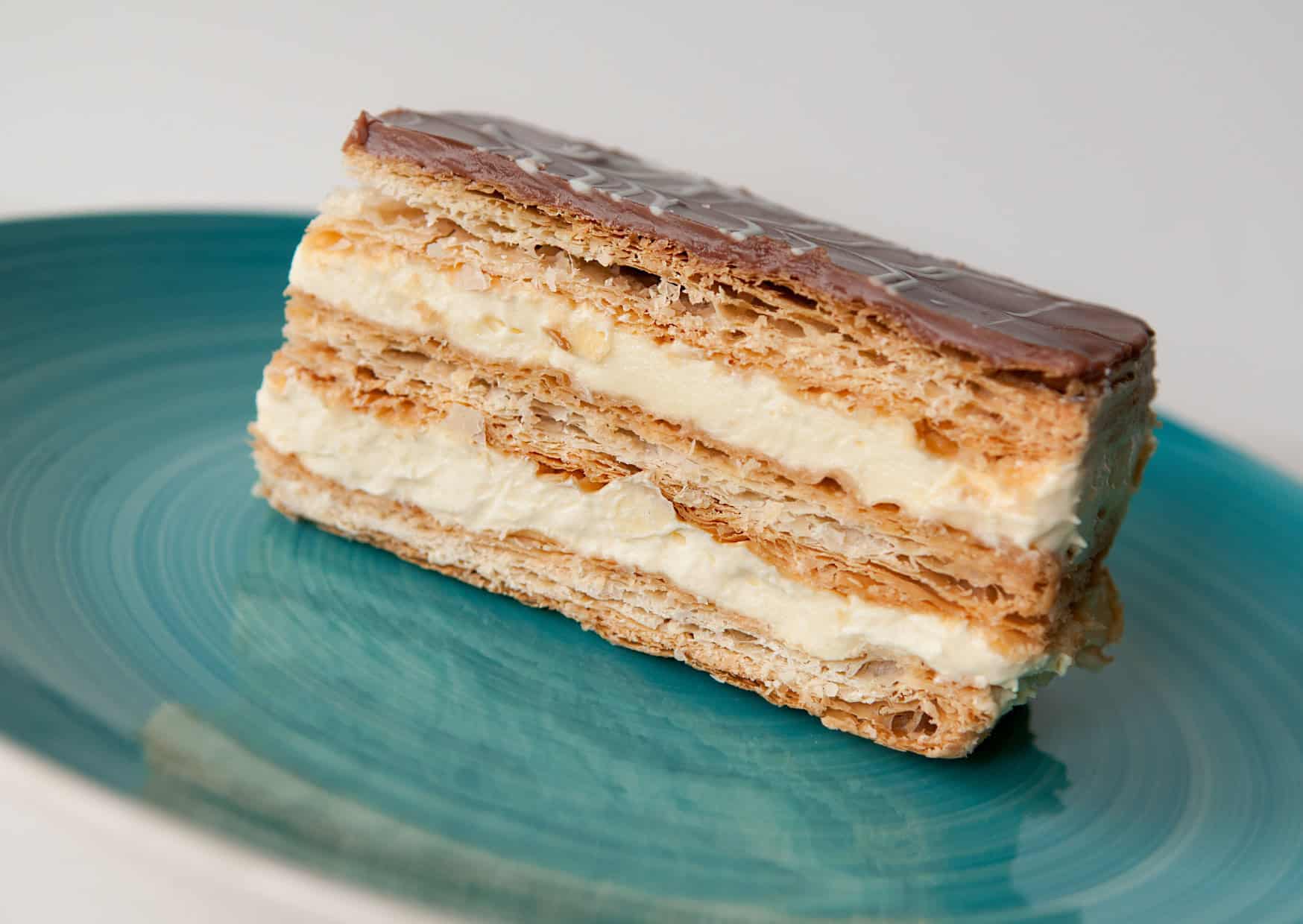
3. Mille-Feuille (Napoleon) — Possibly from Italy?
Why We Think It’s French
- The name mille-feuille literally means “a thousand leaves,” referencing its many puff pastry layers. A staple in French patisseries.
Where It Really Comes From
- While the French definitely refined and popularized this layered dessert, some food historians argue it might have roots in Italian puff pastry traditions. The name “Napoleon” is also used in English, possibly referencing Naples (in Italy) or Emperor Napoleon—there’s some debate.
Local Twist
- In France, mille-feuille has pastry cream between layers of crisp puff pastry, topped with icing or fondant. Italy’s version (like millefoglie) sometimes includes sweet ricotta or jam.
Pro Tip
- Regardless of origin, the French iteration is iconic. Just know the layered concept and puff pastry skillset may have traveled from Italy centuries ago.
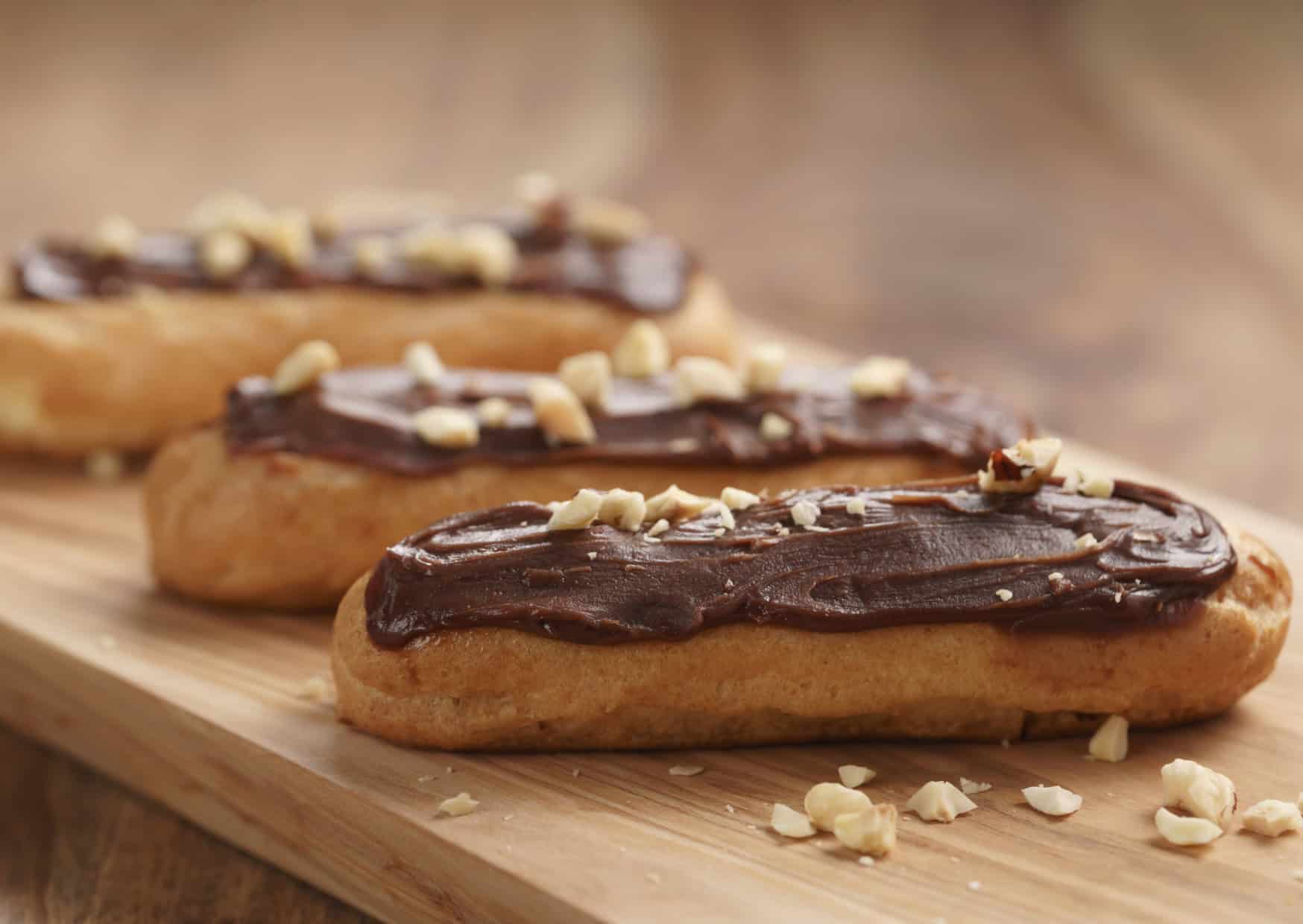
4. Éclair (Potentially Choux Pastry from Italy)
Why We Think It’s French
- The éclair is a classic fixture of French pâtisserie, a long choux pastry filled with cream and iced on top.
Where It Really Comes From
- The choux pastry technique (pâte à choux) might trace back to Caterina de’ Medici’s Italian court cooks, who introduced pastry innovations to France in the 16th century. Over time, France developed the éclair as we know it.
Local Twist
- Modern French pastry chefs have turned éclairs into an art form—various fillings (coffee, chocolate, vanilla, fruit) and ornate glazes. Italy’s choux-based pastries differ slightly, but the dough principle remains shared.
Pro Tip
- Next time you bite into that chocolate éclair, thank Italy’s Renaissance influence—but also France’s pastry masters for perfecting it.
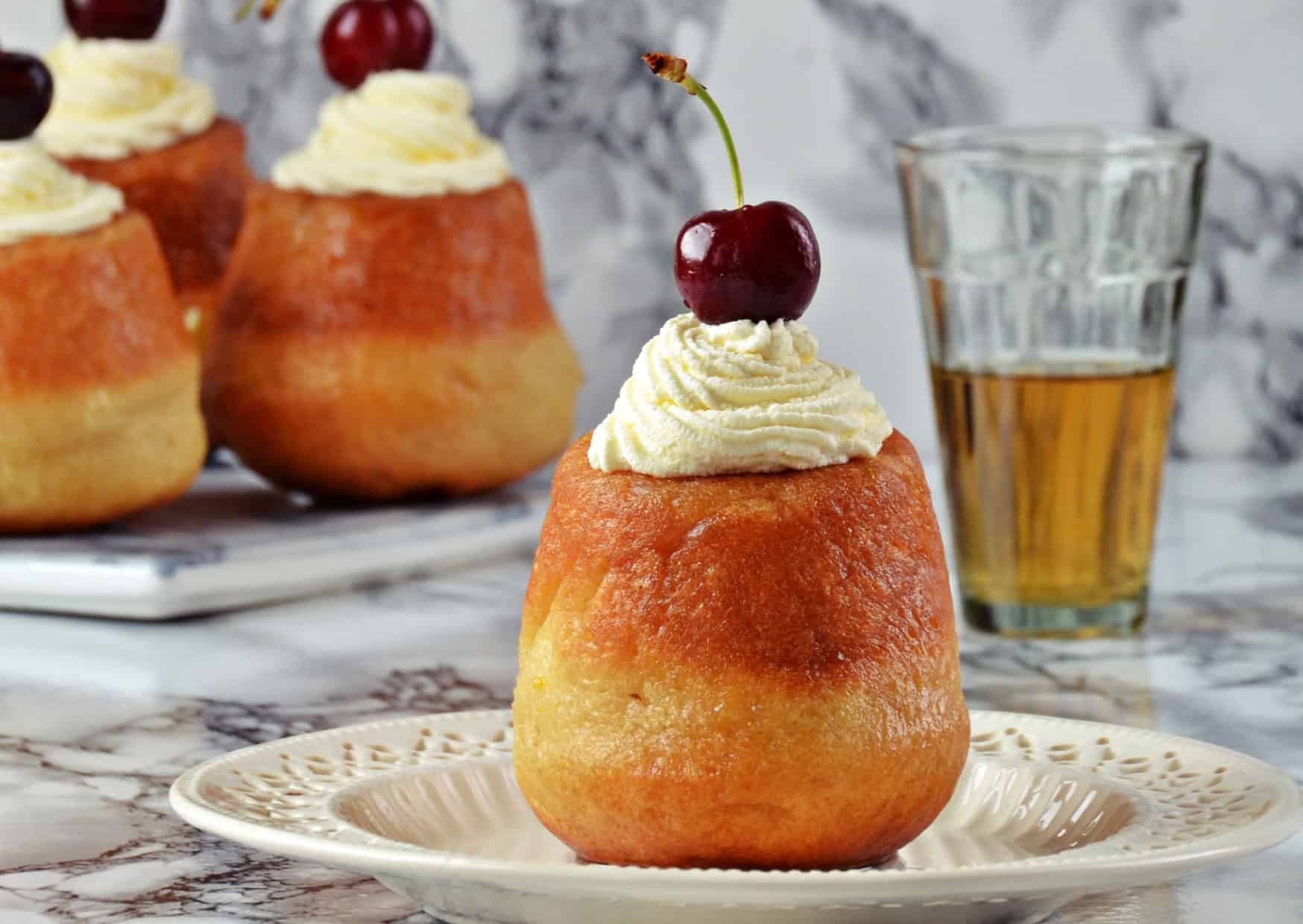
5. Baba au Rhum (Poland or Naples)
Why We Think It’s French
- A rum-soaked yeast cake often seen in French pâtisseries, sometimes topped with whipped cream or custard.
Where It Really Comes From
- Baba’s ancestry likely lies in the Polish baba or babka, introduced to France via the exiled Polish King Stanisław Leszczyński in the 18th century. Some attribute a version to Naples, Italy, as well.
Local Twist
- The French adapted the recipe by soaking it in rum syrup, creating that distinctive boozy dessert. Meanwhile, in Poland, babka is often a drier cake or sweet bread served at Easter.
Pro Tip
- If you see Baba au Rhum labeled “the ultimate French dessert,” remember there’s a Polish or Neapolitan lineage behind it.
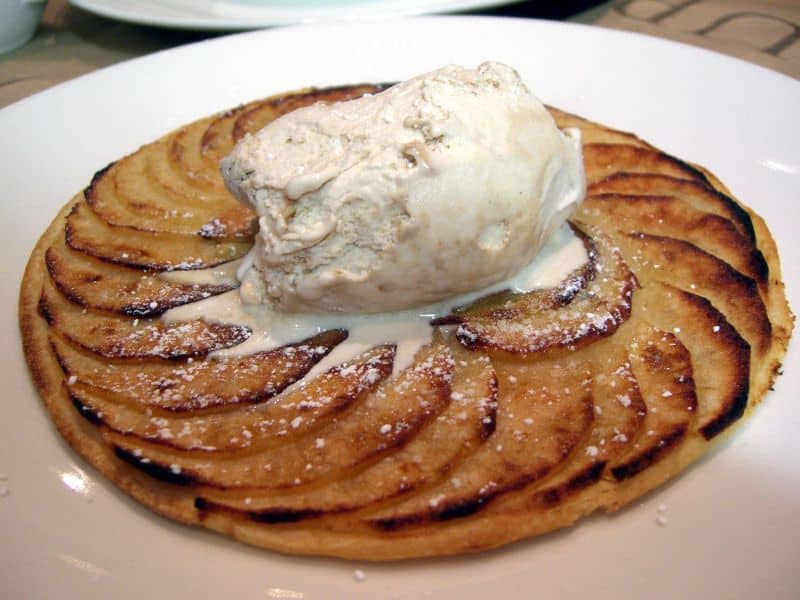
6. Tarte Tatin (Might Be Overstated as French “Apple Pie”)
Why We Think It’s French
- Tarte Tatin is famously associated with the Tatin sisters in France, who supposedly invented it by accident in the 19th century.
Where It Really Comes From
- While Tarte Tatin is indeed from France, some argue it’s part of a broader European tradition of upside-down fruit pastries. Variants exist in the UK (like upside-down cake) and beyond. Not entirely foreign, but the technique wasn’t exclusively French from the start.
Local Twist
- In France, Tarte Tatin uses caramelized apples with a buttery pastry crust placed on top before baking, then flipped. Similar “upside-down” techniques appear worldwide, from pineapple upside-down cake to other fruit versions.
Pro Tip
- Tarte Tatin is arguably more French than the others on this list, but if someone claims it’s uniquely and exclusively French, keep in mind that “upside-down” fruit desserts have popped up in many places.
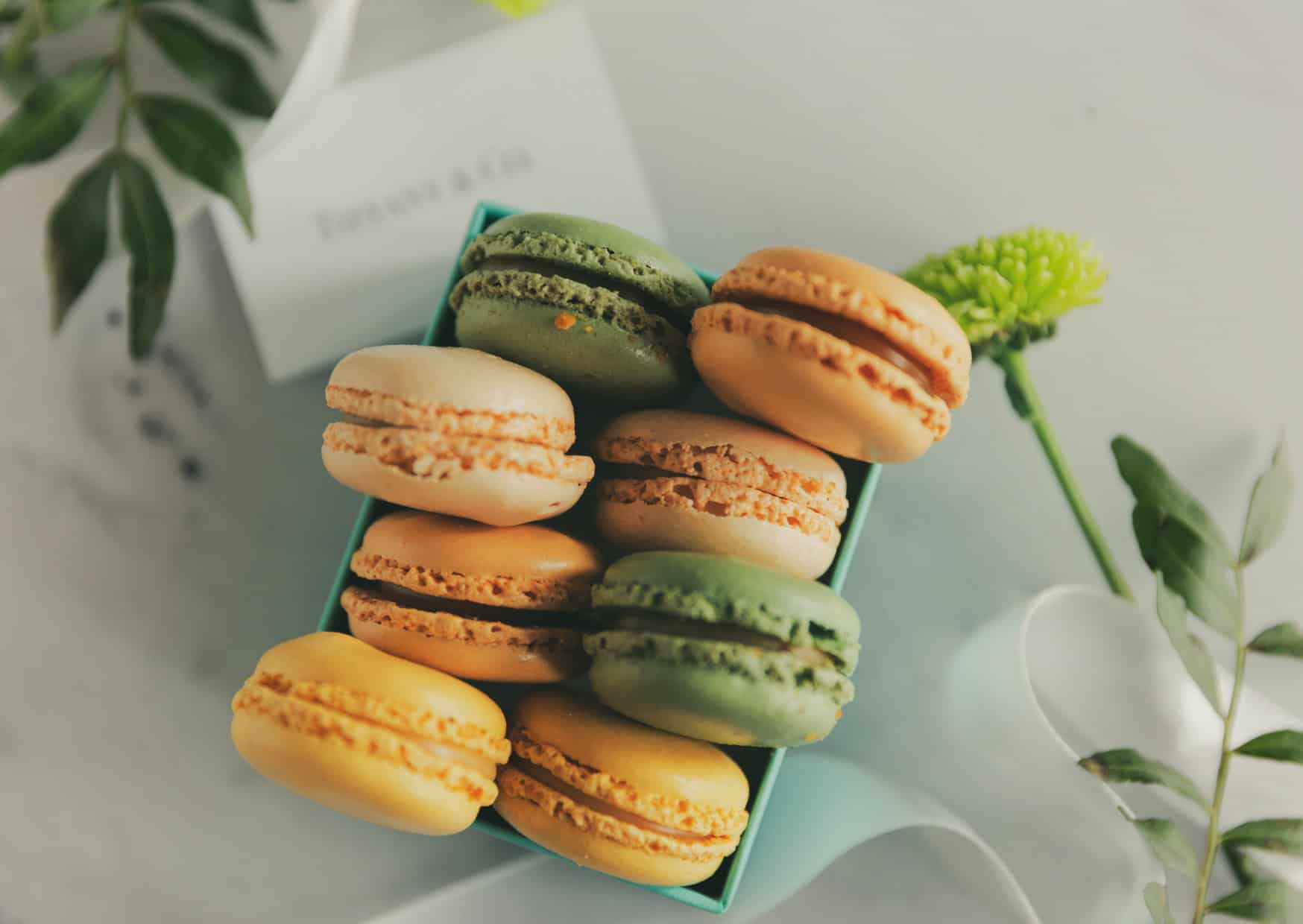
7. The Macaron (Debated Origins: Italy?)
Why We Think It’s French
- Macarons are quintessentially associated with French patisseries, especially Ladurée in Paris. Pastel colors, delicate meringue shells—so chic!
Where It Really Comes From
- Some say the macaron’s predecessor is the Italian amaretti cookie, introduced in France by Catherine de’ Medici’s Italian chefs. The French refined it into the double-decker macaron with ganache filling we love today.
Local Twist
- Modern French macarons are a 20th-century evolution (the sandwich style). Early macarons were single meringue-like cookies, more rustic, found in parts of France like Nancy. Italy had a similar almond cookie tradition.
Pro Tip
- If you see the old, single-cookie style (like the “macaron de Nancy”), know that’s closer to its earlier form. The fancy “Parisian macaron” is a relatively modern French adaptation.
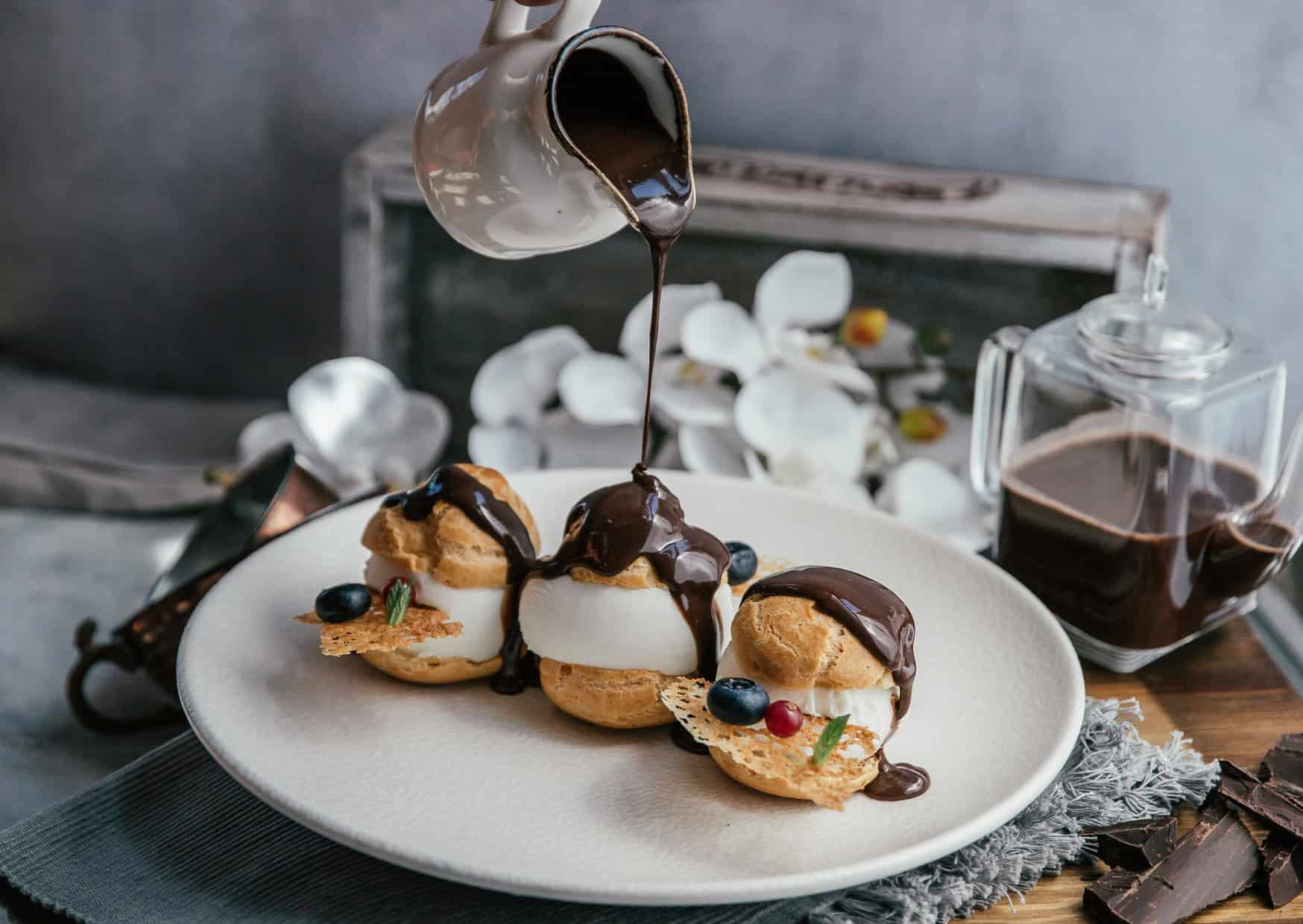
8. Profiteroles (Choux Pastry from Italy Again)
Why We Think It’s French
- Profiteroles (cream puffs) often appear on French dessert menus, especially drizzled in chocolate sauce.
Where It Really Comes From
- Once more, choux pastry likely arrived from Italy with Catherine de’ Medici’s entourage. Over centuries, the French made them into profiteroles, filling them with ice cream or pastry cream.
Local Twist
- Italians have a variety of choux-like pastries; the French turned it into an art form with sophisticated presentations and sauces.
- Profiteroles in France might also come served as a dramatic tower called croquembouche at weddings or special events.
Pro Tip
- Although you’ll see profiteroles in Paris, remember that Italy’s culinary influences run deep in French pastry. They share that same choux DNA.
9. Kouign-Amann (Purely Breton or Possibly…?)
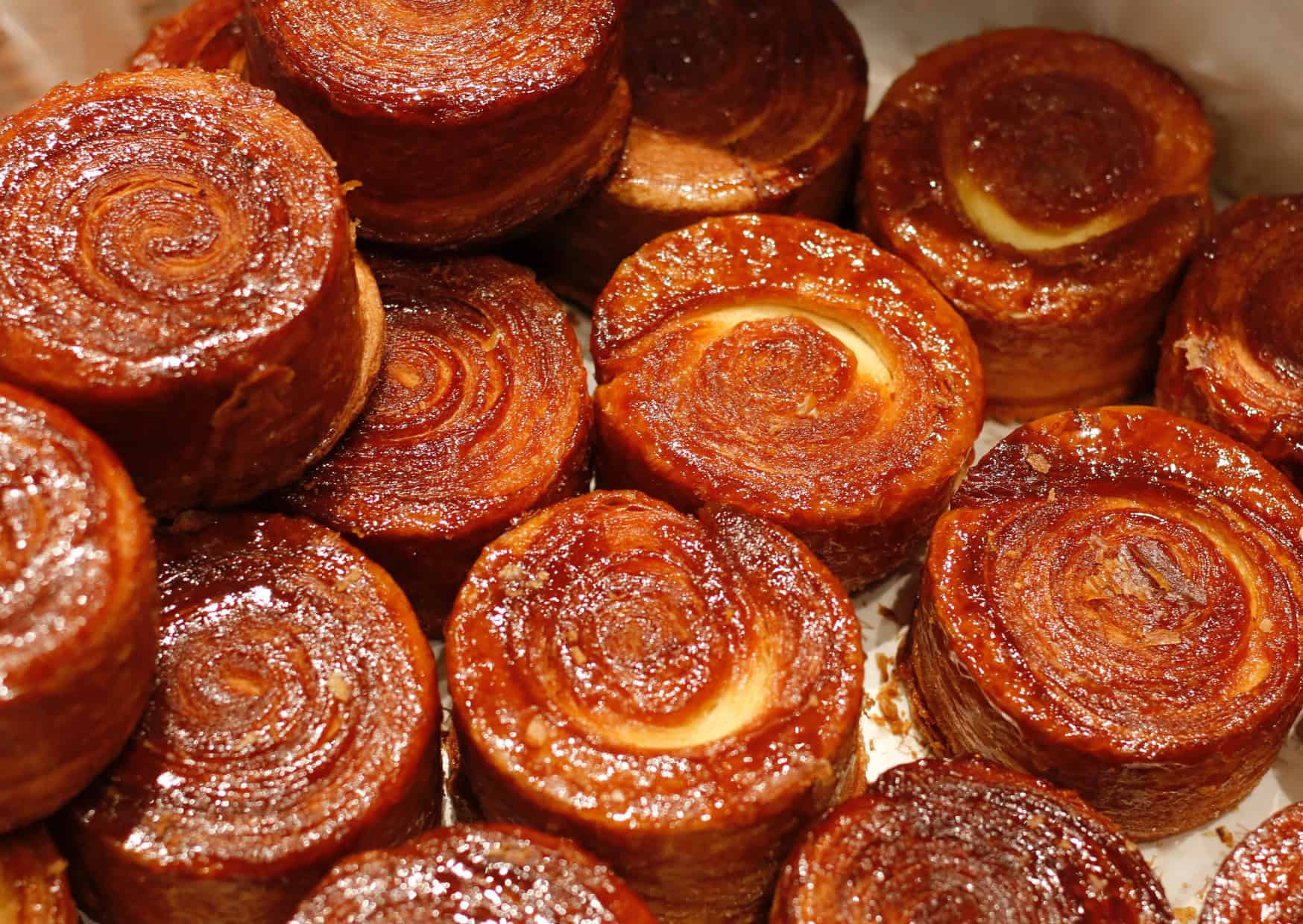
Why We Think It’s French
- Kouign-Amann hails from Brittany (Bretagne) in France. You see it in French bakeries worldwide nowadays.
Where It Really Comes From
- Though Brittany is indeed in France, many Bretons see themselves as culturally distinct. This sweet, buttery, caramelized pastry is sometimes called “the fattest pastry in Europe.”
- Some suggest it might have Celtic influences from across the channel. But at the very least, it’s not Parisian, and you might argue it’s as much “Breton” as it is “French.”
Local Twist
- The pastry is layered with butter and sugar—like a super-sugary croissant. Brittany’s longstanding butter tradition sets it apart from typical French pastries.
Pro Tip
- While Kouign-Amann is 100% from Brittany (which is technically France today), note that its Celtic heritage and distinct style make it quite separate from mainstream French pastry traditions.
The Bottom Line
France is often called the global capital of pastry—and with good reason. But the next time someone gushes over these “100% French” delights, you can gently point out the cross-border influences. From the Austrian-born croissant to the Italian-choux éclair and the Polish-inspired baba, French pastry is more of a multicultural tapestry than a purely Gallic invention.
Pro Tip
Don’t let origins diminish your enjoyment. Part of what makes pastry culture (and food culture in general) so rich is the exchange of ideas across borders. Next time you savor a chocolate croissant, raise a flaky bite to Austria, Italy, Poland, or wherever else these sweets gained a dash of creative spark—and, of course, to the French chefs who perfected them for our blissful taste buds. Bon appétit!

About the Author: Ruben, co-founder of Gamintraveler.com since 2014, is a seasoned traveler from Spain who has explored over 100 countries since 2009. Known for his extensive travel adventures across South America, Europe, the US, Australia, New Zealand, Asia, and Africa, Ruben combines his passion for adventurous yet sustainable living with his love for cycling, highlighted by his remarkable 5-month bicycle journey from Spain to Norway. He currently resides in Spain, where he continues sharing his travel experiences with his partner, Rachel, and their son, Han.