
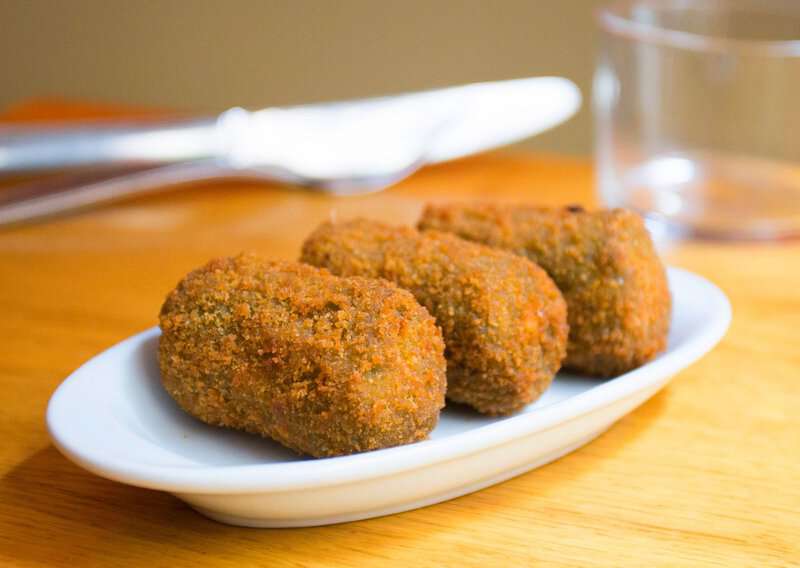
Our full recipe guide on how to make Croquetas one of the most popular tapas in Spain. Apart from Spanish Omelette and the paella, Croquetas is very popular too.
In Spain, few tapas are as beloved — or as addictive — as ham croquetas. Crisp on the outside, creamy on the inside, and bursting with the rich, savory flavor of Spanish jamón, these little bites are a staple in bars and family kitchens alike. They’re the kind of dish that seems simple but leaves a lasting impression with every perfectly balanced bite.
While croquetas may look like a humble snack, they carry a deep culinary heritage. Traditionally made with leftover cured ham blended into a silky béchamel, Spanish ham croquetas are a testament to the art of making simple ingredients shine. In Spain, they’re not just an appetizer — they’re a symbol of hospitality, homemade care, and culinary pride.
In this recipe guide, you’ll learn how to make authentic Spanish ham croquetas at home. Whether you’re cooking for a tapas night, a festive gathering, or just craving a taste of Spain, this guide brings the flavors of a traditional Spanish kitchen right to your table.
The best Spanish food to try, Breakfast in Spain, and vegetarian food in Spain
BOOK YOUR TRAVEL INSURANCE
Two of our favorite travel insurance: Heymondo Vs Safetwing cheapest travel Insurance. You can get for $135 USD your Heymondo Travel Insurance with Heymondo discount code valid for 90 days. Read our full comparison of Genki vs Safetywing Travel Insurance Review and the comparison Heymondo vs Genki
Best Time to Eat & How to Partner This Dish
Ham croquetas are a perfect choice for appetizers, tapas spreads, or a casual snack with drinks. In Spain, they’re often enjoyed as part of a shared tapas selection at bars or family gatherings, usually in the late afternoon or evening.
Pair croquetas with other classic tapas like patatas bravas, marinated olives, or pan con tomate for an authentic tapas experience. For drinks, a crisp Spanish beer, a chilled glass of Albariño, or a light vermouth complements the rich, creamy filling of the croquetas beautifully.
Whether served hot from the fryer or slightly cooled to enjoy with friends, ham croquetas are a versatile addition to any table. They’re equally perfect for a casual gathering, a tapas night, or as a show-stopping appetizer before a Spanish-themed dinner.
One common misconception is that croquetas are just glorified fried snacks with little culinary value. In reality, they’re a celebrated part of Spanish gastronomy, requiring skill and patience to perfect the creamy filling and golden, crisp coating. They’re far from simple bar food — they’re a point of culinary pride.
Another misunderstood belief is that all croquetas taste the same or come from frozen packages. While you’ll find frozen versions in supermarkets, true Spanish croquetas are almost always homemade or freshly prepared, with family recipes passed down through generations. The quality of ingredients — especially the jamón — makes all the difference.
Perhaps most surprising is the assumption that making croquetas at home is too complicated for casual cooks. While the process does take a bit of time and care, it’s entirely achievable with basic kitchen tools and simple ingredients. The secret lies in mastering the béchamel and having the patience to shape and fry them properly — a skill any home cook can develop with practice.
How to Make Spanish Ham Croquetas
Croquetas Recipe Ingredients
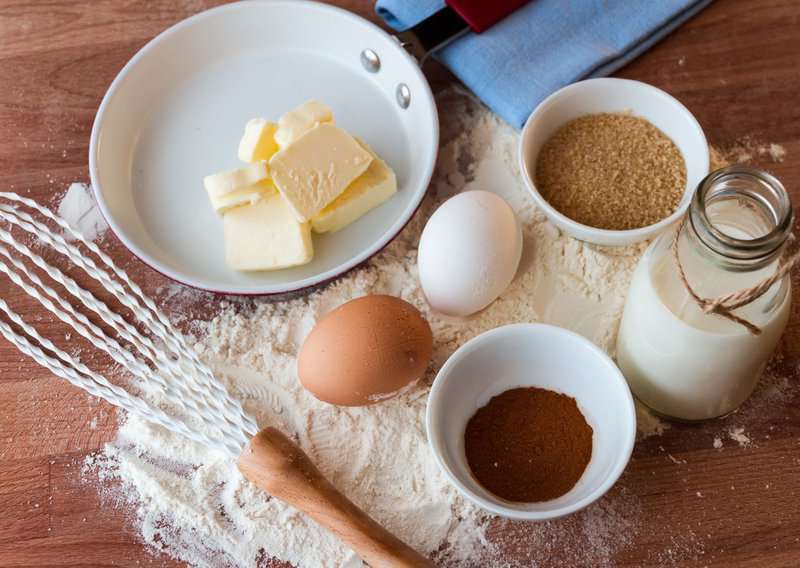
For the Croquetas:
2 tablespoons olive oil
1/4 cup finely diced onion
2 tablespoons butter
1/2 cup all-purpose flour, plus extra for coating
1 1/2 cups whole milk
1/2 cup finely chopped cooked ham (Jamón Serrano, if available)
Salt and black pepper to taste
Pinch of nutmeg (optional)
For Frying:
2 eggs, beaten
1 cup breadcrumbs
Oil for frying (vegetable or olive oil)
Get the best deals for your home and kitchen needs
Step By Step How to Make Croquetas
- Make the Roux
Heat the olive oil and butter in a large frying pan over medium heat. Add the diced onion and sauté until translucent.
Stir in the flour and cook for a few minutes until it forms a paste and has a light golden color.
- Create the Filling
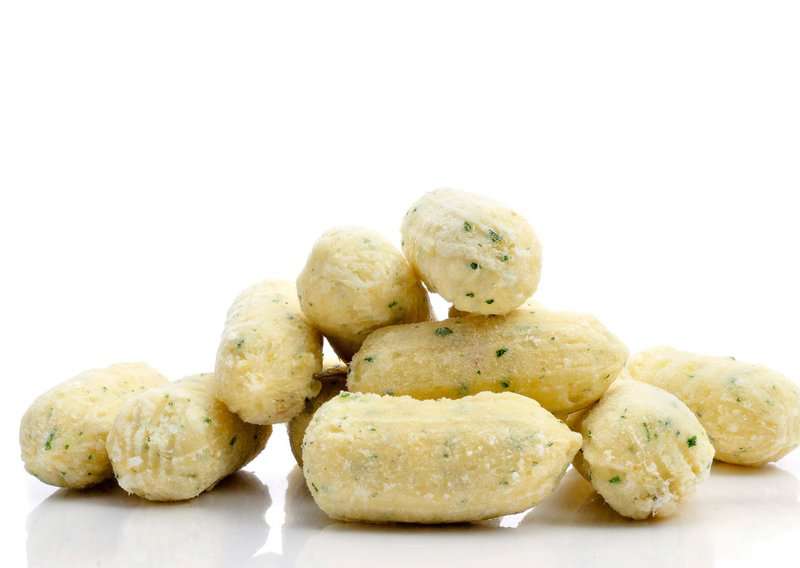
Gradually add the milk to the flour mixture, whisking continuously to ensure there are no lumps. Cook over medium heat until the mixture thickens into a béchamel sauce, about 10-15 minutes. Stir in the chopped ham, season with salt, pepper, and a pinch of nutmeg. Mix until well combined.
Remove from heat and let the mixture cool to room temperature, then refrigerate until it’s firm, at least 2 hours or overnight.
- Shape the Croquetas
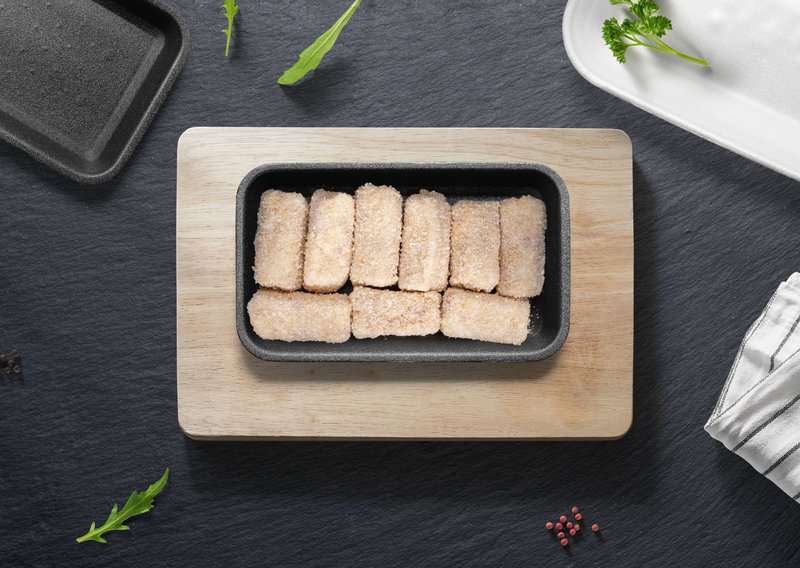
Once the filling is chilled and firm, shape it into small logs or balls using your hands. You may need to flour your hands to prevent sticking.
- Coat the Croquetas
Set up a breading station with three shallow bowls: one for flour, one for beaten eggs, and one for breadcrumbs. Roll each croqueta first in flour, then dip in beaten egg, and finally roll in breadcrumbs.
- Fry the Croquetas
Fill a frying pan with about an inch of oil and heat it to 350°F (175°C). Fry the croquetas in batches, being careful not to overcrowd the pan. Cook until they are golden brown on all sides, about 2-3 minutes. Use a slotted spoon to transfer the croquetas to a plate lined with paper towels to drain excess oil.
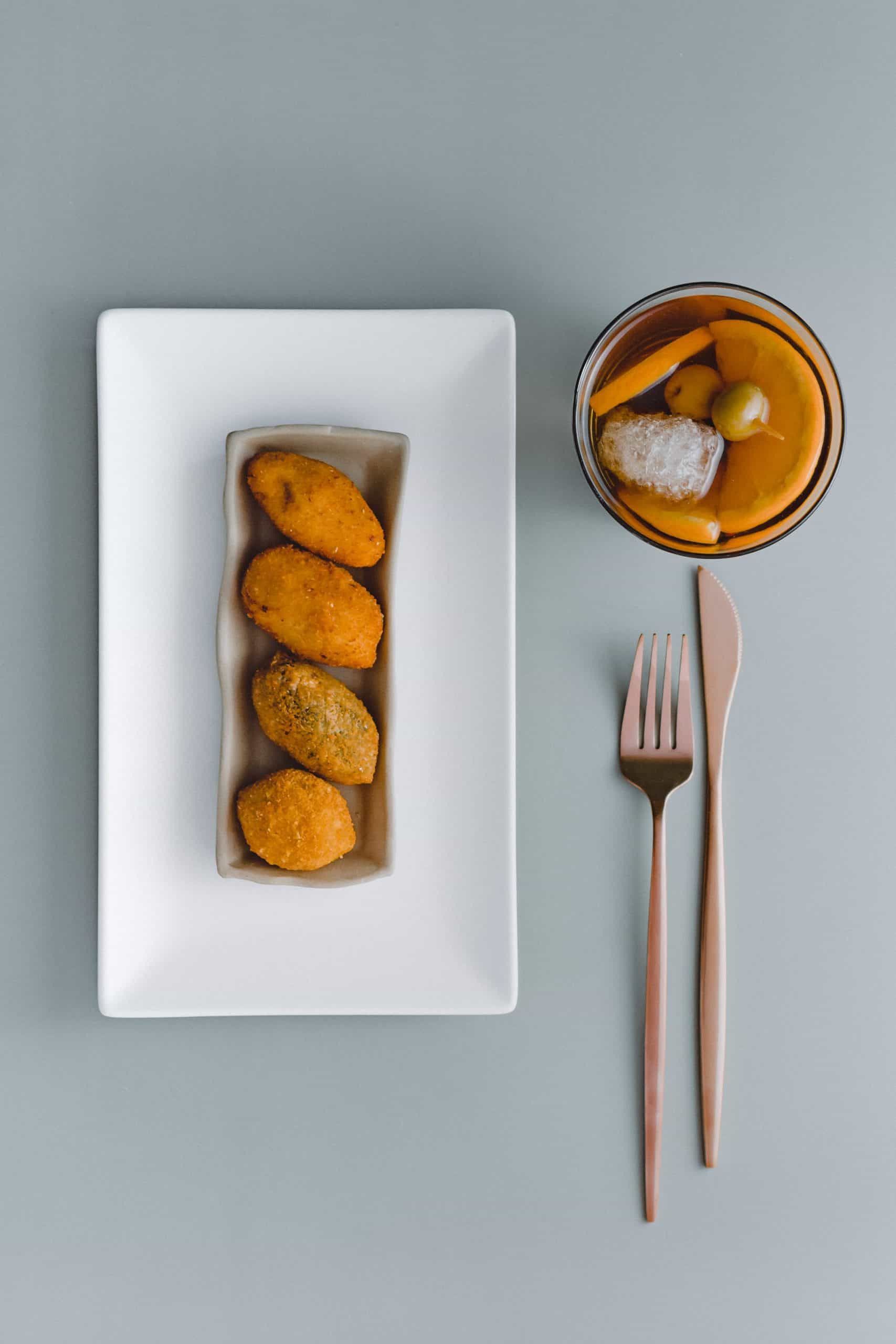
- Serve
Serve the croquetas hot as an appetizer or snack. They pair well with a light salad, or simply with some aioli or tomato sauce for dipping.
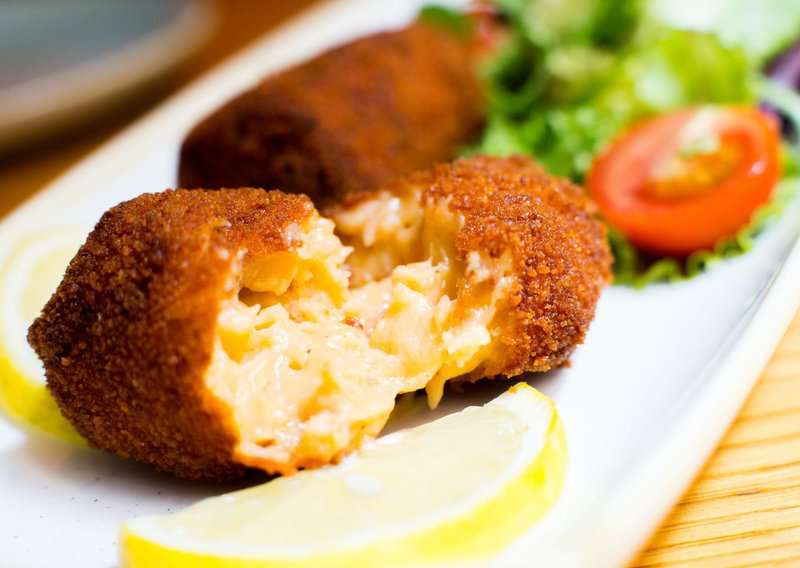
Tips For Making Croquetas
It’s crucial to cool the béchamel mixture thoroughly before shaping to ensure the croquetas hold their shape when fried. Maintain the oil temperature to prevent the croquetas from absorbing too much oil and becoming greasy.
How Many Calories Have Croquetas
A typical ham croqueta contains approximately 100 to 150 calories per croqueta.
Flour (in the béchamel and for coating): About 1/2 cup used is around 200 calories.
Whole Milk (1 1/2 cups): Approximately 220 calories.
Butter (2 tablespoons): Roughly 200 calories.
Cooked Ham (1/2 cup chopped): Around 120 calories.
Eggs (2, for dipping): About 140 calories.
Breadcrumbs (1 cup): Around 400 calories.
Olive oil for frying is about 30-50 calories absorbed per croqueta.
Origin and History
Ham croquetas are one of Spain’s most iconic tapas, but their roots stretch back to 19th-century France. The technique of thickening béchamel to encase fillings was born in French kitchens before making its way across Europe. When Spaniards adopted the idea, they gave it new life by incorporating jamón serrano, transforming a French concept into a distinctly Spanish bite. Croquetas began appearing in taverns, family gatherings, and celebrations, quickly becoming a staple of home cooking.
Over time, Spain developed countless regional variations, each shaped by the availability of local ingredients. In coastal areas, families made croquetas with fish or seafood. Inland towns leaned on cured meats or leftover stews. But ham croquetas rose above all others because jamón was already a cultural treasure. Combining its deep, savory flavor with creamy béchamel created a tapas dish that felt indulgent yet familiar.
Today, croquetas are synonymous with comfort and tradition. Every Spanish family claims their recipe is the best, and every bar guards its own version with pride. The technique might be French, but the soul is fully Spanish. Croquetas became the unofficial measure of a good tapas bar: if the croquetas are excellent, everything else probably is too.
The biggest debate surrounding croquetas is how creamy the interior should be. Some cooks swear that the filling should be extremely soft, almost spilling out of the shell. Others prefer a firmer center that holds its shape. Both sides are equally passionate, and the argument has become a point of pride across generations. Each style has loyal fans who believe theirs is the one true croqueta.
Another controversy is the type of ham used. Purists insist that only jamón serrano—or even jamón ibérico for special occasions—produces the right depth of flavor. More flexible cooks argue that using whatever ham you have on hand is perfectly acceptable. Modern recipes even incorporate deli ham, though traditionalists claim this undermines the dish’s heritage. The truth is simple: quality ham elevates the croqueta, but the technique matters just as much.
Even the breadcrumb coating sparks disagreement. Some families use coarse breadcrumbs for extra crunch, while others prefer a fine, delicate crust. There are also debates about whether croquetas should be pan-fried or deep-fried, with purists insisting only deep frying provides the classic golden shell. These differences show how emotional this simple tapa can be, and how tightly Spaniards hold onto their food traditions.
How Long You Take to Prepare
Making ham croquetas from scratch takes 2 to 3 hours, though most of that is resting time. Preparing the béchamel filling typically takes 20 to 30 minutes, depending on how slowly you cook the roux. Patience is key—the filling must be smooth, thick, and lump-free. Once the béchamel is ready, the ham is folded in and the mixture must cool completely before shaping.
Chilling the filling requires at least 1 to 2 hours in the refrigerator, though many Spanish families prefer leaving it overnight. This step is essential because cold béchamel is easier to shape into logs or balls without sticking to your hands. Skipping this chill time leads to croquetas that fall apart during frying, so it’s worth planning ahead.
Shaping and frying take another 20 to 30 minutes. Each croqueta is rolled in flour, dipped in egg, and coated in breadcrumbs before hitting the hot oil. The frying itself is quick—usually around 2 to 3 minutes until golden and crisp. Despite the time investment, the process is straightforward and rewards you with restaurant-level results at home.
Serving Suggestions
Ham croquetas shine brightest when served hot, just minutes after frying. A simple garnish of parsley or a wedge of lemon is enough. They pair beautifully with a cold beer, a crisp white wine, or a refreshing glass of cava. On a tapas table, croquetas naturally become the star because they stand out without overwhelming other dishes.
If you want to turn croquetas into a full meal, serve them alongside a fresh salad with tomatoes, olives, and a light vinaigrette. The acidity cuts through the richness of the béchamel, making the meal feel balanced. Patatas bravas, roasted peppers, or grilled vegetables are also excellent companions.
For a more modern presentation, croquetas can be paired with aioli, smoky paprika dip, or even a light honey drizzle to contrast the salty ham. Spanish chefs often experiment with sauces, but the classic versions always keep the croquetas themselves as the centerpiece. They’re simple, elegant, and endlessly satisfying.
Final Thoughts
Ham croquetas may seem intimidating, but once you make them at home, you realize how simple and comforting they really are. They capture the warmth of Spanish hospitality and the pride of family recipes passed down through generations. Mastering them connects you to a tradition that spans kitchens, tapas bars, and celebrations across Spain.
The beauty of croquetas lies in the balance of textures: crisp exterior, creamy center, and savory bursts of ham throughout. When you get that balance right, the result is irresistible. No store-bought version or restaurant order compares to the satisfaction of frying up your own golden batch at home.
Once you try making ham croquetas yourself, they’re likely to become a go-to dish for gatherings or cozy nights in. They’re proof that some of Spain’s best food isn’t elaborate or expensive—it’s built on technique, care, and quality ingredients. And when you master this classic, you’re not just cooking; you’re tapping into a beloved piece of Spanish culture.

About the Author: Ruben, co-founder of Gamintraveler.com since 2014, is a seasoned traveler from Spain who has explored over 100 countries since 2009. Known for his extensive travel adventures across South America, Europe, the US, Australia, New Zealand, Asia, and Africa, Ruben combines his passion for adventurous yet sustainable living with his love for cycling, highlighted by his remarkable 5-month bicycle journey from Spain to Norway. He currently resides in Spain, where he continues sharing his travel experiences with his partner, Rachel, and their son, Han.