
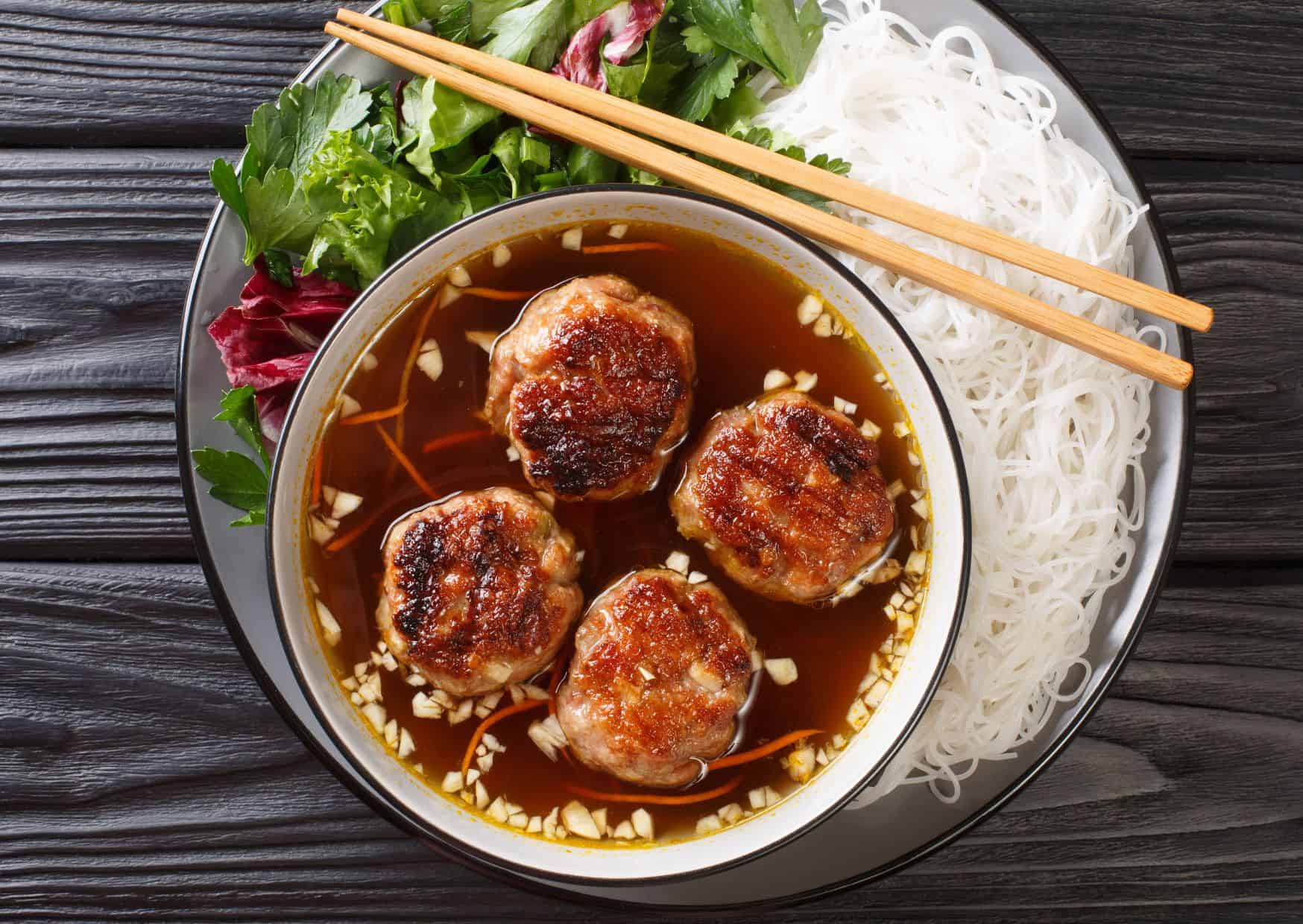
When people think of Vietnamese food, pho and banh mi often steal the spotlight. But tucked away in Hanoi’s smoky street corners is a dish that locals swear by and food lovers around the world are just beginning to appreciate — bún chả. This grilled pork and noodle dish combines fiery charcoal flavor, a sweet-savory dipping sauce, fresh herbs, and soft rice noodles into a perfectly balanced bowl of comfort.
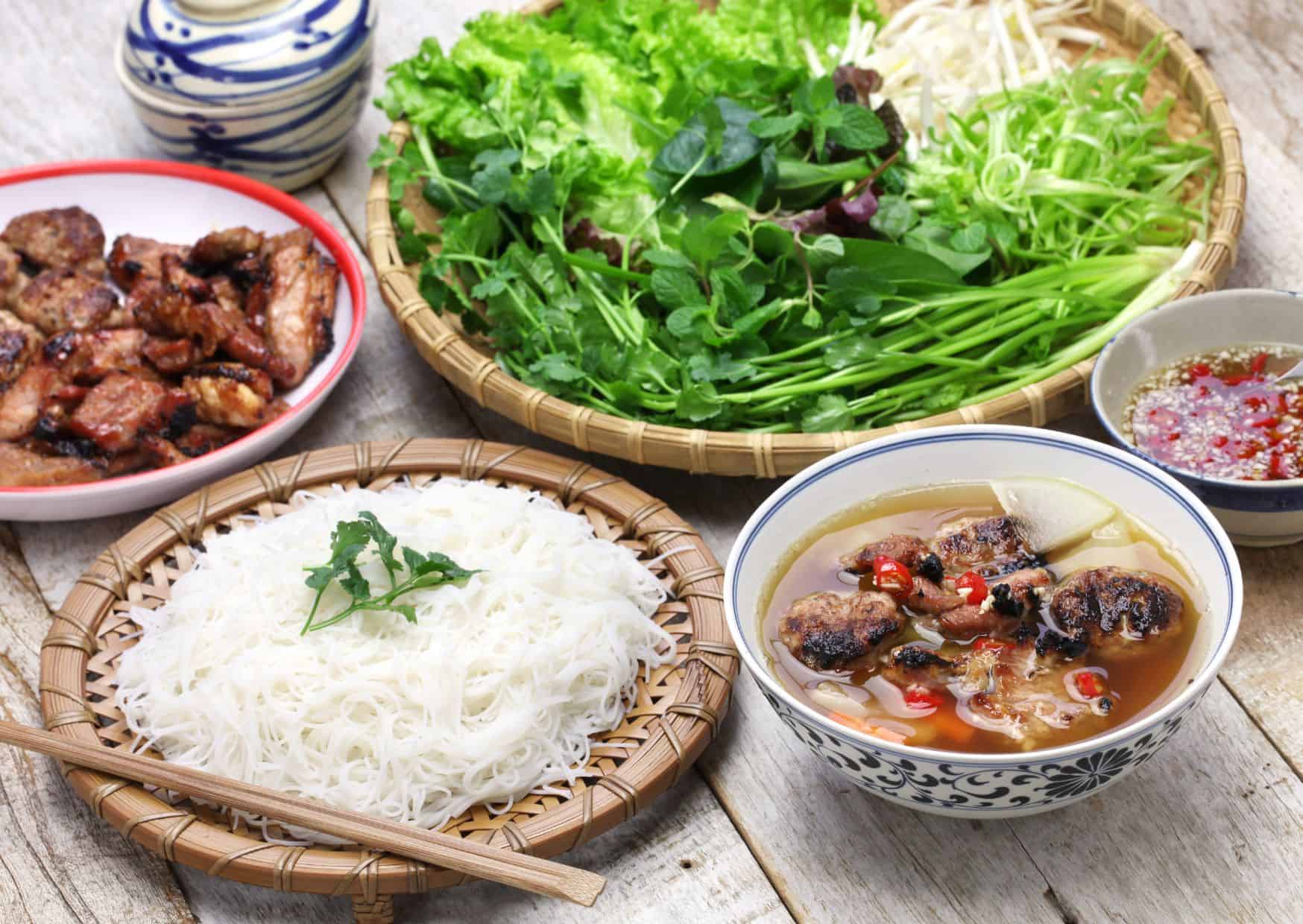
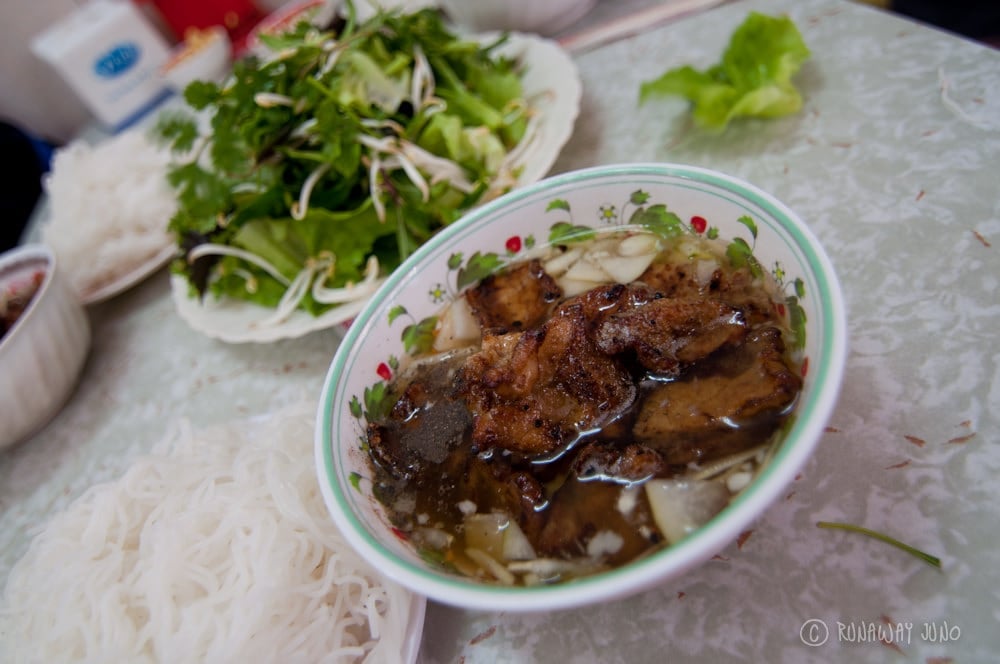
What makes bún chả so special isn’t just its taste, but its texture and experience. Unlike many noodle dishes, the components are served separately — grilled pork patties and belly slices swim in a tangy dipping broth, flanked by a mountain of rice noodles and herbs ready to be mixed, dipped, and devoured however you please. It’s interactive, flavorful, and deeply satisfying.
Whether you’re a fan of Vietnamese cuisine or just craving something beyond the usual takeout flavors, learning to make bún chả at home can transport you straight to a busy Hanoi lunchtime scene. All you need are the right ingredients, a bit of prep, and the courage to fire up the grill.
Read here best Vietnamese Breakfast, 40 Vietnam Travel Tips and Best Things to Do in Vietnam
BOOK YOUR TRAVEL INSURANCE
Two of our favorite travel insurance: Heymondo Vs Safetwing cheapest travel Insurance. You can get for $135 USD your Heymondo Travel Insurance with Heymondo discount code valid for 90 days. Read our full comparison of Genki vs Safetywing Travel Insurance Review and the comparison Heymondo vs Genki
Best Time to Eat and How to Partner It
Traditionally, bún chả is a lunchtime favorite in Vietnam. Locals usually enjoy it between 11 a.m. and 2 p.m., when the charcoal grills are blazing and street-side vendors are at their busiest. It’s considered too heavy for breakfast but just right for a hearty midday meal.
To partner it like the locals do, serve it with a side of green papaya or carrot pickle to add crunch and brightness. Iced jasmine tea or a mild Vietnamese lager also pairs beautifully with the smokiness of the grilled meat and the tangy-sweet dipping sauce. For dessert? A simple dish of fresh tropical fruit like mango or lychee is all you need.
When serving bún chả at home, let guests assemble their own bowls. Lay out the grilled meats, noodles, herbs, and dipping sauce buffet-style so everyone can customize their portions — it turns a meal into an experience.
Bún chả has remained surprisingly under-the-radar on the global food stage, especially compared to dishes like pho or spring rolls. Some Vietnamese chefs and food critics argue that this is due to how messy and unfamiliar the dish can be for Western palates — particularly the use of fish sauce in a dipping broth that contains grilled meat.
Another point of debate lies in authenticity. Outside of Vietnam, many restaurant versions serve everything in one bowl — which strips the dish of its traditional format and dilutes the DIY aspect that makes bún chả so personal. Purists insist that the dipping method is essential to the flavor experience and shouldn’t be skipped.
Lastly, some modern food influencers have tried to “healthify” bún chả by substituting lean cuts of meat or skipping the dipping sauce altogether. While adaptations are inevitable, many Vietnamese cooks push back, saying these shortcuts miss the soul of the dish. Bún chả isn’t just food — it’s culture, smoke, mess, and all.
How to Make Bun Cha
Bun Cha Recipe Ingredients
For the Pork Marinade:
1 pound pork shoulder or pork belly, thinly sliced
1/4 cup fish sauce
2 tablespoons sugar
2 tablespoons honey
3 cloves garlic, minced
1 shallot, minced
1 teaspoon black pepper
1 tablespoon lemongrass, finely chopped (optional)
For the Meatballs:
1/2 pound ground pork
2 cloves garlic, minced
1 shallot, minced
1 tablespoon fish sauce
1 tablespoon sugar
1/2 teaspoon black pepper
For the Noodles and Herbs:
8 ounces vermicelli noodles
Fresh herbs: mint, cilantro, Thai basil
Lettuce leaves, shredded
Cucumber, thinly sliced
Carrot and daikon radish, julienned (optional)
For the Dipping Sauce (Nước Chấm):
1/4 cup fish sauce
1/4 cup sugar
1/4 cup lime juice
1/4 cup water
1-2 cloves garlic, minced
1-2 Thai bird chilies, sliced (optional)
2 tablespoons shredded carrot (optional)
Get the best deals for your home and kitchen needs
Step By Step How to Make Bun Cha
Marinate the Pork
Combine fish sauce, sugar, honey, garlic, shallot, black pepper, and lemongrass in a bowl. Add the sliced pork and marinate for at least 1 hour, preferably overnight.
Prepare the Meatballs
Mix ground pork with garlic, shallot, fish sauce, sugar, and black pepper. Form into small meatballs.
Cook the Pork and Meatballs
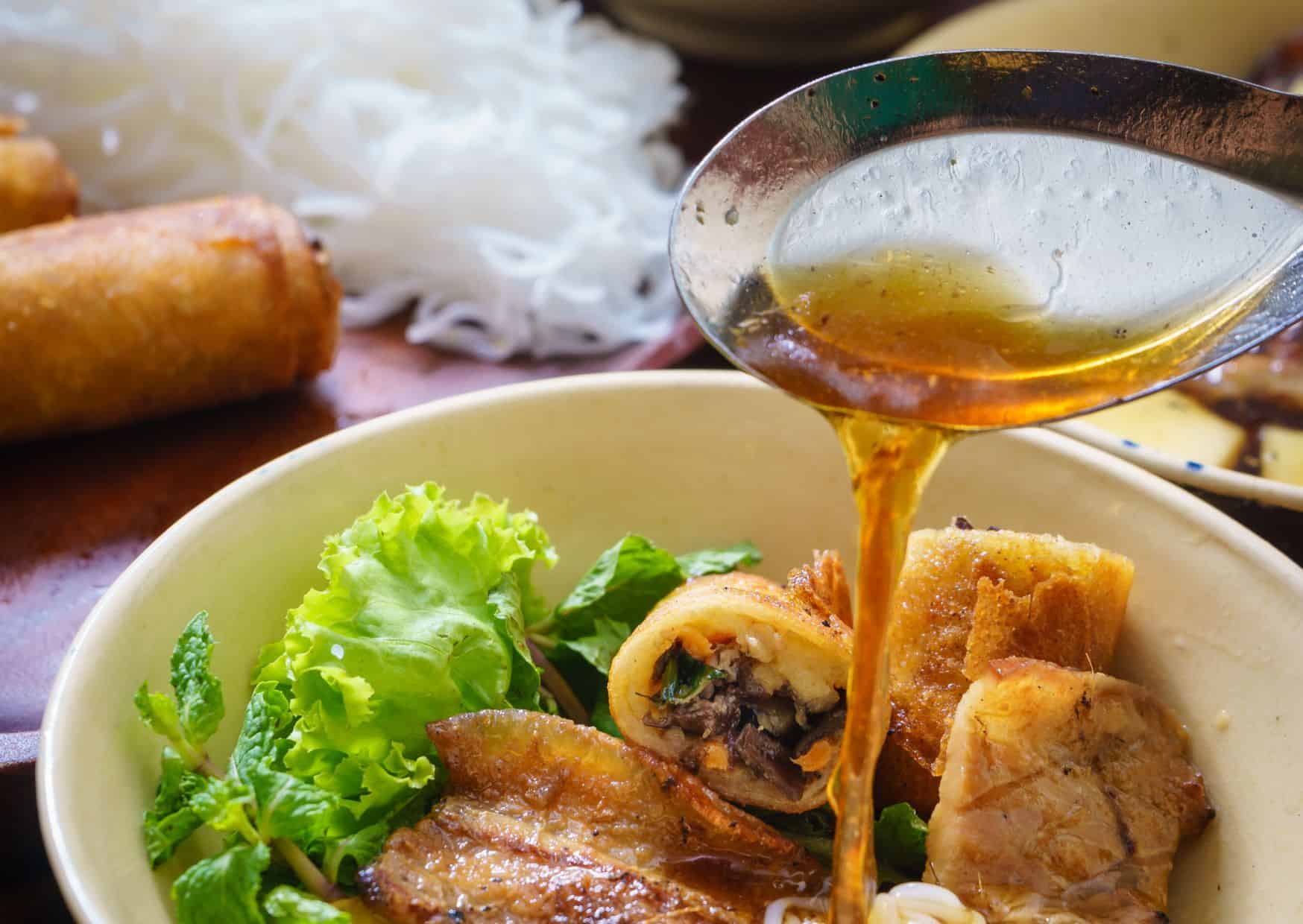
Preheat a grill or grill pan over medium-high heat. Grill the pork slices and meatballs until cooked through and slightly charred, about 4-5 minutes per side.
Prepare the Noodles
Cook the vermicelli noodles according to package instructions. Drain and rinse under cold water. Set aside.
Make the Dipping Sauce
In a bowl, combine fish sauce, sugar, lime juice, and water. Stir until the sugar is dissolved. Add minced garlic, chilies, and shredded carrot if using.
Assemble the Dish
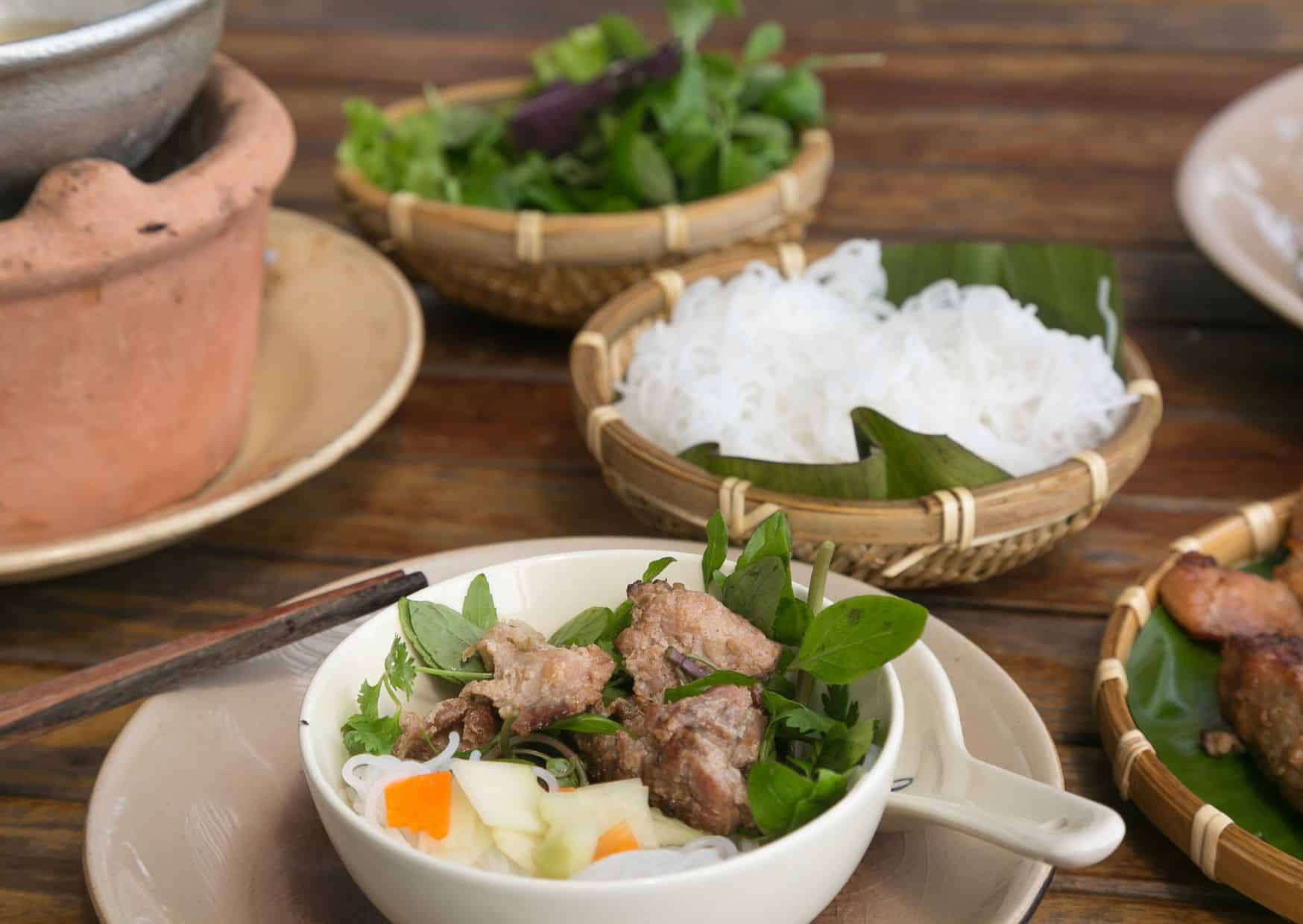
In serving bowls, place a portion of vermicelli noodles. Top with grilled pork slices, meatballs, fresh herbs, lettuce, cucumber, and pickled vegetables if using. Serve with the dipping sauce on the side.
Tips To Make Bun Cha
Marinate the pork for as long as possible to enhance the flavors. For an authentic smoky flavor, grill the meat over charcoal.
Adjust the dipping sauce to your taste by tweaking the amounts of fish sauce, sugar, lime juice, and water. Use a variety of fresh herbs to add complexity and freshness to the dish.
How Many Calories Have Bun Cha
Calories: 450-500 per serving
Protein: 30-35 grams
Carbohydrates: 45-50 grams
Fat: 15-20 grams
Fiber: 3-5 grams
Origin and History
Bún Chả is a dish deeply rooted in the culinary traditions of northern Vietnam, particularly Hanoi, where it first gained popularity. Unlike pho or bánh mì, which became global icons, Bún Chả has remained more of a local treasure. Its origins date back centuries, with early references describing Hanoi street vendors grilling pork over open charcoal fires and serving it alongside rice noodles and fresh herbs.
The dish rose to international recognition in 2016, when former U.S. President Barack Obama and Anthony Bourdain famously shared a humble Bún Chả meal in Hanoi. That moment sparked global curiosity, but even then, the dish never reached the same level of worldwide fame as other Vietnamese foods. Instead, it has stayed a beloved symbol of Hanoi’s authentic street food culture.
What makes Bún Chả unique is its harmony of contrasts — smoky grilled pork, tangy dipping sauce, refreshing herbs, and cool rice noodles. This balance of flavors and textures represents the essence of Vietnamese cuisine: simple, communal, and designed to be savored slowly.
How Long You Take to Prepare
Preparing Bún Chả at home is not overly complicated, but it requires some time to achieve its authentic flavors. The marination process for the pork is crucial, often needing at least two to three hours to allow the fish sauce, sugar, garlic, and pepper to penetrate the meat. Ideally, letting it marinate overnight will bring out the deepest flavor.
The actual cooking process involves grilling the pork patties and sliced pork belly over charcoal for a smoky, slightly caramelized finish. While a charcoal grill delivers the best flavor, a stovetop grill pan or oven broiler can serve as practical substitutes. Grilling typically takes around 20 to 30 minutes, depending on the cut and thickness of the pork.
Altogether, expect the preparation and cooking of Bún Chả to take about 3 to 4 hours if including marination time, though much of it is passive. With planning, this dish can become a rewarding weekend meal that captures the essence of Hanoi’s street-side dining.
Serving Suggestions
Bún Chả is traditionally served with a bowl of grilled pork submerged in a light dipping broth made with fish sauce, vinegar, sugar, garlic, and chili. Alongside, a plate of cold rice noodles (bún) and a basket of fresh herbs like mint, cilantro, and perilla leaves invite diners to build each bite to their liking.
The beauty of Bún Chả lies in its interactive nature. Guests can dip noodles into the broth, pile on herbs, and pair them with smoky pork for a flavor explosion. It’s a dish that feels both refreshing and hearty, making it perfect for warm weather meals.
For a complete Vietnamese-inspired dinner, pair Bún Chả with a side of green papaya salad or a simple iced jasmine tea. If serving guests, present everything family-style, encouraging everyone to mix, match, and eat at their own pace.
Final Thoughts
Bún Chả may not yet enjoy the global recognition of pho or spring rolls, but its charm lies in exactly that — it remains an authentic, unpretentious dish that connects diners to the everyday food culture of Hanoi. Its smoky, tangy, and herbaceous balance embodies the best of Vietnamese cuisine without pretense.
Cooking Bún Chả at home allows you to not only taste but also understand this unique culinary tradition. From marinating the pork to arranging the herbs, each step emphasizes the importance of patience and detail in Vietnamese cooking. The reward is a meal that feels alive with flavor and history.
Ultimately, Bún Chả is more than just a recipe — it’s a reminder that some of the world’s best dishes aren’t the most famous. Sometimes, the underrated gems tell the richest stories and offer the most memorable meals.

About the Author: Ruben, co-founder of Gamintraveler.com since 2014, is a seasoned traveler from Spain who has explored over 100 countries since 2009. Known for his extensive travel adventures across South America, Europe, the US, Australia, New Zealand, Asia, and Africa, Ruben combines his passion for adventurous yet sustainable living with his love for cycling, highlighted by his remarkable 5-month bicycle journey from Spain to Norway. He currently resides in Spain, where he continues sharing his travel experiences with his partner, Rachel, and their son, Han.