
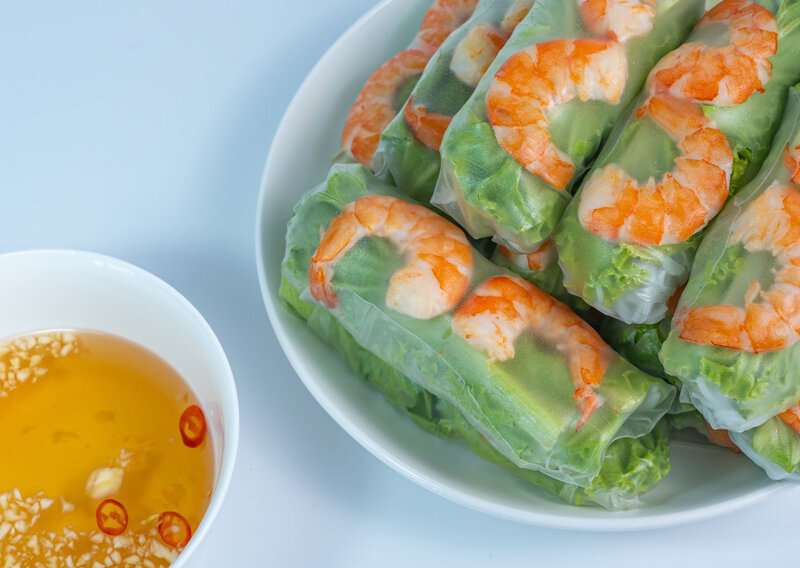
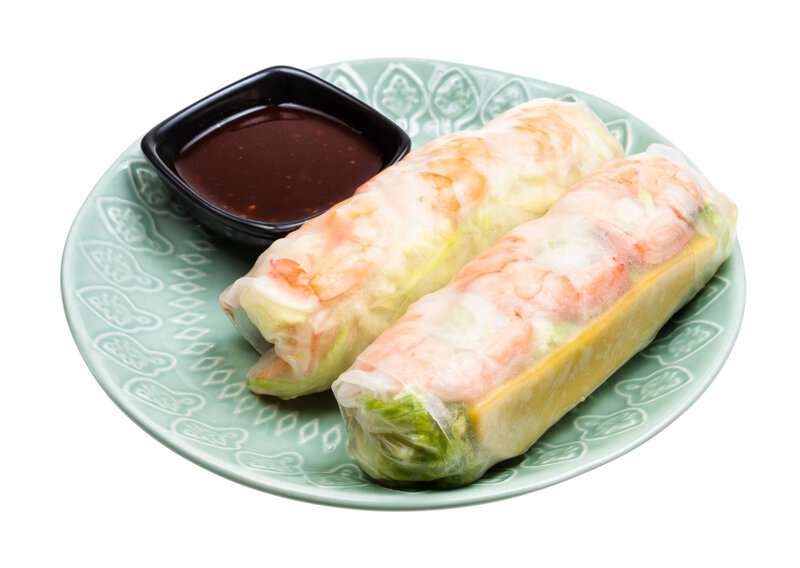
Gỏi Cuốn, also known as Vietnamese spring rolls or fresh rolls, are a beloved staple in Vietnamese cuisine, celebrated for their light, fresh, and healthy flavors. Unlike fried spring rolls, Gỏi Cuốn are made with soft rice paper wraps filled with vermicelli noodles, fresh herbs, crisp vegetables, and usually shrimp or pork. They’re served chilled with a side of savory hoisin-peanut sauce or spicy nước chấm fish sauce for dipping, creating a refreshing dish that’s perfect for any season.
What makes Gỏi Cuốn truly special is their versatility. They’re easy to customize based on dietary preferences, allowing you to create vegetarian versions with tofu, mix up the herbs depending on availability, or adjust the dipping sauces for extra spice or sweetness. Making these rolls at home is not just about cooking; it’s a cultural experience that connects you to the simplicity, balance, and freshness at the heart of Vietnamese food traditions.
In this recipe guide, you’ll learn how to prepare authentic Gỏi Cuốn step by step, with tips for prepping ingredients, rolling them neatly, and pairing them with the right dipping sauce to capture the essence of a true Vietnamese meal.
Read here best Vietnamese Breakfast, 40 Vietnam Travel Tips and Best Things to Do in Vietnam
BOOK YOUR TRAVEL INSURANCE
Two of our favorite travel insurance: Heymondo Vs Safetwing cheapest travel Insurance. You can get for $135 USD your Heymondo Travel Insurance with Heymondo discount code valid for 90 days. Read our full comparison of Genki vs Safetywing Travel Insurance Review and the comparison Heymondo vs Genki
Best Time to Eat and What to Serve It With
Best time to eat:
Gỏi Cuốn are ideal as a light lunch, appetizer, or healthy snack, especially during warm weather when you crave something fresh and cooling. They also make a beautiful starter for Vietnamese dinners with family or friends.
Perfect pairings:
Side: Serve alongside pho or a bowl of hot Vietnamese noodle soup to balance the meal’s textures and temperatures.
Drink: Pair with a cold Vietnamese iced coffee (cà phê sữa đá) for lunch, or a light jasmine tea for an elegant snack pairing.
Dessert: Finish with chè ba màu (Vietnamese three-color dessert) or fresh tropical fruits like mango and papaya to complete your Southeast Asian dining experience.
Gỏi Cuốn aren’t just spring rolls; they’re a celebration of freshness and balance, offering a delicious and interactive way to bring authentic Vietnamese flavors and culinary traditions into your home.
One common debate around Goi Cuon is whether it should be considered a “street food” or a more refined dish. In Vietnam, it’s enjoyed in both casual markets and upscale restaurants, but international adaptations often push it toward one extreme or the other.
There’s also discussion about authenticity—some argue that altering traditional herbs like perilla or mint changes the soul of the dish, while others believe adaptation is natural when certain ingredients aren’t available locally.
Lastly, the dipping sauce sparks strong opinions. Purists insist that nuoc cham, with its perfect balance of sweet, sour, salty, and spicy, is the only truly authentic pairing. Others prefer richer peanut-based sauces, which have become popular in Western versions but are less traditional in Vietnam.
How to Make Spring Rolls
Spring Rolls Recipe Ingredients
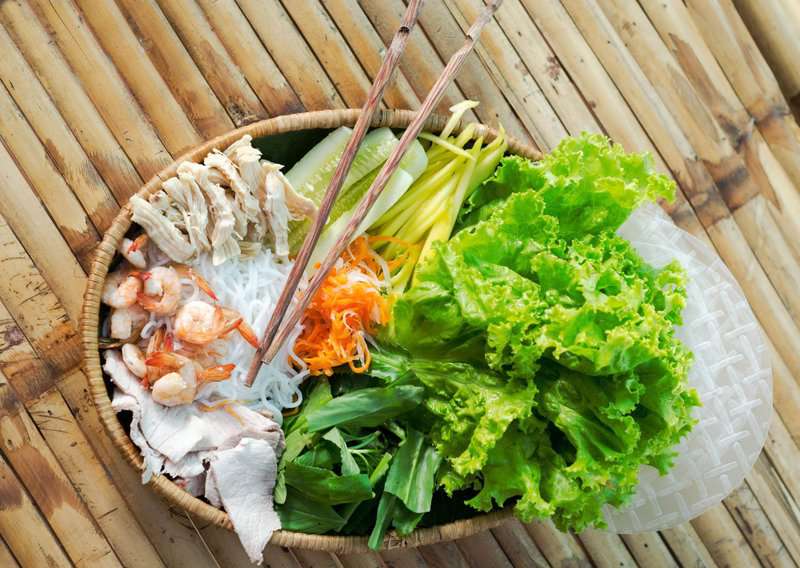
Rice Paper Wrappers: 8-10 sheets
Cooked Shrimp: 16-20, peeled, deveined, and cut in half lengthwise
Cooked Pork: 200 grams, thinly sliced (optional)
Rice Vermicelli Noodles: 100 grams, cooked and cooled
Lettuce: 8-10 leaves, preferably a soft variety like butter lettuce
Fresh Herbs: Mint, basil, and cilantro
Carrots and Cucumber: Julienned
Bean Sprouts: Optional
Dipping Sauce:
Hoisin Sauce: ¼ cup
Peanut Butter: 1 tablespoon
Fish Sauce: 1 teaspoon
Lime Juice: From 1 lime
Garlic: 1 clove, minced
Water or Coconut Milk: To thin the sauce
Crushed Peanuts: For garnish
Get the best deals for your home and kitchen needs
Step By Step How to Make Spring Rolls
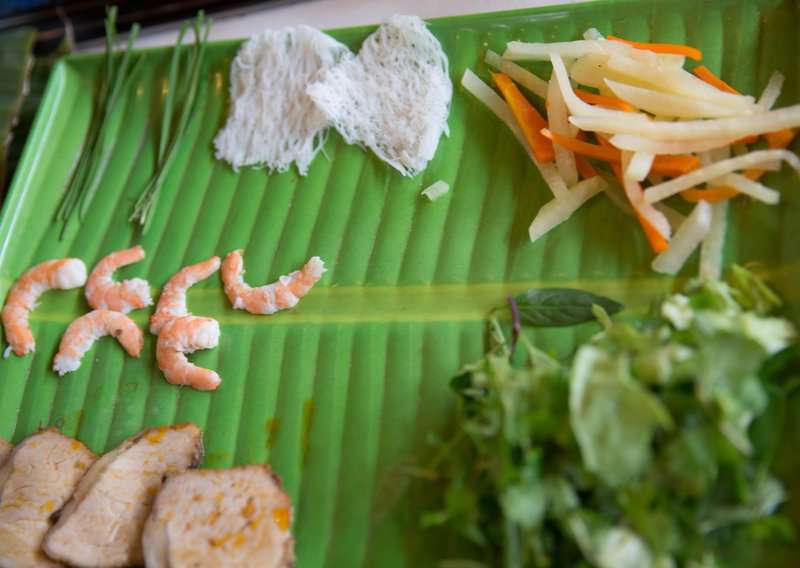
Prepare Ingredients
Cook the rice vermicelli noodles according to the package instructions, then rinse under cold water and drain.
Prep all your vegetables and herbs by washing and cutting them into manageable pieces.
Assemble the Spring Rolls
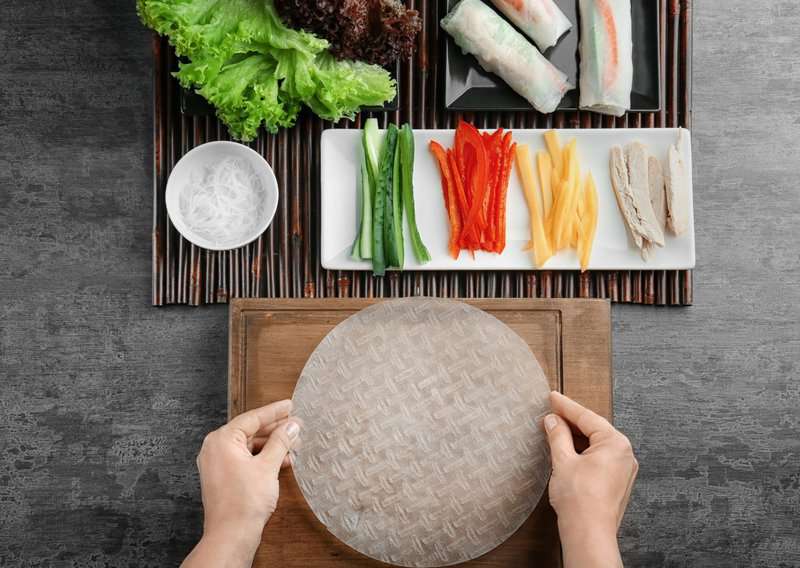
Fill a large bowl with warm water. Dip one rice paper wrapper in the water for a few seconds until just soft. Lay the wrapper flat on a clean surface. On the bottom third of the wrapper, lay a small piece of lettuce, a sprinkle of herbs, and a few sticks of carrot and cucumber.
Add a small amount of noodles, a couple of pieces of pork, and place 2 halves of shrimp, cut side down, in a row above the noodle pile. Fold the bottom of the rice paper over the filling, then fold in the sides and roll tightly. The shrimp will end up on the top of the roll when you turn it over. Repeat with the remaining ingredients.
Prepare the Dipping Sauce
Combine hoisin sauce, peanut butter, fish sauce, lime juice, and minced garlic in a bowl. Adjust the consistency with a little water or coconut milk. Sprinkle with crushed peanuts.
Tips To Make Spring Rolls
Dip it in warm water just until it’s pliable but still slightly firm. The rice paper continues to soften as you work with it. Keep the fillings modest to ensure the rolls don’t burst and can be rolled tightly.
Make sure your lettuce and herbs are dry to avoid making the rice paper soggy. Assemble the rolls one at a time to prevent the rice paper from drying out and tearing.
How Many Calories Have Spring Rolls
Each Goi Cuon typically contains about 100-150 calories, depending on the size and the fillings. The addition of pork will add to the calorie count, while opting for more vegetables can keep it lower.
Final Thoughts
Goi Cuon, or Vietnamese spring rolls, are a perfect example of how healthy food can be vibrant, flavorful, and satisfying. Packed with fresh herbs, crisp vegetables, tender shrimp or pork, and wrapped in delicate rice paper, each bite offers a refreshing balance of textures and tastes.
Making Goi Cuon at home allows you to tailor the ingredients to your liking, whether you prefer traditional fillings or want to experiment with plant-based alternatives. Paired with a rich hoisin-peanut dipping sauce or a tangy nuoc cham, these rolls can be as simple or as elaborate as you choose.
Beyond being a dish, Goi Cuon reflects the Vietnamese philosophy of harmony in food—balancing flavor, texture, and nutrition. It’s not just a snack or appetizer; it’s a cultural experience wrapped up in each roll.

About the Author: Ruben, co-founder of Gamintraveler.com since 2014, is a seasoned traveler from Spain who has explored over 100 countries since 2009. Known for his extensive travel adventures across South America, Europe, the US, Australia, New Zealand, Asia, and Africa, Ruben combines his passion for adventurous yet sustainable living with his love for cycling, highlighted by his remarkable 5-month bicycle journey from Spain to Norway. He currently resides in Spain, where he continues sharing his travel experiences with his partner, Rachel, and their son, Han.