
Puerto Rican cuisine is a vibrant mix of African, Spanish, and Indigenous Taíno influences — and nothing captures that fusion quite like Mofongo. This iconic dish, made from fried green plantains mashed with garlic, pork cracklings (chicharrón), and olive oil, delivers bold flavors and a satisfying texture that makes it a standout in Caribbean cooking. It’s hearty, comforting, and deeply rooted in the island’s culinary tradition.
Often served as a main course or a side dish, mofongo is as versatile as it is delicious. Whether stuffed with shrimp, topped with garlicky chicken, or served plain alongside a savory broth, mofongo has earned its place as a beloved Puerto Rican classic. It’s the kind of dish that speaks to the heart of the island — humble ingredients elevated through tradition and care.
In this guide, you’ll learn how to make authentic Puerto Rican mofongo at home, including tips on achieving the perfect mash and ideas for flavorful toppings. Whether you’re new to Puerto Rican food or looking to master a classic, mofongo offers a delicious way to bring a taste of the Caribbean into your kitchen.
BOOK YOUR TRAVEL INSURANCE
Two of our favorite travel insurance: Heymondo Vs Safetwing cheapest travel Insurance. You can get for $135 USD your Heymondo Travel Insurance with Heymondo discount code valid for 90 days. Read our full comparison of Genki vs Safetywing Travel Insurance Review and the comparison Heymondo vs Genki
Best Time to Eat & How to Partner This Dish
Mofongo is a dish that fits seamlessly into lunch, dinner, or special occasions, often served as a hearty main or a satisfying side. It’s especially popular in Puerto Rico’s casual eateries and family gatherings, where its bold flavors shine in a relaxed, communal setting.
Pair mofongo with garlic shrimp, roast pork (pernil), or a rich chicken broth poured over the top to soften and flavor the mash. For drinks, a crisp local beer, tropical fruit juice, or a traditional coquito (Puerto Rican coconut punch) complements the dish perfectly. A side of fresh salad or pickled vegetables adds a bright contrast to the dense, savory flavors.
Whether served at a festive meal or as a comforting dinner at home, mofongo works best when it’s made fresh and served hot. Its ability to adapt to a variety of proteins and sauces makes it a versatile dish worthy of any table.
One common misconception is that mofongo is simply a side dish or just “mashed plantains”, when in fact, it’s a centerpiece of Puerto Rican cuisine with a rich cultural legacy. The way it blends African cooking techniques with local ingredients is a direct reflection of the island’s history — making it much more than a humble mash.
Another often-debated topic is whether mofongo should be served dry or soaked in broth. Traditionalists argue for keeping it dense and hearty, while others love it softened with a flavorful garlic-infused sauce or broth. This isn’t just a cooking choice — it’s a matter of family traditions and regional pride within Puerto Rico.
And perhaps most surprising to outsiders: mofongo is deeply personal for many Puerto Ricans, tied to memories of family gatherings, street festivals, and homemade meals. Treating it as just another trendy dish can miss the point entirely — mofongo isn’t just food; it’s a symbol of cultural identity and resilience that continues to evolve while staying true to its roots.
How to Make Puerto Rican Mofongo
Puerto Rican Mofongo Recipe Ingredients
For the Mofongo:
Green plantains: 4 large
Garlic cloves: 4–5, minced
Pork cracklings (chicharrón): 1 cup, crumbled
Olive oil or butter: 2 tablespoons
Vegetable oil: For frying
Salt and pepper: To taste
Optional Additions:
Chicken broth: 1/4 cup, for moistening (optional)
Cooked shrimp, chicken, or beef: For topping (optional)
For Serving (Optional):
Sofrito sauce: For drizzling
Avocado slices: As a side garnish
Cilantro: For garnish
Get the best deals for your home and kitchen needs
Step By Step How to Make Puerto Rican Mofongo
Prepare the Plantains
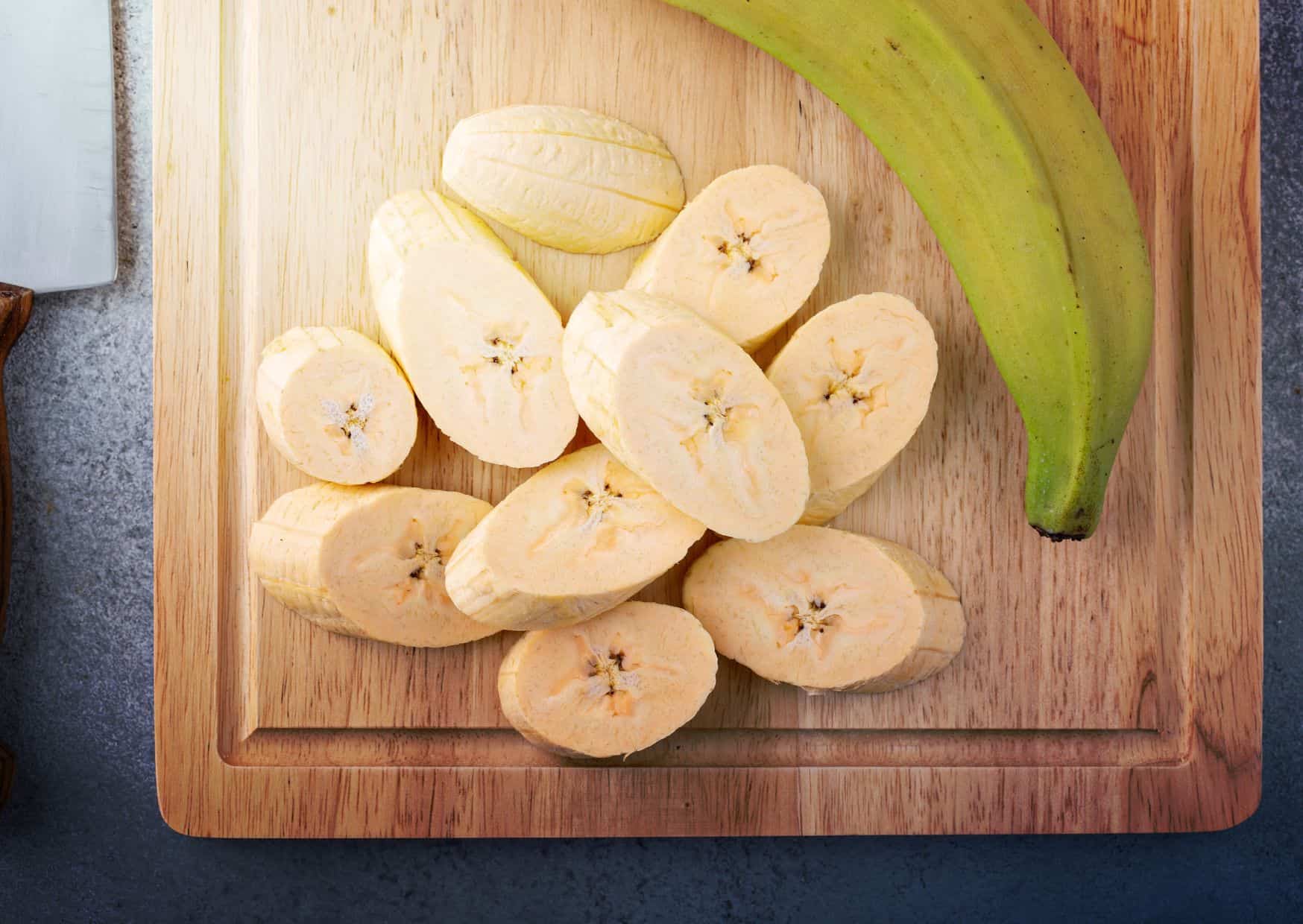
Peel the green plantains by cutting off both ends and scoring the skin lengthwise. Use your hands or a knife to remove the peel. Cut the plantains into 1-inch thick slices.
Fry the Plantains
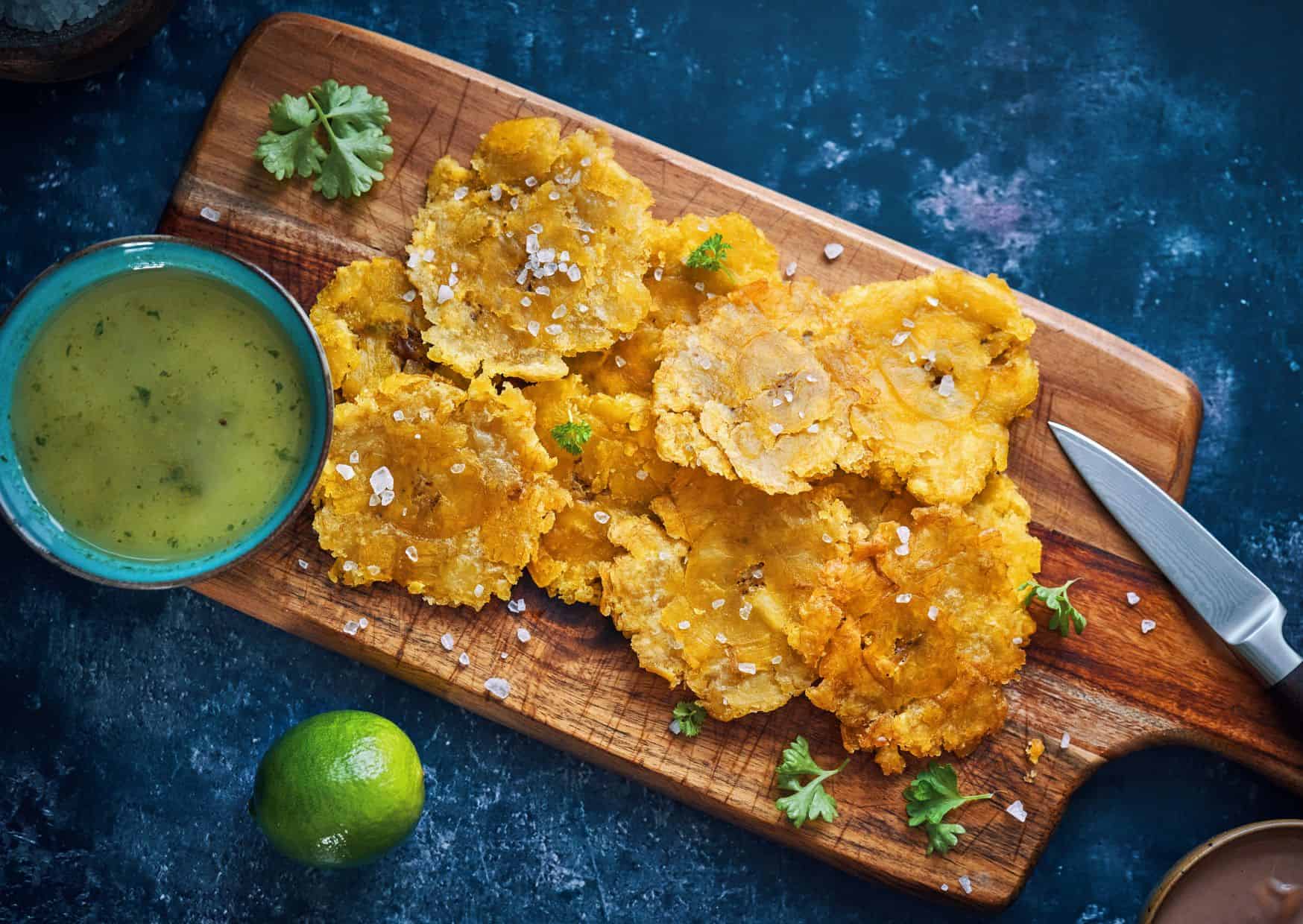
Heat vegetable oil in a deep skillet or pot over medium-high heat. Fry the plantain slices until golden and tender (about 4–5 minutes per side). Remove the plantains and drain on paper towels.
Mash the Ingredients
In a large mortar and pestle (or a mixing bowl with a masher), combine the fried plantains, minced garlic, pork cracklings, and olive oil or butter.
Mash until the mixture is well combined but still chunky. Add salt and pepper to taste. If the mixture is too dry, add a little chicken broth for moisture.
Shape the Mofongo
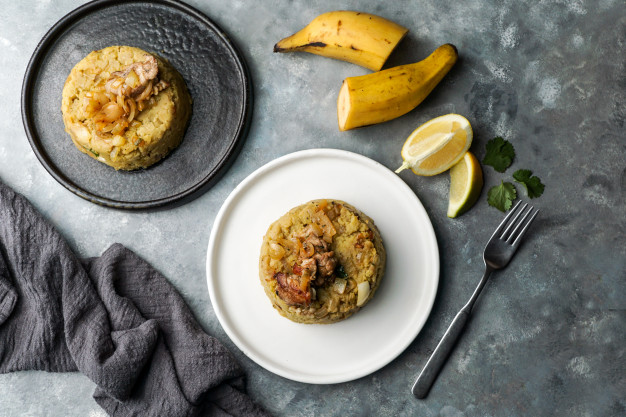
Form the mashed mixture into individual mounds or balls. You can also press it into a bowl or ramekin for a decorative shape.
Serve
Plate the mofongo with your desired toppings or sides. Drizzle with sofrito sauce, garnish with avocado slices, or pair with your protein of choice (e.g., shrimp, chicken, or pork).
Tips To Make Puerto Rican Mofongo
Use green (unripe) plantains for the best texture and mild flavor. Fresh, crispy chicharrón adds essential flavor and texture. You can also substitute with bacon if needed.
Avoid making the mixture too dry. A small amount of chicken broth or olive oil can help achieve a moist yet firm consistency. A traditional mortar and pestle (pilón) is ideal for authentic mofongo, but a potato masher or food processor can work in a pinch.
Serve with garlic shrimp (camarones al ajillo), pork chops, or a savory broth for dipping.
How Many Calories Have Puerto Rican Mofongo
Calories: ~300–400 kcal
Protein: ~8–10 g
Carbohydrates: ~40–45 g
Fat: ~12–15 g
Fiber: ~5–6 g
(Calories will vary depending on the type and amount of toppings or sides.)
Origin and History
Mofongo’s origins trace back to West and Central Africa, carried to the Caribbean through the forced migration of enslaved people during the colonial era. The dish evolved from fufu, a pounded plantain preparation central to many African food traditions. When plantains became abundant in Puerto Rico’s fertile soil, cooks adapted the method using local ingredients, blending African technique with Caribbean flavor. Over generations, mofongo became one of the island’s most recognizable cultural dishes, symbolizing resilience and culinary inheritance.
Spanish influence added another layer to mofongo’s evolution. As colonial settlers brought pork and European cooking methods, Puerto Rican cooks began incorporating chicharrón, garlic, and broth into the pounded plantains. These additions transformed the dish from a simple starch into a deeply savory comfort food. Families often prepared mofongo communally, using wooden mortars and pestles known as pilones, tools that became synonymous with Puerto Rican kitchens. The dish gradually took on regional variations, reflecting local tastes and available ingredients.
By the twentieth century, mofongo had become a national emblem of Puerto Rican identity. Restaurants elevated it with seafood, stewed meats, and aromatic sauces, while home cooks preserved its rustic authenticity. Today, mofongo remains a staple for celebrations, everyday meals, and gatherings, loved for its versatility and its history. The dish encapsulates the island’s layered heritage, blending African foundations with Spanish influences and distinctly Puerto Rican creativity.
One of the ongoing controversies around mofongo centers on the debate between fried and boiled plantain methods. Traditionalists insist that authentic mofongo relies on fried green plantains for the proper texture and flavor. Others argue that mashed boiled plantains offer a lighter, softer result better suited to modern tastes. Both versions have passionate supporters, and the argument reflects broader discussions about how closely modern interpretations should adhere to historical practices.
Another point of contention concerns the role of chicharrón. Many purists claim that without crispy pork cracklings, mofongo loses its distinctive identity. However, growing dietary preferences and global interest in Puerto Rican cuisine have produced vegetarian and seafood-focused versions that omit pork entirely. Critics argue these adaptations dilute tradition, while supporters view them as natural evolutions that expand accessibility without compromising cultural meaning. The debate illustrates the tension between preservation and modernization.
A further controversy involves restaurant presentation versus home-style preparation. In Puerto Rico, mofongo is often served simply, highlighting its grounding flavors. Outside the island, some restaurants transform it into elaborate towers or fill it with luxury ingredients. While visually striking, these versions can overshadow the dish’s humble roots. This raises questions about authenticity and the extent to which a dish can evolve while still representing its heritage.
How Long It Takes to Prepare
Authentic mofongo is surprisingly quick to prepare once ingredients are ready. Preparing and frying plantains typically takes twenty to thirty minutes. Cutting them into rounds and frying until golden forms the foundation of the dish’s texture. Meanwhile, garlic, chicharrón, and seasonings can be prepped in just a few minutes, making the process efficient yet flavorful.
The mashing stage requires only five to ten minutes. Using a mortar and pestle, the plantains are combined with garlic, salt, and crunchy pork pieces until they form a cohesive but textured mixture. While a pilón is traditional, a sturdy bowl and handheld masher can suffice for home cooks. The key is achieving the correct balance between dense mash and airy chunks.
If adding fillings such as shrimp, chicken, or broth, allow an additional fifteen to twenty minutes for cooking. Altogether, a full mofongo meal can be prepared in forty-five minutes to an hour. The process rewards organization but does not demand extensive cooking time, making it ideal for weeknights or gatherings where fresh, vibrant flavors are desired without lengthy preparation.
Serving Suggestions
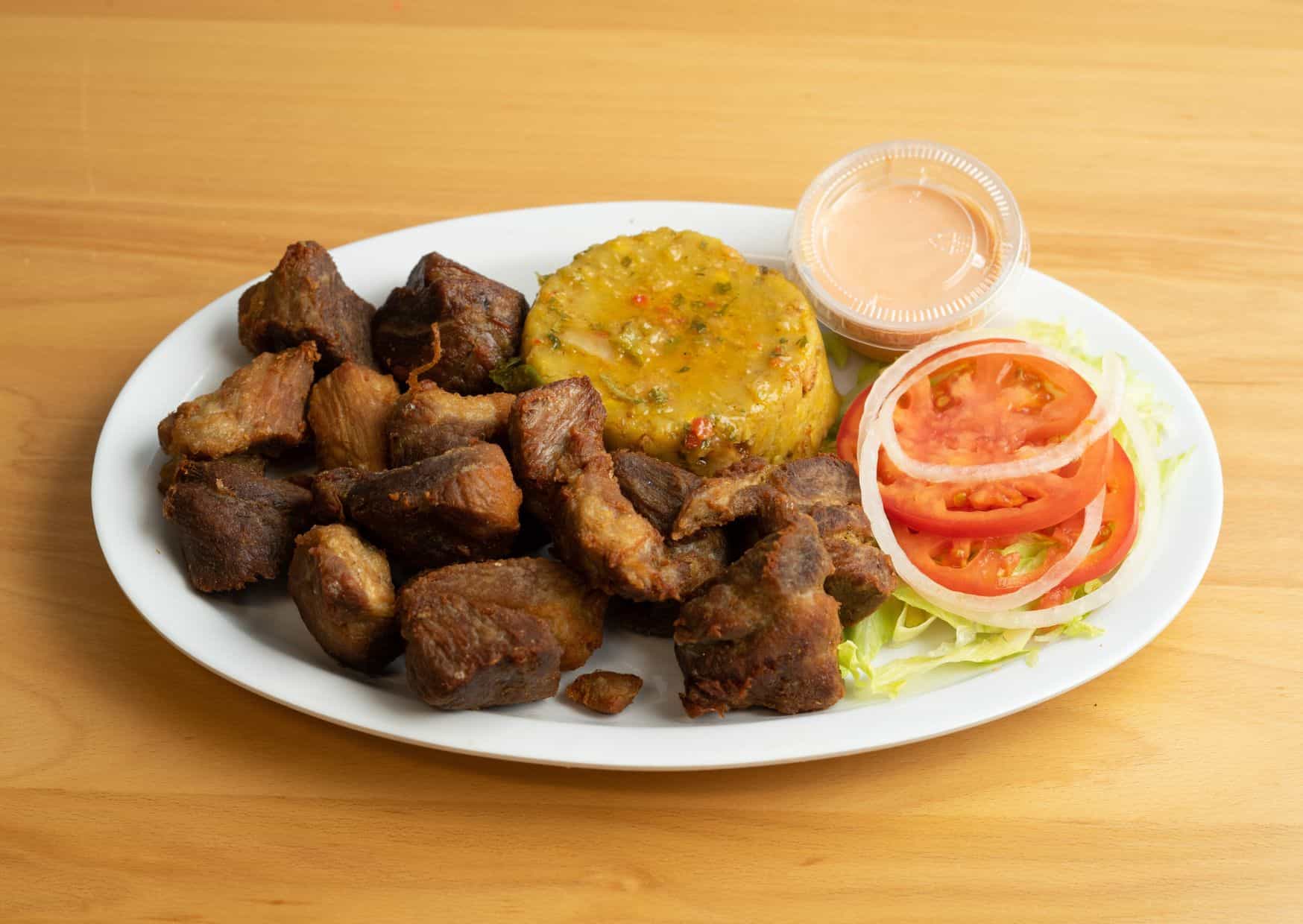
Mofongo is traditionally served with a side of rich broth, which diners pour over or sip alongside the dish. This broth brings moisture and depth of flavor, softening the plantains and enhancing the garlic-forward profile. Pairing mofongo with stewed meats such as pollo guisado or carne frita creates a hearty, comforting meal. Seafood options such as shrimp or octopus add elegance and coastal character.
For a more contemporary approach, serve mofongo as a base layer topped with citrus-marinated proteins or roasted vegetables. Its neutral flavor allows it to pair well with bold sauces such as criollo, garlic butter, or tomato-based sofrito. The dish also shines as a communal centerpiece, where diners can scoop portions and mix them with various toppings, encouraging a shared meal experience.
Presentation can be rustic or refined. Shaping the mofongo into a round dome honors tradition, while individual portions molded in small bowls offer a restaurant-style appearance. Regardless of presentation, the goal is to highlight the balance of plantain, garlic, and savory elements that define the dish’s character.
Final Thoughts
Mofongo is more than a recipe; it is a testament to Puerto Rico’s layered history and cultural identity. The dish blends African heritage, Spanish influence, and local ingenuity into a comfort food that resonates with both tradition and innovation. Understanding its origins allows home cooks to appreciate the depth behind its simple ingredients and the communities that shaped its evolution. Bringing mofongo into the home kitchen is an opportunity to connect with a culinary legacy that transcends time.
Debates surrounding authenticity and adaptation demonstrate the passion Puerto Ricans feel toward this cherished dish. Whether served in its most traditional form or reimagined through modern ingredients, mofongo continues to evolve while retaining the essence that made it iconic. These controversies do not diminish its importance; they reinforce the pride and cultural resonance of a dish deeply rooted in the island’s identity.
Ultimately, making mofongo at home is a celebration of flavor and history. Its preparation is approachable, its ingredients affordable, and its variations endless. For many, the first bite becomes an enduring memory. Mofongo invites cooks and diners alike to savor the richness of Puerto Rican cuisine and discover why this dish remains a beloved staple across generations.

About the Author: Ruben, co-founder of Gamintraveler.com since 2014, is a seasoned traveler from Spain who has explored over 100 countries since 2009. Known for his extensive travel adventures across South America, Europe, the US, Australia, New Zealand, Asia, and Africa, Ruben combines his passion for adventurous yet sustainable living with his love for cycling, highlighted by his remarkable 5-month bicycle journey from Spain to Norway. He currently resides in Spain, where he continues sharing his travel experiences with his partner, Rachel, and their son, Han.