
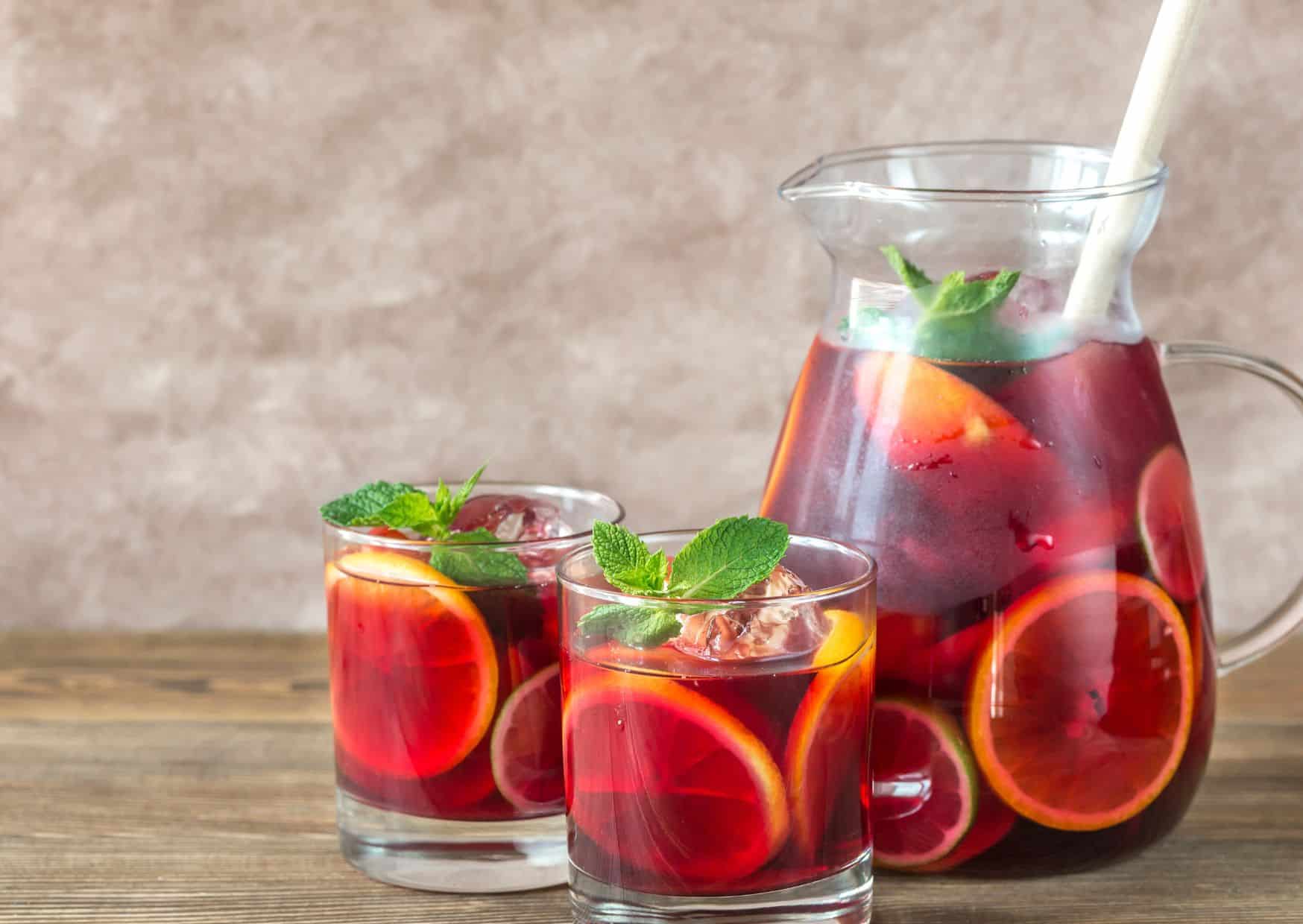
Sangria is arguably one of Spain’s most iconic drinks, instantly evoking images of sun-drenched terraces, tapas spreads, and late-night gatherings with friends. This refreshing cocktail combines dry red wine with fresh fruit, a hint of brandy, and a touch of sweetness to create a vibrant drink perfect for sharing. While Sangria has become a staple in Spanish restaurants worldwide, its true charm lies in its simplicity and adaptability each household and region adds its own twist, reflecting local fruits and traditions.
Originally popularized in southern Spain as a way to use leftover wine and fruits, Sangria has evolved into a globally loved drink, especially during summer. Whether enjoyed at a backyard barbecue, beach picnic, or tapas dinner party, it offers a festive burst of citrus, berry, and stone fruit flavors in every sip. Making Sangria at home not only saves money compared to ordering by the jug at a restaurant but also allows you to customize it perfectly to your taste.
In this recipe guide, you’ll learn how to make authentic Spanish Sangria with traditional ingredients, tips to balance flavors for maximum refreshment, and variations to suit every season. By the end, you’ll be ready to host your next gathering with a pitcher of Sangria that rivals any Spanish bar.
Here’s a guide to making traditional Spanish Sangria, along with some tips and an approximate calorie count.
The best Spanish food to try, Breakfast in Spain, and vegetarian food in Spain
BOOK YOUR TRAVEL INSURANCE
Two of our favorite travel insurance: Heymondo Vs Safetwing cheapest travel Insurance. You can get for $135 USD your Heymondo Travel Insurance with Heymondo discount code valid for 90 days. Read our full comparison of Genki vs Safetywing Travel Insurance Review and the comparison Heymondo vs Genki
Quick & Easy Tips
Use a dry Spanish red wine, such as Tempranillo or Garnacha, to avoid overpowering sweetness.
Let it sit for at least 2 hours in the fridge to allow the fruit flavors to infuse into the wine fully.
Add soda water or sparkling water just before serving for a refreshing fizz without diluting the flavors too early.
Despite its global fame, Sangria remains a controversial drink among Spaniards. Many argue that what tourists drink in Spanish restaurants loaded with sugar, cheap wines, and flavored liqueurs bears little resemblance to the simple homemade versions enjoyed locally. In Spain, Sangria is often reserved for casual gatherings, while locals prefer tinto de verano (red wine with soda) for daily refreshment, finding overly sweet restaurant sangrias more of a tourist product than a cultural staple.
Another debate surrounds the use of spirits. Traditional recipes use a touch of brandy or orange liqueur, but excessive additions of vodka, rum, or flavored schnapps are seen as inauthentic and ruin the drink’s delicate balance. Critics argue that commercialized versions prioritize alcohol content over flavor harmony, turning Sangria into a party punch rather than an elegant, fruit-forward cocktail.
Finally, there’s cultural contention over its origins and global perception. While Sangria is celebrated as a Spanish drink, Portugal also claims versions of it, and some Spaniards feel its international marketing has reduced it to a “cheap summer drink,” overshadowing Spain’s sophisticated wine heritage. They argue that Sangria should be enjoyed with care, using quality ingredients and honoring the drink’s humble roots.
How to Make Spanish Sangria
Spanish Sangria Recipe Ingredients
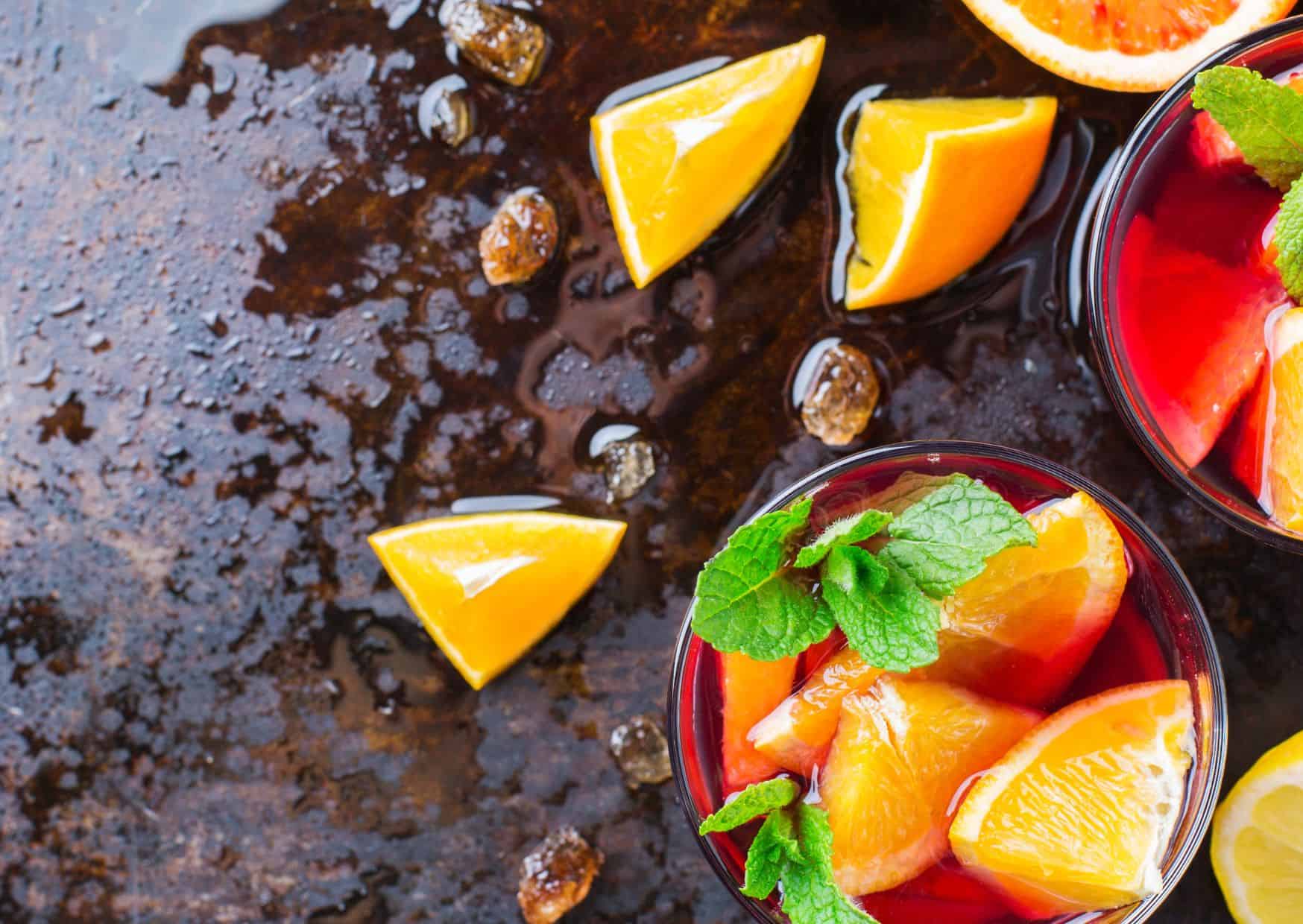
1 bottle of red wine (750 ml) – Typically a Spanish Rioja or other dry red wine is used
1/4 cup brandy (optional, but traditional)
1/4 cup orange liqueur (such as Cointreau or Triple Sec)
2-4 tablespoons of sugar (adjust to taste)
1 orange, thinly sliced
1 lemon, thinly sliced
1 lime, thinly sliced (optional)
2 cups of sparkling water or club soda (add just before serving to maintain fizz)
Ice cubes
Additional fruits such as apples, pears, or berries (optional)
Get the best deals for your home and kitchen needs
Step By Step How to Make Spanish Sangria
Prepare the Fruit
Wash and slice the orange, lemon, and lime. If you’re adding apples, pears, or berries, prepare them as well. Place the fruit slices in a large pitcher.
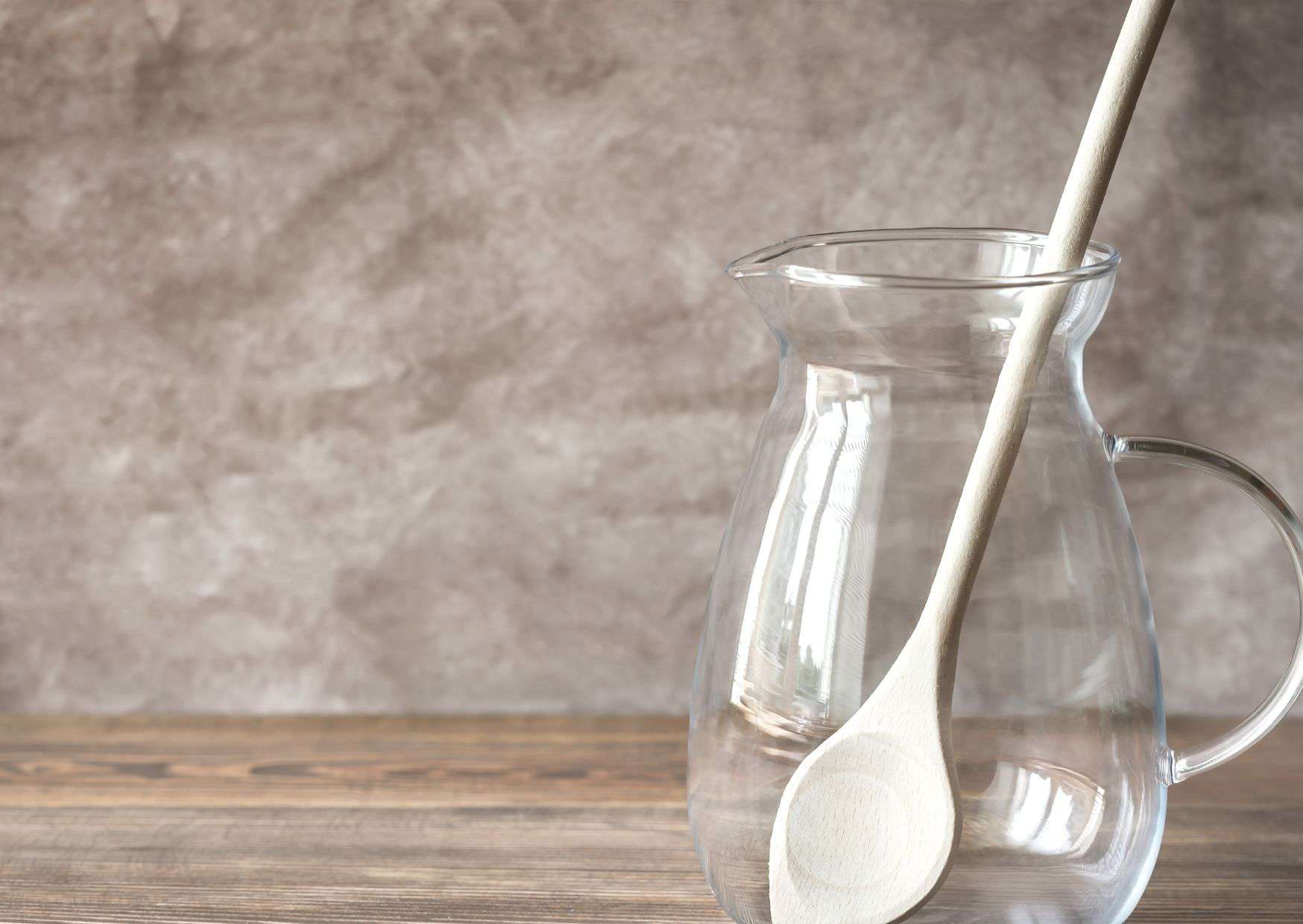
Pour the bottle of red wine over the fruit. Add the brandy and orange liqueur to the pitcher. Sprinkle in the sugar, then stir gently until the sugar is dissolved.
Chill
Cover the pitcher and refrigerate for at least 4 hours, ideally overnight. This allows the flavors to meld together and the fruit to infuse the wine.
Serve
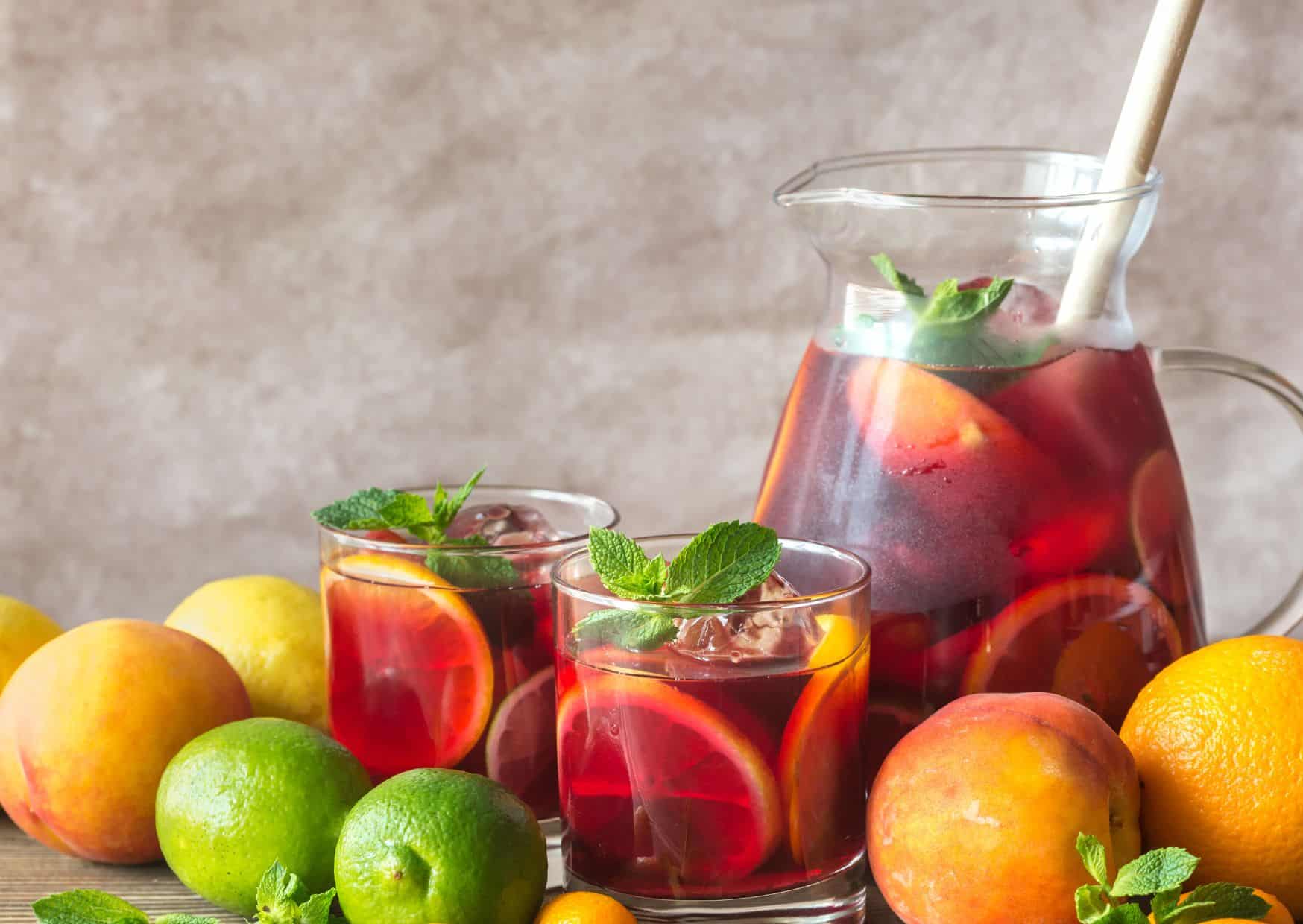
Just before serving, stir in the sparkling water or club soda to add freshness and a light fizz. Add ice cubes to the pitcher or directly to glasses.
Serve the sangria with some of the fruit slices in each glass.
Tips For Making Spanish Sangria
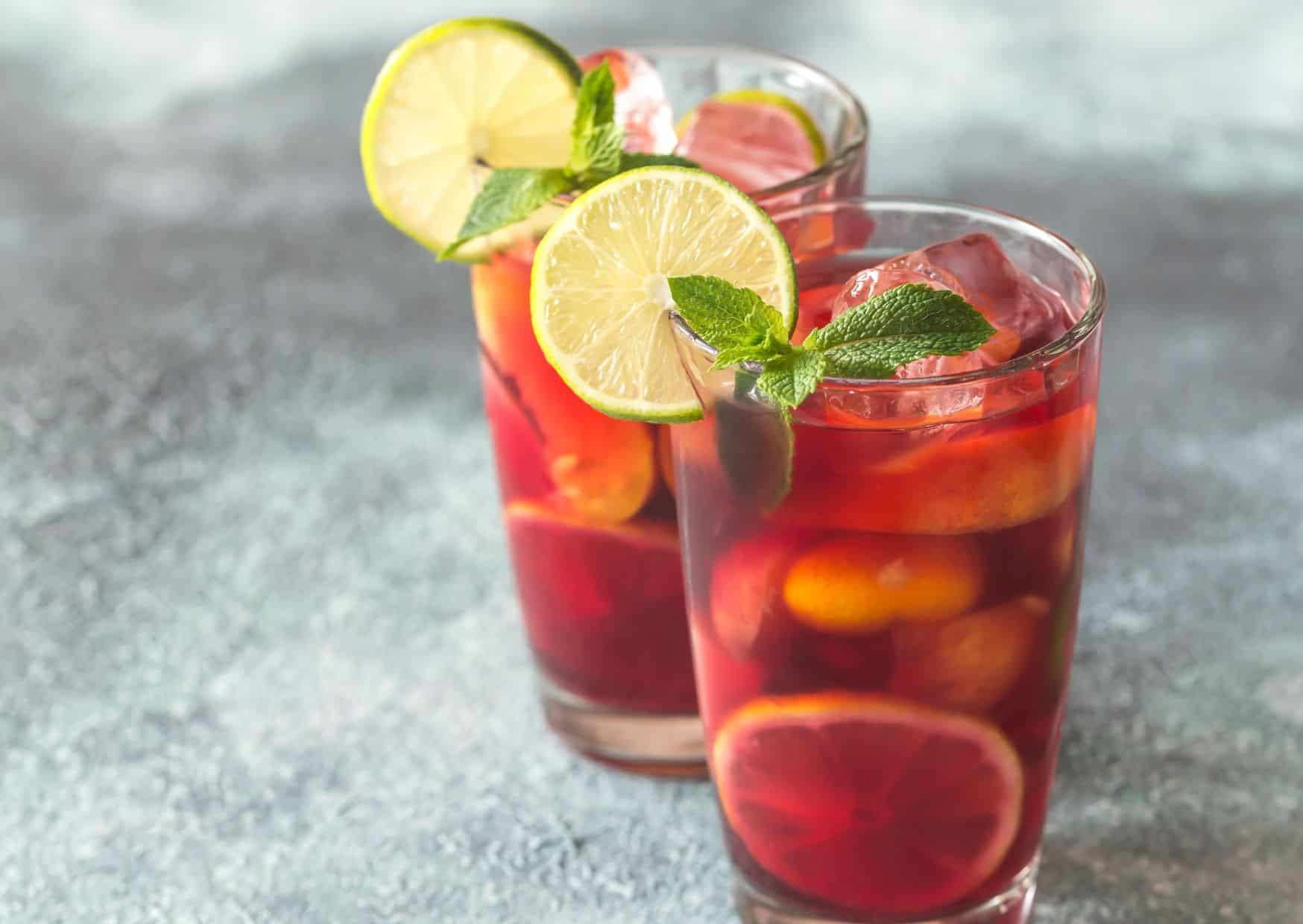
Choose a wine that you would enjoy drinking on its own. A good quality, fruity, medium-bodied red wine works best. Use fresh, seasonal fruits for the best flavor. Citrus fruits add a nice tang, while softer fruits like berries and stone fruits offer sweetness.
Taste your sangria before adding the sparkling water and adjust the sweetness if necessary. You can also use honey or a simple syrup if you prefer.
Sangria can be made up to 24 hours in advance, which enhances its flavors. However, add the sparkling water last to maintain its effervescence.
How Many Calories Have Spanish Sangria
Depending on the ingredients used, a glass of sangria can contain approximately 120-200 calories. The major contributors to the calorie count are the wine and any sugars or liqueurs added.
Origin and History
Sangria may be one of Spain’s most globally recognized drinks, but its origins stretch back far before it became a vacation staple. The earliest versions of wine mixed with fruit date back to ancient Rome, when water was often unsafe to drink. Wine fortified with herbs and fruits was considered both safer and more flavorful, laying the groundwork for later European variations.
The drink evolved in the Iberian Peninsula as winemaking traditions expanded. Spanish regions adapted sangria using their local wines particularly reds from La Rioja and La Mancha. Fresh fruit and a touch of sweetness made the drink refreshing and accessible, perfect for hot summers and long communal meals. Over time, sangria became a symbol of Spanish hospitality: easy to share, simple to make, and enjoyed socially.
By the twentieth century, sangria had spread internationally, especially after debuting at the 1964 World’s Fair in New York. What was once a humble country drink quickly became Spain’s signature beverage abroad. While modern versions continue to evolve, the heart of sangria remains the same: a celebration of wine, fruit, and togetherness.
One of the biggest debates around sangria concerns authenticity. Many Spaniards argue that what tourists often drink overly sweet, neon-colored versions is far from traditional. Purists insist that real sangria is made with a quality Spanish red wine, fresh fruit, and minimal added sugar. Anything beyond that, they say, crosses into imitation territory rather than respecting the original recipe.
Another point of contention is the use of carbonated beverages like soda or sparkling water. Some people view these additions as refreshing, while others see them as unnecessary shortcuts that dilute the wine and distort the flavor. This disagreement reflects a broader divide between traditionalists who value simplicity and modern drinkers who prefer customization.
There’s also debate about whether white or rosé sangria should be considered “real.” While these versions have become popular in bars and resorts, many Spaniards argue that true sangria is always made with red wine. Supporters of alternative versions counter that sangria has always been adaptable and that the drink’s spirit lies in its flexibility. These differences highlight how cultural pride and evolving tastes often collide.
How Long You Take to Prepare
Preparing sangria doesn’t take long, but the magic lies in how long it rests. Mixing the ingredients wine, fruit, sweetener, and liqueur takes only about ten minutes. The process is quick, straightforward, and beginner-friendly, making it ideal for entertaining or last-minute gatherings.
However, the real flavor develops during the resting period. Sangria should sit in the refrigerator for at least two hours, although many cooks prefer letting it chill overnight. This allows the fruit juices, wine, and aromatics to blend, deepening the drink’s overall richness without losing freshness.
If you’re in a rush, you can drink it immediately, but the results won’t be nearly as smooth or integrated. Sangria rewards patience, and the difference between a rushed version and a properly rested one is noticeable. In total, from prep to serving, the ideal sangria timeline ranges from two hours to overnight.
Serving Suggestions
Sangria is best served cold in a large pitcher filled with chilled fruit. Choose glasses that allow room for ice and fruit pieces, offering both refreshment and visual appeal. Use large ice cubes if possible; they melt slowly and keep the drink from becoming watered down.
Pairing sangria with Spanish snacks elevates the experience. Tapas such as patatas bravas, olives, tortilla española, and chorizo help balance the sweetness of the drink. For outdoor meals, light options like grilled vegetables, seafood, or jamón pair beautifully with its fruity notes.
For a finishing touch, consider garnishing each glass with a slice of citrus or a sprig of mint. These simple additions add aroma without complicating the flavor. Sangria is meant to be casual and festive, so presentation should feel inviting rather than formal.
Final Thoughts
Spanish sangria is far more than a refreshing drink; it’s a cultural tradition rooted in sharing, hospitality, and the joy of gathering. Whether enjoyed at a summer barbecue, a holiday dinner, or a relaxed weekend meal, it brings people together in a way that feels warm and effortless.
The beauty of sangria lies in its adaptability. You can follow traditional recipes closely or adjust the flavors to your taste. The key is balancing fruitiness, sweetness, and wine quality so that each sip feels smooth and vibrant. Once you understand the basics, creating your perfect version becomes second nature.
In the end, making sangria is about embracing simplicity. With a few ingredients and a little time, you can create a drink that feels celebratory without being complicated. It’s a reminder that the best recipes don’t need to be elaborate they just need to be made with intention and shared with people who appreciate them.

About the Author: Ruben, co-founder of Gamintraveler.com since 2014, is a seasoned traveler from Spain who has explored over 100 countries since 2009. Known for his extensive travel adventures across South America, Europe, the US, Australia, New Zealand, Asia, and Africa, Ruben combines his passion for adventurous yet sustainable living with his love for cycling, highlighted by his remarkable 5-month bicycle journey from Spain to Norway. He currently resides in Spain, where he continues sharing his travel experiences with his partner, Rachel, and their son, Han.