

Fettuccine Alfredo is one of the most popular pasta dishes in the U.S., often served with a thick, creamy, garlicky sauce. But here’s the twist: Italians don’t actually eat it that way and most have never heard of it in the form Americans know. The dish does have Italian roots, but the original version is much simpler, more delicate, and surprisingly cream-free.
Created in Rome in the early 20th century by Alfredo di Lelio, the original “Fettuccine all’Alfredo” was made with just three ingredients: butter, pasta water, and Parmigiano-Reggiano. That’s it. No cream, no garlic, and definitely no chicken. The magic comes from emulsifying the butter and cheese into a silky sauce that coats the noodles rich but never heavy.
In this guide, you’ll learn how to make authentic, Roman-style Fettuccine Alfredo at home using traditional techniques and ingredients. Whether you’re a pasta purist or just curious about the original version, this recipe delivers maximum flavor with minimal fuss the way Italians actually intended.
Read here best Italian food, vegetarian food in Italy, best drinks in Italy and best breakfast in Italy
BOOK YOUR TRAVEL INSURANCE
Two of our favorite travel insurance: Heymondo Vs Safetwing cheapest travel Insurance. You can get for $135 USD your Heymondo Travel Insurance with Heymondo discount code valid for 90 days. Read our full comparison of Genki vs Safetywing Travel Insurance Review and the comparison Heymondo vs Genki
Best Time to Eat & How to Partner It
Fettuccine Alfredo is best enjoyed as a primo piatto (first course) during lunch or dinner — never as a heavy, overloaded main dish. It’s rich, so keep your portion modest. Italians typically serve it on special occasions or when comfort food is called for, but it’s still elegant enough for a dinner party.
To round out the meal, pair with a simple green salad with lemon dressing or grilled seasonal vegetables. A crisp white wine like Pinot Grigio or Verdicchio cuts through the richness beautifully. And if you want to serve a second course, follow it with something light like grilled fish or roasted chicken with herbs.
Whatever you do, don’t add garlic bread or chicken to the plate that’s an American twist. Let the pasta shine on its own, just as it does in Roman trattorias.
The most surprising thing about Fettuccine Alfredo? It’s barely a thing in Italy. Outside of tourist spots in Rome, Italians don’t order or talk about Alfredo it’s considered more of a foreign invention. The original version lives on in a few legacy restaurants, but it’s far from a national staple.
In the U.S., Alfredo has evolved into a creamy, often overloaded dish drenched in heavy sauce, usually with garlic, cream, and protein add-ons like shrimp or chicken. While delicious in its own right, this version would be unrecognizable to Italians, who typically avoid mixing cheese-based sauces with meat or seafood.
Understanding the difference is key. What Americans call Fettuccine Alfredo is really Italian-American comfort food, not a traditional dish. And that’s fine food evolves across cultures. But if you want to taste the elegant simplicity of the original, you only need three ingredients and the right technique to get it right.
How to Make Fettuccine Alfredo
Fettuccine Alfredo Recipe Ingredients
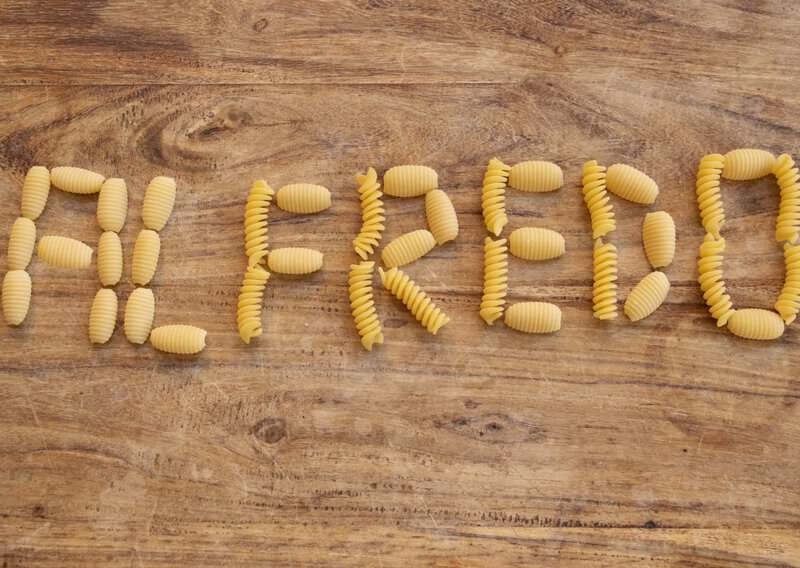
Fettuccine: 1 pound (about 450 grams)
Butter: 1/2 cup (115 grams) of unsalted butter
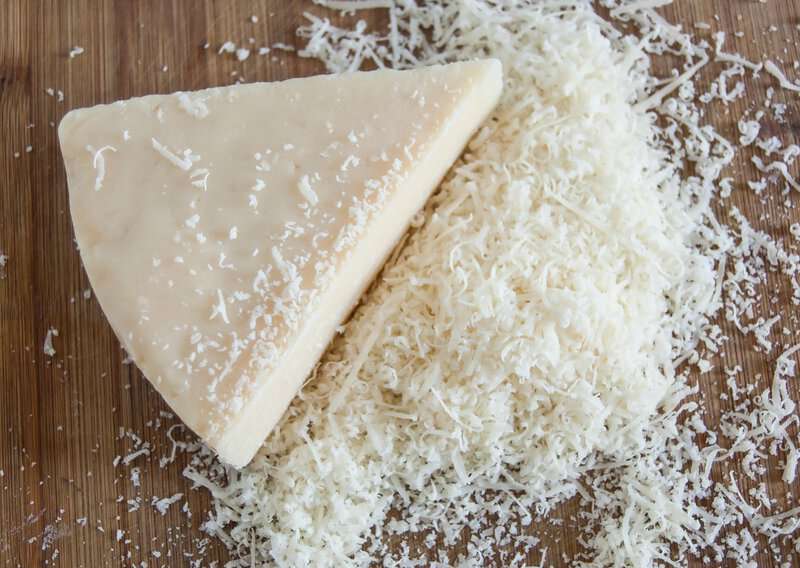
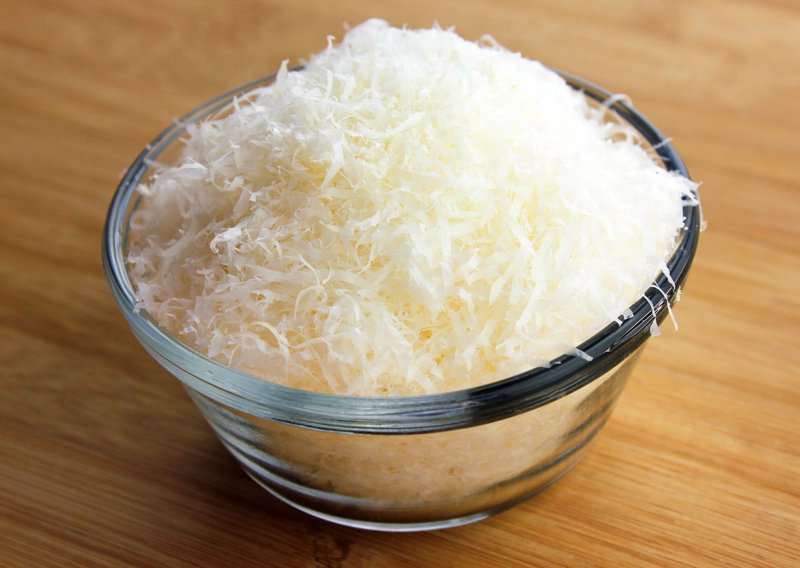
Parmesan Cheese: 2 cups (about 180 grams) freshly grated Parmigiano-Reggiano
Salt
Freshly Ground Black Pepper
Get the best deals for your home and kitchen needs
Step By Step How to Make Fettuccine Alfredo
Cook the Pasta
Bring a large pot of salted water to a boil. Add the fettuccine and cook until al dente, usually about 8-10 minutes. Always check the pasta’s texture a minute before the recommended cooking time.
Prepare the Sauce
While the pasta cooks, melt the butter in a large skillet or pan over medium heat. It’s important that the butter is just melted and warm, not sizzling or browning.
Combine Pasta and Sauce
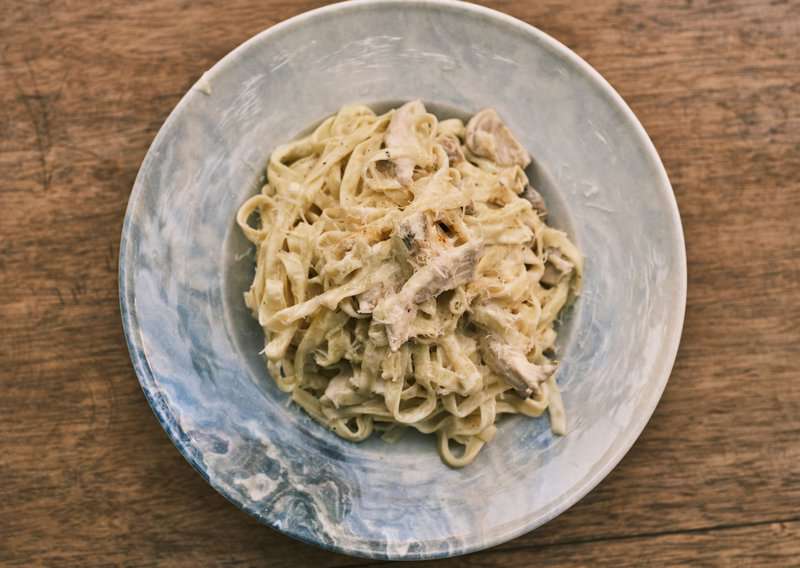
Drain the pasta, reserving about 1/2 cup of the pasta water. Add the drained pasta directly to the skillet with melted butter. Sprinkle grated Parmesan cheese over the pasta and toss gently with tongs. Add a few tablespoons of pasta water.
This helps to create a smooth, creamy sauce that clings to the noodles. Adjust consistency with more pasta water if necessary. Season with salt and freshly ground black pepper to taste. The cheese is salty, so add additional salt cautiously.
Serve Immediately
Serve the pasta hot and fresh right after combining with the sauce. Fettuccine Alfredo is best enjoyed fresh as the sauce can thicken and clump as it cools.
Tips To Make Fettuccine Alfredo
Since the recipe involves few ingredients, use the best quality butter and Parmigiano-Reggiano you can find for the best flavor.
Grate the cheese finely to ensure it melts smoothly into the butter and pasta. Do not overheat the butter or the final dish; high heat can cause the sauce to separate and become oily.
The starchy pasta water is crucial for creating a smooth, emulsified sauce that isn’t too heavy or greasy.
How Many Calories Have Fettuccine Alfredo
A serving of Fettuccine Alfredo can be quite calorie-dense, primarily due to the butter and cheese. A typical serving size might contain approximately 800-900 calories, largely depending on the portions of butter and cheese used.
Origin and History
The creamy and comforting Fettuccine Alfredo that many people know today looks quite different from the original version created in Rome in the early 20th century. Its inventor, Alfredo di Lelio, first served the dish in his restaurant in 1914. The original recipe was deceptively simple: just fresh fettuccine, butter, and aged Parmesan cheese. The secret wasn’t in heavy cream or thick sauces but in technique using the heat of the pasta water and the cheese to create a silky, luscious coating.
The dish gained international fame when Hollywood stars Douglas Fairbanks and Mary Pickford visited Rome in the 1920s and fell in love with it. They brought the recipe back to the United States, where it quickly became a symbol of indulgent Italian dining. However, American chefs began adapting it with cream to make the sauce richer and more stable, giving rise to the version most people recognize today.
Over the years, Alfredo sauce became a staple in Italian-American cuisine, but its evolution also blurred the line between the authentic Roman method and its creamy American cousin. To truly understand the dish, you need to return to its roots and appreciate the original preparation a recipe that celebrates simplicity, balance, and perfect technique.
Few pasta dishes spark as much debate as Fettuccine Alfredo. In Italy, purists insist that the true dish contains no cream whatsoever, relying solely on butter, Parmesan, and pasta water to create its iconic sauce. In the United States, however, cream-based Alfredo sauce has become so mainstream that many diners are surprised to learn it’s not authentic.
This divide has led to heated debates among chefs and food lovers. Some argue that the American version is simply an evolution of the classic, reflecting regional tastes and preferences. Others see it as a complete distortion of Italian culinary tradition. The controversy isn’t just about ingredients it’s about identity, culture, and how food travels and changes over time.
Another point of contention is texture. The traditional version has a light, glossy coating, while the American version is thick and heavy. Purists claim the latter overwhelms the pasta, while fans of the creamier sauce say it’s more satisfying and familiar. Whichever side you’re on, it’s clear that Alfredo has become more than a pasta dish it’s a cultural flashpoint.
How Long You Take to Prepare
One of the most surprising things about traditional Fettuccine Alfredo is how quickly it comes together. The entire dish can be made in less than 20 minutes, making it ideal for both weeknight dinners and special occasions. The longest step is cooking the pasta to the perfect al dente texture.
The real magic happens in the final few minutes. Hot pasta is tossed with room-temperature butter and finely grated Parmesan, creating an emulsion as the starch in the pasta water binds everything together. This step requires attention but not complexity just good timing and quick movements.
Unlike cream-based sauces, which can require simmering and thickening, the original Alfredo sauce relies on speed and precision. That’s why using fresh pasta and high-quality cheese can make such a difference in the end result.
Serving Suggestions
Fettuccine Alfredo is at its best when served immediately. The sauce is delicate and meant to be enjoyed while it’s silky and warm. A generous grind of black pepper adds a subtle bite that balances the richness of the butter and cheese.
For a classic presentation, serve the pasta on warm plates to keep the sauce from cooling too quickly. If you want to elevate the dish without straying too far from tradition, you can add shaved truffles, a drizzle of good olive oil, or fresh herbs like parsley.
While purists enjoy Alfredo on its own, the American table often pairs it with grilled chicken, shrimp, or vegetables like broccoli and asparagus. This flexibility is part of what has made the dish so beloved around the world.
Final Thoughts
Fettuccine Alfredo is a perfect example of how a simple dish can spark global obsession and cultural debate. Its origins lie in a technique that celebrates quality ingredients and balance, not heavy sauces or shortcuts. When made the traditional way, it’s elegant, light, and deeply satisfying.
The American adaptation may not be authentic, but it has its own place in culinary history. Both versions offer something unique, and knowing the difference allows you to appreciate each for what it is rather than confusing one with the other.
Whether you choose the creamy American style or the original Roman version, making Fettuccine Alfredo at home gives you control over flavor, texture, and quality. Either way, it’s a timeless dish that proves that great pasta doesn’t need to be complicated to be unforgettable.

About the Author: Ruben, co-founder of Gamintraveler.com since 2014, is a seasoned traveler from Spain who has explored over 100 countries since 2009. Known for his extensive travel adventures across South America, Europe, the US, Australia, New Zealand, Asia, and Africa, Ruben combines his passion for adventurous yet sustainable living with his love for cycling, highlighted by his remarkable 5-month bicycle journey from Spain to Norway. He currently resides in Spain, where he continues sharing his travel experiences with his partner, Rachel, and their son, Han.