
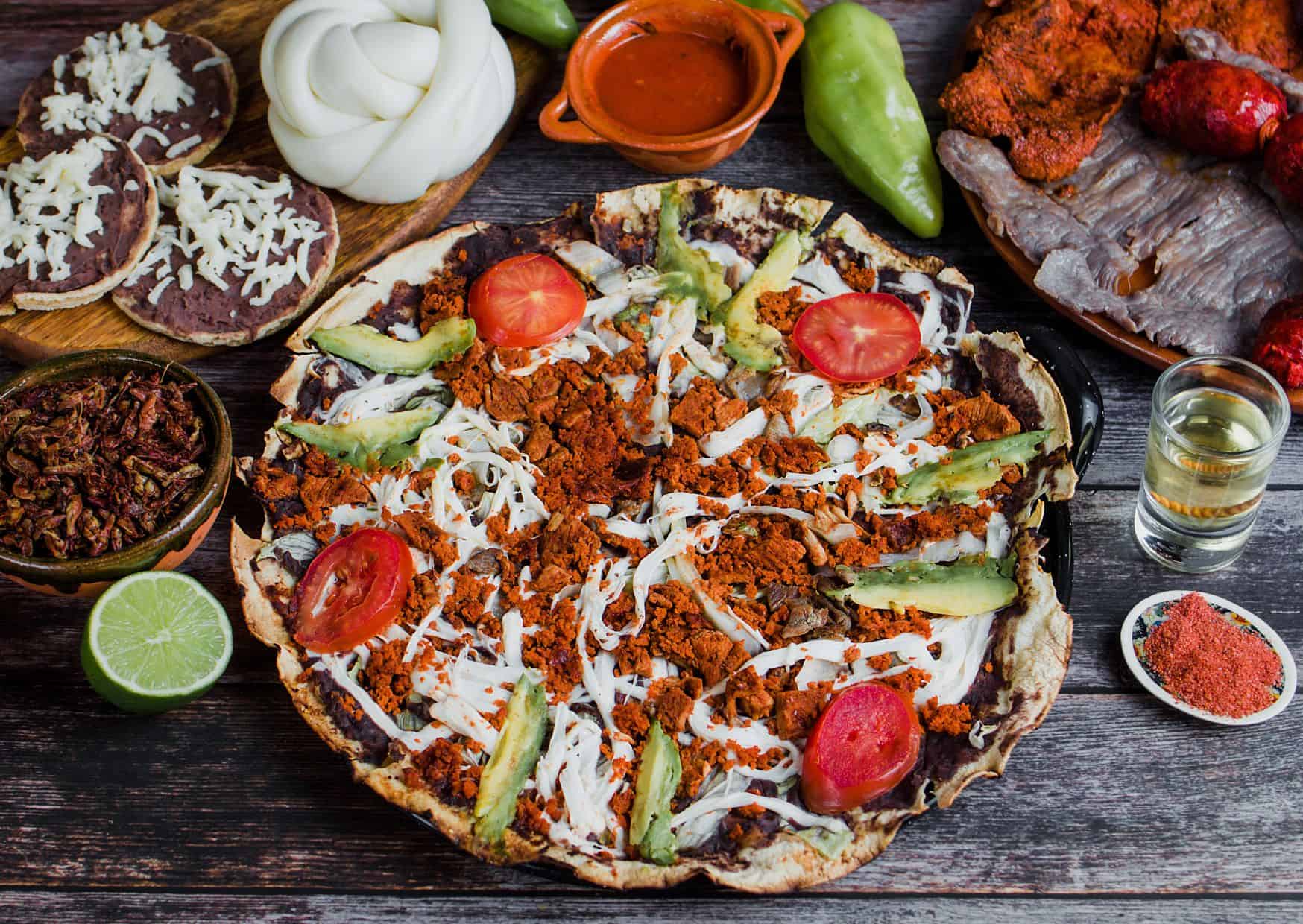
Tlayudas are one of Mexico’s most beloved street foods, yet they remain surprisingly under the radar outside of Oaxaca. Often dubbed the “Mexican pizza” for its large, crispy tortilla base and variety of bold toppings, tlayudas are a crunchy, smoky, and deeply satisfying dish that brings together indigenous and colonial culinary influences in one perfect bite. Made with a large corn tortilla, refried beans, Oaxacan cheese, avocado, and often grilled meat like tasajo or chorizo, this dish offers everything you love about Mexican food just on a giant, crunchy canvas.
Unlike tacos or burritos that are easily found on every corner of the globe, tlayudas have a rustic authenticity that speaks of smoky outdoor grills, late-night markets, and family-run comedores in the heart of Oaxaca. They are traditionally cooked over a charcoal flame, which infuses the tortilla and toppings with a deep, toasted flavor that can’t be mimicked in a microwave or oven though this recipe guide will get you close. For food lovers eager to explore beyond mainstream Mexican cuisine, tlayudas are a cultural and culinary adventure worth taking.
In this guide, you’ll learn how to recreate authentic tlayudas at home, using accessible ingredients while staying true to the original flavors. From choosing the right tortilla (hint: it’s not your average store-bought kind) to layering toppings for the perfect bite, this step-by-step recipe is your passport to Oaxaca’s street food scene no flight required.
Read here best fruits in Mexico, drinks in Mexico, best Mexican dishes and traditional Mexican Food, the most popular non alcoholic drinks and Vegetarian Food in Mexico
BOOK YOUR TRAVEL INSURANCE
Two of our favorite travel insurance: Heymondo Vs Safetwing cheapest travel Insurance. You can get for $135 USD your Heymondo Travel Insurance with Heymondo discount code valid for 90 days. Read our full comparison of Genki vs Safetywing Travel Insurance Review and the comparison Heymondo vs Genki
Best Time to Eat and How to Partner
Tlayudas are traditionally enjoyed as a hearty dinner or late-night snack, often shared with friends over conversation and cold drinks. Their generous size makes them perfect for informal gatherings, backyard barbecues, or anytime you’re craving bold flavor with minimal fuss. Though hearty enough to stand alone, you can cut them into slices and serve like a pizza perfect for sharing.
To partner your tlayuda, pair it with a smoky mezcal cocktail, cold cerveza, or even a tangy agua fresca. For a full Oaxacan-inspired spread, add sides like esquites (Mexican street corn salad), pickled vegetables, or grilled nopales (cactus). The mix of textures and flavors will round out your table and elevate the experience.
Tlayudas are often misunderstood and even misrepresented by outsiders. They’re not just an oversized tostada or “Mexican pizza.” In Oaxaca, tlayudas are deeply rooted in regional tradition, with every layer representing a facet of local culture. The use of asiento (unrefined pork lard), stringy quesillo cheese, and thinly grilled meats aren’t just toppings they’re non-negotiables for authenticity. Westernized versions that swap in mozzarella or skip the beans entirely miss the point.
There’s also ongoing debate around preparation methods. Some purists argue that tlayudas must be cooked over an open flame to achieve the charred, smoky tortilla essential to its flavor. Others say a well-heated comal or cast iron pan can do the trick at home. While grilling does deliver superior results, the accessibility of the dish depends on embracing flexibility without losing the soul of its origins.
Perhaps most controversial is the fact that many tourists taste a tlayuda once then never again because it’s unlike the saucy, cheesy Mexican food they expect. But that’s the beauty of tlayudas: they challenge stereotypes, reward bold palates, and preserve centuries-old foodways. Making them at home isn’t just a recipe it’s an education in one of Mexico’s most underrated culinary treasures.
How to Make Tlayudas
Tlayudas Recipe Ingredients
For the Base:
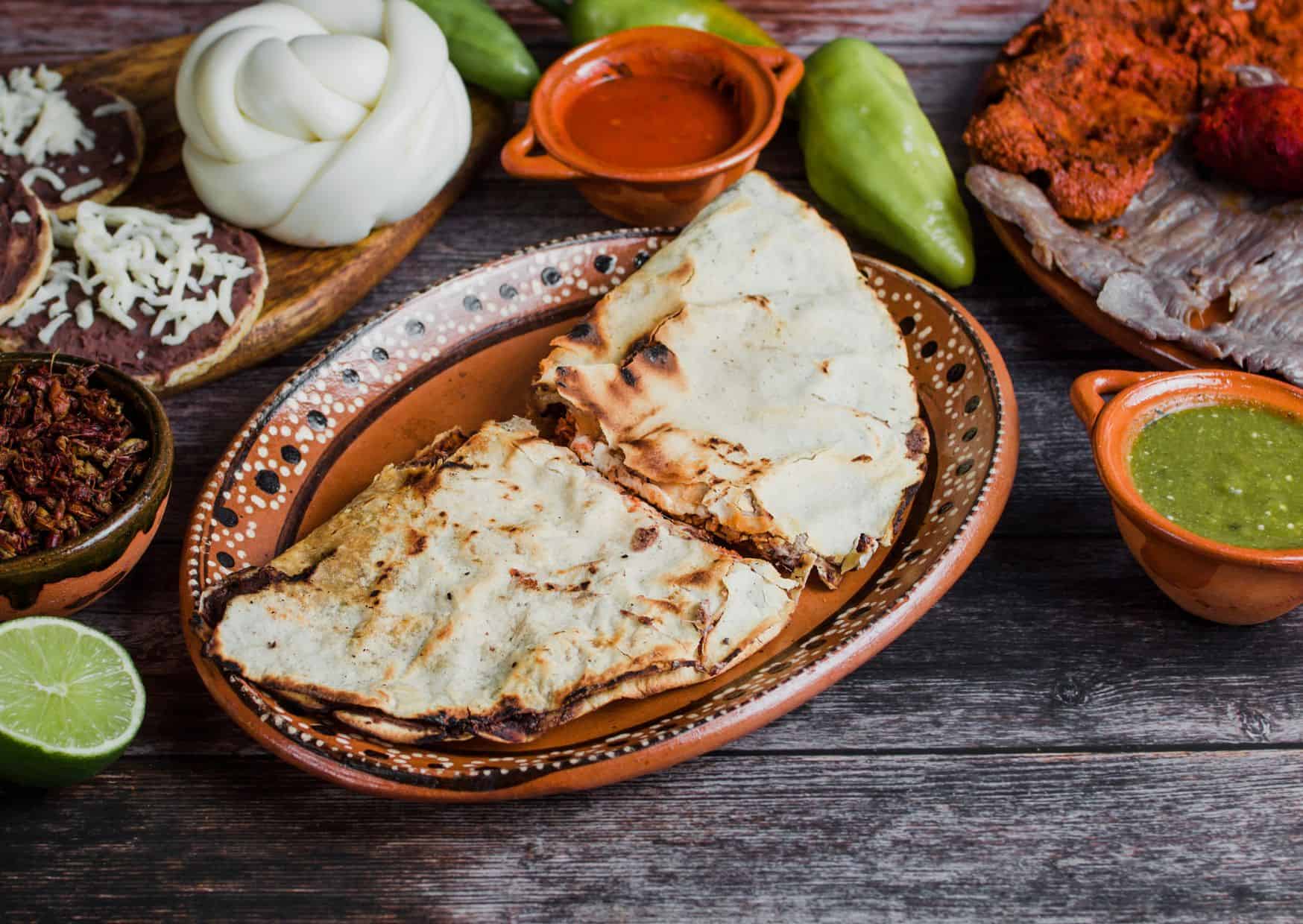
Large corn tortillas: 4 (12–14 inches wide; tlayuda tortillas if available)
Refried black beans: 1–1.5 cups
Oaxacan cheese (quesillo): 1 cup, shredded (or substitute mozzarella)
Optional Proteins:
Chorizo: 1/2 cup, cooked and crumbled
Shredded chicken or beef: 1 cup
Carnitas or tinga: 1 cup
For the Toppings:
Avocado slices: 1–2, thinly sliced
Shredded lettuce or cabbage: 1 cup
Tomatoes: 2 medium, sliced
Pickled onions: 1/2 cup
Radishes: 4–6, thinly sliced
Cilantro leaves: For garnish
Optional Additions:
Salsa or hot sauce: To taste
Mexican crema or sour cream: Drizzle for added richness
Get the best deals for your home and kitchen needs
Step By Step How to Make Tlayudas
Prepare the Tortilla Base
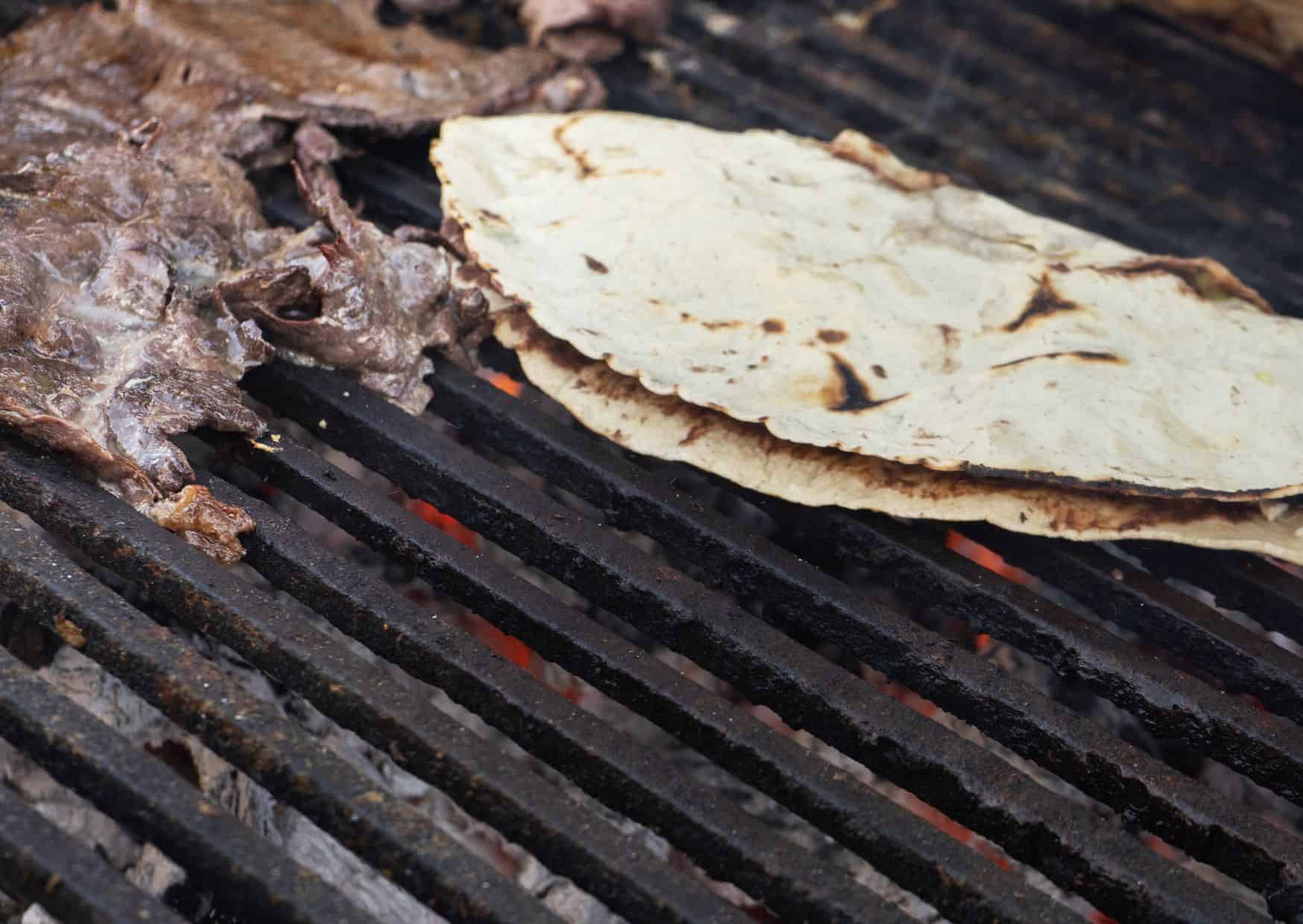
Heat a large comal, griddle, or skillet over medium heat. Toast the large corn tortillas until crispy but still pliable. Be careful not to over-toast them, as they may crack. For extra crispiness, lightly brush the tortillas with oil before toasting.
Spread the Base
Spread a thin, even layer of refried black beans over each tortilla. Top with shredded Oaxacan cheese (or mozzarella).
If using, scatter cooked chorizo, shredded chicken, or beef over the cheese layer. Return the tortilla to the skillet or oven to warm and melt the cheese, if desired.
Add Fresh Toppings
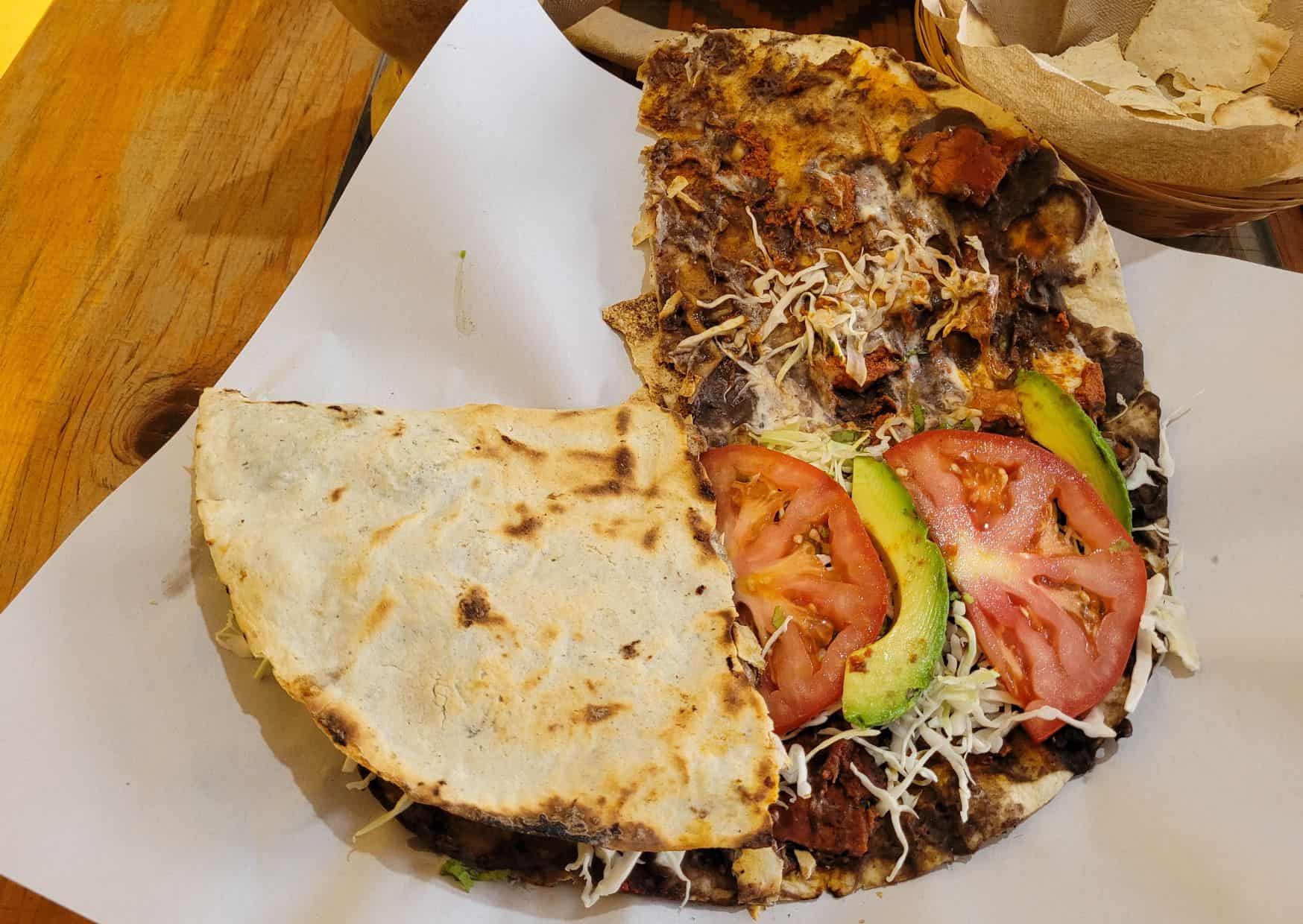
Arrange the shredded lettuce or cabbage, avocado slices, tomato slices, and pickled onions on top. Garnish with radish slices and fresh cilantro.
Serve
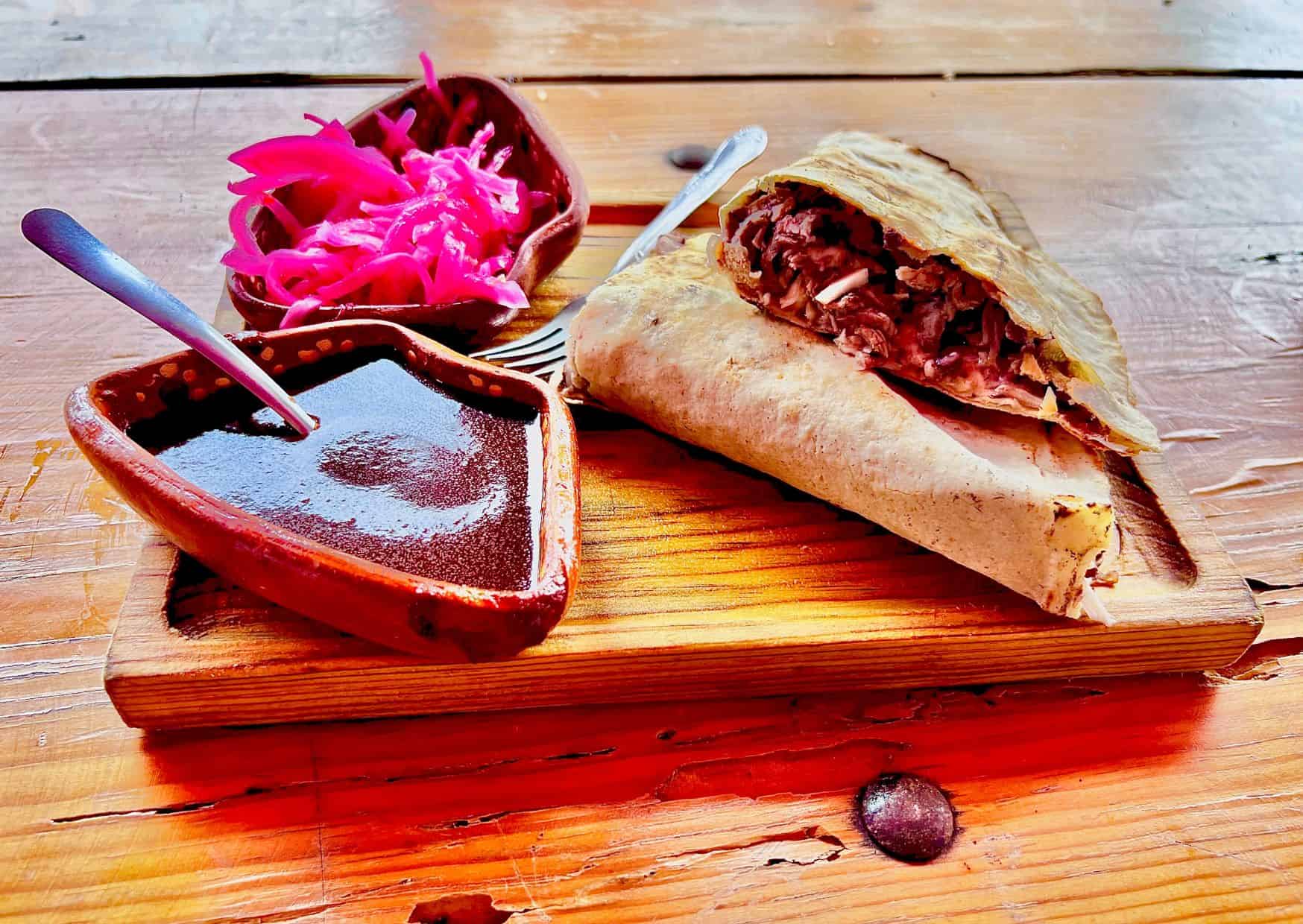
Drizzle with Mexican crema or sour cream and salsa if desired. Serve immediately, slicing the tlayuda into wedges or folding it like a taco.
Tips To Make Tlayudas
Traditional tlayuda tortillas are larger and sturdier than regular corn tortillas. Look for them in Latin grocery stores or substitute with the largest corn tortillas available.
While tlayudas are often vegetarian, adding meats like carnitas or chorizo enhances their flavor. The combination of fresh vegetables and creamy beans ensures a balanced flavor.
To mimic the street-food experience, cook the tortilla base over an open flame or grill for a slightly smoky flavor.
How Many Calories Have Tlayudas
Calories: ~400–600 kcal (depends on protein choice and toppings)
Protein: ~15–25 g
Carbohydrates: ~40–50 g
Fat: ~15–20 g
Fiber: ~8–10 g
Origin and History
Deep in the heart of Oaxaca, where mountains meet markets and culinary traditions run centuries deep, you’ll find the tlayuda a dish that perfectly embodies Mexico’s regional soul. Often compared to pizza for its round, flat shape, a tlayuda is far more than that. It’s made with a large, crisp yet pliable corn tortilla, traditionally cooked over a comal until slightly smoky and golden. Topped with refried beans, shredded cabbage, quesillo (Oaxacan string cheese), avocado, salsa, and meat like cecina or chorizo, it’s a handheld masterpiece of balance and texture.
The tlayuda’s roots stretch back to pre-Hispanic times, when Indigenous Oaxacan communities made oversized tortillas that could be stored for days and reheated over fire. Over generations, these tortillas became a vessel for local ingredients beans, herbs, and cured meats that reflected the region’s agricultural bounty. Each village developed its own variation, turning a simple flatbread into a personal expression of identity.
By the 20th century, tlayudas had become synonymous with Oaxacan street food. Vendors in night markets and roadside stands began serving them folded in half, grilled, and eaten on the go. As tourism grew, outsiders dubbed it the “Mexican pizza,” a catchy but misleading comparison that often overlooks its Indigenous craftsmanship. Authentic tlayudas remain a symbol of Oaxaca’s culinary pride a meal that tells a story of history, survival, and community.
The global popularity of tlayudas has brought both admiration and frustration from Oaxacans. The first controversy stems from how the dish is labeled abroad. Calling it a “Mexican pizza” might make it easier for outsiders to grasp, but locals argue that it oversimplifies and distorts its origins. Unlike pizza, tlayudas don’t rely on cheese and tomato as primary flavors they celebrate corn, beans, and fire. To Oaxacans, reducing it to a pizza analogy feels like erasing centuries of Indigenous culinary heritage.
Another debate centers on authenticity. Outside of Oaxaca, restaurants often reinvent tlayudas with flour tortillas, melted cheese, or toppings like sour cream and jalapeños. While creative fusion can be exciting, many Oaxacans see these versions as misrepresentations rather than adaptations. For them, a true tlayuda is defined by the quality of its tortilla and the freshness of its regional ingredients especially the smoky quesillo and hand-mashed beans that give it character.
There’s also controversy within Mexico itself. In cities like Mexico City, tlayudas have been reimagined for urban tastes, sometimes baked in ovens instead of cooked on comales. Purists insist that without the char and aroma of wood fire, it’s not authentic. Yet others argue that evolution is part of tradition, and that adapting tlayudas keeps them alive in new generations of kitchens. Either way, the dish has become a cultural battleground—where respect, creativity, and authenticity intersect.
How Long You Take to Prepare
Making an authentic tlayuda at home takes around 45 minutes to an hour, depending on your ingredients and method. The most time-consuming step is preparing the tortilla itself ideally, a large, thin, handmade corn tortilla that’s toasted until crisp but still foldable. If you can’t find traditional Oaxacan tlayuda tortillas, a thick corn tortilla or even two smaller ones lightly grilled can work as a substitute.
The next step is assembling the toppings. Refried black beans form the base, often seasoned with garlic, lard, or avocado leaves for depth. A layer of shredded quesillo follows, then comes the protein thinly sliced grilled beef, pork, or tasajo are the most traditional. Finally, fresh toppings like shredded lettuce, avocado, and salsa are added. Some cooks like to brush the tortilla with a touch of oil or lard before heating it to enhance its crispness.
Cooking itself is quick. Once assembled, the tlayuda is cooked on a hot griddle or grill for 3 to 5 minutes, just until the cheese softens and the edges start to brown. It can be served open-faced or folded in half, depending on preference. The key is heat control too low and it turns soggy, too high and it burns. When done right, it’s smoky, crunchy, and bursting with flavor in every bite.
Serving Suggestions
A proper tlayuda needs little more than good company and perhaps a cold cerveza to accompany it. Traditionally, it’s served hot and eaten by hand, often folded like a giant taco for convenience. The dish shines as street food but can easily be the centerpiece of a casual dinner or backyard cookout. Pair it with a side of grilled vegetables, roasted corn, or a light salad for a balanced meal.
In Oaxaca, tlayudas are often enjoyed with mezcal, the region’s smoky agave spirit, which perfectly complements the charred flavors of the tortilla. For a non-alcoholic pairing, agua fresca de jamaica (hibiscus tea) or tamarind juice offers a refreshing contrast. Toppings can also vary seasonally some cooks add nopales (cactus strips) or sautéed mushrooms for extra texture.
If you’re serving tlayudas at home, make it interactive. Set up a DIY tlayuda bar with pre-grilled tortillas, toppings, and sauces so guests can customize their own. Include regional condiments like salsa de chile pasilla, pickled onions, or guacamole. The communal nature of the dish reflects its roots it’s not meant to be eaten in silence but shared, discussed, and savored.
Final Thoughts
The tlayuda is a perfect example of how simple ingredients corn, beans, cheese, and heat can tell a story of place and identity. It represents the ingenuity of Oaxacan cooking, where every bite is infused with history, craftsmanship, and a deep respect for the land. What might look like a “Mexican pizza” to outsiders is, in truth, a living tradition that connects people through food and fire.
Making tlayudas at home is about more than following a recipe; it’s about embracing a mindset. The beauty of the dish lies in its flexibility, its ability to blend rustic authenticity with personal creativity. Whether cooked over a grill in Oaxaca or on a skillet in a modern kitchen, what matters most is honoring its balance crispy tortilla, hearty beans, creamy cheese, and fresh, vibrant toppings.
So the next time you crave something that feels both rustic and comforting, skip the imitation versions and try making a real tlayuda. Feel the crunch of the tortilla, taste the smoke of the grill, and appreciate the flavors that have traveled centuries to reach your table. Once you do it the Oaxacan way, you’ll understand why locals insist it’s not pizza, it’s something far more sacred.

About the Author: Ruben, co-founder of Gamintraveler.com since 2014, is a seasoned traveler from Spain who has explored over 100 countries since 2009. Known for his extensive travel adventures across South America, Europe, the US, Australia, New Zealand, Asia, and Africa, Ruben combines his passion for adventurous yet sustainable living with his love for cycling, highlighted by his remarkable 5-month bicycle journey from Spain to Norway. He currently resides in Spain, where he continues sharing his travel experiences with his partner, Rachel, and their son, Han.