
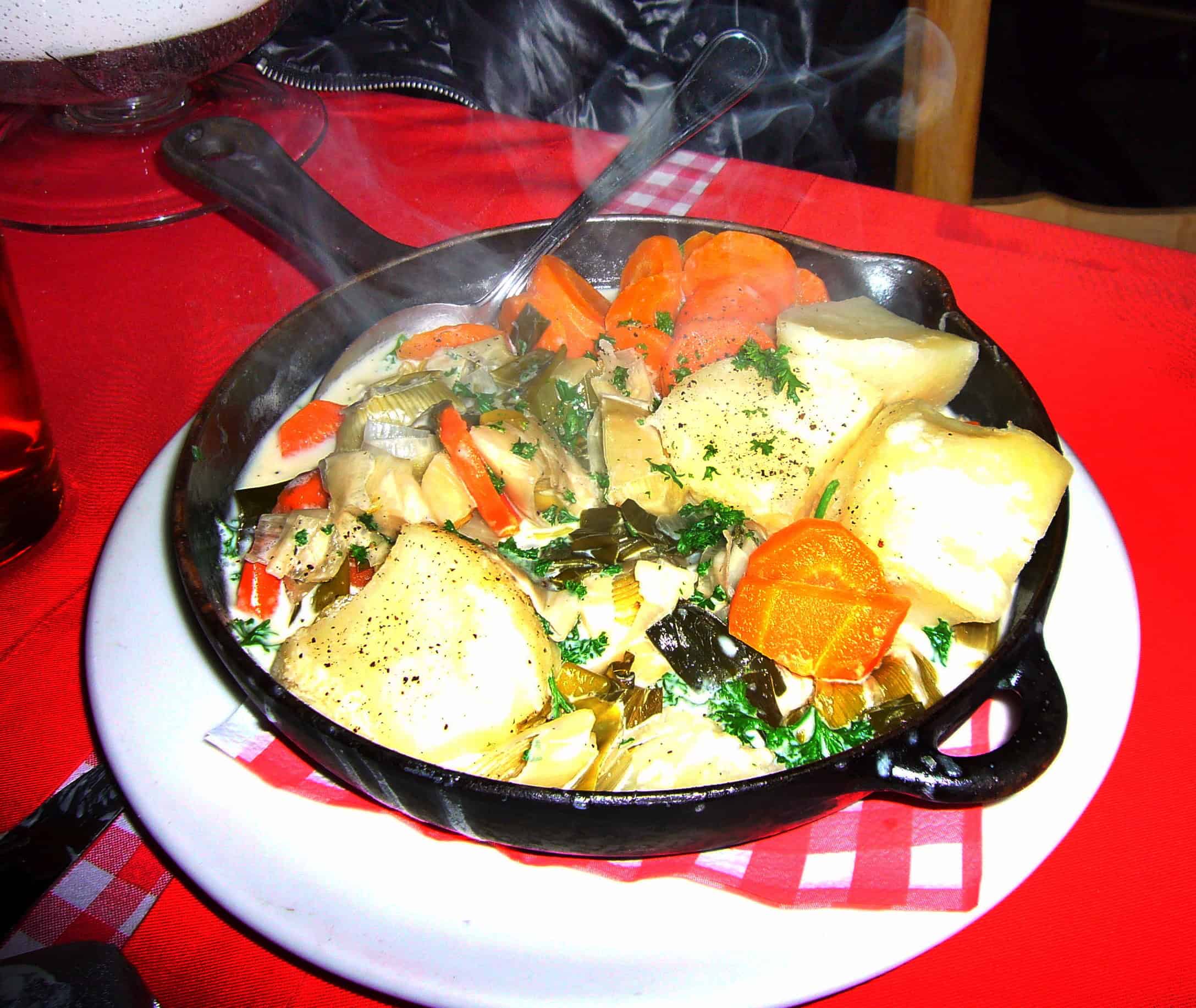
Our guide on How To Make Belgium Waterzooi for you to try at home.
Waterzooi is a traditional Belgian dish originating from the city of Ghent. It’s a hearty, creamy stew typically made with fish or chicken, vegetables, and a rich broth. The name “Waterzooi” comes from the Dutch words for water and to boil, but the dish is more like a soup or stew with a luxurious, creamy sauce. The original version was made with fish, but chicken has become more common, especially in the inland regions.
Belgian Waterzooi is a rich and satisfying dish that combines the comfort of a hearty stew with the elegance of a creamy broth. Whether you opt for chicken or fish, this dish is sure to impress with its delicate flavors and smooth, velvety texture. Serve it with fresh crusty bread, and you’ll have a perfect meal for any occasion!
Here’s a guide to making this classic dish at home, along with helpful tips and calorie information.
BOOK YOUR TRAVEL INSURANCE
Two of our favorite travel insurance: Heymondo Vs Safetwing cheapest travel Insurance. You can get for $135 USD your Heymondo Travel Insurance with Heymondo discount code valid for 90 days. Read our full comparison of Genki vs Safetywing Travel Insurance Review and the comparison Heymondo vs Genki
How to Eat
Waterzooi is best served hot in a deep bowl with plenty of broth. Most Belgians enjoy it with crusty bread to soak up the creamy soup or alongside boiled potatoes for extra heartiness. Don’t forget a spoon and fork—you’ll want to savor both the tender meat and the broth.
How to Partner
This dish pairs beautifully with Belgian beer (like a blonde ale or witbier) or even a crisp white wine that balances its richness. For sides, consider a light salad to cut through the creaminess, or keep it traditional with extra bread on the table. For a full Belgian experience, follow it with a waffle or speculoos dessert.
Waterzooi sparks debates even among Belgians themselves. One of the longest-standing controversies is whether fish or chicken is the “true” Waterzooi. Purists argue that the original recipe from Ghent was made with freshwater fish, while many families today insist chicken is more accessible and equally delicious.
Another hot topic is the richness of the broth. Some cooks swear by heavy cream and lots of butter for indulgence, while health-conscious eaters prefer a lighter base with milk or stock. This divide reflects a broader conversation in Belgian food culture—should tradition always outweigh modern adaptations?
Finally, some outsiders dismiss Waterzooi as “just another stew,” underestimating its importance in Belgian heritage. To locals, that’s almost offensive—Waterzooi isn’t just dinner, it’s nostalgia in a bowl, carrying the memory of family gatherings, regional pride, and centuries-old culinary identity.
How to Make Belgium Waterzooi
Belgium Waterzooi Recipe Ingredients
For the Stew:
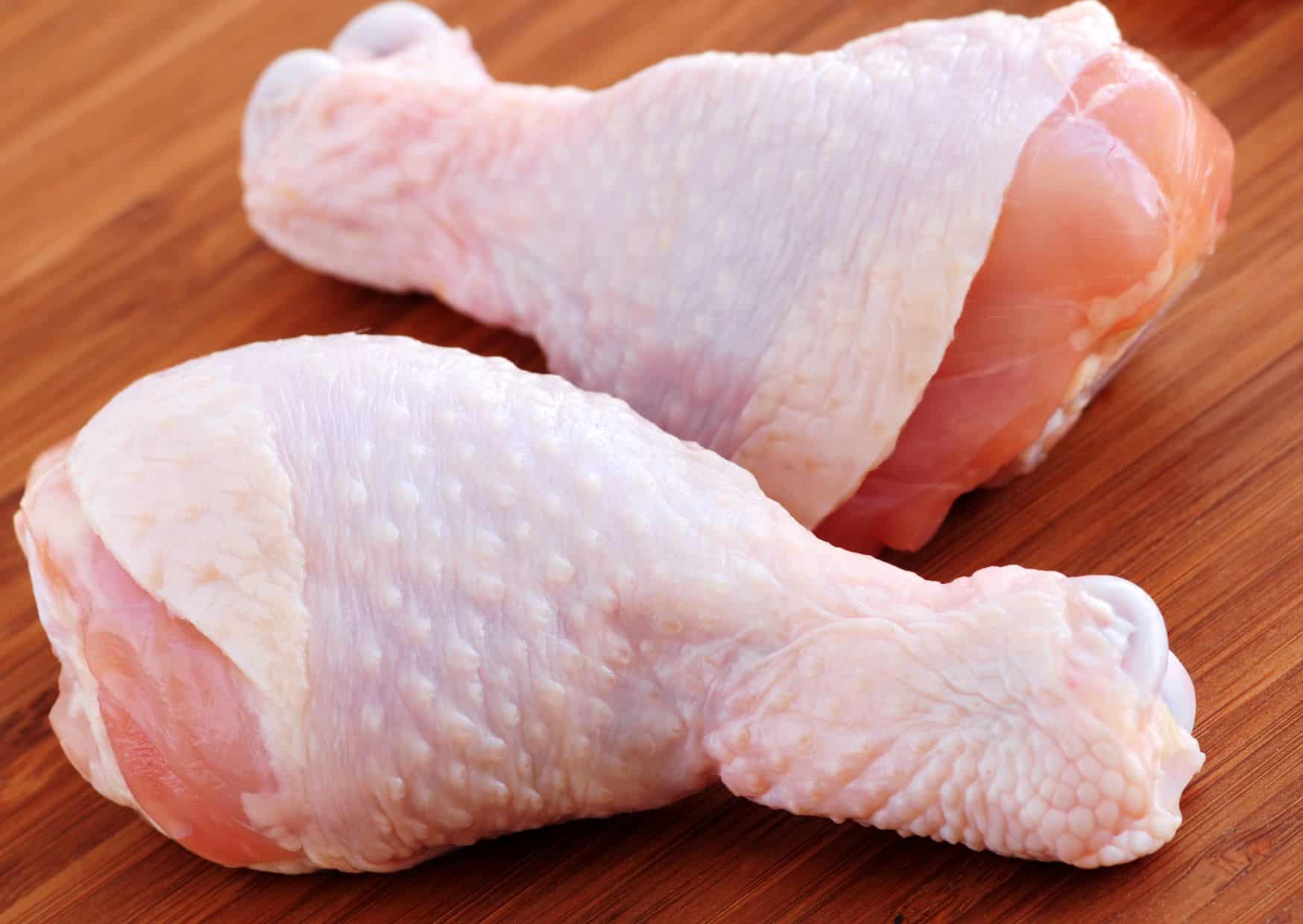
1 whole chicken (about 1.5 kg or 3.3 lbs), cut into pieces (or use 4-6 chicken thighs)
2 large carrots, sliced
2 leeks, sliced (white and light green parts)
2 celery stalks, sliced
1 large onion, finely chopped
1 clove garlic, minced
4 cups chicken stock (or water)
1 cup white wine (optional)
1 bay leaf
1 sprig fresh thyme (or 1/2 tsp dried thyme)
Salt and black pepper, to taste
2 tablespoons butter
For the Creamy Broth:
1 cup heavy cream
2 egg yolks
2 tablespoons all-purpose flour (optional, for thickening)
For Garnish:
Fresh parsley, chopped
Crusty bread for serving
Get the best deals for your home and kitchen needs
Step By Step How to Make Belgium Waterzooi
Prepare the Chicken
In a large Dutch oven or heavy-bottomed pot, melt the butter over medium heat. Add the chicken pieces and brown on all sides, about 5 minutes per side. Remove the chicken and set aside.
Sauté the Vegetables
In the same pot, add the onion, garlic, carrots, leeks, and celery. Sauté until the vegetables soften slightly, about 5-7 minutes. Season with salt and pepper.
Simmer the Chicken
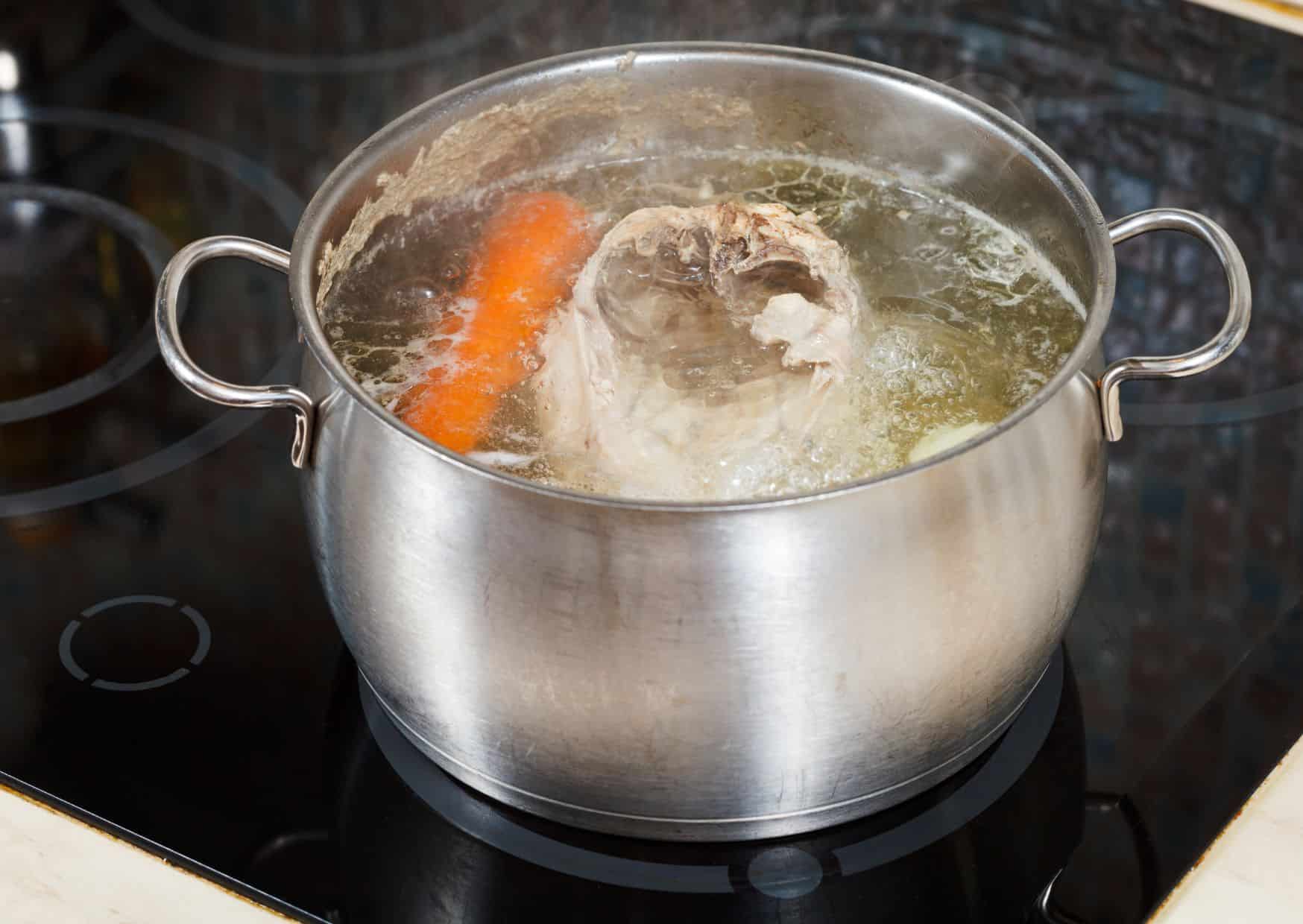
Return the chicken to the pot, along with the bay leaf, thyme, and white wine (if using). Add enough chicken stock to just cover the chicken and vegetables.
Bring the mixture to a boil, then reduce the heat to low. Cover and simmer for about 30-40 minutes, or until the chicken is fully cooked and tender. If using bone-in chicken, it should be easy to pull apart at this point.
Make the Creamy Broth
In a small bowl, whisk together the egg yolks, heavy cream, and optional flour until smooth. This mixture will give the stew its signature creamy texture.
Remove the chicken from the pot and set aside. Slowly whisk some of the hot broth into the egg yolk mixture to temper it (this prevents the eggs from curdling when added to the stew).
Gradually stir the tempered egg yolk mixture back into the pot. Simmer gently over low heat for 5 minutes, stirring often. The sauce should thicken slightly. If it becomes too thick, you can thin it with a bit more broth or water.
Combine and Serve
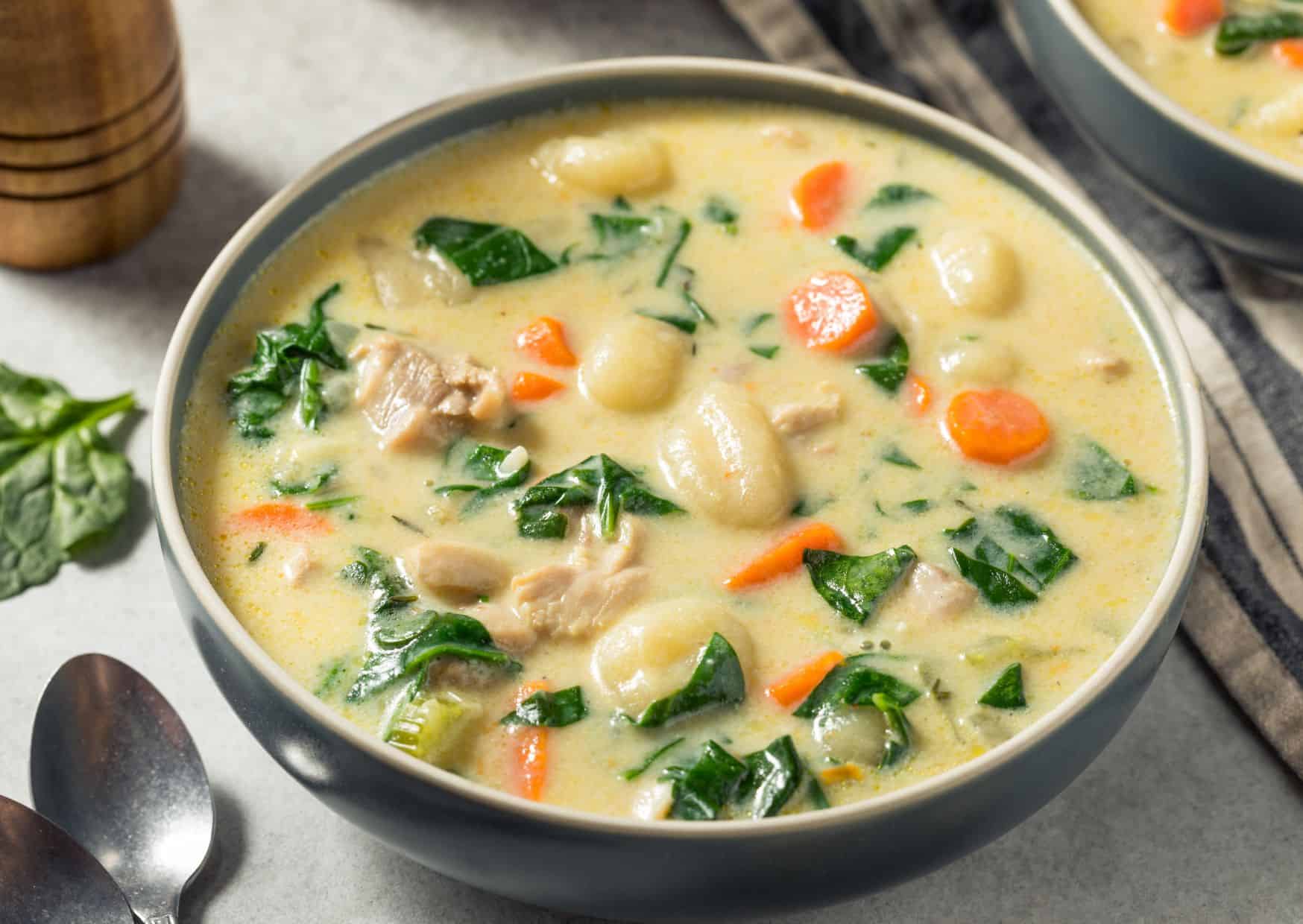
If you’re using bone-in chicken, remove the bones and shred or cut the meat into bite-sized pieces. Return the chicken to the pot with the creamy broth and vegetables.
Ladle the waterzooi into bowls and garnish with freshly chopped parsley. Serve with crusty bread on the side for dipping.
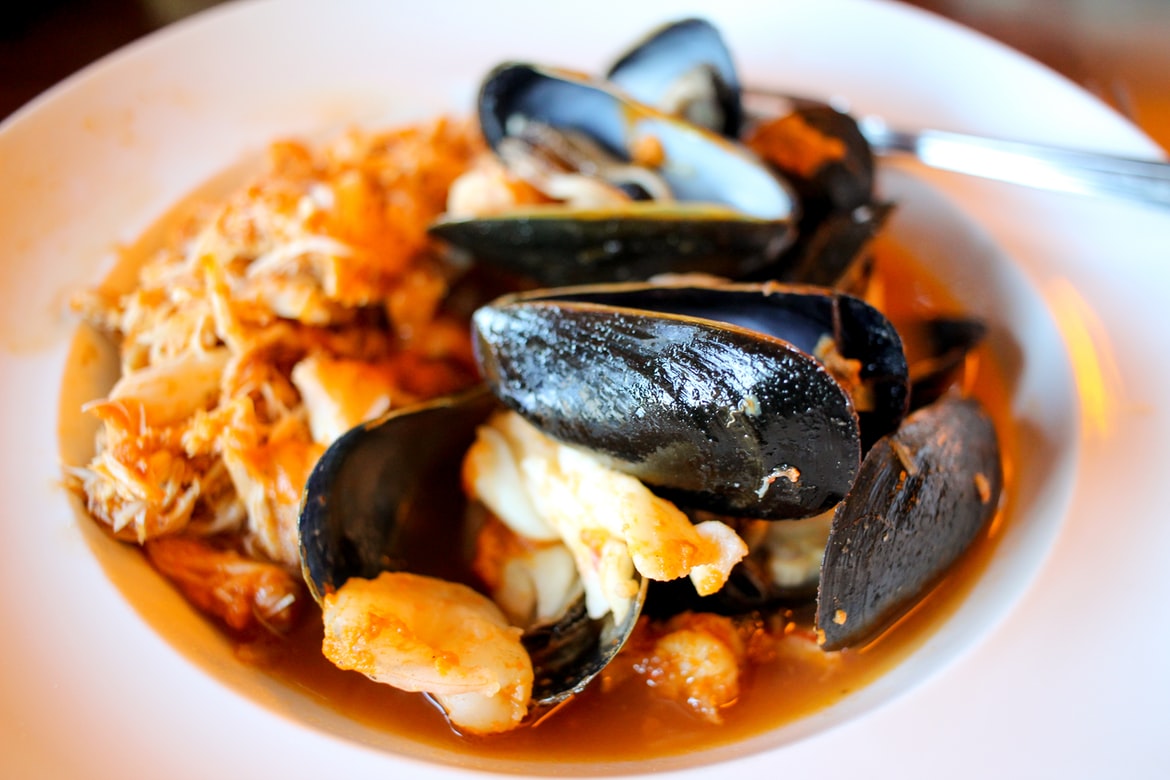
Tips To Make Belgium Waterzooi
The quality of the chicken or fish you use will greatly impact the flavor of the dish. Opt for free-range chicken or fresh fish for the best results.
Waterzooi can be more like a soup or a thick stew, depending on your preference. For a thinner consistency, add more broth. For a thicker stew, increase the amount of cream or flour.
Be sure to temper the egg yolks with hot broth before adding them to the stew to avoid curdling. If you want a more traditional version, try substituting the chicken with white fish such as cod, haddock, or perch. Simply poach the fish in the broth and add it back to the dish after the cream is incorporated.
You can customize the vegetables in the stew to your liking. Some recipes include potatoes, fennel, or turnips.
How Many Calories Have Belgium Waterzooi
A typical serving of chicken waterzooi (about 1 1/2 cups) provides approximately:
Calories: 400-500 kcal
Protein: 35-40g (depending on the amount of chicken)
Fat: 25-30g (due to the cream and egg yolks)
Carbohydrates: 12-15g (mainly from the vegetables)
Origin and History
Waterzooi traces its roots to medieval Ghent, where fishermen relied on the city’s rivers to supply the freshwater fish that originally defined the dish. In its earliest form, Waterzooi wasn’t considered a luxury meal at all but a way for working families to create something warming, nourishing, and sustaining with whatever was freshly caught. The name itself comes from an old Flemish term meaning “to simmer,” hinting at its humble, practical beginnings.
Over time, the waterways that produced Ghent’s fish declined, leading cooks to replace the traditional fish base with chicken. This switch didn’t weaken the recipe’s identity; instead, it helped the dish survive and evolve. The creamy broth, soft vegetables, and delicate protein reflected the Belgian preference for heartiness balanced with elegance, making Waterzooi a symbol of the region’s adaptive culinary spirit.
By the twentieth century, Waterzooi had become a proud part of Belgium’s national food identity. Renowned chefs revived the fish version, while home cooks continued to favor chicken for its accessibility. Today, both versions coexist, each one representing a different chapter of Belgian food history while preserving the dish’s comforting essence.
One of the biggest debates surrounding Waterzooi involves the “correct” protein. Purists argue that only the original fish version can be considered authentic, insisting that the shift to chicken was a reluctant compromise. Others counter that modern chicken Waterzooi has become so beloved that it deserves equal cultural status. This disagreement continues to spark lively conversations among Belgian chefs and locals.
Another controversy lies in the creaminess of the broth. Traditionalists maintain that the velvety texture should come strictly from egg yolk and butter emulsification, not heavy cream. Contemporary cooks often add cream for ease and consistency, but critics argue that it dulls the subtlety that makes Waterzooi unique. This clash reflects a broader question: Should regional dishes evolve or stay firmly rooted in tradition?
Even the vegetables stir debate. Some cooks insist that only classic aromatics like leeks, carrots, and celery should enter the pot, while others incorporate potatoes or new herbs to modernize the dish. What might seem like minor differences actually reveal the tension between preserving culinary heritage and adapting recipes to modern kitchens and tastes.
How Long It Takes to Prepare
Waterzooi is more time-friendly than many European comfort dishes. Most versions take about one hour from start to finish. The bulk of this time is spent simmering the broth and allowing the vegetables to soften and release their flavor. Because the dish relies on gentle cooking rather than intense techniques, it’s accessible to even beginner home cooks.
The most important part of the preparation is patience during the simmering stage. Rushing this step prevents the broth from developing the layered flavor that defines good Waterzooi. However, unlike long stews or roasts, the dish doesn’t require extended hours or oven time, making it practical for weeknights.
If you prepare your ingredients in advance washing, chopping, and setting aside your vegetables and protein the dish comes together even faster. Some Belgian home cooks even make the broth the night before to deepen the flavor, reducing active cooking time the next day to under thirty minutes.
Serving Suggestions
Traditionally, Waterzooi is served in deep bowls to showcase its rich broth and tender ingredients. Locals often pair it with crusty Belgian bread used to soak up the velvety liquid. This simple pairing highlights the dish’s origins as a nourishing meal meant to satisfy both hunger and comfort.
A light salad or steamed vegetables makes an excellent accompaniment, especially if you’re serving the chicken version. These sides balance the richness of the broth without overpowering its delicate flavor. If you’re making fish Waterzooi, consider adding a crisp white wine such as Muscadet or a Belgian beer with subtle citrus notes.
For a more complete Belgian experience, finish the meal with a light dessert like a fruit tart or a small serving of speculoos. Waterzooi is deeply comforting, so pairing it with something fresh at the end helps keep the meal harmonious. Whether simple or elevated, the dish adapts beautifully to different table settings.
Final Thoughts
Waterzooi is one of those rare dishes that manages to feel luxurious without requiring elaborate steps or expensive ingredients. Its gentle flavors, warming broth, and rustic heritage give it a charm few other comfort foods can match. For cooks looking to expand their European repertoire, this Belgian classic offers an approachable and rewarding option.
Its long history shows how cuisine can evolve while still preserving a sense of identity. Whether you choose chicken or fish, you’re participating in a tradition that has warmed Belgian homes for centuries. The dish invites you to slow down, enjoy the simmering process, and appreciate the way simple ingredients can become something extraordinary.
If you’ve never made Waterzooi before, this is the perfect moment to try. Once you taste its silky broth and tender vegetables, it may become one of your go-to comfort meals. And as you experiment with variations, you’ll discover why Belgians hold it close to their hearts—and why it deserves a place in your kitchen too.

About the Author: Ruben, co-founder of Gamintraveler.com since 2014, is a seasoned traveler from Spain who has explored over 100 countries since 2009. Known for his extensive travel adventures across South America, Europe, the US, Australia, New Zealand, Asia, and Africa, Ruben combines his passion for adventurous yet sustainable living with his love for cycling, highlighted by his remarkable 5-month bicycle journey from Spain to Norway. He currently resides in Spain, where he continues sharing his travel experiences with his partner, Rachel, and their son, Han.