
Japan is a country that continues to fascinate travelers with its unique blend of ancient traditions and cutting-edge technology. From tranquil temples and zen gardens to neon-lit cities and futuristic toilets, Japan surprises visitors at every turn. Yet, beyond its globally known symbols like sushi, cherry blossoms, and bullet trains, there are countless quirky, heartwarming, and surprising facts that reveal deeper insights into Japanese culture and daily life.
This list of 23 interesting facts about Japan that you didn’t know will give you a glimpse into the lesser-known side of Japanese society. From etiquette customs that might confuse foreigners to unexpected culinary traditions and environmental innovations, these facts will deepen your appreciation for the meticulous, respectful, and innovative spirit of Japan.
Whether you’re planning your first trip, already obsessed with Japanese culture, or simply want to impress your friends with unique trivia, these facts will open your eyes to a side of Japan that guidebooks rarely cover – making your next conversation or visit even more enriching.
Read here Things to know before visiting Japan and how to spend 36 Hours in Tokyo
BOOK YOUR TRAVEL INSURANCE
Two of our favorite travel insurance: Heymondo Vs Safetwing cheapest travel Insurance. You can get for $135 USD your Heymondo Travel Insurance with Heymondo discount code valid for 90 days. Read our full comparison of Genki vs Safetywing Travel Insurance Review and the comparison Heymondo vs Genki
Quick & Easy Tips
Respect local etiquette. For example, avoid sticking chopsticks upright into rice, as it resembles funeral rituals.
Carry cash. Many small restaurants and rural shops do not accept cards despite Japan’s technological reputation.
Learn basic Japanese phrases. Greetings like konnichiwa (hello) and arigatou (thank you) are highly appreciated.
One controversial aspect of Japan is its work culture. While globally admired for its efficiency and dedication, Japan also struggles with overwork, known as karoshi (death by overwork). Many foreigners idealize Japan’s professional discipline without acknowledging the serious mental health issues, long working hours, and lack of work-life balance that affect countless Japanese workers, especially in corporate environments.
Another less-discussed reality is Japan’s approach to multiculturalism and immigration. Despite being a welcoming tourist destination, Japan remains relatively closed to immigration and cultural integration compared to Western countries. Foreign residents often report challenges with housing discrimination, job security, and social acceptance, highlighting a complex side of Japanese society that contrasts with its international hospitality image.
Lastly, while Japanese society is renowned for orderliness and safety, it is also highly conformist. The pressure to fit in, avoid standing out, and maintain harmony can be difficult for locals, especially youth struggling with mental health or social anxiety. Travelers often view Japanese politeness as universally positive without realizing the internal pressures it can create for individuals within society.
Interesting Facts About Japan
1. Japan Has Over 6,800 Islands
What to Know: Japan is an archipelago consisting of 6,852 islands, though most of the population lives on its four main islands: Honshu, Hokkaido, Kyushu, and Shikoku.
Travel Tip: Visit lesser-known islands like Miyajima (famous for Itsukushima Shrine) or Ishigaki in Okinawa for pristine beaches and snorkeling.
2. Tokyo Is the Most Populated Metropolitan Area in the World
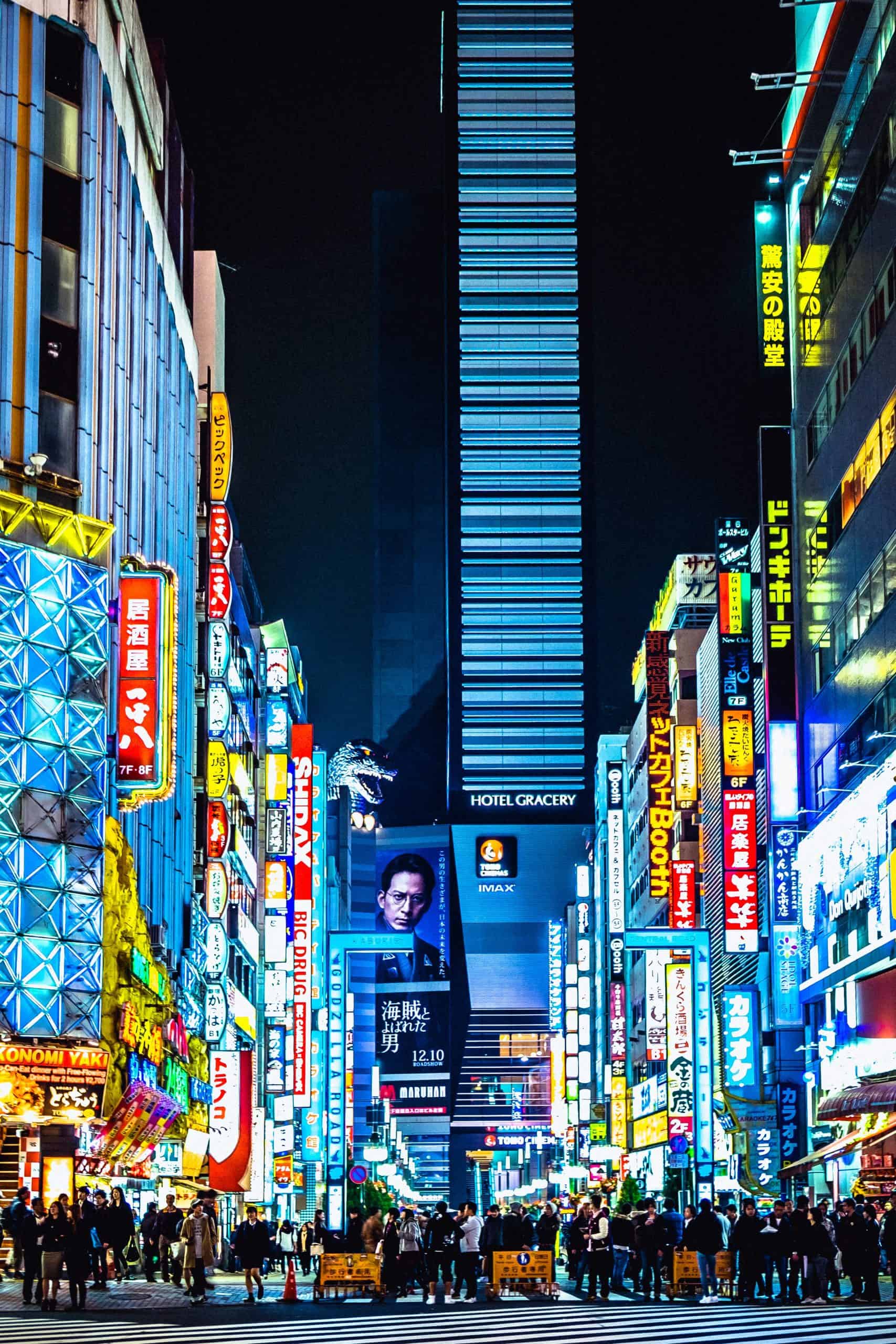
What to Know: Greater Tokyo is home to over 37 million people, making it the largest metropolitan area worldwide.
Travel Tip: Despite its size, Tokyo’s public transport is highly efficient. Use the Tokyo Metro or Yamanote Line to navigate the city with ease.
3. Japan Has a Vending Machine for Almost Everything
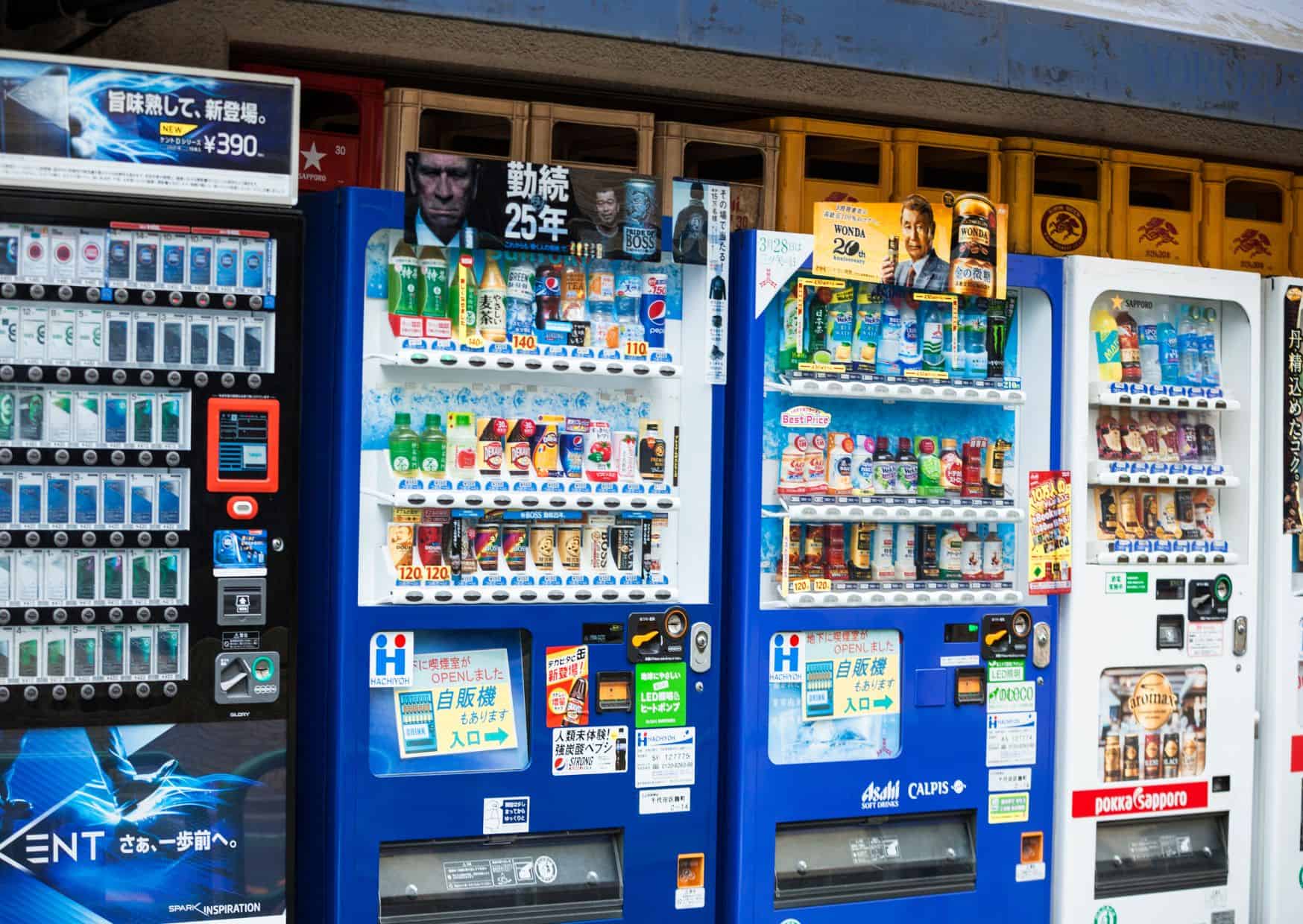
What to Know: With over 5 million vending machines, Japan offers not only drinks and snacks but also umbrellas, flowers, and even hot meals.
Travel Tip: Try unusual items like canned hot coffee, ramen kits, or ice cream from vending machines.
4. Capsule Hotels Originated in Japan
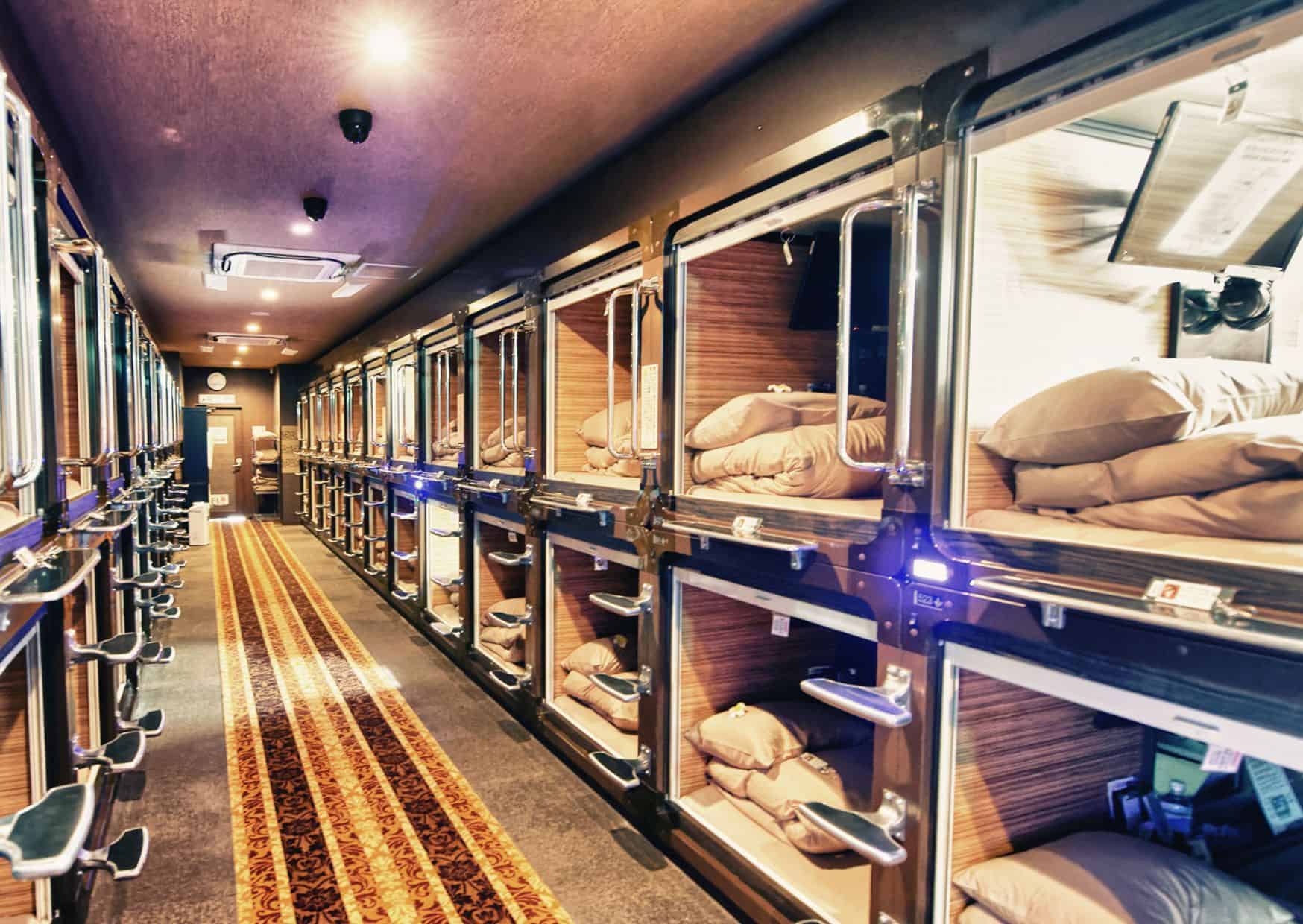
What to Know: Capsule hotels, featuring small pods for sleeping, were first introduced in Osaka in 1979.
Travel Tip: Stay in a capsule hotel for a budget-friendly and uniquely Japanese experience. Nine Hours is a popular chain offering minimalist pods.
5. Japan Is Home to the World’s Oldest Company
What to Know: Kongo Gumi, a construction company founded in 578 AD, operated for over 1,400 years before merging with a larger corporation.
Travel Tip: Visit historic temples like Horyu-ji in Nara, some of which were built by Kongo Gumi.
6. Cherry Blossoms Are a Symbol of Ephemeral Beauty
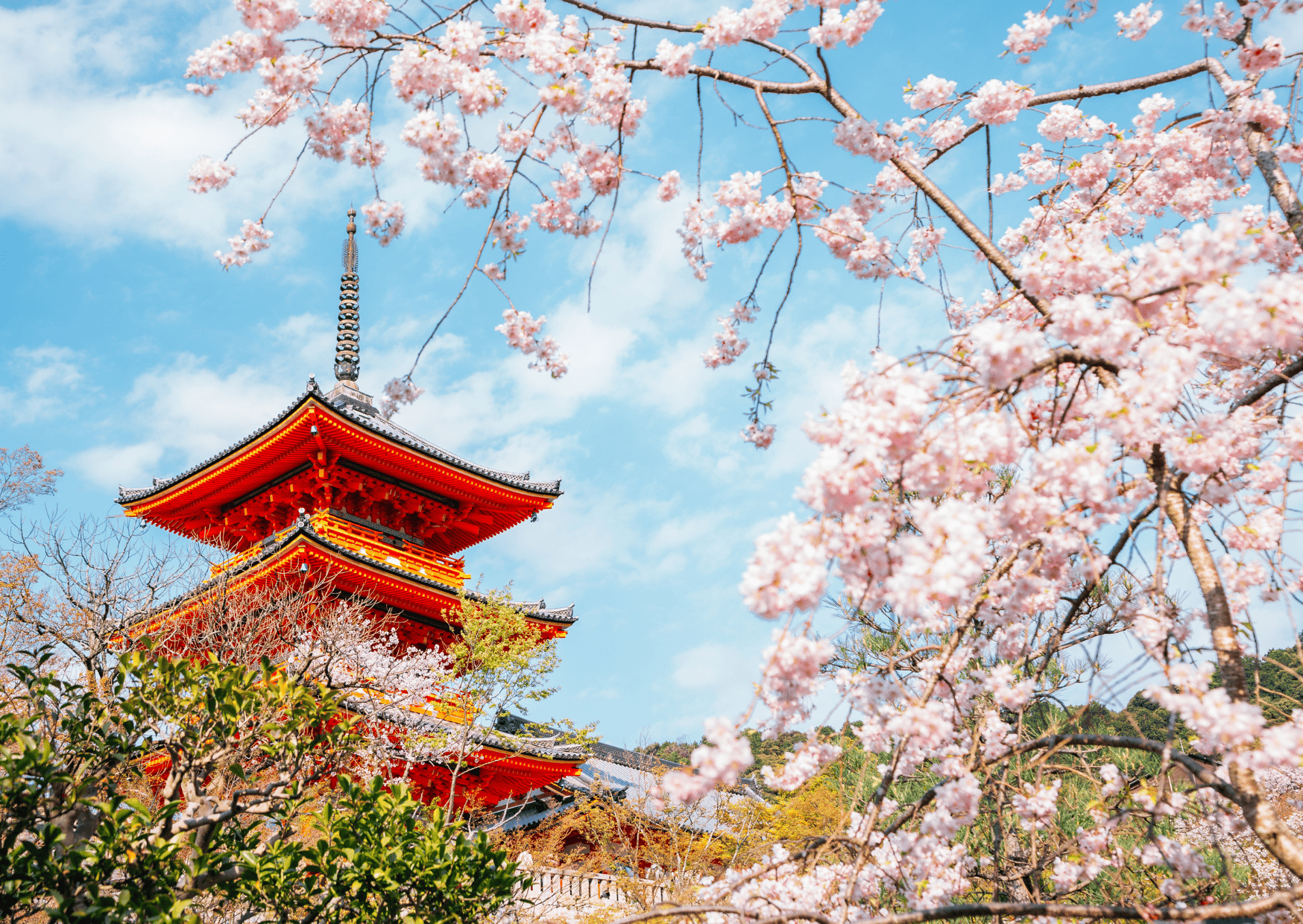
What to Know: The blooming of cherry blossoms (sakura) symbolizes the fleeting nature of life and is celebrated with hanami (flower-viewing) parties.
Travel Tip: Visit Japan in spring (late March to early April) for cherry blossom season. Top spots include Ueno Park in Tokyo and Maruyama Park in Kyoto.
7. Japanese Trains Are Punctual to the Second
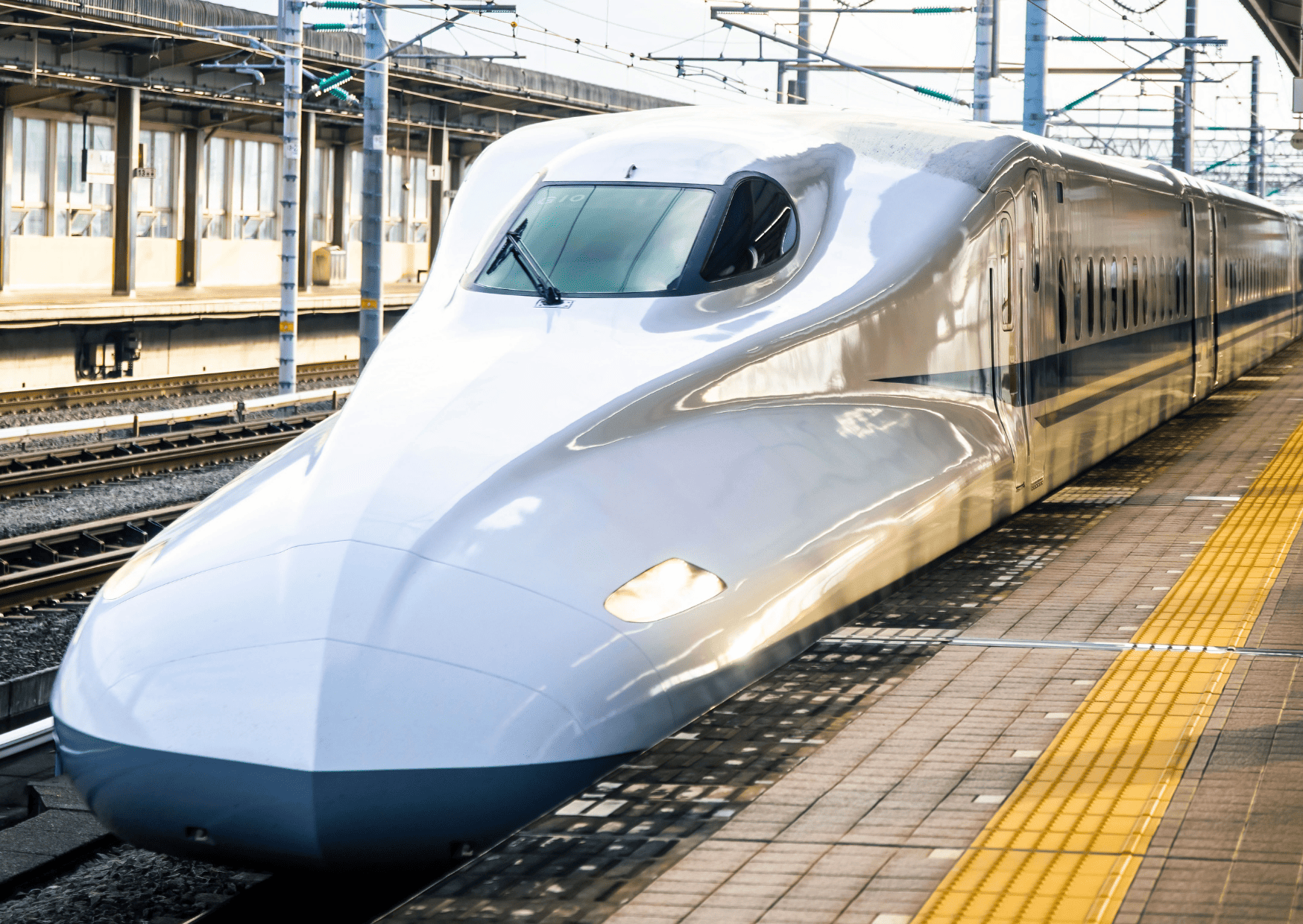
What to Know: Japanese trains are renowned for their punctuality, with delays often measured in seconds. If a train is late by even a minute, conductors will issue an apology.
Travel Tip: Use the Japan Rail Pass for unlimited travel on Shinkansen (bullet trains) and other rail lines.
8. Japan Has a Festival for Nearly Everything
What to Know: Japan hosts over 200,000 festivals annually, celebrating everything from snow and flowers to fertility and fire.
Travel Tip:
Gion Matsuri in Kyoto (July) for traditional floats.
Sapporo Snow Festival (February) for stunning ice sculptures.
9. Slurping Noodles Is Considered Polite
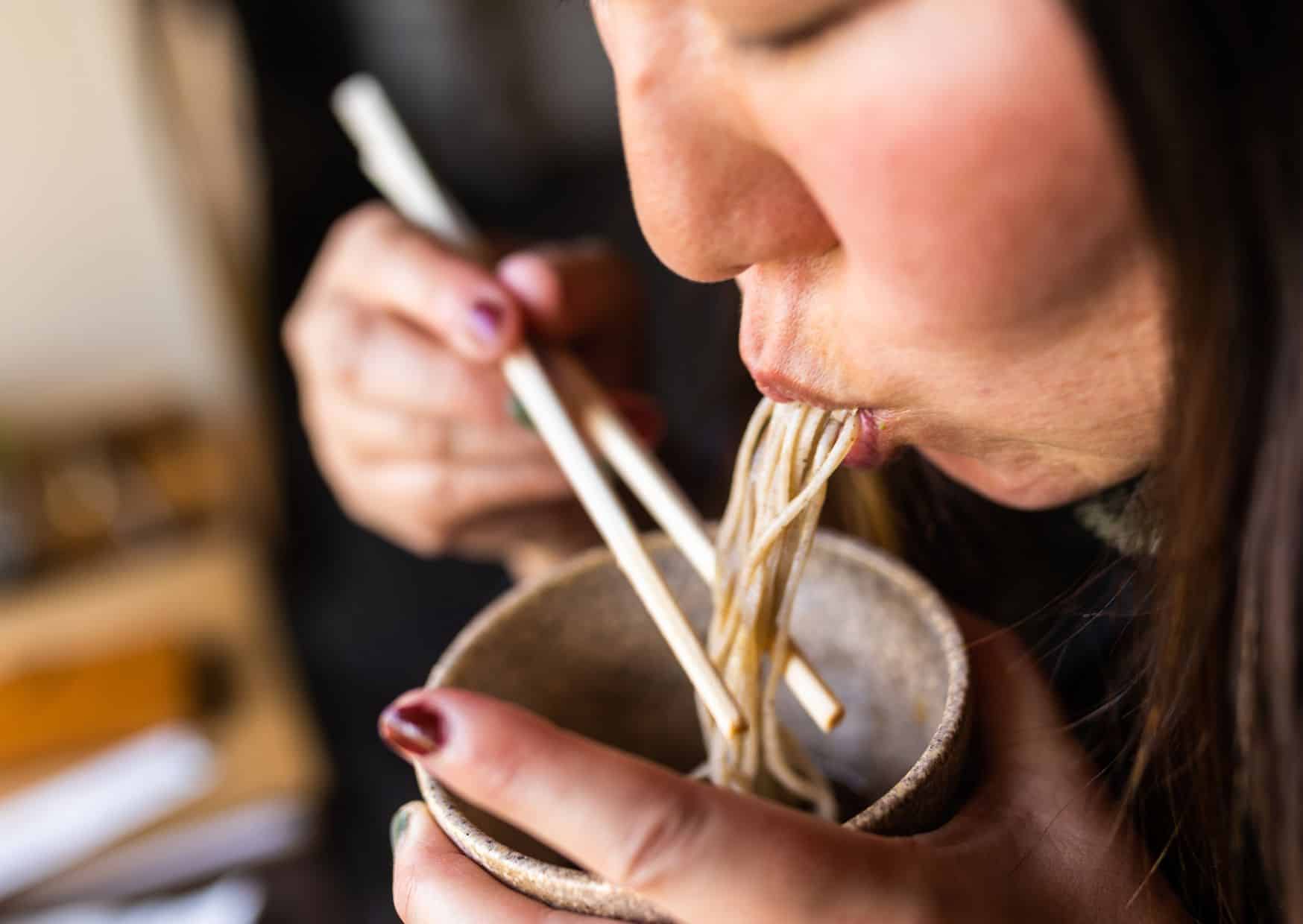
What to Know: In Japan, slurping noodles like ramen or soba is a sign of enjoying the meal and enhances the flavor.
Travel Tip: Don’t be shy—slurp away! It’s even expected at local ramen shops.
10. Japan Has Cat Islands
What to Know: Islands like Tashirojima and Aoshima are inhabited by more cats than humans, earning them the nickname “cat islands.”
Travel Tip: Bring cat treats and enjoy a visit to these quirky islands for a feline-filled experience.
11. You Can Sleep in a Buddhist Temple
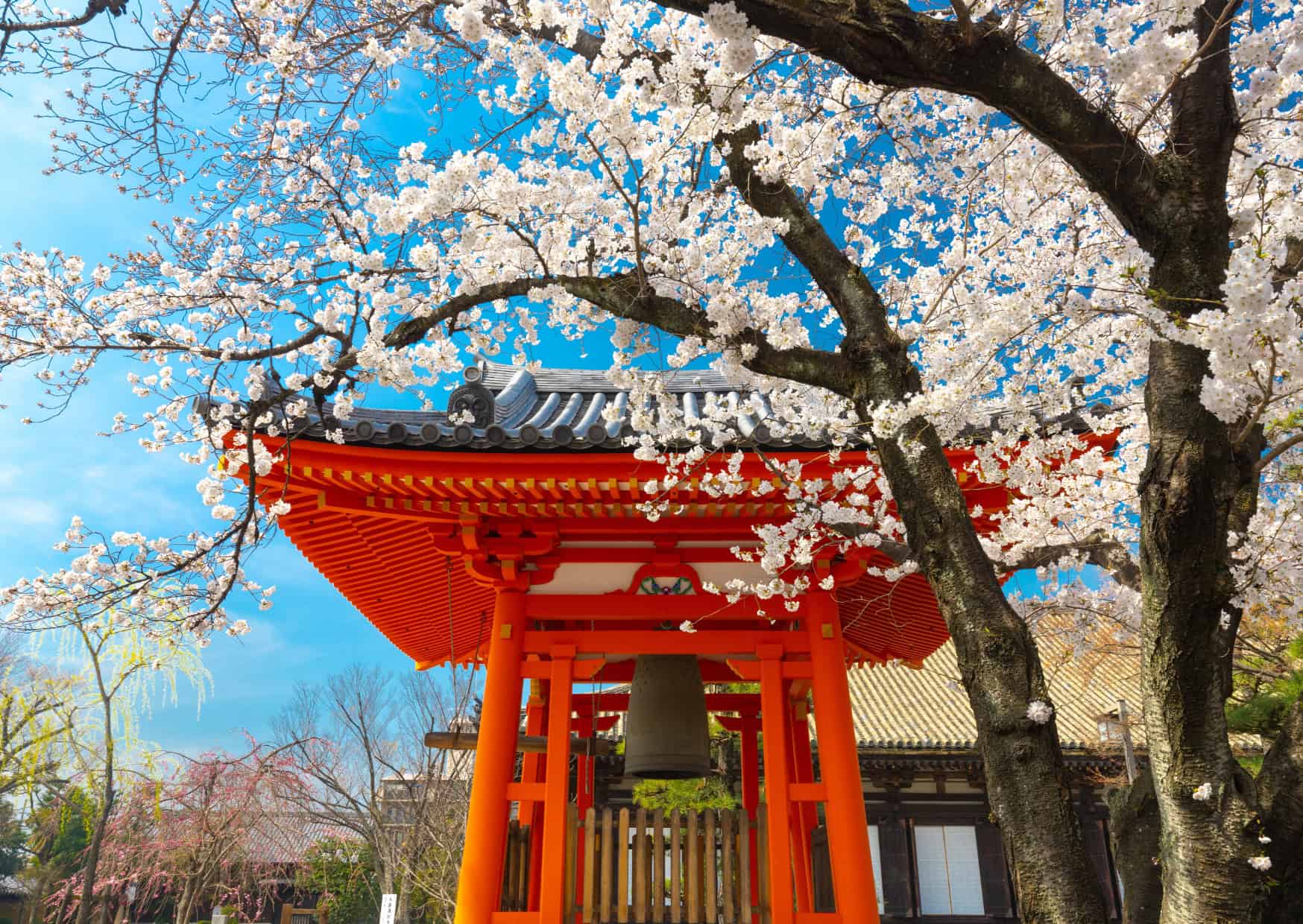
What to Know: Japan offers shukubo, or temple lodging, where visitors can stay overnight at Buddhist temples.
Travel Tip: Stay at Mount Koya (Koyasan) in Wakayama to experience meditation, vegetarian meals, and morning prayers.
12. Japan Has One of the Longest Life Expectancies
What to Know: The Japanese have an average life expectancy of over 84 years, attributed to a healthy diet and active lifestyle.
Travel Tip: Try traditional Japanese meals like sashimi, miso soup, and fermented foods such as natto to experience their diet.
13. Mount Fuji Is an Active Volcano
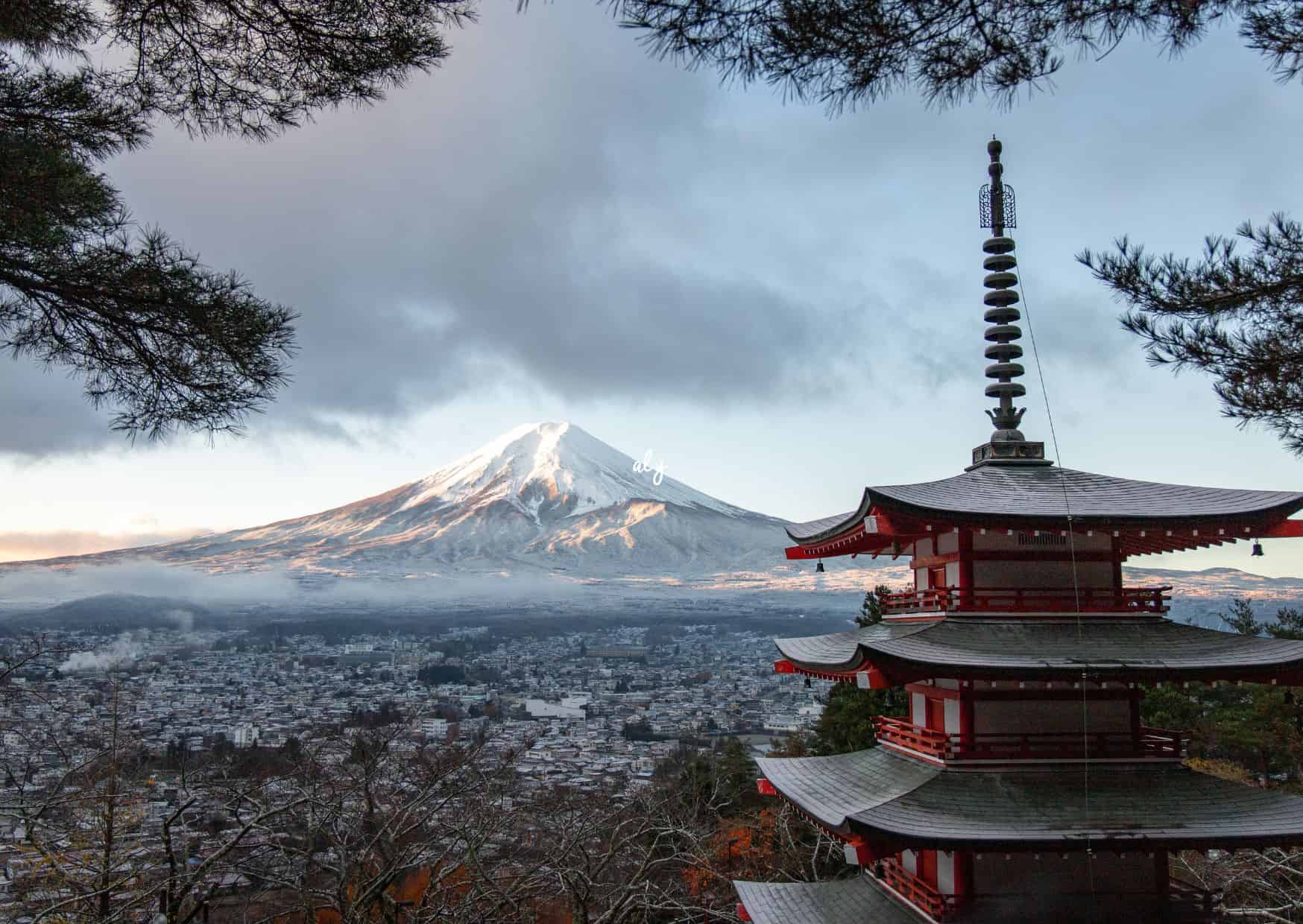
What to Know: Mount Fuji, Japan’s iconic peak, last erupted in 1707 and is still classified as an active volcano.
Travel Tip: Climb Mount Fuji during the official climbing season (July to September) for stunning sunrise views.
14. The Japanese Language Has No Plural Forms
What to Know: Japanese nouns don’t change in plural form. For example, “neko” can mean “cat” or “cats” depending on context.
Travel Tip: Learn basic phrases like “Arigato” (Thank you) or “Sumimasen” (Excuse me) to enhance your travel experience.
15. There’s a Forest Known as the “Sea of Trees”
What to Know: Aokigahara Forest, near Mount Fuji, is famous for its eerie silence and dense trees.
Travel Tip: Visit the forest with a guide to explore its caves and unique ecosystem safely.
16. Japan’s Toilets Are Technological Marvels
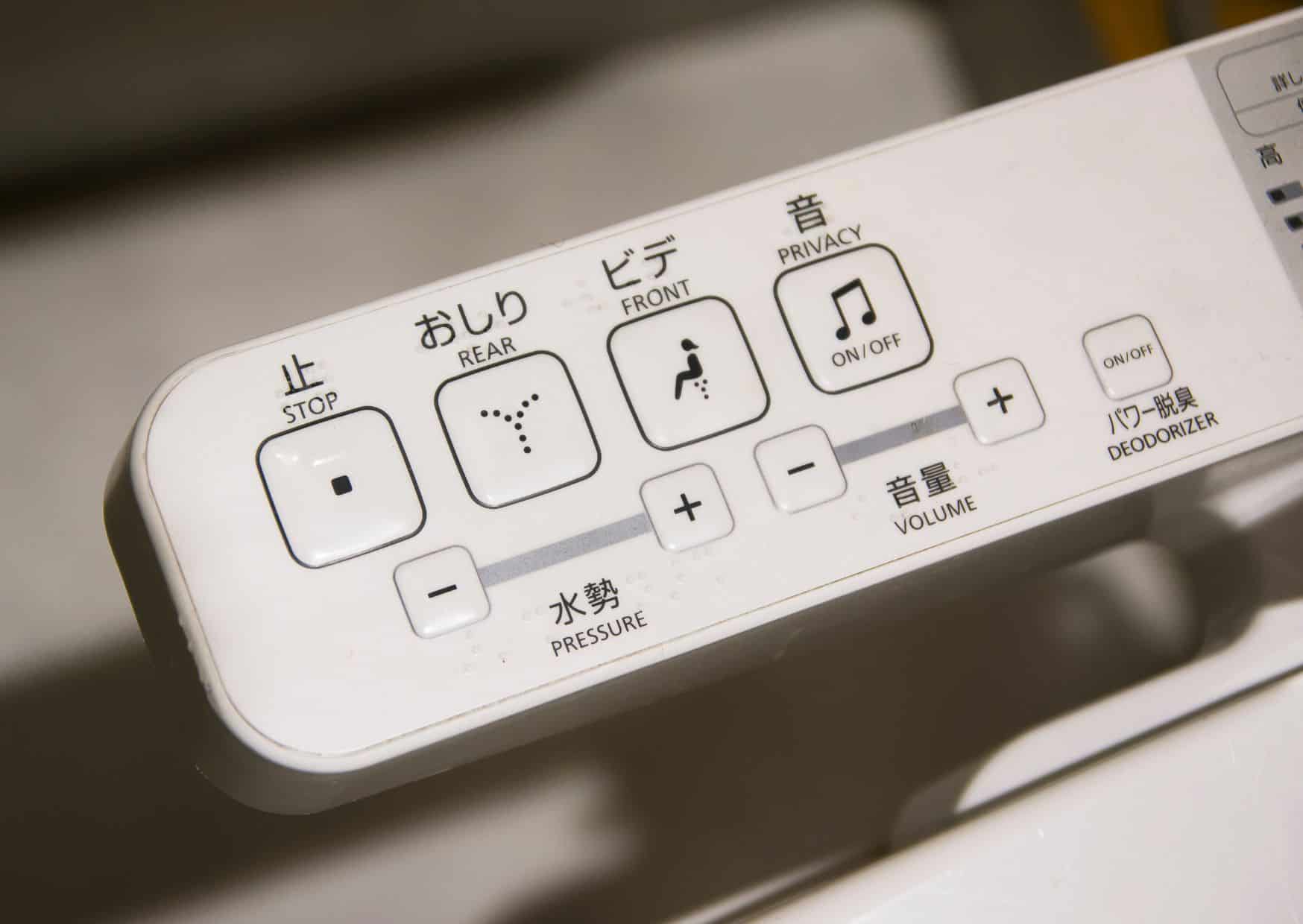
What to Know: Japanese toilets often feature heated seats, built-in bidets, and even sound-masking functions.
Travel Tip: Don’t be intimidated—most toilets have English instructions or icons.
17. Japan Has a Town Devoted to Foxes
What to Know: Zao Fox Village in Miyagi Prefecture is a sanctuary where you can interact with over 100 friendly foxes.
Travel Tip: Visit during winter for adorable photos of foxes in the snow.
18. Sushi Began as Street Food
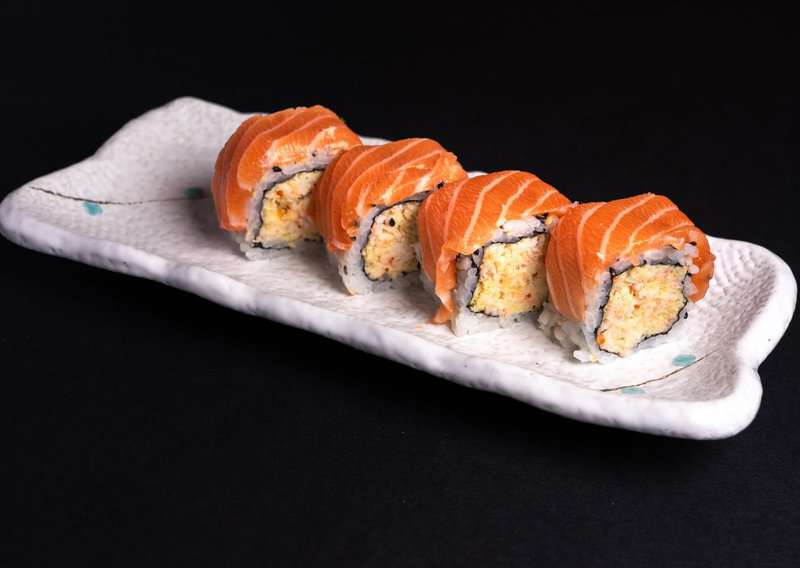
What to Know: Sushi originated as fast food in the Edo period, sold at stalls for quick consumption.
Travel Tip: For authentic sushi, visit Tsukiji Outer Market in Tokyo or try an omakase experience where the chef selects the dishes.
19. Japan’s Bullet Train Is One of the Fastest in the World
What to Know: The Shinkansen travels up to 320 km/h (200 mph) and is known for safety and efficiency.
Travel Tip: Take the train from Tokyo to Kyoto for a scenic and speedy journey.
20. Japan’s Forest Bathing Is Good for Your Health
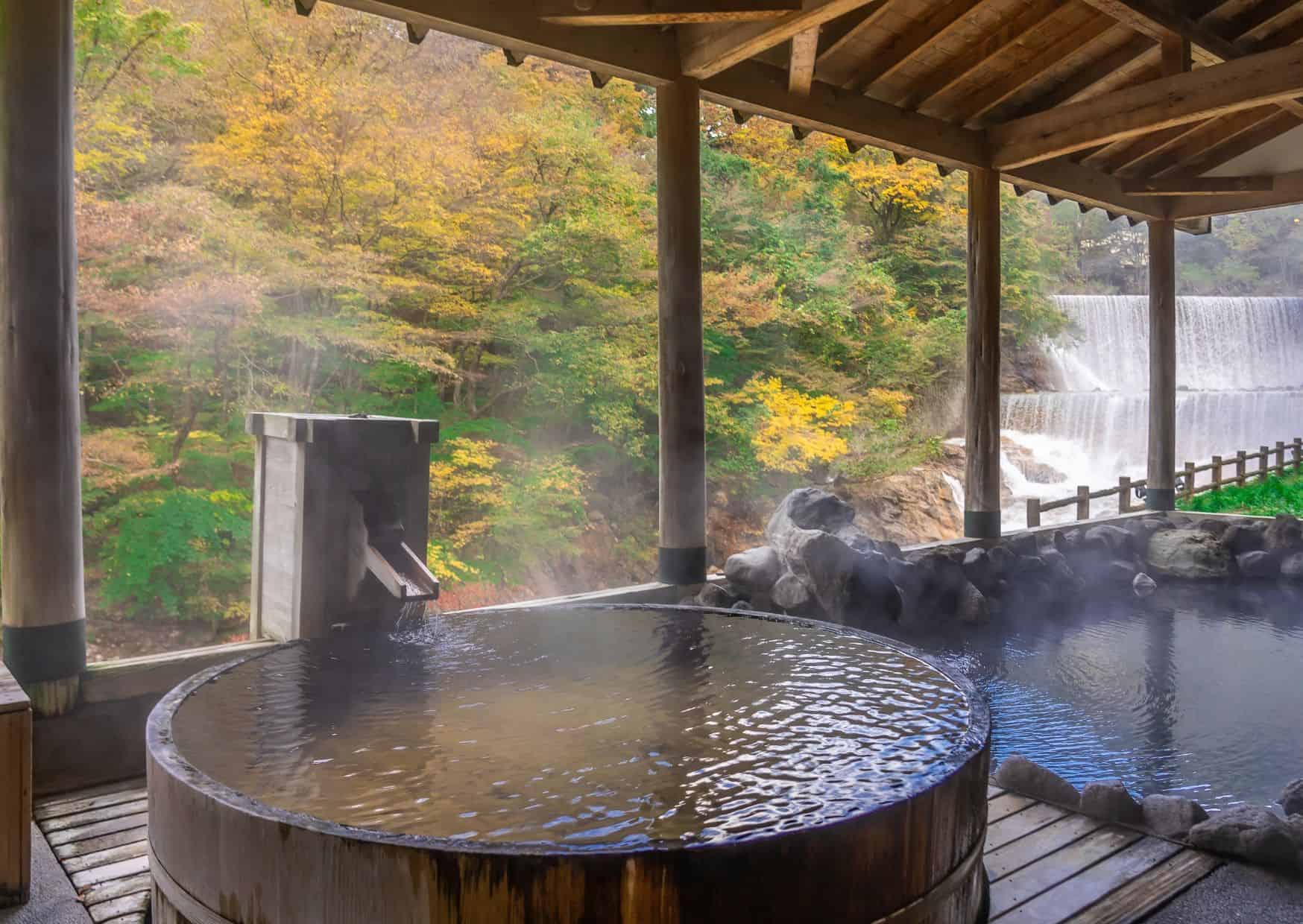
What to Know: The practice of Shinrin-yoku (forest bathing) involves spending time in nature to reduce stress and boost well-being.
Travel Tip: Visit Yakushima Island or Nikko for tranquil forest bathing experiences.
21. Japan Loves Kit Kats
What to Know: Japan has over 300 unique Kit Kat flavors, including matcha, wasabi, and sake.
Travel Tip: Pick up limited-edition flavors at airports or convenience stores.
22. The Land of No Tipping
What to Know: Tipping is not customary in Japan and can even be considered rude.
Travel Tip: Instead, express gratitude with a polite bow and say, “Arigato gozaimasu.”
23. There Are Robot Restaurants
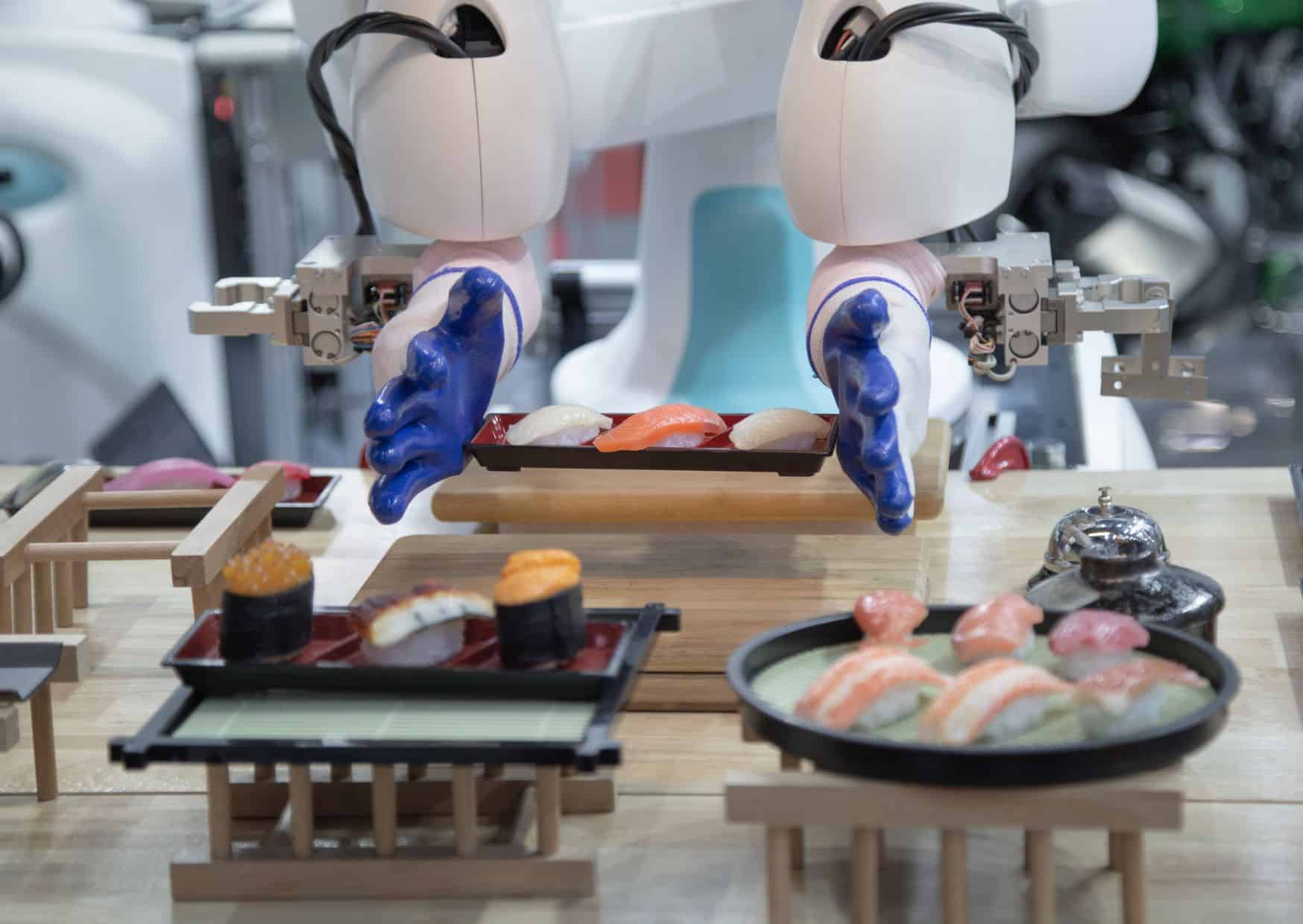
What to Know: Tokyo is home to futuristic dining experiences, like the Robot Restaurant, featuring robot performances and neon lights.
Travel Tip: Book in advance for these unique experiences in Shinjuku.
Final Thoughts
Learning these interesting facts about Japan goes beyond trivia; it helps you approach your travels or cultural studies with deeper awareness and empathy. Understanding not only the beautiful traditions but also the societal complexities equips you to interact more mindfully, appreciating what locals value and the challenges they face.
Next time you visit Japan, go beyond the top tourist sites. Observe the small details: how people line up quietly for trains, how shop staff greet each customer with care, or how students clean their own classrooms. These insights reveal Japan’s communal ethos, meticulous respect, and subtle joys that make it one of the world’s most unique destinations.
Ultimately, Japan is a country that continues to evolve while holding tight to its traditions. Its contrasts – old and new, strict and playful, communal and individual – are what make it endlessly fascinating. Embrace these facts as conversation starters and reflections that enrich your understanding of Japan, its people, and its enduring allure.

About the Author: Ruben, co-founder of Gamintraveler.com since 2014, is a seasoned traveler from Spain who has explored over 100 countries since 2009. Known for his extensive travel adventures across South America, Europe, the US, Australia, New Zealand, Asia, and Africa, Ruben combines his passion for adventurous yet sustainable living with his love for cycling, highlighted by his remarkable 5-month bicycle journey from Spain to Norway. He currently resides in Spain, where he continues sharing his travel experiences with his partner, Rachel, and their son, Han.