
Traveling to Europe from the United States can feel like stepping into a parallel universe — familiar, yet filled with subtle (and not-so-subtle) differences that can catch even seasoned travelers off guard. The architecture, the pace of life, and the sheer history might be enchanting, but the everyday habits and social customs often come with a fair dose of culture shock.
From unexpected mealtime hours and quiet Sunday closures to unspoken rules about personal space and conversation, Europe doesn’t operate on the same social script many Americans are used to. What’s considered polite, efficient, or normal in the U.S. can be interpreted very differently across the Atlantic.
This post breaks down 20 of the most surprising — and sometimes confusing — culture shocks Americans commonly experience when visiting Europe. Whether you’re preparing for your first trip or just curious about the quirks, this guide will help you understand what to expect and how to adapt with ease.
Read here how to pack for Europe and Best eSIM for Europe
BOOK YOUR TRAVEL INSURANCE
Two of our favorite travel insurance: Heymondo Vs Safetwing cheapest travel Insurance. You can get for $135 USD your Heymondo Travel Insurance with Heymondo discount code valid for 90 days. Read our full comparison of Genki vs Safetywing Travel Insurance Review and the comparison Heymondo vs Genki
Tips for Adjusting to Culture Shocks
Embrace the slower pace: Don’t expect lightning-fast service in restaurants — it’s not rudeness, it’s the norm.
Bring cash and a card: Some places, especially in Germany and Italy, still prefer cash for small purchases.
Quiet matters: Loud public conversations can draw unwanted attention, especially on public transport.
Greet properly: Say “hello” or the local equivalent when entering shops — it’s a must in many countries.
Mind the tipping: Tipping is appreciated but not expected in the same way as in the U.S. A few coins or rounding up is usually enough.
One of the biggest misunderstandings Americans face is mistaking reserved behavior for unfriendliness. In much of Europe, especially in Northern and Central regions, strangers don’t often smile at each other or initiate small talk. This doesn’t mean people are cold — it’s simply a different social boundary.
Another point of tension is the obsession with efficiency. Many American travelers expect fast service, 24/7 convenience, and an “on-demand” culture. In contrast, Europeans often value balance, closing shops on Sundays, taking long holidays, and drawing a hard line between work and personal life. It’s not bad service — it’s a different life philosophy.
And then there’s the topic of politics, healthcare, and social systems. Many Europeans are openly curious (or critical) about American systems and may not shy away from discussing them. While these conversations can be uncomfortable, they offer a window into how others view the U.S. — and why traveling with an open mind matters more than ever.
Culture Shocks for Americans in Europe
1. Dining Etiquette

Culture Shock:
Meals in Europe are often leisurely and can last several hours, especially in countries like France, Italy, or Spain.
Water is not automatically served, and you may have to pay for it (still or sparkling).
Tipping is less common or smaller (5–10%), as service charges are often included in the bill.
How to Adapt:
Be patient; dining is seen as an experience, not a quick meal.
Ask for the bill when ready—waiters won’t rush you.
Check if the tip is included (often listed as “service compris”).
2. Smaller Portions and No Free Refills
Culture Shock:
Portions in European restaurants are typically smaller than those in the U.S.
Free refills on soda, coffee, or water are rare.
How to Adapt:
Savor the smaller portions; it’s about quality over quantity.
If you want more, order a second drink or food item.
3. Limited Ice Usage

Culture Shock:
Drinks in Europe often come without ice or with just a few cubes, even in hot weather.
How to Adapt:
If you prefer ice, specifically request it when ordering (“with ice, please”).
Embrace the European norm of room-temperature beverages, especially for water.
4. Paying for Public Restrooms
Culture Shock:
Many public restrooms charge a small fee (usually €0.50–€1).
Restrooms may have an attendant or a coin-operated entrance.
How to Adapt:
Always carry small coins for restroom access.
Look for restrooms in cafes or train stations if you’re in a pinch.
5. Sundays are Quiet
Culture Shock:
Many stores, restaurants, and businesses close on Sundays, especially in countries like Germany or Switzerland.
How to Adapt:
Plan ahead and do essential shopping on Saturday.
Use Sundays to relax, enjoy nature, or explore open attractions like museums.
6. Emphasis on Public Transportation
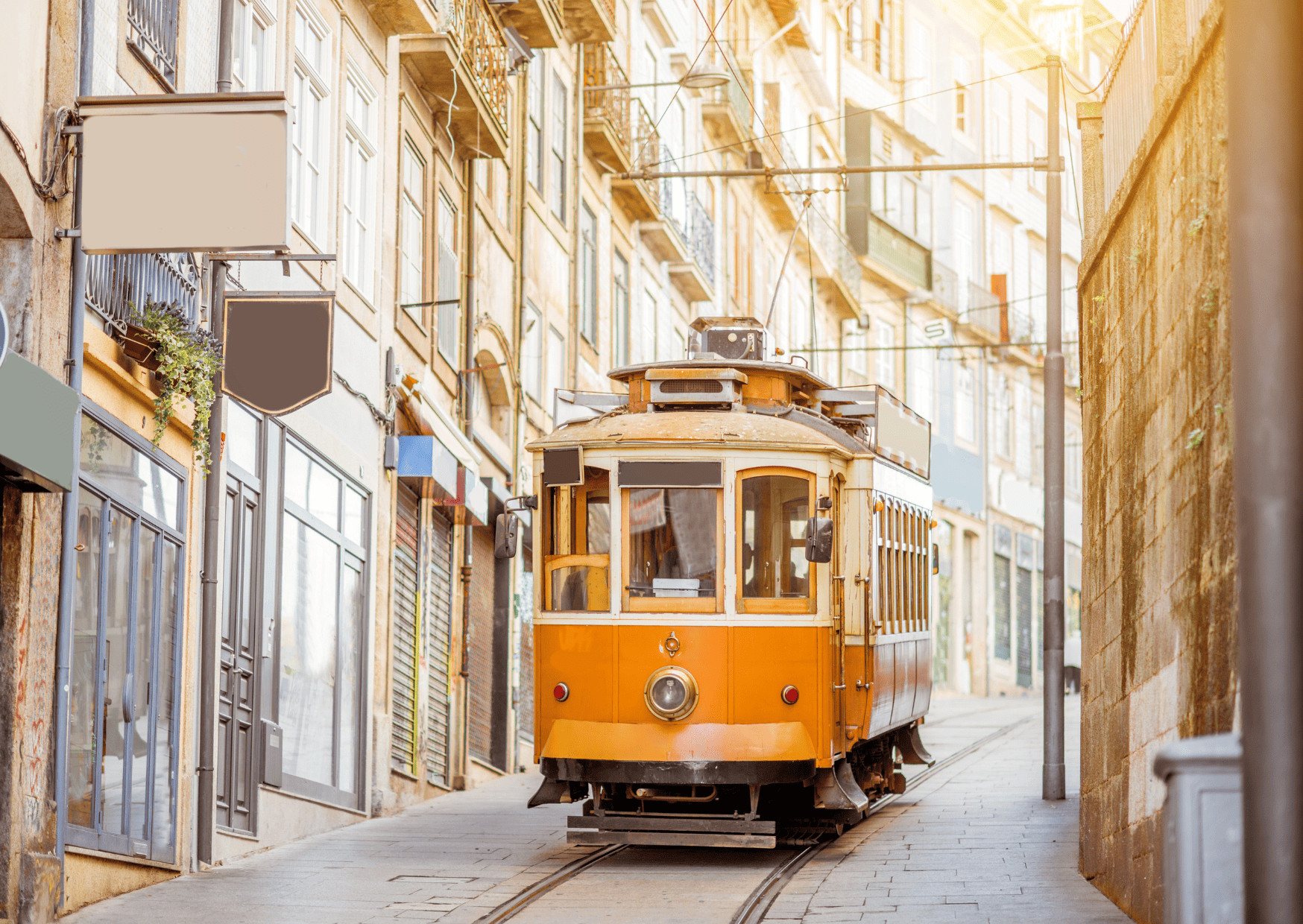
Culture Shock:
Public transportation is the norm in Europe, with extensive systems of trains, buses, and trams.
Cars are less commonly used in city centers, and parking can be expensive.
How to Adapt:
Familiarize yourself with local transit systems and purchase multi-day passes.
Walk or bike, as many cities are designed for pedestrians and cyclists.
7. Metric System
Culture Shock:
Europe uses the metric system for measurements (kilometers, kilograms, Celsius).
How to Adapt:
Learn basic conversions (e.g., 1 kilometer ≈ 0.62 miles, 1 kg ≈ 2.2 lbs, 0°C = 32°F).
Use apps or your smartphone’s calculator for quick conversions.
8. Fewer Large Grocery Stores
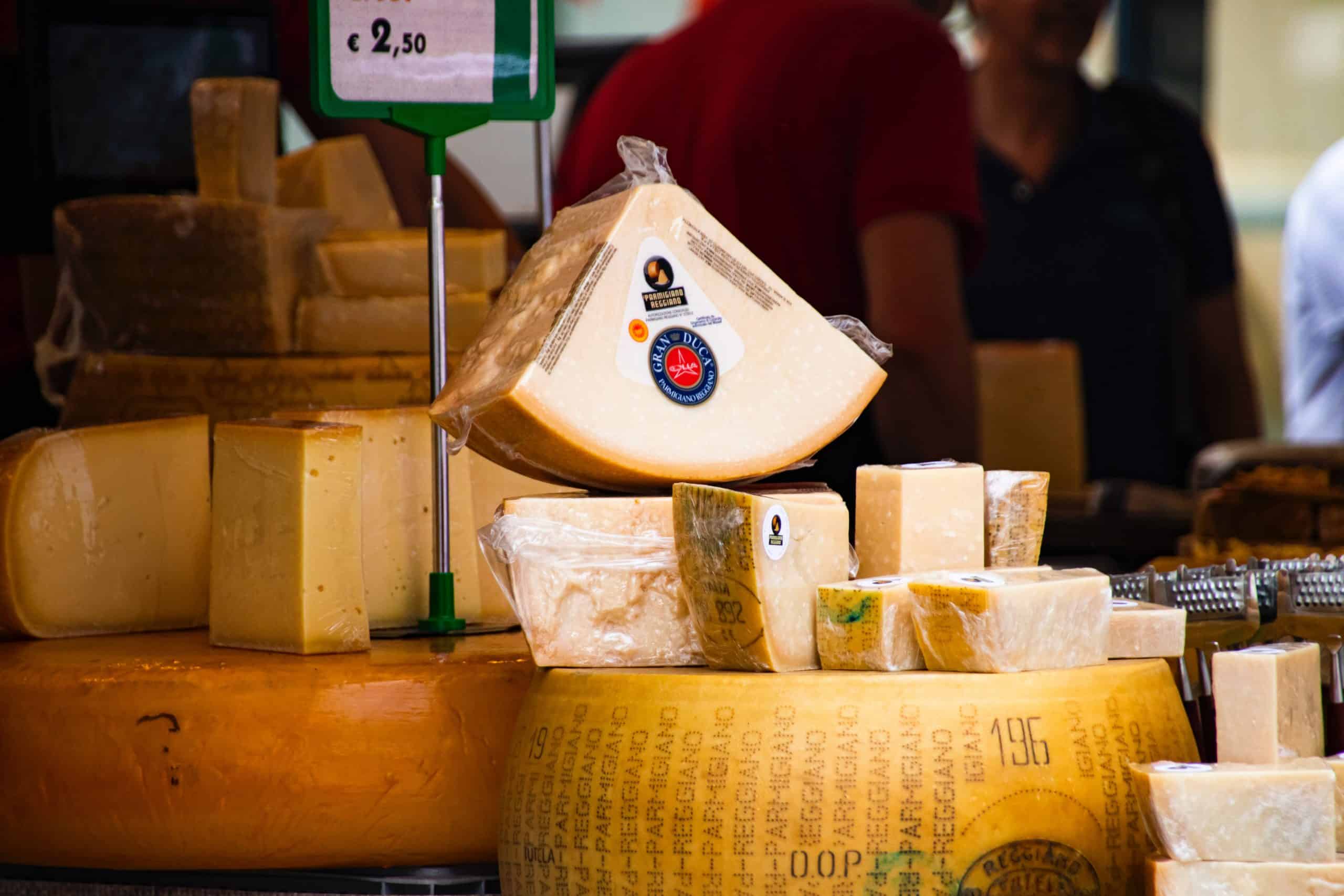
Culture Shock:
European cities often have smaller markets or specialty shops (bakeries, butchers, etc.) rather than large supermarkets.
How to Adapt:
Visit local markets for fresh, high-quality produce and food.
Enjoy the charm of buying bread at a bakery or cheese at a fromagerie.
9. Smoking is More Common

Culture Shock:
Smoking is more prevalent in Europe, especially in outdoor cafes or public spaces.
How to Adapt:
Be prepared to encounter smokers in outdoor areas or ask for a non-smoking section.
Avoid sitting too close to smoking areas if it bothers you.
10. No Air Conditioning
Culture Shock:
Air conditioning is less common, especially in homes and smaller hotels.
How to Adapt:
Book accommodations with fans or air conditioning if you’re visiting during summer.
Dress in light, breathable clothing during warmer months.
11. Cultural Nudity

Culture Shock:
Nudity is more accepted in Europe, whether on some beaches, in spas (like in Germany), or in advertising.
How to Adapt:
Be open-minded and understand that nudity is not as taboo as it is in the U.S.
If uncomfortable, research the norms of specific destinations beforehand.
12. Less Focus on Customer Service
Culture Shock:
Customer service can feel less enthusiastic or “over-the-top” compared to the U.S.
How to Adapt:
Don’t take it personally; service staff are often less involved but still professional.
Be polite and direct when asking for assistance.
13. Quiet Hours and Noise Restrictions
Culture Shock:
In many countries, there are quiet hours, especially in residential areas (often after 10 PM).
How to Adapt:
Keep noise levels low in the evenings and respect local norms.
Plan quieter activities for late-night hours.
14. Long Lunch Breaks and Siestas

Culture Shock:
In countries like Spain and Italy, lunch breaks can be long, with many businesses closing in the afternoon.
How to Adapt:
Plan activities around siesta hours and avoid expecting quick service during lunch.
Embrace the slower pace of life and enjoy a leisurely meal.
15. Roundabouts Instead of Traffic Lights
Culture Shock:
Roundabouts are far more common than traffic lights in Europe.
How to Adapt:
If driving, familiarize yourself with how to navigate roundabouts (yield to traffic already inside).
For pedestrians, be cautious and use designated crossings.
16. Cultural Formalities
Culture Shock:
Europeans may seem more formal, especially in countries like Germany or France. Titles and greetings are important.
How to Adapt:
Use formal greetings like “Bonjour” (France) or “Guten Tag” (Germany) when entering shops.
Learn basic phrases in the local language to show respect.
17. Smaller Living Spaces
Culture Shock:
Apartments, hotel rooms, and cars in Europe are often smaller than in the U.S.
How to Adapt:
Pack light and be prepared for cozy accommodations.
Embrace the efficient use of space.
18. Direct Communication
Culture Shock:
Europeans may be more direct in their speech, which can come across as blunt to Americans.
How to Adapt:
Don’t take directness personally; it’s often a sign of efficiency or honesty.
Be polite but concise when communicating.
19. Different Coffee Culture

Culture Shock:
Coffee in Europe is often smaller and stronger than the large cups of drip coffee in the U.S.
In Italy, cappuccinos are traditionally for breakfast only.
How to Adapt:
Order a café (espresso) or café au lait if you want something closer to U.S. coffee.
Avoid ordering “to-go”; take time to enjoy your coffee at a café.
20. Fewer 24/7 Services
Culture Shock:
Many shops, restaurants, and services close earlier than in the U.S., especially in smaller towns.
How to Adapt:
Check opening hours in advance and stock up on essentials during the day.
Adjust your expectations and plan your day around local hours.
Final Thoughts
The culture shocks you experience in Europe aren’t barriers — they’re invitations to observe, learn, and grow. Each unexpected difference is a lesson in how varied and vibrant human life can be across borders. The key is to travel with curiosity rather than comparison.
Once you get used to paying for water, walking everywhere, or taking your time at dinner, you might find yourself appreciating these differences more than you expected. Some travelers even adopt them permanently, bringing home slower meals, minimalist fashion, or an appreciation for smaller living spaces.
In the end, culture shock isn’t about what’s right or wrong — it’s about seeing the world through another lens. And that’s what travel is really about. The more you experience, the more you realize that the real “shock” is how much there is to discover when you step outside your comfort zone.

About the Author: Ruben, co-founder of Gamintraveler.com since 2014, is a seasoned traveler from Spain who has explored over 100 countries since 2009. Known for his extensive travel adventures across South America, Europe, the US, Australia, New Zealand, Asia, and Africa, Ruben combines his passion for adventurous yet sustainable living with his love for cycling, highlighted by his remarkable 5-month bicycle journey from Spain to Norway. He currently resides in Spain, where he continues sharing his travel experiences with his partner, Rachel, and their son, Han.