

Our guide on the rules about tipping in Portugal for your next trip.
Tipping in Portugal is not as customary as it is in the United States, but it is appreciated for good service. The rules for tipping vary depending on the situation, so here’s a guide on how, when, and how much to tip during your trip to Portugal.
Tipping in Portugal is simple and modest compared to other countries. By following these guidelines, you can show your appreciation for good service without over-tipping or feeling unsure.
Read here best things to know before visiting Portugal and the best Portugal sim card for tourist
BOOK YOUR TRAVEL INSURANCE
Two of our favorite travel insurance: Heymondo Vs Safetwing cheapest travel Insurance. You can get for $135 USD your HeymondoTravel Insurance with Heymondo discount code valid for 90 days. Read our full comparison of Genki vs Safetywing Travel Insurance Review and the comparison Heymondo vs Genki
Tips for Tipping in Portugal
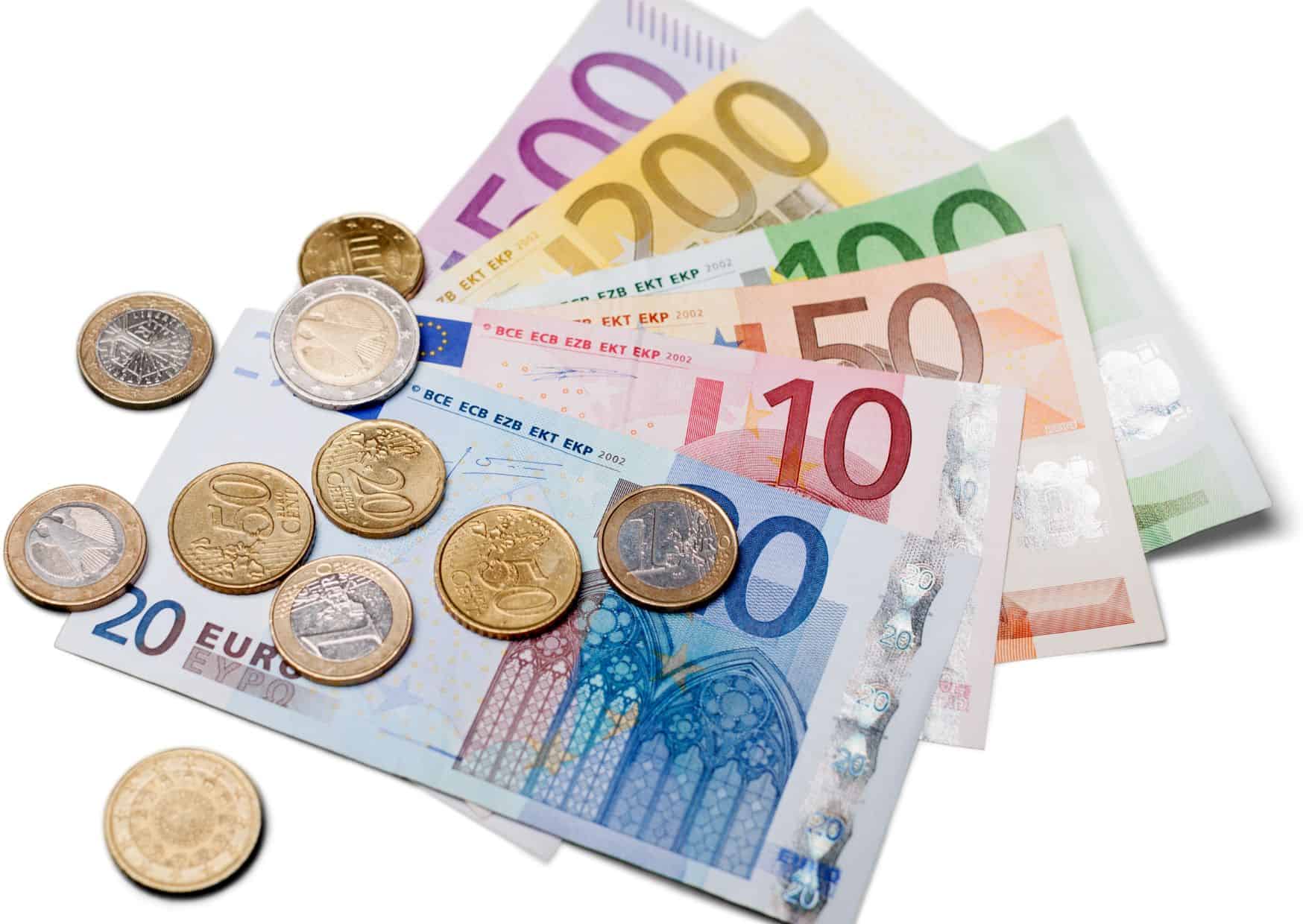
Carry Cash: Many small establishments and service workers prefer cash tips over card payments.
Discretion is Key: Tipping in Portugal is often done subtly, not in a flashy or overt way.
Service Charges: Check your bill; some high-end restaurants may include a service charge (typically labeled as “serviço”).
Round Up: Rounding up is an easy and common way to show appreciation without overthinking the amount.
Rules About Tipping in Portugal
1. General Tipping Culture in Portugal
Tipping is not obligatory but is considered a kind gesture for excellent service.
Service charges are usually not included in the bill, but tipping remains discretionary.
Locals often tip modestly, if at all, especially for everyday services.
2. Restaurants and Cafés

Casual Dining or Cafés:
Tipping Practice: Leave small coins (around €1–2) if you enjoyed the service.
Example: For a coffee and pastry at a café, leaving €0.50–€1 is sufficient.
Full-Service Restaurants:
Tipping Practice: Tip 5–10% of the total bill if the service was excellent.
How to Tip: Leave cash on the table or round up the bill if paying by card. Servers may not receive tips left on card payments unless specified.
Example: If your bill is €50, leave €5 for good service.
3. Bars and Nightlife
Tipping Practice: It’s not common to tip bartenders for a simple drink order, but leaving small coins (around €1) for excellent service or a complicated cocktail is appreciated.
Example: For a few drinks totaling €20, leaving €1–2 is enough.
4. Taxis and Rideshares
Tipping Practice: Tipping is not expected but rounding up to the nearest euro is common and appreciated.
Example: If your fare is €9.40, you might round it up to €10.
Rideshare Services: Apps like Uber and Bolt often allow tipping through the app, but it’s not obligatory.
5. Hotels
Bellhops:
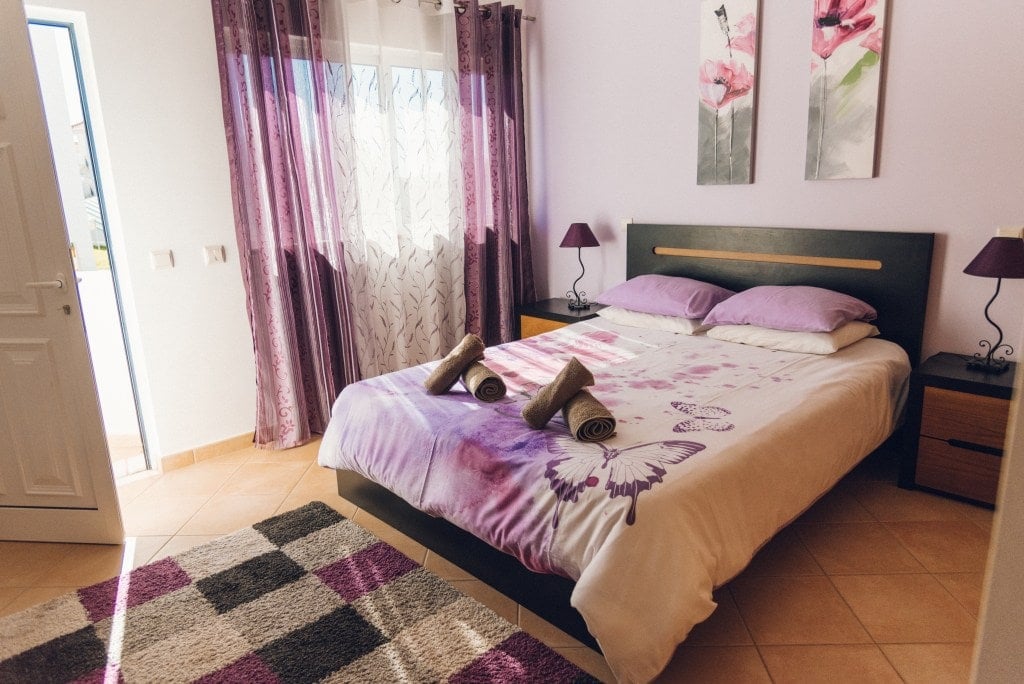
Tipping Practice: Tip €1–2 per bag, depending on the level of service.
Housekeeping:
Tipping Practice: Leave €1–2 per day in the room for the cleaning staff.
Concierge:
Tipping Practice: If the concierge provides exceptional assistance (e.g., securing hard-to-get reservations), tip €5–10 as a thank-you.
6. Tour Guides

Tipping Practice: For a group tour, tipping €5–10 per person is customary if you enjoyed the experience.
Private Guides: Tip €10–20 depending on the length and quality of the tour.
7. Hairdressers and Spa Services
Tipping Practice: Tipping is not expected but appreciated. Leave 5–10% of the bill if you’re satisfied with the service.
Example: For a haircut costing €40, you could tip €2–4.
8. Street Performers and Musicians
Tipping Practice: If you enjoy the performance, it’s customary to leave small coins (€1–2) in their hat or collection box.
9. Grocery Stores and Supermarkets
Tipping is not expected for supermarket cashiers or employees.
10. Petrol Stations
Tipping Practice: If an attendant helps with fueling or cleaning your windshield, leaving €1–2 is polite but not required.

About the Author: Ruben, co-founder of Gamintraveler.com since 2014, is a seasoned traveler from Spain who has explored over 100 countries since 2009. Known for his extensive travel adventures across South America, Europe, the US, Australia, New Zealand, Asia, and Africa, Ruben combines his passion for adventurous yet sustainable living with his love for cycling, highlighted by his remarkable 5-month bicycle journey from Spain to Norway. He currently resides in Spain, where he continues sharing his travel experiences with his partner, Rachel, and their son, Han.