
Finding cheap flights has become a competitive sport for travelers worldwide, with endless hacks promising big savings. One method that continues to spark curiosity (and debate) is using a VPN to score better flight prices. Airlines and booking platforms often adjust fares based on your location, browsing history, or regional market demand. A VPN can mask your IP address, making it appear as if you’re searching from a different country—sometimes unlocking hidden deals you wouldn’t otherwise see.
But while this trick sounds like easy money-saving magic, it comes with nuances. Not every VPN location yields cheaper prices, and switching too frequently without clearing cookies can backfire, showing even higher fares. Understanding how airline algorithms work and knowing when to use a VPN strategically can make the difference between saving hundreds on a flight or wasting hours with no results.
In this guide, you’ll learn quick practical tips to make VPN flight hunting work, common mistakes travelers make with this method, and the controversial realities behind geo-targeted pricing. By the end, you’ll know exactly when a VPN is worth your time—and when other booking strategies are smarter.
Read here Best eSim for International Travel and Best VPN for Digital Nomads
Read here Atlas VPN vs Surfshark VPN, ExpressVPN vs Surfshark VPN, Atlas VPN vs ExpressVPN and Atlas VPN vs Nord VPN
BOOK YOUR TRAVEL INSURANCE
Two of our favorite travel insurance: Heymondo Vs Safetwing cheapest travel Insurance. You can get for $135 USD your Heymondo Travel Insurance with Heymondo discount code valid for 90 days. Read our full comparison of Genki vs Safetywing Travel Insurance Review and the comparison Heymondo vs Genki
Quick & Easy Tips
Always clear cookies or use incognito mode when switching VPN locations to avoid price inflation from repeated searches.
Test multiple countries. Often, booking from developing countries (like India, Mexico, or Thailand) can show cheaper fares for the same route.
Compare results without a VPN first to ensure you’re not missing local deals or airline promotions specific to your real location.
While many travelers swear by VPNs for cheaper flights, critics argue that this practice is becoming less effective as airlines and booking sites refine their dynamic pricing algorithms. Some platforms now detect VPN usage or standardize international fares, making country-switching futile for certain routes. Relying solely on VPN hacks can lead to disappointment if travelers don’t combine them with traditional deal-finding methods like flexible dates, alternate airports, and fare alerts.
Another controversial layer is the ethics of geo-pricing. While travelers understandably want the lowest fares, VPN-based booking manipulates pricing models designed for market-specific purchasing power. Critics argue this practice can undermine equitable airline revenue structures, while others see it as a consumer’s right to overcome digital price discrimination.
Finally, there are practical risks. Some travelers report payment failures when purchasing tickets through VPN-masked countries, as credit card issuers flag transactions from unexpected locations as fraudulent. This can lead to canceled bookings, frozen cards, or the need to rebook at higher prices. Understanding these risks is essential before relying on VPNs as your main booking hack.
How to Use a VPN to Get Cheap Flights
1. Choose a Reliable VPN Service
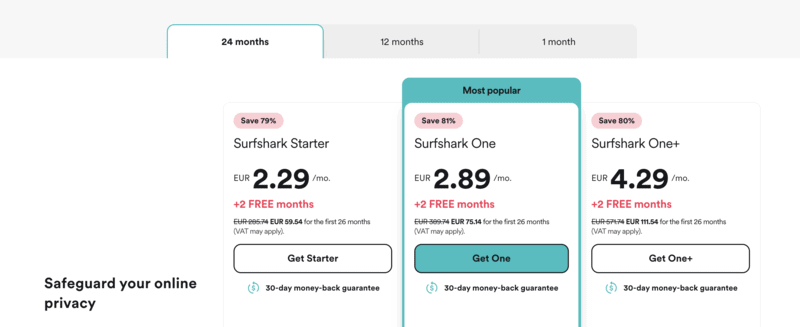
Not all VPNs are created equal, so selecting a reputable provider is crucial for privacy and speed. Free VPNs may not offer the same level of security or speed as paid options, which can be essential when booking flights.
Popular VPN Options:
ExpressVPN: Known for high-speed connections and a wide range of global servers.
NordVPN: Reliable and secure, with servers in numerous countries and affordable plans.
Surfshark: Budget-friendly with unlimited device connections.
CyberGhost: Known for user-friendly interfaces and extensive server options.
Tip: Make sure your VPN provider has servers in multiple countries, especially in locations where you want to check prices (e.g., the US, India, the UK, Singapore).
30-day money-back guarantee
Try and experience ExpressVPN with no strings attached for 30-days. ExpressVPN doesn’t offer a FREE VPN but you can utilize 30-day money back guarantee to test it all you want.
2. Clear Your Browser Cookies
Before starting your search, clear your browser’s cookies. Flight booking sites use cookies to track your browsing habits, and prices may increase if you repeatedly search for the same route. Clearing cookies prevents them from identifying you as a repeat visitor.
How to Clear Cookies:
In Chrome: Go to Settings > Privacy and Security > Clear browsing data.
In Firefox: Go to Options > Privacy & Security > Cookies and Site Data.
3. Connect to a VPN Server in a Different Country
Launch your VPN and connect to a server in another country. Start with a country where you think flight prices may be lower. For example:
Asia (e.g., India or Thailand): Often shows lower fares for flights, especially for budget airlines.
South America: For South American routes, using a server within the continent can sometimes yield better prices.
Eastern Europe: Certain routes show lower fares from Eastern European IP addresses.
Tip: Some booking sites may offer cheaper prices to customers in the same country as the airline’s hub. For example, using a Turkish server may yield cheaper prices for Turkish Airlines flights.
4. Search for Flights on Multiple Booking Platforms

Different booking platforms may have unique pricing policies based on location. Use popular flight comparison sites and booking engines like:
Google Flights: Quickly compare prices across airlines and dates.
Skyscanner: Known for finding budget options and flexible date searches.
Momondo: Offers a wide range of options and tends to show variations in fare prices across regions.
Kayak: Allows you to search in different currencies and provides a Price Alerts feature.
Repeat your search with your VPN set to different countries. Take note of the prices to compare and identify the lowest fare.
5. Check Airlines’ Own Websites
Once you’ve identified a cheaper fare using a VPN on a third-party site, go directly to the airline’s official website and check the fare there. Airlines sometimes offer lower prices on their own websites, especially for specific regions or countries.
Example: If you found a cheaper fare on a third-party site while connected to a server in Singapore, open the airline’s website and check the price again using the same VPN location.
6. Experiment with Different Currencies

Some sites will show cheaper prices when the fare is quoted in a different currency. For example, airlines in Europe may show cheaper fares in euros or local currency, while US-based airlines may offer better prices in dollars. Use the VPN to access these websites from a relevant country, and set the currency to match the country.
Example: If you connect to a server in Mexico, try setting the currency to the Mexican Peso. You may need to do a conversion to see how much you’ll save, but it can sometimes make a difference.
7. Book When You Find a Good Deal

Flight prices fluctuate constantly, so if you find a great deal, it’s best to book as soon as possible. Using a VPN may help you identify cheaper fares, but these deals don’t always last.
Additional Tips:
Consider using a travel credit card: Some travel credit cards may waive foreign transaction fees, saving you even more if you’re paying in a different currency.
Check refund policies: Ensure you’re aware of any refund or change policies on flights you book through international sites.
8. Turn Off the VPN Before Payment (Optional)
Some booking sites may flag VPN usage during payment. If you’re encountering issues, disconnect the VPN before completing your purchase. Make sure the flight price hasn’t changed when you reconnect with your regular IP address before finalizing payment.
9. Track Prices Over Time
Use VPNs to monitor flight prices periodically from different regions. Some platforms, like Google Flights and Skyscanner, allow you to set up price alerts. Even with a VPN, tracking prices over time can help you identify when fares are at their lowest.
Best Countries to Try for VPN-Based Flight Deals
While results can vary, some locations are consistently known to offer lower flight prices. Here are a few countries worth trying for cheaper fares:
India: Known for showing lower prices on some international flights.
Thailand and Malaysia: Southeast Asian servers often reveal budget-friendly options for flights within and outside the region.
Mexico and Brazil: Good options for flights to North and South America.
Turkey: Turkish servers can sometimes bring up cheaper fares for European flights, especially with Turkish Airlines.
Common Questions
Q1: Is it legal to use a VPN for finding flight deals?
Yes, using a VPN to browse for flight prices is legal. However, some booking platforms may have policies against it and could display errors or change prices if VPN use is detected.
Q2: Will using a VPN always get me cheaper flights?
Not necessarily. VPNs can help uncover lower fares from certain regions, but prices depend on various factors, including demand, time of booking, and airline policies.
Q3: Is there a risk of getting charged extra fees?
Booking in a foreign currency could result in foreign transaction fees. Using a travel credit card that waives these fees can help avoid this issue.
Conclusion Using a VPN To Get Cheap Flight Tickets
Using a VPN to find cheaper flights can be a smart tool in your travel hacking toolkit, but it’s not a magic bullet. Combined with flexible planning, off-peak travel, and fare alerts, it may help you unlock deals hidden by regional algorithms. However, it requires patience, experimentation, and realistic expectations.
Remember that travel savings often come from a blend of strategies, not just a single hack. If VPN searches aren’t yielding results, pivot to other proven methods like signing up for airline newsletters, booking mid-week, or using local OTAs in destination countries without masking your location.
At the end of the day, the goal isn’t just to save money—it’s to travel smarter, reduce stress, and focus your energy on planning incredible experiences rather than endlessly chasing fluctuating prices. Because the best travel stories don’t come from spending hours gaming the system—but from finally boarding that flight to a new adventure.

About the Author: Ruben, co-founder of Gamintraveler.com since 2014, is a seasoned traveler from Spain who has explored over 100 countries since 2009. Known for his extensive travel adventures across South America, Europe, the US, Australia, New Zealand, Asia, and Africa, Ruben combines his passion for adventurous yet sustainable living with his love for cycling, highlighted by his remarkable 5-month bicycle journey from Spain to Norway. He currently resides in Spain, where he continues sharing his travel experiences with his partner, Rachel, and their son, Han.