
Our guide on Northern Europe Vs Southern Europe and which is better for travel and food.
Europe is a diverse continent with a rich blend of cultures, histories, and cuisines, divided broadly into the cooler, often more structured landscapes of Northern Europe and the sun-drenched, vibrant regions of Southern Europe.
Deciding between these two areas for your next trip depends on the type of experience you’re seeking, from cuisine and climate to architecture and activities. Below, I’ll break down the highlights of both regions to help you choose the best travel experience based on your preferences.
Read here how to pack for Europe and Best eSIM for Europe
BOOK YOUR TRAVEL INSURANCE
Two of our favorite travel insurance: Heymondo Vs Safetwing cheapest travel Insurance. You can get for $135 USD your Heymondo Travel Insurance with Heymondo discount code valid for 90 days. Read our full comparison of Genki vs Safetywing Travel Insurance Review and the comparison Heymondo vs Genki
Northern Europe Vs Southern Europe
Northern Europe: Travel and Food Guide
Countries & Destinations
Scandinavia: Sweden, Norway, Denmark
Baltic States: Estonia, Latvia, Lithuania
British Isles: UK and Ireland
Benelux: Belgium, Netherlands, Luxembourg
Northern Germany & Poland
Best For:
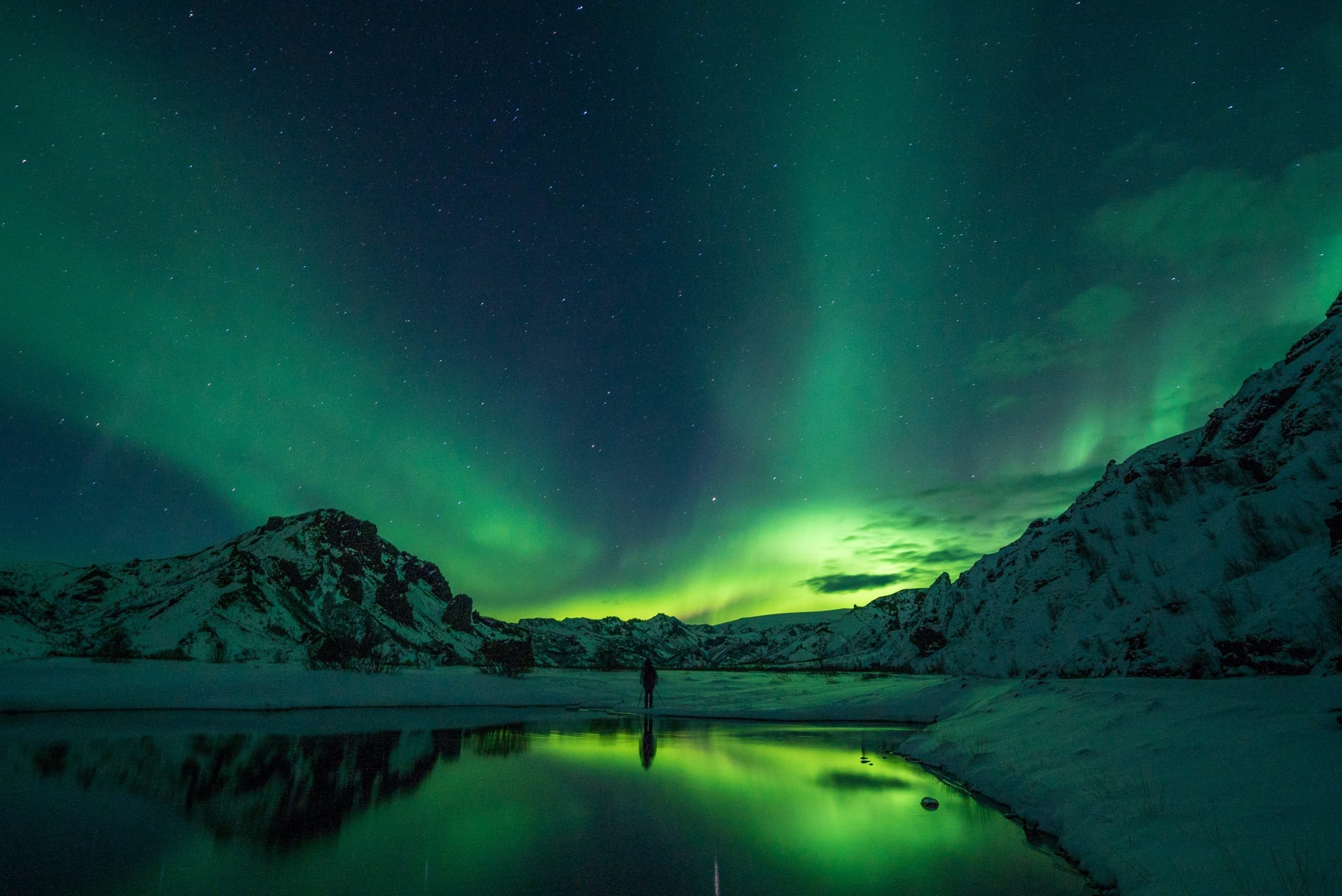
Nature Enthusiasts: Fjords, mountains, northern lights, and serene lakes.
History Buffs: Castles, Viking heritage, medieval towns, and WWII history.
Design & Architecture Lovers: Modern Scandinavian design, Gothic and Renaissance architecture.
Adventure Seekers: Hiking, skiing, and exploring remote wilderness areas.
Travel Highlights
Northern Lights: Norway, Sweden, and Finland are prime spots to see the aurora borealis, best viewed between October and March.
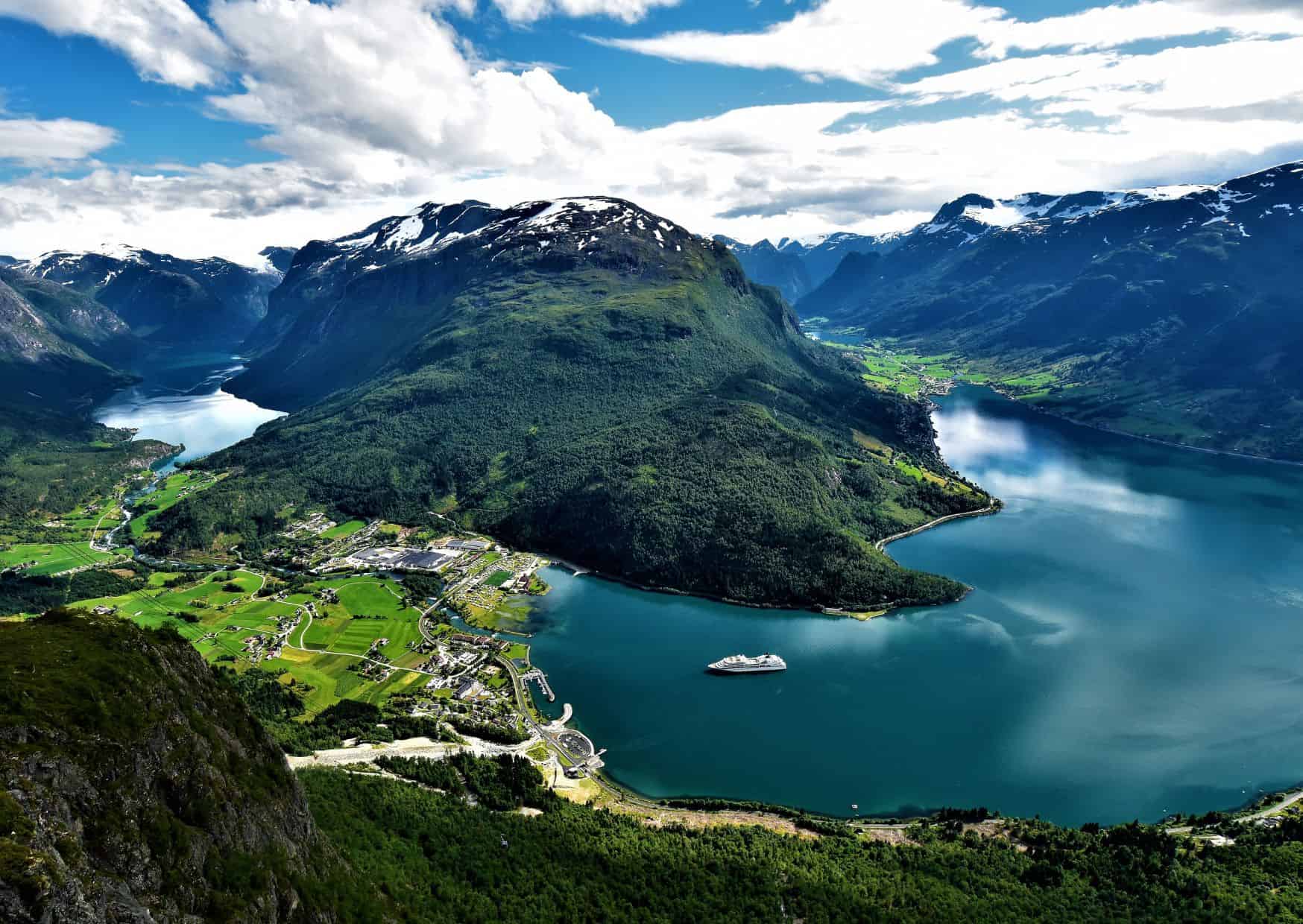
Scandinavian Fjords: Explore the stunning fjords of Norway, such as Geirangerfjord and Sognefjord.
Medieval Charm: Visit Tallinn’s Old Town (Estonia), Bruges (Belgium), and Rothenburg ob der Tauber (Germany).
Royal Heritage: Tour the grand palaces of Stockholm, Copenhagen, and London.
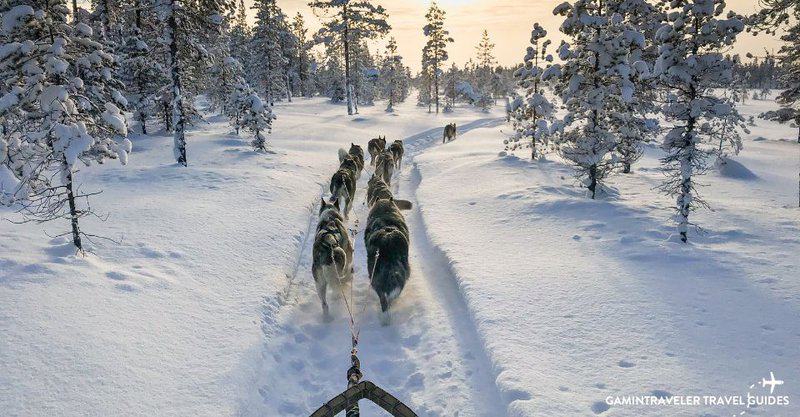
Unique Experiences: Dog sledding in Lapland, sauna culture in Finland, or visiting the Keukenhof tulip gardens in the Netherlands.
Food Highlights
Cuisine Characteristics: Hearty, simple, and seasonal with a focus on seafood, root vegetables, rye bread, and dairy.
Popular Dishes:
Smørrebrød (Denmark): Open-faced rye bread sandwiches with varied toppings like herring, shrimp, or roast beef.
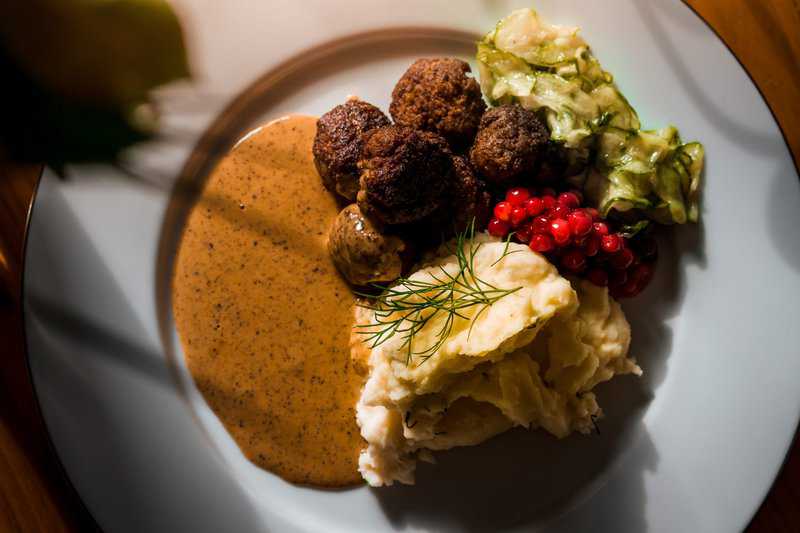
Swedish Meatballs: Served with lingonberry sauce and potatoes.
Fish & Chips (UK): Crispy battered fish served with thick-cut fries and mushy peas.
Rye Bread and Smoked Salmon: Found throughout the region, especially in Norway and Iceland.
Belgian Waffles & Frites: A must-try in Belgium, paired with a rich variety of sauces and craft beers.
Pros of Traveling to Northern Europe
Clean and Safe: Northern Europe is known for its cleanliness, safety, and efficient public transportation systems.
Spectacular Nature: Stunning fjords, mountains, lakes, and Arctic scenery.
Unique Seasonal Experiences: Midnight sun in summer, northern lights in winter.
Cons of Traveling to Northern Europe
Expensive: Scandinavia, in particular, can be costly for accommodation, food, and transport.
Cooler Climate: Even in summer, temperatures can be mild. Winters are long and dark, which may not appeal to sunseekers.
Best Time to Visit
Summer (June-August): For milder weather, long days, and outdoor activities.
Winter (December-March): For winter sports, Christmas markets, and the northern lights.
Southern Europe: Travel and Food Guide
Countries & Destinations
Iberian Peninsula: Spain and Portugal
Italy
Greece
The Balkans: Croatia, Montenegro, Albania
Southern France
Best For:
Food Lovers: A paradise for fresh, flavorful Mediterranean cuisine, wines, and diverse culinary traditions.
History Enthusiasts: Ancient ruins, Renaissance art, Moorish architecture.
Beach & Sun Seekers: Pristine beaches, island hopping, and vibrant coastal towns.
Culture & Nightlife: Flamenco in Spain, Greek tavernas, and Italian piazzas alive with energy.
Travel Highlights
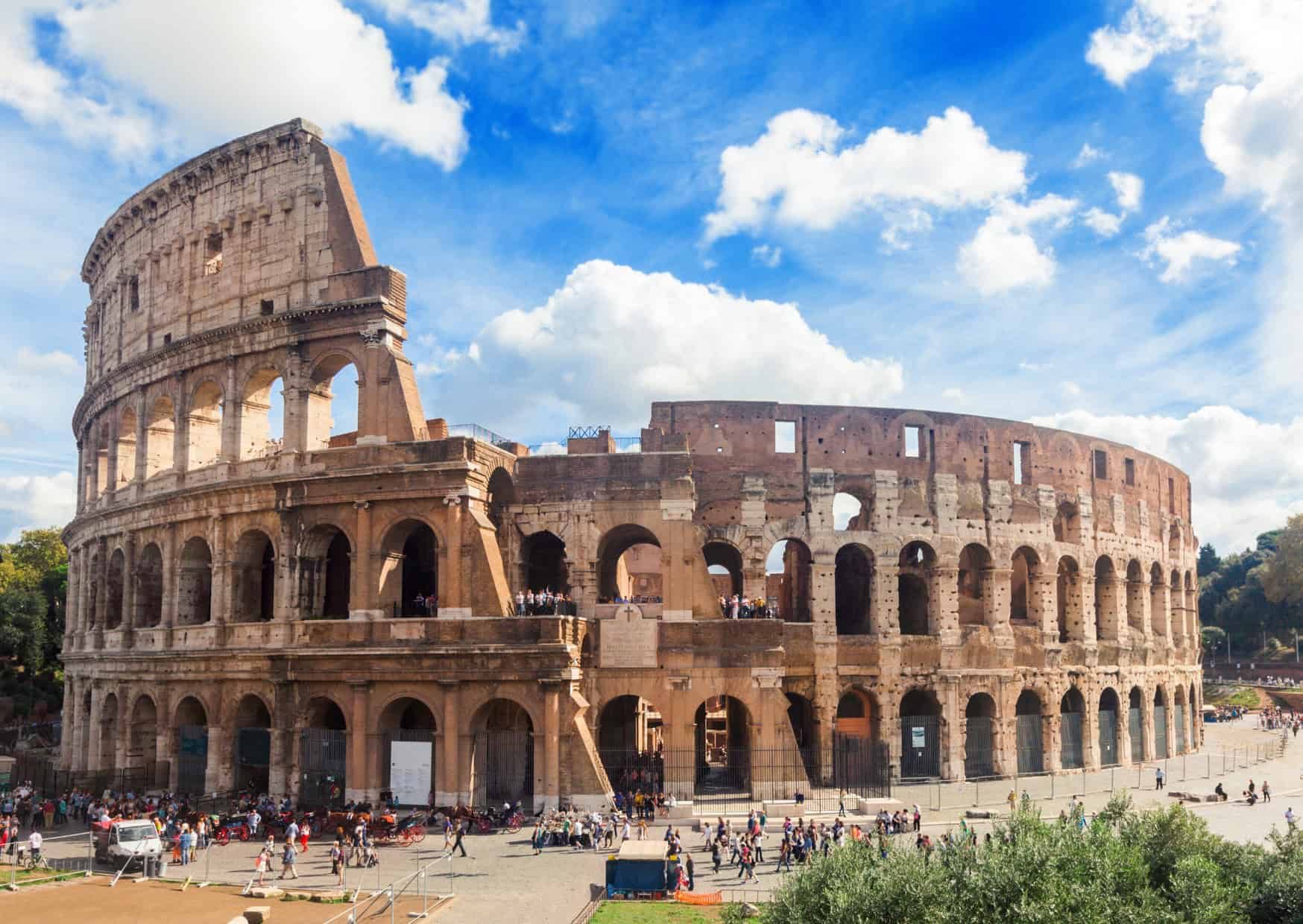
Historic Cities: Wander through Rome’s Colosseum, Barcelona’s Sagrada Família, and Athens’ Acropolis.
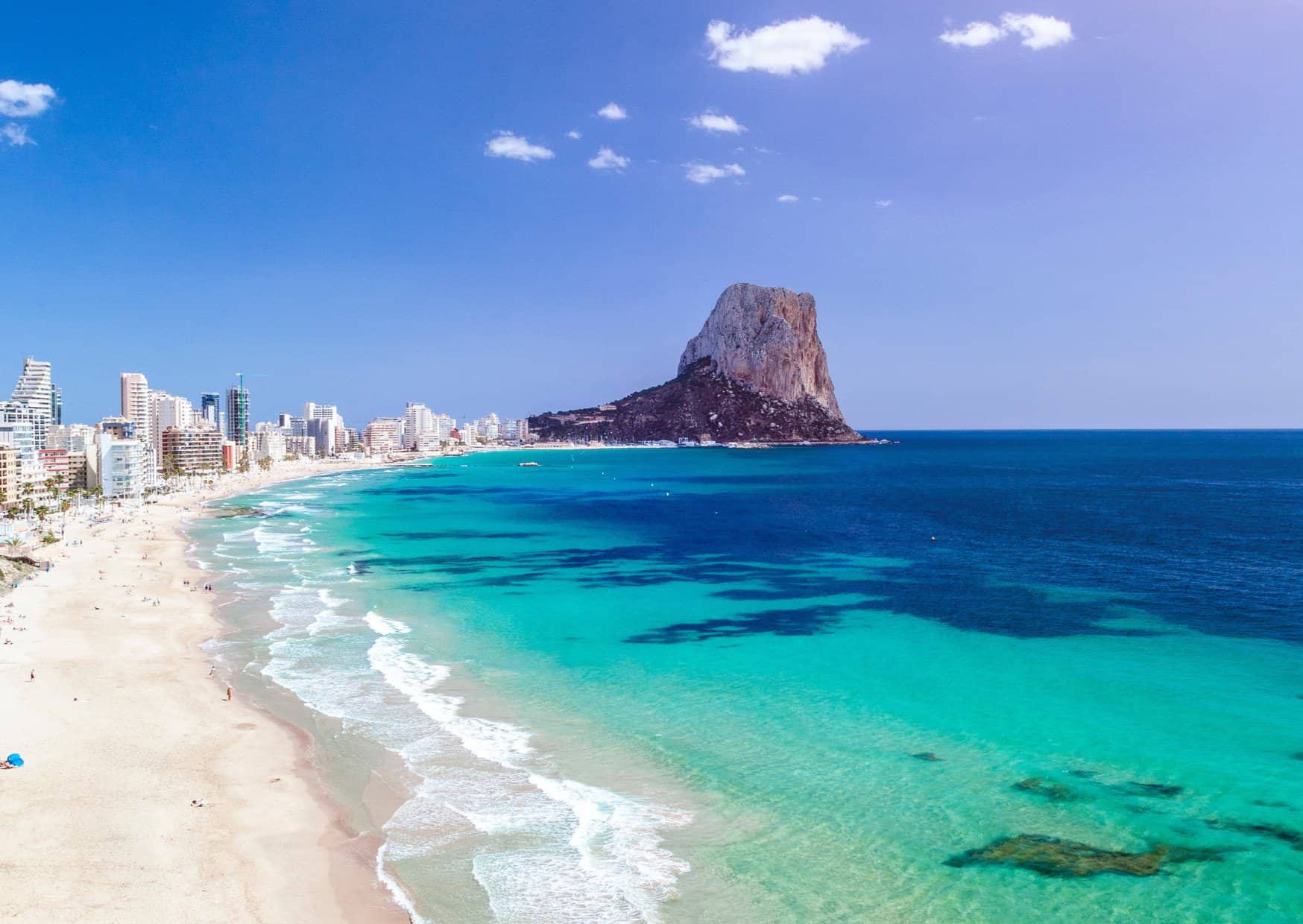
Coastal Beauty: Explore the stunning Amalfi Coast (Italy), the Greek Islands, and the Algarve (Portugal).
Wine Regions: Sip Chianti in Tuscany, Douro wines in Portugal, or visit the Rioja region in Spain.
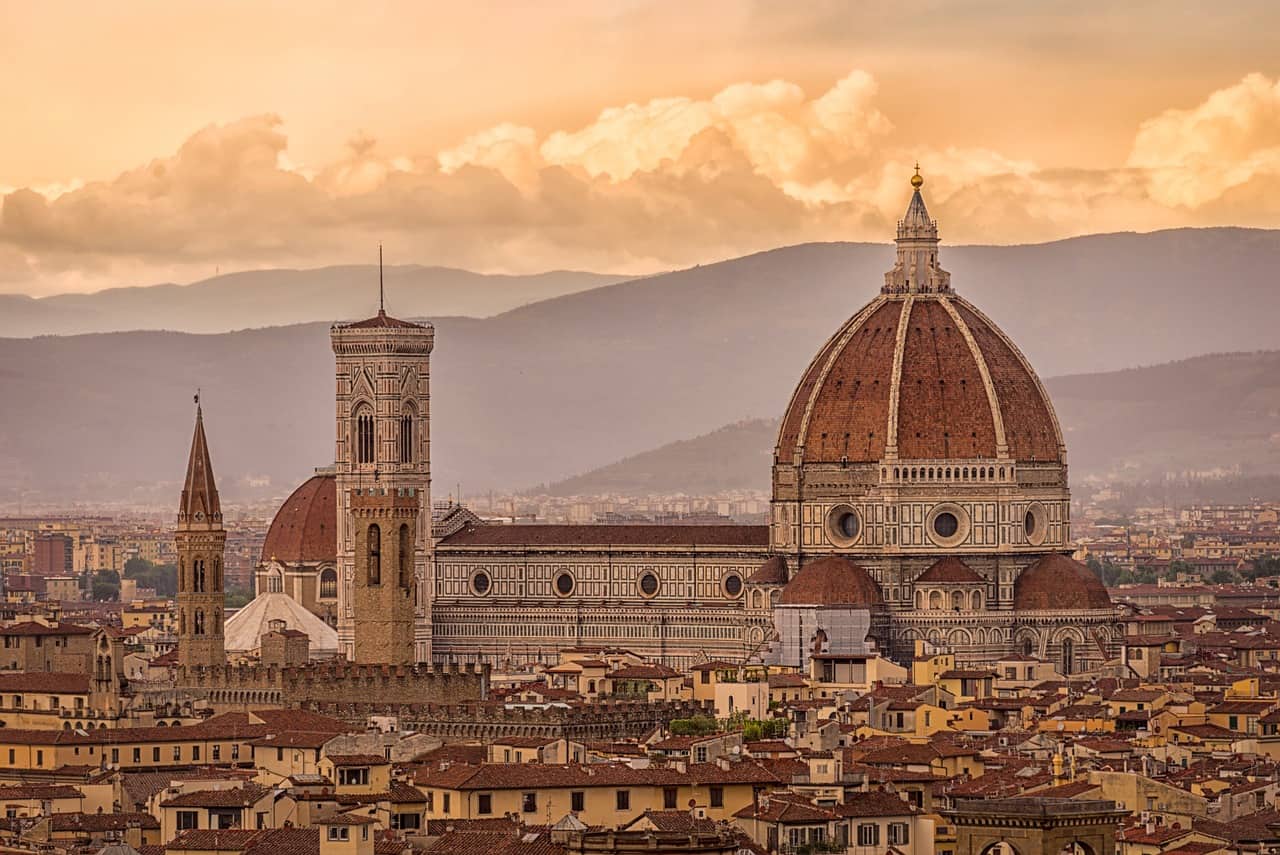
Art & Architecture: Admire the Renaissance masterpieces in Florence, the Moorish palaces of Granada, and Gaudí’s whimsical designs in Barcelona.
Unique Experiences: Take a gondola ride in Venice, enjoy a Flamenco show in Seville, or attend a Portuguese Fado performance in Lisbon.
Food Highlights
Cuisine Characteristics: Fresh, seasonal ingredients; olive oil, garlic, and herbs; a focus on seafood, cured meats, and fresh vegetables.
Popular Dishes:
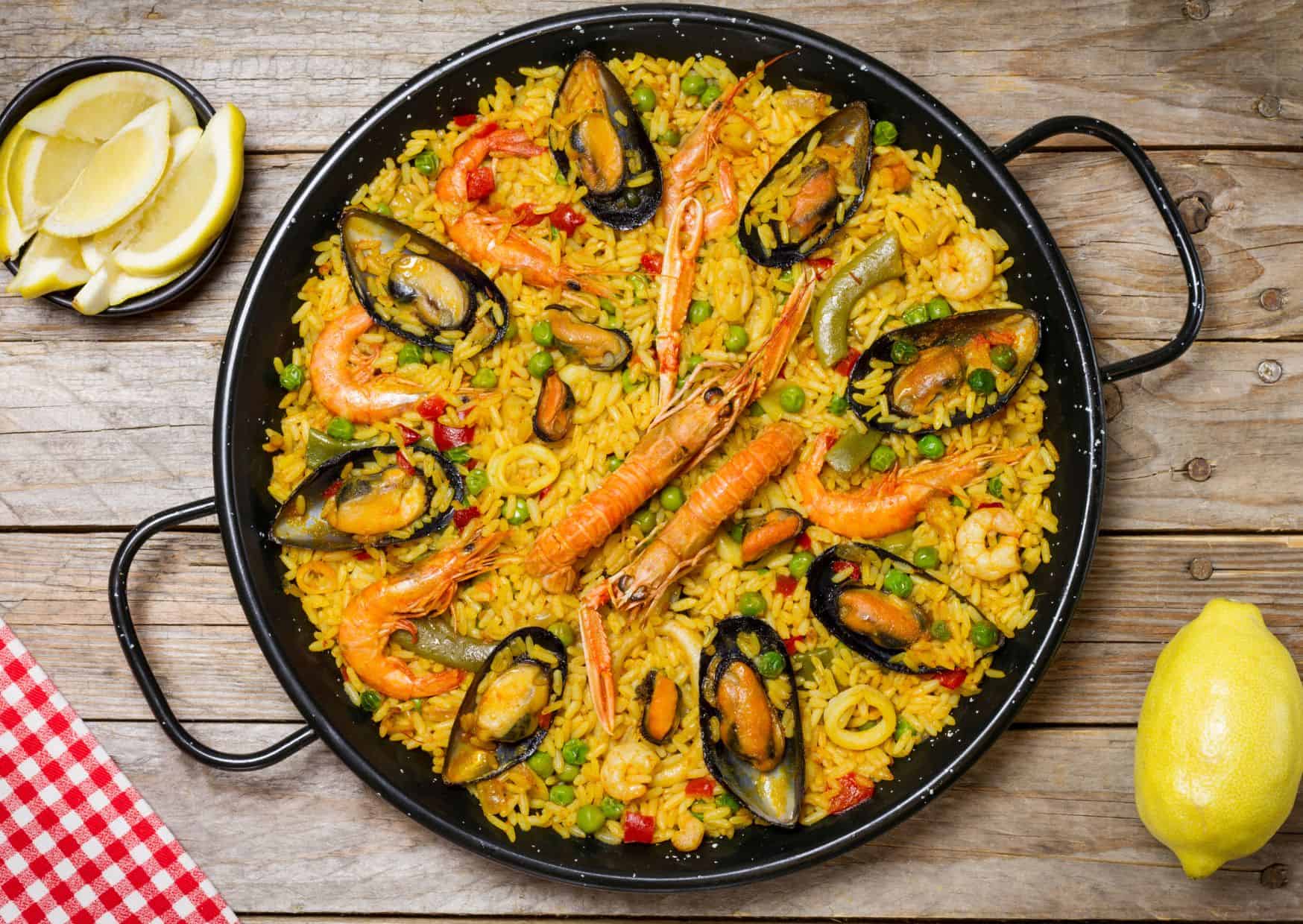
Paella (Spain): A rice dish often made with seafood, chicken, and saffron.
Pasta & Pizza (Italy): Countless variations of pasta dishes and thin-crust pizza topped with fresh ingredients.
Moussaka (Greece): A layered dish with eggplant, ground meat, and béchamel sauce.
Bacalhau à Brás (Portugal): Shredded salted cod mixed with onions, potatoes, and eggs.
Croatian Peka: A slow-cooked dish of meat and vegetables under a bell-shaped lid.
Pros of Traveling to Southern Europe
Affordable: Compared to Northern Europe, countries like Portugal, Greece, and parts of Spain and Italy can be budget-friendly.
Sunny Weather: Long, sunny days with warm temperatures, especially from late spring to early autumn.
Rich in History & Culture: From ancient ruins to vibrant festivals, every corner is steeped in history.
Cons of Traveling to Southern Europe
Crowded in Summer: Popular tourist spots like the Greek Islands, Amalfi Coast, and Barcelona can become very crowded in peak season.
Language Barriers: English may not be as widely spoken in rural areas.
Weather Extremes: Summers can be extremely hot, especially in inland areas of Spain and Italy.
Best Time to Visit
Spring (April-June) & Autumn (September-October): For mild temperatures, fewer crowds, and ideal sightseeing conditions.
Summer (July-August): Perfect for beach lovers, but expect high temperatures and busy tourist areas.
Which is Better for Travel and Food?
Best for Travel:

Northern Europe: If you prefer dramatic landscapes, unique natural phenomena like the northern lights, and a quieter, more structured travel experience, Northern Europe is the way to go. It’s ideal for nature enthusiasts and those interested in historical cities and modern design.
Southern Europe: If your priority is sunny weather, vibrant culture, and a laid-back atmosphere, Southern Europe is perfect. It’s great for beach vacations, culinary adventures, and immersing yourself in lively local traditions and festivals.
Best for Food:
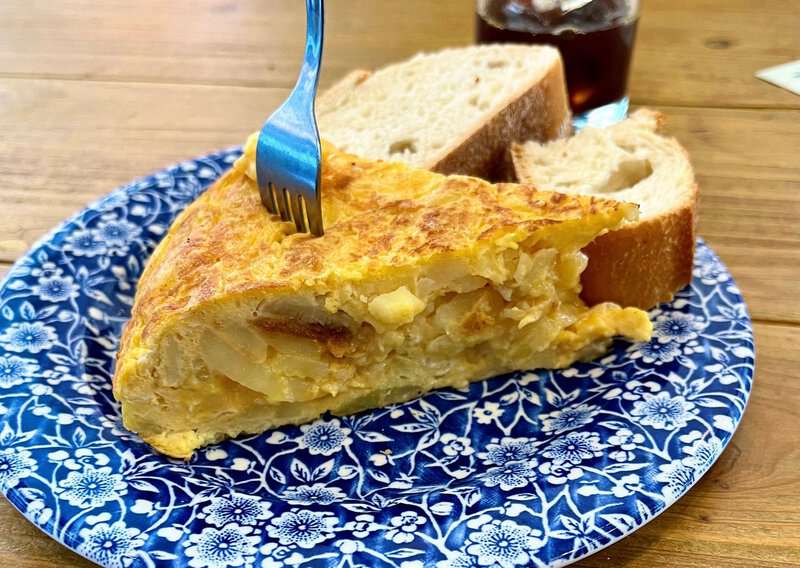
Northern Europe: Best for those who appreciate simplicity, high-quality ingredients, and unique dishes like pickled herring, smoked salmon, and Scandinavian pastries.
Southern Europe: A dream destination for foodies who love bold flavors, fresh seafood, and a variety of options. Southern Europe is famous for its Mediterranean diet, wines, and world-renowned dishes like paella, pasta, and tapas.
Final Recommendation:
If You Want Adventure & Nature: Go for Northern Europe with its fjords, forests, and quaint historic towns.
If You Crave Sun, Sea & Culinary Delights: Choose Southern Europe for its beaches, cultural richness, and delicious Mediterranean cuisine.

About the Author: Ruben, co-founder of Gamintraveler.com since 2014, is a seasoned traveler from Spain who has explored over 100 countries since 2009. Known for his extensive travel adventures across South America, Europe, the US, Australia, New Zealand, Asia, and Africa, Ruben combines his passion for adventurous yet sustainable living with his love for cycling, highlighted by his remarkable 5-month bicycle journey from Spain to Norway. He currently resides in Spain, where he continues sharing his travel experiences with his partner, Rachel, and their son, Han.