
Our guide on the activities to avoid when traveling abroad and what to do instead for your next trip.
Traveling abroad is a wonderful opportunity to experience new cultures, landscapes, and cuisines. However, certain activities, while popular, can have ethical concerns, safety issues, or environmental impacts. It’s important to be mindful of what activities to avoid to ensure that your travel is respectful, sustainable, and enjoyable.
By avoiding certain harmful activities and making more mindful choices, you can travel in a way that respects local cultures, supports sustainable tourism, and helps preserve the environment. Whether you’re seeking ethical wildlife encounters, authentic cultural experiences, or eco-friendly adventures, traveling responsibly will enhance your experience while leaving a positive impact on the places and people you visit.
Here’s a guide on activities to avoid when traveling abroad and what you can do instead to have a more responsible and enriching experience.
Read here Best eSim for International Travel and Best Travel Insurance Comparison
BOOK YOUR TRAVEL INSURANCE
Two of our favorite travel insurance: Heymondo Vs Safetwing cheapest travel Insurance. You can get for $135 USD your Heymondo Travel Insurance with Heymondo discount code valid for 90 days. Read our full comparison of Genki vs Safetywing Travel Insurance Review and the comparison Heymondo vs Genki
Activities to Avoid When Traveling
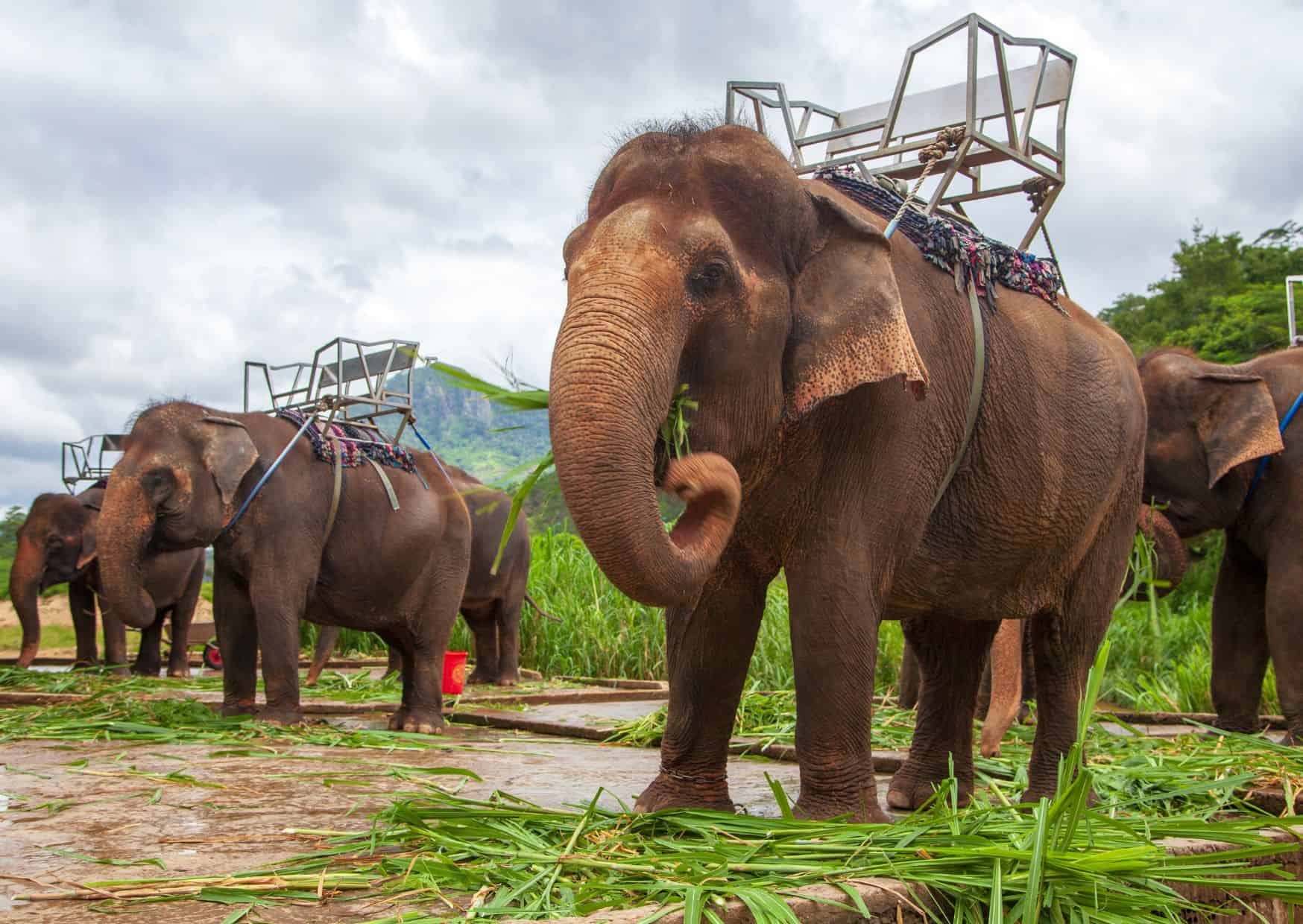
1. Avoid: Riding Animals (Elephants, Camels, Donkeys, etc.)
Why Avoid It:
Many tourist destinations offer rides on animals like elephants, camels, or donkeys, but these animals are often subjected to poor treatment and harsh training methods. Animal rides can cause serious physical harm to the animals, including overexertion, stress, and injury, especially if the animals are used to carry heavy loads or tourists throughout the day.
What to Do Instead:
Visit Ethical Wildlife Sanctuaries: Rather than riding animals, visit ethical sanctuaries or wildlife reserves where animals are cared for in natural environments. For example, in Thailand, visit Elephant Nature Park instead of riding elephants.
Take Walking or Cycling Tours: Explore the area on foot or by bike. This is a more eco-friendly and immersive way to experience your destination, and it allows you to see more while being kinder to animals.
2. Avoid: Participating in Exploitative Cultural Performances
Why Avoid It:
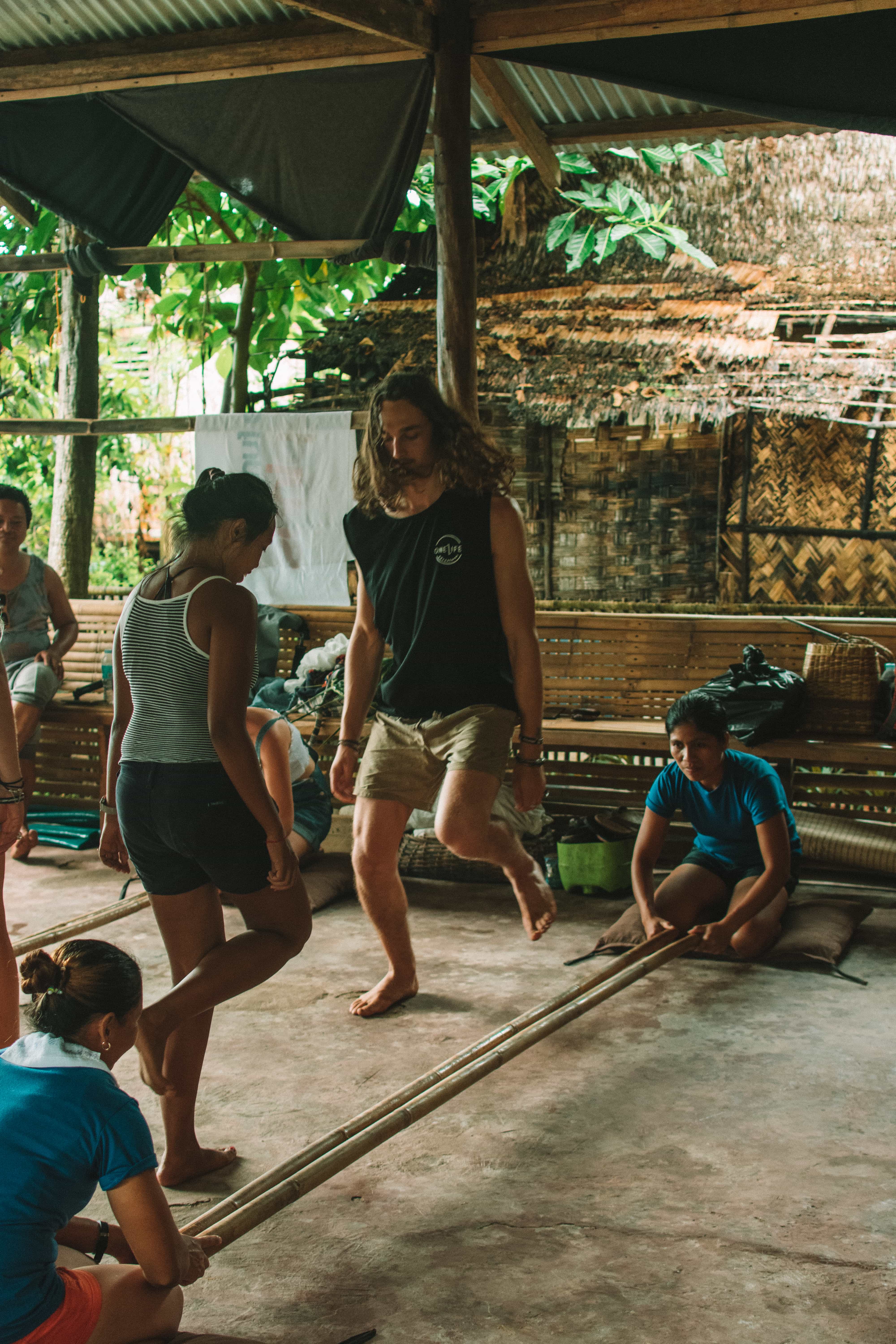
Some cultural performances or experiences offered to tourists are exploitative, especially when they involve indigenous or marginalized communities. These events may present a distorted or commercialized version of the culture, and profits often don’t go to the performers or communities themselves.
What to Do Instead:
Seek Authentic Cultural Experiences: Look for local community-led cultural events, such as festivals, traditional ceremonies, or artisan markets. Visit museums or cultural centers that preserve and share the history and traditions of the region in a respectful way.
Take a Workshop: Instead of just watching a show, join a cultural workshop, such as cooking classes, handicraft-making, or traditional dance lessons. These experiences are more interactive and allow you to engage with the culture on a deeper level.
3. Avoid: Visiting Captive Dolphin Shows or “Swim with Dolphins” Programs

Why Avoid It:
Captive dolphin shows and programs where tourists swim with dolphins often involve cruel practices. Dolphins are highly intelligent animals that suffer from stress, illness, and shortened lifespans in captivity. Many are captured from the wild, which also has a negative impact on wild populations.
What to Do Instead:
Observe Marine Life in the Wild: Go on a responsible dolphin or whale-watching tour in their natural habitat. Look for companies that prioritize animal welfare and environmental conservation.
Snorkeling and Scuba Diving: Explore the underwater world by snorkeling or scuba diving in areas known for their marine biodiversity. This way, you can observe dolphins, fish, and other sea creatures in the wild without causing harm.
4. Avoid: Staying at Over-Touristed Destinations

Why Avoid It:
Mass tourism can have detrimental effects on popular destinations, including environmental degradation, overcrowding, and strain on local infrastructure. Over-tourism also often leads to the displacement of local communities and the commercialization of cultural sites.
What to Do Instead:
Visit Lesser-Known Destinations: Choose off-the-beaten-path locations that offer similar attractions without the crowds and environmental strain. For example, instead of visiting overcrowded Santorini in Greece, explore less-visited islands like Naxos or Amorgos.
Travel During the Off-Season: Visiting popular destinations during the off-season helps alleviate crowding and supports local businesses year-round.
5. Avoid: Buying Souvenirs Made from Endangered Wildlife

Why Avoid It:
Many tourist markets sell products made from endangered wildlife or plants, such as ivory, tortoise shells, coral, or animal skins. Purchasing these items contributes to illegal poaching, trafficking, and the destruction of ecosystems.
What to Do Instead:
Buy Ethical, Locally Made Souvenirs: Support local artisans by purchasing handmade goods, such as ceramics, textiles, jewelry, or crafts made using sustainable materials. This helps preserve traditional craftsmanship and supports local economies.
Take Photos, Not Souvenirs: Capture memories of your trip through photography rather than buying physical items that may harm the environment or wildlife.
6. Avoid: Participating in Voluntourism Programs Without Proper Research

Why Avoid It:
Voluntourism, or volunteering while traveling, can sometimes do more harm than good, especially when travelers are unqualified for the tasks they are assigned. Some programs exploit vulnerable communities or orphanages, using children as attractions for tourists. These programs can perpetuate dependency and fail to provide sustainable solutions.
What to Do Instead:
Support Ethical Volunteering: Choose organizations with a long-term commitment to the communities they serve and ensure that their programs are transparent and beneficial. Look for opportunities that match your skills and expertise.
Donate or Support from Afar: If you’re passionate about making a difference, consider donating to reputable organizations or supporting local businesses and social enterprises that empower local communities.
7. Avoid: Taking Photos Without Permission

Why Avoid It:
While it may be tempting to take photos of locals, especially in traditional dress or unique settings, taking pictures without permission can feel invasive or disrespectful. In some cultures, taking photos of certain people, ceremonies, or religious sites is taboo.
What to Do Instead:
Ask for Permission: Always ask before taking someone’s photo, and respect their wishes if they say no. Learning a few phrases in the local language to politely ask for permission shows respect for the people and their culture.
Focus on Landscapes and Architecture: Instead of photographing people, focus on the beautiful landscapes, architecture, and natural features of the destination.
8. Avoid: Engaging in Bargaining That Exploits Locals

Why Avoid It:
While bargaining is common in many cultures, pushing for the lowest possible price can exploit vendors, especially in developing countries where locals rely on small profits for their livelihoods. Aggressive bargaining can devalue handmade goods and hurt local businesses.
What to Do Instead:
Bargain Fairly: When bargaining, offer a fair price that respects the value of the work, especially if the product is handmade. A little extra money may not mean much to you, but it can make a big difference to the vendor.
Support Local Markets: Shop at local markets where you can buy directly from artisans and farmers, ensuring that your money goes into the hands of local producers.
9. Avoid: Using Too Much Single-Use Plastic
Why Avoid It:
Tourism can significantly contribute to plastic waste, especially in destinations where recycling infrastructure is limited. Single-use plastics like water bottles, straws, and plastic bags often end up polluting natural environments and harming wildlife.
What to Do Instead:
Bring Reusable Items: Travel with reusable water bottles, shopping bags, and utensils to minimize plastic waste. Many destinations now have water refill stations to reduce reliance on bottled water.
Say No to Plastic: Politely decline plastic bags, straws, or utensils when offered at markets or restaurants, and carry your own eco-friendly alternatives.
10. Avoid: Disrespecting Local Customs and Etiquette

Why Avoid It:
Each country has its own customs and social etiquette, and what may be acceptable behavior in your home country might be offensive elsewhere. For example, in some cultures, showing too much skin, touching someone’s head, or tipping can be seen as disrespectful.
What to Do Instead:
Research Local Customs: Before visiting a new country, take time to learn about its customs, dress codes, and social norms. Simple acts like dressing modestly, removing shoes before entering homes or temples, or greeting people in the local language can make a big difference.
Respect Religious and Cultural Sites: Always dress appropriately when visiting religious sites, and follow the rules, such as not taking photos in certain areas or remaining silent during prayers or ceremonies.

About the Author: Ruben, co-founder of Gamintraveler.com since 2014, is a seasoned traveler from Spain who has explored over 100 countries since 2009. Known for his extensive travel adventures across South America, Europe, the US, Australia, New Zealand, Asia, and Africa, Ruben combines his passion for adventurous yet sustainable living with his love for cycling, highlighted by his remarkable 5-month bicycle journey from Spain to Norway. He currently resides in Spain, where he continues sharing his travel experiences with his partner, Rachel, and their son, Han.