
Last updated on December 8th, 2024 at 11:20 am
Our guide on weird and unique foods to try in Asia for your next trip.
Asia’s culinary landscape is rich, diverse, and filled with dishes that range from the exotic to the downright bizarre for the uninitiated. If you’re an adventurous eater looking to push your gastronomic boundaries, the continent offers plenty of opportunities to explore foods that are intriguing, unconventional, and sometimes downright shocking.
From fermented seafood to insects and animal parts not commonly eaten in Western cuisine, here’s a guide to some of the weirdest (and sometimes surprisingly delicious) foods to try in Asia.
Asia’s diverse culinary offerings go far beyond typical dishes like sushi or dumplings. For those with a sense of adventure, trying these weird and unique foods is an unforgettable way to connect with local cultures and traditions. Remember to approach each dish with an open mind and respect for the local customs surrounding these culinary delights.
Read here Best eSim for International Travel and Best Travel Insurance Comparison
BOOK YOUR TRAVEL INSURANCE
Two of our favorite travel insurance: Heymondo Vs Safetwing cheapest travel Insurance. You can get for $135 USD your Heymondo Travel Insurance with Heymondo discount code valid for 90 days. Read our full comparison of Genki vs Safetywing Travel Insurance Review and the comparison Heymondo vs Genki
Weird and Unique Foods to Try in Asia
1. Balut (Philippines)
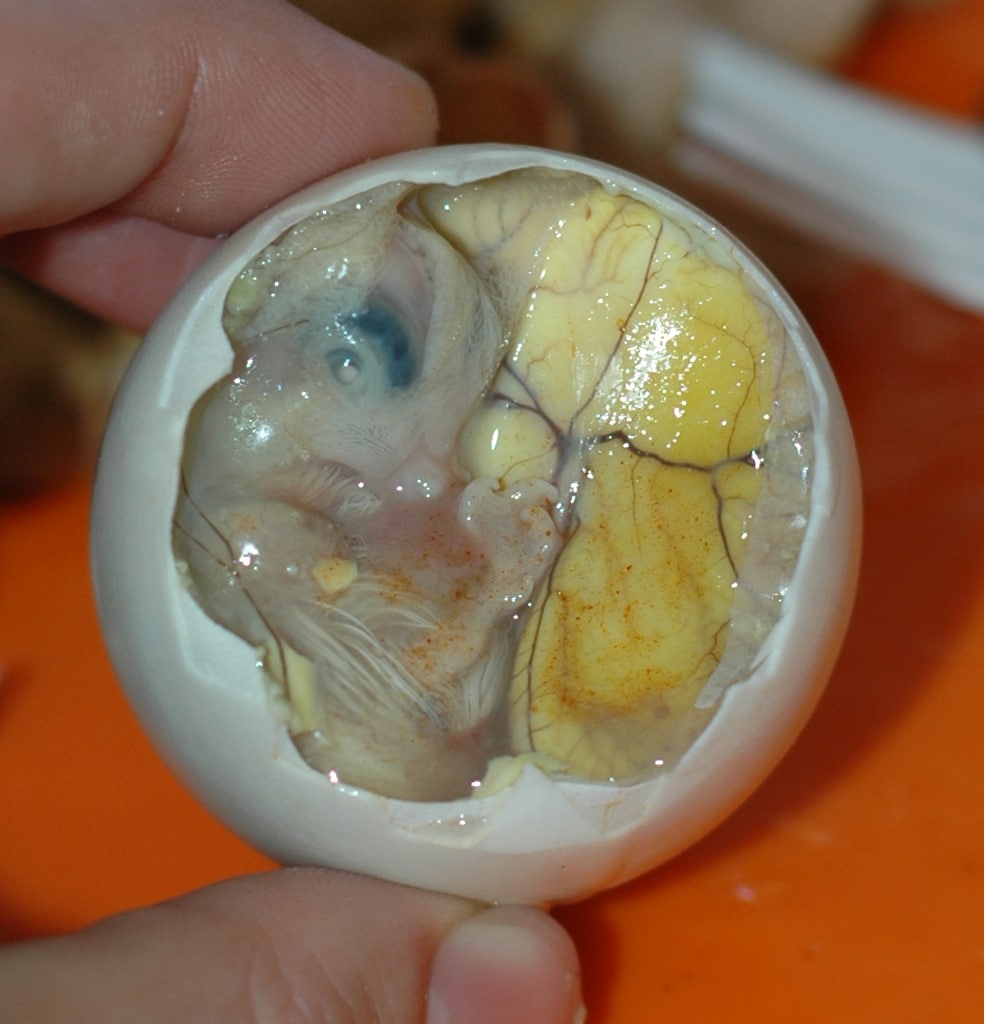
What It Is: A fertilized duck egg with a partially developed embryo.
Description: Considered a delicacy and street food staple in the Philippines, balut is boiled and eaten directly from the shell. The embryo is soft and tender, and the flavors are rich and savory.
Where to Try It: Street vendors in Manila and throughout the Philippines, especially at night markets.
How to Eat: Crack open the shell, sip the broth, and then eat the yolk and embryo. Sprinkle with salt, vinegar, or chili for added flavor.
Tip: If you’re hesitant, start by eating the yolk first, which tastes like a regular boiled egg but with a slightly more intense flavor.
2. Shirako (Japan)
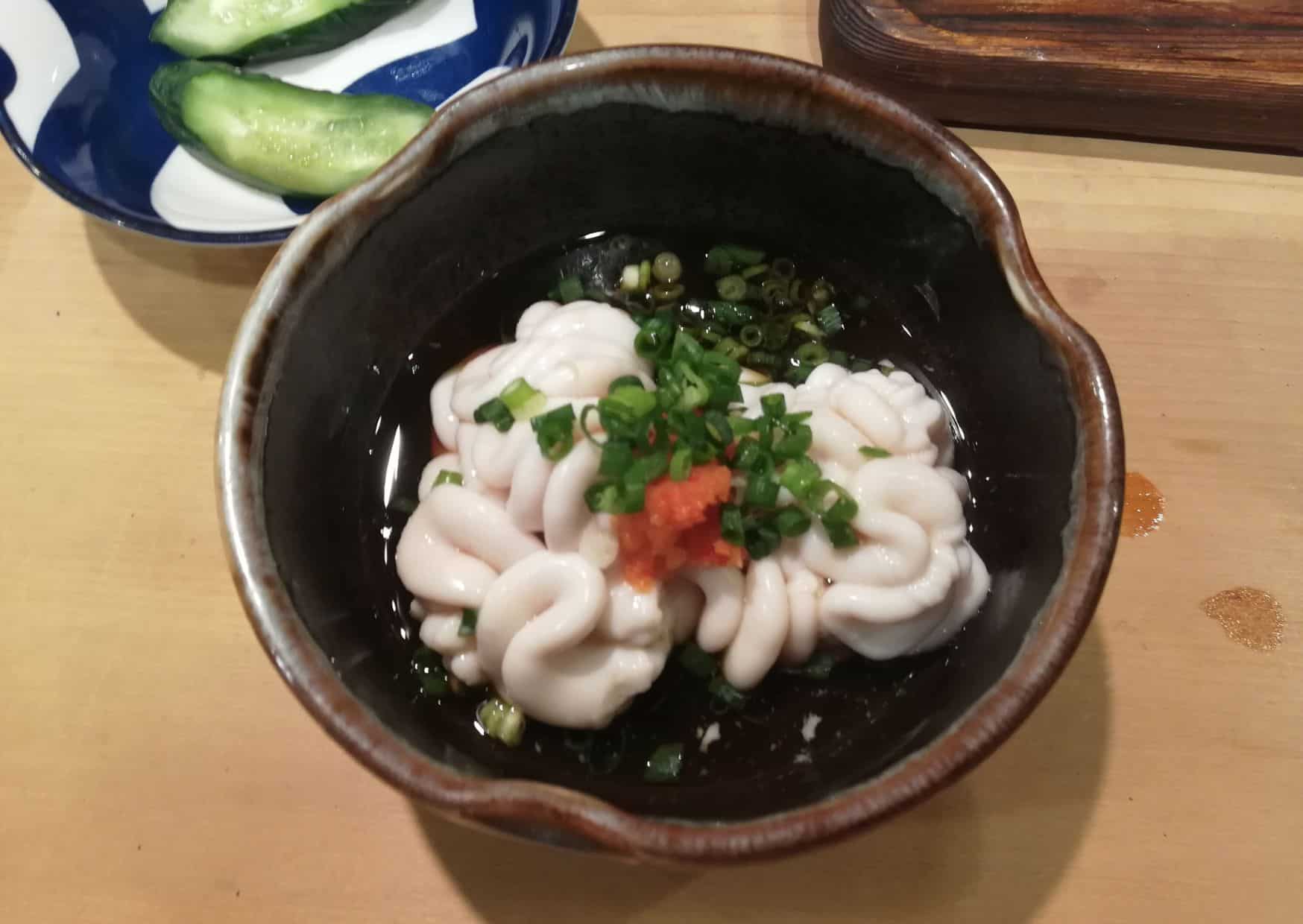
What It Is: Fish sperm sacs.
Description: Shirako, meaning “white children” in Japanese, is a delicacy usually harvested from cod, anglerfish, or pufferfish. It has a creamy, custard-like texture and a slightly sweet flavor.
Where to Try It: Sushi restaurants or izakayas in Tokyo and other major Japanese cities.
How to Eat: Often served raw as sushi, lightly grilled, or simmered in hot pot dishes.
Tip: Pair with sake to balance the rich, creamy texture.
3. Century Egg (China)
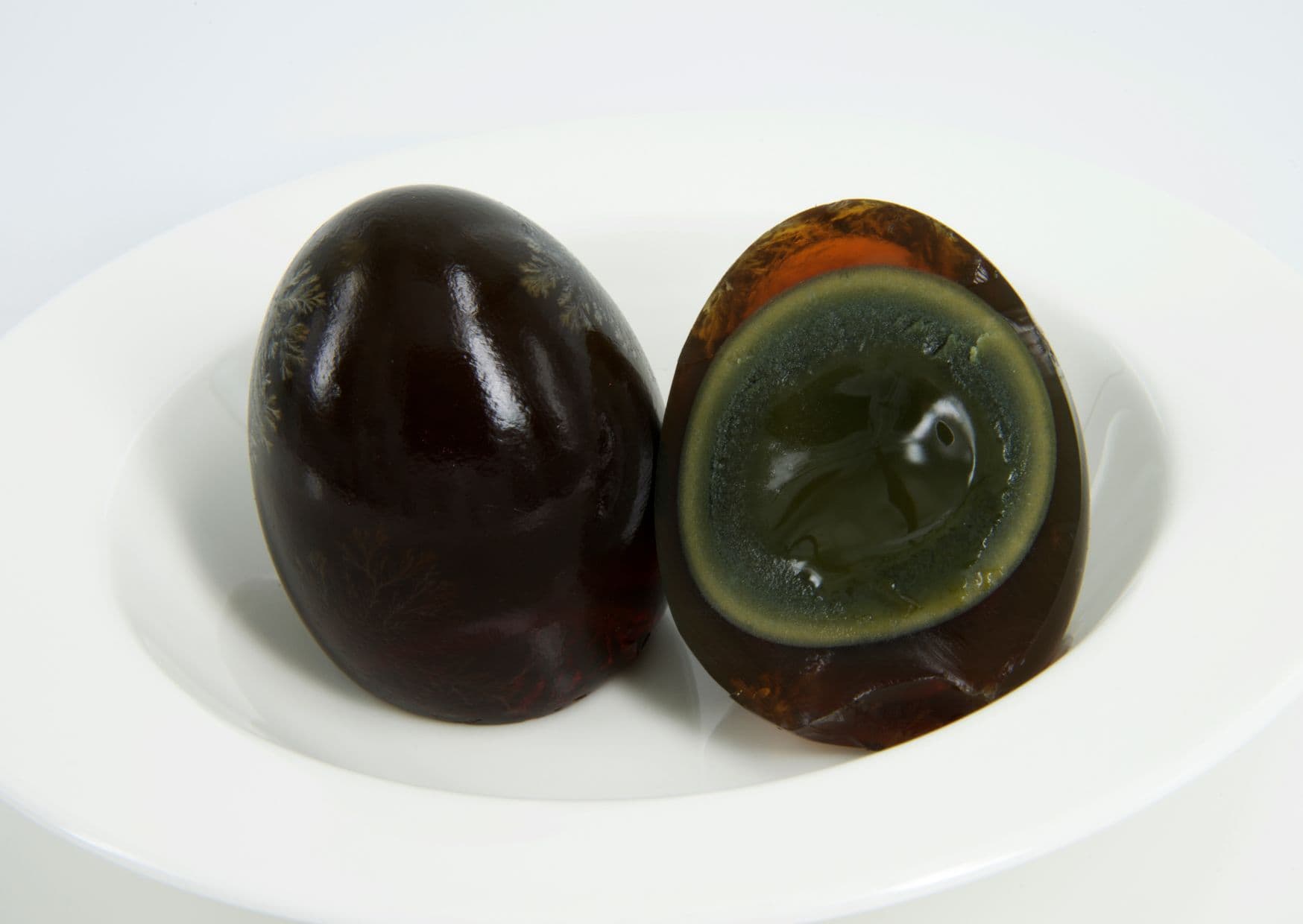
What It Is: Preserved egg (often duck or quail) cured in a mixture of clay, ash, and salt for several weeks or months.
Description: Also known as “hundred-year egg” or “thousand-year egg,” the yolk turns dark green or black, and the whites become a translucent, jelly-like brown. The flavor is intensely savory, with a creamy, custard-like yolk and a strong, almost cheese-like aroma.
Where to Try It: Found in Chinese restaurants, particularly in Guangdong and Hong Kong.
How to Eat: Usually sliced and served with pickled ginger or as part of a congee (rice porridge) dish.
Tip: If you’re new to century eggs, try them with congee or in small portions alongside mild flavors.
4. Cobra Heart (Vietnam)
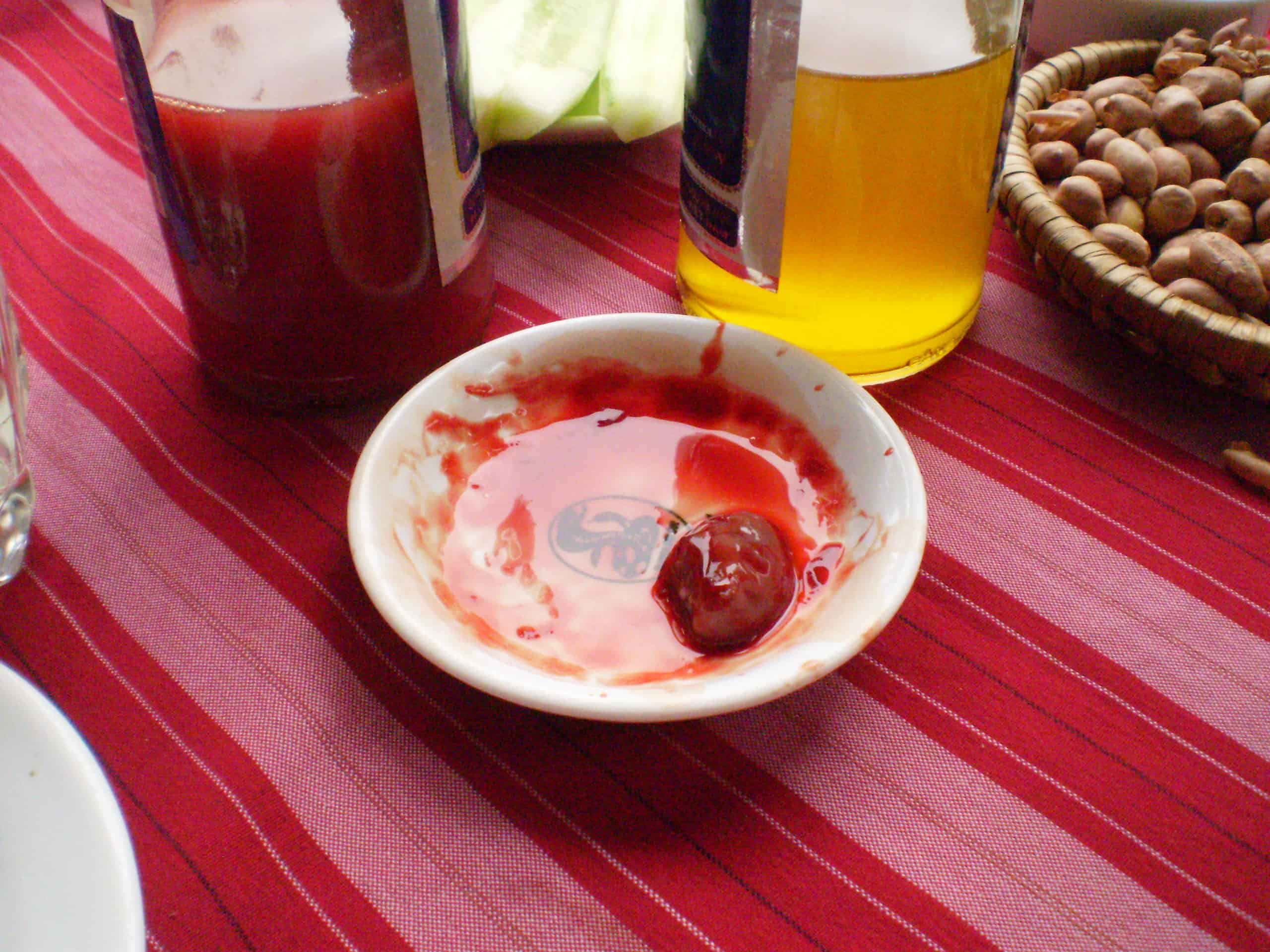
What It Is: The still-beating heart of a cobra, often consumed as a shot with rice wine.
Description: Eating a live cobra heart is considered a symbol of strength and bravery in parts of Vietnam. The heart is usually served in a shot glass with the cobra’s blood and bile, and swallowed whole while it’s still beating.
Where to Try It: Specialty restaurants near Hanoi and Ho Chi Minh City, where live cobra dishes are prepared.
How to Eat: Usually part of a multi-course meal using the entire snake. Start with the heart, then enjoy the snake meat in various preparations.
Tip: This experience is not for the faint-hearted — go in with a sense of adventure and respect for local customs.
5. Stinky Tofu (Taiwan and China)
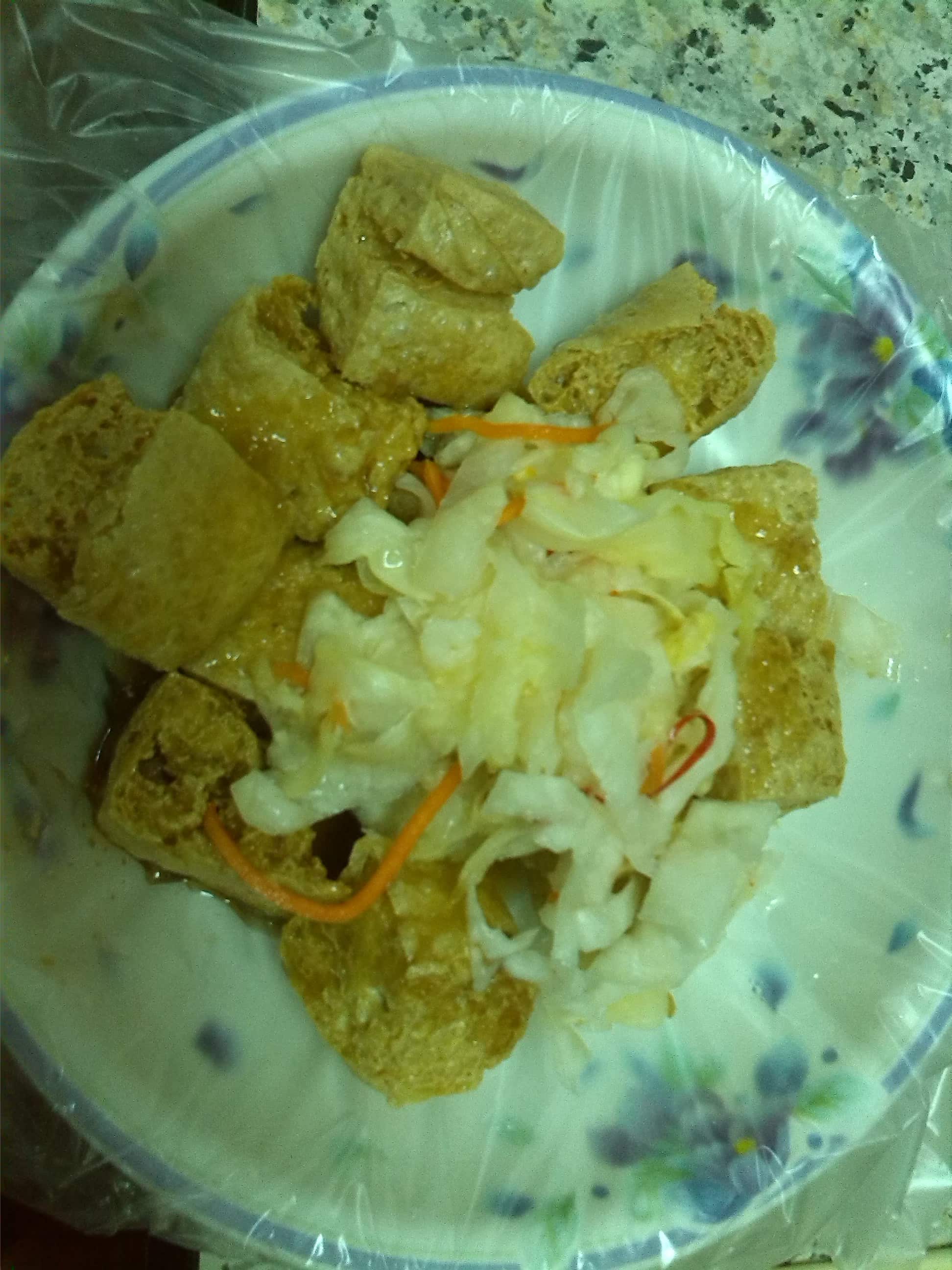
What It Is: Fermented tofu with a strong odor.
Description: Stinky tofu is a beloved street food in Taiwan and parts of China. It’s made by soaking tofu in a brine of fermented milk, vegetables, and meat, giving it a pungent smell that many compare to rotting garbage. Despite the smell, the taste is surprisingly mild and creamy.
Where to Try It: Night markets in Taipei, Hong Kong, and Shanghai.
How to Eat: Usually deep-fried and served with sweet chili sauce, pickled cabbage, or kimchi.
Tip: The smell is the biggest challenge. Try holding your nose when you take the first bite, then let the flavor surprise you!
6. Sannakji (South Korea)
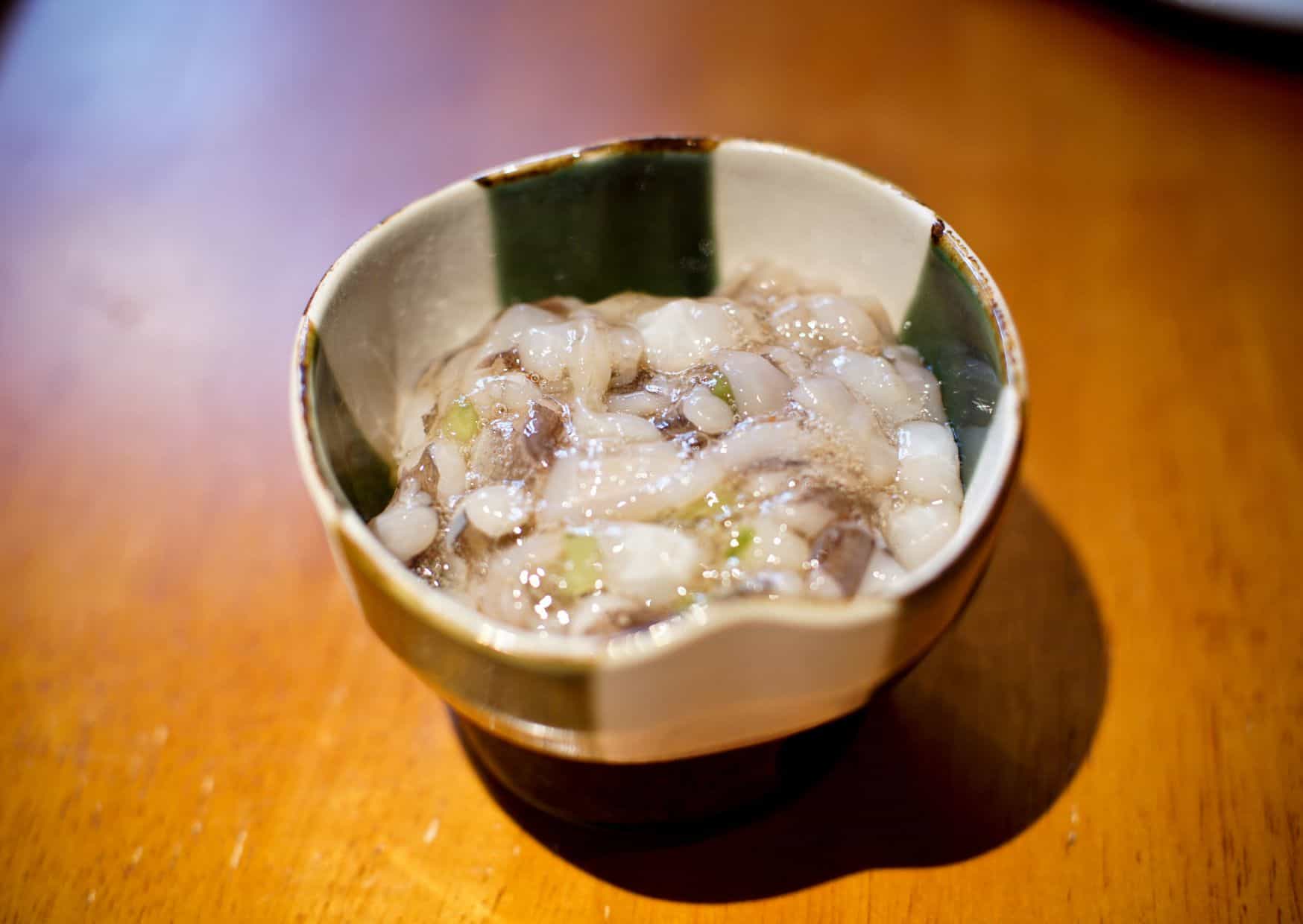
What It Is: Live octopus, served chopped but still wriggling.
Description: Sannakji is a popular dish in Korea where small octopus is chopped into pieces and served immediately, sometimes still squirming on the plate. The tentacles can continue to move due to residual nerve activity, making it a thrilling (and slightly risky) dish to eat.
Where to Try It: Seafood restaurants and markets in Seoul and Busan.
How to Eat: Dip the tentacles in sesame oil and salt, chew thoroughly, and swallow carefully to avoid choking.
Tip: Chew well, as the suction cups can stick to your mouth or throat.
7. Bird’s Nest Soup (China)
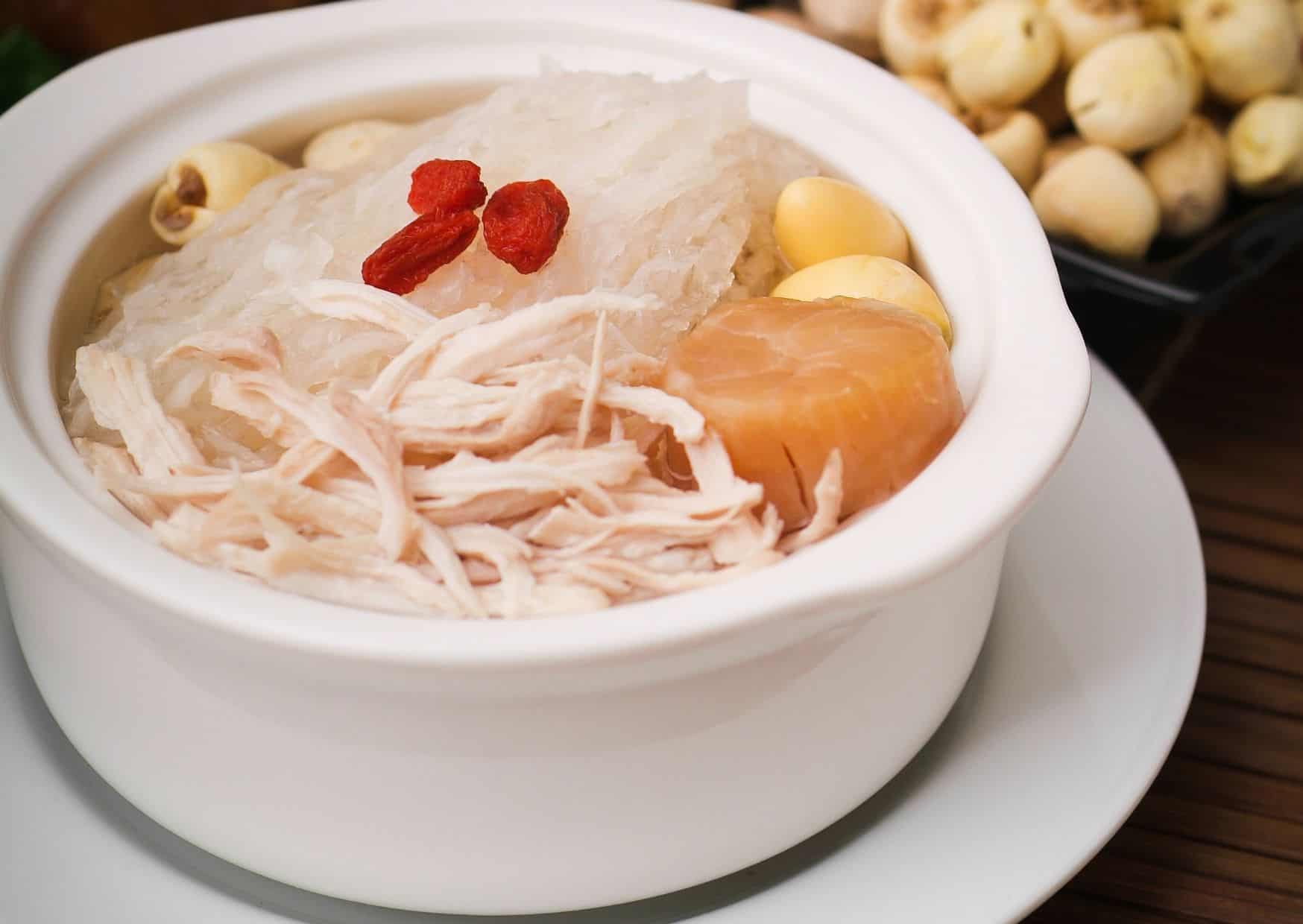
What It Is: Soup made from the nests of edible-nest swiftlets, constructed primarily from hardened saliva.
Description: Highly valued in Chinese culture for its supposed health benefits, bird’s nest soup is known for its gelatinous texture and mild flavor. The nests are harvested from caves or purpose-built structures.
Where to Try It: High-end Chinese restaurants in Hong Kong, Shanghai, or Beijing.
How to Eat: Served as a sweet or savory soup, often with rock sugar or chicken broth.
Tip: Bird’s nest soup is expensive, so make sure you’re getting the real deal from a reputable restaurant.
8. Beondegi (South Korea)
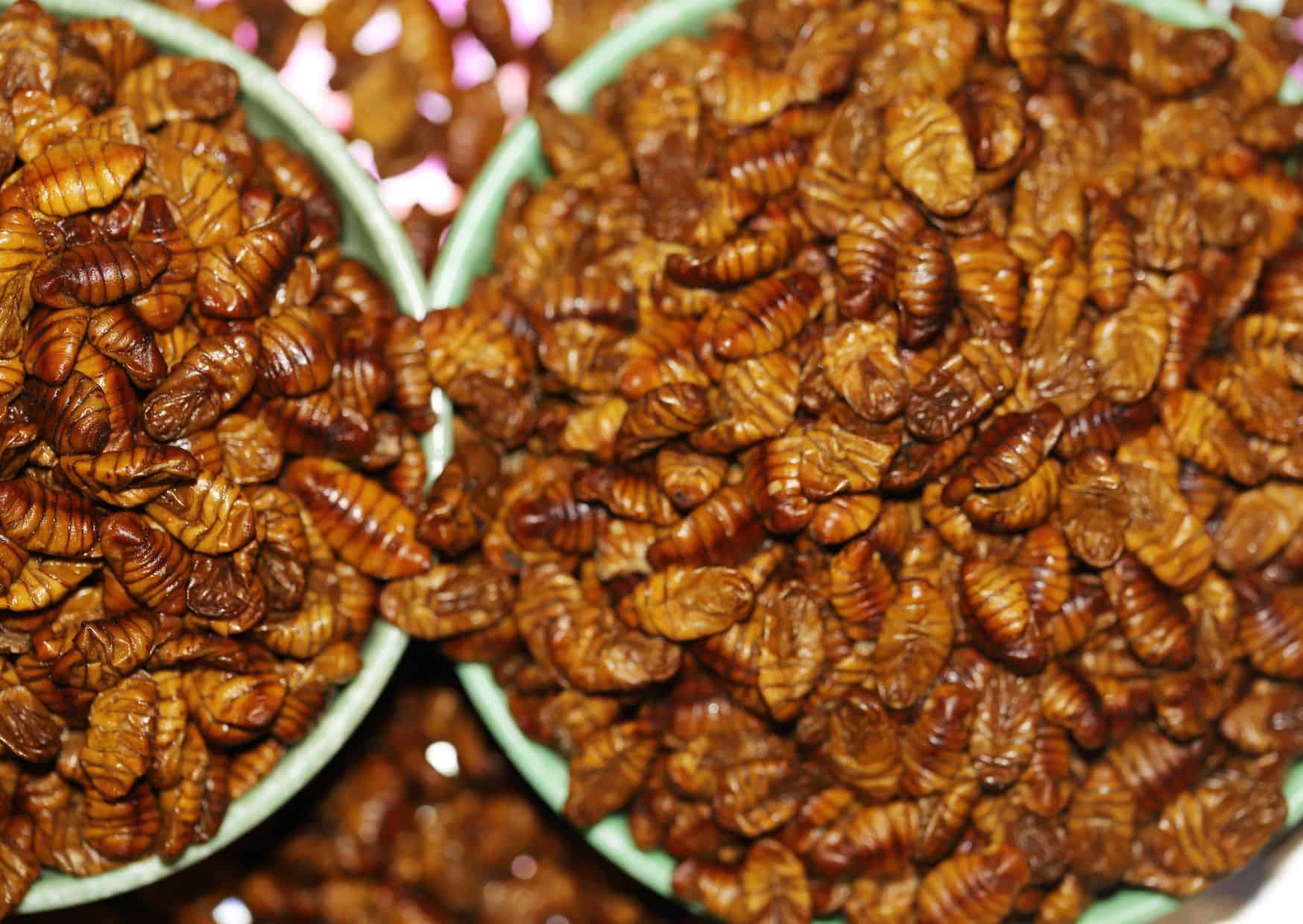
What It Is: Steamed or boiled silkworm pupae.
Description: Beondegi is a popular street snack in South Korea, often sold from carts at markets or outside schools. The pupae have a nutty flavor and a chewy, slightly crunchy texture.
Where to Try It: Found at street food stalls and some traditional restaurants in Seoul and other cities.
How to Eat: Usually served in a paper cup with a toothpick. Beondegi can also be found canned in some grocery stores.
Tip: Eat them hot for the best flavor — the smell is less intense when fresh.
9. Durian (Southeast Asia)
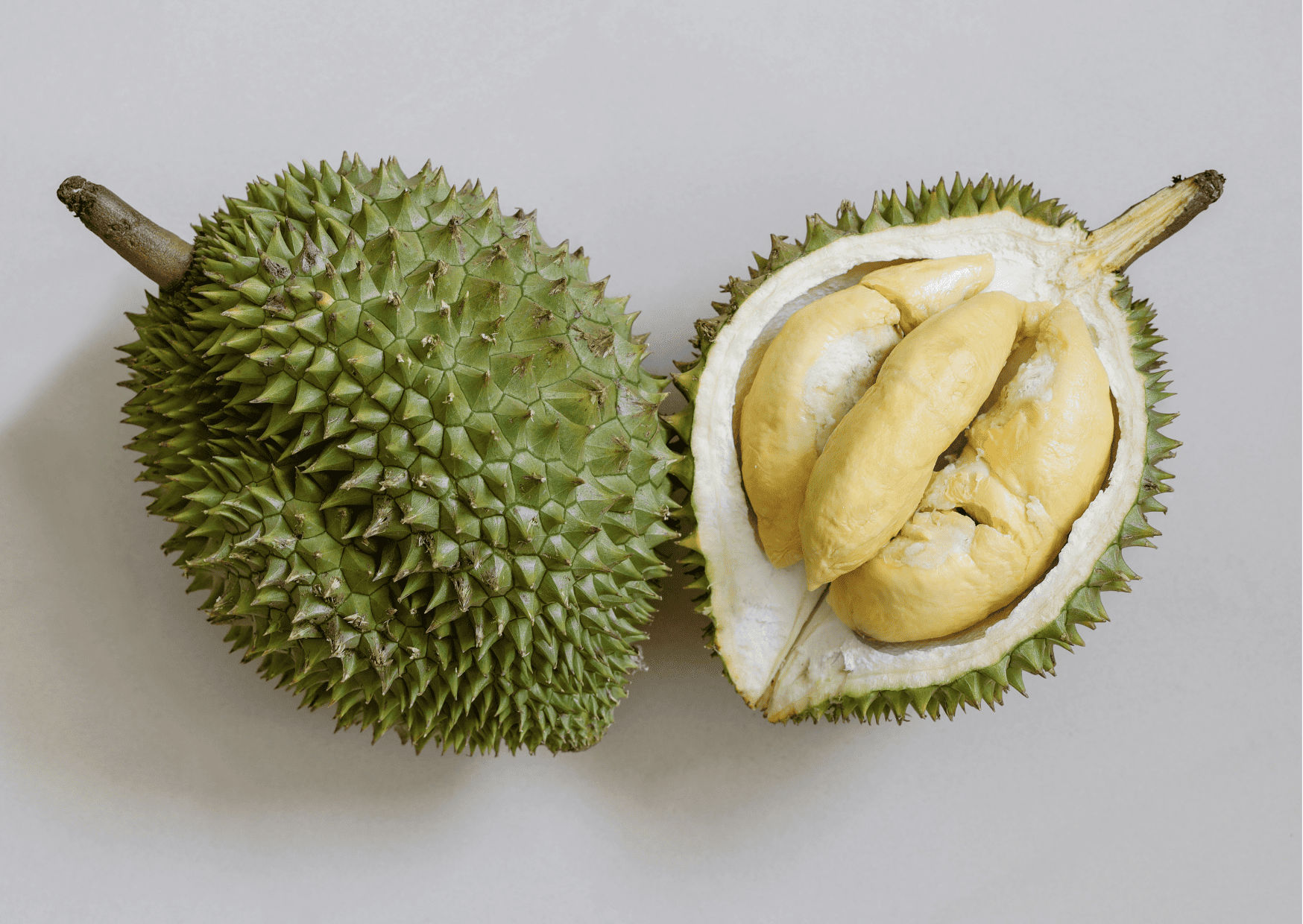
What It Is: A large, spiky fruit known for its strong odor.
Description: Often called the “king of fruits,” durian is infamous for its powerful smell, which some describe as a mix of rotting onions and dirty socks. Despite this, durian lovers swear by its sweet, custard-like flavor.
Where to Try It: Markets throughout Thailand, Malaysia, Indonesia, and Singapore.
How to Eat: Usually eaten raw, straight from the shell. It’s also used in desserts and savory dishes.
Tip: Eat it outside or in well-ventilated areas. Many hotels and public transportation systems ban durian due to its odor.
10. Drunken Shrimp (China)
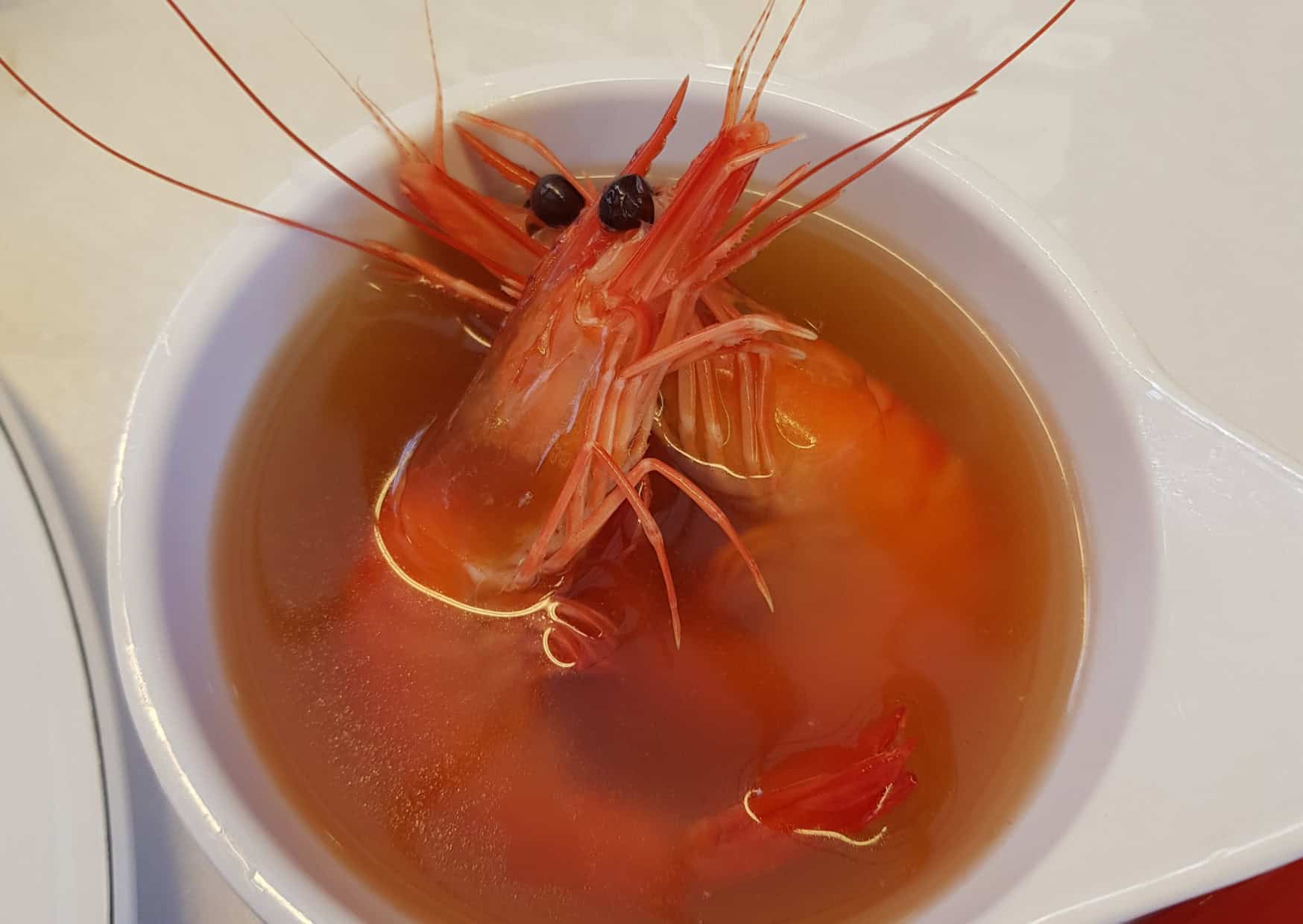
What It Is: Live shrimp soaked in a strong liquor.
Description: Drunken shrimp is a dish where live freshwater shrimp are soaked in rice wine or a strong liquor, rendering them “drunk.” The shrimp are then eaten alive, their movements slowed by the alcohol.
Where to Try It: Found in some traditional restaurants in Jiangsu and Zhejiang provinces.
How to Eat: Pick up the shrimp, peel them, and eat them whole.
Tip: This dish can be controversial and is not for everyone. If you’re curious, start with a cooked version like shrimp marinated in rice wine.
11. Khao Kriap Pak Moh (Thailand)
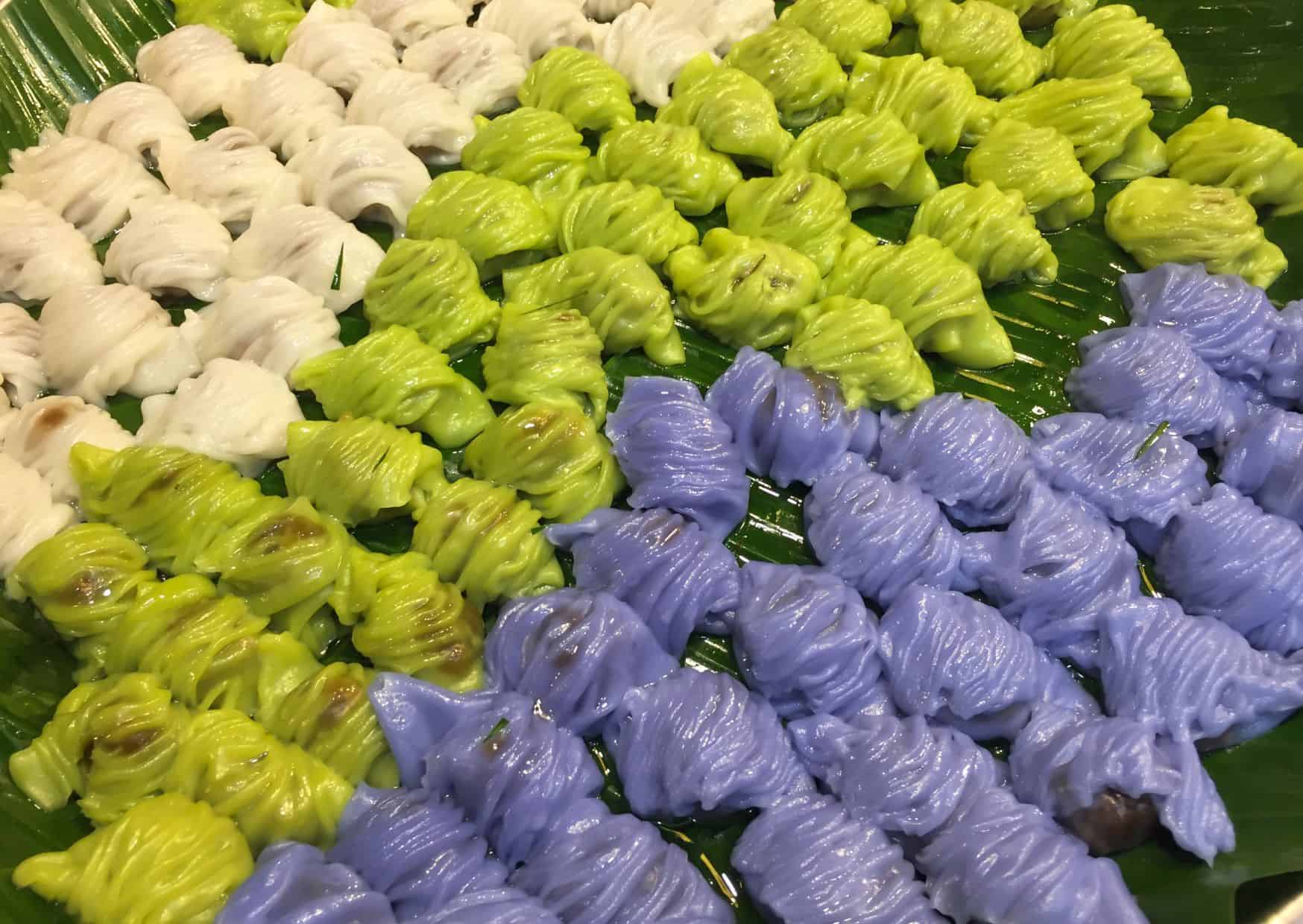
What It Is: Steamed dumplings filled with fermented fish paste.
Description: This traditional Thai dish features rice dumplings filled with a pungent, sweet-savory mixture of fermented fish, garlic, and shallots. The strong aroma and fermented flavor can be overwhelming for some.
Where to Try It: Found in traditional markets and food stalls in Bangkok and Chiang Mai.
How to Eat: Usually served with fresh herbs, lettuce leaves, and a spicy dipping sauce.
Tip: Pair with fresh vegetables to balance the strong flavor.

About the Author: Ruben, co-founder of Gamintraveler.com since 2014, is a seasoned traveler from Spain who has explored over 100 countries since 2009. Known for his extensive travel adventures across South America, Europe, the US, Australia, New Zealand, Asia, and Africa, Ruben combines his passion for adventurous yet sustainable living with his love for cycling, highlighted by his remarkable 5-month bicycle journey from Spain to Norway. He currently resides in Spain, where he continues sharing his travel experiences with his partner, Rachel, and their son, Han.