
Our guide on the most Weird and Unique Foods to Try In Europe for your next visit.
Europe’s diverse food culture is known for its variety, but some of its culinary offerings can be downright unusual. From fermented fish to blood-based delicacies, the continent has a long tradition of unique dishes that might make adventurous eaters pause — or tempt them to dive right in.
If you’re looking to expand your palate and try something truly out of the ordinary, here’s a guide to some of the weirdest (and sometimes most delicious) foods to try in Europe, along with where to find them.
If you’re an adventurous eater, Europe offers plenty of opportunities to push your culinary boundaries. Whether you’re intrigued by the idea of eating fermented shark in Iceland or indulging in fried frog legs in France, these unique dishes are an exciting way to experience a country’s culture and traditions.
Read here how to pack for Europe and Best eSIM for Europe
BOOK YOUR TRAVEL INSURANCE
Two of our favorite travel insurance: Heymondo Vs Safetwing cheapest travel Insurance. You can get for $135 USD your Heymondo Travel Insurance with Heymondo discount code valid for 90 days. Read our full comparison of Genki vs Safetywing Travel Insurance Review and the comparison Heymondo vs Genki
Weird and Unique Foods to Try in Europe
1. Hákarl (Iceland)
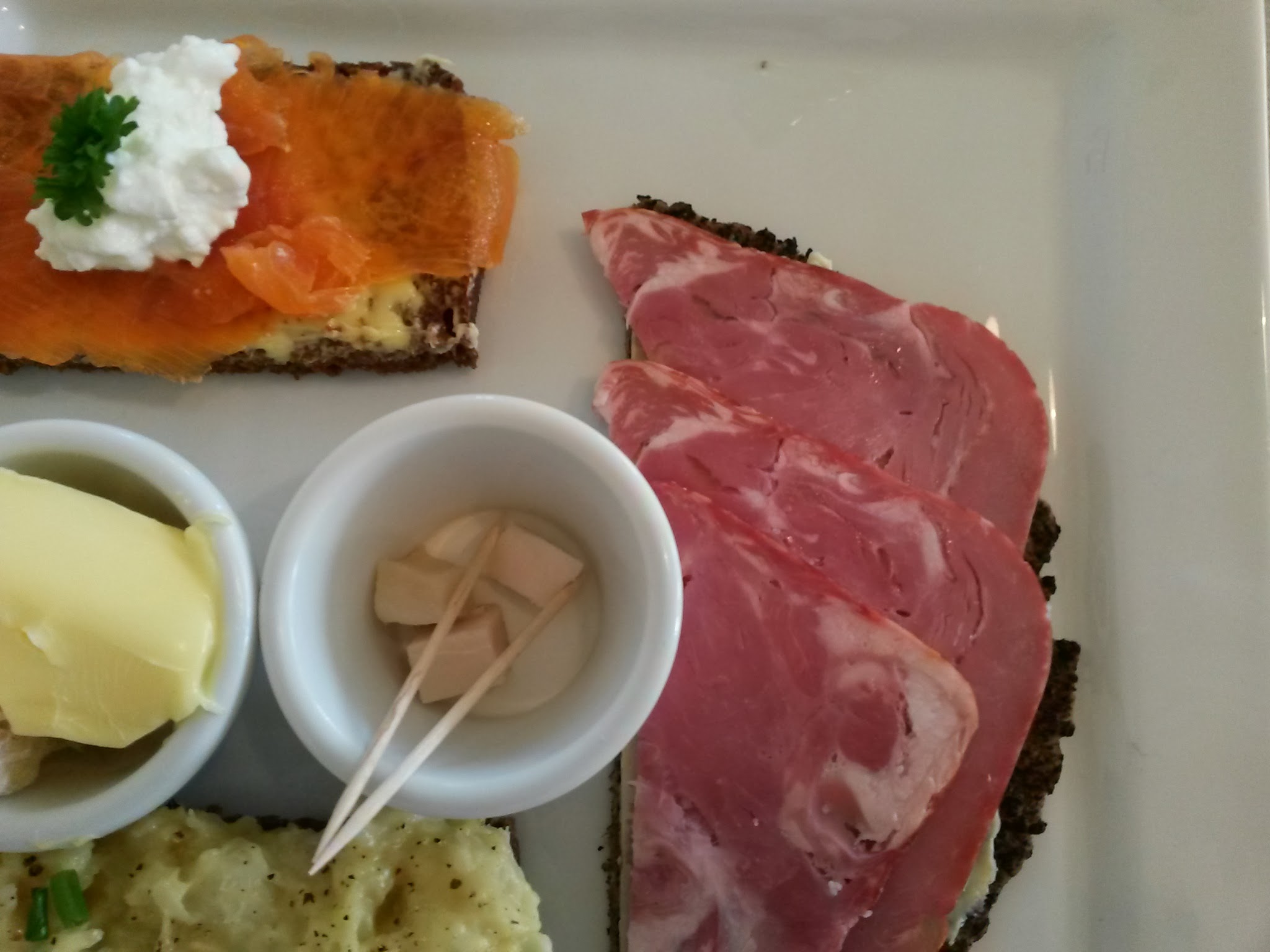
What It Is: Fermented shark meat.
Description: Hákarl is a traditional Icelandic dish made from Greenland shark that’s been fermented for several months and then dried. Known for its pungent smell and strong ammonia taste, it’s considered an acquired taste even by locals.
Where to Try It: Most commonly found at Bjarnarhöfn Shark Museum or local restaurants in Reykjavik.
How to Eat: Traditionally served in small cubes with a shot of brennivín (Icelandic schnapps) to help wash it down.
Tip: Hold your nose before taking a bite — the strong odor is often more challenging than the actual taste!
2. Surströmming (Sweden)
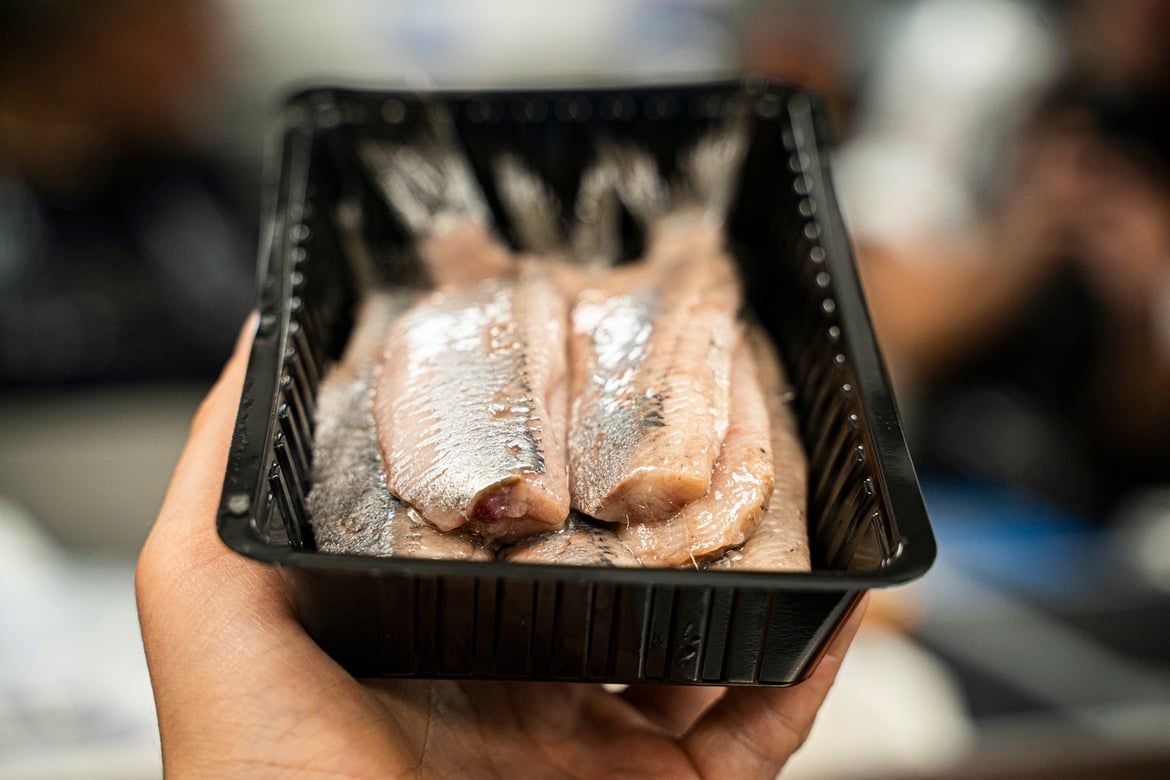
What It Is: Fermented Baltic herring.
Description: Often considered one of the world’s smelliest foods, surströmming is a can of fermented herring that has a notorious reputation. The strong, fishy smell is so intense that it’s usually opened outdoors. Despite the odor, it’s beloved by some for its tangy, salty flavor.
Where to Try It: Surströmming is a northern Swedish specialty, usually found in specialty stores or served at outdoor gatherings in coastal towns like Skellefteå.
How to Eat: Typically served with thin bread, boiled potatoes, and chopped onions. Always eat it outside due to its powerful odor.
Tip: Be prepared for the can to be pressurized — open it slowly and carefully!
3. Casu Marzu (Sardinia, Italy)
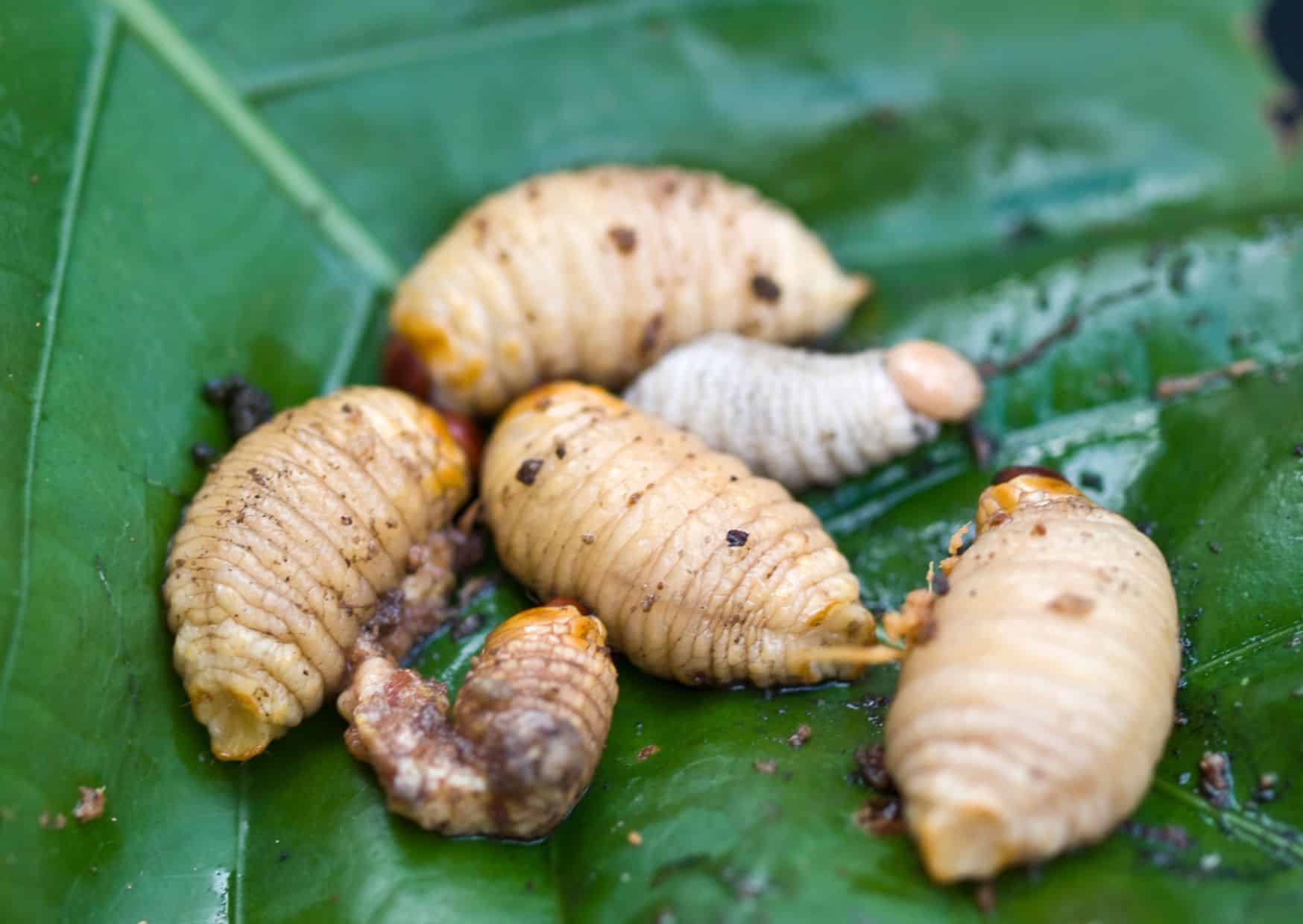
What It Is: Maggot-infested cheese.
Description: Known as “the world’s most dangerous cheese,” Casu Marzu is a Sardinian pecorino cheese that’s been allowed to ferment with the help of Piophila casei larvae (cheese flies). The larvae break down the fats in the cheese, resulting in a creamy texture and intense flavor.
Where to Try It: Rare and illegal to sell commercially, Casu Marzu can sometimes be found at private Sardinian farms or through local connections.
How to Eat: Traditionally, the cheese is eaten with the live larvae still inside. If you’re squeamish, you can remove the larvae before eating.
Tip: Eat carefully — the larvae can sometimes jump when disturbed!
4. Black Pudding (United Kingdom & Ireland)
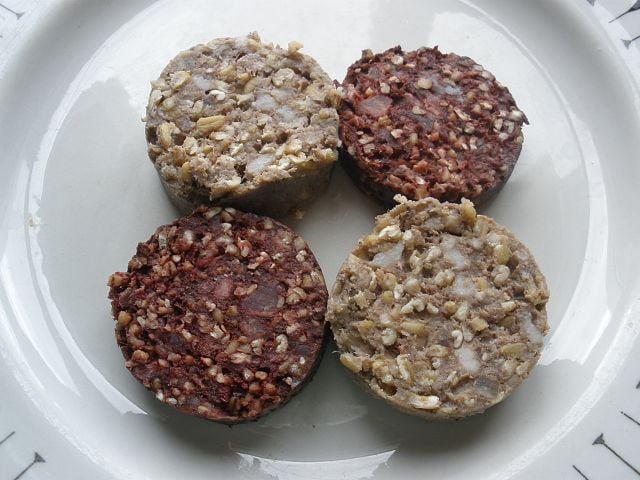
What It Is: Blood sausage made from pork blood, fat, and oatmeal.
Description: Black pudding is a staple in a traditional British and Irish breakfast. It has a rich, savory flavor and crumbly texture. While the idea of eating blood may seem odd to some, it’s a hearty and flavorful dish.
Where to Try It: Found in full English or Irish breakfasts in cafés and pubs throughout the UK and Ireland.
How to Eat: Often served grilled or fried alongside eggs, bacon, and beans.
Tip: Try it with a bit of mustard or on toast for a less traditional twist.
5. Smalahove (Norway)
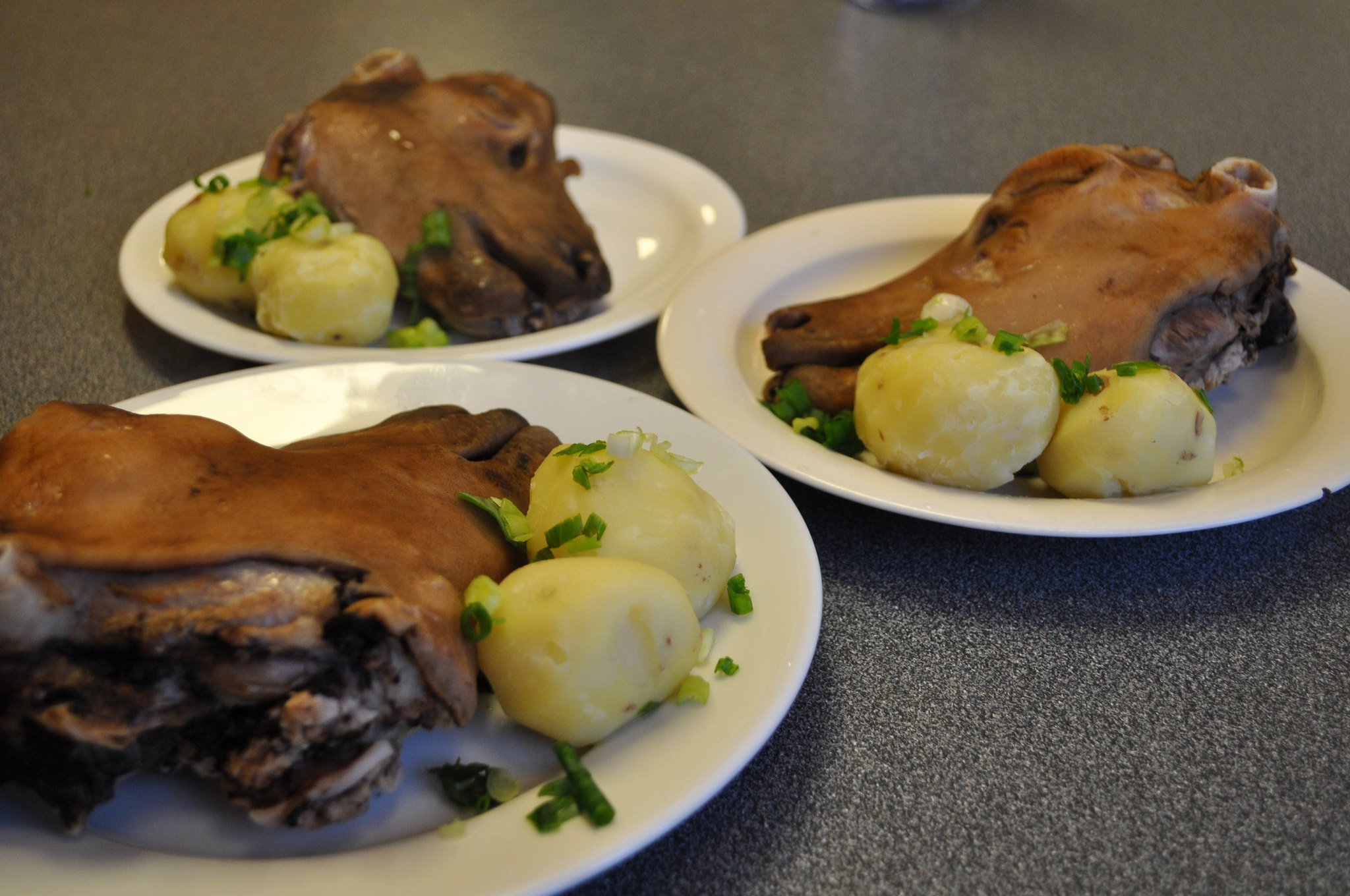
What It Is: Sheep’s head, typically served boiled or roasted.
Description: This traditional Norwegian dish, often enjoyed during the Christmas season, involves the entire head of a sheep. The meat is tender, but the experience of eating the cheeks, tongue, and even the eyes can be quite unsettling for the uninitiated.
Where to Try It: Found in Western Norway, particularly in rural areas like Voss.
How to Eat: The cheeks and tongue are considered the best parts. For the brave, the eyes are also eaten.
Tip: Start with the cheeks if you’re trying it for the first time — they’re the least intimidating!
6. Salo (Ukraine)
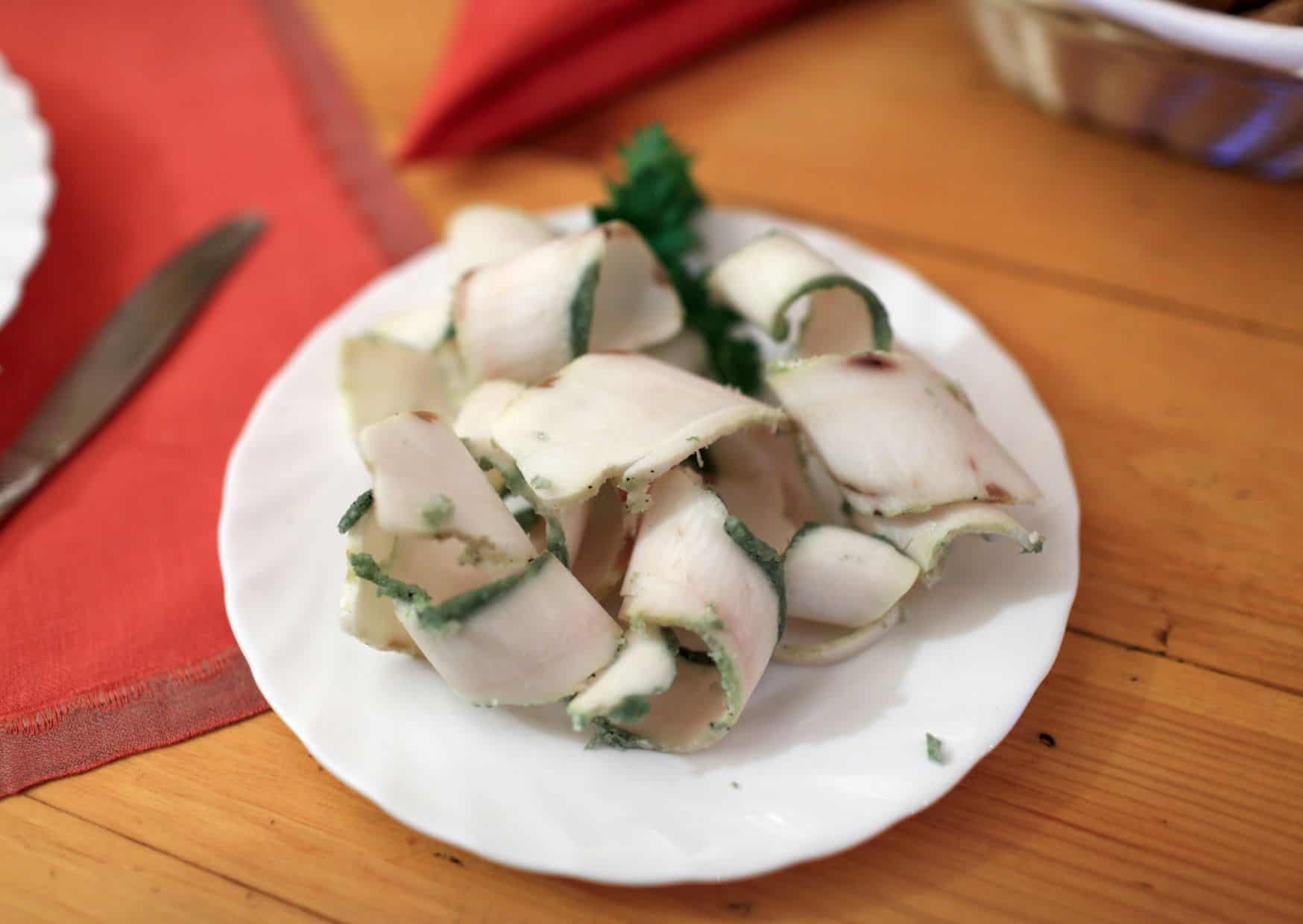
What It Is: Cured pork fat, often served raw.
Description: Salo is a beloved Ukrainian delicacy made from salted, cured slabs of pork fatback. It’s usually eaten in thin slices, sometimes with garlic or onions. Despite its simplicity, it’s considered a national treasure.
Where to Try It: Found throughout Ukraine, especially in traditional restaurants or as a snack at markets.
How to Eat: Pair it with dark rye bread, pickles, and a shot of vodka for the full Ukrainian experience.
Tip: Salo’s creamy texture might surprise you — try it with a spicy mustard for added flavor.
7. Frog Legs (France)
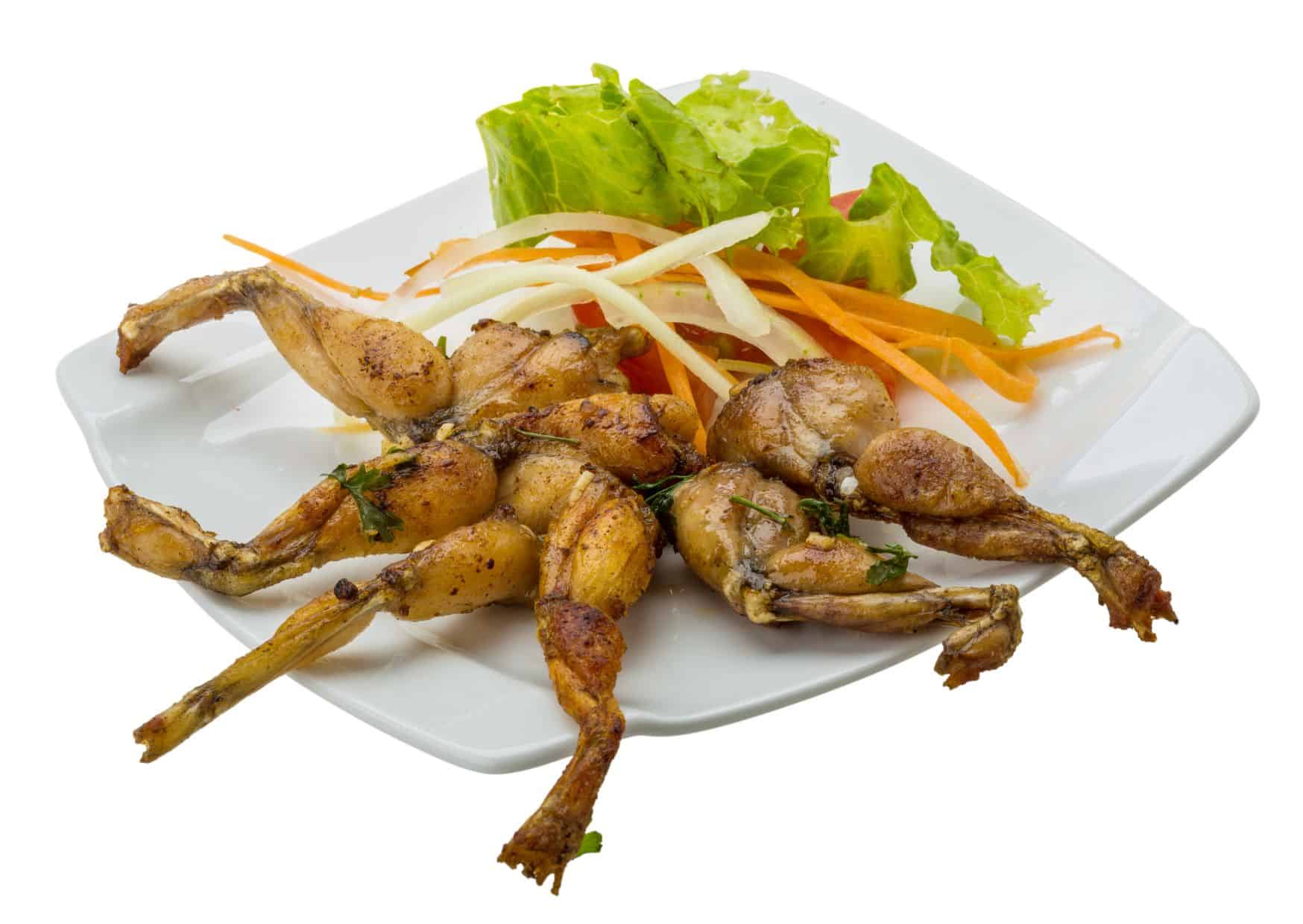
What It Is: The legs of frogs, typically fried or sautéed.
Description: A classic French delicacy, frog legs (or cuisses de grenouille) are tender, slightly chewy, and taste similar to chicken with a hint of fish. They’re usually prepared with garlic, butter, and herbs.
Where to Try It: Found in traditional French restaurants, especially in rural regions like Burgundy.
How to Eat: Typically served as an appetizer or part of a larger meal, paired with a white wine.
Tip: Try it with a squeeze of lemon for added flavor.
8. Escamoles (Mexico, but available in Spanish Gourmet Markets)
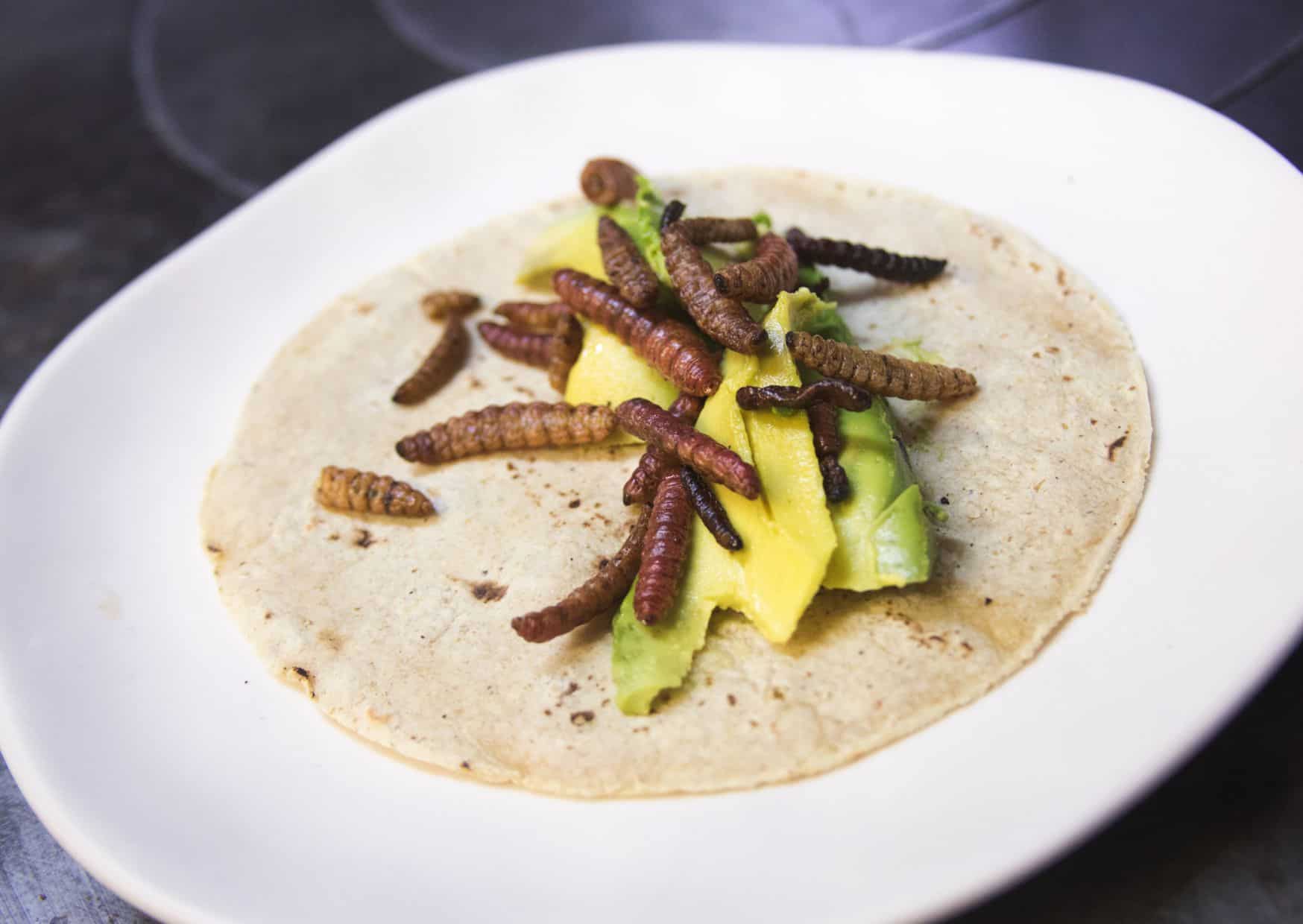
What It Is: Edible ant larvae, known as “insect caviar.”
Description: Although more commonly associated with Mexico, escamoles can be found in select gourmet markets in Spain. It has a nutty flavor and a buttery texture, often served with tortillas.
Where to Try It: High-end Spanish restaurants or specialty markets.
How to Eat: Typically served sautéed with butter and spices, or mixed into omelets.
Tip: If you’re hesitant about eating insects, escamoles’ mild flavor makes it a good starting point.
9. Karelian Pasties (Finland)
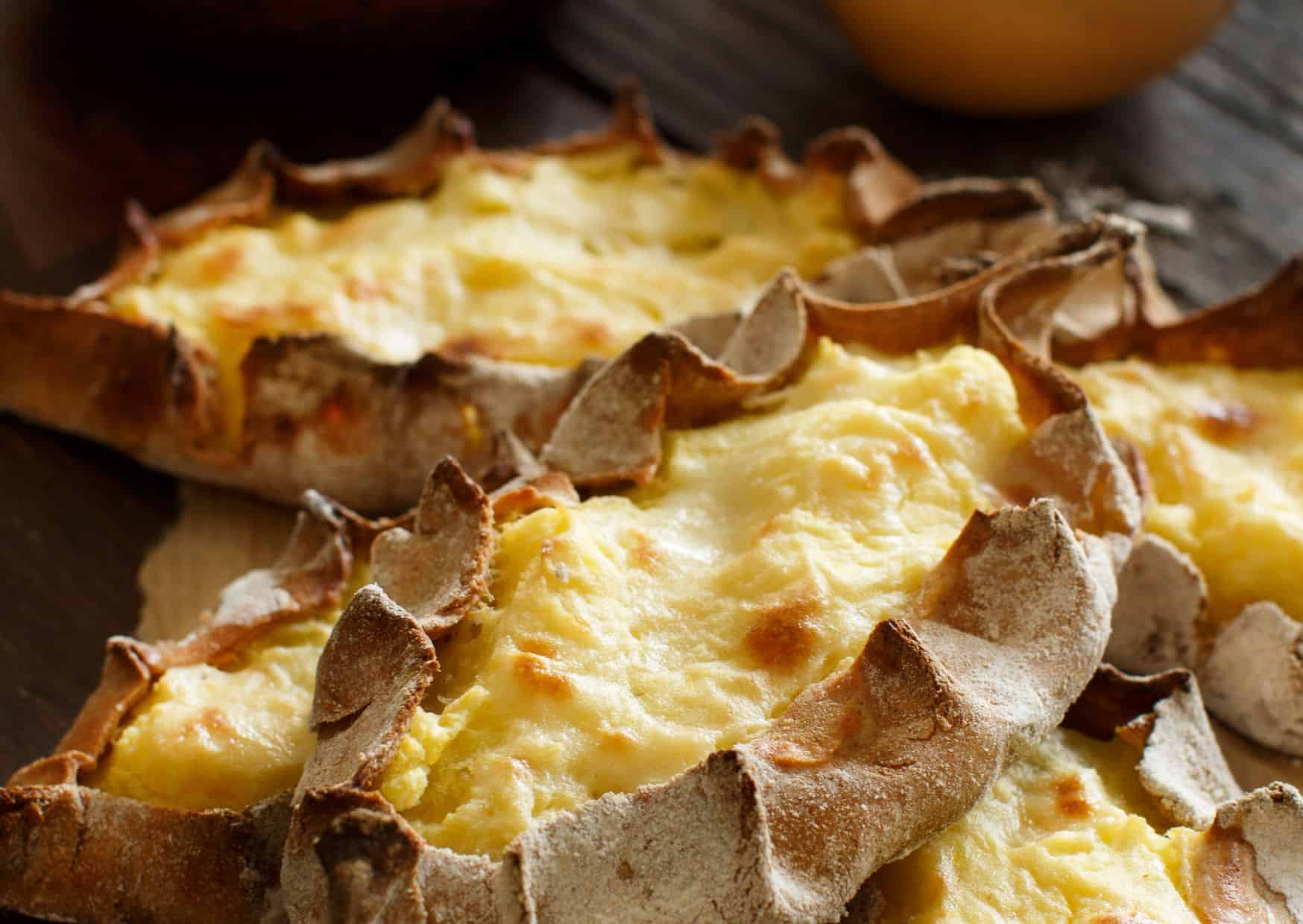
What It Is: A Finnish pastry made from rye crust filled with rice porridge.
Description: These small, savory pastries have a rye crust and are filled with a creamy rice mixture. Though not bizarre in flavor, the combination can seem unusual to many.
Where to Try It: Found in bakeries and traditional cafés throughout Finland.
How to Eat: Served warm, often with a topping of egg butter (a mix of chopped boiled eggs and butter).
Tip: Enjoy it with a cup of strong Finnish coffee for a true local experience.
10. Lutfisk (Sweden & Norway)
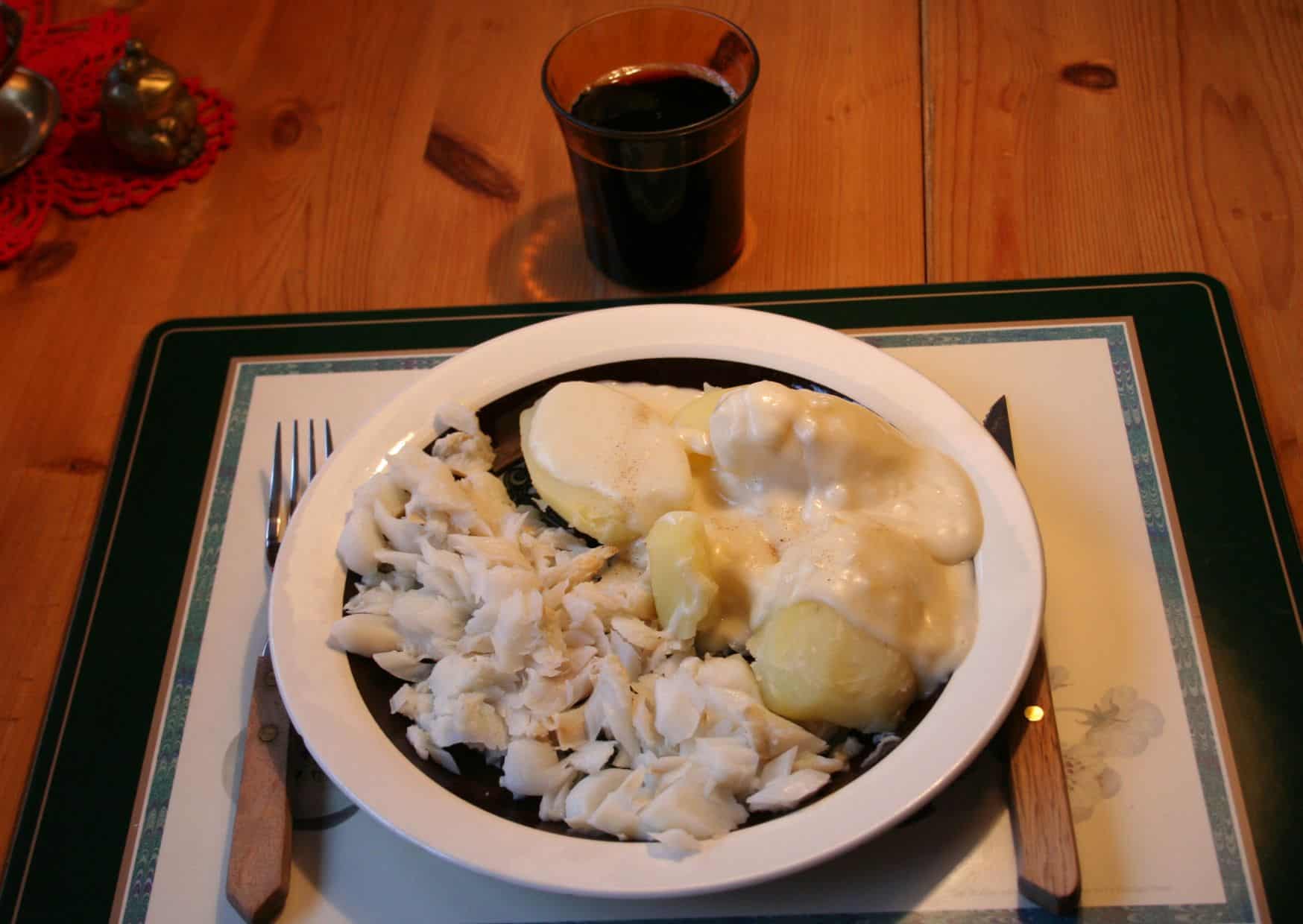
What It Is: Dried cod soaked in a lye solution.
Description: Lutfisk is made by soaking dried whitefish in a lye solution, giving it a jelly-like texture. It’s usually served with a creamy white sauce or potatoes.
Where to Try It: Traditionally served during Christmas in Sweden and Norway.
How to Eat: Typically served alongside potatoes, white sauce, and green peas.
Tip: The texture can be challenging — try a small portion first!

About the Author: Ruben, co-founder of Gamintraveler.com since 2014, is a seasoned traveler from Spain who has explored over 100 countries since 2009. Known for his extensive travel adventures across South America, Europe, the US, Australia, New Zealand, Asia, and Africa, Ruben combines his passion for adventurous yet sustainable living with his love for cycling, highlighted by his remarkable 5-month bicycle journey from Spain to Norway. He currently resides in Spain, where he continues sharing his travel experiences with his partner, Rachel, and their son, Han.