
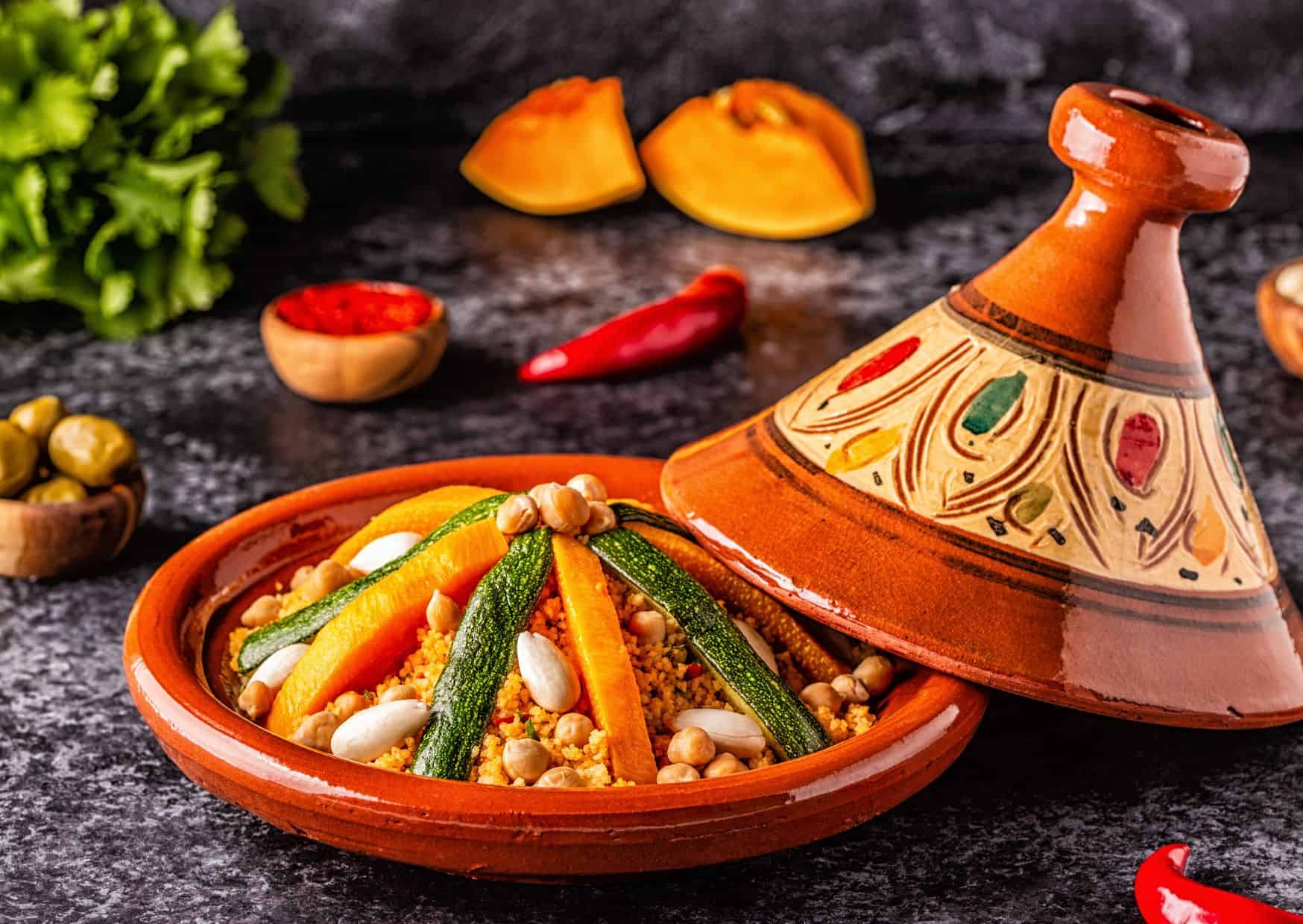
Moroccan tagine is more than just a recipe. It is a cooking philosophy built on patience, balance, and respect for ingredients. When I first tried making this fragrant stew at home, I did not expect it to become a regular part of my routine. Yet, after one attempt, it quickly transformed from an experiment into a weekly tradition.
What makes this dish so captivating is its ability to turn simple ingredients into something deeply comforting and complex. A handful of spices, slow heat, and careful layering create flavors that feel far more elaborate than the process suggests. Each time it simmers, the kitchen fills with aromas that instantly transport you to North Africa.
Unlike fast weeknight meals, this stew encourages you to slow down. It asks for attention, patience, and trust in the process. In return, it delivers richness and depth that rushed cooking rarely achieves. Preparing it becomes as rewarding as eating it.
The beauty of Moroccan stew lies in its flexibility. It welcomes vegetables, meats, dried fruits, and legumes with equal enthusiasm. No two versions are ever exactly alike, yet each remains unmistakably Moroccan in character. This adaptability is what makes it so easy to fall in love with.
In this article, I will share how this traditional dish became a staple in my kitchen. From its cultural roots to practical cooking tips, you will discover why this stew deserves a permanent place in your meal rotation. Once you try it, you may find yourself returning to it again and again.
Read here Moroccan food, best vegetarian food in Morocco, best Moroccan drinks best breakfast in Morocco
Read here 6 Days Morocco Itinerary, what to wear in Morocco and how to get from Marrakech airport to city center
BOOK YOUR TRAVEL INSURANCE
Two of our favorite travel insurance: Heymondo Vs Safetwing cheapest travel Insurance. You can get for $135 USD your Heymondo Travel Insurance with Heymondo discount code valid for 90 days. Read our full comparison of Genki vs Safetywing Travel Insurance Review and the comparison Heymondo vs Genki
How to Make Tagine
Tagine Ingredients
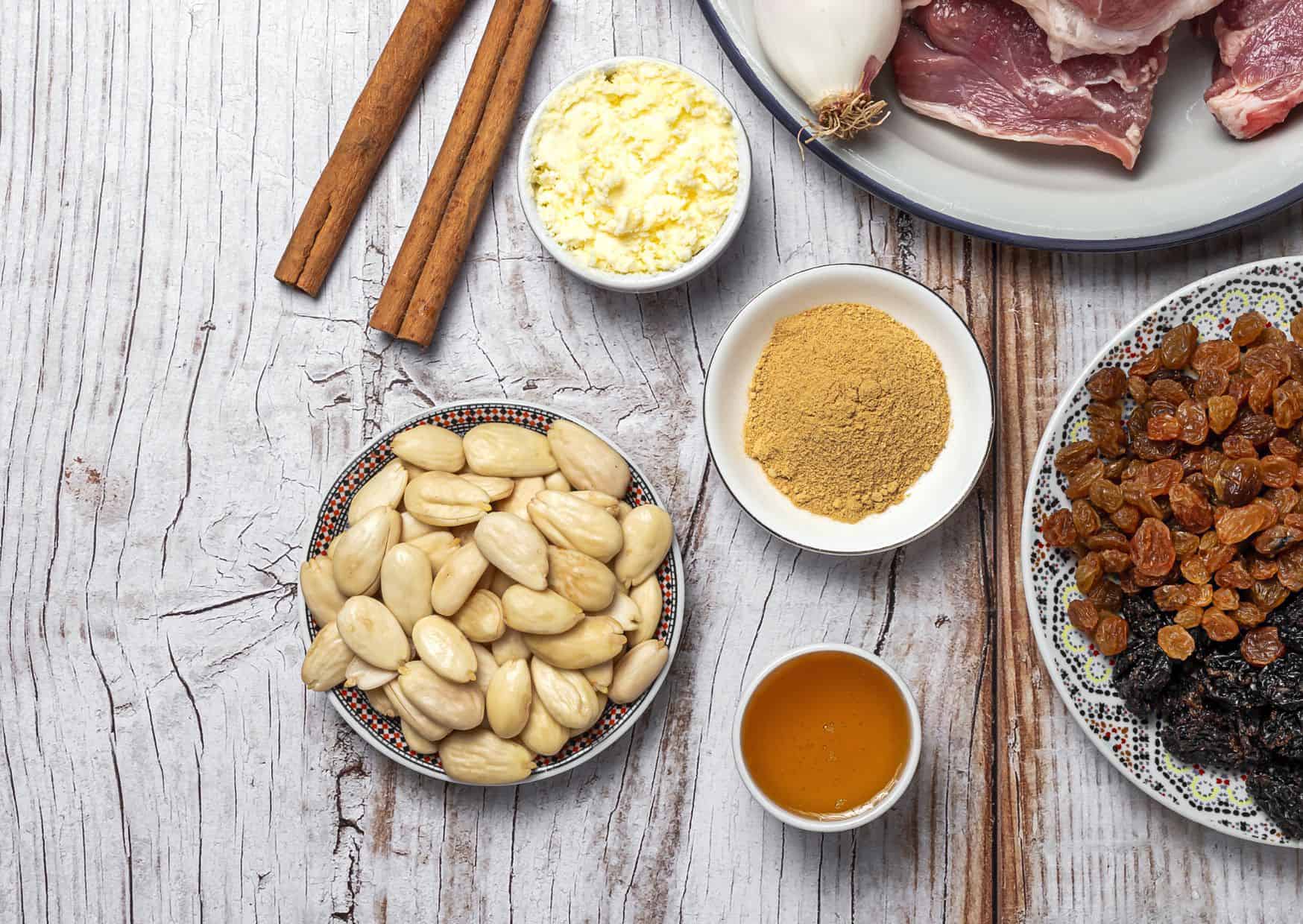
For the Marinade:
2 teaspoons ground cumin
2 teaspoons ground coriander
2 teaspoons ground paprika
1 teaspoon ground cinnamon
1 teaspoon ground ginger
1 teaspoon turmeric
3 cloves garlic, minced
1 teaspoon salt
1/4 teaspoon black pepper
2 tablespoons olive oil
Juice of 1 lemon
For the Tagine:
1 whole chicken (about 3-4 pounds), cut into pieces
1 large onion, chopped
2 cups chicken broth
1 cup green olives
1/2 cup dried apricots, halved
1/2 cup raisins or sultanas
1 preserved lemon, quartered
Fresh cilantro and parsley for garnish
Step By Step How to Make Tagine
Prepare the Marinade
In a bowl, combine all the marinade ingredients. Add the chicken pieces and coat them thoroughly. Cover and refrigerate for at least 2 hours, preferably overnight.
Cook the Tagine
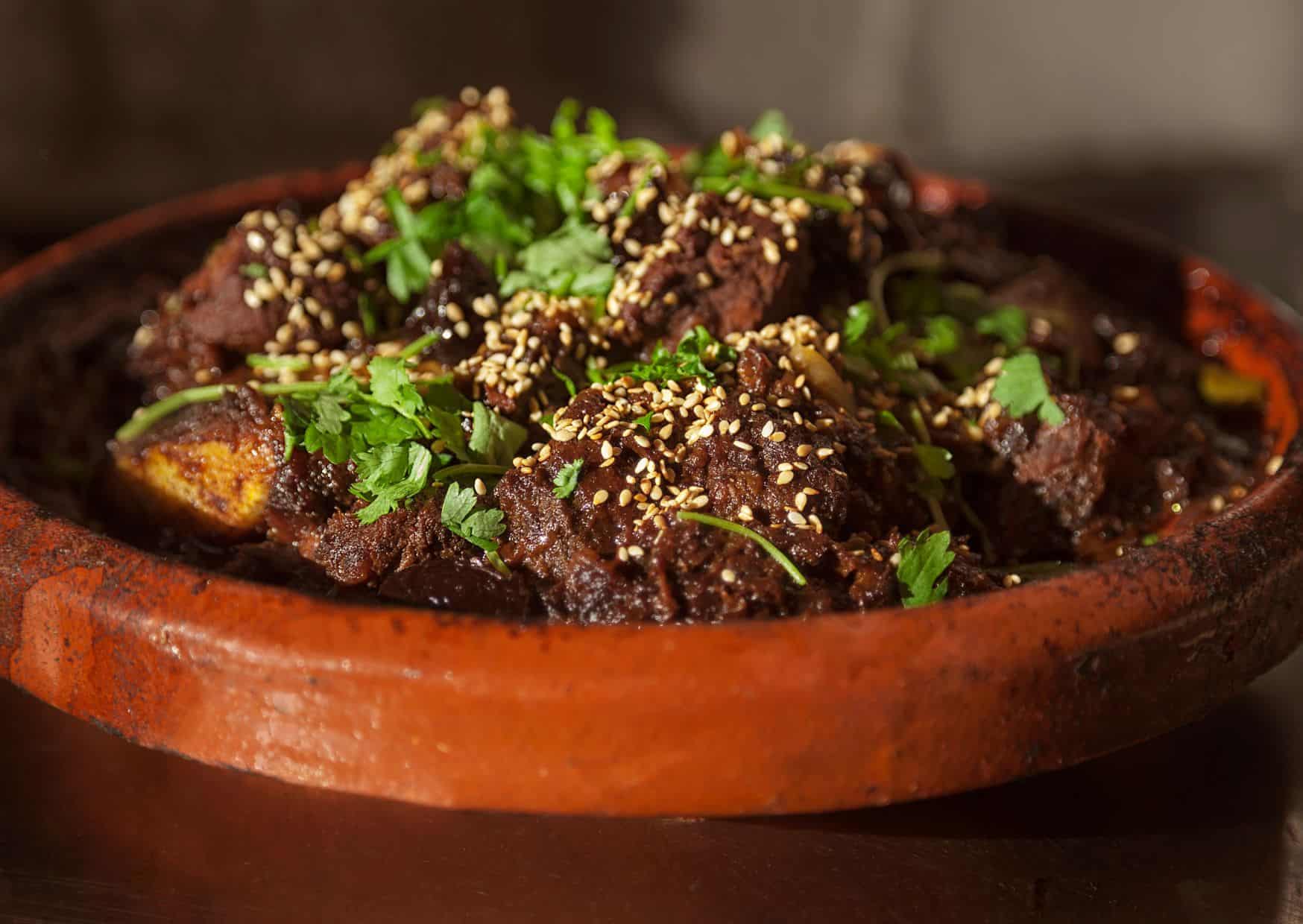
Heat a tablespoon of olive oil in a large, heavy-bottomed pot or tagine over medium heat. Add the chicken pieces (reserving the marinade) and brown on all sides. Remove and set aside.
In the same pot, add the chopped onion and sauté until soft.
Return the chicken to the pot along with any remaining marinade, chicken broth, olives, dried apricots, raisins, and preserved lemon. Bring to a simmer, cover, and cook on low heat for 1-1.5 hours until the chicken is tender.
Oven Method
Preheat the oven to 350°F (175°C). Follow steps 1-4 from the stovetop method. Place the tagine or an oven-safe pot with a lid in the oven and bake for 1-1.5 hours until the chicken is tender. Sprinkle with fresh cilantro and parsley before serving. Serve hot with couscous or crusty bread.
Tips To Make Tagine
If you have a traditional tagine pot, use it for authentic flavor. If not, a Dutch oven or heavy-bottomed pot works well. These add a unique flavor. If you can’t find them, substitute with fresh lemon zest and juice.
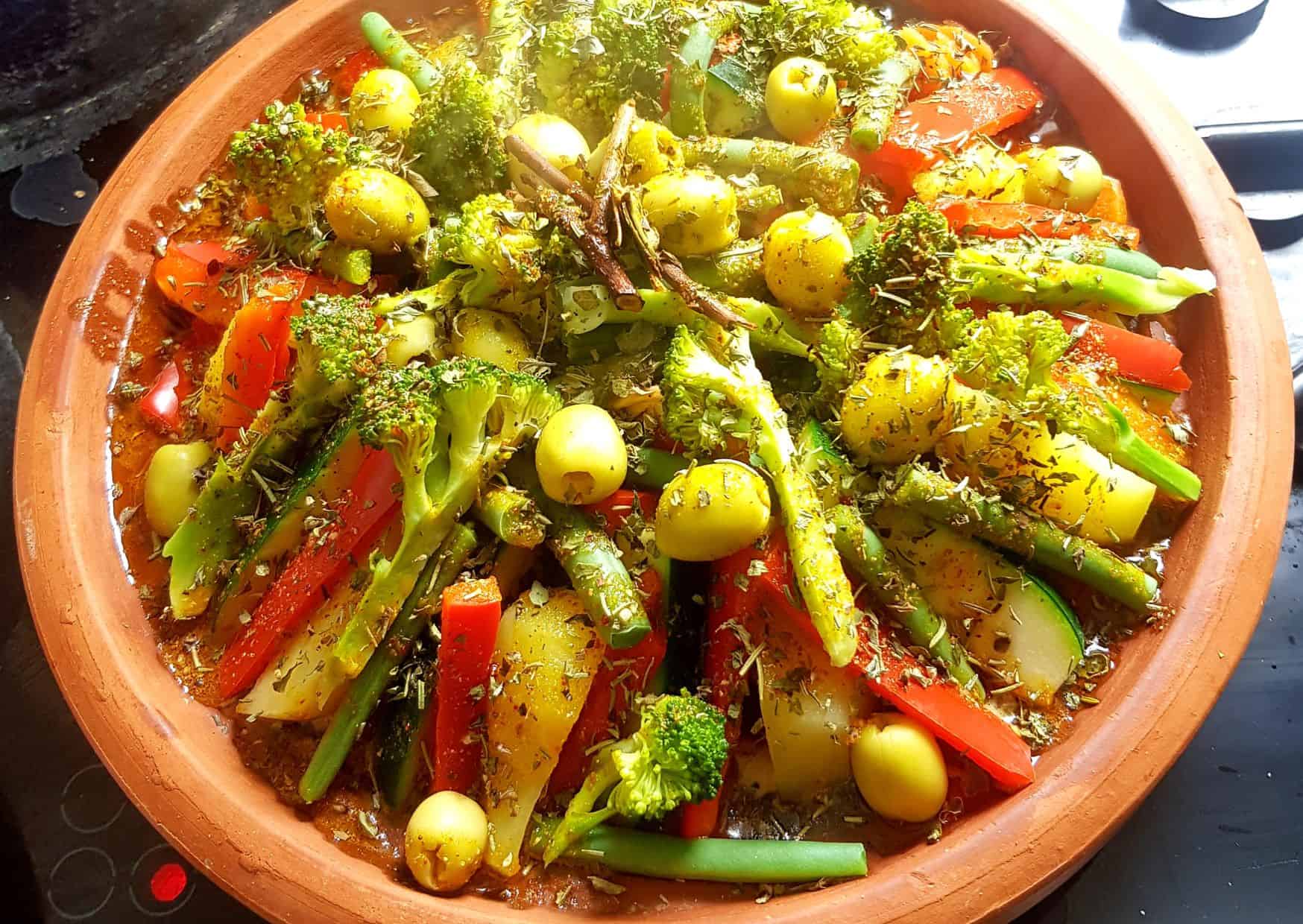
Substitute chicken with chickpeas and additional vegetables like carrots, zucchini, and potatoes.
How Many Calories Have Tagine
Calories: 350-400
Protein: 30g
Carbohydrates: 25g
Fat: 15g
Fiber: 4g
Sugar: 10g
Origin and History
Tagine is one of the most iconic dishes in Moroccan cuisine, and its story stretches back centuries. Named after the conical clay pot used to cook it, tagine originated as a slow-cooked meal designed for desert life. The unique pot allowed food to simmer gently using minimal water, making it ideal for nomadic communities who relied on simple ingredients and clever cooking techniques.
As Morocco evolved into a crossroads of cultures, so did the tagine. Berber traditions mixed with Arabic, Andalusian, and even Ottoman influences, creating variations that featured sweet fruits, warming spices, preserved lemons, olives, and tender meats. Each region of Morocco developed its own signature tagines, shaped by climate, available produce, and local customs.
Over time, the dish became not just a meal but a symbol of Moroccan hospitality. Families passed their tagine recipes down through generations, each adding subtle touches that reflected personal taste and local identity. Today, tagine is celebrated worldwide for its comforting aroma, complex flavors, and ability to bring people together around the table.
One of the biggest debates around tagine is whether it can still be considered authentic when cooked without the traditional clay pot. Purists argue that the conical lid and steam circulation are essential to developing the dish’s signature tenderness and depth. Others insist that modern cookware—like Dutch ovens and slow cookers can still produce delicious results with proper technique.
Another point of controversy involves sweetness in tagines. Some Moroccan styles include dates, apricots, raisins, or honey, creating a rich blend of savory and sweet. While many love this combination, others prefer a more strictly savory version. The debate often comes down to regional heritage and personal comfort with the harmony of fruit and meat.
There’s also discussion about shortcuts. Some cooks rely on pre-made spice blends or quick-cooking techniques to save time. Critics say these shortcuts compromise the soul of the dish, while supporters argue that adaptation keeps tagine accessible for busy modern kitchens. The tension reflects a larger question: should traditional dishes evolve, or remain untouched?
How Long You Take to Prepare
One of the joys of making tagine is that it demands very little hands-on time. Most versions require about fifteen to twenty minutes of prep, including chopping vegetables, seasoning your protein, and assembling aromatics. Once everything is layered into the pot, the real magic happens slowly and gently.
Cooking time typically ranges from one to two hours, depending on the type of tagine and the protein you choose. Chicken cooks faster, while lamb or beef benefit from low-and-slow heat that breaks down the fibers and infuses the sauce with richness. During this time, the pot does the work for you, requiring minimal intervention.
Even if you use a Dutch oven or skillet instead of a clay tagine, the timing barely changes. The key is patience: letting the ingredients soften, mingle, and develop layers of flavor. This slow simmering is what transforms simple ingredients into a deeply aromatic, comforting dish.
Serving Suggestions
Tagine is traditionally served with warm Moroccan bread, known as khobz, which is perfect for scooping up the thick sauce. If you can’t find it, any crusty bread works well. Many also enjoy tagine with couscous, which absorbs the juices and adds lightness to the meal.
For added brightness, garnish your tagine with fresh herbs like cilantro or parsley. Lemon wedges can also elevate the flavors, especially for dishes that already incorporate preserved lemon. A small handful of toasted almonds or sesame seeds adds contrasting texture and a subtle nutty finish.
To make it a complete meal, pair your tagine with a simple side salad often tomato and cucumber dressed with olive oil and a pinch of cumin. Serve it family-style, letting everyone dig in together. The communal approach is part of what makes this dish feel warm and inviting.
Final Thoughts
Making tagine at home may sound intimidating, but once you try it, you realize just how approachable it is. With a few everyday ingredients and a bit of time, you can create a dish that’s fragrant, comforting, and full of depth. It’s a recipe that rewards patience rather than perfection.
Beyond the flavors, tagine represents connection. It reflects centuries of Moroccan culture and the importance of shared meals. Cooking it at home gives you a taste of that tradition, even if you’re thousands of miles away. Each simmer, spice blend, and aroma brings you closer to the heart of Moroccan hospitality.
In the end, the beauty of tagine lies in its adaptability. You can keep it classic, make it lighter, add your own twist, or follow tradition closely. No matter which path you take, the result is a dish that fills your home with warmth and brings people to the table. That’s the real magic of a homemade tagine.

About the Author: Ruben, co-founder of Gamintraveler.com since 2014, is a seasoned traveler from Spain who has explored over 100 countries since 2009. Known for his extensive travel adventures across South America, Europe, the US, Australia, New Zealand, Asia, and Africa, Ruben combines his passion for adventurous yet sustainable living with his love for cycling, highlighted by his remarkable 5-month bicycle journey from Spain to Norway. He currently resides in Spain, where he continues sharing his travel experiences with his partner, Rachel, and their son, Han.