
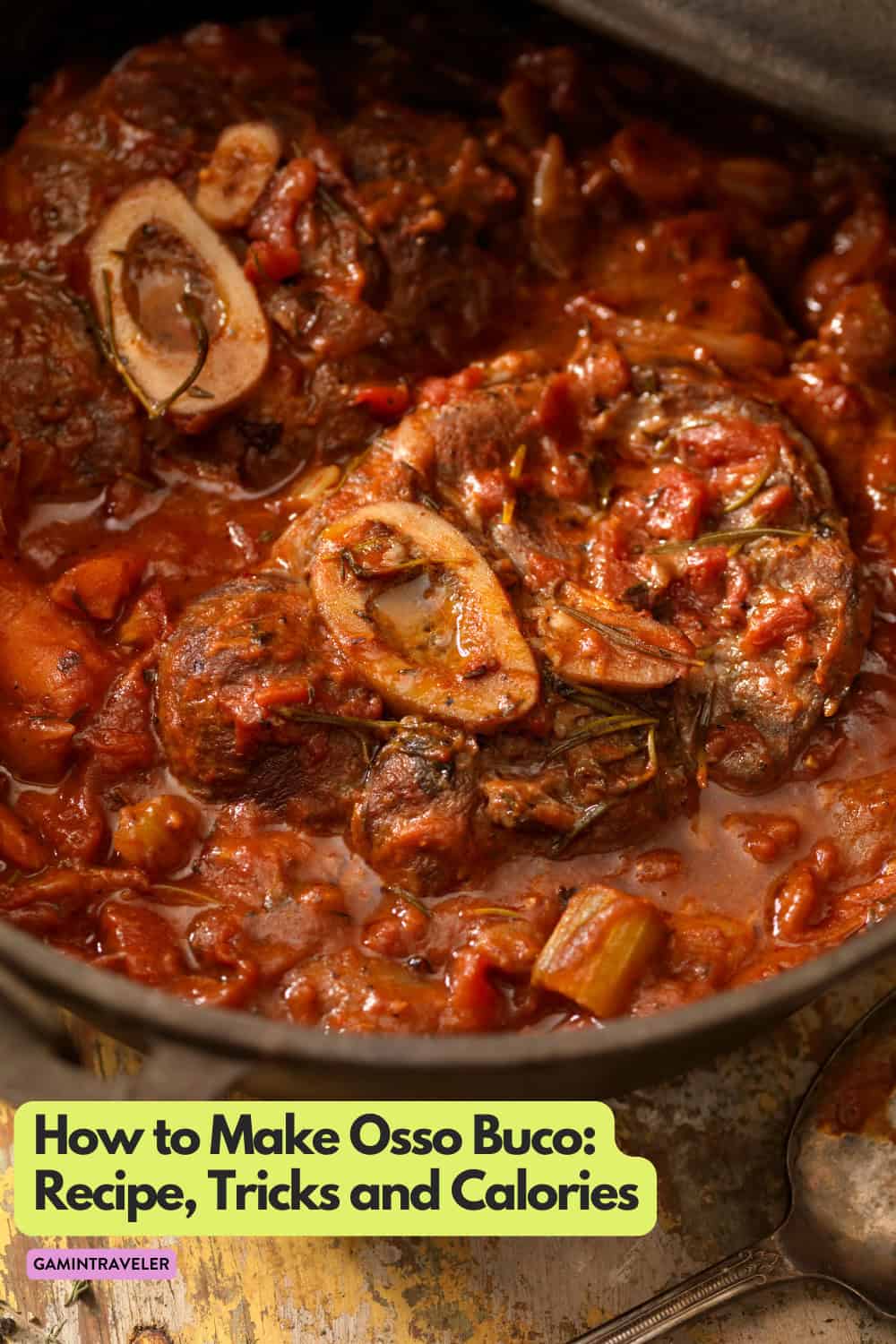
Osso Buco is a celebrated dish from the Lombardy region of Italy, where Milan serves as the cultural and culinary heart. The name “Osso Buco” translates to “bone with a hole,” a reference to the marrow-filled shin bone at the center of this sumptuous dish. Originating as a peasant dish, it has been elevated to a staple of fine Italian dining, loved for its rich flavors and tender meat.
Traditionally made with veal shanks, Osso Buco is slowly braised with white wine, vegetables, and broth until the meat is so tender it nearly melts in your mouth. The marrow, considered a delicacy, adds a luxurious richness to the sauce that envelops the meat. This dish is a beautiful example of how Italian cooking expertly combines simple ingredients to create deep, complex flavors.
A key component of Osso Buco is the gremolata a garnish of lemon zest, garlic, and parsley that is sprinkled on top before serving. This adds a burst of freshness and helps to cut through the richness of the dish, balancing the flavors with its citrusy and herbal notes.
Osso Buco is traditionally served with risotto alla Milanese, another Lombard specialty, where the creamy, saffron-infused risotto complements the rich and hearty veal. This combination not only enhances the dining experience but also reflects the harmony and depth of Milanese culinary traditions.
Through this guide, we will explore the steps to crafting a perfect Osso Buco, from preparing the shanks to mastering the slow-braising technique that defines this beloved dish. Whether you are a seasoned chef or a curious cook, this recipe will bring a taste of Milan into your kitchen, promising a delightful experience for your palate.
Best Time to Eat and How to Partner
Osso Buco is traditionally enjoyed as a long Sunday lunch or hearty dinner, particularly during autumn and winter months when warm, slow-cooked dishes are most comforting. In Italy, it’s a dish meant to be savored slowly with family and friends around the table.
To partner Osso Buco like a true Milanese meal, serve it with Risotto alla Milanese, infused with saffron for its golden color and delicate flavor, or creamy polenta if you prefer a rustic touch. Pair it with a robust Italian red wine, such as Barolo or Chianti Classico, to balance the richness of the meat and sauce.
One controversial truth about Osso Buco is that outside Italy, it is often cooked with tomato-based sauces. While southern Italian adaptations may include tomatoes, the traditional Milanese recipe uses white wine and broth only, creating a lighter, more delicate sauce that lets the veal’s flavor shine through. Adding tomatoes to this dish in Milan is often considered culinary sacrilege.
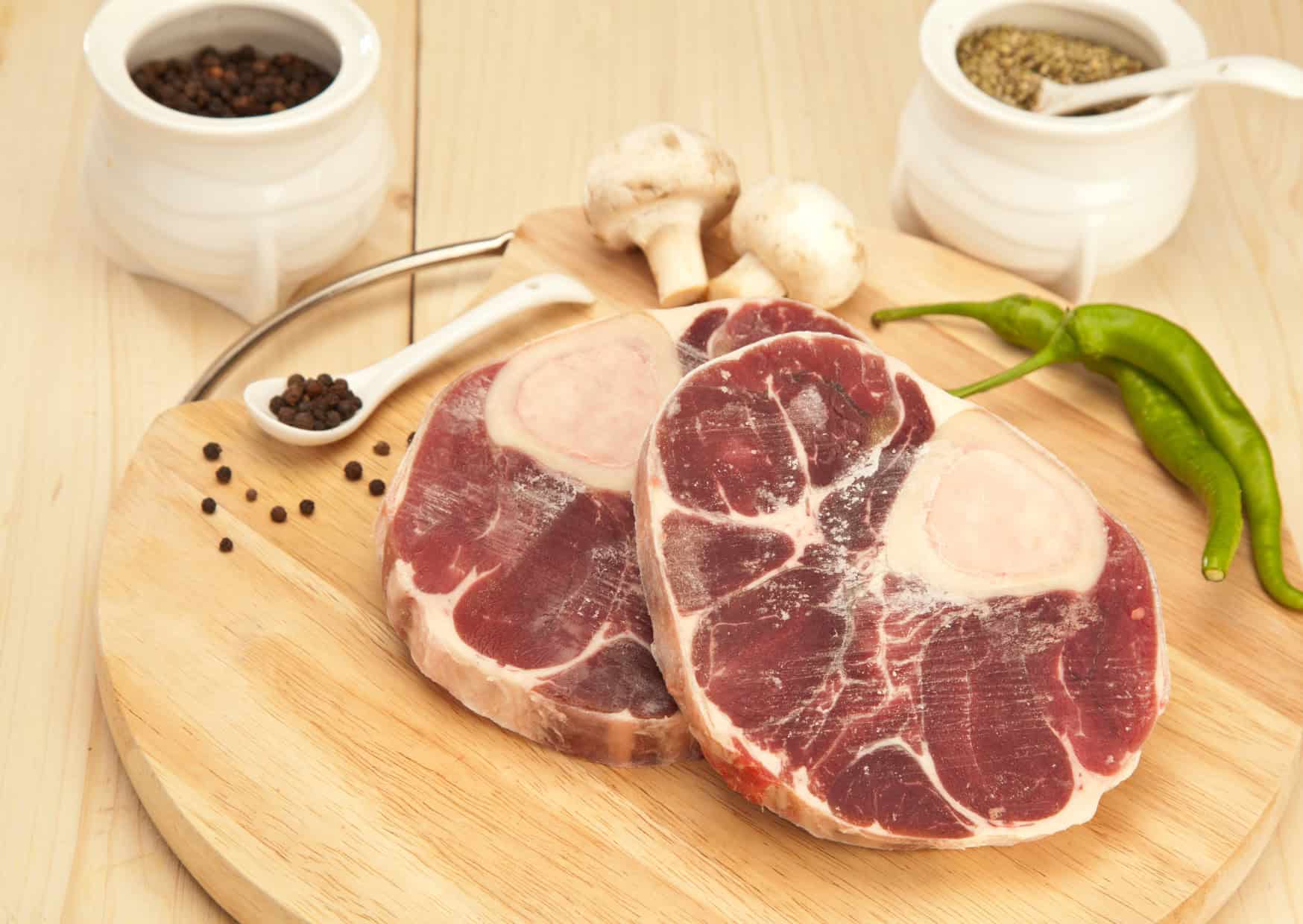
Another misunderstood aspect is the cut of meat. Authentic Osso Buco is made with cross-cut veal shanks, bone-in, to provide the essential marrow that enriches the sauce. Using beef shanks or boneless cuts changes the dish entirely, losing the tender, gelatinous texture and unctuous marrow that makes Osso Buco unique.
Finally, while some consider Osso Buco an expensive, restaurant-only dish, it was originally a humble peasant recipe designed to use economical cuts of veal shank that require slow cooking. Treating it purely as a luxury dish misses its roots as a warming, affordable family meal that showcases Italian ingenuity in transforming simple ingredients into something extraordinary.
Ingredients List in Making an Osso Buco
Primary Ingredients:
- Veal Shanks: 4 large veal shanks (about 1 inch thick), each tied with kitchen string
- White Onion: 1 large, finely chopped
- Carrots: 2, peeled and diced
- Celery Stalks: 2, diced
- Garlic Cloves: 3, minced
Braising Liquid:
- Dry White Wine: 1 cup
- Canned Diced Tomatoes: 14 oz can, including juices
- Beef Broth: 2 cups (vegetable broth can be substituted for a lighter flavor)
For the Gremolata:
- Lemon Zest: From 1 lemon
- Fresh Garlic: 2 cloves, finely minced
- Fresh Parsley: ¼ cup, finely chopped
Additional:
- All-purpose Flour: For dusting the veal shanks
- Butter and Olive Oil: For browning the veal
- Salt and Pepper: To taste
Equipment Needed for Your Osso Buco Recipe
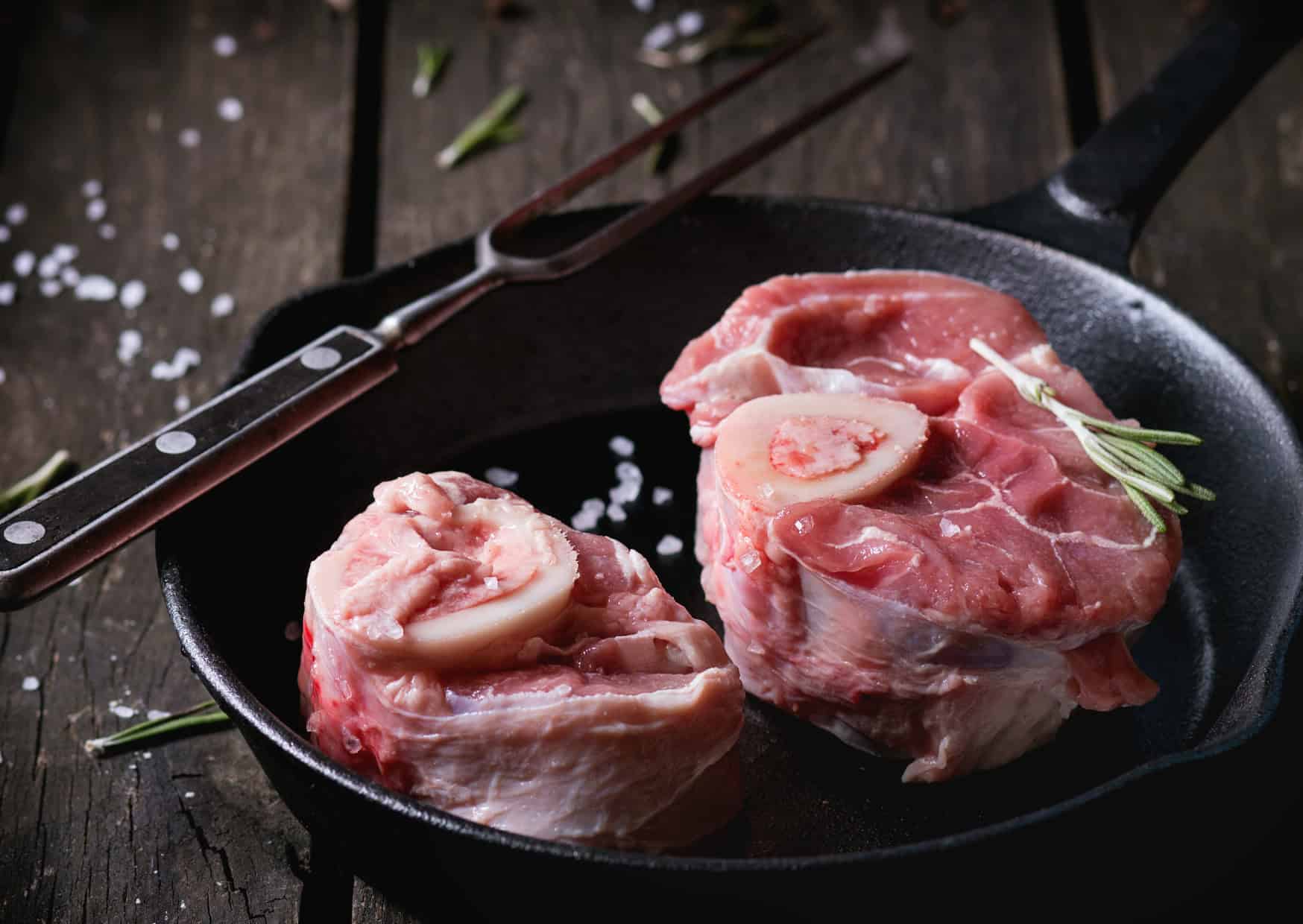
- Dutch Oven or Sturdy Pot: Suitable for both browning and slow cooking
- Tongs: For handling hot meat
- Grater or Zester: For preparing lemon zest
- Mixing Bowls: For mixing gremolata
Preparation Overview
- Preparation of Ingredients: Chop vegetables, tie veal shanks, and prepare gremolata ingredients.
- Browning the Meat: Dust veal with flour and sear until golden brown.
- Building the Sauce: Sauté vegetables, deglaze with wine, then add tomatoes and broth.
- Slow Cooking: Return veal to pot, cover, and simmer until tender.
- Finishing Touches: Prepare and add gremolata before serving.
Detailed Step-by-Step Recipe
Step 1: Prepare the Veal
- Season and flour veal shanks lightly, ensuring they are coated but not overly dusty.
- Heat butter and olive oil in a Dutch oven over medium-high heat. Sear shanks on all sides until golden, about 3 minutes per side. Remove and set aside.
Step 2: Vegetable Base
- Reduce to medium heat. In the same pot, add onions, carrots, and celery. Cook until onion is translucent, about 5 minutes.
- Add garlic and sauté for another minute until fragrant.
Step 3: Deglaze and Simmer
- Increase heat to medium-high, add white wine, and deglaze the pan, scraping up any browned bits.
- Stir in diced tomatoes with juices and broth. Season with salt and pepper. Bring to a simmer.
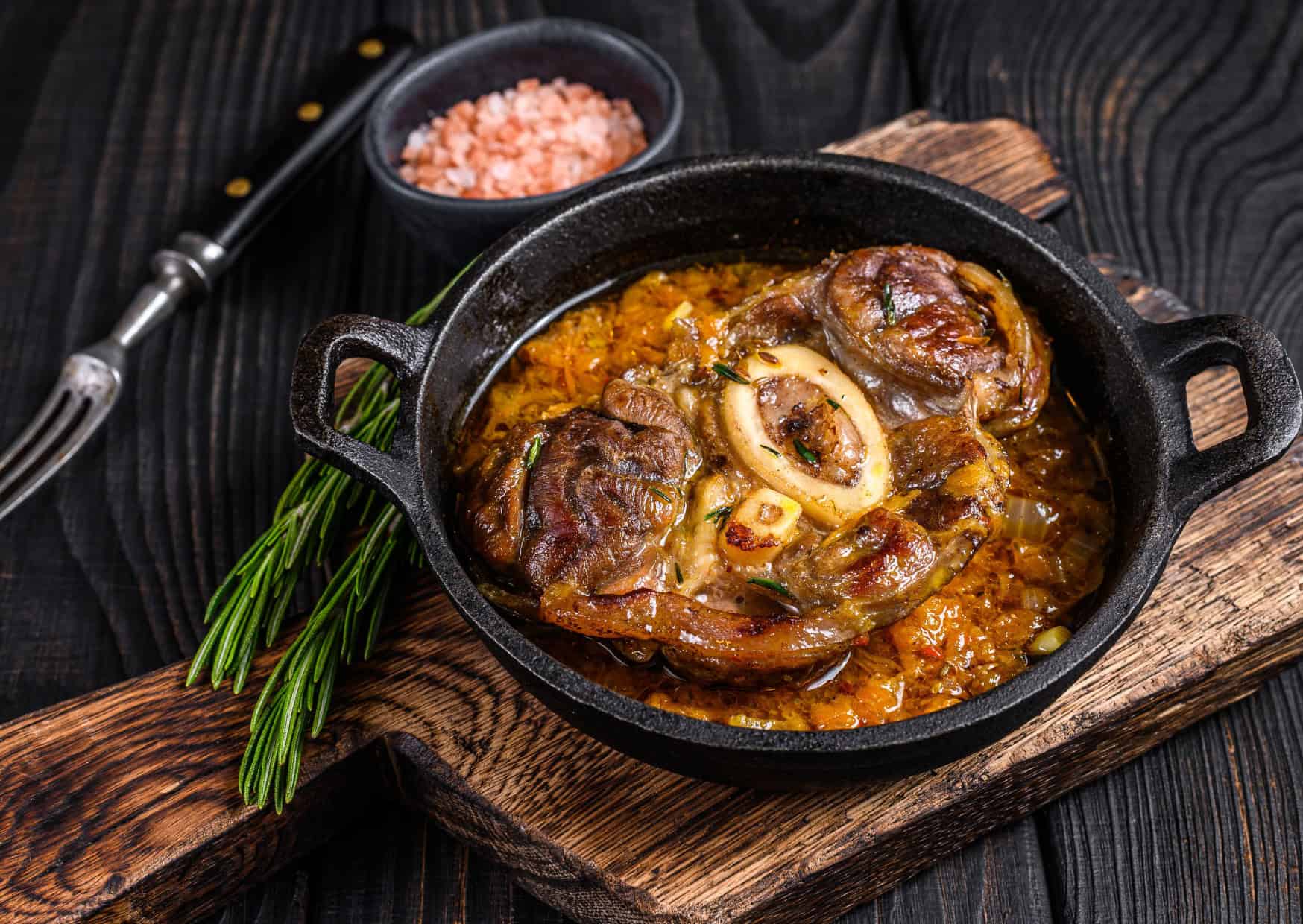
- Return veal shanks to the pot, ensuring they are submerged. Cover, reduce heat to low, and simmer for about 1.5 to 2 hours, or until the meat is tender.
Step 4: Gremolata and Serving
- Combine lemon zest, minced garlic, and chopped parsley in a small bowl.
- Once the meat is tender, sprinkle gremolata over the Osso Buco just before serving.
Serving Suggestions
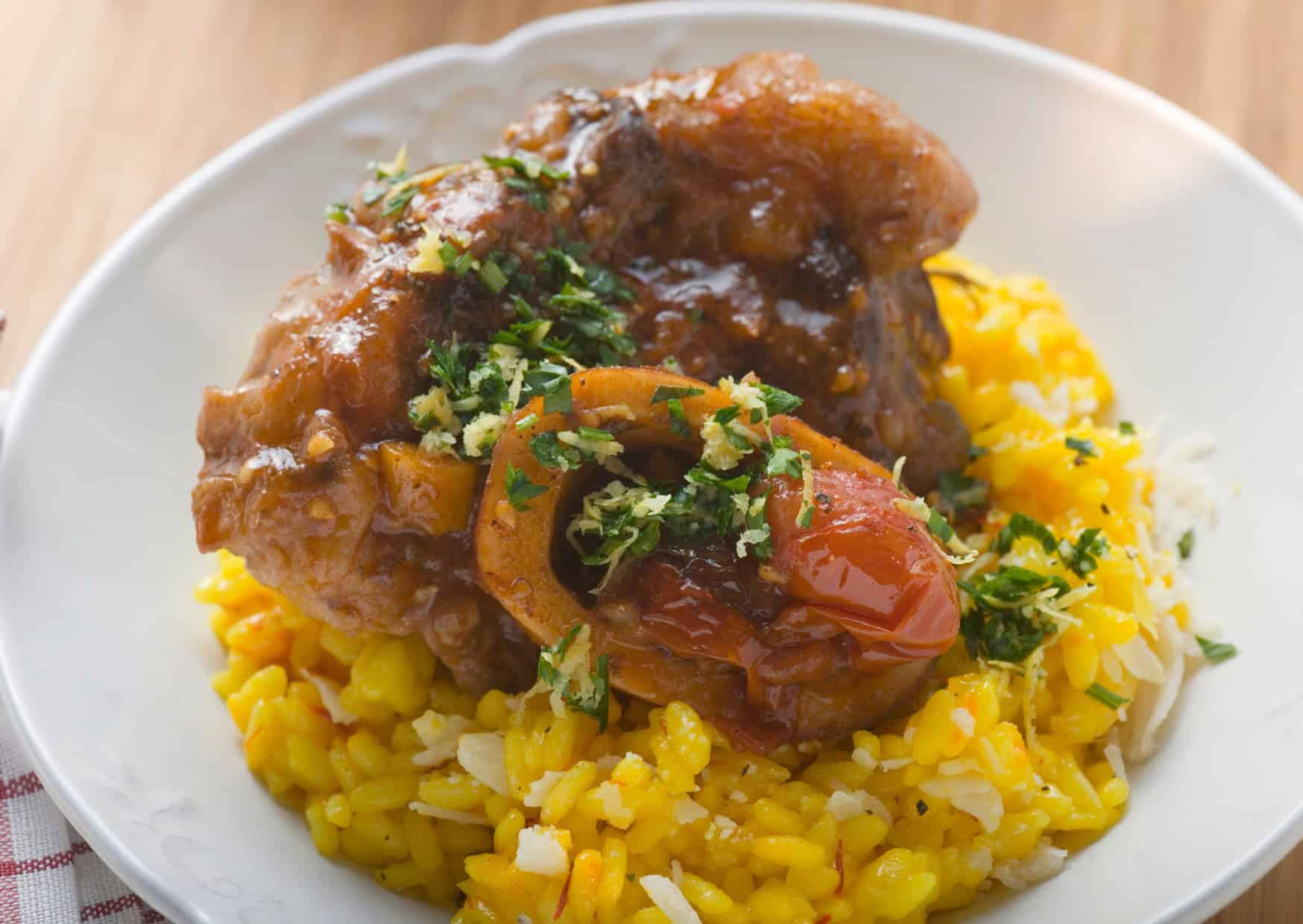
Ideal over creamy polenta, risotto alla Milanese, or mashed potatoes to enjoy the rich sauce.
Nutritional Information (approximate per serving)
- Calories: 600
- Fat: 30g
- Carbohydrates: 20g
- Protein: 50g
Additional Tips and Variations
- Tip for Tenderness: Cook on the lowest heat to ensure the meat becomes tender without drying out.
- Wine Selection: A robust white wine like Pinot Grigio works well in this recipe.
- Herb Variations: Thyme or bay leaves can be added to the braising liquid for an aromatic twist.
Origin and History
Osso buco originates from Milan, in northern Italy, where long, slow cooking was a necessity rather than a luxury. The dish was born in working-class kitchens that relied on tougher cuts of meat, using time and technique to transform them into something deeply satisfying.
The name itself means “bone with a hole,” referring to the marrow-filled shank that defines the dish. This cut was prized not for convenience, but for the richness it released during extended braising. Nothing about osso buco was rushed.
Traditionally, the dish was cooked without tomatoes, relying instead on white wine, broth, and aromatics. Tomatoes were introduced later as regional and personal adaptations evolved, reflecting Italy’s flexible but respectful approach to tradition.
Osso buco became a symbol of Lombard cuisine, representing patience and restraint. It wasn’t meant to impress quickly, but to reward those willing to wait.
One major point of debate is whether tomatoes belong in osso buco at all. Purists argue that adding them changes the dish’s identity, while others see tomato-based versions as valid regional expressions.
Another controversy lies in the cut of meat. Veal is traditional, but beef is often substituted outside Italy. While both can work, the texture and sweetness differ significantly, changing the final result.
There’s also disagreement about gremolata, the lemon, garlic, and parsley topping added at the end. Some consider it essential, while others believe it distracts from the stew’s depth.
What divides opinions most is time. Many modern recipes attempt shortcuts, but osso buco resists haste. Without slow braising, it loses what makes it distinct.
How Long It Takes to Prepare
Osso buco requires minimal active labor but significant patience. Preparation takes about 20 minutes, focusing on browning the meat and building the base.
The braising process takes two to three hours at a gentle simmer. During this time, connective tissue breaks down and marrow enriches the sauce naturally.
Rushing the cook time leads to tough meat and thin sauce. The dish improves steadily with low heat and restraint.
From start to finish, expect half a day to truly respect the process. The time invested is what separates osso buco from ordinary stew.
Final Thoughts
Osso buco stands apart because it trusts time over technique. It doesn’t rely on layers of seasoning or complexity, only patience.
Compared to faster stews, its depth feels earned rather than constructed. Each bite reflects hours of quiet transformation.
Making it teaches an important lesson: some dishes cannot be optimized without being diminished.
Once you experience osso buco done properly, other stews feel rushed by comparison. It’s not about richness alone it’s about respect for the process that makes the difference.
FAQs on Osso Buco Cooking
- Can Osso Buco be made ahead?
- Absolutely, it tastes even better the next day as the flavors deepen.
- What if I can’t find veal shanks?
- Beef shanks can be used as a substitute, although the cooking time may need to be adjusted slightly.

About the Author: Ruben, co-founder of Gamintraveler.com since 2014, is a seasoned traveler from Spain who has explored over 100 countries since 2009. Known for his extensive travel adventures across South America, Europe, the US, Australia, New Zealand, Asia, and Africa, Ruben combines his passion for adventurous yet sustainable living with his love for cycling, highlighted by his remarkable 5-month bicycle journey from Spain to Norway. He currently resides in Spain, where he continues sharing his travel experiences with his partner, Rachel, and their son, Han.