
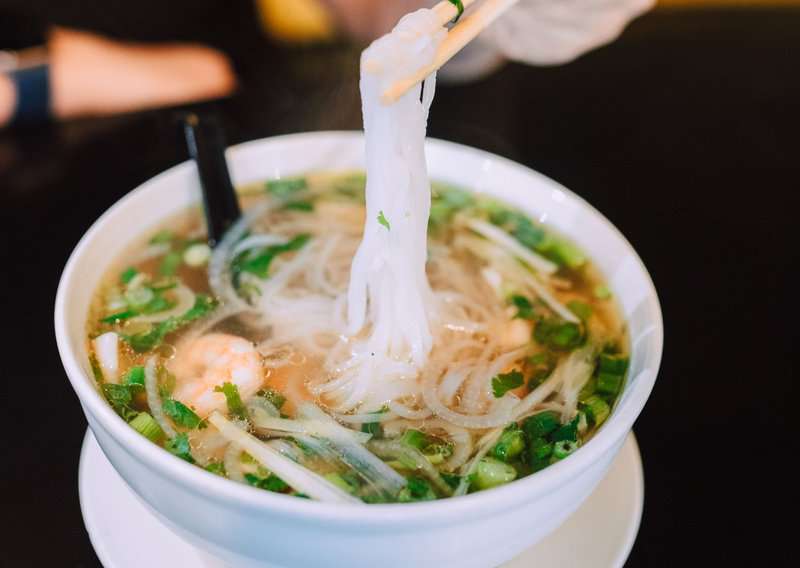
When it comes to Southeast Asian cuisine, few rivalries stir up as much passionate debate as Thai food versus Vietnamese food. Both are beloved worldwide for their bold flavors, fresh ingredients, and unforgettable dishes but which one truly satisfies the soul (and the stomach) more? Whether you’re drawn to the rich curries of Thailand or the herbaceous broths of Vietnam, this culinary showdown is guaranteed to make your taste buds curious.
Thai food is often described as spicy, creamy, and intensely flavorful think red curry, pad Thai, and tom yum soup. Meanwhile, Vietnamese cuisine leans lighter and more delicate, with fresh herbs, clear broths, and balanced tastes like in pho, bun cha, and banh mi. They may share ingredients like lemongrass and chili, but their philosophies on flavor and preparation couldn’t be more different.
In this post, we’ll explore the key differences between Thai and Vietnamese food, highlight their most iconic dishes, and help you decide which cuisine deserves the crown. From street food to home-cooked recipes, you’ll discover how each culture has mastered the art of cooking and why food lovers around the world can’t stop debating which is better.
Read here best Thai food, best Thai Breakfast and Thailand travel tips
Read here best Vietnamese Breakfast, 40 Vietnam Travel Tips and Best Things to Do in Vietnam
BOOK YOUR TRAVEL INSURANCE
Two of our favorite travel insurance: Heymondo Vs Safetwing cheapest travel Insurance. You can get for $135 USD your Heymondo Travel Insurance with Heymondo discount code valid for 90 days. Read our full comparison of Genki vs Safetywing Travel Insurance Review and the comparison Heymondo vs Genki and if you look for accommodation with Booking
Comparing Thai Food Vs Vietnamese Food
Thai Food
Thai cuisine is known for its bold, complex flavors, with a balance of sweet, sour, salty, and spicy elements.
Common ingredients include coconut milk, lemongrass, galangal, fish sauce, and a variety of herbs like basil and cilantro.
Thai dishes are often quite spicy, with curries, soups, and salads incorporating generous amounts of chilies.
Thai Food Pros
Thai cuisine is known for its bold, complex flavors, characterized by a balance of sweet, sour, salty, and spicy. This richness is achieved through ingredients like coconut milk, lemongrass, galangal, and a variety of chilies.
From curries and soups like Tom Yum Goong to salads and noodles like Pad Thai, Thai food offers a wide range of dishes catering to different tastes and dietary preferences.
Many Thai dishes include a variety of herbs and spices with potential health benefits, including anti-inflammatory properties and digestive aids.
Thai Food Cons
The extensive use of chilies and spices might be challenging for those with milder palate preferences or digestive issues related to spicy foods.
Some popular Thai dishes can be high in calories due to the use of coconut milk and sugar, particularly in curries and desserts.
Achieving the authentic balance of flavors in Thai cooking can sometimes be challenging for beginners, requiring precise combinations of ingredients.
Best Time to Eat and How to Partner
The beauty of both Thai and Vietnamese cuisines is that they adapt well to any time of day. Enjoy a hot bowl of Vietnamese pho for breakfast like the locals do, or savor Thai green curry for dinner when you want something hearty and bold. Both offer street-friendly options that make for perfect lunches on the go, like Vietnam’s banh mi sandwich or Thailand’s pad kra pao.
Pair Thai dishes with jasmine rice, Thai iced tea, or a crisp lager to balance the heat. Vietnamese food partners beautifully with rice noodles, fresh herbs, and iced coffee with condensed milk. Hosting a Southeast Asian night? Serve spring rolls from both countries as starters and let your guests taste the contrast. The freshness of Vietnamese dishes complements the heat of Thai food, making them surprisingly compatible on the same table.
The debate over which cuisine is “better” can be surprisingly intense and highly subjective. Some argue Thai food’s complex layering of sweet, spicy, salty, and sour gives it the edge in flavor. Others claim Vietnamese food’s subtlety and clean, fresh ingredients make it a healthier and more versatile option. There’s also the matter of presentation Thai dishes tend to be rich and indulgent, while Vietnamese food showcases restraint and balance.
Critics of Thai cuisine sometimes claim it’s too reliant on sugar and coconut milk, leading to heavier meals that can mask ingredient quality. On the flip side, Vietnamese food is occasionally seen as bland or under-seasoned by those who prefer punchier flavors. But these criticisms often stem from Western interpretations, not authentic cooking practices.
At the core of the argument lies a deeper cultural contrast. Thai cuisine embraces boldness and complexity in every bite, reflecting the country’s exuberant spirit. Vietnamese food, with its emphasis on harmony and minimalism, mirrors a culture rooted in balance and refinement. Instead of asking which is better, perhaps the real question is: which one suits your mood today?
Most Popular Dishes And Recipes
Pad Thai
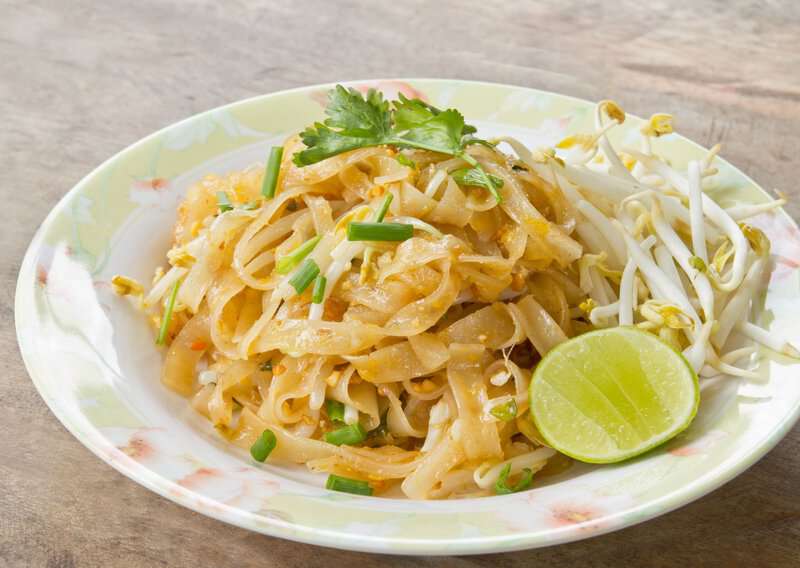
A stir-fried noodle dish with eggs, fish sauce, tamarind paste, red chili pepper, plus a combination of bean sprouts, shrimp, chicken, or tofu.
Pad Thai cooks very quickly once you start, so it’s crucial to have all your ingredients prepped and ready to go—sauce mixed, noodles soaked, and all components chopped and set aside.
Read here how to make Pad Thai
Pad Thai Ingredients
Rice Noodles: Typically flat and thin.
Protein: Common options include shrimp, chicken, or tofu.
Eggs: Lightly beaten and scrambled in the pan.
Aromatics: Garlic and shallots.
Vegetables: Bean sprouts and green onions.
Sauce: A mix of fish sauce, tamarind paste, sugar, and a little bit of lime juice.
Toppings: Crushed peanuts, fresh cilantro, and lime wedges.
Tom Yum Goong
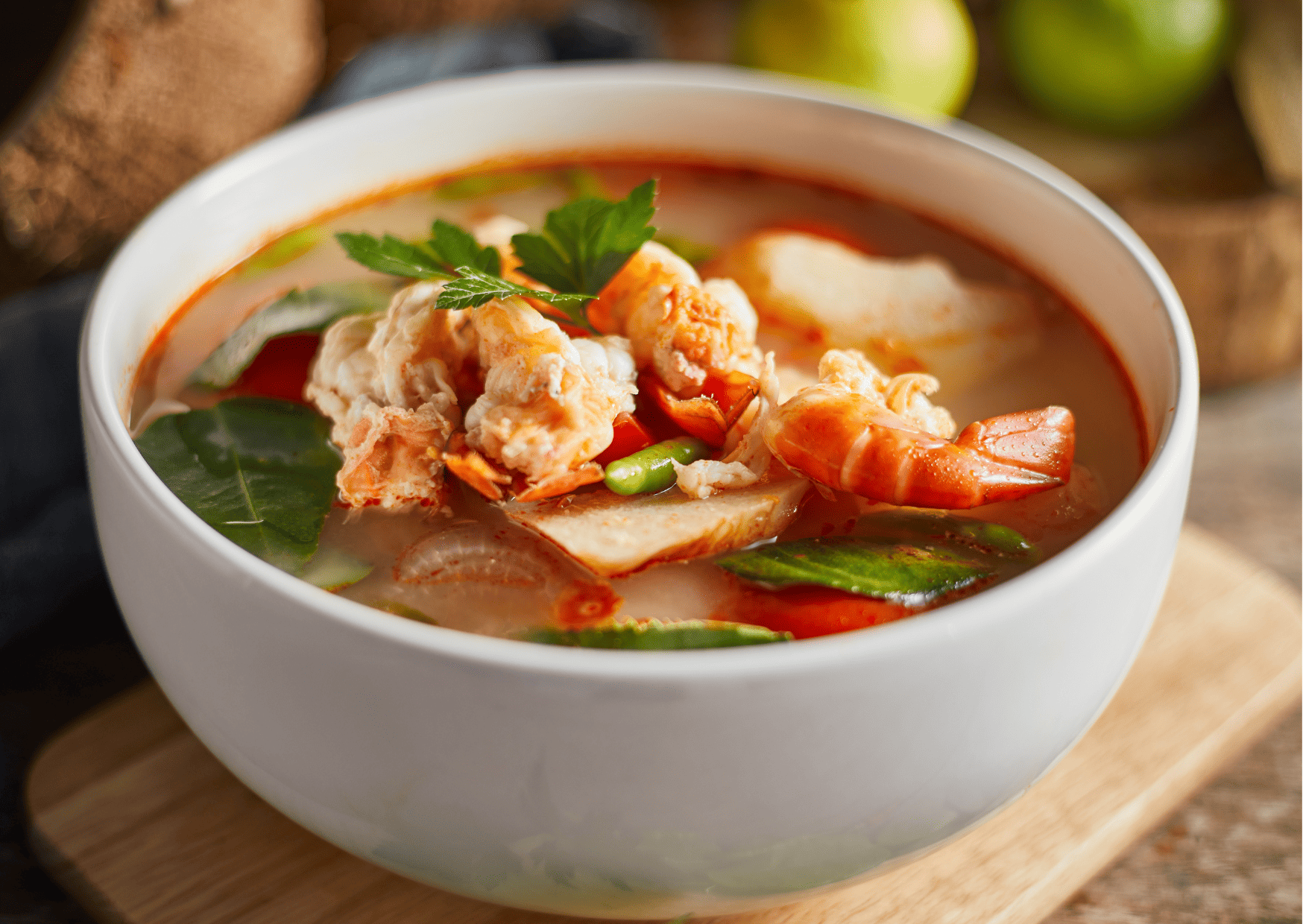
A hot and sour soup made with shrimp, mushrooms, tomatoes, lemongrass, galangal, and kaffir lime leaves.
To preserve the vibrant, fresh flavor of the lime, add it to the soup just before you turn off the heat. This prevents the lime juice from becoming bitter and keeps its bright, tangy flavor prominent in the dish.
Read here how to make Tom Yum
Tom Yum Ingredients
Shrimp: Medium to large, peeled and deveined.
Lemongrass: Stalks smashed and cut into 2-inch pieces.
Galangal: Sliced into thin pieces.
Kaffir Lime Leaves: Torn into pieces, stems removed.
Thai Bird’s Eye Chilies: Smashed (adjust to taste).
Fish Sauce: For seasoning.
Lime Juice: Freshly squeezed, added just before serving.
Mushrooms: Straw mushrooms or any other fresh mushrooms, halved.
Tomato: Quartered, optional.
Coriander (Cilantro): Fresh, for garnish.
Chicken or seafood stock: As the soup base.
Sugar: Just a pinch to balance flavors.
Green Curry
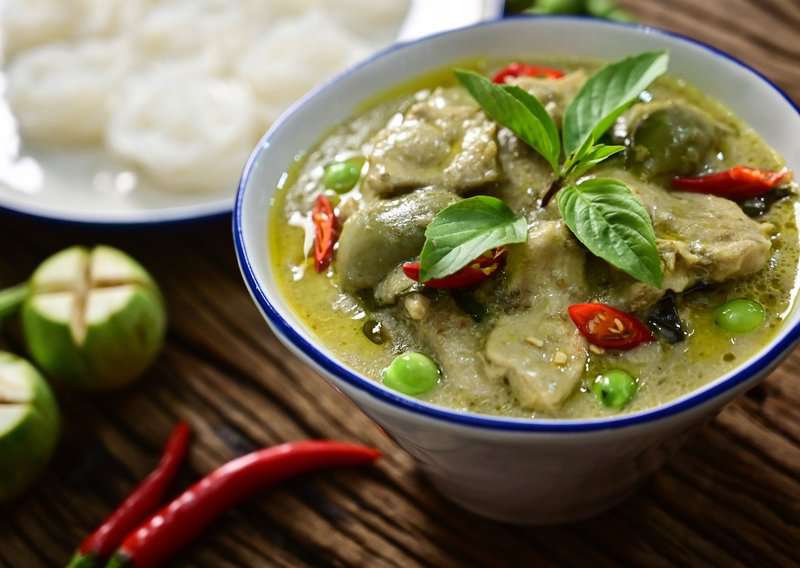
Made with green curry paste, coconut milk, meat or tofu, eggplants, and basil leaves.
Start by frying the green curry paste in a little coconut cream (the thick part that rises to the top of the can) until it’s fragrant. This process, called “blooming”, helps to release the flavors of the herbs and spices in the paste, making your curry more flavorful.
Do this for a few minutes before adding the rest of your coconut milk and other ingredients. This step significantly enhances the depth and complexity of your curry.
Green Curry Ingredients
Green Curry Paste: Store-bought or homemade.
Coconut Milk: Full-fat for richer flavor.
Chicken: Sliced into bite-sized pieces. You can also use tofu, shrimp, or beef.
Thai Basil Leaves: For a fragrant addition.
Kaffir Lime Leaves: Torn or finely chopped to release their flavor.
Fish Sauce: For salting and adding depth.
Sugar: A small amount to balance the spice and salt.
Vegetables: Traditional options include Thai eggplants, bamboo shoots, and bell peppers, but feel free to use what’s available locally like zucchini, peas, or green beans.
Lime Juice: To finish and brighten the flavor.
Red Chilies: Sliced, for garnish and extra heat if desired.
Vietnamese Food
Vietnamese cuisine focuses on freshness and simplicity, with many dishes showcasing fresh herbs and vegetables.
It is generally not as spicy as Thai food. Flavors are more balanced towards fresh, sour, and lightly sweet, relying heavily on fish sauce, rice vinegar, and fresh herbs.
A distinctive feature of Vietnamese cuisine is the use of fresh herbs that are often served uncooked and used as accompaniments to main dishes.
Vietnamese Food Pros
Vietnamese cuisine focuses on freshness, with many dishes incorporating raw vegetables, fresh herbs, and light broths, making it generally lower in calories and healthier.
Compared to Thai food, Vietnamese dishes are often more subtle and less spicy, with a greater emphasis on lightness and balance, which can be appealing for those preferring a gentler taste.
Vietnamese food offers a deep insight into its culture, with traditional cooking techniques and regional ingredients that are less modified in international kitchens.
Vietnamese Food Cons
While growing in popularity, Vietnamese cuisine is not as globally recognized as Thai food, which might limit availability and variety in some parts of the world.
The subtle flavors of Vietnamese cuisine may be perceived as bland or underwhelming by those accustomed to richer, more robust flavors.
Many traditional Vietnamese dishes are meat-centric, which might pose limitations for vegetarians and vegans, though there are still many vegetable-based options available.
Most Popular Dishes And Recipes
Pho
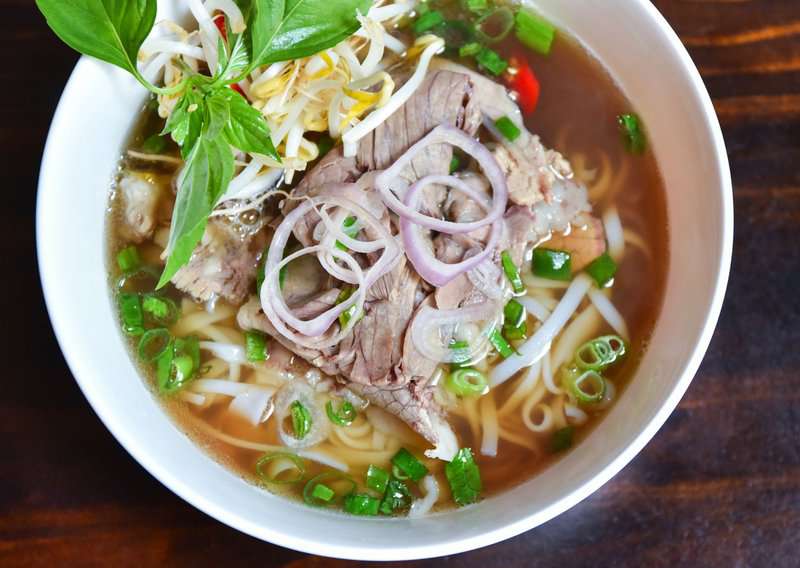
A noodle soup consisting of broth, rice noodles, herbs, and meat, typically made with either beef (Pho Bo) or chicken (Pho Ga).
To achieve a clear and flavorful broth, which is essential for a good Pho, simmer the bones and meat slowly over low heat for several hours. Skimming off any foam or impurities that rise to the surface during the first few hours of cooking helps prevent the broth from getting cloudy and ensures it remains clean and clear.
This attention during the early stages of making the broth pays off with a beautiful and delicious final product.
Read here how to make Pho
Pho Ingredients
Beef Bones: Large bones like knuckles or marrow for the broth.
Beef Brisket or other cuts for serving in the soup.
Onion and Ginger: Charred in the oven or over open flame for flavor.
Spices: Star anise, cloves, cinnamon sticks, cardamom, and black peppercorns.
Fish Sauce: For depth and saltiness.
Rice Noodles: Flat and thin, pre-soaked or cooked according to package instructions.
Herbs: Fresh basil, cilantro, and green onions.
Lime: Cut into wedges for serving.
Bean Sprouts: For crunch and freshness.
Chilies: Sliced thin for heat.
Hoisin and Sriracha Sauce: For adding additional flavor at the table.
Banh Mi
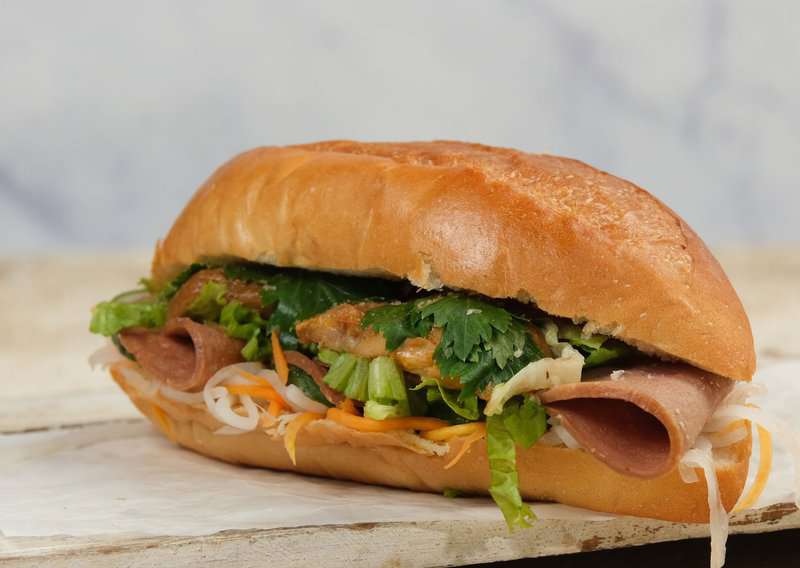
A sandwich that includes a fusion of meats and vegetables from native Vietnamese cuisine such as chả lụa, coriander leaf, cucumber, and pickled carrots and daikon combined with condiments from French cuisine such as pâté along with jalapeño and mayonnaise.
The key to a perfect Banh Mi is balancing the five flavor elements: sweet (from the pickled vegetables), savory (from the protein and pâté), creamy (from the mayonnaise), crunchy (from the cucumbers and baguette), and spicy (from the chilies).
When assembling your Banh Mi, make sure each component is well-represented and adjust according to taste. This balance of flavors and textures is what makes Banh Mi uniquely delicious and satisfying.
Bahn Mi Ingredients
Baguette: Preferably a Vietnamese-style baguette which is lighter and airier than French baguettes.
Protein: Common options include seasoned pork, grilled chicken, pâté, or tofu for a vegetarian version.
Pickled Vegetables: Carrots and daikon radish, thinly sliced and pickled in a mixture of vinegar, sugar, and salt.
Fresh Herbs: Typically cilantro.
Cucumber: Thinly sliced.
Mayonnaise: Often used as a spread inside the bread.
Soy Sauce or Maggi Seasoning: For additional seasoning.
Chilies: Freshly sliced for heat.
Optional Additional Toppings: Jalapeños, green onions, and a sprinkling of black pepper.
Goi Cuon
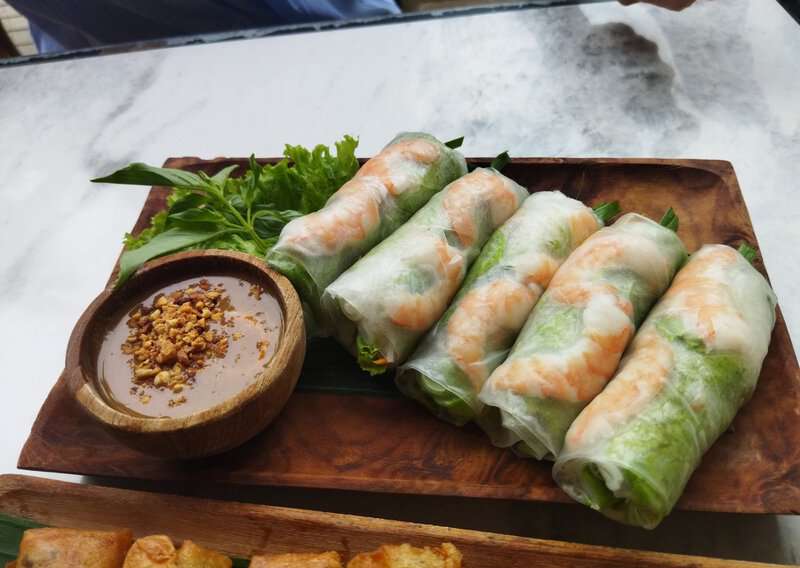
Fresh spring rolls packed with greens, coriander, minced pork, shrimp, and rice vermicelli.
To ensure the rice paper wrappers are pliable but not overly soggy or sticky, quickly dip them into warm (not hot) water just until they begin to soften, then remove and lay flat on a work surface.
They will continue to soften as you add the fillings. This method prevents the wrappers from tearing when rolled and ensures they maintain a pleasant texture in the finished rolls.
Goi Cuon Ingredients
Rice Paper Wrappers: Used to wrap all the ingredients together.
Protein: Commonly cooked shrimp, pork belly slices, or tofu for a vegetarian version.
Rice Vermicelli Noodles: Cooked and cooled.
Herbs: Fresh mint, basil, and cilantro.
Vegetables: Lettuce, bean sprouts, and thinly sliced cucumbers.
Additional Fillings: Sometimes include carrots or other fresh veggies.
Origin and History
Thai and Vietnamese cuisines are among Asia’s most celebrated culinary traditions, each shaped by geography, culture, and centuries of trade and migration. Thai cuisine emerged from a melting pot of influences Chinese stir-frying techniques, Indian spices, and Malay tropical ingredients blended with native herbs and chilies. Over time, this fusion evolved into the vibrant, flavor-packed dishes we know today, defined by the delicate balance of sweet, sour, salty, and spicy in every bite.
Vietnamese food, on the other hand, has roots in simplicity and harmony. Influenced by Chinese methods and later by French colonialism, Vietnamese cooking prioritizes freshness and lightness. Staples like rice, herbs, and fish sauce form the foundation of its cuisine, while dishes such as phở, bánh mì, and gỏi cuốn showcase a love for clean flavors and balance. The result is food that feels nourishing yet deeply flavorful, with an emphasis on texture and aroma.
Both cuisines share a deep respect for contrast and balance, but their expressions differ. Thai dishes often feel fiery and bold, with complex layers of heat and spice, while Vietnamese meals tend to be cooler, fresher, and more herb-forward. Each represents not just a country’s flavor but its philosophy Thailand’s passion for intensity versus Vietnam’s pursuit of harmony.
The question of which cuisine “reigns supreme” is one that stirs passionate debate across Asia and beyond. Fans of Thai food argue that its complexity driven by coconut milk curries, aromatic pastes, and bold spices makes it more exciting and adventurous. They point to dishes like pad thai and green curry, where flavor layers explode with every bite. To them, Thai cuisine is a full sensory experience: fiery, fragrant, and unforgettable.
On the other side, advocates for Vietnamese food emphasize its subtlety and sophistication. They argue that its freshness, reliance on herbs, and minimal use of oil make it both healthy and refined. Dishes like phở and bún chả show how balance can be achieved without overpowering spice. For many, Vietnamese cuisine’s understated elegance and focus on raw ingredients represent a deeper form of culinary artistry.
Even chefs disagree on which cuisine holds the crown. Some believe Thai food has global appeal due to its intense flavors, while others credit Vietnamese food for its versatility and adaptability. Ultimately, both cuisines tell stories of cultural resilience and creativity, and the “winner” often depends on personal taste and mood.
How Long You Take to Prepare
Thai and Vietnamese dishes vary widely in preparation time, depending on the complexity of the recipe. Traditional Thai curries, for example, can take several hours to prepare if made from scratch especially when pounding fresh curry paste by hand. However, quick stir-fries like pad kra pao or tom yum soup can be ready in under 30 minutes, making Thai food surprisingly accessible once the base ingredients are in your pantry.
Vietnamese dishes tend to take longer when broth or fermentation is involved. A rich bowl of phở bò requires slow simmering for at least four hours to develop the perfect depth of flavor, while lighter dishes like bánh xèo or gỏi cuốn can be assembled in 20–30 minutes. The key to Vietnamese cooking lies in preparation washing herbs, slicing meats thinly, and arranging ingredients neatly for balance and presentation.
Both cuisines share one thing in common: attention to detail. Whether you’re reducing coconut milk for a creamy curry or layering herbs in a rice paper roll, the magic comes from patience and precision. While some recipes demand time, many can be simplified for home cooking without losing their authentic soul.
Serving Suggestions
Serving Thai food is all about contrast and communal enjoyment. A traditional Thai meal includes multiple small dishes curries, soups, stir-fries, and salads all served family-style so diners can mix flavors and textures. Rice, particularly jasmine rice, anchors the table, soaking up sauces and balancing spice. A meal feels incomplete without condiments like chili vinegar, fish sauce, and lime wedges that let each person adjust their plate to taste.
Vietnamese meals, by contrast, highlight freshness and customization. Bowls of herbs, lime, chili, and bean sprouts often accompany dishes, inviting diners to personalize each bite. Meals are typically served with nuoc cham, a dipping sauce that ties the flavors together. Presentation matters too clean, colorful, and minimalist, reflecting the Vietnamese philosophy of balance and beauty in simplicity.
For gatherings, combine both cuisines for a playful East-meets-East experience: Thai green curry alongside Vietnamese spring rolls, or mango sticky rice with Vietnamese coffee flan for dessert. The contrast between fiery Thai richness and delicate Vietnamese freshness makes for a dynamic, crowd-pleasing feast.
Final Thoughts
Choosing between Thai and Vietnamese cuisine is like comparing two masterpieces each unique, each irresistible. Thai food captivates with its bold, unapologetic flavors that demand attention, while Vietnamese food charms with its quiet elegance and harmony. Together, they showcase Southeast Asia’s extraordinary culinary diversity and the region’s ability to turn simple ingredients into works of art.
What makes this comparison fascinating is not who wins but what they share: a deep respect for balance, community, and the joy of eating well. Both cuisines transform everyday ingredients rice, herbs, chili, fish sauce into something transcendent, reminding us that great food doesn’t need extravagance, just authenticity and care.
So, rather than pick sides, why not explore both? Learn to make Thai curry one night and Vietnamese phở the next. Let your kitchen become a crossroads of cultures and flavors. In the end, the real victory isn’t about which cuisine reigns supreme it’s about discovering how both can reign together on your plate.

About the Author: Ruben, co-founder of Gamintraveler.com since 2014, is a seasoned traveler from Spain who has explored over 100 countries since 2009. Known for his extensive travel adventures across South America, Europe, the US, Australia, New Zealand, Asia, and Africa, Ruben combines his passion for adventurous yet sustainable living with his love for cycling, highlighted by his remarkable 5-month bicycle journey from Spain to Norway. He currently resides in Spain, where he continues sharing his travel experiences with his partner, Rachel, and their son, Han.